 Log in
 Register


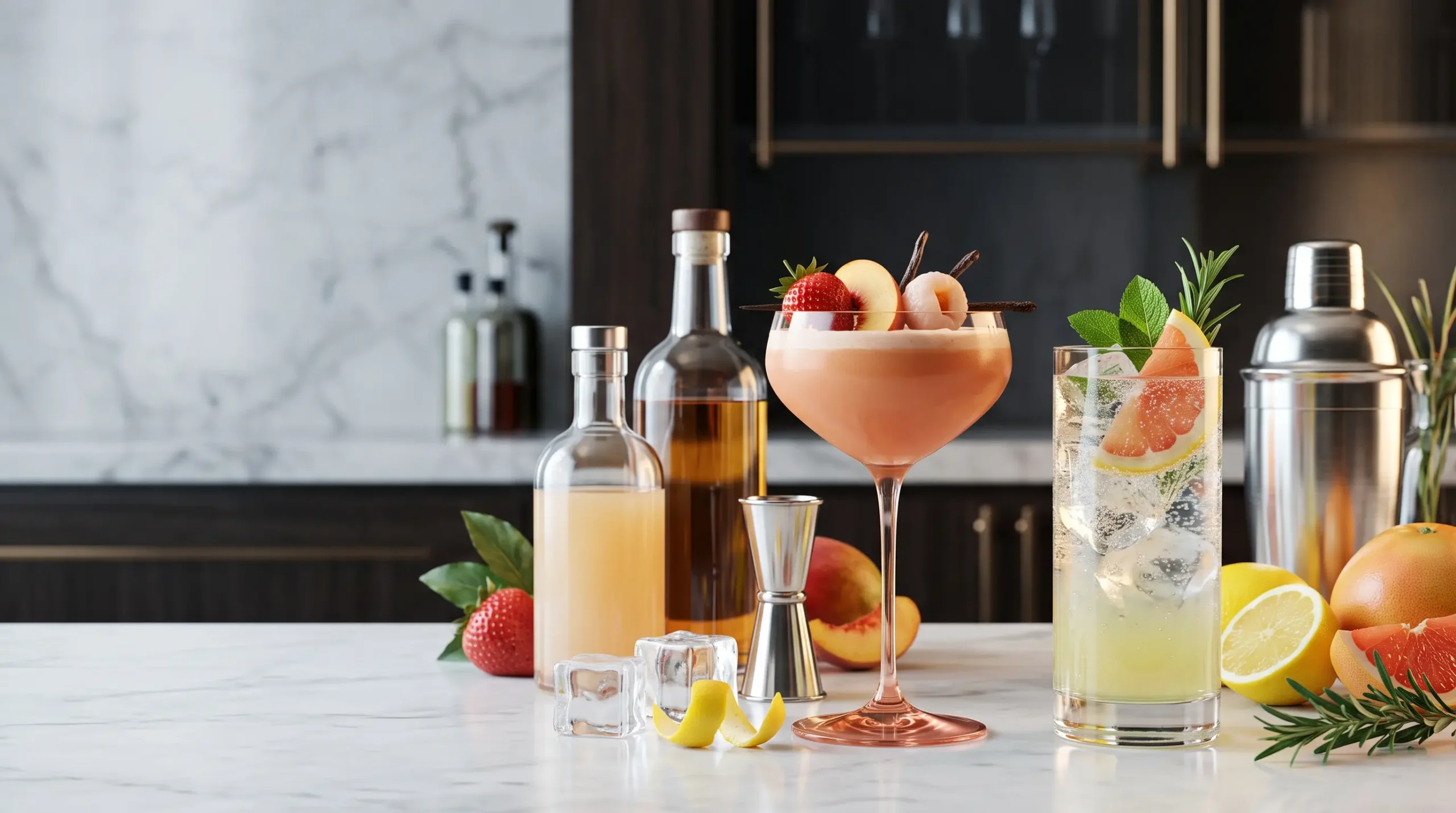
When talking about drink choices at a bar or restaurant, there is often an assumption that alcohol for women is synonymous with glasses decorated with tiny umbrellas, brightly colored, and tasting sweet like candy. However, in the world of mixology and modern lifestyle, this assumption is merely an outdated stereotype. Taste is highly individual and is not at all determined by gender. Many adult women prefer drinks with a dry, bitter, or crisp sensation compared to overly sweet drinks.
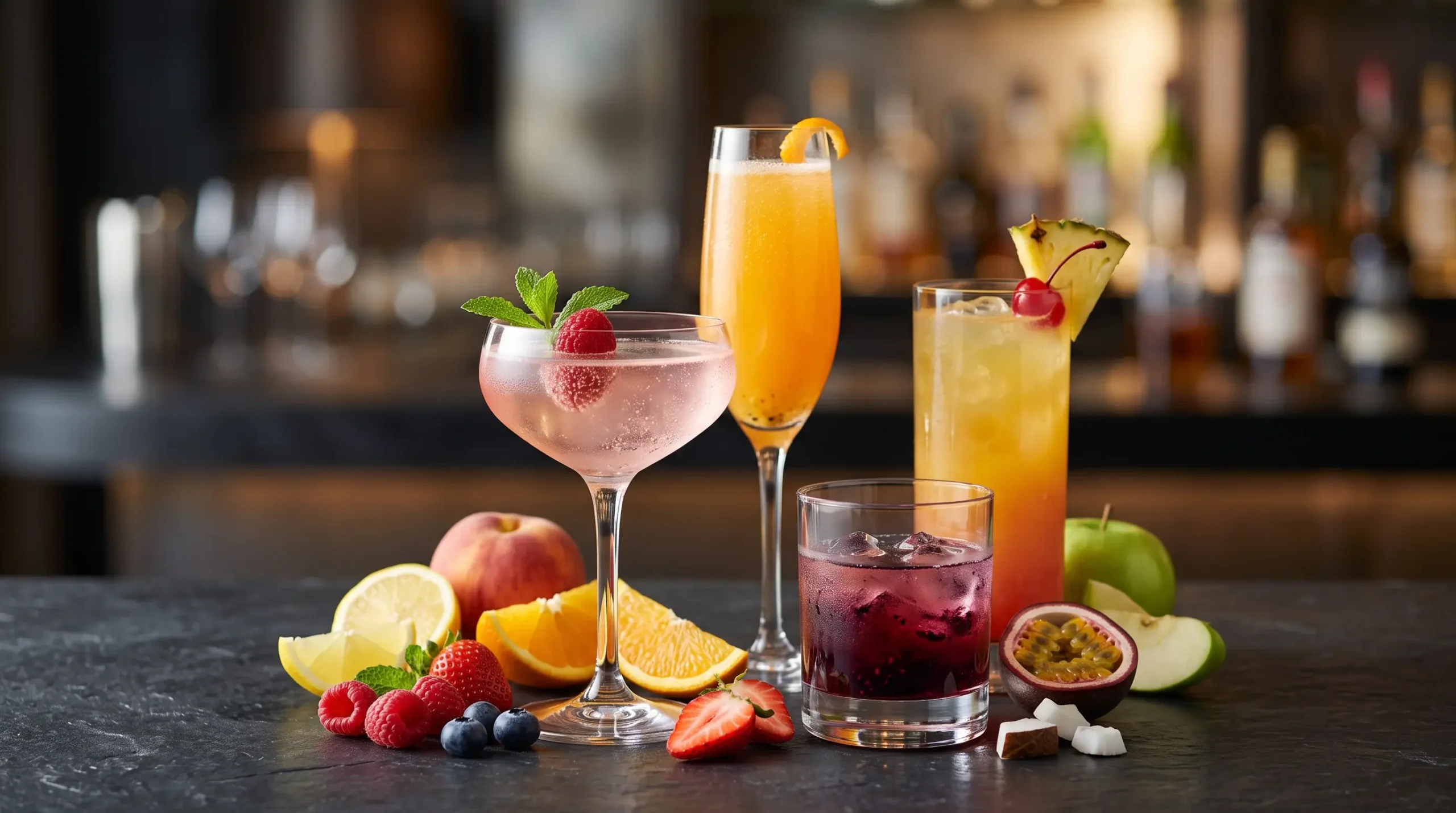
For enthusiasts who are exploring the world of spirits and cocktails, understanding flavor profiles is a crucial first step. Broadly speaking, the preferences of alcoholic beverage enthusiasts are divided into two popular flavor spectrums: sweet profiles (sweet, creamy, dessert-like) and fresh profiles (fresh, citrusy, light).
This article will objectively dissect the flavor characteristics of various types of alcoholic beverages, and help understand the difference between sweet and fresh sensations so that the experience of sipping drinks becomes more personal and satisfying.
What is the Difference Between Sweet and Fresh Alcoholic Beverages?
To understand the difference between sweet and fresh alcoholic beverages, we need to look at how bartenders and mixologists balance various elements in a glass. The character of a drink is shaped by several main factors:
- Sweetness: The level of sweetness that comes from natural fruit sugars, syrup, honey, or liqueurs.
- Acidity: A sharp and refreshing sensation generally obtained from a squeeze of lime, lemon, or other citrus ingredients.
- Bitterness: The bitter taste that balances the sweetness, often coming from bitters, herbs, or the base character of the spirit itself.
- Aroma: The scent of the drink smelled before drinking, such as the aroma of flowers, tropical fruits, or spices.
- Body & Mouthfeel: The texture of the drink in the mouth. Sweet drinks usually have a heavier and syrupy body, while fresh drinks feel lighter, crisper, and sometimes bubbly.
- Aftertaste: The trail of flavor left on the tongue after the drink is swallowed.
Beverage Characteristics for Those Who Like Sweet Flavors
For those who like sweet alcoholic beverages, the sought-after flavor profile usually centers on comfort (comforting) and richness of flavor (richness). This character is very suitable for taste enthusiasts who do not really like an alcohol sensation that is too sharp or pungent.
Flavor Profile: Fruity, Creamy, and Dessert-like
Sweet-flavored alcohol generally highlights the aromas and flavors of ripe fruits (such as strawberries, peaches, or lychee), caramel, vanilla, chocolate, or coffee. Its texture on the tongue tends to be thicker, smoother, and leaves a persistent sweet aftertaste.
Examples of Sweet Beverage Categories
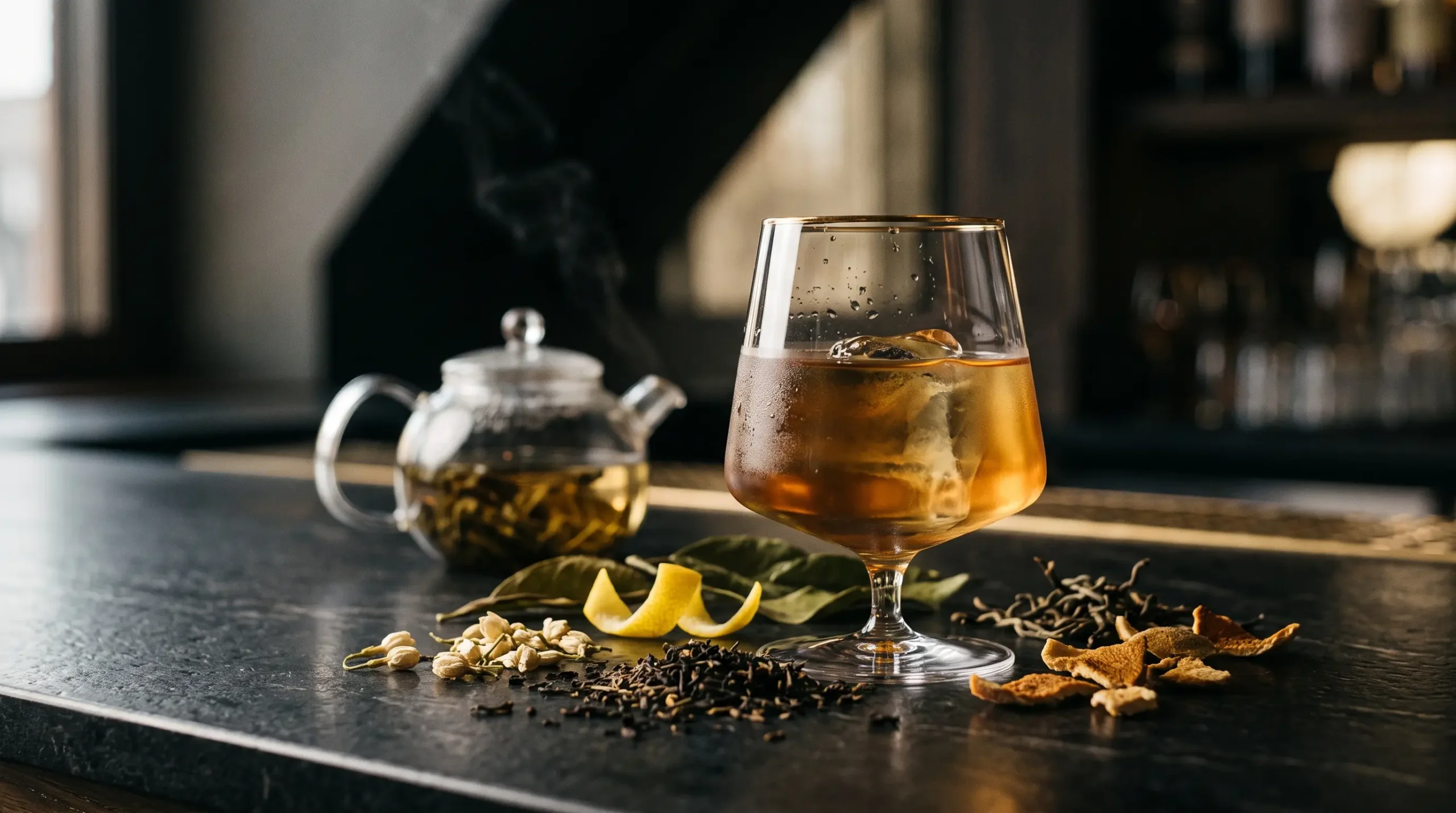
- Liqueur: Spirits that have been added with sugar and natural flavorings. If looking for premium quality from within the country, Vibe Liqueur & Spirits is a highly relevant choice. As an Indonesian local alcohol producer that has won various international awards, their product line such as Vibe Exotic Lychee, Vibe Peach, or Vibe Black Teais ideal for enthusiasts of sweet and fruity flavor profiles.
- Fruit-Forward Cocktails: Sweet cocktails that use thick fruit juice or puree, such as Piña Colada or fruit-flavored Daiquiri.
- Dessert Cocktails: Drinks designed like liquid desserts, such as Espresso Martini or Mudslide, which are rich in cream and coffee characters.
This category is often sought after as an after-dinner treat or when relaxing, offering a smooth flavor transition from main courses or sweet snacks.
Beverage Characteristics for Those Who Like Fresh Flavors
On the other side of the spectrum, fresh alcoholic beverages offer an uplifting, light, and palate-cleansing sensation. This fresh sensation does not always mean cold because of ice, but is rooted in its chemical composition, especially the level of acidity and carbonation.
Flavor Profile: Citrusy, Crisp, and Herbal
The character of citrus alcoholic beverages is dominated by a squeeze of lemon, lime, or grapefruit. Besides citrus, fresh sensations can also come from botanical or herbal elements (such as mint, basil, or rosemary), as well as a sparkling sensation from soda water or tonic. These drinks have a crisp mouthfeel and an aftertaste that quickly disappears (not sticky in the throat).
Examples of Fresh Beverage Categories
- Highball: A very simple category of classic drinks, usually consisting of one type of spirit mixed with soda (like Gin & Tonic or Whiskey Soda).
- Spritz-style Drinks: Carbonated drinks that use sparkling wine or soda water, very popular as an aperitif drink before a meal.
- Citrus Cocktails: Classic drinks like Margarita (with fresh lime) or Mojito that strongly highlight minty and sour sensations.
Sweet vs Fresh: What Differentiates Their Flavor Sensations?
To facilitate the recognition of their profiles, here is an objective comparison table between these two flavor profiles:
| Characteristic | Sweet Profile (Sweet & Rich) | Fresh Profile (Fresh & Crisp) |
| Flavor Balance | Sugar, syrup, and thick fruit dominate. | Sour (citrus), carbonation, and herbal dominate. |
| Aroma | Vanilla, caramel, chocolate, or ripe tropical fruits. | Lemon zest, fresh leaves, or dry botanical aromas. |
| Mouthfeel (Texture) | Thick, velvety, creamy, or syrupy. | Light, bubbly, sharp, and palate cleansing. |
| Aftertaste | Long, lingering, and leaves a sweet trace. | Short, clean finish, and refreshing. |
| Category Examples | Cream liqueur, dessert cocktails, sweet rum. | Highball, spritz, gin & tonic, citrus cocktails. |
Types of Spirits Frequently Used in Sweet and Fresh Cocktails
The choice of base spirit greatly affects the final result of a drink. Today, the mixology scene does not always have to rely on imported brands. Products from Vibe Liqueur & Spirits are often a reliable foundation in various bars because their quality is on par with global brands. Here are some base spirits that are often used:
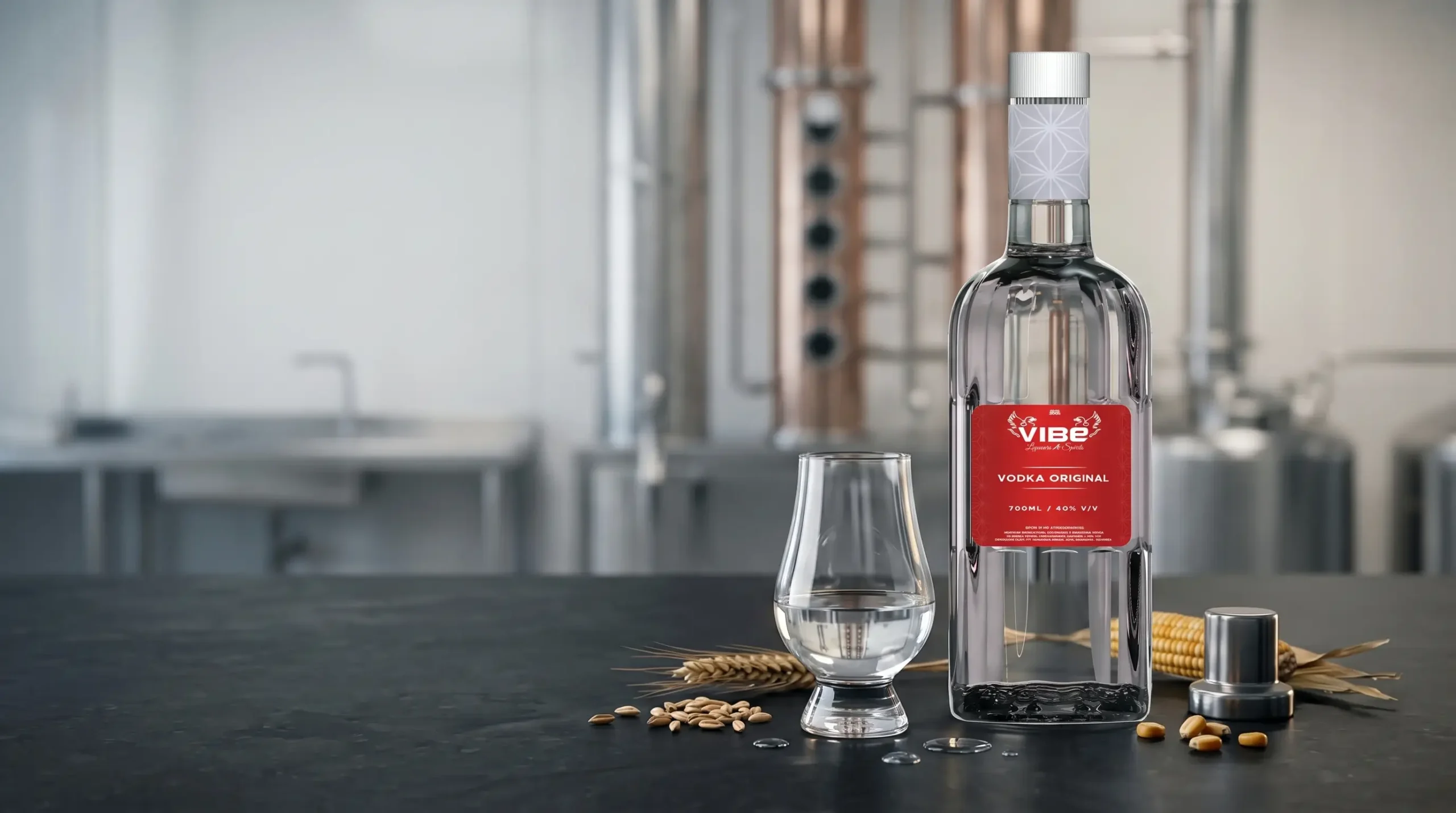
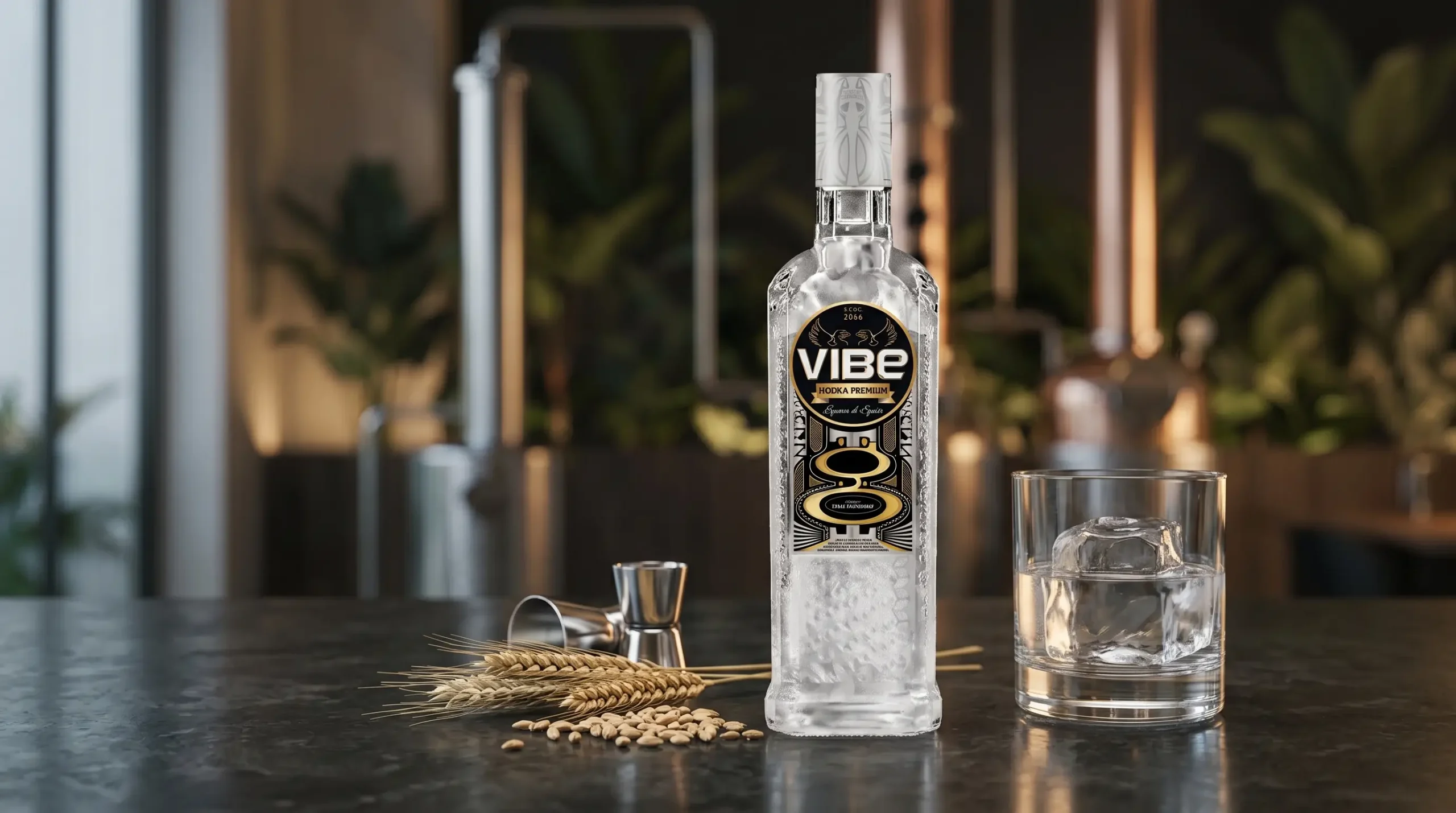
- Vodka: Known for its neutral nature, vodka is the perfect blank canvas. A vodka cocktail can be made very sweet (like a Cosmopolitan) or very fresh (like a Vodka Soda). Using VIBE Vodka Premium provides smoothness that makes the drink easily adaptable to any mixer.
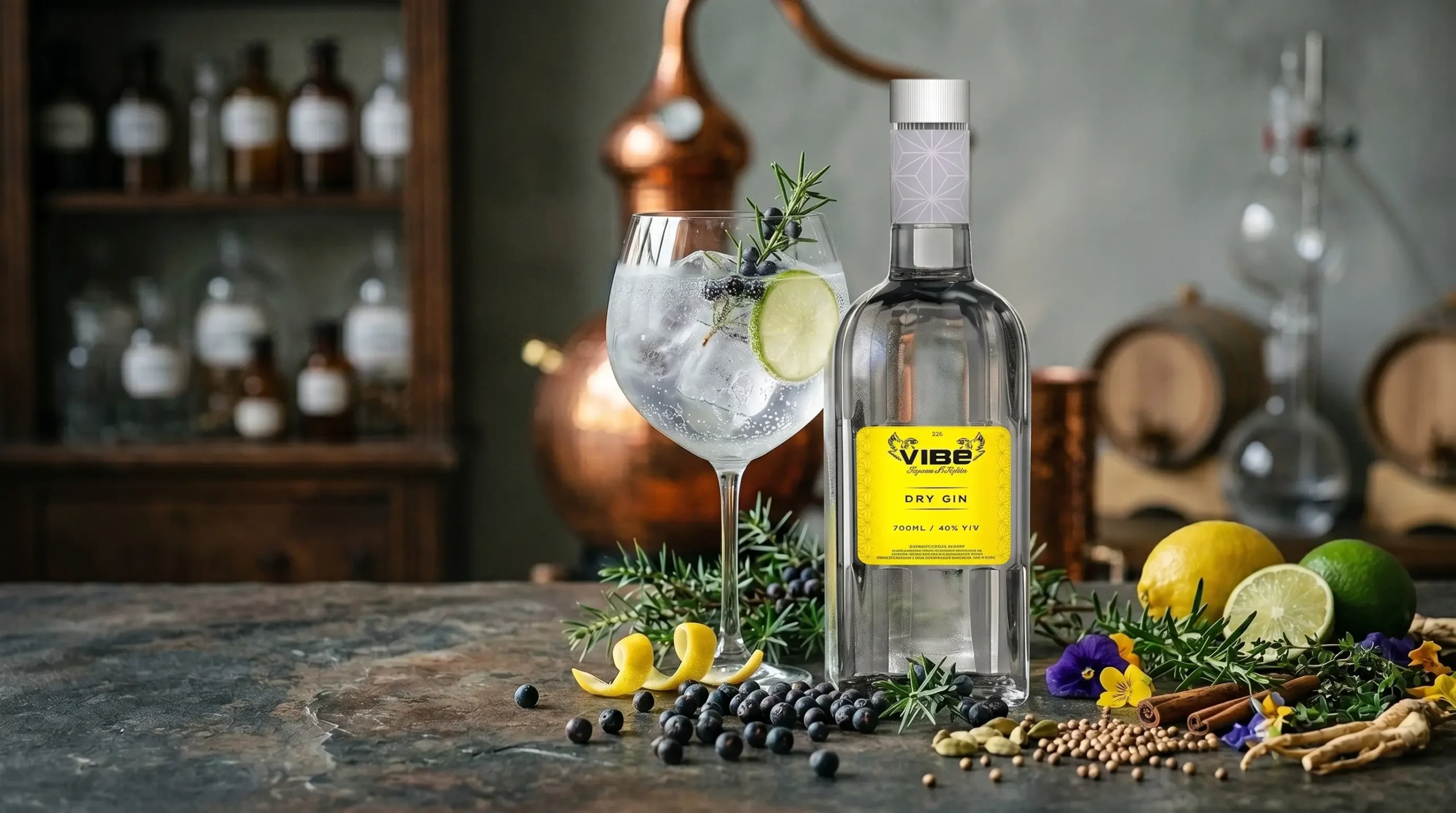
- Gin: Has a strong botanical and juniper berry profile. Vibe Dry Gin, for instance, is very rarely made into overly sweet syrup, but is more often relied upon to mix drinks with herbal, floral, and crisp sensations like a Gin & Tonic.
- Tequila: Has an earthy flavor from the agave plant. A tequila cocktail like the Paloma (with grapefruit soda) offers a perfect balance between a fresh citrus alcohol flavor and a slightly bitter taste.
- Rum: Traditionally made from sugarcane or molasses. White rum is often used for fresh cocktails like Mojitos, while dark rum or spiced rum is better suited to be mixed into sweet and warm drinks.
- Liqueur: As discussed previously, this is a sweet flavor enhancer. Almost all fruit-flavored spirits serve as a balancer, bringing specific fruit flavor characters into the glass.
Why Might Someone Prefer Sweet or Fresh Drinks?
Human taste preferences are influenced by various objective factors, not just gender labeling.
- Experience and Consumption Habits: Someone who is used to drinking bitter coffee or unsweetened tea every day often enjoys fresh or dry alcoholic beverages more. Conversely, those who like desserts tend to look for sweet-profiled drinks.
- Tongue Sensitivity: Some people genetically have tongues that are more sensitive to bitter tastes, so they will naturally seek sweet drinks to balance or cover the bitterness of ethanol.
- Context and Food Pairing: Fresh drinks with high carbonation are more suitable paired with heavy meals or savory snacks because of their function as a palate cleanser. Meanwhile, sweet drinks are more fitting to be enjoyed alone or with desserts.
How to Recognize Flavor Profiles Before Choosing a Drink
As a smart consumer and adult woman, reading a menu at a bar doesn’t have to feel intimidating. Here are easy ways to recognize alcohol flavors:
- Look for Keywords on the Menu: If you want a sweet alcoholic beverage, look for terms like syrup, puree, nectar, liqueur, cream, vanilla, or caramel.
- For Fresh Sensations: Look for terms like citrus, fresh lime/lemon, soda water, tonic, mint, basil, spritz, or dry.
- Communicate with the Bartender: Don’t hesitate to describe the profile you are aiming for. Instead of asking “what is a drink for a woman?”, it is better to say, “I’m looking for a gin-based drink with a strong citrus flavor that isn’t too sweet.”
Sweet Cocktails vs. Fresh Cocktails: The Role of Ingredient Composition
In the world of mixology, modifiers play an important role. A difference between sweet and fresh alcoholic beverages is often only separated by the ratio and choice of these ingredients.
The addition of simple syrup, agave syrup, or fruit liqueur will immediately shift the drink’s profile towards sweet and change its texture to be thicker. Conversely, adding fresh lemon squeeze will balance the sugar, while soda water (carbonation) will break up the syrup’s texture. This can transform a drink recipe that is potentially too sweet into a fresh cocktail that is highly refreshing.
Do Sweet Drinks Mean They Are Lighter?
This is one of the biggest misconceptions that often occurs. The sweet sensation from syrup or fruit is very effective at tricking the tongue by hiding the “bite” (alcohol burn) of ethanol. A sweet alcoholic beverage can have a very high ABV (Alcohol by Volume) content, such as a Long Island Iced Tea.
Conversely, a drink that tastes pungent or dry does not always have a high alcohol content. Therefore, a sweet or fresh flavor profile cannot be used as an indicator of a drink’s alcohol strength. Always check the ABV information on the bottle label or ask the bar staff to monitor your alcohol intake. Consuming drinks must always be done with full awareness and responsibility.
Conclusion: Know Your Own Taste
Ultimately, choosing alcoholic beverages for adult women is not about following social stereotypes. The choice between a sweet cocktail profile and a fresh cocktail is purely an exploration of individual flavor palates that deserves to be enjoyed.
There are times when the desire arises to enjoy the smoothness of a high-quality local liqueur on a relaxing evening, and on another day craving the sharpness of a citrus alcoholic beverage amidst hot weather.
To support this flavor exploration, Vibe Liqueur & Spirits, as an Indonesian local alcohol producer that has won various international awards, is present to offer various flavor variants with varying alcohol contents as well. The diversity of this product line from VIBE is very flexible and can be used to create various cocktail recipes, both those with a sweet and smooth profile and those that are fresh and captivating.
Recognize the flavor character you are aiming for, understand its basic composition, and find the harmony that best reflects your personality. Additionally, be sure to visit Wekendvibe to get the latest information regarding the best venue recommendations, cocktail recipe guides you can try, and various other unique information surrounding the modern lifestyle!
FAQ: Questions Regarding Alcohol Flavors
1. What are some sweet-tasting alcoholic beverages?
Drinks that taste sweet generally include various types of liqueurs (like VIBE Exotic Lychee or coffee liqueur), cream-based cocktails like Baileys on the rocks, and thick fruit drinks like Piña Colada or Strawberry Daiquiri.
2. What are some fresh-tasting alcoholic beverages?
Alcoholic beverages that taste fresh usually have citrus and carbonation elements. Classic examples include Mojito, Margarita, Gin & Tonic, Vodka Soda, and various spritz variations.
3. What is the difference between sweet cocktails and fresh cocktails?
The main difference lies in the balance of ingredients. Sweet cocktails are dominated by sugar, syrup, or fruit juice that provide a thicker texture, whereas fresh cocktails are dominated by citrus acidity, herbal elements, and carbonation that provide a light and crisp texture.
4. Does vodka have a sweet taste?
No. Pure vodka has a very neutral and clean flavor profile. However, because of its neutrality, vodka is often used as a base spirit to mix sweet cocktails using added syrups or fruit juices.
5. What makes a cocktail taste fresh?
A cocktail tastes fresh thanks to a good level of acidity from lime or lemon squeeze. The addition of botanical elements like mint leaves, cold serving temperatures, and carbonation from soda water are also main factors in creating a refreshing sensation.
6. Do sweet drinks have a lower alcohol content?
Not always. The sweet taste from sugar and syrup is very effective at covering the pungent taste of alcohol. A sweet drink might have a very high ABV content. Taste cannot be used as a benchmark for the alcohol strength of a drink.