 Log in
 Register



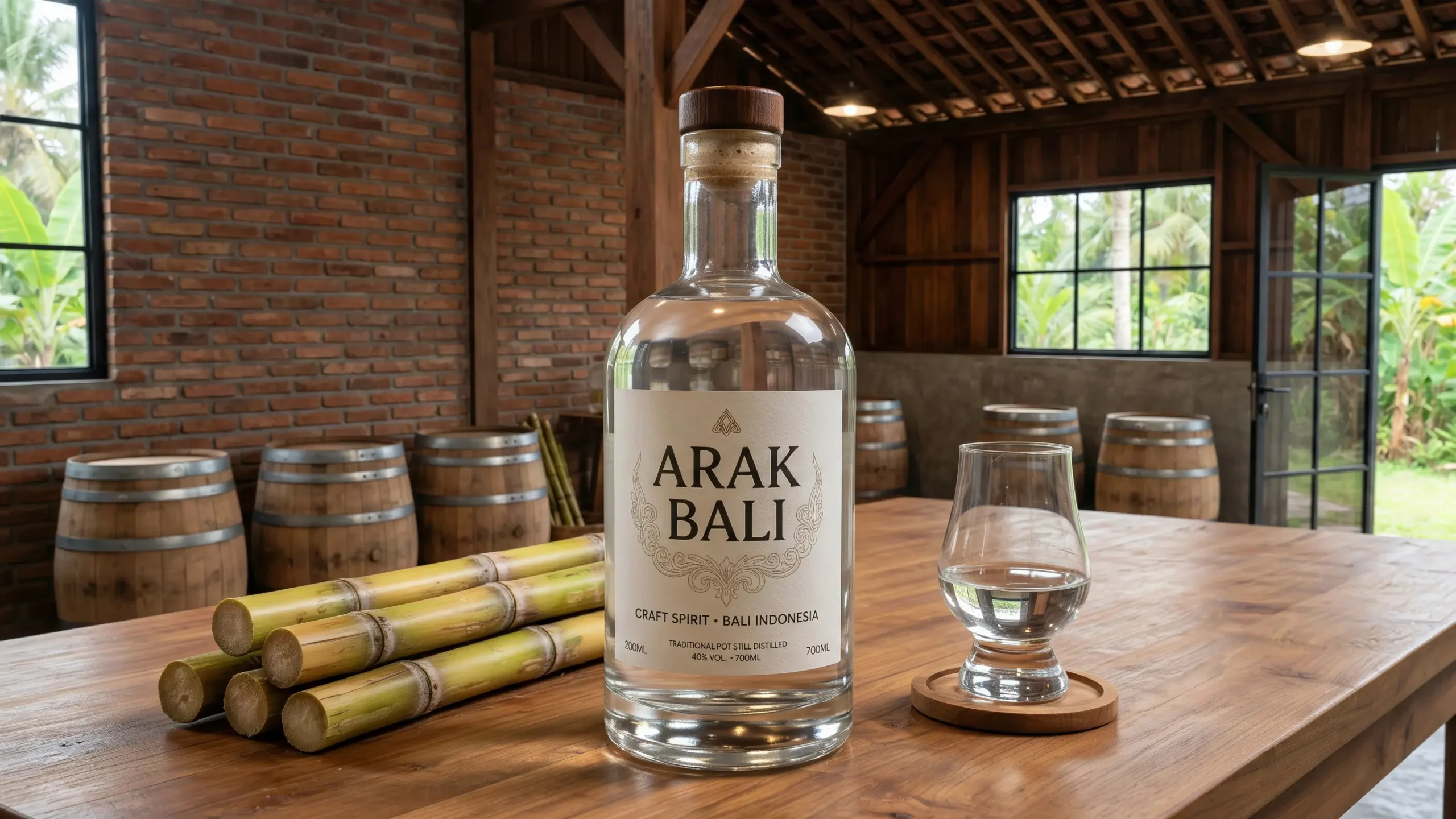
Balinese arak has long been recognized as one of Indonesia’s proud traditional spirits, deeply rooted in the country’s cultural heritage. As the beverage and mixology industries continue to evolve, this spirit has increasingly been explored through various modern creations. The flavor profile of an alcoholic beverage can change significantly when combined with different ingredients, ranging from sweetness and fruit acidity to herbal freshness and sparkling sensations. Finding a delicious Balinese arak mix is essentially a journey toward understanding flavor balance, where the characteristics of a local distillate meet ingredients that highlight its aromatic profile.
Getting to Know Balinese Arak and Its Flavor Characteristics
Balinese arak is a traditionally distilled alcoholic beverage generally made from the fermentation of coconut sap, palm sap (aren), or lontar palm sap. Its production process, passed down through generations, gives this spirit distinctive characteristics closely associated with the local wisdom of Balinese communities.
The aroma and flavor characteristics of Balinese arak vary considerably depending on the primary ingredients and distillation techniques used. In general, this spirit offers an earthy aroma, subtle smoky notes, and a strong natural fermentation character. However, it is important to understand that not all Balinese arak products have the same flavor or alcohol content.
Today, there is a fundamental difference between traditionally home-brewed Balinese arak and commercial products. Legal commercial products typically undergo factory standardization, have clearly defined Alcohol by Volume (ABV) specifications, and carry official excise labels, providing more measurable flavor and quality consistency compared to traditional versions.
What Makes Balinese Arak Mixes Have Different Flavor Characteristics?
In the world of mixology, crafting a drink is not simply about combining liquids, but rather the science of balancing different flavor elements. The final characteristics of an arak bali mix are greatly influenced by the following components:
- Sweetness: Sugar, honey, or syrup helps soften the sharp sensation of alcohol and balance acidity.
- Acidity: Obtained from citrus juice, such as oranges or lemons, acidity adds freshness and prevents a drink from becoming monotonous on the palate.
- Fruit and Botanical Aromas: Adding spices, herbal leaves, or fruit extracts enriches the flavor profile and can mask overly intense earthy aromas.
- Carbonation: Bubbles from soda provide a crisp texture and lift the drink’s aromas to the surface.
- Dilution: Slowly melting ice is crucial for lowering alcohol intensity (ABV drop), making the drink easier to consume.
- Alcohol Sensation: Alcohol acts as a flavor carrier. Its concentration determines how strongly a flavor lingers on the palate.
Exploring Different Ingredient Combinations in Balinese Arak-Based Drinks
When it comes to the question of what to mix with Balinese arak, there are various culinary ingredient categories commonly used to create harmonious beverage profiles.
Combinations with Citrus and Fruit
Citrus is a key component in many Balinese arak recipes. Balinese arak combined with oranges, lemons, or even pineapple is often preferred because the acidity of these fruits can cut through the harsh characteristics of alcohol. The fresh aromatic profile of citrus creates a well-balanced tropical sensation.
Combinations with Honey and Sweet Ingredients
Balinese arak mixed with honey is often a favorite because this natural sweetener not only contributes sweetness but also provides a richer mouthfeel and distinctive floral aroma. Sweet elements are important for softening bitterness and creating balance.
Combinations with Herbs and Botanicals
The use of botanicals such as mint leaves, rosemary, or ginger can introduce additional aromatic layers. For example, Balinese arak combined with ginger creates a spicy, warming sensation that complements the earthy character of the spirit.
Combinations with Soda and Sparkling Ingredients
Combining Balinese arak with soda, tonic water, or ginger ale is one of the easiest ways to create highball variations. Carbonation adds a light, bubbly sensation, transforming the drink’s texture into something more refreshing and suitable for tropical weather.
Combinations with Traditional Indonesian Ingredients
Indonesia is rich in spices. Exploring local ingredients such as lemongrass, cinnamon, and cloves is often used to create Balinese arak cocktails that highlight the identity of the Indonesian archipelago.
Understanding Flavor Profiles in Balinese Arak-Based Drinks
To understand how each ingredient contributes to flavor harmony, refer to the following flavor profile guide:
| Ingredient Group | Aroma or Flavor Characteristics | Role in the Flavor Profile |
| Citrus (Orange, Lemon) | Fresh, acidic, aromatic | Provides aromatic character and acidity |
| Tropical Fruits (Pineapple, Mango) | Fruity, sweet, aromatic | Adds fruity characteristics and softens alcohol |
| Honey / Syrup | Sweet, floral | Adds sweetness, texture, and distinctive aroma |
| Herbs (Mint, Lemongrass) | Fresh, botanical | Adds aromatic complexity and freshness |
| Ginger | Spicy, warm | Provides spice sensations and a warm aftertaste |
| Sparkling Ingredients (Soda) | Bubbly, crisp | Changes texture and provides dilution |
Balinese Arak in Balinese Culture and Traditions
Discussing Balinese arak would be incomplete without understanding its important position within the social structure of local communities. Historically, Balinese arak has often been used in various traditional Balinese ceremonies (yadnya) as tetabuhan, a symbolic offering intended to maintain harmony within the universe.
In the modern context of tourism, Balinese arak has been recognized as one of Indonesia’s Intangible Cultural Heritage (WBTb). This recognition has encouraged the evolution of Balinese arak from a communal beverage in rural communities into a creative economic commodity that is gradually gaining recognition alongside international spirits in premium bars and restaurants.
What You Should Know About the Alcohol Content of Balinese Arak
It is essential to understand the composition of alcoholic beverages before exploring their variations. Alcohol by Volume (ABV) is the international metric standard used to measure the percentage of pure ethanol in a liquid’s total volume.
Commercial arak products generally have an ABV clearly stated on their packaging, ranging from 30% to 40%. This is in line with legal spirits production standards in Indonesia, such as the product range from Vibe Liqueur & Spirits, which consistently displays verified ABV levels and official excise labels for consumer safety. In contrast, traditionally distilled arak often lacks consistent ABV standards, making its effects difficult to predict.
It is important to emphasize that mixing alcohol with sweet ingredients, citrus, or soda does not eliminate or neutralize its alcohol content. Sweet flavors often merely mask the taste of alcohol, potentially causing someone to underestimate how much alcohol they have consumed.
Responsible Alcohol Consumption
Enjoying alcoholic beverages requires maturity and responsibility. Based on guidance from global health organizations, there are several principles to keep in mind when consuming alcohol:
- Always check the ABV label on commercial products to understand their alcohol content.
- Excessive alcohol consumption can negatively affect the body’s organs and overall health.
- Alcohol can interact negatively with various medications and certain medical substances.
- Do not operate motor vehicles or heavy machinery after consuming alcoholic beverages (don’t drink and drive).
- Alcoholic beverages are strictly prohibited for individuals below the legal drinking age (under 21 in Indonesia), pregnant women, and individuals with certain medical conditions.
Exploring the Flavor Journey of Balinese Arak
The existence of Balinese arak as a cultural heritage offers a wide dimension of flavors to explore. Finding a delicious Balinese arak mix is essentially a process of appreciating a local distillate by combining sweetness, acidity, and aromatic components in a balanced way.
Further insights into premium beverage trends, cocktail culture, and guides to the best entertainment venues can be found through in-depth reviews on Wekendvibe. In addition, for a standardized mixology experience featuring products with official excise labels, the range of spirits and liqueurs from Vibe Liqueur & Spirits offers an ideal choice, emphasizing premium quality and consistent flavor in every crafted drink.
FAQ
1. What is Balinese arak usually mixed with?
From a culinary perspective, Balinese arak is often combined with citrus juice (such as lemon or lime), honey, sugar syrup, ginger, sparkling drinks, or tropical fruit juices to balance its flavor profile.
2. What are the flavor characteristics of Balinese arak?
Its main characteristics depend heavily on the fermentation ingredients, such as coconut sap or palm sap. It generally has an earthy aroma, subtle smoky notes, and a fairly sharp alcohol intensity.
3. What makes Balinese arak different from other spirits?
The difference lies in its use of locally sourced palm sap and traditional distillation methods, which produce a unique flavor profile that is difficult to replicate with grain-based spirits.
4. Does Balinese arak have the same alcohol content in every product?
No. Traditionally home-produced arak has inconsistent alcohol levels, while legal commercial products have measured alcohol content clearly stated on their bottle labels.
5. What does ABV mean in Balinese arak?
ABV (Alcohol by Volume) is a measurement indicating the percentage of pure alcohol (ethanol) contained within the total volume of a beverage.
6. Can sweet ingredients eliminate the alcohol content in a drink?
No. Sweet ingredients such as honey, syrup, or fruit juice only mask the taste of alcohol on the palate. They do not change or reduce the ethanol content in the drink.
7. What Indonesian local ingredients have aromatic characteristics?
Local ingredients with strong aromatic profiles include lemongrass, ginger, cloves, cinnamon, lime, and pandan.
8. What should you know before learning about Balinese arak?
It is important to understand the difference between arak used for cultural and ritual purposes and commercial arak consumed casually, as well as the importance of always knowing the ABV before consuming it.