 Log in
 Register


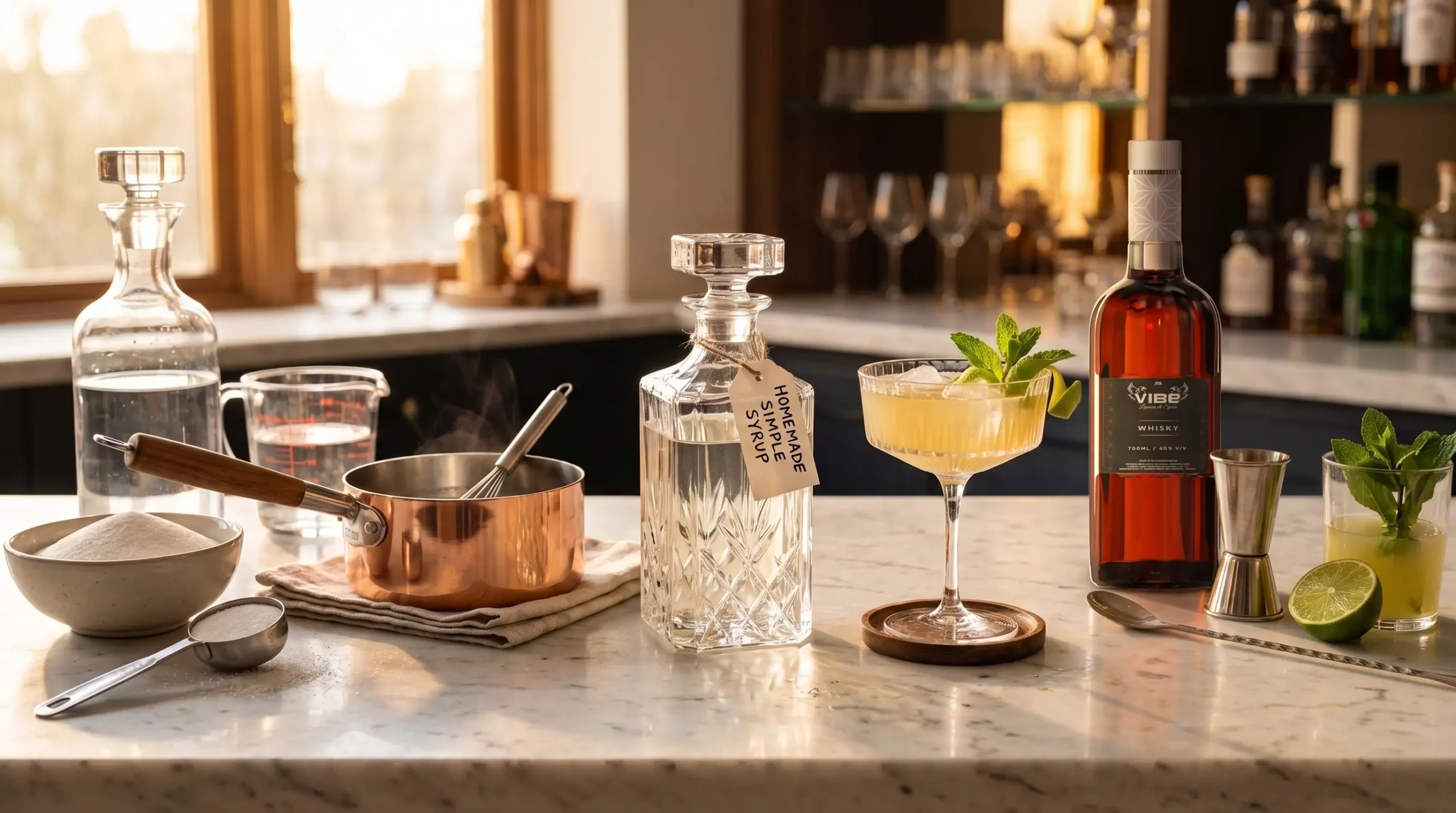
When ordering a drink at your favorite bar, have you ever wondered why cocktails made by professional bartenders always taste so balanced, smooth, and never leave sugar granules at the bottom of the glass? The secret to this perfect beverage preparation often lies not in expensive liquor, but in one of the most fundamental cocktail ingredients: simple syrup.
In the world of basic mixology, simple syrup is the backbone of almost all classic cocktails. Whether it is a refreshing Daiquiri or a classic Whiskey Sour, their balanced flavor relies entirely on this sweet liquid. For drink enthusiasts who want to elevate the quality of their homemade cocktails, mastering how to make simple syrup from scratch is the first essential step.
This article will thoroughly explore the best techniques, simple syrup recipes, and bartender tips so anyone can create professional-quality mixed drinks right from their home kitchen.
What is Simple Syrup?
Definition and Main Function
Literally speaking, simple syrup is a straightforward sugar syrup. This liquid is a mixture of sugar and water dissolved together. In the mixology dictionary, it is a basic cocktail ingredient that functions as the primary sweetener. Because it is already in liquid form, this syrup blends much more easily with other liquids, especially when shaken or stirred with ice cubes.
A Brief History in Mixology
Long before the modern bartending era, mixed drinks often used sugar lumps or granulated sugar directly. Jerry Thomas, the father of American bartending, frequently recommended using sugar crushed with a little water (muddled) in his book published in the mid-19th century. However, as time passed and the volume of orders at bars increased, drink makers realized that dissolving granulated sugar into cold alcohol was far too time-consuming. The batch preparation method in the form of simple syrup was born to speed up service without sacrificing quality.
Why Do Cocktails Need Simple Syrup?
Why not just use regular granulated sugar? This question is often asked by beginner home bartenders. Here are the reasons why this sweet liquid is so crucial:
Flavor Balance
Every homemade and professional cocktail recipe relies on the balance between sour, sweet, and strong (spirit) elements. Homemade simple syrup provides a precise level of sweetness that is easily measured using a jigger, ensuring the drink’s flavor profile remains consistent in every serving.
Texture and Consistency
Granulated sugar is notoriously difficult to dissolve in cold liquids or alcohol. If you add sugar directly into a shaker filled with ice cubes, most of the sugar granules will not dissolve and will simply settle at the bottom of the glass. This results in a drink that is bland on the first sip and far too sweet on the last. Simple syrup guarantees the drink’s texture (mouthfeel) becomes silkier and consistent from beginning to end.
How to Make Fail-Proof Simple Syrup (Basic Recipe)
Making this ingredient is incredibly easy, but knowing the right technique will prevent crystallization. Here is the absolute guide to making it correctly.
Ingredient and Tool Preparation
- Ingredients: White granulated sugar and clean water (use filtered or mineral water).
- Tools: A small saucepan, a stirring spoon, a measuring cup, and an airtight glass bottle for storage.
| Ingredient | Amount (Volume) | Function |
| White Granulated Sugar | 1 cup (250 ml) | Primary sweetener |
| Clean Water | 1 cup (250 ml) | Solvent |
Preparation Steps
- Prepare the Saucepan: Combine the water and sugar in the saucepan using an equal ratio (1:1).
- Heat on Medium: Turn the stove to medium-low heat. Do not use high heat, as you do not want the water to evaporate quickly before the sugar fully dissolves.
- Stir Slowly: Stir the water and sugar mixture slowly until the sugar granules begin to disappear.
- Do Not Boil Vigorously: Immediately turn off the heat when the mixture starts to show small bubbles at the edges of the pan and the liquid has turned completely clear. Simple syrup does not need to be cooked to a rolling boil.
- Cooling Process: Leave the saucepan on the counter until the syrup reaches room temperature. Do not pour hot syrup directly into a glass bottle or the refrigerator.
- Storage: Once cool, pour it into a glass bottle using a funnel, seal it tightly, and label it with the production date.
Understanding Simple Syrup Ratios: 1:1 vs 2:1
In the realm of cocktail education, there are two standard sugar syrup ratios most commonly used by top bars around the world.
1:1 (Classic Simple Syrup)
- Characteristics: Uses one part sugar and one part water.
- Advantages: It is very easy to mix, has a light texture, and does not add excessive thickness to the drink. It is highly ideal for refreshing cocktails like the Mojito or Tom Collins.
- Shelf Life: Lasts about 3 to 4 weeks in the refrigerator.
2:1 (Rich Simple Syrup)
- Characteristics: Uses two parts sugar and one part water.
- Advantages: Provides a thicker and richer (velvety) texture. It is usually the top choice for classic cocktails based on pure spirits, like the Old Fashioned. Because the sugar content is so high, this syrup does not freeze and offers better stability.
- Shelf Life: Can last up to 6 months in the refrigerator thanks to the sugar acting as a natural preservative.
Simple Syrup Variations for Flavor Exploration
After mastering the basic technique, level up your home bartending by exploring flavor infusions. The process is the same; simply add the extra ingredients when the water and sugar are heated, then strain it after the syrup cools down.
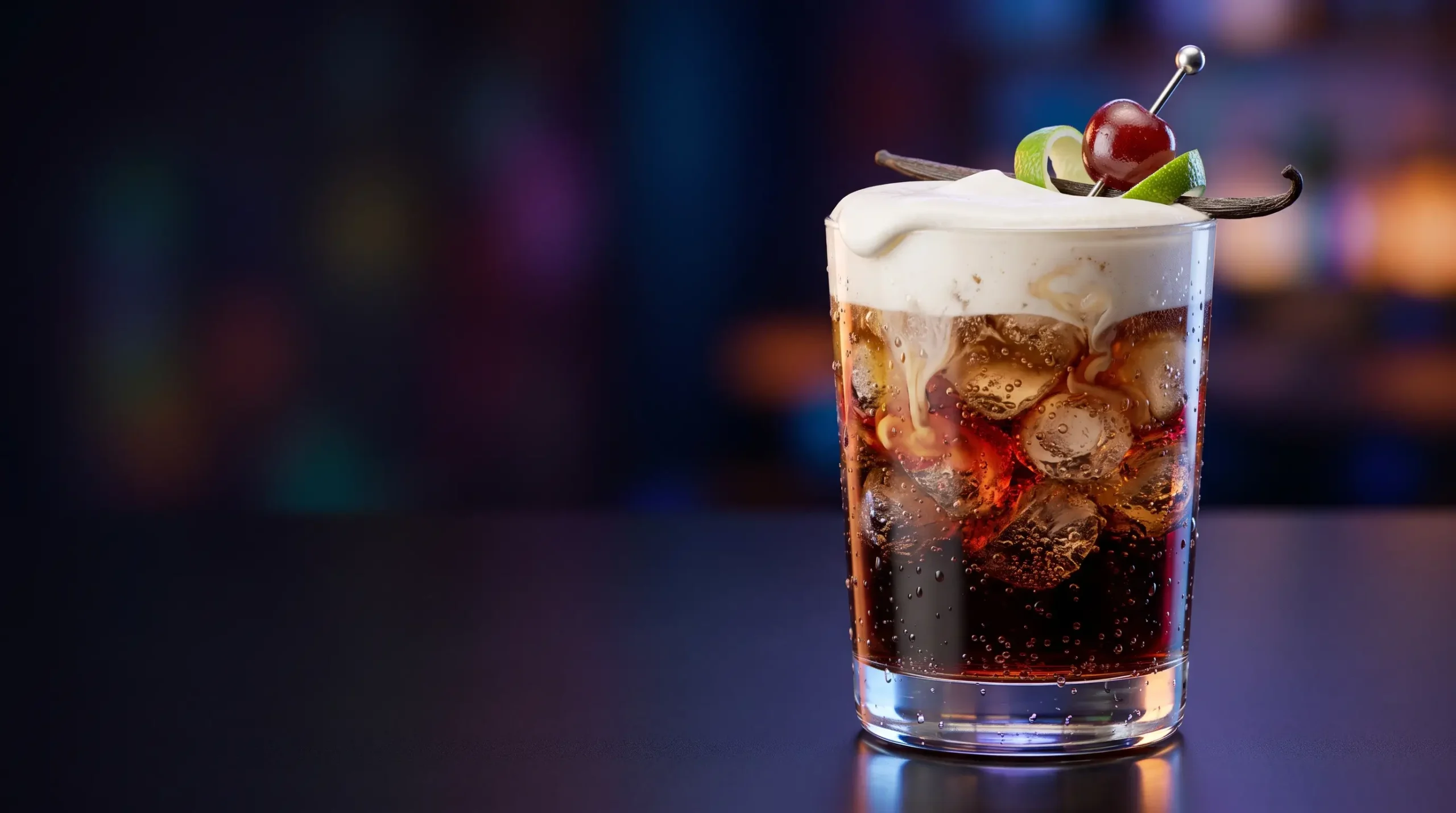
- Vanilla Syrup: Split a real vanilla bean and add it to the mixture. This pairs perfectly with a Pornstar Martini or Espresso Martini.
- Cinnamon Syrup: Add 2-3 cinnamon sticks. This is a secret weapon for mixing Tiki-style drinks or Rum-based cocktails.
- Honey Syrup: Replace the granulated sugar with honey (using a ratio of 3 parts honey to 1 part hot water). This is a must-have if you want to mix a Bee’s Knees or Penicillin.
- Ginger Syrup: Grate fresh ginger and cook it with the syrup. It provides an incredible spicy kick for a Moscow Mule or Dark ‘n’ Stormy.
- Pandan Syrup: Boil tied fresh pandan leaves. This is very popular in modern Asian bars to add an exotic touch to Gin or Vodka.
- Lemongrass Syrup: Bruise a stalk of lemongrass. Its aromatic character works beautifully when paired with citrus-based drinks.
- Palm Sugar Syrup: Uses palm sugar. It provides a dark color and a deep caramel flavor, making it suitable for Whiskey or coffee-forward drinks.
How to Store Simple Syrup to Make It Last Longer
The quality of homemade cocktails heavily depends on the freshness of the ingredients. If storage is handled carelessly, the syrup will spoil quickly.
- Best Container: Always use a sterilized glass bottle (boiled or rinsed with hot water). Avoid plastic containers because the pores in plastic can harbor bacteria or aromas from previous liquids.
- Storage Temperature: Store it in the refrigerator immediately after the syrup reaches room temperature. Cold temperatures will slow down bacterial growth.
- Signs of Spoilage: Discard the syrup if it looks cloudy, strange sediments appear, there is mold on the surface, or it emits a sour/rancid aroma.
Common Mistakes When Making Simple Syrup
Although it seems trivial, there are several traps that often cause beginners’ experiments to fail completely:
- Cooking Too Long: This is the most fatal mistake. Boiling the syrup for too long will drastically evaporate the water content, ruining the ratio and causing the sugar to recrystallize when cold (even turning into solid caramel).
- Heat Too High: High heat causes the edges of the pan to burn quickly, imparting a bitter, burnt taste to the syrup.
- Sugar Not Completely Dissolved: Rushing to turn off the heat before the liquid is entirely clear will leave microscopic granules that trigger mass crystallization inside the bottle.
- Container Not Clean Enough: Bottles that still contain leftover raw water will trigger bacterial fermentation, making the syrup go stale in a matter of days.
List of Classic Cocktails That Use Simple Syrup
Here is a brief guide to drinks that must be mixed using this liquid sweetener:
| Cocktail | Uses Simple Syrup | Main Accompanying Ingredients |
| Whiskey Sour | Yes | Bourbon, fresh lemon juice |
| Daiquiri | Yes | Light Rum, lime juice |
| Mojito | Yes | White Rum, mint leaves, soda water |
| Tom Collins | Yes | Gin, lemon juice, soda |
| Old Fashioned | Yes (Rich Syrup) | Bourbon/Rye, Angostura bitters |
| Gimlet | Yes | Gin, fresh lime juice |
| French 75 | Yes | Gin, lemon juice, Champagne |
Professional Bartender Tips for Quality Syrup
- Explore Sugar Types: Don’t limit yourself to white granulated sugar. Try using Demerara or Turbinado sugar. These raw sugars contain molasses, which provides a brownish-gold hue and a toffee or caramel flavor profile highly favored by beverage experts.
- Water Quality is Key: A cocktail’s components are mostly water. Using tap water that smells of chlorine will ruin the final taste. Always use mineral water or water that has gone through a proper filtration system.
- Add a Little Vodka: For Classic Simple Syrup (1:1), adding half a teaspoon of neutral-quality Vodka into a bottle of syrup can act as an additional preservative, extending its shelf life in the refrigerator.
Myths and Facts About Simple Syrup
- Myth: It must be cooked for hours to last long. Fact: Heating is only intended to dissolve the sugar. Once the liquid is clear (less than 5 minutes), the process is complete.
- Myth: It must be cooked on the stove. Fact: Not always. For a 1:1 ratio, sugar can be dissolved simply by putting room-temperature water and sugar into a bottle, then shaking it vigorously for a few minutes (the cold process).
- Myth: It is only used for alcoholic drinks. Fact: This liquid is also exceptional for sweetening iced coffee, iced tea, mocktails, and even for baking cakes and pastries.
Conclusion: Perfect Your Homemade Cocktail Mixes
Mastering how to make homemade simple syrup is the most essential foundation in a home bartender’s journey. This sweet liquid is not just a regular sweetener; it is a crucial element that binds all the cocktail components into a unified, balanced flavor, offering a smooth texture that is consistent from the first sip to the last. After understanding the correct ratio, maintaining the cleanliness of the process, and exploring various flavor infusions, the next crucial step to matching the quality standards of a professional bar is to use an exceptional main spirit.
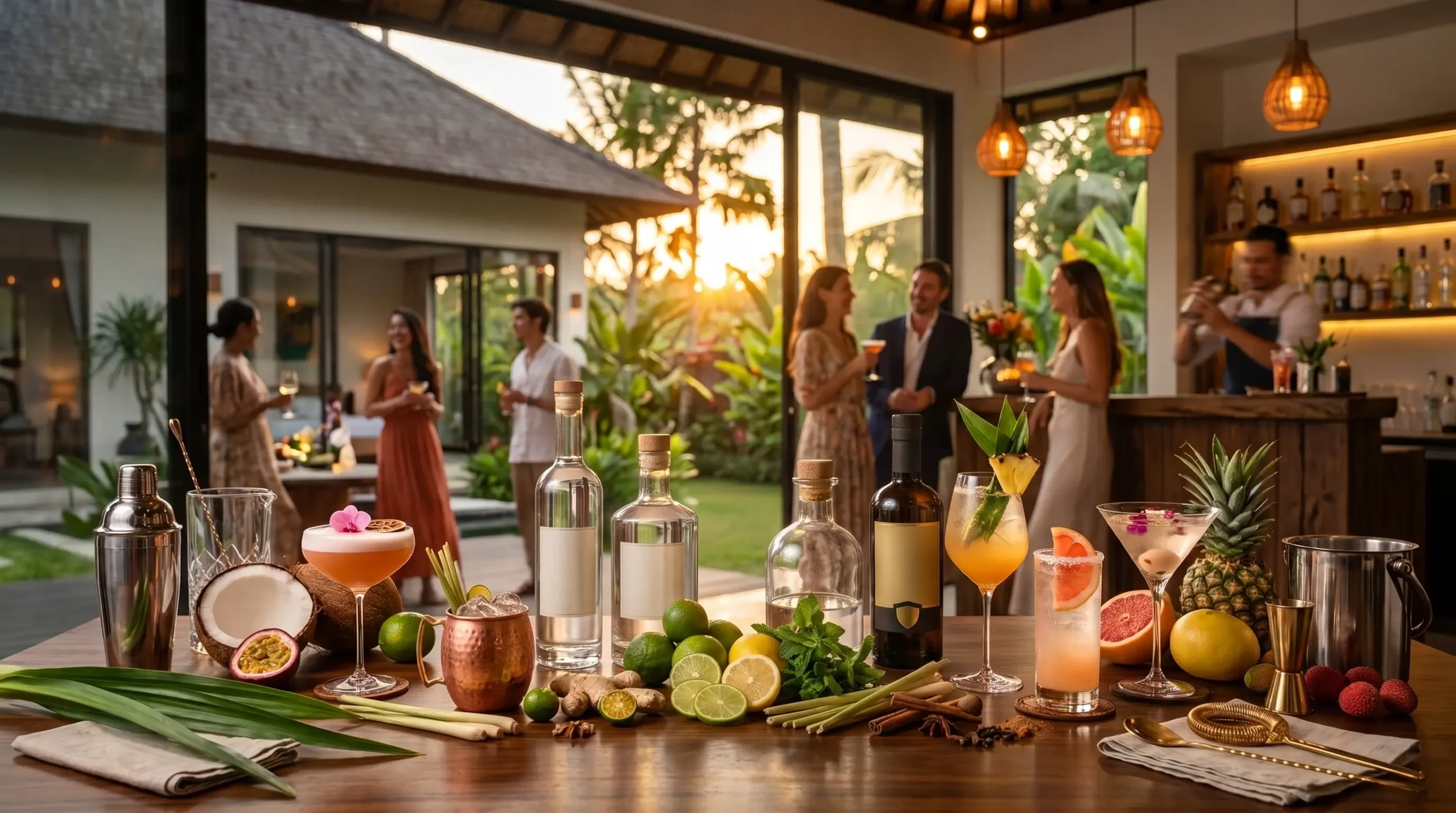
To elevate your home mixology experience, pair the simple syrup you have made with Vibe Liqueur & Spirits. As a proud Indonesian local alcohol brand that has won various prestigious international awards, Vibe offers a lineup of products with stunning flavor variations and varying alcohol contents. The entire Vibe Liqueur & Spirits collection is highly versatile and can be applied to numerous cocktail recipes whether they are boldly characterized classic mixes or refreshing modern creations.
Do not stop experimenting! Visit Wekendvibe to continue updating your insights on lifestyle and entertainment. There, you will find exclusive access to the best venue recommendations, the latest cocktail recipe inspirations, and various other unique pieces of information surrounding beverage culture. Prepare your shaker, measure out your homemade simple syrup, pour your favorite Vibe Liqueur & Spirits, and start mixing drinks like a professional!