 Log in
 Register


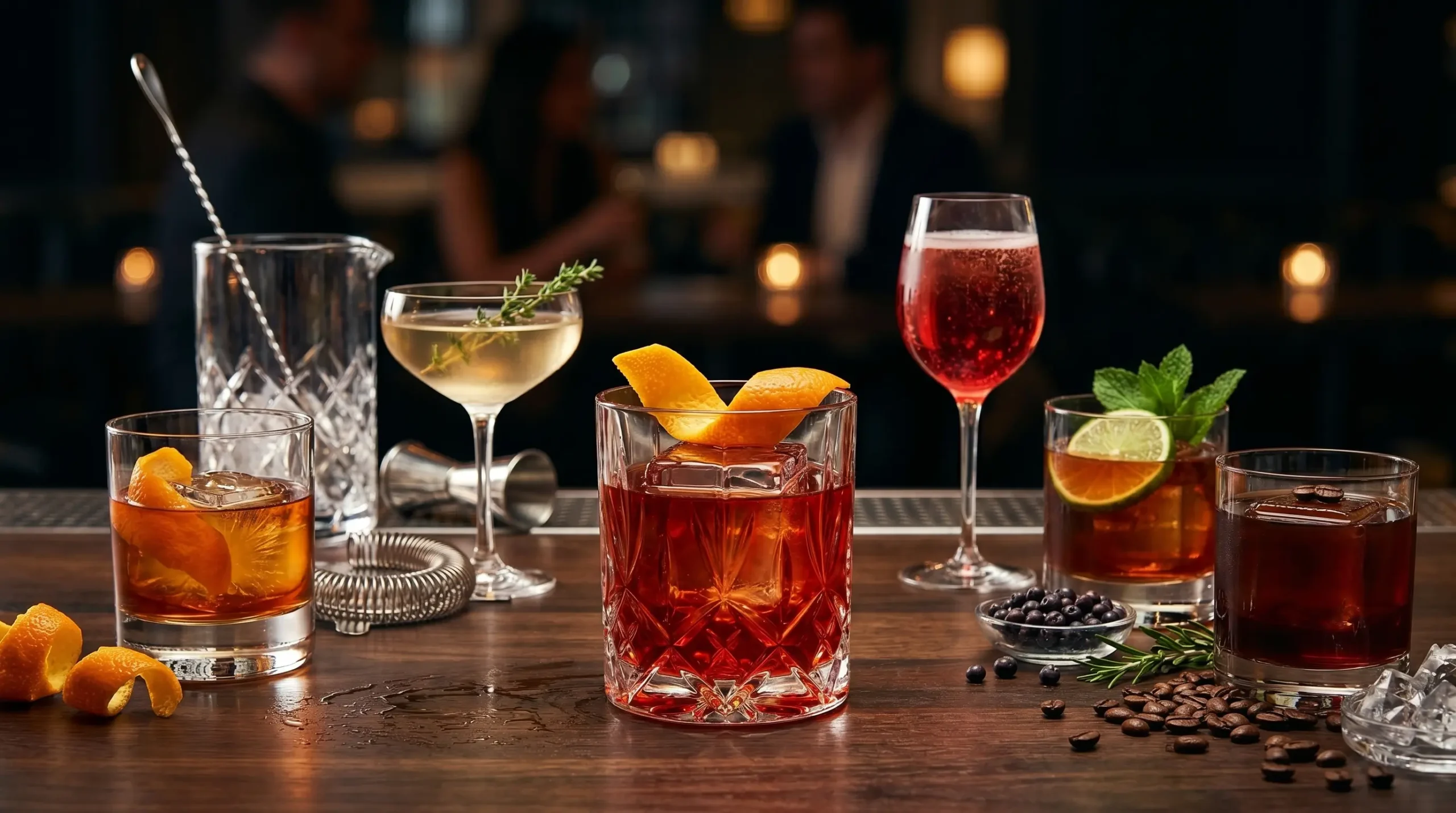
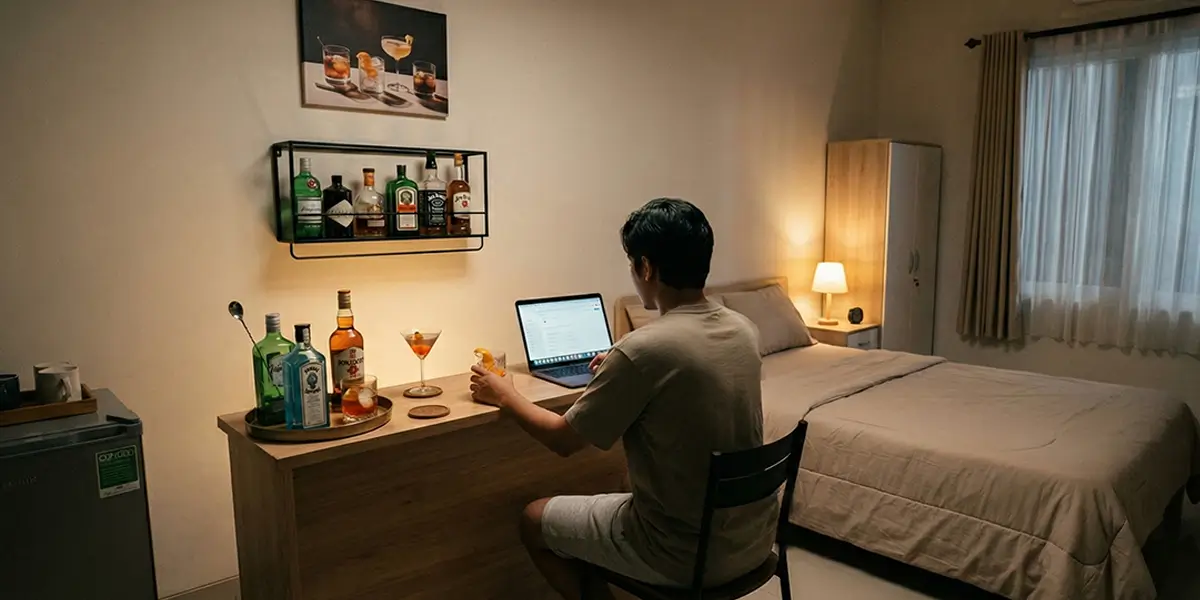
The trend of making your own cocktails at home has experienced a surge in popularity along with the increasing interest in home entertaining or hosting guests in private residences. Serving a well-crafted drink has now become a symbol of modern hospitality. Learning mixology is not just about mixing liquids, but a hobby that involves flavor exploration, precision, and an appreciation for beverage aesthetics. Understanding basic techniques before attempting complex recipes is the main key to building confidence for a home bartender. This article is structured to provide a strong foundation, focusing on education and flavor profile appreciation, in order to create a high-quality and responsible drinking experience.
What Is a Cocktail?
Simply put, a cocktail is a mixed drink consisting of at least three main ingredients: a fortifying alcohol (base spirit), a sweet or sour flavor balancer (modifier), and water (often from melting ice) or added flavorings (flavoring).
Historically, the classic definition of a cocktail recorded in the early 19th century referred to a mixture of spirit, sugar, water, and bitters. Over time, the modern mixology era expanded this definition by including various fruit juices, liqueurs, and cutting-edge flavor extraction methods. The main difference between classic and modern cocktails lies in their complexity; the classic version relies on the harmony of fundamental ingredients, whereas the modern version often experiments with molecular techniques and unconventional flavor infusions.
Why Are Many People Starting to Make Cocktails at Home?
Building a home bar and mixing your own drinks offers various practical and emotional benefits:
- More Economical: The price of one glass of drink at a commercial bar is often equivalent to the price of half a bottle of spirit at the store.
- More Flexible: Adjustments to taste, acidity levels, and alcohol measurements can be tailored to personal preferences.
- Flavor Experimentation: Full freedom to create new flavor profiles without menu limitations.
- Fun Social Activity: Mixing drinks becomes an engaging center of interaction when gathering with family or friends.
- Home Bar Trend: Having a dedicated corner for mixing drinks enhances the aesthetic value of the home’s interior.
Essential Basic Equipment for Beginners
Measurement accuracy and technique heavily depend on the tools used. Here is the essential mixology equipment:
- Cocktail Shaker: Functions to mix ingredients and chill drinks quickly. The Cobbler variant (three parts with a built-in strainer) is suitable for beginners. Alternative: a tightly sealed glass jar. Price range: Rp100,000 – Rp350,000. Choose rust-resistant stainless steel material.
- Jigger: A small double-sided measuring cup to ensure recipe consistency. Alternative: a medicine measuring cup or baking measuring spoon. Price range: Rp30,000 – Rp100,000.
- Mixing Glass: A thick glass for stirring drinks (stir). Alternative: a large beer glass or small pitcher. Price range: Rp150,000 – Rp400,000.
- Bar Spoon: A long, spiral spoon for stirring without breaking the ice. Alternative: a long-handled teaspoon. Price range: Rp30,000 – Rp80,000.
- Hawthorne Strainer: A spring strainer to hold back ice and fruit pulp when pouring from a shaker. Alternative: a regular tea strainer. Price range: Rp50,000 – Rp120,000.
- Fine Strainer: A fine mesh strainer to ensure the drink’s texture is perfectly smooth. Price range: Rp30,000 – Rp70,000.
- Citrus Juicer: A citrus squeezer to get fresh juice without the bitter oils from the peel. Price range: Rp40,000 – Rp150,000.
- Muddler: A muddling stick to extract mint oils or fruit juices. Alternative: a clean wooden pestle handle. Price range: Rp40,000 – Rp100,000.
- Ice Bucket: A container for storing ice cubes on the bar counter so they don’t melt quickly. Price range: Rp150,000 – Rp300,000.
- Measuring Tools: A small digital scale is often needed to make syrups or measure solid ingredients with high precision.
Commonly Used Types of Spirits
Choosing base spirit bottles is the first step in building a bar collection:
- Vodka: Has a neutral and clean flavor profile. Very versatile for various fruit and soda mixtures.
- Gin: Dominant with botanical aromas, especially juniper berries. Suitable for classic drinks with floral or citrus profiles.
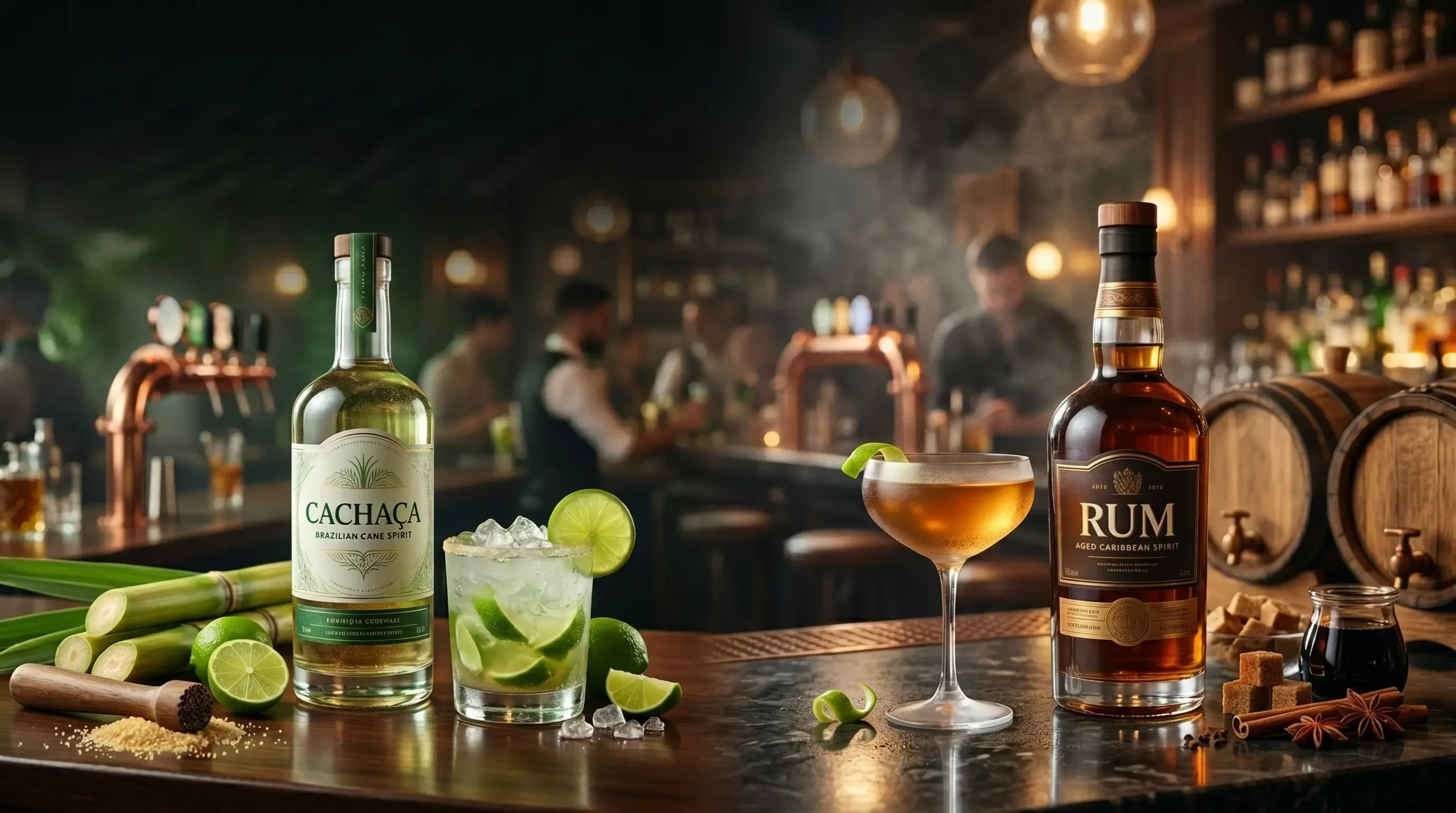
- Rum: Made from sugarcane or molasses. The white variant has a light character, while the dark variant has a depth of caramel and spice flavors.
- Whisky: Undergoes an aging process in oak barrels, providing complexity of wood, vanilla, and spice flavors.
- Tequila: Made from the agave plant. Brings out earthy characters, pepper, and the natural sweetness of agave.
- Brandy: The result of distilling grapes or other fruits. Offers rich fruity flavors with woody nuances.
- Triple Sec: An orange-flavored liqueur that is essential for classic recipes like the Margarita.
- Vermouth: Wine fortified with aromatic botanicals. Available in sweet (red) and dry (white) variants.
Supporting Cocktail Ingredients
The quality of supporting ingredients is just as important as the main spirit:
- Citrus: Fresh lemons and limes provide acidity that balances the alcohol.
- Simple Syrup: A mixture of sugar and water (1:1 ratio) as a liquid sweetener so it easily dissolves in cold drinks.
- Tonic Water: Carbonated water containing quinine that provides a refreshing bitter sensation.
- Soda Water: Neutral carbonated water to provide texture and tone down the alcohol intensity.
- Ginger Beer: A non-alcoholic fermented ginger drink that provides a warm, spicy sensation.
- Cola: A classic mixer that provides caramel and sweet flavors.
- Bitters: Concentrated botanical extracts. Functions like salt and pepper in cooking to bind all the flavors together.
- Mint: Fresh herbs that provide a cooling aroma.
- Fresh Fruit & Sugar: Used for flavor and texture variations.
- Garnish: Decorations such as orange peels or cherries that enrich the aroma before the drink is tasted.
Basic Mixology Techniques
- Shake: Shaking ingredients with ice using a shaker. Used for recipes containing juices, milk, or egg whites to create perfect aeration and emulsion.
- Stir: Stirring ingredients with ice in a mixing glass. Specifically used for drinks that only contain spirits (like a Martini) to maintain visual clarity and a silky texture.
- Build: Mixing drinks directly in the serving glass that already contains ice.
- Muddle: Lightly mashing fruits or herbs at the bottom of the glass to extract essential oils without bringing out a bitter taste.
- Layer: Pouring ingredients slowly over the back of a bar spoon to create color layers based on the liquid’s specific gravity.
- Roll: Gently transferring the mixture back and forth between two parts of a shaker to mix thick ingredients without making it too frothy.
- Blend: Using a high-powered blender with crushed ice to make slushie-textured drinks.
Steps to Make Your First Cocktail
- Choosing a Recipe: Start with a basic recipe that only requires 2–3 ingredients.
- Preparing Tools: Perform mise en place. Arrange all tools and ingredients on the table so the mixing process runs smoothly. Chill the serving glass in the freezer.
- Measuring Ingredients: Use a jigger. Pour the cheapest ingredients first (juice or syrup), ending with the spirit to avoid loss if a measurement error occurs.
- Mixing Technique: Apply the shake or stir technique according to recipe instructions until the surface of the container feels very cold (about 10–15 seconds).
- Serving: Strain the drink into a serving glass already filled with fresh ice cubes (do not use the leftover ice from shaking/stirring).
- Garnish: Decorate with an orange peel or related ingredients to provide a touch of visual and olfactory aroma.
5 Easiest Cocktail Recipes for Beginners
Gin & Tonic
- Difficulty: Very Easy
- Prep Time: 2 Minutes
- Ingredients: 50 ml Gin, 100 ml Tonic Water
- Steps: Build directly in a glass completely filled with ice cubes. Stir gently once.
- Glass: Highball or Copa glass
- Garnish: Lime slice
- Flavor Profile: Botanical, crisp, slightly refreshingly bitter
Cuba Libre
- Difficulty: Very Easy
- Prep Time: 2 Minutes
- Ingredients: 50 ml Light Rum, 15 ml fresh lime juice, 100 ml Cola
- Steps: Build over ice, stir gently.
- Glass: Highball
- Garnish: Lime wedge
- Flavor Profile: Sweet caramel, fresh, a touch of sourness
Screwdriver
- Difficulty: Very Easy
- Prep Time: 2 Minutes
- Ingredients: 50 ml Vodka, 100 ml fresh orange juice
- Steps: Build in a glass with ice, stir until cold.
- Glass: Highball
- Garnish: Orange slice
- Flavor Profile: Very fruity, alcohol is barely noticeable
Whisky Highball
- Difficulty: Very Easy
- Prep Time: 2 Minutes
- Ingredients: 50 ml Whisky, 150 ml Soda Water
- Steps: Pour whisky over a clear ice block, pour soda slowly down the side of the glass so carbonation isn’t lost. Stir very gently.
- Glass: Highball
- Garnish: Thin lemon wedge (optional)
- Flavor Profile: Oak, light, very bubbly
Vodka Soda
- Difficulty: Very Easy
- Prep Time: 2 Minutes
- Ingredients: 50 ml Vodka, 150 ml Soda Water, lemon squeeze
- Steps: Build all ingredients together with fresh ice.
- Glass: Highball
- Garnish: Lemon slice
- Flavor Profile: Neutral, very refreshing, clean
Common Mistakes Made by Beginners
- Low-Quality Ice: Using small, cloudy ice that melts easily will ruin the composition and make the drink taste bland (over-diluted). Clear crystal ice (clear ice) is absolutely necessary to maintain the temperature without melting too quickly.
- Inaccurate Measurements: Free-pouring without a jigger will destroy the recipe’s harmony.
- Excessive Garnish: Garnishes should have a purpose for aroma or proportional aesthetics, not just piling fruit on the rim of the glass.
- Choosing the Wrong Glass: Using a large glass for a stirred drink served without ice (up) will make it get warm quickly and look unappealing.
- Incorrect Shaking Technique: Shaking too weakly will not produce aeration, while shaking a carbonated (soda) based drink will cause a gas explosion.
Tips to Make Cocktails Taste Better
- Ice Quality: Prioritize making clear ice blocks using directional freezing molds. Ice contributes to 25% of the total drink volume.
- Fresh Ingredients: Stay away from bottled juices with preservatives. Squeeze citrus on the same day the drink is mixed.
- Balanced Proportions: Master the golden ratio (2:1:1), which is two parts spirit, one part sweet, and one part sour for perfect harmony.
- Chilling Glasses: A warm glass will speed up ice melting. Always put premium glassware into the freezer 15 minutes before use.
- Garnish Expression: Gently squeeze the orange peel over the surface of the glass to spray aromatic oils over the drink before serving.
Time to Experiment in Your Home Bar
Starting a mixology journey in your own home bar area is the first step toward a hobby full of creativity and flavor appreciation. The learning process of mixing cocktails does not require immediately expensive equipment or complicated techniques from day one. Armed with an understanding of the foundation of flavor balance, measurement accuracy, and the use of fresh ingredients, mixing delicious and proportional drinks becomes a highly satisfying achievement. Continue to experiment with various combinations of basic spirits and mixers until you find the concoction that best suits your palate.
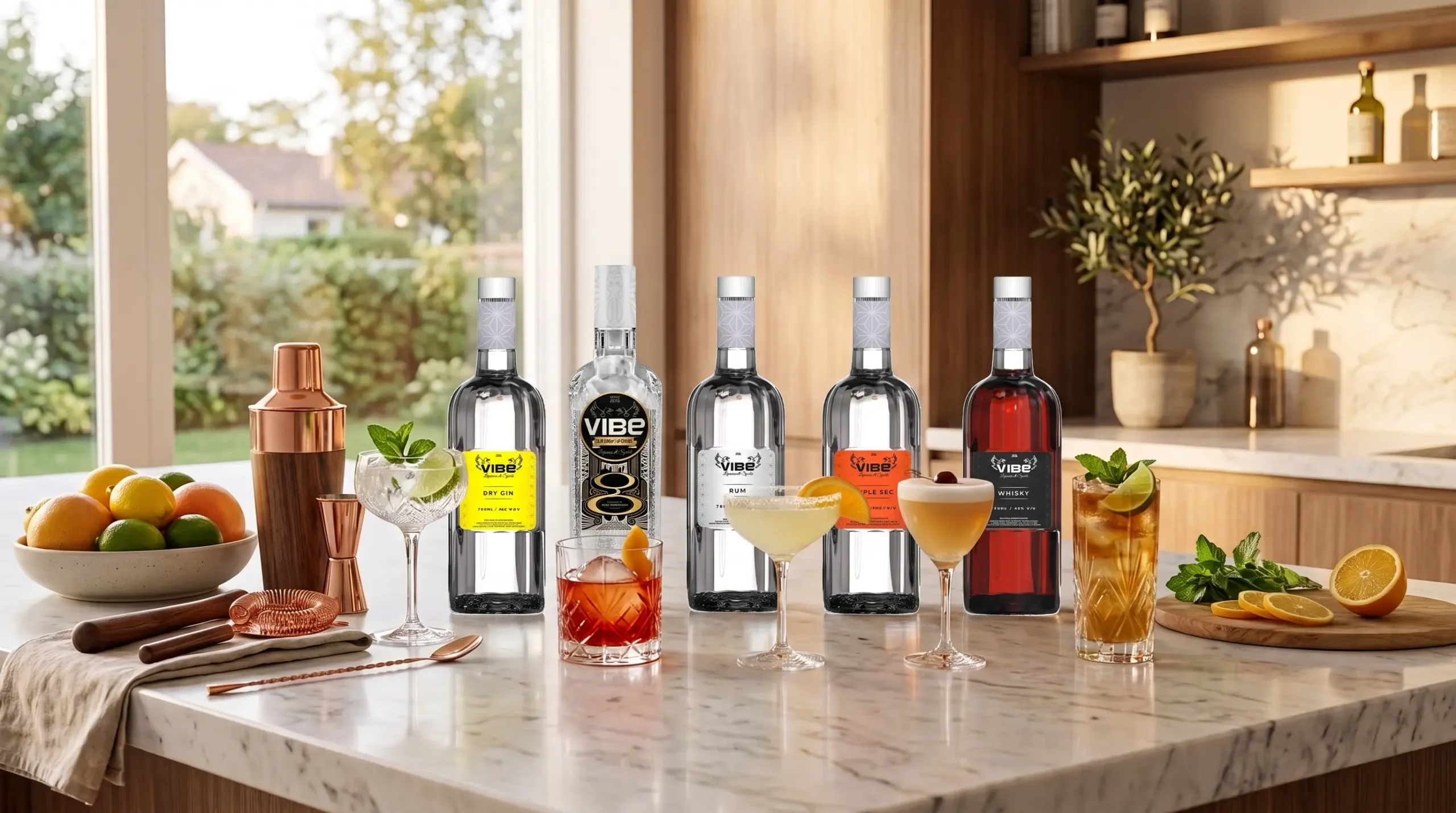
To maximize the drink-mixing experience, try experimenting using Vibe Liqueur & Spirits. As a local Indonesian alcohol brand that has successfully brought home various prestigious awards in the international arena, Vibe Liqueur & Spirits comes with a highly diverse selection of flavor variants and various levels of alcohol content. This diversity of flavor profiles makes it very versatile and ideal to be applied into various cocktail recipes, ranging from elegant classic concoctions to refreshing modern creations.
Besides exploring flavors independently, make the lifestyle experience even more complete by visiting Wekendvibe. This platform is the primary destination to get the latest information regarding recommendations for the best venues to relax, curated inspiring cocktail recipes, and various other unique and interesting information surrounding today’s beverage culture. Happy mixing, and make sure to always enjoy drinks responsibly!