 Log in
 Register


Behind the bamboo slats of coastal Karangasem distilleries and the rhythmic clinking of shakers in Jakarta’s speakeasy bars lies an extensive narrative about the flavor identity of the Indonesian archipelago. Historically, discussions surrounding local Indonesian alcohol were often confined to indigenous rituals or the stigma of unlabeled moonshine. Local fermented and distilled beverages were long viewed as isolated relics of the past, disconnected from the global beverage industry.
However, the landscape has shifted significantly. Indonesia’s alcoholic beverage spectrum now spans from Balinese Arak which has achieved legal and cultural recognition as Intangible Cultural Heritage to modern manufacturers like VIBE in Semarang, producing contemporary spirits that meet international standards. This evolution is not about replacing heritage with industrial manufacturing; it is the story of a nation reshaping its liquid legacy, embracing quality standardization, and establishing a distinct identity on the world stage.
The Traditional Landscape: Fermentation and Distillation Heritage
Long before industrial column distillation was introduced, the craft of fermenting local agricultural yields was deeply embedded across the Indonesian archipelago. The region’s rich biodiversity fostered unique ethnobotanical methods utilizing palm sap, glutinous rice, and tubers as natural fermentation bases.
The ethnobotanical map of traditional Indonesian spirits spans several cultural hubs:
- Arak Bali (Bali): Crafted from the sap of coconut palms (Cocos nucifera), sugar palms (Arenga pinnata), or palmyra palms (Borassus flabellifer), distilled in multi-stage setups using drums or clay pots with bamboo cooling pipes.
- Cap Tikus (Minahasa, North Sulawesi): Distilled from the sap of the sugar palm (saguer) through traditional heating methods, yielding a high-ABV spirit that symbolizes warmth and communal unity among the Minahasan people.
- Sopi (Maluku and Flores): A fermented and clay-distilled sugar palm or palmyra spirit, serving as a sacred medium for customary dispute resolution and kinship bonds (pela gandong).
- Moke (Flores, East Nusa Tenggara): Distilled from palmyra or sugar palm sap, commonly divided into Moke Putih (pure, unrefined tap) and Moke Hitam (the prestigious first-distillation run).
- Tuak (North Sumatra & Toraja): A fermented palm or glutinous rice beverage consumed fresh during Batak traditional weddings and Torajan Rambu Solo ceremonies.
- Ciu (Bekonang, Sukoharjo & Banyumas): Fermented from sugarcane molasses or cassava tapai, reflecting the resourcefulness of agricultural byproduct utilization across Java.
These beverages demonstrate that traditional Indonesian alcohol serves not merely as a commodity, but as an integral pillar of social order, ancient medicine, and ancestral veneration.
Balinese Arak: A Sacred Spirit Rooted in Cultural Identity
Among the archipelago’s traditional spirits, Balinese Arak holds a distinctive position. It evolved not out of commercial enterprise, but directly from the Hindu Dharma philosophy of universal harmony (Tri Hita Karana).
Raw Materials and the Ethnobotany of Karangasem Distillation
Traditional arak production is concentrated in eastern Bali, notably within the Karangasem Regency (such as Tri Eka Buana Village) and Les Village in Buleleng. Artisans climb coconut or palmyra palms at dawn to harvest fresh sap (tuak manis).
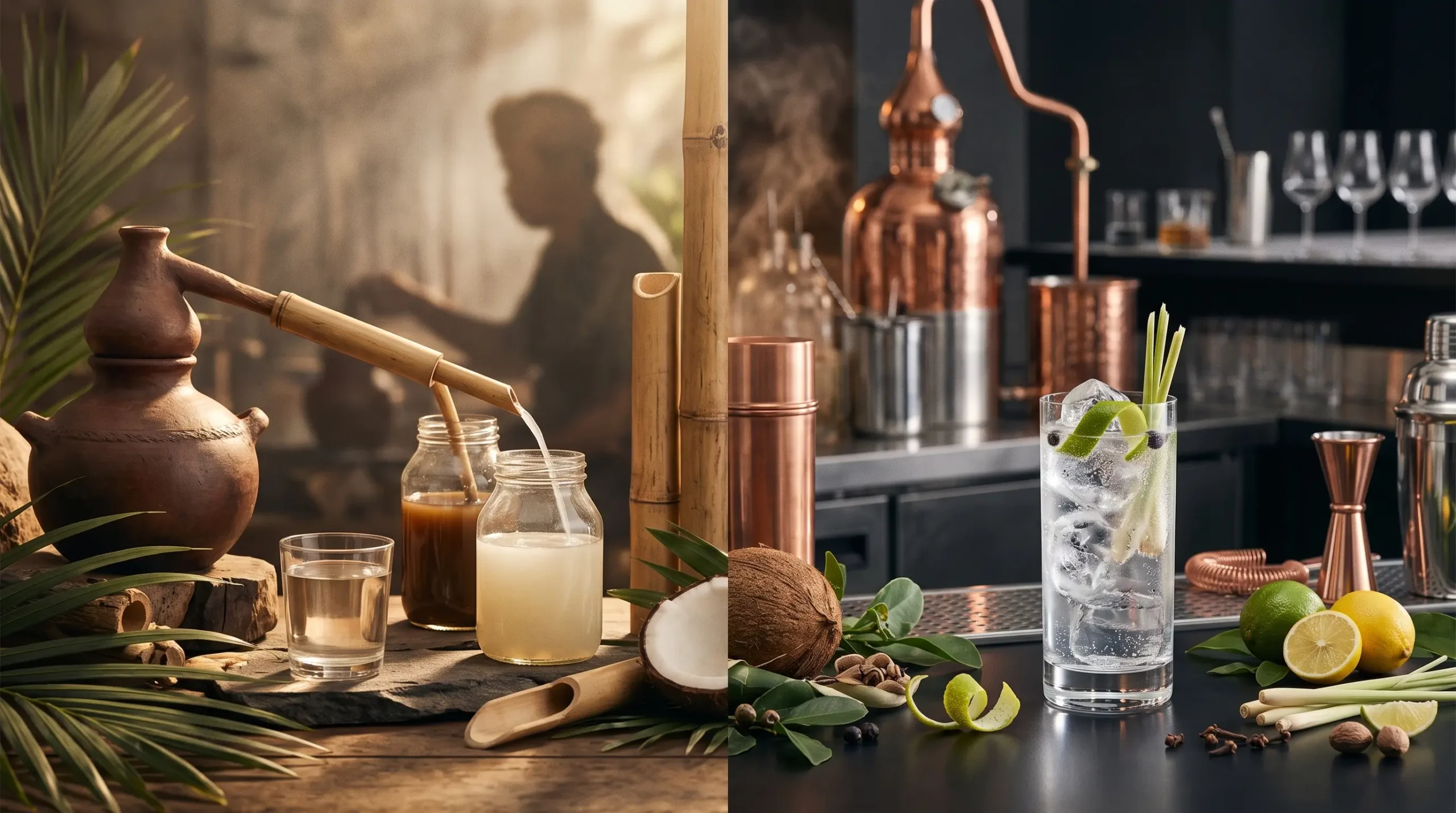
The sap undergoes natural fermentation over several days, utilizing coconut husks or select tree barks to cultivate wild yeast strains. Distillation remains deliberately rustic: the fermented wash is heated, and the vapor travels through long, water-cooled bamboo conduits, condensing drop by drop into a pure spirit characterized by earthy, naturally sweet notes and a rich botanical ester profile.
From ‘Tetabuhan’ Rituals to the Social Sphere
In sacred contexts, Balinese Arak is an essential element in Bhuta Yadnya ceremonies. Together with brem (fermented red glutinous rice wine), it is offered as tetabuhan—a liquid libation poured onto the earth to appease lower metaphysical energies and restore cosmic balance.
Beyond temple grounds, arak is central to communal life (megibung or communal feasts), reinforcing camaraderie within the local banjar community and offering warmth to fishermen setting out into the night.
Regulatory Turning Points: Legalization and Standardization
For decades, the Balinese Arak supply chain operated in a legal grey area. A lack of statutory protection left distillers vulnerable to crackdowns, while unregulated counterfeit spirits undermined the safety reputation of local drinks.
Bali Governor Regulation No. 1/2020 and National Heritage Status
A structural shift occurred when the Provincial Government of Bali enacted Governor Regulation (Pergub) No. 1 of 2020 on the Governance of Balinese Fermented and/or Distilled Beverages. This provided the initial legal framework recognizing Balinese Arak as a legitimate, culture-based economic commodity.
Key pillars of Pergub Bali No. 1/2020 include:
- Farmer Partnerships: Artisans organize into formal cooperatives to secure consistent raw material supply chains.
- Quality Testing & Manufacturing: Standardized processing ensures methanol safety thresholds and hygiene compliance overseen by BPOM (Indonesian FDA).
- Fiscal Compliance: Fully legalized distribution through official MMEA (excise) tax stamps.
- Curated Retail Channels: Authorized access to distribution across licensed hotels, restaurants, and bars.
The cultural standing of Balinese Arak was further elevated in 2022 when the Ministry of Education, Culture, Research, and Technology designated it an Intangible Cultural Heritage (WBTb) of Indonesia. This shifted public perception: arak is no longer viewed as a marginal product, but as an essential piece of national intellectual and cultural heritage.
Balinese Arak Formalization Timeline
| Period / Year | Key Milestone | Industrial & Cultural Significance |
| Traditional Era | Cottage-level distillation based on ancestral knowledge across Karangasem and Buleleng. | Established the ethnobotanical baseline and sacred ritual role in ceremonies. |
| Pre-2020 | Regulatory ambiguity, inconsistent quality oversight, and persistent social stigma. | Restricted market access to formal hospitality channels and international tourism. |
| 2020 | Enactment of Bali Governor Regulation No. 1 of 2020. | Established a legal foundation, cooperative production standards, and official commerce channels. |
| 2022 | Official recognition as Indonesian Intangible Cultural Heritage (WBTb). | Reinforced national cultural stature and protected traditional heritage rights. |
| 2023–Present | Deep integration into premium hospitality, modern packaging, and international cocktail menus. | Solidified positioning as an artisan craft spirit on the global stage. |
The Modern Wave: Contemporary Indonesian Spirits
While Balinese Arak advanced through the preservation of tradition, another segment of the Indonesian beverage industry developed via precision engineering, international formulation standards, and botanical curation.
Indonesia’s evolving urban market created demand for local spirits capable of matching premium imports in quality consistency, sensory clarity (neutrality or aromatic complexity), and bottle design. This sparked the rise of modern Indonesian craft and commercial spirits products distilled in state-of-the-art facilities to produce global-standard gins, vodkas, rums, and liqueurs.
These modern spirits do not rely on cultural mythology; they are built on technical excellence, precise sensory chemistry, and efficient supply chain logistics.
VIBE: Modern Spirit Craftsmanship in Indonesia
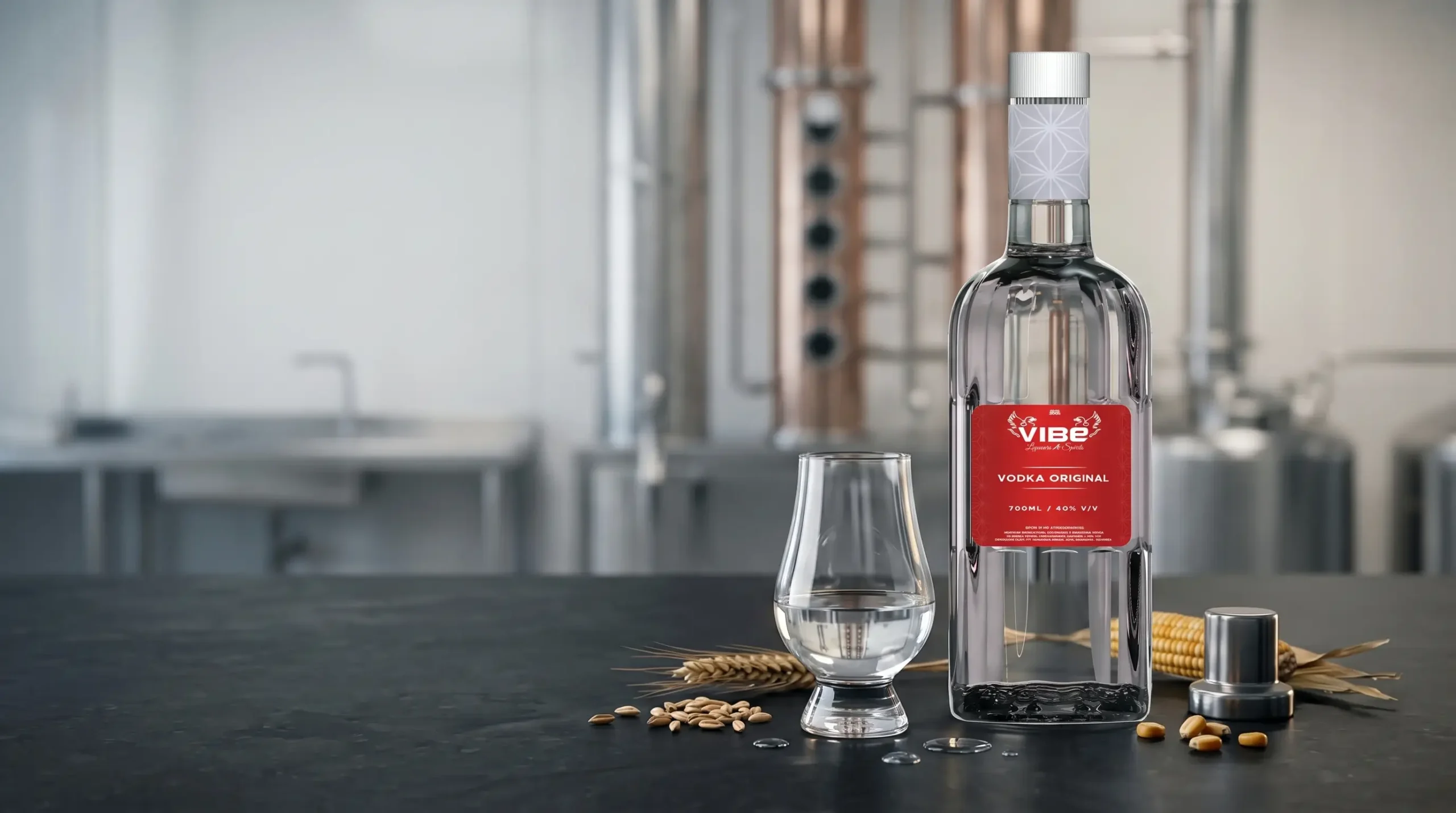
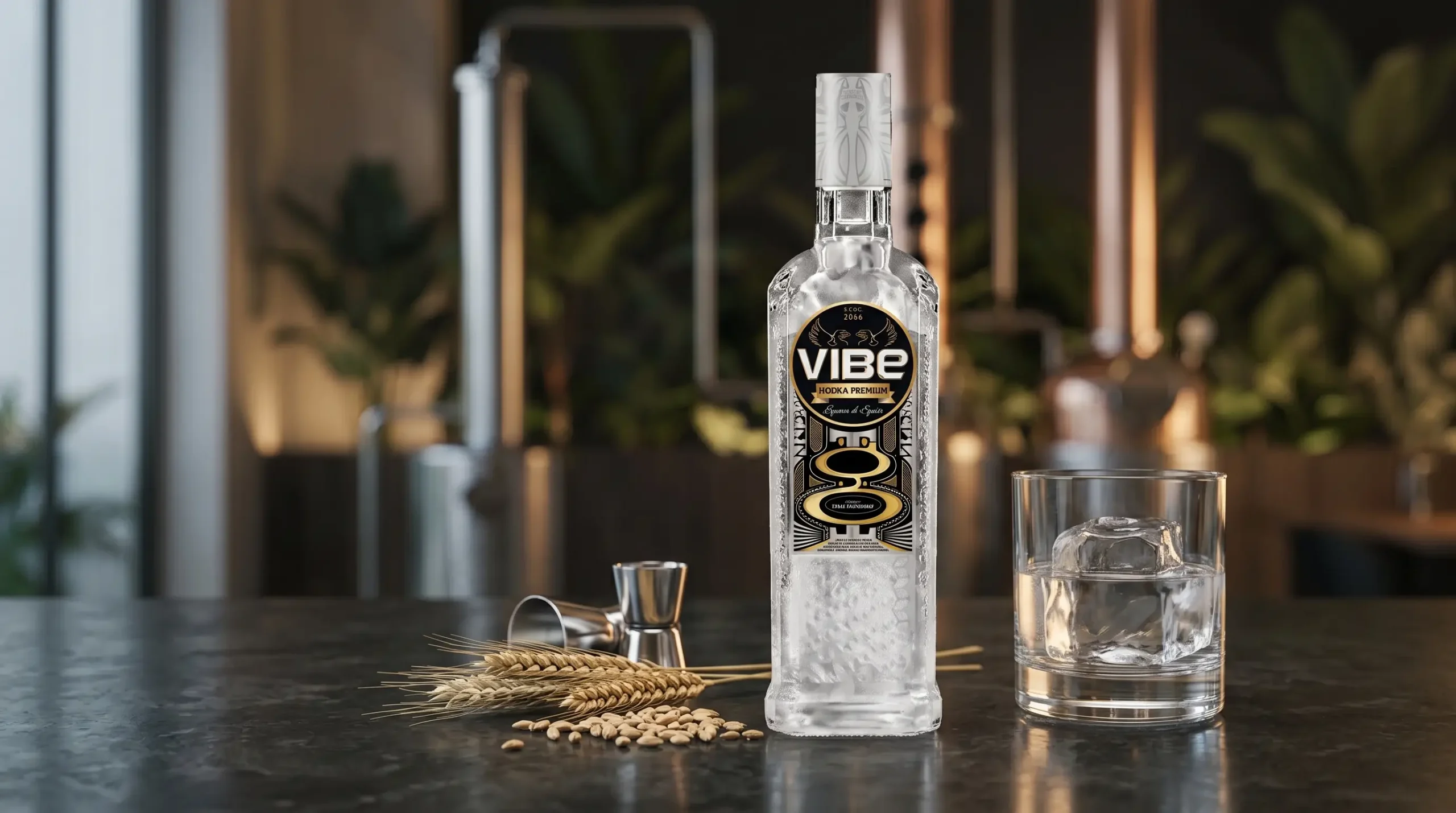
A prominent pioneer in this modern category is VIBE. Positioned as a producer of contemporary spirits and liqueurs, VIBE serves the local hospitality market with high-grade spirits that reduce reliance on imported brands.
Manufacturing in Semarang
Centrally manufactured by PT Kharisma Serasi Jaya in Semarang, Central Java, the VIBE Liqueurs & Spirits portfolio is produced using advanced distillation and filtration technology. Through rigorous laboratory quality controls, offerings such as VIBE Gin combine a refined neutral cane spirit with standardized botanical infusions, delivering a clean, classic dry gin profile dominated by bold juniper and crisp citrus undertones.
Global Recognition: Hong Kong, New York, and Singapore
The brand’s production standards have earned international recognition in independent blind-tasting competitions:
- Asia International Spirits Competition 2019 (Hong Kong): VIBE earned regional accolades, establishing its profile as an emerging modern Indonesian producer.
- Ultimate Spirits Challenge (USC) 2020 (New York, USA): Competing against leading global labels, VIBE expressions secured strong scores from international judging panels.
- Asia World Spirits Competition 2026 (Singapore): Reinforced VIBE’s multi-category production consistency with several awards:
- Silver Medals: Dry Gin, Rum, Black Tea, dan Blue Agave.
- Bronze Medals: Peach, Vodka Original, dan Exotic Lychee.
This multi-category success from foundational base spirits like gin and rum to fruit- and tea-infused liqueurs demonstrates that domestic production can maintain flavor stability, chemical purity, and international benchmarks.
Comparing Traditional and Modern Spirits
The divergence between traditional and modern spirits extends beyond branding; it is rooted in distillation science and flavor architecture.
Traditional spirits like Balinese Arak are shaped by terroir and microclimate. Sugar levels in coconut sap vary between the wet and dry seasons, creating dynamic, small-batch flavor profiles. Distillers deliberately preserve select natural congeners to retain distinct notes of roasted palm nectar and earthy minerality.
Modern spirits like craft gin rely on controlled purification. The base alcohol is distilled to a neutral purity near 95–96% ABV to eliminate volatile impurities before being diluted and infused with botanicals such as juniper berries (Juniperus communis), coriander seed, angelica root, and citrus peels via maceration or vapor infusion. This ensures consistent flavor precision across every production run.
- Traditional Arak: Terroir-driven profiles ideal for expressive, signature tropical cocktails.
- Modern Gin: Botanical-led structures calibrated for precision in classic cocktail builds like the Gin & Tonic or Negroni.
From Ancestral Ceremonies to Upscale Cocktail Bars
This dual landscape provides mixologists with versatile flavor components:
- Traditional Spirits: Bring unique depth to tropical and craft cocktail applications. Balinese Arak is now a staple in signature serves across luxury resorts in Seminyak and Ubud, replacing rum or cachaça in drinks like the Daiquiri or Arak Sour.
- Modern Spirits: VIBE Gin and its liqueur range supply high-volume bar programs with a reliable base for classic serves—such as Tom Collinses, Dry Martinis, and Negronis—at competitive operating costs.
Catalysts Driving the Local Spirits Market
The increasing prominence of Indonesian spirits is driven by several interrelated market factors:
- The Craft & Hyper-Local Movement: Consumers seek authentic products rooted in genuine origin stories.
- Hospitality Industry Maturity: Boutique hotels and fine-dining establishments actively champion domestic ingredients within their beverage programs.
- Modern Design & Branding: High-grade glass bottles, refined typography, and cohesive brand identities have elevated local bottles to prominent positions on premium backbars.
- International Competition Validation: Awards from global competitions have built consumer confidence in domestic quality standards.
Can Local Spirits Compete with Global Brands?
From a production and sensory perspective, Indonesian spirits have proven they can compete on taste profile and chemical consistency. International blind-tasting awards confirm that domestic formulas match the balance of heritage global brands.
However, global spirits competition depends equally on worldwide distribution networks, marketing capital, and country-of-origin perceptions. While domestic brands enjoy pricing advantages locally due to the absence of import tariffs, global brands retain high brand awareness. The primary path forward lies in highlighting Indonesia’s distinct flavor profiles and botanical diversity, which cannot be replicated elsewhere.
Industry Challenges and Future Opportunities
Despite significant progress, the Indonesian alcoholic beverage sector operates within a demanding regulatory environment:
- Excise Tax Structures: High excise tariffs on ethyl alcohol (MMEA) require lean production management to keep legal offerings accessible.
- Licensing & Distribution: Complex compliance tiers across Category A, B, and C beverages create distribution friction across inter-regional markets.
- Consumer Education & Stigma: Ongoing outreach is essential to distinguish lab-tested legal spirits from dangerous, unrecorded concoctions.
- Responsible Drinking Commitments: Industry players must lead initiatives promoting mindful consumption, enforcing the 21+ legal drinking age, and prioritizing quality appreciation.
Significant growth potential remains within the premium craft segment. Just as Mexico elevated Tequila into a global luxury category and Japan redefined world whisky, Indonesia holds the agricultural and ethnobotanical resources to establish a globally recognized spirits identity of its own.
The Dual Identity of Indonesian Spirits
Indonesia’s beverage landscape demonstrates that heritage and innovation can successfully coexist. Balinese Arak preserves sacred customs, ethnobotanical knowledge, and cultural legacy, while modern labels like Vibe Liqueur & Spirits advance industrial precision and global competitiveness. Together, they form the foundation of a modern, multi-faceted spirits movement.
As an Indonesian spirit brand recognized with international awards, Vibe Liqueur & Spirits offers an extensive range of flavors and strengths. From foundational spirits like Vodka, Rum, and Dry Gin to specialized profiles like Black Tea, Exotic Lychee, Peach, and Blue Agave, the portfolio serves both professional mixology programs and home cocktail enthusiasts.
Looking to explore local beverage culture, curated bar and nightlife recommendations, cocktail recipe guides, and lifestyle stories from across the archipelago? Visit WekendVibe for guides and recipes you can craft at home.