 Log in
 Register



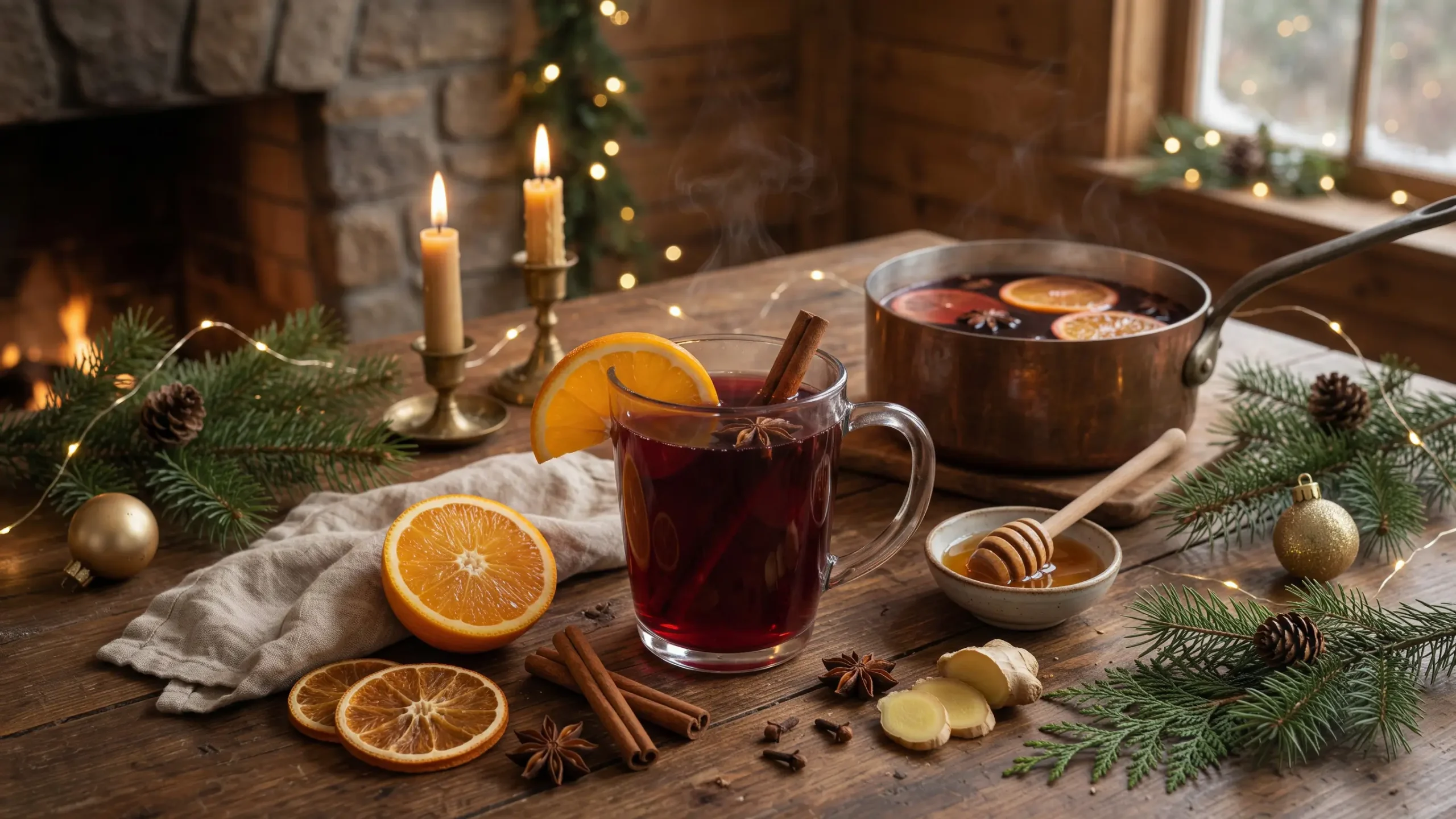
Christmas Eve is always associated with cool weather, festive decorations, and spending time together. The atmosphere feels even more perfect when the room is filled with the aroma of cinnamon, citrus, and cloves from a pot slowly heating on the stove. One of the highlights of winter celebrations is a comforting warm drink, and nothing represents this tradition better than mulled wine.
For those looking to create a cozy atmosphere at home, making a red wine-based mulled wine recipe is an excellent choice. This drink combines red wine with aromatic spices and citrus fruits, resulting in a rich flavor profile. This article provides a complete guide to making red wine mulled wine at home, from choosing the ingredients and heating techniques to serving tips that make Christmas moments feel even more special.
What Is Mulled Wine?
Mulled wine is a wine-based drink, usually made with red wine, that is gently heated (simmered) with a variety of whole spices and other aromatic ingredients. It has a distinctive flavor profile that is warm, fruity, aromatic, spicy, and balanced with a touch of sweetness.
Traditionally, the dominant spices include cinnamon, cloves, and star anise, combined with the freshness of citrus fruits. This warm drink is closely associated with winter celebrations in many European countries and is often a highlight at traditional Christmas markets. It also comes in various regional versions, known as Glühwein in German-speaking regions, Vin Chaud in France, and Glögg in Nordic countries.
Why Is Mulled Wine Perfect for Christmas Eve?
The appeal of mulled wine as a festive drink lies not only in its flavor but also in the atmosphere it creates.
- A Cozy Aroma: Slowly heating spices and red wine naturally fills the entire room with the distinctive scent of the holiday season.
- An Attractive Visual: The ruby-red color of wine blends perfectly with the color palette of Christmas decorations.
- A Citrus and Spice Combination: Creates a rich flavor profile while bringing warmth to the atmosphere on cold days.
- A Festive Tradition: Serving warm drinks in aesthetic mugs has long been part of the seasonal drink culture and year-end traditions in many cultures.
Ingredients for Making Red Wine Mulled Wine
To achieve an authentic and balanced flavor, use carefully measured ingredients. The following homemade recipe is designed to yield approximately 4 to 6 servings.
| Ingredient | Quantity | Purpose |
| Red wine | 750 ml (1 bottle) | Main base of the drink |
| Navel orange / Sunkist orange | 1 fruit | Adds a fresh citrus aroma |
| Whole cinnamon sticks | 2 sticks | Provides warm spice aromas |
| Whole cloves | 4–6 cloves | Adds depth to the spice aroma |
| Star anise | 2–3 pieces | Provides a distinctive winter aroma |
| Granulated sugar or honey | 2–4 tablespoons | Balances acidity and bitterness |
| Fresh ginger (optional) | 1–2 small pieces | Adds an extra spicy aromatic kick |
| Water (optional) | 50–100 ml | Helps extract the spices from the beginning |
Which Wine Is Best for Making Mulled Wine?
Choosing the right red wine is the most important factor. There is no need to use premium or expensive vintage wine, as heating and adding spices will significantly alter the wine’s original flavor profile.
Choose a red wine with fruity characteristics and a medium to medium-light body. Wines that are not overly heavy or oaky blend more easily with sugar and spices. Grape varieties such as Merlot, Shiraz/Syrah, Grenache, or young Cabernet Sauvignon are often popular choices. Also, pay attention to the wine’s natural sweetness so you can adjust the amount of sugar or honey accordingly.
How to Make Red Wine Mulled Wine
Making mulled wine at home is very easy, but it requires patience when controlling the heat. Here is a step-by-step guide:
Step 1 – Prepare the Wine and All Ingredients
Wash the orange thoroughly, then slice it crosswise or remove only the outer peel (avoid the thick white pith, as it can taste bitter). Prepare the cinnamon sticks, whole cloves, and star anise. Preparing everything in advance helps prevent uneven heating during the cooking process.
Step 2 – Add the Wine and Spices to a Pot
Use a stainless steel or enamel-coated pot. Avoid uncoated copper or aluminum pots, as these metals can react with the acidity of red wine. Pour the red wine into the pot, then add the orange slices, whole spices, and sweetener. If using a little water, add it at this stage.
Step 3 – Heat the Mulled Wine Slowly
Place the pot on the stove and use low to medium heat. Important: Heat the mixture slowly and make sure the mulled wine does not reach a rolling boil. Boiling can damage the flavor structure of red wine and make it taste bitter. Keep in mind that heating wine does not eliminate all of its alcohol content; the amount remaining depends on the heating temperature and duration.
Step 4 – Allow the Spices to Infuse
Once the drink begins releasing hot steam, reduce the heat to the lowest setting. Let the infusion process continue for 15–30 minutes. Stir occasionally to ensure the sugar or honey dissolves completely. The infusion time can be adjusted depending on how intense you want the spice flavors to be.
Step 5 – Adjust the Flavor and Strain
Use a clean spoon to taste the drink. If it is too acidic, add a little sweetener. If the citrus aroma is too subtle, add a little orange juice. Once the flavor is balanced, turn off the heat. It is highly recommended to strain the drink before serving so cloves or spice fragments do not end up in the glass.
Step 6 – Serve the Mulled Wine While Warm
Pour the drink into a heat-resistant glass or ceramic mug. Add garnishes to enhance the festive appearance of this Christmas Eve drink.
Tips for Making Mulled Wine More Aromatic and Balanced
- Always use low heat and avoid bringing the liquid to its boiling point.
- Use whole spices rather than ground spices. Ground spices can make the drink cloudy and gritty.
- Use orange peel in moderation. Adding too much of the white pith can leave a bitter aftertaste.
- Add sugar or honey gradually. It is easier to add sweetness at the end than to fix a drink that has become too sweet.
- Use cloves sparingly (a maximum of 6 cloves per bottle), as their aroma is very strong and can easily overpower the flavor profile.
- Measure all ingredients carefully if you want to achieve consistent results every year.
Mulled Wine Recipe Variations You Can Try
The basic mulled wine recipe is highly versatile and can be modified according to your flavor preferences.
Mulled Wine with Citrus Aroma
Enhance the drink’s freshness by adding a combination of lemon slices or a little mandarin zest. A more pronounced citrus aroma works particularly well to balance the wine’s earthy characteristics.
Mulled Wine with Honey
Replacing granulated sugar with pure honey not only adds sweetness but also contributes a smoother texture and distinctive floral aroma to the finished drink.
Mulled Wine with Ginger
For those who enjoy a sharper warming sensation, adding fresh ginger slices during the infusion process introduces a distinctive spicy element that is perfect for particularly cold nights.
Mulled Wine with Apple
Adding diced apples or a little apple cider to the simmering mixture creates a very gentle and natural fruity character.
Explore More Festive Drink Creations
Besides mulled wine, making your own cocktails can be an enjoyable activity to bring Christmas to life. For quality drink creations, products from Vibe Liqueur & Spirits are highly recommended. As a local Indonesian alcohol brand that has won various international awards, Vibe Liqueurs & Spirits offers a wide range of flavors and alcohol content options, making them versatile for various cocktail recipes. For more cocktail recipe inspiration, venue recommendations for year-end celebrations, and interesting insights into nightlife lifestyle, be sure to visit the Wekendvibe.
How to Serve Mulled Wine for a Christmas Atmosphere
Presentation plays an important role in the overall drinking experience. Serve mulled wine in festive ceramic mugs or thick, heat-resistant glassware.
For a visual touch, garnish with fresh orange slices or dried orange, accompanied by a cinnamon stick or a star anise floating beautifully on the surface. Decorate the serving table with Christmas elements such as clean pine branches and candles to create a captivating editorial and lifestyle atmosphere.
Can Mulled Wine Be Made Without Alcohol?
Absolutely. Mulled wine can be adapted into a non-alcoholic version that is suitable for everyone in the family.
As a substitute for red wine, use 100% pure grape juice, cranberry juice, or a combination of both. Since fruit juice naturally contains a high amount of sugar, reduce or completely omit the additional sugar in the recipe. The heating technique and spice measurements remain the same. Make sure the spices are infused over low heat so the flavors stay balanced and the drink does not become an overly thick fruit syrup.
Tips for Storing and Reheating Mulled Wine
If you have leftovers, the drink can still be enjoyed the next day.
- Allow the drink to cool to room temperature first.
- Store it in a glass container or tightly sealed bottle and place it in the refrigerator. (It is generally safe to store for up to 2–3 days.)
- When serving again, reheat it slowly on the stove over low heat until warm. Avoid high temperatures or repeated reheating to prevent the flavor from becoming bitter.
A Cozy Mulled Wine Drink for Christmas Eve
Making a red wine mulled wine recipe is a brilliant way to celebrate Christmas Eve. The key to success with this seasonal drink lies in choosing a fruity red wine, balancing the quantities of whole spices, and using a slow-heating technique that extracts aromas without damaging the wine’s original flavor.
Whether served in a ceramic mug decorated with cinnamon or prepared as a non-alcoholic version using fruit juice, this festive drink is sure to bring warmth to your Christmas celebrations. Keep in mind that the original version still retains some alcohol content, so enjoy it responsibly with friends and family.
FAQ (Frequently Asked Questions)
1. What is mulled wine?
Mulled wine is a traditional warm drink made with red wine that is slowly heated with a blend of whole spices, citrus fruits, and sweeteners. It is closely associated with winter traditions in Europe.
2. What wine is suitable for making mulled wine?
Choose a light- to medium-bodied red wine with fruity characteristics, such as Merlot, Shiraz, or young Cabernet Sauvignon. There is no need to use expensive wine because its flavor will be combined with the spices.
3. How do you make mulled wine from red wine?
Combine red wine, orange slices, cinnamon, cloves, and sugar in a pot. Then heat it slowly over low heat for 15–30 minutes without bringing it to a boil, allowing the spices to infuse.
4. Should mulled wine be boiled?
No. Mulled wine should never be boiled or brought to its boiling point. Boiling the mixture can damage the red wine’s flavor profile, make it taste bitter, and diminish the natural aromas of the spices.
5. How long should mulled wine be heated?
The ideal time for heating and infusing the spices is around 15 to 30 minutes over very low heat. This is enough to extract the aromas without making the drink bitter or overly concentrated.
6. What spices are used to make mulled wine?
The essential spices are whole cinnamon sticks, cloves, and star anise. Some variations also include a little fresh ginger, cardamom, or nutmeg to add extra flavor dimensions.
7. Can mulled wine be made without alcohol?
Yes. A non-alcoholic version can be made by replacing red wine with pure grape juice or cranberry juice. Make sure to reduce the sugar because the juice already has a high natural sweetness.
8. Can mulled wine be stored and reheated?
Yes. Leftover mulled wine can be stored in the refrigerator in a tightly sealed container for 2–3 days. Reheat it slowly over low heat until warm, and avoid repeated reheating.
9. Why is mulled wine associated with Christmas?
Its comforting spice and citrus aromas are especially appealing during cold winter weather. The tradition of drinking it at European Christmas markets has made it a symbol of warm holiday beverages and year-end celebrations.
10. What gives mulled wine its distinctive aroma?
Its distinctive aroma comes from the slow heating process, which extracts the natural essential oils found in fresh orange peel, cinnamon sticks, and whole cloves.