 Log in
 Register


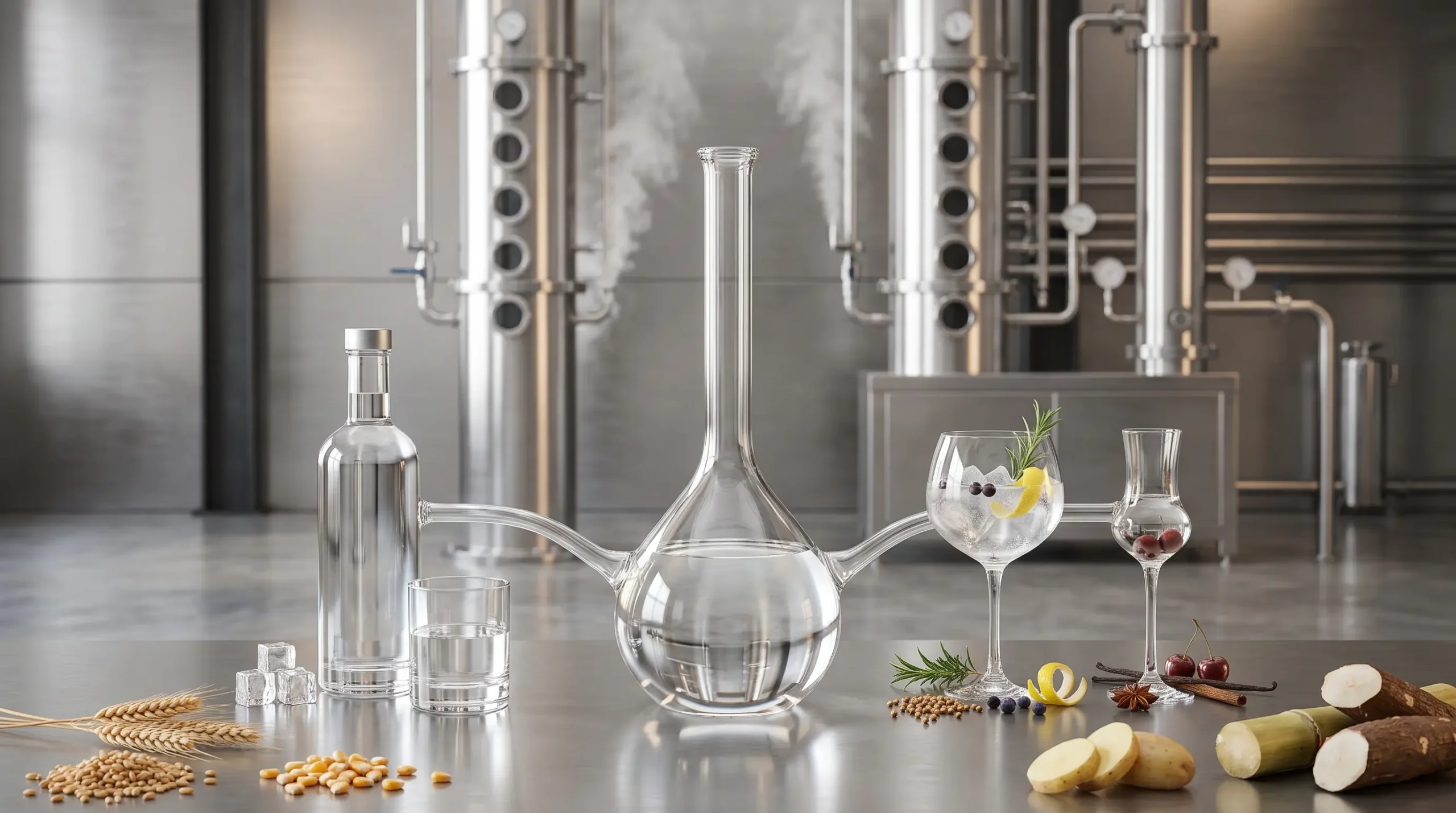
The world of alcoholic beverages features a diverse range of product categories with widely varying flavor profiles, aromas, and characters. Behind these various beverage variations lies a single fundamental component that often serves as an essential foundation in the industry: the neutral spirit. Understanding this core concept helps us recognize how various spirit products on the market are made and distinguished from one another.
What Is a Neutral Spirit?
Simply put, a neutral spirit is a high-proof alcoholic distillate that has undergone intensive purification. This process aims to remove most volatile components other than ethanol, resulting in a liquid with a very minimal aroma and flavor profile.
The term “neutral” refers to the scarcity of characteristics typical of its raw source material. Unlike whisky or brandy, which retain the aromas and flavors of their fermented grains or fruits, neutral spirits are designed to have a clean, non-dominant profile. Nevertheless, this level of neutrality can vary depending on the regulatory standards and distillation methods applied by the producer.
Main Characteristics of a Neutral Spirit
To understand the characteristics of a neutral spirit in depth, we need to look at several of its main physical and functional aspects:
- Aroma: Possesses a relatively light, clean, and unobtrusive aroma compared to strong-characterized spirits.
- Flavor: Delivers a minimal flavor profile on the palate, leaving no trace of dominant raw material flavors.
- Purity: Processed to achieve a high ethanol concentration with minimal congeners.
- Consistency: Offers high profile uniformity, making it a reliable industrial-scale base ingredient.
- Versatility: Can be blended or further processed into various other alcoholic beverage categories without interfering with additional flavor profiles.
It should be noted that this level of purity does not automatically make a product “better” in absolute terms; rather, it is tailored to its ultimate function in commercial product manufacturing.
How Is a Neutral Spirit Produced?
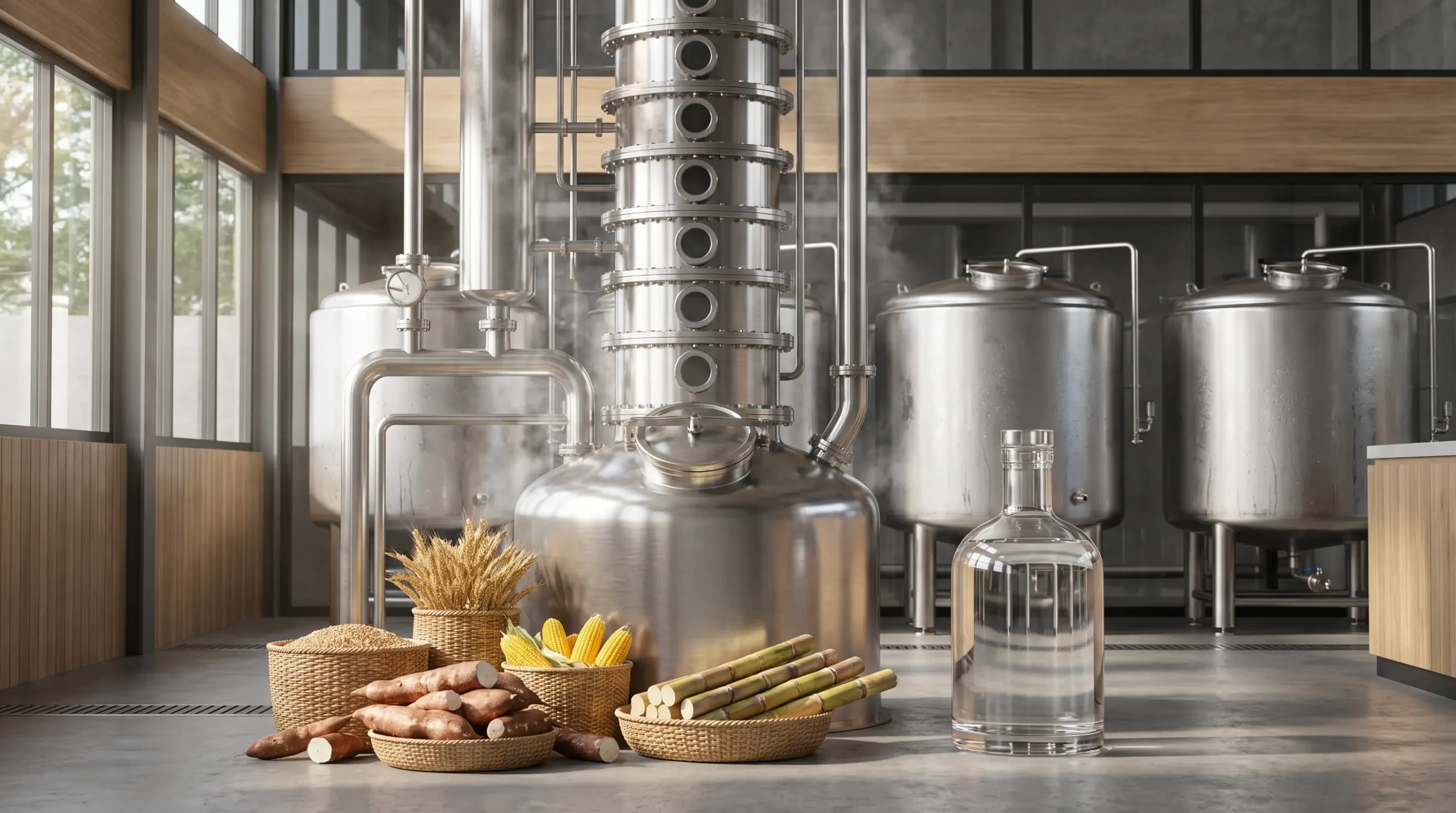
The production process of neutral spirit distillation involves several general stages designed to maximize alcohol purification:
- Selection of Raw Materials: Utilizing agricultural materials rich in sugar or starch content.
- Preparation and Pre-processing: Raw materials are crushed and mixed with water to trigger the conversion of starch into fermentable sugars.
- Fermentation: The addition of yeast to convert sugars into alcohol and carbon dioxide.
- Distillation: The fermented liquid is heated in multi-column stills to separate ethanol from water and other components.
- Advanced Purification: Through repeated distillation or additional filtration to suppress secondary compound levels until the desired profile is achieved.
Base Materials of Neutral Spirits
As a base spirit, neutral spirits can be sourced from a wide variety of agricultural commodities worldwide. The choice of raw material depends heavily on local availability and the production efficiency of each region:
- Wheat and other cereal grains
- Corn
- Potatoes
- Sugarcane and its byproducts
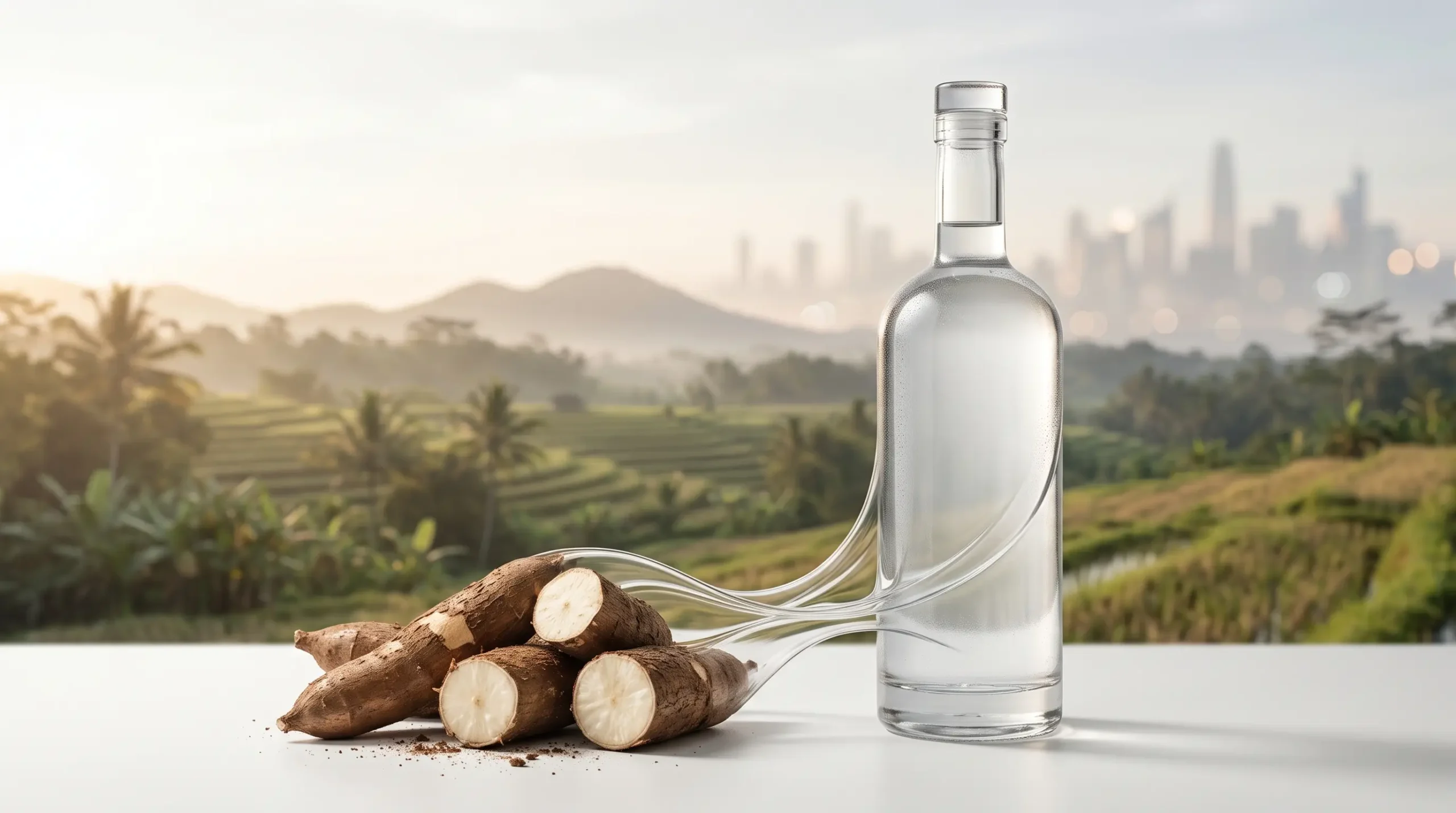
- Cassava and starchy tubers
Each raw material provides different efficiencies in the fermentation process, although the final product is consistently directed toward a high level of neutrality.
Neutral Spirit vs. Characterized Spirit
The following table summarizes the fundamental differences between neutral spirits and strong-characterized spirit categories:
| Aspect | Neutral Spirit | Characterized Spirit |
| Aroma | Relatively neutral and clean | More prominent and distinctive |
| Flavor | Relatively minimal on the palate | Material or process character is strongly felt |
| Intended Use | Frequently serves as a base for other products | Frequently enjoyed based on its distinct characteristics |
| Raw Material Character | Scarcely or almost imperceptible | Can strongly dominate the final product |
| Versatility | High for various preparations | Dependent on its specific category |
Alcoholic Beverages Related to Neutral Spirits
Neutral spirits play a vital role in shaping various popular alcoholic beverages in the world. Here are some of their main categories:
A. Vodka
Most vodka is produced using a neutral spirit as its primary base. The clean and clear character of vodka relies heavily on the purification level of the neutral spirit, which is subsequently diluted with pure water until it reaches a ready-to-consume proof.
B. Gin
Gin utilizes a neutral spirit as a liquid canvas. Gin’s signature character is obtained through steeping or redistilling alongside botanicals, with juniper berries serving as the mandatory element defining its aroma.
C. Liqueur
Various liqueurs or flavored spirits use a neutral spirit as an alcohol base before being blended with sugar, fruit extracts, spices, or other flavoring ingredients.
Why Are Neutral Spirits Widely Used as a Base?
In the spirit industry, the use of neutral spirits offers several functional advantages. Its neutral profile acts as an excellent carrier for flavor extracts, spices, and other botanical ingredients. Producers choose this base because it provides stable consistency from one production batch to the next, while ensuring that the character of additional ingredients can stand out without interference from foreign flavors.
Is a Neutral Spirit the Same as Vodka?
This question frequently arises among enthusiasts of the distilled spirits industry. The answer is not automatically the same.
A neutral spirit is a broad category referring to high-proof alcohol distillate with a neutral profile. Meanwhile, vodka is a specific end product governed by certain legal and geographical standards. Although many vodkas use neutral spirits as their base ingredient, not all neutral spirits are automatically packaged and sold as vodka.
Neutral Spirits in the Modern Spirit Industry
Modern distillation technology advancements allow producers to increase efficiency and consistency levels in producing spirit alcohol. Through sophisticated continuous column distillation systems, distilleries can control product quality with high precision. Furthermore, innovation in utilizing various local raw materials helps enrich the global and regional spirit industry landscape responsibly.
Concluding Understanding of Neutral Spirits
Neutral spirits are a fundamental component in the alcoholic beverage industry, functioning as a clean and flexible base. Through intensive distillation and purification processes, this substance yields a minimal flavor and aroma profile. Understanding its characteristics, raw materials, and differences from end products like vodka, gin, and liqueurs provides comprehensive insight into how various spirit beverages are produced in the modern industry.
Within the local industrial landscape, Vibe Liqueur & Spirits stands out as an Indonesian local alcohol producer featuring various quality product lines, including neutral spirits such as vodka and gin that have successfully won numerous international awards. For those wanting to experiment with various cocktail recipes, products from VIBE Liqueur & Spirits offer a diverse range of flavor variants with various alcohol contents to suit different needs. Visit Weekendvibe to get interesting information regarding venue recommendations, cocktail recipe inspiration, and various other unique insights surrounding the world of mixology.
FAQ
- What is a neutral spirit? A neutral spirit is a high-proof alcohol distillate that has been intensively purified so that it possesses a very minimal aroma and flavor profile.
- What are the characteristics of a neutral spirit? Its main characteristics include a light aroma, minimal flavor, high purity level, stable consistency, and high versatility as a product base.
- What is the difference between a neutral spirit and vodka? A neutral spirit is a general alcohol base category, whereas vodka is a finished beverage product with specific definitional and regulatory standards.
- Does vodka include neutral spirits? Most vodka is made from a neutral spirit base that is then blended with pure water until it reaches consumption proof.
- What materials are neutral spirits typically made from? Neutral spirits can be made from various starch- or sugar-rich materials such as wheat, corn, potatoes, cassava, and sugarcane.
- What beverages use neutral spirits? Some beverage types closely related to neutral spirits include vodka, gin, and various types of liqueurs.
- Is gin made from neutral spirits? Yes, most gin uses a neutral spirit as a liquid base which is then redistilled alongside spices and botanical ingredients like juniper.
- Why are neutral spirits used as a liqueur base? Because its neutral profile serves as an ideal flavor carrier for sugar, fruit, or herbal extracts without altering their primary flavor character.