 Log in
 Register


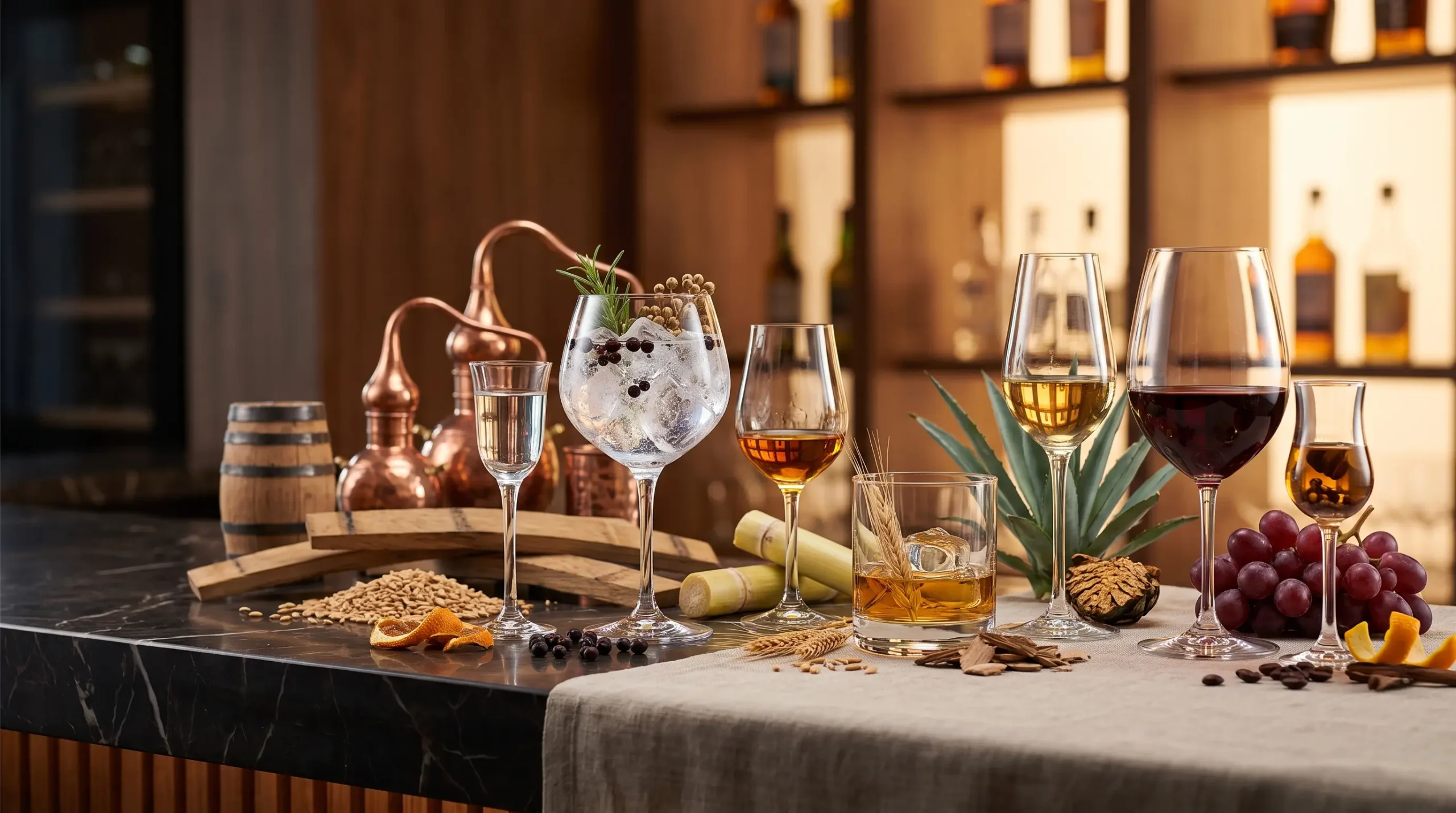
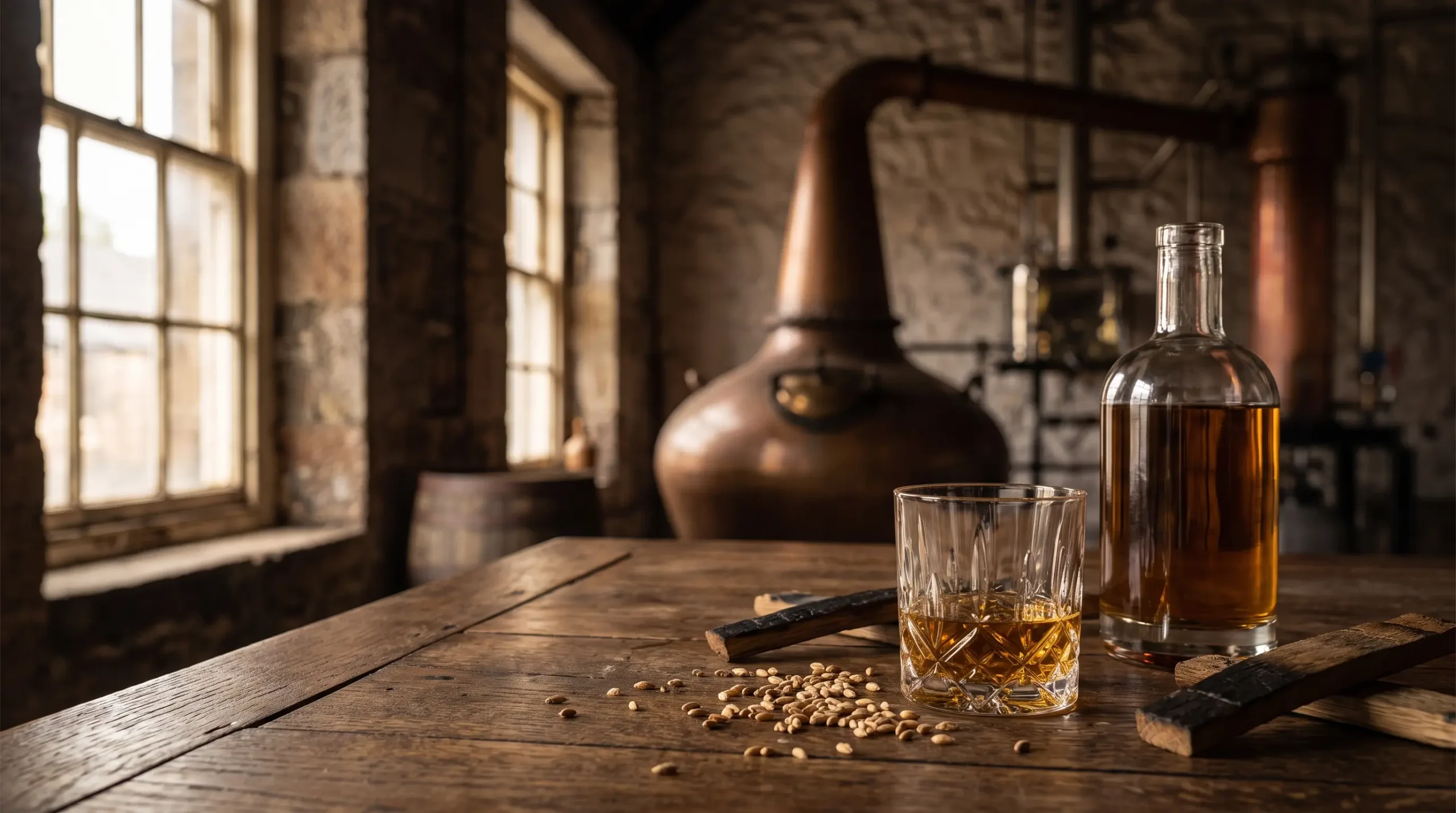
The world of classy alcoholic beverages offers mesmerizing complexity. Every sip brings a story about history, agricultural traditions, distillation innovations, to patience in the aging process. From the distinct Scottish peat aroma, the freshness of botanical gin, to the umami harmony of premium sake, the exploration of alcoholic beverages is an endless sensory journey.
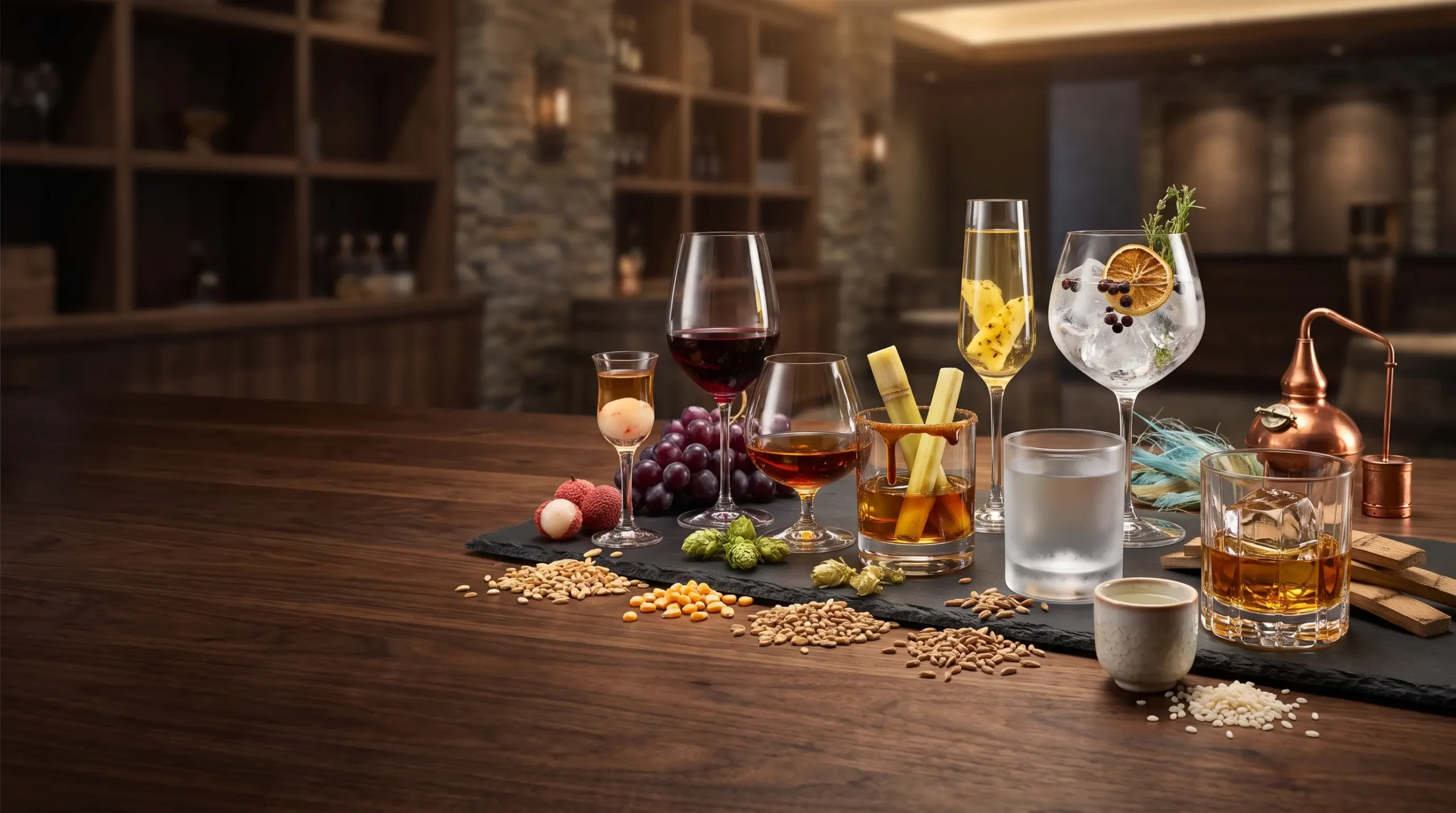
This guide is compiled to provide a comprehensive understanding of the world of spirits, wine, and sake. It is highly suitable for beginners who are just getting to know the difference between whisky and vodka, up to the expert level looking for insights on cask influence and fermentation methods.
Important Note: This article is educational and intended for individuals who have met the legal drinking age. Enjoy responsibly (drink responsibly) and avoid excessive consumption.
What Are Classy Alcoholic Beverages?
Classy or premium alcoholic beverages are often misinterpreted as simply expensive drinks. Their essence actually lies in the integrity of the raw materials, the production process, and the balance of flavors.
Determining factors include:
- Raw Material Quality: The best barley for whisky, mature blue agave for tequila, to special rice (sakamai) for sake.
- Production Process: The meticulousness of the master distiller in controlling fermentation, distillation, up to the selection of wooden casks.
- Tradition and Consistency: Distilleries with a long history that consistently maintain flavor profiles.
- Craft vs Mass-Market: Both craft (small-scale) and mass-market beverages can be classy if executed to high standards.
High prices and luxurious packaging are not absolute indicators. Quality and preference are contextual, influenced by palate preferences and the purpose of consumption.
Understanding Alcoholic Beverage Categories
It is important to distinguish the main categories in the world of alcoholic beverages:
| Category | Brief Definition | Common Raw Materials |
| Distilled Spirits | Fermentation results that are distilled to increase alcohol (ABV). | Grains, fruits, agave, sugarcane. |
| Wine | The result of fermenting pure grape juice, without going through a distillation process. | Grapes. |
| Beer | A fermented grain beverage boiled with the addition of hops. | Barley, hops, yeast. |
| Sake | A fermented rice beverage from Japan. Its production is more similar to beer than wine. | Rice, water, yeast, koji mold. |
| Liqueur | A base spirit with added sweeteners and flavorings (fruits, spices). | Spirit, sugar, flavoring agents. |
A common mistake is equating sake with spirits like vodka. Sake is a fermented beverage without distillation.
Whisky: The Spirit World with Complex Characters
What Is Whisky?
Whisky (or whiskey) is a distilled spirit from a grain mash such as barley, corn, or wheat. Its flavor characteristics are formed from aging in oak casks.
Types of Whisky
- Scotch Whisky: From Scotland, aged for a minimum of 3 years. Often has a smoky character if peat is used.
- Irish Whiskey: Generally triple distilled, without peat, tastes smoother.
- Bourbon: American whiskey with a minimum of 51% corn, aged in new charred oak casks. Its main characters are sweet, vanilla, and caramel.
- Rye Whiskey: A minimum of 51% rye grain, its flavor profile is spicier and sharper.
- Japanese Whisky: Inspired by Scotch, prioritizes blending precision and often uses Mizunara wood.
(The term single malt means whisky from a single distillery made from 100% malted barley, while blended whisky is a mixture of malt and grain whisky).
How to Understand Whisky Characters
Focus on the aroma, palate (taste), body (texture), and finish (aftertaste). Wooden casks bring out notes like smoke, vanilla, spice, fruit, or caramel.
Whisky for Beginners to Experts
Beginners can start with a smooth Irish whiskey or a sweet bourbon. For experts, exploring single malts from Islay (peated) or Speyside (fruity) is highly recommended.
Vodka: A Spirit with a Relatively Neutral Character
Vodka is a neutral spirit that is distilled multiple times to remove impurities and the characteristics of its base ingredients. Made from wheat, potatoes, or rye.
Although neutral, premium vodka is judged by its cleanliness and smooth texture (mouthfeel). Wheat vodka has a touch of bread sweetness, while potato vodka tends to be creamy. The quality of the distillation water source is highly crucial here.
Gin: Botanicals that Form Identity
Gin starts as a neutral spirit that is redistilled with botanicals (spices, herbs, flowers), where juniper berries must be the dominant flavor.
- London Dry Gin: Classic, very piney and citrusy, without added flavorings post-distillation.
- Contemporary Gin: Shifts the dominance of juniper to highlight floral, herbal, or exotic spice profiles.
Tequila: The Agave Character from Mexico
Tequila is the pride of Mexico, distilled from the Blue Weber Agave plant.
- Blanco (Silver): Unaged. Pure, fresh, earthy, and peppery agave flavor.
- Reposado: Aged 2–12 months in oak. Balances agave flavors with a touch of wood.
- Añejo: Aged 1–3 years. Very complex, dark, and rich in oak character.
Rum: A Spirit with Diverse Characters
Rum has origins strongly tied to sugar production. The raw material for rum comes from sugarcane derivatives, be it fresh sugarcane juice or molasses. Because it does not have global regulations as strict as whisky or Cognac, rum comes in a very wide spectrum of styles.
- White/Light Rum: Undergoes brief aging and is filtered to remove color. Its flavor character is light, fresh, suitable for cocktails like the Mojito.
- Gold/Dark Rum: Undergoes longer aging in oak casks, often has caramel added for color.
- Aged/Premium Rum: Aged for years (often in tropical climates that accelerate interaction with the cask). Brings out tasting notes of tropical fruit, spice, vanilla, molasses, and oak. Classy rums in this category have a complexity that can compete with single malt whisky.
Brandy and Cognac: Fruit-Based Spirits
Brandy refers to a spirit distilled from fermented fruit, most commonly grapes (so it can be considered distilled wine). Brandy can be produced anywhere in the world.
Cognac is a very specific and prestigious form of brandy. To be called Cognac, the beverage must be:
- Produced exclusively in the Cognac region, France.
- Use specific grape varieties (mostly Ugni Blanc).
- Distilled twice in copper pot stills.
- Aged in French oak casks.
This aging process is classified with terms like VS (Very Special), VSOP (Very Superior Old Pale), and XO (Extra Old), which refer to the age of the youngest spirit in the bottle.
Liqueur: Sweet Spirits with Limitless Flavor Exploration
Unlike pure spirits whose flavor profiles are derived from fermentation, distillation, and cask aging processes, liqueur is made by taking a base spirit (like vodka, rum, or brandy) which is then combined with natural flavoring agents such as fruits, spices, flowers, herbs, or coffee, along with added sweeteners.
The Appeal of Fruity Liqueurs in Modern Mixology
One of the categories most easily accepted by beginners and also a crucial component for mixology experts is fruity liqueur (fruit-flavored and scented alcoholic beverages). This category is designed to capture the fresh essence of fruits in a concentrated manner, providing an essential dimension of sweetness to balance a cocktail mix.
An outstanding representation in this category is Vibe Lychee. In the realm of classy fruity liqueurs, Vibe Lychee stands out with a highly authentic tropical fruit profile. This beverage presents a precision balance between the natural floral aroma of fresh lychees with a soft mouthfeel and the right level of sweetness. These clean and dimensional characteristics make Vibe Lychee elegantly versatile when enjoyed neat simply with added ice cubes, and it is the perfect foundation for mixing classy cocktails like the Lychee Martini.
The presence of premium fruity liqueurs proves that sweet drinks are not always identical to low quality, but can be a masterpiece of flavor extraction that adds diversity to the world of spirits.
Wine: Alcoholic Beverages with Territorial Character
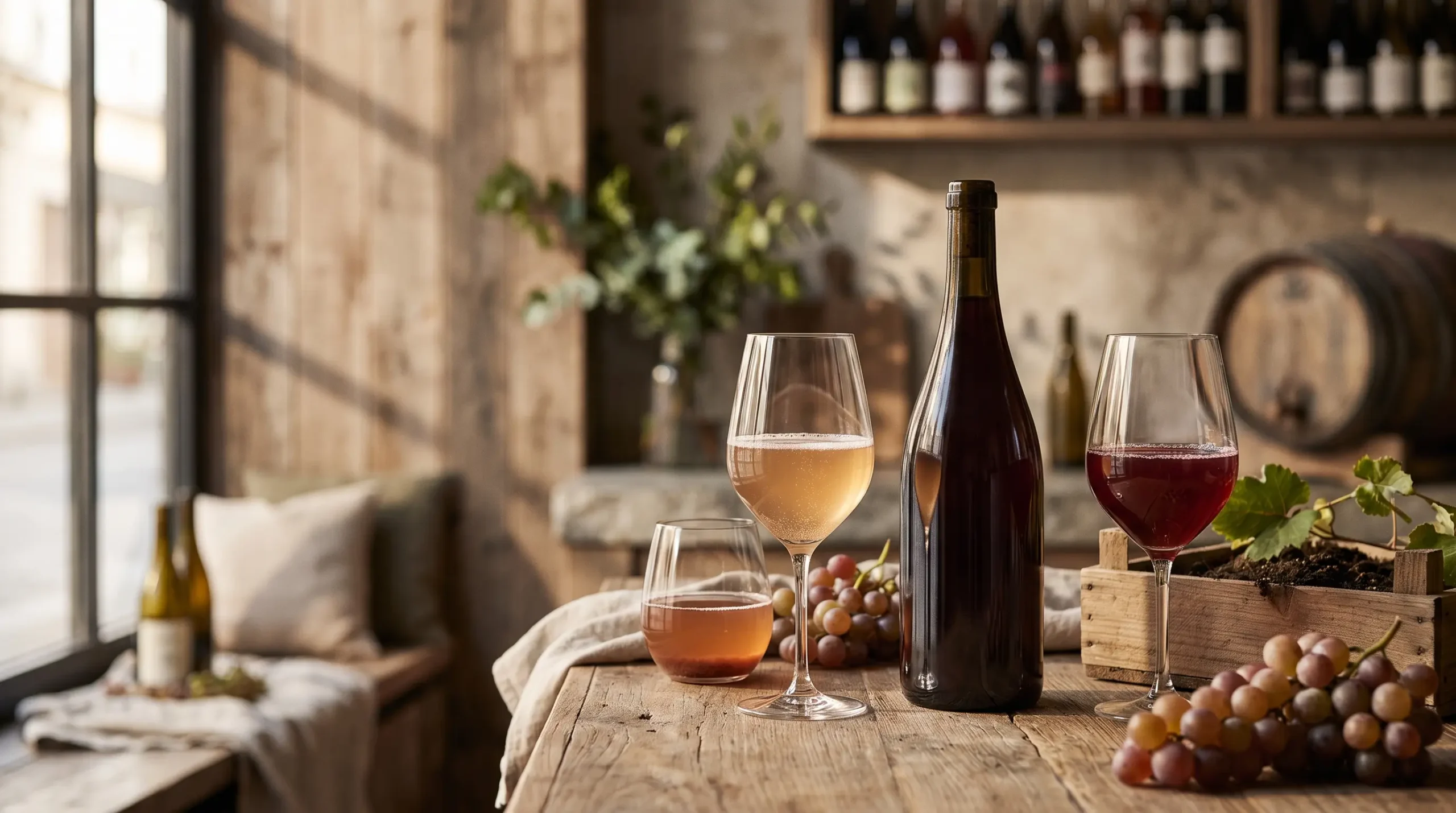
Wine is created from the fermentation of natural sugars in grapes, without a distillation process. Its character is formed by grape varieties (Cabernet Sauvignon, Chardonnay) and terroir (a combination of soil, climate, elevation). Wine tasting is judged by body (thickness), acidity, tannins (astringent sensation in red wine), and finish.
Sake: Understanding Japan’s Rice-Based Beverage
Neither a spirit nor a rice wine, sake is produced through multiple parallel fermentation—koji mold converts rice starch into sugar, while simultaneously yeast converts sugar into alcohol. Classification is based on Seimaibuai (rice polishing ratio):
- Junmai: Pure sake from rice, water, yeast, koji. Rich in umami flavor.
- Honjozo: Has a small addition of brewer’s alcohol for aroma.
- Ginjo: Rice is polished down to a maximum of 60%, smelling of fruits and flowers.
- Daiginjo: Maximum rice polish of 50%, the highest grade that is very smooth and complex.
How to Understand the Aroma and Taste of Alcoholic Beverages
Flavor descriptions (tasting notes) on alcoholic beverages are sensory guides heavily influenced by individual experience. You do not need to have a professional palate to enjoy this complexity.
- Aroma (Nose): The scent inhaled from the glass. Aromas can be fruit notes (fresh or dried fruits), botanical notes (herbs, spices), to oak influence (wood, vanilla, smoke).
- Palate (Taste): Sensations on the tongue including acidity (refreshing sourness), sweetness (natural sweetness without added sugar), bitterness (bitter from wood or spices), to spice (a tickling spicy flavor).
- Body & Mouthfeel: Is the texture on the tongue watery, creamy, or oily?
- Finish (Aftertaste): How long the flavor lingers in the mouth after the drink is swallowed. A long and evolving finish is a hallmark of classy alcoholic beverages.
Guide to Choosing Classy Alcoholic Beverages for Beginners
Choosing a drink should be based on individual taste preferences, not solely on the highest price metrics or trends.
- If you like smoky and challenging characters: Explore single malt Scotch whisky from the Islay region or mezcal from Mexico.
- If you like floral and spice (botanical) flavors: Vibe Dry Gin or Contemporary Gin enjoyed with high-quality tonic water.
- If you like well-balanced fruity and sweet drinks: Try fruity liqueurs like Vibe Lychee, ideal for mixing into refreshing cocktails.
- If you like elegant-tasting drinks: Cognac or red wine with strong red fruit characters.
- If you like neutral and smooth spirits: Premium winter wheat vodka.
- If you like oak, vanilla, and sweet caramel flavors: Bourbon whiskey or Añejo Tequila.
- If you like umami characters, rice, and balanced drinks: Start exploring Junmai sake from Japan.
Celebrating the Diversity of Classy Alcoholic Beverage Flavors
Exploring the world of classy alcoholic beverages is a blend of scientific appreciation and cultural art. Each category, from whisky showcasing cask influence, the botanical freshness of gin, to the meticulous process of making sake, has a mesmerizing history. Premium quality is determined by the integrity of the process and the balance of flavors, not just the selling price.
For connoisseurs wishing to explore local distillation masterpieces, Vibe Liqueur & Spirits arrives as an Indonesian local alcohol that has won various international awards. Boasting various flavor variants with diverse alcohol contents (ABV), the VIBE collection can be used for various refreshing cocktail recipes.
To enrich lifestyle references, visit Wekendvibe to get information about the best venues, cocktail recipes, and other unique information surrounding the beverage industry.
FAQ
1. What is meant by classy alcoholic beverages?
Drinks produced from high-quality raw materials, a meticulous distillation process, and possessing a balanced flavor profile. Quality is seen from the integrity of its making, not just a high price.
2. What is the difference between whisky and vodka?
Whisky is made from grains and aged in oak casks which give it color and complex flavors. Vodka is a neutral spirit distilled highly until clear with minimal character from its base ingredients.
3. What are the types of premium alcoholic beverages?
Includes spirits (whisky, vodka, gin, rum, tequila, brandy), high-quality liqueurs, and fermented beverages like wine and sake.
4. What is the difference between whisky, gin, tequila, and rum?
Whisky is from grains; gin is from neutral spirit and botanicals (juniper); tequila is purely from blue agave; rum is from sugarcane derivatives.
5. Is sake considered a spirit?
No. Sake is a fermented rice beverage without going through any distillation process at all.
6. What is the difference between sake and whisky?
Sake is multiple-parallel fermented from rice and koji (ABV around 15%). Whisky is from distilled grains with added oak cask influence (ABV above 40%).
7. How do you choose an alcoholic beverage for beginners?
Adjust to your palate. If you like sweet, try bourbon or fruity liqueur. If you like neutral, try vodka. If you like herbal, try gin.
8. What is meant by single malt?
Whisky produced in a single distillery using only 100% malted barley.
9. What is the difference between brandy and Cognac?
All Cognac is definitely brandy, but not all brandy is Cognac. Cognac is a specific brandy from the Cognac region, France, with very strict regulations.
10. What is a neutral spirit?
Alcohol distilled very highly (above 95% ABV) to remove the flavor of its natural ingredients, usually becoming the base for vodka or gin.