 Log in
 Register



Learning about alcohol can be confusing for an adult woman who is not familiar with these beverages. When faced with social situations that serve alcoholic drinks, various questions often arise regarding the types of drinks, alcohol content, effects on the body, and how to minimize the risks.
This article is written specifically for adult women (aged 21 and over) with the aim of providing balanced, objective, and factual information about alcohol for women who are just starting to drink. Using a harm reduction approach, this guide does not aim to suggest someone start drinking, but it also does not deter those who choose to try it. The decision to consume alcohol is entirely a personal matter, and this education aims to ensure that the decision is based on a comprehensive understanding of responsible drinking.
Is There the “Safest” Alcohol for Beginners?
Many people want to know if there is a “safest” or “lightest” drink when discussing alcohol drinking guides for beginners. Medically, no type of alcoholic beverage is automatically risk-free just because it is considered lighter. The risk comes from the alcohol compounds in it, not from the type or brand of the drink.
For those who choose to consume alcohol, it is important to understand the following two elements:
- Alcohol by Volume (ABV): This percentage indicates the pure alcohol content in a beverage. Drinks like beer generally have an ABV of around 4–5%, wine has an ABV of 11–14%, while spirits like vodka or gin can have an ABV of 40% or more.
- Serving Size: Consuming beer in a large glass can introduce the same or even a higher amount of pure alcohol compared to one small glass of wine.
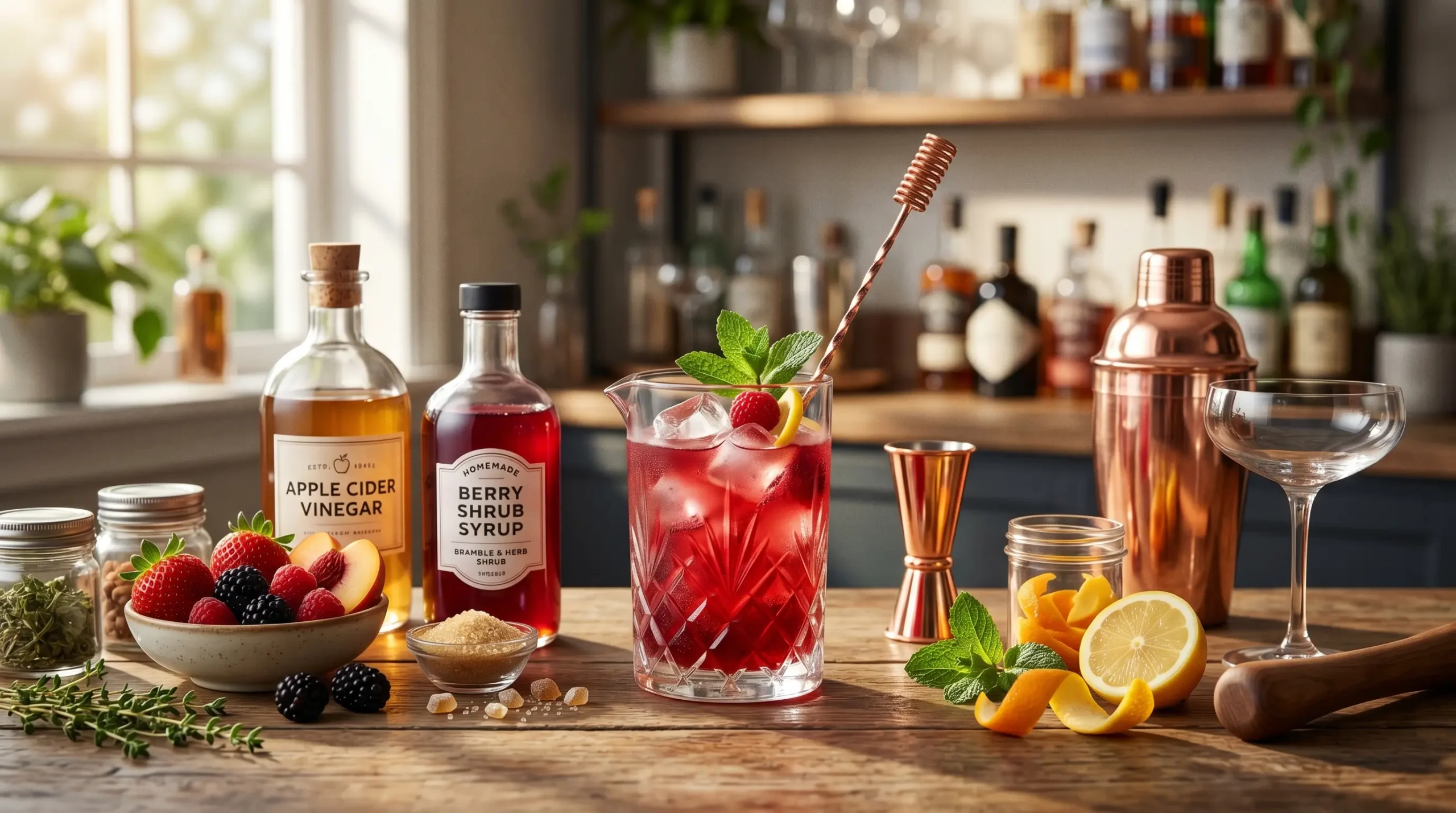
The sweet taste of syrup or fruit juice in cocktails often masks the distinct taste of alcohol. This needs to be considered because a taste that resembles a regular soft drink can cause someone to unknowingly consume large amounts of alcohol.
Why Can the Effects of Alcohol Be Different for Everyone?
Two people consuming the exact same type and amount of drink can very well show different reactions. The effects of alcohol on the body are influenced by the interaction of various biological factors and the situation at hand:
- Weight and Body Composition: Individuals with a smaller body weight or stature will generally feel the effects of alcohol faster.
- Stomach Contents: Consuming drinks on an empty stomach accelerates the absorption of alcohol into the bloodstream compared to when the stomach is already filled with solid food.
- Drinking Pace: Drinking alcohol in a short period leaves the liver without enough time to break down the alcohol.
- Individual Tolerance: Someone who has never or rarely drinks alcohol has not built up a tolerance, so the physiological effects will be felt more strongly.
- Other Biological Factors: Medications, hormonal conditions, as well as physical and mental conditions also determine the body’s response to alcohol.
Understanding Alcohol Content Before Drinking
An important step in maintaining the safety of drinking alcohol is measuring the amount consumed. In health guidelines across various countries, the standard drink metric is often used.
In the United States, one standard drink is defined as a beverage containing about 14 grams of pure alcohol. As an illustration, this amount is generally equivalent to:
- 12 ounces (about 350 ml) of beer with 5% ABV.
- 5 ounces (about 150 ml) of wine with 12% ABV.
- 1.5 ounces (about 45 ml) of spirits or hard liquor with 40% ABV.
If wine is poured to fill a very large glass, that single glass could be equivalent to two or three standard drinks. An accurate way to know the alcohol content is to check the ABV percentage on the packaging label and multiply the number by the volume of the beverage served.
Guidelines for Reducing Risks If You Choose to Drink
For those who decide to consume alcohol, the harm reduction principle offers a number of steps to keep the experience under control. Here are alcohol drinking tips for beginners to minimize risks:
- Pace Yourself: Drinking slowly gives the body time to process the substances entering it.
- Eat First: Consuming a heavy meal before or while drinking helps slow down the rate of alcohol absorption in the stomach.
- Alternate with Water: Consuming water between glasses of alcoholic beverages serves a dual purpose; preventing dehydration while also slowing down the drinking pace.
- Avoid Social Pressure: Being at a social event does not mean you have to follow everyone else’s drinking pace. Not finishing a poured drink is perfectly normal.
- Plan Transportation: Safety is paramount. Use public transportation or designate someone who is not drinking (designated driver) if you need to travel after the event.
- Pay Attention to Your Surroundings: Ensure you are in a safe environment and do not leave your drink unattended to avoid unwanted incidents.
When Should You Not Drink Alcohol?
Although the decision to drink is personal, there are objective conditions where medical guidelines universally recommend not consuming alcohol at all:
- Pregnancy: When pregnant or planning a pregnancy, as alcohol can affect fetal development.
- Drug Interactions: When taking prescription medications or certain over-the-counter drugs that can cause dangerous reactions if mixed with alcohol.
- Operating Vehicles/Machinery: When you are about to drive or perform activities that require full alertness and motor coordination.
- Specific Medical Conditions: When you have a history of liver disease, certain gastrointestinal issues, or other medical conditions that contraindicate alcohol consumption.
- Recovery: When you are in the process of recovering from an alcohol use disorder.
Alcohol and the Female Body
From a biological standpoint, the female body processes alcohol differently than males. Anatomically, women tend to have a lower percentage of water in their bodies compared to men of the same body weight.
Because alcohol dissolves in water, the same amount of alcohol will become more concentrated in a woman’s body. This causes the Blood Alcohol Concentration (BAC) to rise faster. In addition, women generally produce slightly lower amounts of the enzyme that breaks down alcohol, causing alcohol to remain longer in the metabolic system.
Regarding long-term health, the World Health Organization (WHO) presented findings that health risks increase along with an increase in the volume of alcohol consumption. Medically, there is no limit to alcohol consumption that is completely risk-free. Understanding this risk, including its correlation with conditions like breast cancer, is crucial information that needs to be known so that a person can make informed choices for their own body.
Common Myths About Alcohol
There is various misinformation regarding how alcohol works circulating in society:
- Myth: Sweet-tasting drinks are safer and their effects are milder. Fact: Taste does not reflect alcohol content at all. A very sweet cocktail could contain a mixture of several high-ABV spirits.
- Myth: Strong coffee can speed up the process of getting sober. Fact: The caffeine in coffee only stimulates the body to feel more physically awake, but it does not speed up the liver in removing alcohol from the bloodstream.
- Myth: Drinking a lot of water will instantly eliminate the effects of alcohol. Fact: Water is highly recommended to prevent dehydration because alcohol is a diuretic. However, water does not neutralize alcohol; only time allows the body’s metabolism to fully process it.
Signs Someone Has Consumed Too Much Alcohol
As part of alcohol drinking safety, it is very important to be able to recognize the body’s physical response when the blood alcohol level is too high. Some common signs to observe include:
- Speech becoming slurred or incoherent.
- Decreased physical coordination (easily stumbling).
- Significantly slowed thinking and moving responses.
- The onset of nausea leading to vomiting.
- Visible confusion.
If someone is found to lose consciousness, is difficult to wake up, their skin turns pale, or their breathing rate slows drastically, these conditions indicate a medical emergency. Situations like this require immediate professional medical attention.
Responsible Drinking: Things to Remember
As a brief guide, here is a summary of responsible drinking steps for those who choose to consume alcohol:
- Ensure you have met the legal drinking age according to local jurisdiction (generally 21+).
- Familiarize yourself with reading the ABV percentage and understanding standard serving sizes.
- Drink slowly and respect your body’s comfort limits.
- Separate drinking activities from driving activities.
- Be aware of the interactions between alcohol and any medications you are taking.
- Remember that refusing a drink offer or choosing a non-alcoholic beverage is a completely valid personal right.
Navigating Choices Wisely
Understanding how alcohol works and its effects on the body is a fundamental step for adult women who are beginning to interact with this beverage. By recognizing the dosage, reading ABV labels, and applying the principles of responsible drinking, unwanted risks can be minimized.
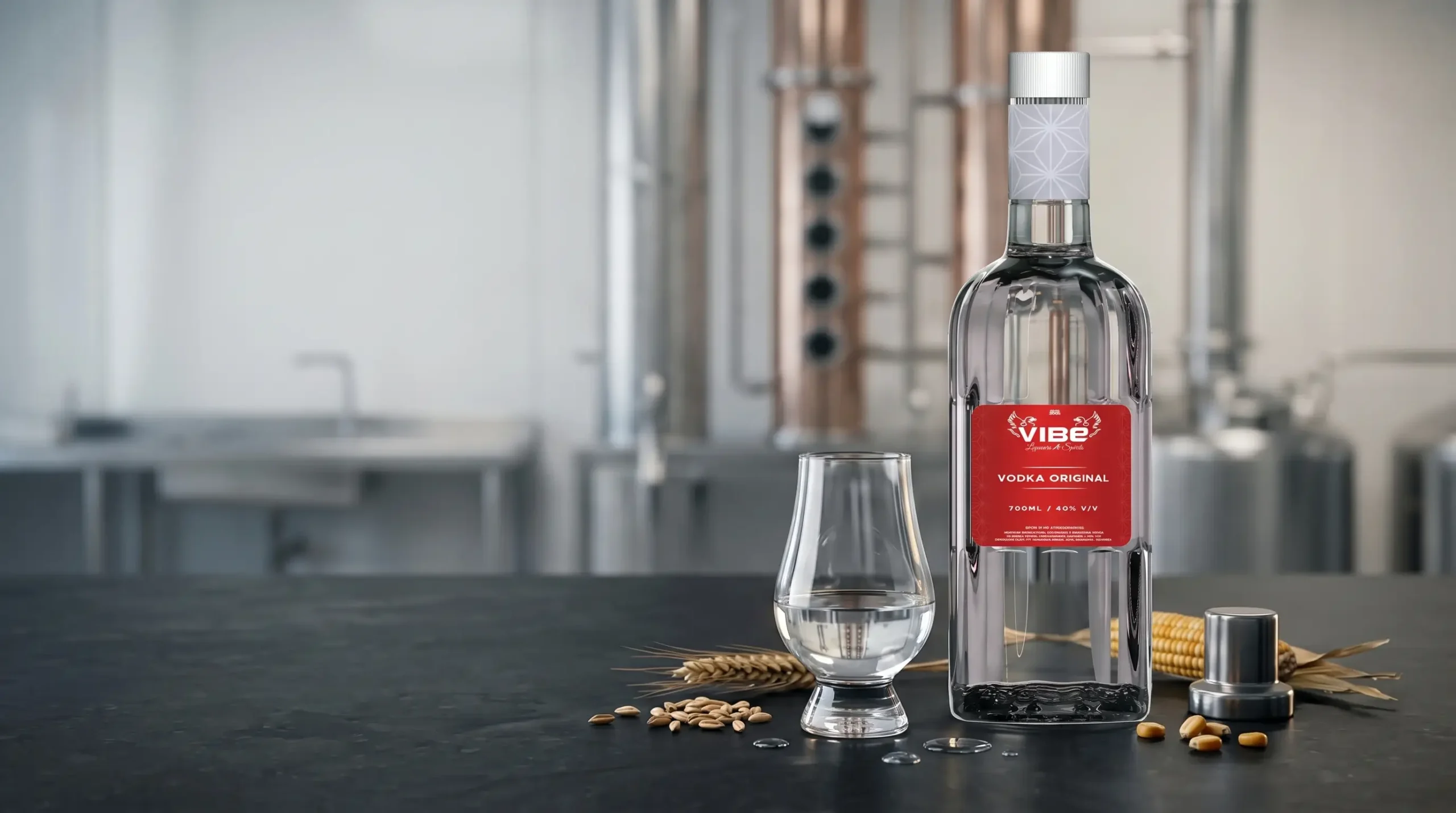
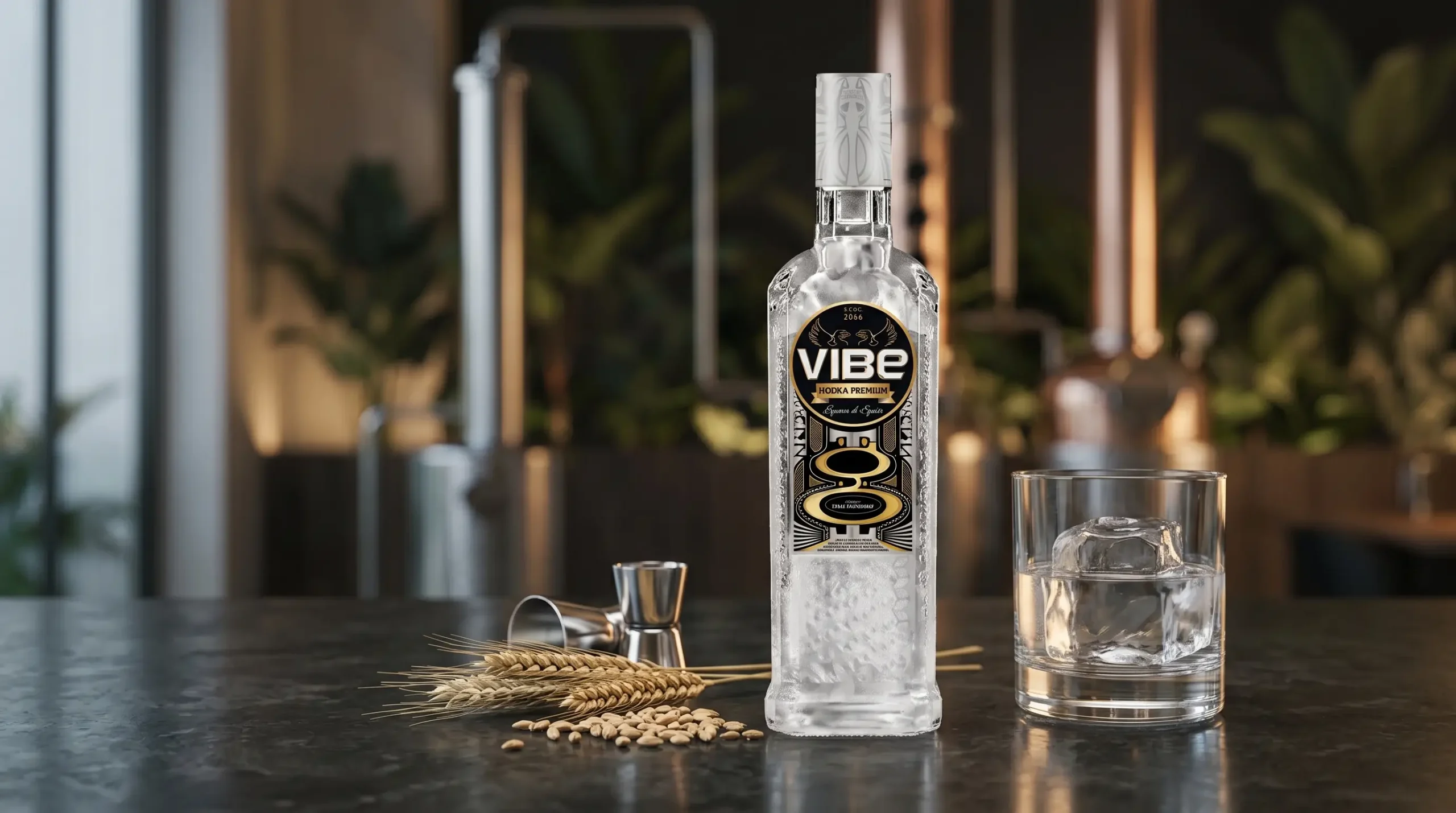
If you ultimately decide to enjoy alcoholic beverages responsibly, exploring the types of drinks can be done carefully. For example, Vibe Liqueur & Spirits comes as a local Indonesian alcohol option that has won various international awards. This brand provides various flavor variants with varying levels of alcohol content, providing flexibility for consumers to choose according to their respective limits and preferences. Aside from being enjoyed directly, its various variants can also be mixed into various cocktail recipes.
To find out more about venue references that provide a comfortable social experience, cocktail guides and recipes, as well as various other unique information around lifestyle and entertainment, visit Wekendvibe. Continuously educating yourself is the best way to ensure every choice made remains safe and responsible.
FAQ
1. What do women who are just starting to drink alcohol need to know?
The fundamental thing to understand is that alcohol biologically affects women’s bodies faster than men’s. Recognizing the strength of the drink, not drinking on an empty stomach, and knowing your limits are important first steps.
2. What does ABV mean in alcoholic beverages?
ABV (Alcohol by Volume) is a percentage figure that indicates how much pure alcohol content is in the total volume of the beverage liquid.
3. Do sweet-tasting drinks have lower alcohol?
Not necessarily. Syrup and sugar only serve to mask the sharp taste of alcohol, but do not lower the alcohol content at all.
4. Why are the effects of alcohol different for everyone?
These effects depend on a combination of body weight, percentage of water in the body, digestive enzyme levels, individual tolerance, and whether the stomach is full of food or empty.
5. Does eating before drinking eliminate the effects of alcohol?
Food cannot eliminate the effects of alcohol, but rather slows down the absorption process of the substance into the bloodstream, so the effects appear more gradually.
6. Can coffee make someone sober up quickly?
No. Stimulants like coffee do not affect the body’s speed in breaking down and eliminating alcohol from the blood.
7. When should someone not drink alcohol?
Alcohol consumption is recommended to be stopped when pregnant, planning to drive, taking medications, having certain medical conditions, or being in the recovery stage from an addiction problem.
8. What are the signs of excessive alcohol consumption?
Signs can include loss of body balance, slurred speech, confusion, and nausea. At severe levels of intoxication, a person can pass out and have difficulty breathing.
9. Is it safe to drive after drinking alcohol?
Driving after consuming alcohol is highly not recommended because alcohol slows down motor reflexes and decreases decision-making abilities, even in amounts that feel small.