 Log in
 Register


The world of wine is often synonymous with luxury. However, you do not always need to spend a lot of money to enjoy a special drinking experience. The search for cheap wine that tastes expensive is increasingly popular, especially for beginners and regular drinkers who want optimal value for money.
Can affordable wine provide superior quality? This article will thoroughly discuss how wine pricing works, flavor-forming factors, and quality product recommendations that are safe for a limited budget.
What is Meant by “Cheap Wine that Tastes Expensive”?
The term “cheap wine that tastes expensive” refers to the level of value for money. The perception of “tasting expensive” is a sensory appreciation of the liquid’s structure inside the bottle, which does not mean the cheap product is identical or exactly the same as decades-old fine wine.
An affordable wine can provide an interesting sensory experience if it has:
- Balance: Good harmony between acidity, sweetness, and alcohol.
- Clear aroma: A clean fruit or spice aroma profile, without musty smells.
- Good structure: Feels cohesive in the mouth (mouthfeel), not watery.
- Balanced tannins: A smooth astringent sensation, not harsh or stinging (specifically for red wine).
- Adequately long finish: A pleasant lingering taste trace on the palate.
- Appealing fruit character: Fresh primary fruit flavors that match the original varietal.
- Aroma and flavor complexity: There are layers of flavor that slowly emerge.
Price is not always the sole indicator of quality. Lower-priced wines produced with the right techniques can very well exceed their price expectations.
Can Cheap Wine Taste Like Premium Wine?
Objectively, price and perceived quality are not always directly proportional. A bottle of wine can be expensive due to factors outside the quality of the liquid itself, such as:
- Region: Prestigious areas like Bordeaux or Burgundy set very high land prices.
- Production Costs and Methods: Manual harvesting and the use of new oak barrels cost much more than machine harvesting and stainless steel tank fermentation.
- Distribution, Taxes, and Import Costs: Alcohol taxes and international logistics significantly increase the selling price.
- Branding and Packaging: The reputation of legendary producers, product scarcity, to thick bottles with premium corks.
- Vintage: Certain harvest years deemed perfect are often priced many times higher.
Therefore, budget-friendly wines especially from large producers with technological efficiency can still have a balanced, clean flavor profile that indulges the tongue just like high-class wines.
What Makes Wine Taste “Expensive”?
The perception of quality in a glass of wine is judged by the following sensory factors:
Aroma
Quality wine has an aroma that does not merely smell like fruit juice (primary aroma). There are layers of complexity such as touches of floral (flower), spice, oak, wet earth, or vanilla aromas.
Acidity
Acidity provides freshness and balance. Without enough acidity, wine will feel heavy, flat, and boring.
Tannin
These compounds from grape skins and seeds give red wine an astringent texture. In quality wine, the tannin structure feels velvety (as soft as velvet) and is well-integrated, not harsh which ruins the mouthfeel.
Body
Body is the viscosity in the mouth, divided into light-bodied, medium-bodied, to full-bodied (thick).
Finish
The length of the aftertaste (the trace of flavor after swallowing) greatly affects the perception of quality. Complex wines generally have a finish that lasts a long time in the mouth.
Balance
This is the most important metric. Balance ensures that fruit, acidity, tannin, alcohol, and sweetness complement each other without any one element feeling too prominent.
How to Choose Quality Cheap Wine
Finding affordable wine that does not disappoint requires a little meticulousness. Here is a practical guide for beginner readers:
- Determine the budget first: Set a price limit so the search is more focused.
- Pay attention to the grape varietal: Choose grape types known to grow well in various climates with standard maintenance costs.
- Know wine regions: Look for products from the best value wine-producing countries like Chile, Argentina, or Australia.
- Note the vintage if relevant: For cheap white wine or rosé, the newest vintage guarantees maximum freshness.
- Read tasting notes: Flavor descriptions on the back label help match the wine to your palate’s preferences.
- Check the ABV: Alcohol levels provide clues to the wine’s body (high ABV tends to be thicker).
- Pay attention to the producer’s reputation: Large wineries generally have strict quality control so bottle-to-bottle quality is very consistent.
- Look for awards or ratings from trusted sources: Medal stickers from credible competitions can be a quality indicator.
- Compare prices from several legal retailers: Find the best price at official stores to avoid fake or damaged products.
- Do not choose based solely on bottle design: Aesthetic labels do not guarantee the liquid’s taste.
Types of Wine that Often Offer Value for Money
General categories like red wine, white wine, rosé, and sparkling wine (especially the Charmat method like Prosecco) have many entry-level options. Some varietals that often offer a balance of price and flavor include:
- Cabernet Sauvignon: Rich in black fruit flavors, densely structured.
- Merlot: Smoother and friendlier on the palate.
- Shiraz/Syrah: Offers bold and spicy sensations.
- Malbec: An excellent full-bodied choice, especially from Argentina.
- Pinot Noir: Tends to be expensive, but affordable versions from certain regions can be quite interesting.
- Chardonnay: Highly varied from fresh (unoaked) to creamy (oaked) styles.
- Sauvignon Blanc: Popular for its crisp acidity and herbal aromas.
- Riesling: Offers a brilliant sweet-sour flavor spectrum.
Notes : Certain varieties do not automatically guarantee they are always cheap or high quality. Distribution, region, and producer heavily influence the price and final result.
Cheap Wine Recommendations with Premium Flavor Characters
Here are some cheap wine choices with premium tastes legally available in the Indonesian market. (Prices are estimated retail as of late 2026 and are subject to change).
1. Sababay Ludisia
- Producer: Sababay Winery
- Country/Region: Bali, Indonesia
- Varietal: Alphonse Lavallée & Shiraz
- Wine Type: Sweet Red Wine
- Price Range: Rp 214,000 – Rp 275,000
- ABV: 11%
- Aroma Profile: Ripe berry jam and raisins.
- Flavor Profile: Dominant plum flavor and naturally rich sweetness.
- Body: Medium.
- Acidity: Low to medium.
- Tannin: Very low.
- Finish: Smooth, sweet, and easy to drink.
- Best for: Beginners looking for sweet red wine without excessive astringency.
- Reason for value for money: A proud local product with stable prices and free from exorbitant excise duties.
2. Yellow Tail Shiraz
- Producer: Casella Family Brands
- Country/Region: South Eastern Australia
- Varietal: Shiraz
- Wine Type: Red Wine
- Price Range: Rp 330,000 – Rp 350,000
- ABV: ~13.5%
- Aroma Profile: Dark berries, a hint of black pepper spice, and vanilla.
- Flavor Profile: Juicy red fruits, warm, with sweet spice sensations.
- Body: Medium to Full-bodied.
- Acidity: Balanced.
- Tannin: Smooth and friendly.
- Finish: Lingers quite neatly.
- Best for: Casual drinkers looking for classic flavors to relax with a variety of cemilan.
- Reason for value for money: Produced efficiently on a global scale so its price is very competitive.
3. Undurraga Brut
- Producer: Viña Undurraga
- Country/Region: Central Valley, Chile
- Varietal: Chardonnay / Pinot Noir blend
- Wine Type: Sparkling Wine (Dry)
- Price Range: ~Rp 344,000
- ABV: 12%
- Aroma Profile: Crisp green apple and yeasty nuances (brioche).
- Flavor Profile: Fresh citrus with constant bubbles.
- Body: Light-bodied.
- Acidity: High (crisp).
- Tannin: None.
- Finish: Clean and refreshing.
- Best for: A Champagne substitute for celebrating special days.
- Reason for value for money: Elegant bubbles with sharp acidity at a very affordable price point.
4. Argento Mendoza Malbec
- Producer: Bodega Argento
- Country/Region: Mendoza, Argentina
- Varietal: Malbec
- Wine Type: Red Wine
- Price Range: ~Rp 413,000
- ABV: 14%
- Aroma Profile: Violet flowers, cocoa, and deep black plum.
- Flavor Profile: Rich dark black fruit flavors and integrated oak.
- Body: Full-bodied.
- Acidity: Medium.
- Tannin: Smoothly glides (velvety).
- Finish: Long with a slight earthy sensation.
- Best for: Heavy-bodied wine enthusiasts to pair with red meat dishes.
- Reason for value for money: A solid authentic Mendoza character without thinning the wallet.
Local Indonesian Wine vs Imported Wine for a Limited Budget
Buying affordable wine often brings up an option: choose local or imported?
- Price & Import Costs: Local wine has an absolute advantage. Because it is produced and distributed domestically (like Bali), the budget is directly focused on production quality, not absorbed by import customs taxes.
- Flavor Character: Imported wine offers a firm classic flavor spectrum (very dry, earthy). Meanwhile, local Indonesian wine is often tailored to the tropical climate generally a bit more fruit-forward (highlighting fruit flavors) or light.
- Availability: Both have excellent distribution in licensed retailers. Both are equally capable of providing the best value according to preferences.
How to Read a Wine Label for Beginners
- Producer/Winery: The maker’s name (e.g., Yellow Tail).
- Country/Region: The location where the grapes were grown. The more specific the location, the stricter the rules.
- Varietal: The type of grape (e.g., Shiraz).
- Vintage: The year the grapes were harvested.
- ABV: Alcohol percentage, affecting viscosity.
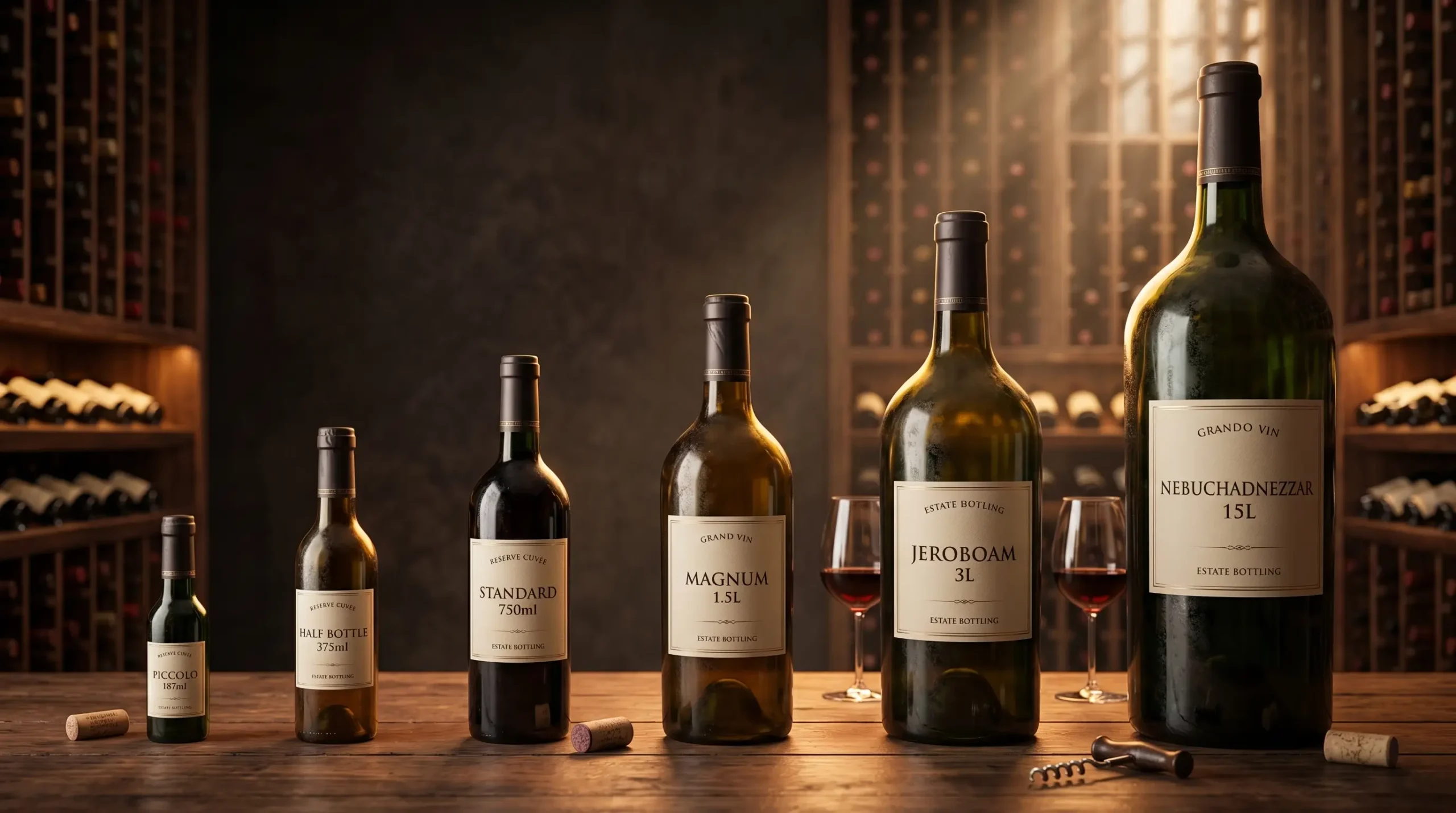
- Volume: Generally 750ml.
- Dry/Sweet: Sugar content indicator. Dry means it is not sweet at all.
- Reserve: In certain countries it indicates aging duration, but elsewhere it can just be a marketing term.
Common Mistakes When Buying Cheap Wine
- Assuming a cheap price means quality is always low.
- Assuming an expensive price will definitely suit your palate (especially beginners).
- Choosing based solely on the label or bottle design.
- Ignoring varietal and region profiles.
- Over-trusting app ratings without knowing the source of expertise.
- Directly comparing different wine styles (e.g., sweet wine compared to dry wine).
- Not paying attention to the store’s storage conditions (exposed to direct heat/light).
Tips for Getting Quality Wine on a Limited Budget
- Always hunt for promos from official and legal retailers.
- Diligently compare prices between licensed liquor stores.
- Choose large-scale producers with good reputations.
- Explore varieties that have a large global supply (Cabernet Sauvignon, Chardonnay).
- Look for wines from famous value wine-producing regions (Chile, Argentina).
- Use credible competition awards and professional reviews as a reference, not an absolute standard.
Enjoying Quality Without Draining the Pocket
Ultimately, finding a bottle of liquor with the best value for money is about education and a willingness to explore. The number on the price tag does not always dictate the level of enjoyment you will get. By understanding varietal basics, reading labels carefully, and expanding knowledge about producing regions, it is very possible to enjoy a complex, balanced, and satisfying beverage flavor profile without having to spend premium funds.
Besides exploring wine, complementing the culinary experience with high-quality local products is also a smart move. Vibe Liqueur & Spirits is present as a proud local Indonesian alcohol brand that has successfully won various prestigious awards in the international arena. Featuring a variety of flavors with various levels of alcohol content, the Vibe product line is highly ideal and frees up creativity to be mixed into various special cocktail recipes. To find interesting cocktail recipe inspiration, recommendations for the best venues to enjoy the weekend, and other unique information regarding lifestyle and beverages, be sure to visit Wekendvibe.
FAQ
What is cheap wine that tastes expensive? Affordable wine with balance, flavor harmony, and complex character that can provide a drinking sensation beyond its selling price.
Can cheap wine have a complex flavor? Yes. Superior varieties combined with efficient production methods and ideal regions allow for the creation of solid aroma and flavor layers despite low prices.
What is a good cheap wine for beginners? Beginners can try sweet-character local wines like Sababay Ludisia or palate-friendly imported wines like Merlot and Yellow Tail Shiraz.
Does the price of wine determine quality? Not always. Price is influenced by taxes, regional reputation, branding, and expensive production costs, not just about the taste inside the bottle.
What is the difference between cheap wine and premium wine? Premium wine is often made from hand-harvested select fruits and aged for years in pure oak barrels. Cheap wine is made to be fresh and ready to be enjoyed immediately without needing long storage.
Can local Indonesian wine be an affordable choice? Of course. The absence of cross-border import taxes makes local wine able to compete closely in terms of quality while being friendly to domestic consumers’ pockets.
What is the ideal budget for buying wine for a beginner? For the Indonesian market, figures from Rp 200,000 to Rp 500,000 are very sufficient to get high-quality authentic bottles.