 Log in
 Register


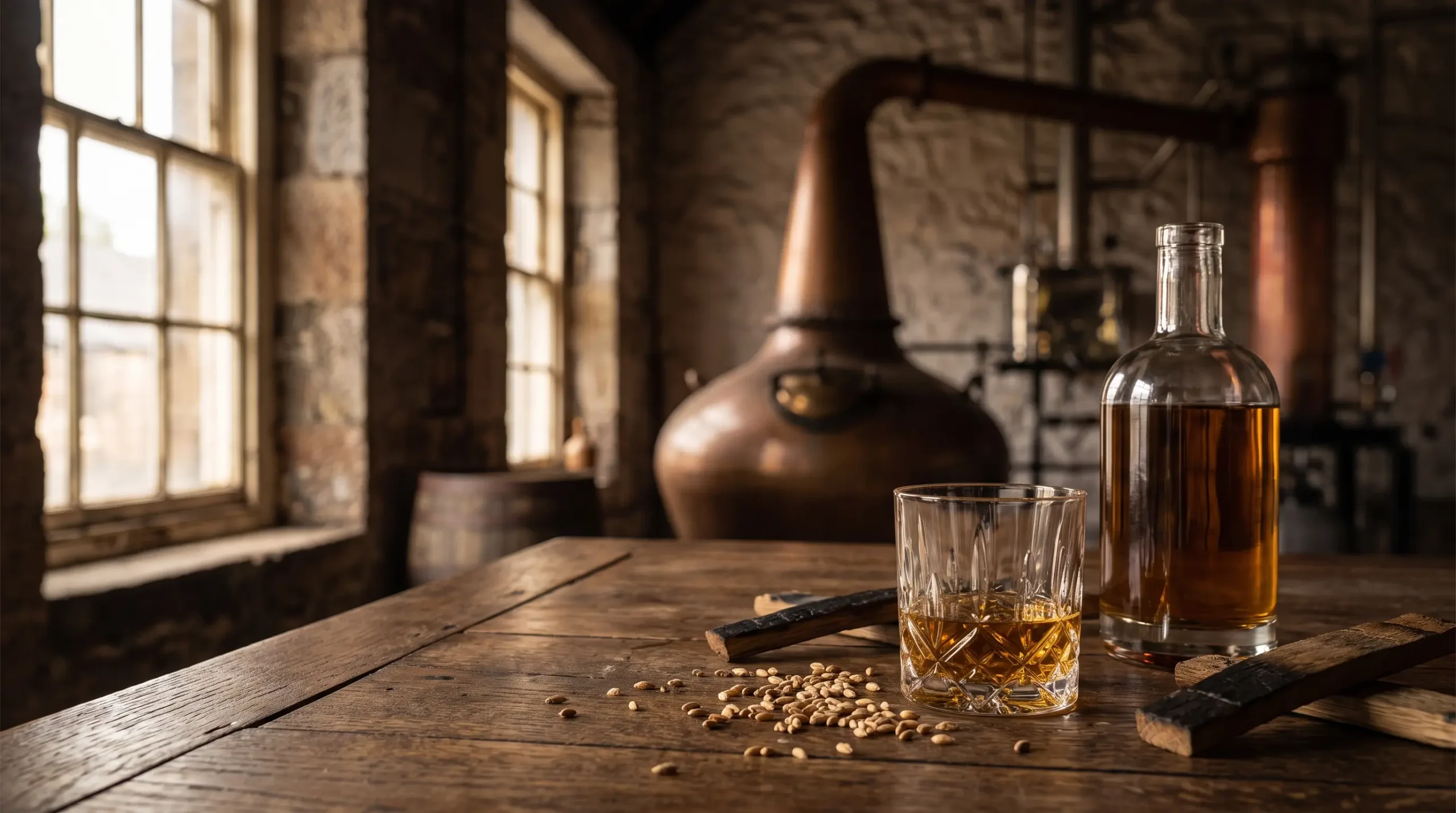
The world of whisky is often seen as art in a glass. For responsible consumers of alcoholic beverages, exploring premium single malt whisky is a sensory journey full of history and culture. With various geographical designations, technical terminology, and circulating myths, understanding this category can feel challenging at first.
This article aims to guide adult readers who want to get to know premium single malt whisky, understand what makes it highly valuable, and present recommendations for single malt whiskies that deserve to be on your search list.
Getting to Know Premium Single Malt Whisky
Before diving deeper, it is very important to fundamentally understand what premium single malt whisky is. According to official institutions like the Scotch Whisky Association (SWA), single malt Scotch whisky has a very specific definition: whisky produced exclusively at one distillation facility (single distillery). Additionally, this beverage must be made only from water and malted barley, without the addition of other grains, and distilled using a step-by-step method in copper pot stills.
The term “single” here refers to the number of distillation facilities, not meaning that the liquid only comes from one wooden cask or single barrel. A bottle of single malt can consist of a mixture of various casks, ages, or batches as long as they are all produced by the same distillery. This allows a master blender to maintain flavor consistency over time.
So, what is the difference between single malt and blended whisky? Blended whisky is a combination of single malt whisky and grain whisky. The presence of grain whisky usually provides a lighter and softer character to balance the intensity of the malt whisky. Single malt does not always have an absolutely better quality than blended whisky. An outstanding example in the local market today is Emerald Glens from Vibe Liqueur & Spirits, a premium whisky that combines the heritage of Irish craftsmanship (Single Malt Irish Whiskey) with quality grain whisky. Products like Emerald Glens prove that precise blending techniques can produce a flavor profile that is very smooth, balanced, and competitive in the premium class, making it a very viable alternative to explore besides pure single malts.
What Makes Single Malt Whisky Premium?
The perception of premium whisky is not formed solely by its high price or luxurious packaging. Several technical and historical factors heavily influence the quality of this beverage:
- Raw Material Quality: The purity of the water source and the quality of the malted barley largely determine the final spirit.
- Production and Distillation Process: The shape, size, and characteristics of the copper pot stills affect the profile of the resulting liquid.
- Cask Type and Quality: The quality of the oak barrel and the history of the cask’s previous use (such as for sherry, bourbon, or wine) greatly determine the aroma, color, and flavor richness of the whisky.
- Maturation Duration (Whisky Aged): The time spent in the cask gives the liquid interaction with the wood and oxygen, maturing the flavor, although an older age does not always mean it is more suitable for every palate.
- Distillery Character: The specific identity of the distillery built over decades or centuries.
- Consistency and Craftsmanship: The dedication of the whisky maker to maintain quality batch by batch.
- Rarity or Special Editions: Limited releases are often sought after because of unique flavors that are not mass-produced.
- Reputation: Globally recognized industry awards reinforce the quality status of a product.
An old age or an exorbitant price is not a guarantee that the whisky’s profile will suit everyone’s palate. True quality lies in the balance of flavor and the historical narrative built behind it.
Single Malt Whisky Production Process
Studying the production process of single malt whisky provides a greater appreciation when enjoying every sip. Here is the essential flow of creating this beverage:
- Barley Selection and Malting: Barley grains are soaked in water until they begin to sprout (the malting process) so that enzymes can break down starches into sugar. This process is then halted through drying, where peat smoke is sometimes used.
- Mashing: The dried barley is ground into coarse flour (grist) and mixed with hot water to extract the sugars.
- Fermentation: Yeast is added to the sweet liquid (wort) to convert the sugar into alcohol, creating a liquid called wash.
- Distillation: The wash is distilled in copper pot stills to increase the alcohol content and purify its liquid characteristics.
- Maturation in Casks: This young spirit is then placed into oak barrels to mature. According to Scottish regulations, Scotch whisky maturation must take a minimum of three years within the territory of Scotland.
- Inter-cask Blending and Bottling: Different casks from a single distillery are married back together by the master whisky maker before bottling to achieve a consistent profile.
Understanding Single Malt Whisky Flavor Characters
When exploring types of single malt whisky, it is important to understand whisky tasting notes. Flavor profiles are subjective, but the following general guidelines can serve as a universal language:
- Aroma (Nose): The scents caught by the sense of smell before the beverage is tasted. They can range from floral, fruity, vanilla, and woody, to smoke.
- Taste (Palate): The impression when the liquid comes into contact with the tongue, involving elements of sweetness, spice, body, to earthy characters.
- Finish / Aftertaste: The duration and flavor that linger after the beverage is swallowed. The finish can feel short and fresh, or long, rich, and smoky.
- Smoke and Peat: Strong smoke elements or earthy characters (peated whisky) or the complete absence of such aromas (unpeated whisky).
Single Malt Whisky Based on Character and Origin
The region of origin (whisky region) plays a crucial role in shaping the identity of this beverage. Here are some of its main regional categories:
- Speyside: A production center in Scotland famous for its sweet, fruity, elegant, and light flavor profile.
- Islay: An island on the west coast of Scotland that is synonymous with strongly peated whisky, bringing medicinal elements, iodine, seaweed, and thick smoke.
- Highlands and Islands: Offer a very broad range of flavors, from those with a floral and honeyed character to those with a trace of light peat smoke.
- Lowlands: Often associated with a very soft, light, dry character and green grass aromas.
- Japanese Single Malt: Japanese single malt whisky presents harmony, high technical precision, and the utilization of rare local woods like mizunara oak which imparts tropical aromas and incense spices.
- World Whiskies: Countries like Taiwan, India, to Irish single malt whisky and Indonesian single malt whisky are also beginning to produce creations with distinctive styles adapted to their local climates.
Premium Single Malt Whisky Recommendations You Must Know
For those looking for recommendations of characterful single malt whiskies to explore occasionally and responsibly, the list below prioritizes historical significance and flavor profile variations.
Glenfiddich 12 Year Old
- Origin / Distillery: Speyside, Scotland / Glenfiddich Distillery.
- Main character: Carries the fragrant aroma of flowers, fresh pears, a touch of apple, honey, and oak.
- Whisky style: Unpeated, fruity, and floral.
- Why it is worth knowing: Often cited as one of the best-selling single malts in the world and is considered ideal as a starting point for new enthusiasts due to its very palate-friendly nature.
- Suitable for: Beginners who like fresh fruit flavors and dislike smoke elements.
- Source: Glenfiddich Official Website.
The Macallan 12 Years Old Double Cask
- Origin / Distillery: Speyside, Scotland / The Macallan Distillery.
- Main character: Aromas of fudge, orange, candied lemon, combined with vanilla, creamy toffee, and light spices.
- Whisky style: Unpeated, sherry seasoned cask.
- Why it is worth knowing: Showcases a perfect blend of European and American oak that has been seasoned with sherry wine, resulting in a classic whisky that is rich, sweet, and balanced.
- Suitable for: Enthusiasts of creamy, sweet flavor profiles and fans of oak nuances and typical European spices.
- Source: The Macallan Official Website.
Lagavulin 16 Year Old
- Origin / Distillery: Islay, Scotland / Lagavulin Distillery.
- Main character: Typical coastal peat smoke, iodine, seaweed, elegantly combined with the sweetness of vanilla, caramel, dry wood, and a touch of dried fruit at the end of the sip.
- Whisky style: Typical Islay peated, coastal.
- Why it is worth knowing: It is a masterpiece from the island of Islay that demonstrates a high-level balance between sharp salty sea elements and a dark sweet flavor structure.
- Suitable for: Adult drinkers who dare to explore an intense and elegant smoke character.
- Source: Malts / Lagavulin Official Website.
Yamazaki 12 Year Old
- Origin / Distillery: Osaka, Japan / Yamazaki Distillery (The House of Suntory).
- Main character: Aromas of peach, pineapple, clove, candied orange, mingling with coconut, cranberry, butter, and the aromatic characteristics of mizunara oak.
- Whisky style: Japanese single malt, floral and complex.
- Why it is worth knowing: As an authentic representation of the elegance of Japanese distillation craftsmanship. Its maturation in local oak (Mizunara) provides dimensions of spice and perfume not found in other parts of the world.
- Suitable for: Advanced whisky appreciators hunting for a flavor harmony that is smooth, fresh, yet complex.
- Source: The House of Suntory Official Website.
Highland Park 12 Year Old
- Origin / Distillery: Orkney Islands, Scotland / Highland Park Distillery.
- Main character: Heather honey, Seville orange, spices, harmoniously blended with aromatic and smooth peat smoke.
- Whisky style: Lightly peated, honey sweet.
- Why it is worth knowing: Offers a unique style of smoke. The peat in the Orkney region is rich in heather (a type of flowering shrub), thus providing a sweeter aromatic smoke element compared to Islay peat.
- Suitable for: Flavor explorers who desire an ideal middle ground between a sweet fruity character and a trace of smoke that is not overwhelming.
- Source: Highland Park Whisky Official Website.
How to Choose a Suitable Premium Single Malt Whisky?
The way to choose the right single malt whisky should be based on taste, not just an expensive price or the luxury of the bottle. Here is the guide:
- Pay Attention to the Smoke Character: Determine whether your palate can better accept the peated type (thick and earthy smoke) or unpeated (without smoke, cleaner and smoother).
- Explore Flavor Profiles (Tasting Notes): If you prefer sweet nuances, look for a whisky with a honey, tropical fruit, or vanilla character. Conversely, if you seek depth, types matured in sherry casks with dried fruit aromas are worth a try.
- Ignore Age Bias: Some whiskies that do not have an age statement are blended with very high expertise to pursue a specific flavor profile without being fixated on a year number.
- Choose Based on Region: Explore the characteristics between regions like Speyside which is beginner-friendly or Islay which is full of maritime enigmas.
- Choose Based on Tasting Notes: Reading official tasting notes is more accurate than just looking at a brand’s popularity.
Limitless Flavor Exploration: A Closing Note
Exploring premium single malt whiskies that you must try is an experience of tasting authentic works of art. From the blend of water and malted barley to the patience in maturation inside wooden casks, single malt whisky offers a diversity of characters ranging from typical Speyside fruity aromas to the assertiveness of Islay peat smoke.
An in-depth exploration into the origins of the distillation (whisky distillery), casks, and flavor profiles will always provide new perspectives. Choosing a bottle of whisky is not just buying status, but rather appreciating the dedication and manufacturing history recorded in liquid form inside a glass; a journey that must always be accompanied by conscious and responsible consumption.
Besides enjoying whisky, for enthusiasts who want to expand their flavor palate with the richness of domestic spirits, Vibe Liqueur & Spirits is here as a special choice. As an Indonesian local alcoholic beverage that has won various international awards, VIBE offers a variety of flavors with varying alcohol content levels. This collection is very flexible and perfect for mixing various favorite cocktail recipes at home. To complete the appreciation experience, visit WekendVibe to get the best venue recommendations, cocktail recipe inspirations, and a variety of other unique information regarding a premium lifestyle.
FAQ
What is a premium single malt whisky? Premium single malt whisky is an alcoholic beverage made purely using malted barley and water, and processed specifically at a single distillation facility using copper pot stills, producing a consistent flavor quality with its distillation historical heritage.
What is the difference between single malt and blended whisky? Single malt comes from a single distillery without other grains, while blended whisky is a combination of single malt whisky and grain whisky to achieve a certain flavor harmony that is often smoother.
Is single malt whisky always more expensive? Not always. Price is influenced by rarity, maturation duration, and material quality. There are exclusive blended whiskies whose prices far exceed standard edition single malts.
What single malt whisky is suitable for beginners? Whiskies from the Speyside area like Glenfiddich 12 or The Macallan 12 Double Cask are highly recommended because of their unpeated (smokeless) character and the dominance of fruit and vanilla flavors that are easy to enjoy.
What makes a whisky premium? Premium status is obtained from high-quality raw materials (water source and barley), the use of top-tier wooden casks, the aging process, and the precision craftsmanship strictly maintained by a master blender.
What is the difference between single malt Scotch and Japanese whisky? Although the fundamental processes are similar, Scotch highlights regional diversity (such as Islay smoke or Speyside sweetness). Japanese whisky is famous for the complexity of the distillery’s internal blending art as well as the utilization of local oak, such as mizunara.
Why is whisky age important? Age indicates the length of time the spirit interacts with the oak wood in the cask, which contributes color and refines the aroma. However, an older age does not always mean it is tastier; flavor compatibility is highly personal.
How to choose a single malt whisky according to taste? Choose by reading tasting notes instead of looking at the price. Determine whether your palate prefers a sweet fruit profile, rich spices, or a distinctive peat smoke character.