 Log in
 Register


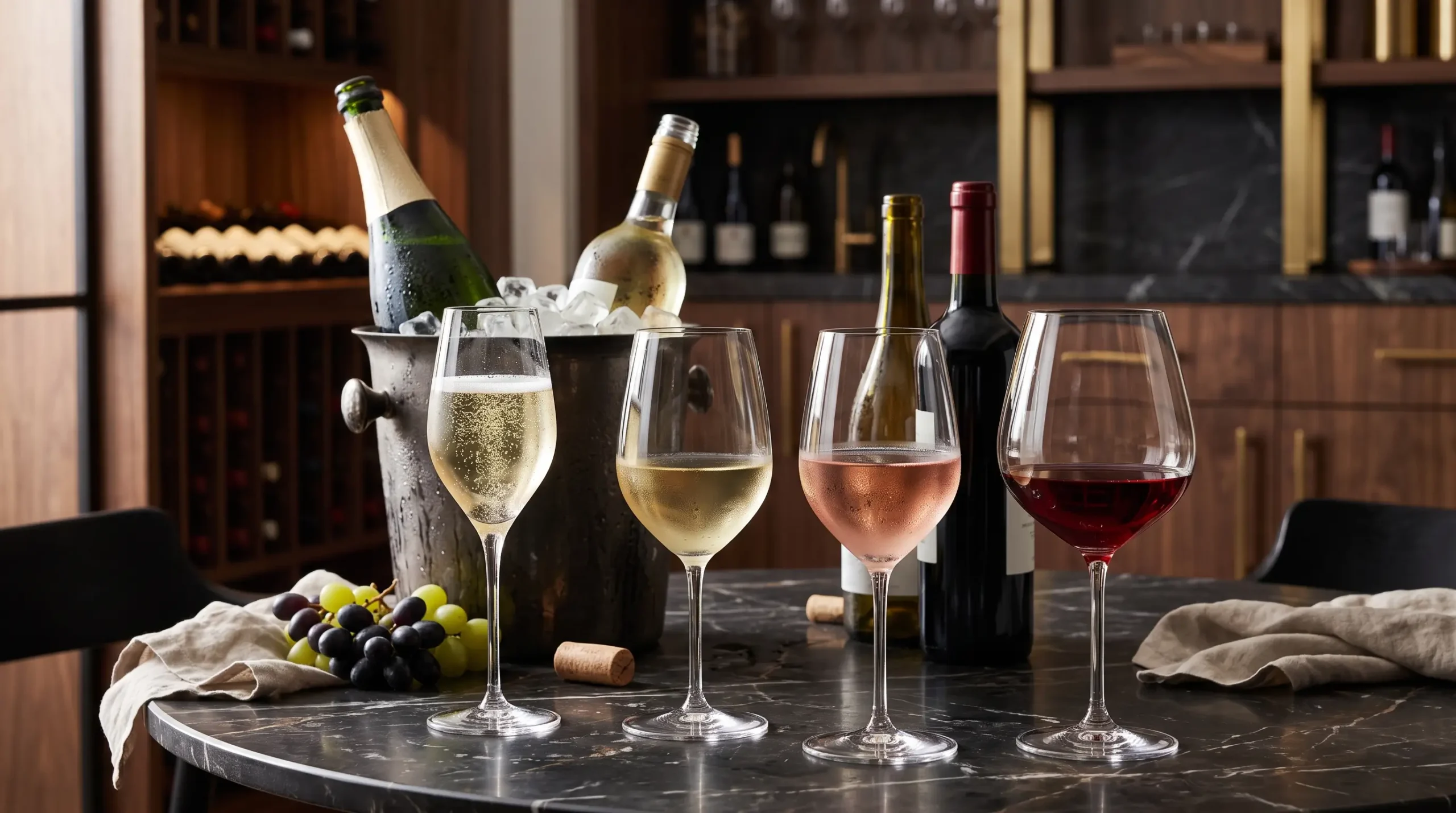
Many wine lovers are willing to invest in high-quality bottles, search for the best vintages, or use expensive crystal glasses, yet often forget one crucial factor that can alter the entire tasting experience: temperature. Knowing the ideal temperature for serving wine is an essential key to unlocking the full potential of every poured bottle. Unfortunately, this fundamental aspect is still very often ignored.
For beginners who are just starting to explore the world of this beverage, information regarding wine serving temperatures can feel confusing. Must red wine always be served warm? Should white wine be as cold as ice cubes? Opening a bottle at the wrong temperature is the same as listening to music from a radio with a bad signal; the essence is there, but its beauty is not conveyed.
This article thoroughly explores a practical guide on how to serve wine based on sensory principles, so that every sip is able to display its best character without feeling intimidating.
Why Is Wine Serving Temperature So Important?
Temperature plays a massive role in determining how a beverage reacts when it comes into contact with oxygen and tongue receptors. Temperature can affect the perception of aroma, acidity level, sweetness, tannin structure, alcohol perception, to texture (body).
Simply put, temperature functions like an audio “volume” control. If it is too cold, the volume of aroma and taste decreases so the drink feels mute or bland. Conversely, if it is too warm, the volume of alcohol rises sharply, covering the subtlety of the natural fruit character and making the drink feel heavy.
There is no absolute claim that one specific temperature number will always produce a perfect experience. The character of each drink varies depending on the grape variety and its production method. However, understanding the principle of wine serving temperature is very helpful in finding the most harmonious point of flavor balance.
What Is the Ideal Temperature for Serving Wine?
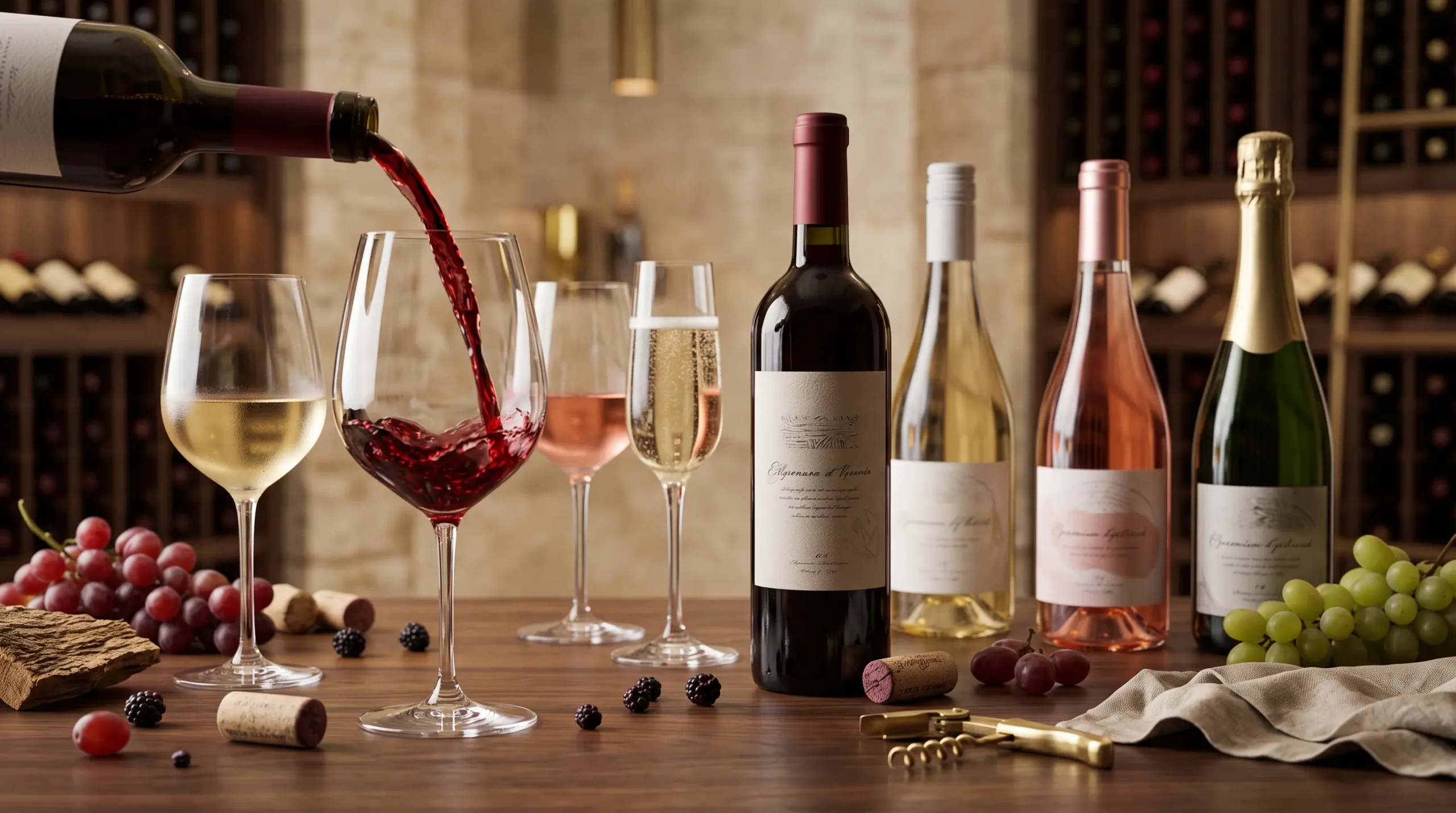
To answer “at what temperature should wine be served?”, each category needs to be dissected. There is no single number that applies uniformly. The following recommendations are based on global wine education institution standards, which provide flexible temperature ranges adjusting to the specific style of the beverage.
Here is a guide table for the proper wine temperatures:
| Wine Type | Serving Temperature Range | Character to be Highlighted | Practical Notes |
| Sparkling Wine | 6°C – 10°C | Freshness, carbonation, acidity. | Vintage style bottles can be served at the upper limit (9-10°C). |
| Light White Wine | 7°C – 10°C | Citrus aromas, floral, and crisp taste. | Suitable for a young Sauvignon Blanc or Pinot Grigio. |
| Full-Bodied White Wine | 10°C – 13°C | Creamy texture, ripe fruit aromas, oak complexity. | Too cold covers the buttery character of an aged Chardonnay. |
| Rosé Wine | 7°C – 10°C | Pink fruit freshness, acidity balance. | Served cool, its treatment is very similar to light white wine. |
| Light Red Wine | 13°C – 15°C | Fresh fruit aromas, low tannins. | Often called slightly chilled. Applies to Pinot Noir. |
| Medium/Full Red Wine | 15°C – 18°C | Tannin structure, spice complexity, black fruits. | Applies to Cabernet Sauvignon, Shiraz, or Bordeaux. |
| Fortified Wine | 12°C – 20°C | Flavor richness, high alcohol integration. | Tawny Port slightly cool (12-16°C), Vintage Port approaching 18°C. |
Must Red Wine Always Be Served at Room Temperature?
The biggest misconception in the beverage world is the rule that red wine must always be served at “room temperature”. This rule stems from Europe centuries ago, when castle dining rooms made of stone had an average temperature of 15°C to 18°C.
In the modern era, especially in tropical climates, the daily “room temperature” can reach 25°C to 32°C. A red wine temperature reaching 25°C makes its structure messy. Excessive heat causes alcohol compounds to evaporate aggressively. As a result, the first thing smelled by the nose is a sharp alcohol sensation, not an elegant fruit aroma. Therefore, slightly cooling a bottle of red wine before serving is actually very crucial.
Why Shouldn’t White Wine Be Too Cold?
A frequent mistake in serving white wine is taking it straight out of the freezer or soaking it in ice cubes for too long. A white wine temperature that is too low (below 5°C) will “freeze” the volatile aroma-forming components, so the expression of its aroma is tightly closed off.
When the liquid is too cold, tongue receptors experience a numbing sensation. All that is tasted is acidity without fruit complexity. Complex, aged, or full-bodied white wines actually require slightly warmer temperatures so their flavor profile blossoms maximally.
How Does Temperature Affect Wine Taste and Aroma?
To become a smart connoisseur, it is important to understand the chemical mechanism behind wine temperature. Here are the details of elements affected by temperature:
- Aroma: Aroma comes from volatile organic compounds that easily evaporate. Warm temperatures accelerate evaporation (more intense aroma), but if it’s too hot, alcohol will dominate. Cold temperatures suppress evaporation (smoother/closed aroma).
- Acidity: Cold temperatures make the acidity level feel sharper, crisp, and structured.
- Sweetness: Sugar feels more dominant at warm temperatures. Sweet drinks are always served cool so they are not cloying.
- Tannin: These polyphenol compounds from red grape skins provide an astringent sensation. Cold temperatures make tannins contract so they feel rougher and more bitter.
- Alcohol: Warm temperatures trigger alcohol evaporation which gives a burning effect in the throat (hot/burn). Light cooling dampens that hot effect.
- Body (Texture): The ideal temperature keeps the liquid’s thickness proportional. If it is too warm, the body feels heavy and tiring (flabby).
Ideal Temperatures Based on Wine Type
Let’s dissect the temperature requirements specifically so this wine guide for beginners is easy to apply.
Sparkling Wine
Drinks like Champagne or Prosecco rely heavily on the sparkle of their bubbles. The ideal sparkling wine temperature is at 6°C to 10°C. This temperature keeps the carbon dioxide gas dissolved, so bubbles last longer while highlighting refreshing acidity.
White Wine
There is a broad spectrum of styles. Light and fruity white wines (like Sauvignon Blanc) are perfect enjoyed at 7°C – 10°C. However, white wines that have gone through oak barrel aging with a thick texture (like Chardonnay) are ideally at 10°C – 13°C so their creamy and spicy characters are expressed.
Rosé Wine
Sitting between red and white characters, the best rosé wine temperature is 7°C – 10°C. This cool sensation highlights fresh red fruits and cheerful acidity without having to be as cold as sparkling wine.
Red Wine
Light red wines with low tannins (like Pinot Noir) are very delicious if slightly chilled at 13°C – 15°C. Meanwhile, concentrated red wines (full-bodied) like Cabernet Sauvignon require a temperature of 15°C – 18°C so the tannin texture softens and the alcohol is well integrated.
Fortified Wine
Alcohol-fortified drinks like Port or Sherry have varied rules. Dry Fino Sherry is recommended cold (7-9°C), Tawny Port cool (12-16°C), and Vintage Port is ideal at 18°C.
Common Mistakes When Serving Wine
So the tasting experience is not disrupted, avoid the following classic mistakes:
- Assuming all red wine is delicious served at tropical room temperature (above 25°C).
- Serving white wine as cold as possible straight from the freezer.
- Not considering the room temperature where the drink is enjoyed.
- Leaving the bottle open too long on the table without protection from heat.
- Generalizing temperatures between light and full-bodied styles within the same wine color.
- Forgetting that the liquid’s temperature automatically rises a few degrees moments after being poured into a glass.
How to Chill Wine Correctly
Using a wine cooler or a special refrigerator is the most perfect method. However, if using an ordinary household refrigerator (2-4°C), put a white wine bottle in for 1.5 to 2 hours. For red wine that needs to be brought down slightly from room temperature, just putting it in for 20-30 minutes is enough.
For urgent chilling (rapid chilling), an ice bucket is the champion. Mix 50% ice cubes, 50% cold water, and a little salt. Salt lowers the freezing point of water, so it can chill the liquid very significantly in just 10-15 minutes. Avoid using the freezer because the liquid risks freezing, expanding, and pushing the cork out.
How to Maintain Wine Temperature After the Bottle is Opened?
Once open, the liquid’s temperature creeps up adjusting to the environment. To keep white, rosé, and sparkling wine ideal, put the bottle back into an ice bucket containing a little ice water, or use a cooler sleeve that has been frozen.
For red wine, keep the bottle away from heat sources like grills, candles, or direct sunlight exposure. If the room feels very warm, a red wine bottle can be soaked briefly in an ice bucket for 3-5 minutes so its temperature does not exceed the 18°C limit.
Are Wine Storage Temperature and Serving Temperature the Same?
It is important to draw a dividing line between storage temperature and serving temperature. The concept of how to store wine long-term for all colors is universally in the range of 11°C to 15°C. The storage temperature aims to stabilize the aging process slowly.
Conversely, serving temperature is the final adjustment. When taken out of a 12°C storage room, a white wine might still need further chilling with ice, while a red wine needs to be left out briefly so it slowly warms, approaching 16-18°C.
Tips on Determining Wine Temperature for Beginners
A practical guide without needing a technical thermometer:
- Recognize the main type: Determine whether the bottle contains a red, white, sparkling, or rosé variant.
- Check the style and weight: Light and refreshing-character wines tolerate colder temperatures.
- Pay attention to producer recommendations: Many bottle back labels list serving temperature guides.
- Ignore the ‘room temperature’ myth: Realize that modern dining rooms are not the same temperature as castles of the past.
- Make sensory adjustments: If the aroma is closed off and too acidic, warm the glass with your palms.
- Check alcohol intensity: If the alcohol feels burning in the throat, its temperature is definitely too high and it needs a brief chill.
Finding the Perfect Point in Every Glass
Finding the ideal temperature to serve wine requires a little adjustment, but all that effort is well worth the resulting taste appreciation. Fundamentally understanding that temperature affects the balance of aroma, acidity structure, sweetness, tannins, and alcohol is the main key to enjoying this special liquid optimally. The serving temperature number is not a rigid rule, but rather a tool to bring out the best potential from inside the bottle. Light experiments by chilling the bottle or letting the liquid warm naturally in the glass can be done to observe the evolution of its character.
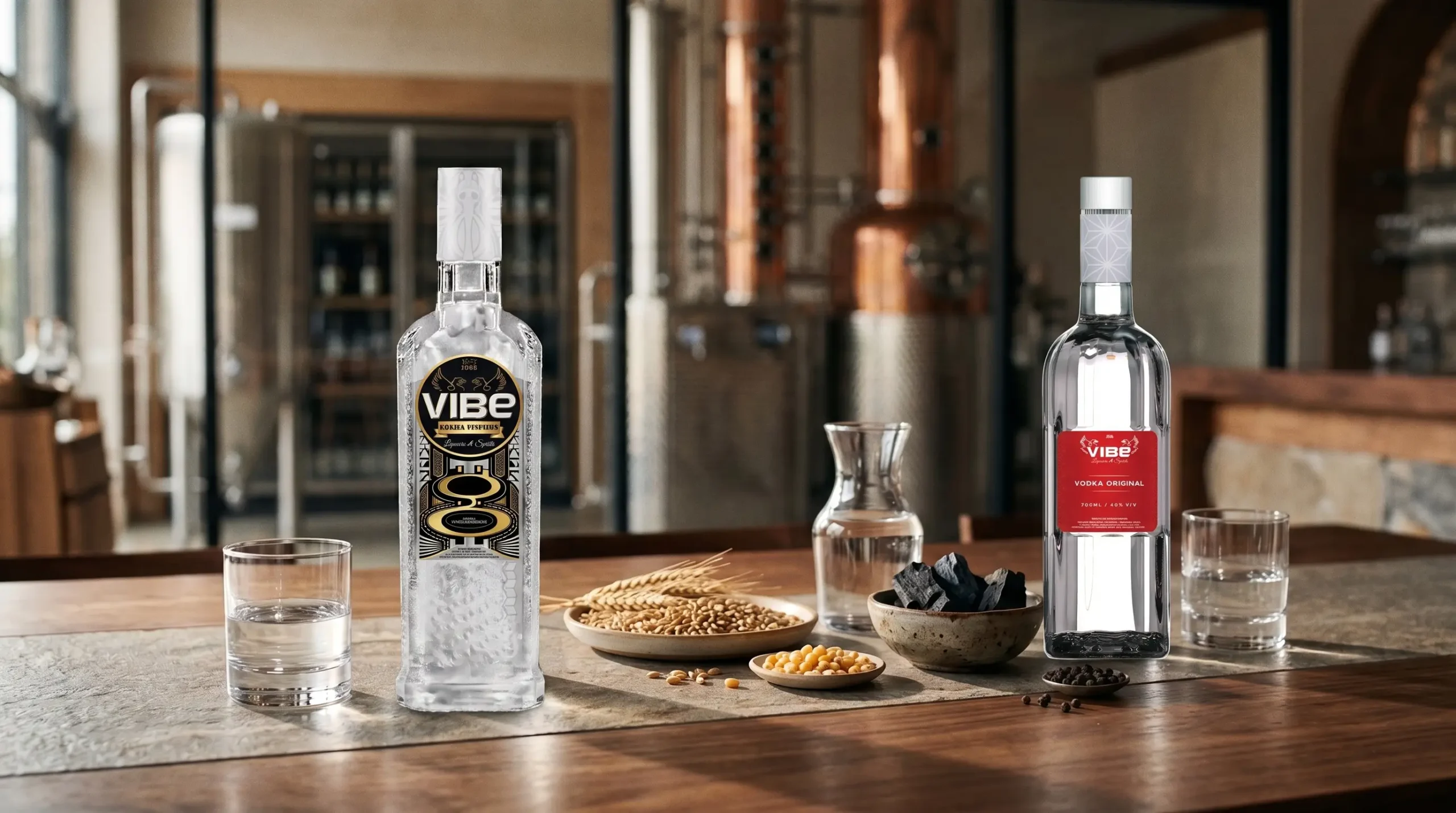
Besides enjoying the elegance of a bottle of wine, exploring the world of spirits and liqueurs also offers an extraordinary flavor journey. As a quality lifestyle reference, Vibe Liqueur & Spirits is present representing Indonesia’s proud local alcoholic beverage brand that has successfully won various prestigious awards at the international level. This brand offers a diversity of flavor variants with various alcohol contents, providing the freedom to adjust drinks to personal taste. All Vibe Liqueur & Spirits variants are not only delicious served directly at the right temperature, but are also very perfect used as base ingredients for mixing various imaginative cocktail recipes.
To complement a contemporary lifestyle and broaden insights regarding beverages, make sure to visit Wekendvibe regularly. This platform consistently presents various latest lifestyle updates, interesting entertainment venue reviews, cocktail recipe guides, and other unique information ready to perfect every celebration moment or relaxing time.
FAQ
What is the ideal temperature for serving wine?
Suggested temperatures vary depending on the type: sparkling in the range of 6-10°C, white wine and rosé around 7-13°C, light red wine 13-15°C, and medium/full-bodied red wine is very ideal at 15-18°C.
Must red wine be served at room temperature?
Not entirely accurate. The classic term “room temperature” refers to 15-18°C, a number cooler than the average tropical climate room. A bottle of red wine almost always needs to be slightly chilled.
What is the ideal temperature for white wine?
Light-character white wines are ideal served at 7-10°C, while older or full-bodied style variants are better served at 10-13°C so their aromas are expressed.
What happens if wine is too cold?
Overly cold temperatures have the effect of locking the aroma-forming compounds, so the bouquet is not smelled and the flavor profile becomes bland.
What happens if wine is too warm?
Warm temperatures trigger alcohol molecules to evaporate faster and feel stinging in the nose, ruining the liquid’s structure and removing its freshness.
Is wine storage temperature the same as serving temperature?
No. The ideal storage temperature is locked stably at 11-15°C. Serving temperature is the adjustment process moments before the drink is poured into the glass.
How do you chill wine quickly?
The most efficient method is using an ice bucket filled with a liquid mixture of 50% ice cubes, 50% water, plus a sprinkle of salt to accelerate temperature transfer.
Do all red wines need to be served at the same temperature?
No. Light red wine styles (like Pinot Noir) are freshly served cool (13-15°C), while bottles with complex structures and thick tannins (like Cabernet Sauvignon) demand a slightly warmer temperature (15-18°C).