 Log in
 Register


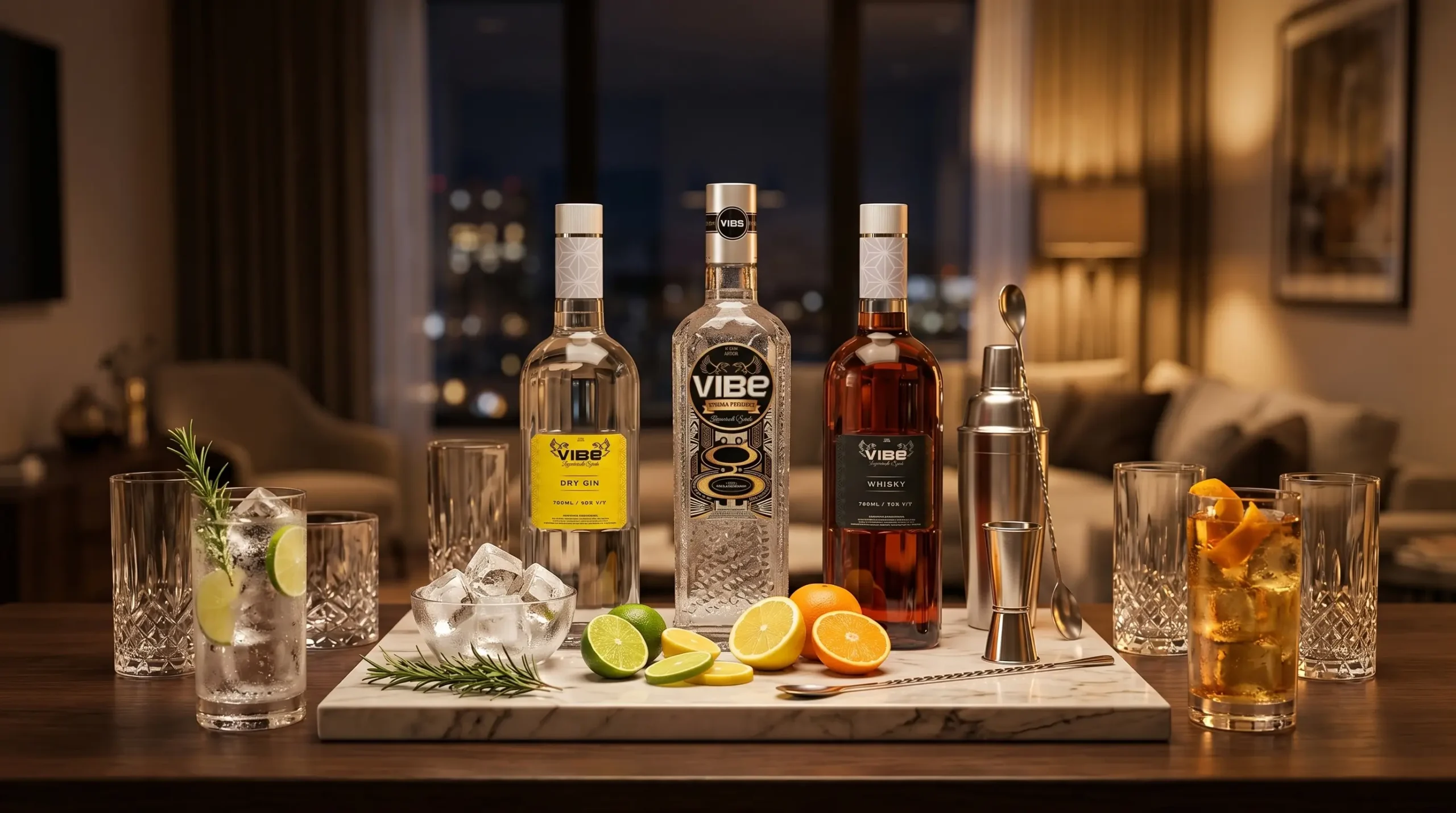
The alcoholic beverage industry in Indonesia is currently undergoing a highly dynamic transformation. In the past, premium bar shelves and private collections were almost exclusively dominated by foreign bottles. However, in recent years, the prestige of Indonesian craft spirits has skyrocketed. Thanks to production innovations and the utilization of the archipelago’s botanical wealth, high-quality local alcohol options are now proliferating.
This condition has sparked a new habit among consumers: comparing local products with foreign ones. The frequently asked question is whether skyrocketing import prices always reflect better quality? What factors actually shape the price of a liquor bottle in the domestic market?
Understanding the differences between local and imported alcohol is essential so that every purchase provides maximum satisfaction. From flavor profiles and distillation techniques to the applicable tax structures, let’s dissect the comparison of these two categories in-depth to find which option is more viable or worth buying.
Getting to Know Local and Imported Alcohol
Before discussing the comparison, it is important to align perceptions regarding what is meant by these two categories within the context of the Indonesian market.
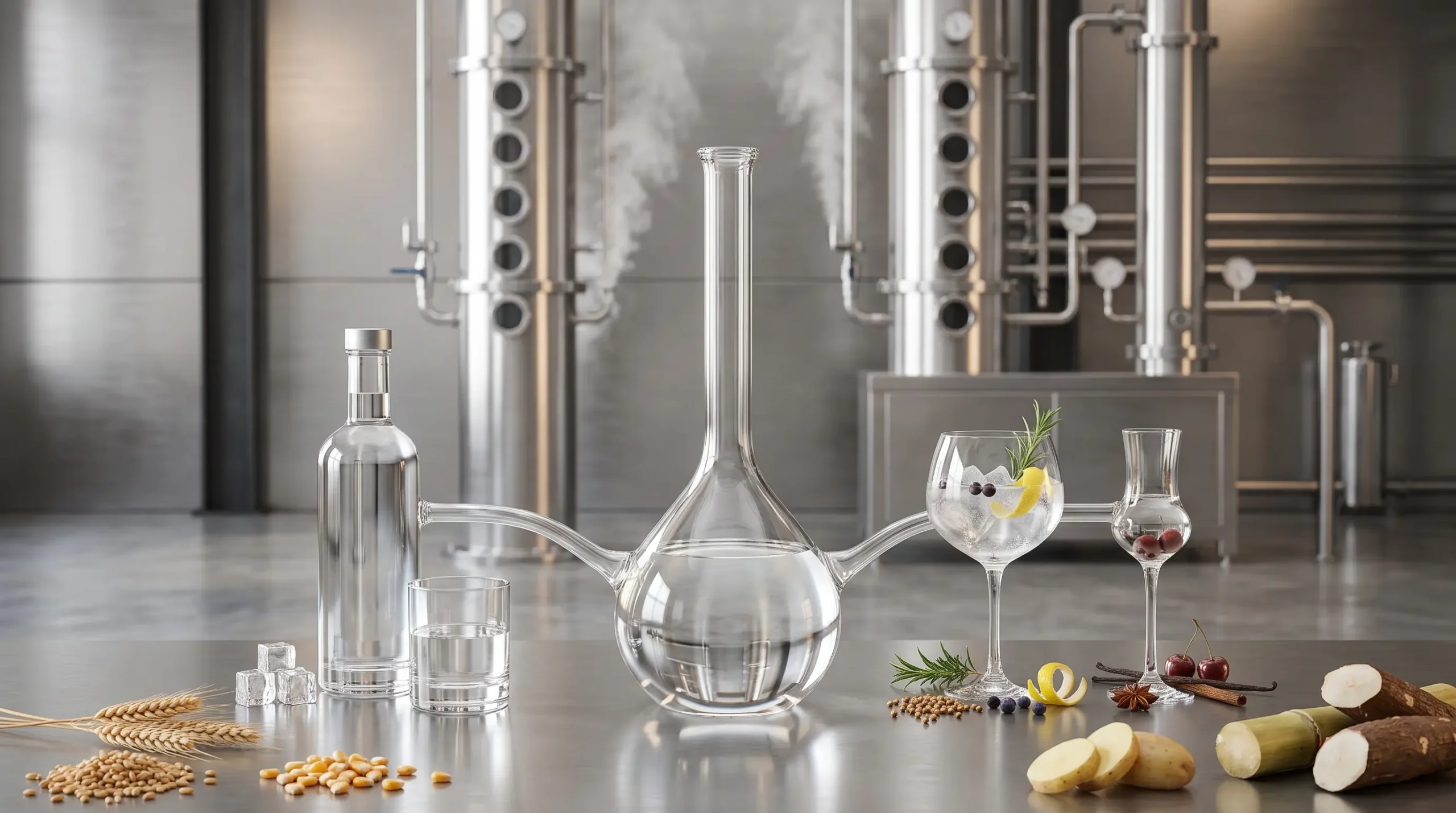
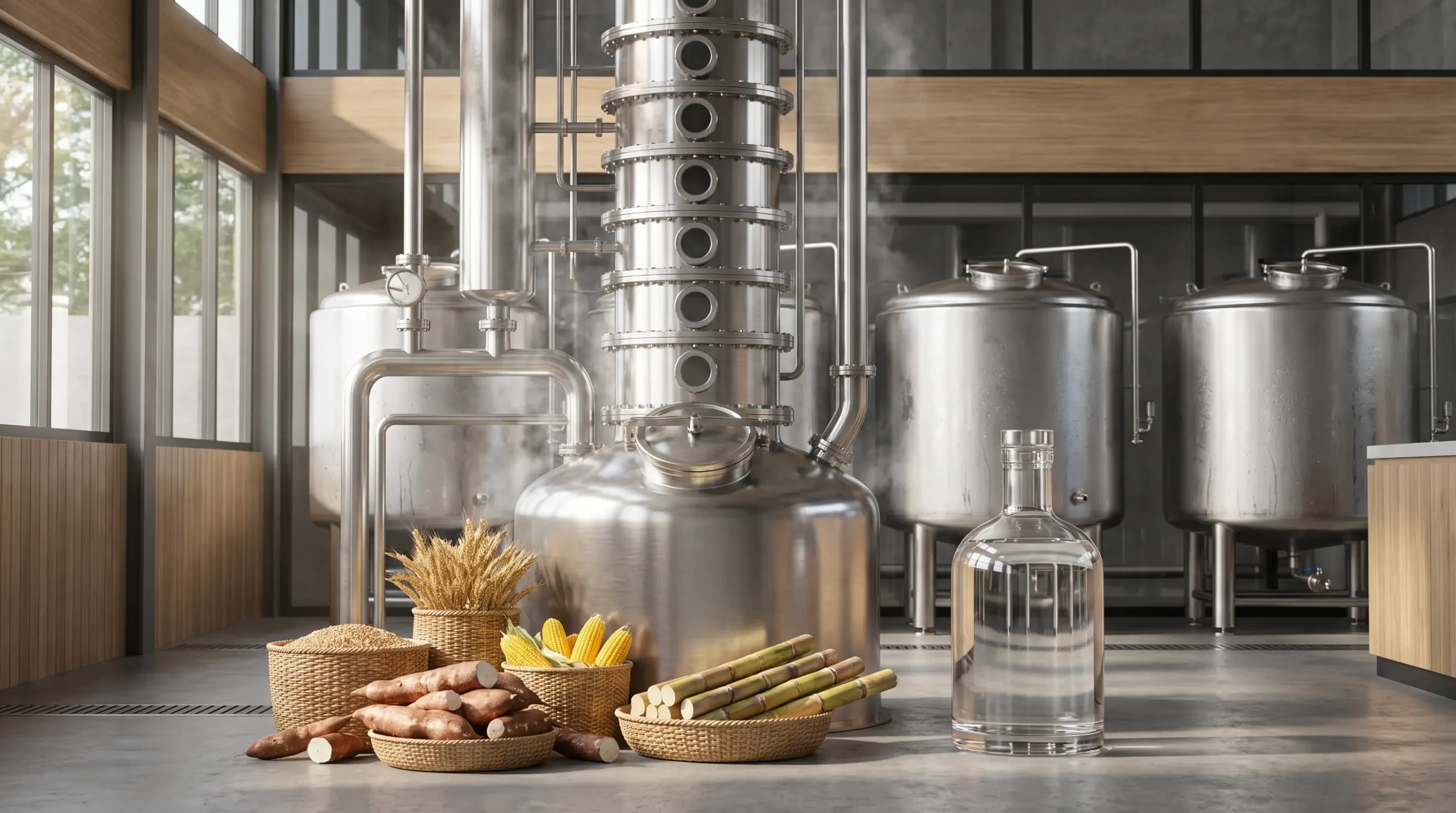
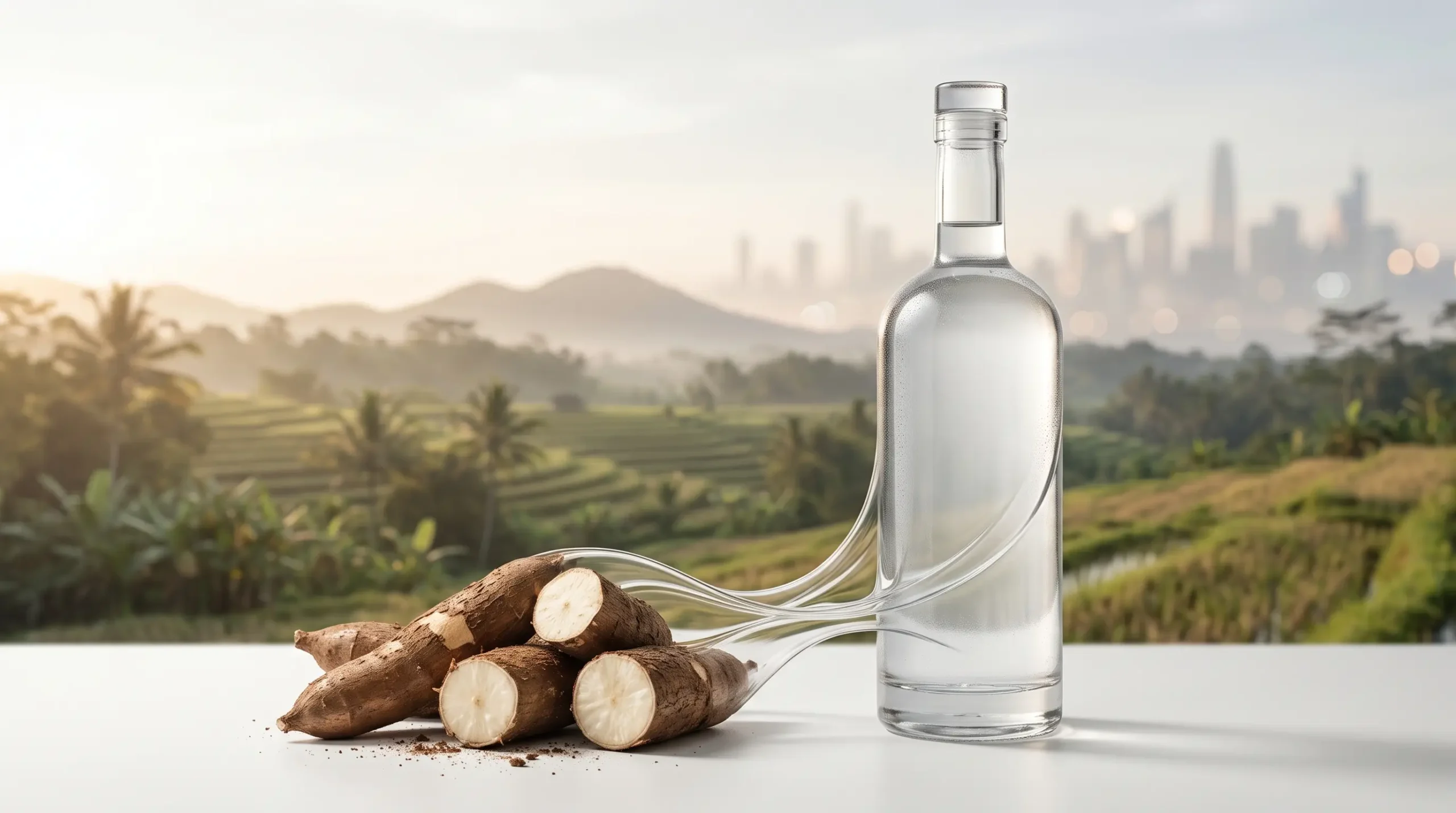
Local alcohol is an alcoholic beverage whose entire production process, from fermentation and distillation to packaging, is carried out within the territory of the Republic of Indonesia. The raw materials used mostly come from local natural wealth, such as sugarcane for rum, rice or cassava for arak and vodka, and spices for gin.
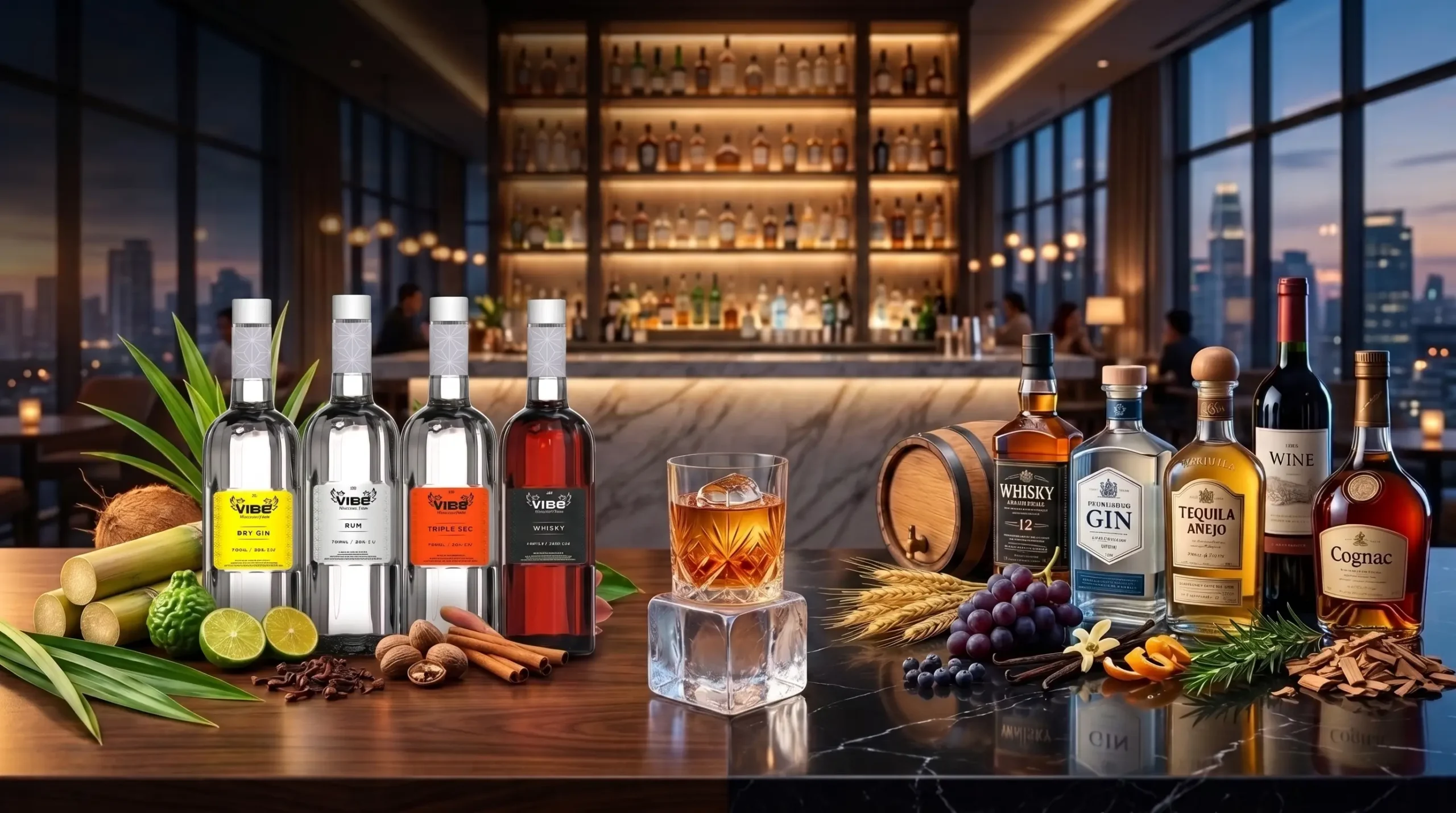
Conversely, imported alcohol refers to finished products brought in from abroad. These products include beverages with strict geographical indications that cannot be legally produced elsewhere under the same name, such as Champagne from France, Scotch Whisky from Scotland, or Tequila from Mexico.
Key Differences Between Local and Imported Alcohol
To determine which is more worth buying, the comparison must be conducted through an objective lens across the following fundamental aspects:
Main Raw Materials
Raw materials are the main foundation of an alcoholic beverage’s character. Indonesian local alcohol products are highly advantaged by the tropical climate. The availability of high-quality sugarcane or molasses makes Indonesia an ideal place to produce rum. Additionally, the abundance of exotic botanicals and spices provides unlimited room for local gin producers to concoct unique flavor profiles that are impossible to find in four-season countries.
On the other hand, imported alcohol utilizes raw materials that grow optimally in their native climates. Single malt whisky requires high-quality barley and mountain water with specific minerality from the Scottish or Japanese highlands. Premium wine requires grape varieties that only grow perfectly in regions with specific terroirs, such as Bordeaux or Napa Valley.
Production Techniques and Quality Control
Production techniques determine the smoothness and consistency of a beverage. The Indonesian craft spirits industry has now adopted international standards. Many modern local distilleries use imported copper stills and employ experienced master distillers to ensure strict quality control. Double distillation processes are commonly performed to remove harmful methanol and create clean spirits.
Meanwhile, imported products from world-renowned brands generally have standardization passed down through hundreds of years. Regulations in the country of origin often govern the smallest details, such as the type of oak casks that must be used for the maturation (aging) process, the minimum aging duration, and blending techniques. Consistency across production batches is highly maintained.
Flavor Character and Complexity
The debate over local vs. imported alcohol often comes down to the flavor profile or taste character. Local spirits, especially gin and rum, often offer very bold aromas and flavors. Local gin frequently highlights profiles of citrus, torch ginger (kecombrang), jasmine, and black pepper, creating a flavor complexity that highly represents Indonesia’s gastronomic profile.
On the other hand, imported alcohol often offers complexity born from a long aging process. Imported whisky that has been matured for 12, 18, to over 20 years will develop characters of vanilla, caramel, dried fruit, and peat smoke that are very smooth and balanced—something that is still challenging to replicate in a tropical climate due to high evaporation rates (angel’s share).
Price and Cost Structure
Price is the most striking point of difference due to the regulations applicable in Indonesia. Indonesian (local) alcohol prices are relatively much more affordable. This is because producers are only subject to the Ethyl Alcohol Containing Beverage Excise (MMEA) according to their category. The distribution chain is also shorter, significantly cutting logistics costs.
Conversely, imported alcohol is subject to a very high, multi-layered tax burden. Starting from Import Duties, VAT, Article 22 Import Income Tax, to Excise. This fiscal burden makes the price of imported alcohol in Indonesia two to three times more expensive compared to retail prices in its country of origin. Global brand positioning also contributes to high retail selling prices.
Market Availability
Imported alcohol, especially from global conglomerate brands, dominates the shelves of premium supermarkets, five-star hotel bars, and prestigious nightclubs. Global distribution networks ensure their products are easy to find.
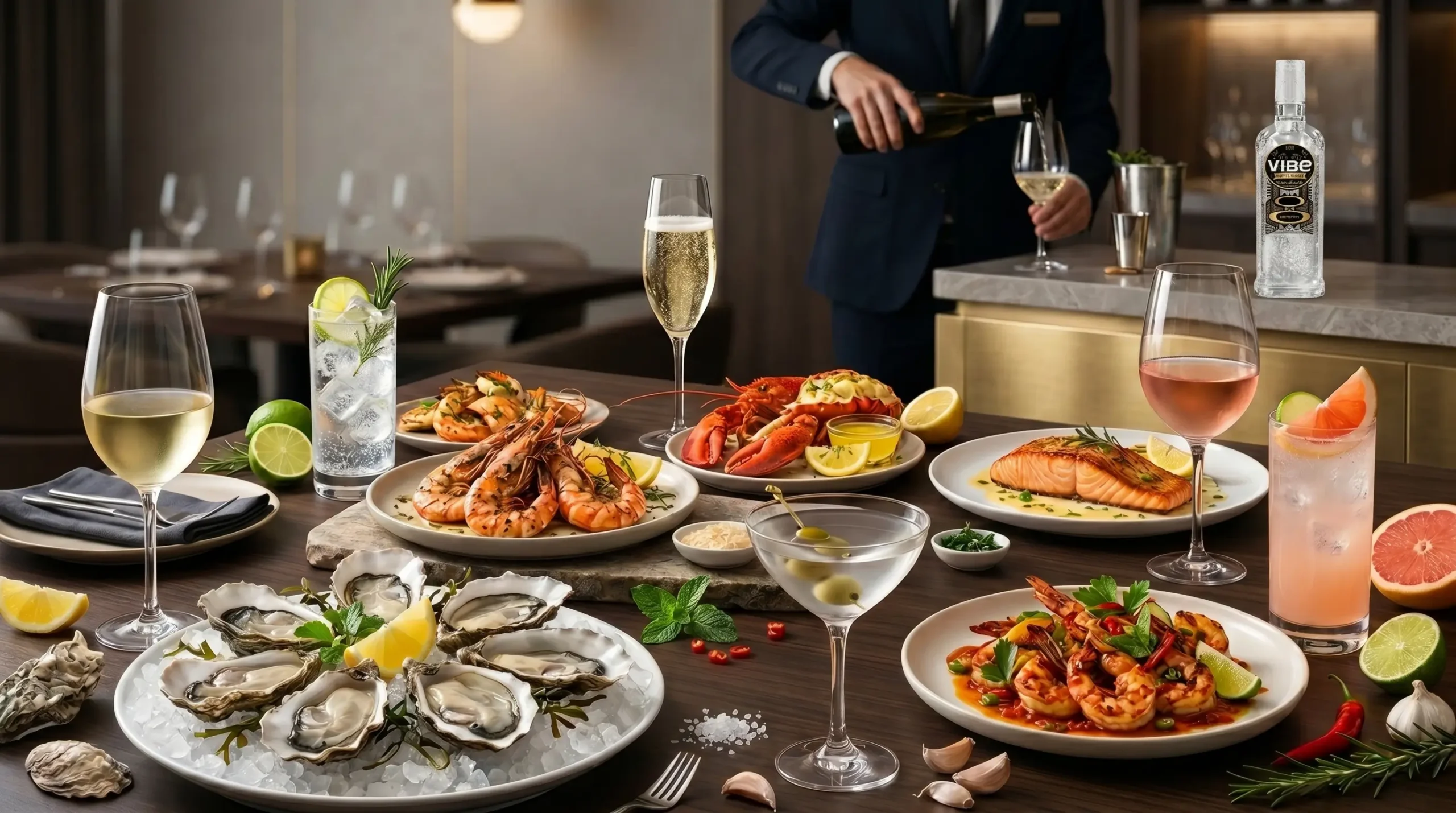
However, the availability of local alcohol is now increasingly massive. These craft products not only dominate the legal retail and e-commerce markets, but have also started to become mainstay menus in speakeasy bars and fine dining restaurants that carry the concept of local pride.
Value for Money
Viewed through the lens of value for money, local products are often the absolute winners. With prices equivalent to entry-level imported products, consumers can already get top-tier Indonesian premium beverages made in small batches. However, if consumption value is measured by prestige, social status, and aging complexity, premium imported alcohol still has an irreplaceable market.
Advantages of Local Alcohol
Choosing domestic products provides a number of strategic advantages and a different experience:
- More Competitive Price: Allows beverage enthusiasts to obtain exceptional quality without sacrificing financial stability.
- Supporting the Indonesian Industry: Every purchase contributes to local job creation, from sugarcane farmers to MSME players in the packaging sector.
- High-Quality Tropical Raw Materials: Produces exotic flavor profiles that cannot be replicated by foreign producers.
- Craft Spirits Innovation: Local producers are bolder in experimenting with new recipes and ingredients (farm-to-bottle).
- Valid International Recognition: The stigma that local products are of low quality has long been broken. More and more native Indonesian brands are dominating the global stage. One of the most prominent examples is Vibe Liqueur & Spirits. This local brand consistently proves its quality through a series of prestigious awards, including:
- Ultimate Spirits Challenge (USC) 2020 (New York): Achieved an impressive score (92) for Vibe Rum and Vibe Dry Gin, followed by Vibe Black Tea (89), Vibe Exotic Lychee (86), Vibe Vodka (86), dan Vibe Triple Sec (85).
- Asia International Spirits Competition 2019: Swept 6 awards at once and was crowned Brand of The Year 2019.
- The Liqueur Masters Asia 2019: Secured the Silver Award for the Vibe Exotic Lychee and Vibe Peach variants.
- The World Gin Masters Asia 2019: Took home a prestigious award for Vibe Dry Gin, strengthening its position in the clear spirits category.
Advantages of Imported Alcohol
Despite their high prices, foreign products still maintain advantages in the following aspects:
- Long History and Tradition: Many distilleries in Europe or America have been operating for centuries, guaranteeing a high level of consistency.
- Specific Category Variations: Products like Cognac, Tequila, or Champagne can only be produced in specific regions (Appellation d’Origine Contrôlée).
- Global Reputation: Offers prestige value and quality assurance that are universally recognized.
- Distinct Flavor Character: Flavor profiles resulting from the combination of microclimates and decades of aging processes in four-season countries cannot be duplicated.
Can Local Alcohol Already Compete with Imported Products?
The answer depends on the product category being discussed. Objectively, for clear spirits categories (spirits without oak maturation processes) such as vodka and gin, the quality of Indonesian local alcohol is very capable of competing head-to-head with global brands, often even superior in terms of botanical aroma richness. The same goes for rum, which is naturally suited to be produced in sugarcane-producing regions.
However, for brown spirits categories that rely on long maturation processes like Indonesian local whisky, this industry is still in the developing stage. The biggest challenge lies in the tropical climate which accelerates evaporation inside wooden casks, making conventional multi-year aging processes very difficult and economically inefficient. Nevertheless, export opportunities for tropical-character craft spirits from Indonesia are predicted to continue rising along with global interest in new flavors.
Factors to Consider Before Buying
Before deciding between local vs. imported alcohol, pay attention to the following indicators:
- Budget: If the budget is limited but you desire maximum flavor quality, local craft products are a highly logical choice.
- Intended Use: For mixing into complex cocktails, local spirits are very capable. However, to be enjoyed neat or with a little ice (on the rocks), single malt whisky or imported aged rum might provide a more layered experience.
- Flavor Preferences: Lovers of fruity and spicy aromas will enjoy local gin and rum, while fans of smoky and oaky aromas are better suited to imported whisky.
- Product Legality: Always ensure you buy legal products (with official excise bands) that have BPOM distribution permits to avoid health risks from adulterated liquor (oplosan).
- Producer Reputation: Trace the track record of the distillery, both for local and foreign brands, to ensure their safety and quality standards.
Myths and Facts
Many misunderstandings circulate regarding alcoholic beverage products. Here are the clarifications based on facts:
- Myth: Imported products always have better quality. Fact: Quality is not solely determined by the country of origin. Many premium local spirits are produced with cutting-edge distillation standards and win international awards, beating global brands.
- Myth: Local alcohol is of low quality and unsafe. Fact: There is a huge difference between illegal adulterated liquor (“oplosan”) and legal Indonesian alcohol. Products from official distilleries registered with BPOM are processed using advanced machinery to ensure the final result is pure and safe for consumption.
- Myth: An expensive price means the best quality. Fact: In Indonesia, the high price of foreign products is mostly contributed by tax components and import costs, not merely a reflection of better raw material quality.
- Myth: All local alcohol is made using traditional methods. Fact: Although there are traditional beverages with cultural heritage, the Indonesian craft spirits industry currently features many utilizing modern, European-standard technology in their production processes.
Alcoholic Beverage Industry Trends in Indonesia
The beverage ecosystem in Indonesia is currently being influenced by several major trends:
- Craft Spirits Movement: A shift in preference from mass brands toward small-scale production that emphasizes quality, story, and ingredient originality.
- Premiumization: The habit of adopting the “drink less, but drink better quality” approach.
- Local Pride: Increased pride in consuming domestic products.
- Farm-to-Bottle & Sustainability: Environmental sustainability awareness makes producers increasingly transparent about the origins of raw materials and implements eco-friendly production practices.
- Experiential Hospitality: Bars and restaurants no longer just sell drinks, but sell experiences, where the use of exotic local products becomes a main attraction for gastronomy enthusiasts.
Driving the Creative Economy and Gastronomy Through a Glass of Drink
Ultimately, determining which is more worth it between local and imported alcohol comes back to the needs, budget, and preferences of each drinker.
If prioritizing economic value (value for money), bold flavor innovations, and the desire to support the revival of the domestic industry, Indonesian local alcohol is currently a highly superior choice. Conversely, if seeking complexity from the aging process, prestige, and deep historical heritage, imported products will always hold a special place.
As a tangible representation of local spirit quality proven capable of competing on the world stage, Vibe Liqueur & Spirits is a highly recommended option. Present as an Indonesian local alcohol brand that has won various international awards, this brand offers an exceptionally broad product portfolio. With various flavor variants and alcohol by volume (ABV) levels, this collection provides limitless flexibility for mixing into various cocktail recipes, both for professional hospitality needs and home creations.
To continue exploring beverage industry dynamics, finding the best entertainment venue recommendations, getting the latest cocktail recipe inspiration, and reading other unique information, make sure to visit the wekendvibe platform.
This beverage industry is not just about momentary celebrations, but an integral part of extending Indonesia’s gastronomic wealth. Choose wisely, always ensure to consume legal products, and enjoy responsibly.
FAQ (Frequently Asked Questions)
1. What is the fundamental difference between local and imported alcohol?
Local alcohol is produced entirely domestically using a majority of local natural ingredients (such as rice, sugarcane, and spices). Imported alcohol is produced abroad, often utilizing raw materials specific to a certain climate, and is imported as a finished product.
2. Why is imported alcohol much more expensive in Indonesia?
The price of imported alcohol skyrockets because it is subject to various multi-layered taxes, including high Import Duties, Excise, VAT, and Import Income Tax, in addition to international logistics costs.
3. Is local alcohol legal in Indonesia?
It is certainly legal. Local alcohol produced by certified companies, possessing BPOM distribution permits, and affixed with official excise bands from the Directorate General of Customs and Excise is legal and safe to consume.
4. Can the quality of local alcohol be equated with imported products?
For categories like gin, vodka, and rum, the quality of Indonesian local alcohol is already on par with and often outperforms imported products in the mid-to-high price range, as proven by various medals in international competitions.
5. What are some examples of popular Indonesian local alcohol types?
The fastest-growing categories include craft gin based on archipelago botanicals, spiced rum from local molasses, artisan vodka, and various liqueurs (flavored alcoholic beverages). One popular and internationally recognized pioneer of local brands is Vibe Liqueur & Spirits, which offers a complete portfolio from vodka, gin, and rum, to exotic variants like lychee and peach liqueurs that regularly clinch global awards. In addition, there are traditional beverages that have been premiumized, such as Arak Bali and Cap Tikus.