 Log in
 Register

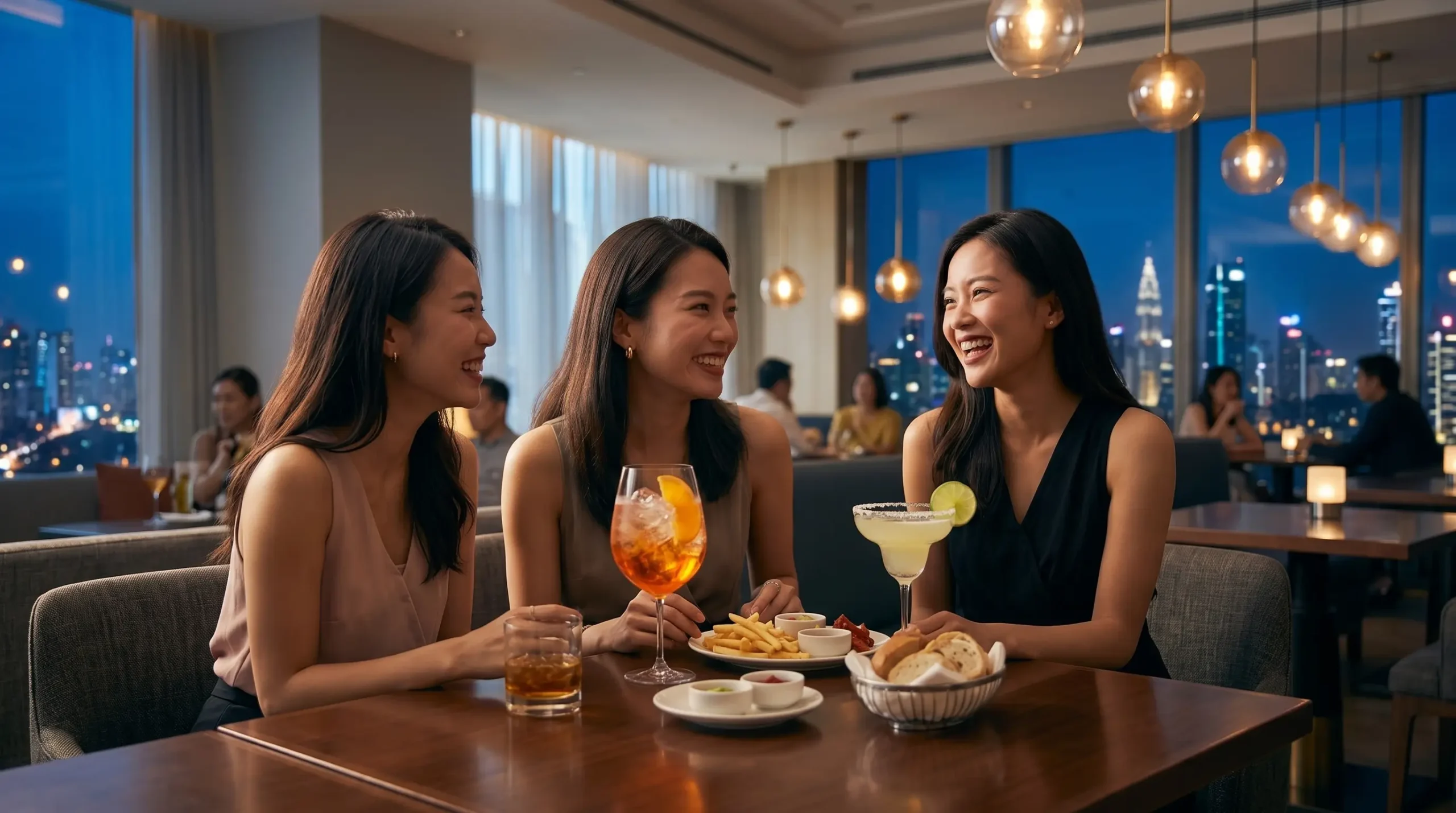
Spending time at a bar with friends or even just enjoying the atmosphere alone after a long day can be a fun social experience. However, a positive experience begins with full awareness of what you consume and how you control the situation. Self-confidence when at a bar is not built on how many drinks you can tolerate, but rather on the ability to recognize personal limits, understand what is in your glass, maintain personal safety, and know when to stop.
One thing that needs to be emphasized from the start: choosing not to drink alcohol at all is a completely valid choice. You do not need to drink to feel confident, look attractive, or be socially accepted. If you decide to enjoy alcoholic beverages, the following responsible drinking guide is designed to ensure you remain in full control of yourself and your night. Here are the things you should apply.
Why Should Safety at the Bar Be a Priority?
Enjoying nightlife is often synonymous with a relaxed atmosphere and loud music, but this should not make you lower your guard. Safety at the bar needs to be a top priority because the dynamic social environment demands high situational awareness. Maintaining personal safety covers many aspects, ranging from knowing where the exits are, being aware of who is around you, to having a solid plan for getting home.
Social pressure often appears in the form of invitations to order more or try drinks you are not familiar with. It is very important to remember that your personal safety and comfort are far more important than meeting the expectations of friends, coworkers, or the social environment. Having firm principles about what you do and do not want to consume is the most fundamental form of self-control.
Recognize Your Personal Limits Before Ordering a Drink
The first step before ordering is to check in with yourself. Ask yourself: do you really want to drink tonight?
The body’s response to alcohol is highly individual. There is no magic number or universal measurement regarding how many glasses keep someone safe. Tolerance is influenced by various dynamic factors, such as genetics, metabolism, body composition, hydration levels, diet that day, fatigue levels, and emotional conditions. Your body might react differently to alcohol on a day when you are sleep-deprived or haven’t eaten properly.
Recognizing consumption limits is the process of understanding your own body’s signals. Listen to your body carefully and never use other people’s drinking capacity as your standard or achievement target.
Understand ABV and Serving Sizes
To be able to make conscious decisions, you need to know what you are drinking. This is where an understanding of ABV becomes very important.
What is ABV? ABV stands for Alcohol by Volume, which is the global standard metric that indicates the percentage of pure alcohol in a beverage. The higher the ABV percentage, the stronger the alcohol content.
Why do levels differ? The manufacturing process (fermentation vs. distillation) determines the alcohol level. Generally, beer has an ABV of around 4–7%, wine around 11–15%, while spirits (distilled liquor like vodka, gin, whiskey) have a high ABV, starting from 35% up to 50% or more. Liqueurs (liquor flavored and sweetened) usually have an ABV between wine and spirits, around 15–30%.
Serving size is not the main determinant: A large glass does not mean the alcohol content is low, and vice versa. A small shot of spirit can have a much faster intoxicating effect compared to a full glass of beer.
Content in Cocktails: Cocktails are often a mixture of two or more types of spirits and liqueurs. A cocktail with a very sweet fruit flavor does not automatically have a low alcohol content.
Understanding this will help you gauge exactly how much alcohol is actually entering your body per order.
Don’t Let Taste or Appearance Deceive You
Many drinks are designed with a stunning presentation. Don’t let a clear (sparkling) appearance, a smooth (creamy) texture, or a sweet and fruity flavor deceive your tongue.
The sweet taste of syrup or juice often hides the sharp taste of pure alcohol. It is important to distinguish between the terms on the menu:
- Fruity / Sweet: A fruity or sweet flavor profile (can contain high or low alcohol).
- Low-ABV: Specifically mixed with a low alcohol content.
- Non-Alcoholic (0% ABV): Contains absolutely no alcohol.
Always confirm with the bar staff regarding the contents behind that sweet taste so as not to misinterpret the drink’s strength.
Safe Tips When Ordering Drinks at the Bar
When at the bar, your order is your responsibility.
- Read the menu carefully: If you do not recognize an ingredient, ask the bartender directly.
- Ask about the base ingredients: Do not hesitate to ask what kind of spirit is used, and whether there is a mixture of several types of alcohol in one glass.
- No need to be shy: Saying “I would like something non-alcoholic tonight” is a very normal and elegant thing.
- Decline if in doubt: Never accept a drink if you did not see the making process directly or are unsure of its origin.
- Let go of unattended drinks: If you leave a drink unattended, the safest option is not to drink it again when you return.
- The bartender is your ally: Use the venue staff as an information source if you need recommendations or modifications.
How to Stay Confident Without Having to Follow Social Pressure
You might be faced with situations where friends or new acquaintances insist on treating you or inviting you for a toast (cheers). You have every right to decline without needing to feel guilty. You do not have to accept every offer, you do not need to compare your glass count with friends, and you have the right to determine for yourself when to stop.
If you need a natural way to decline, you can say:
- “No, thank you, I’m enjoying this drink.”
- “Thanks for the offer, but I’m taking a break from alcohol tonight.”
- “I’ll just have a glass of sparkling water, thank you.”
Choosing a mocktail does not require an explanation to anyone. Confidence does not depend on how much you drink.
Tips if Going to the Bar Alone
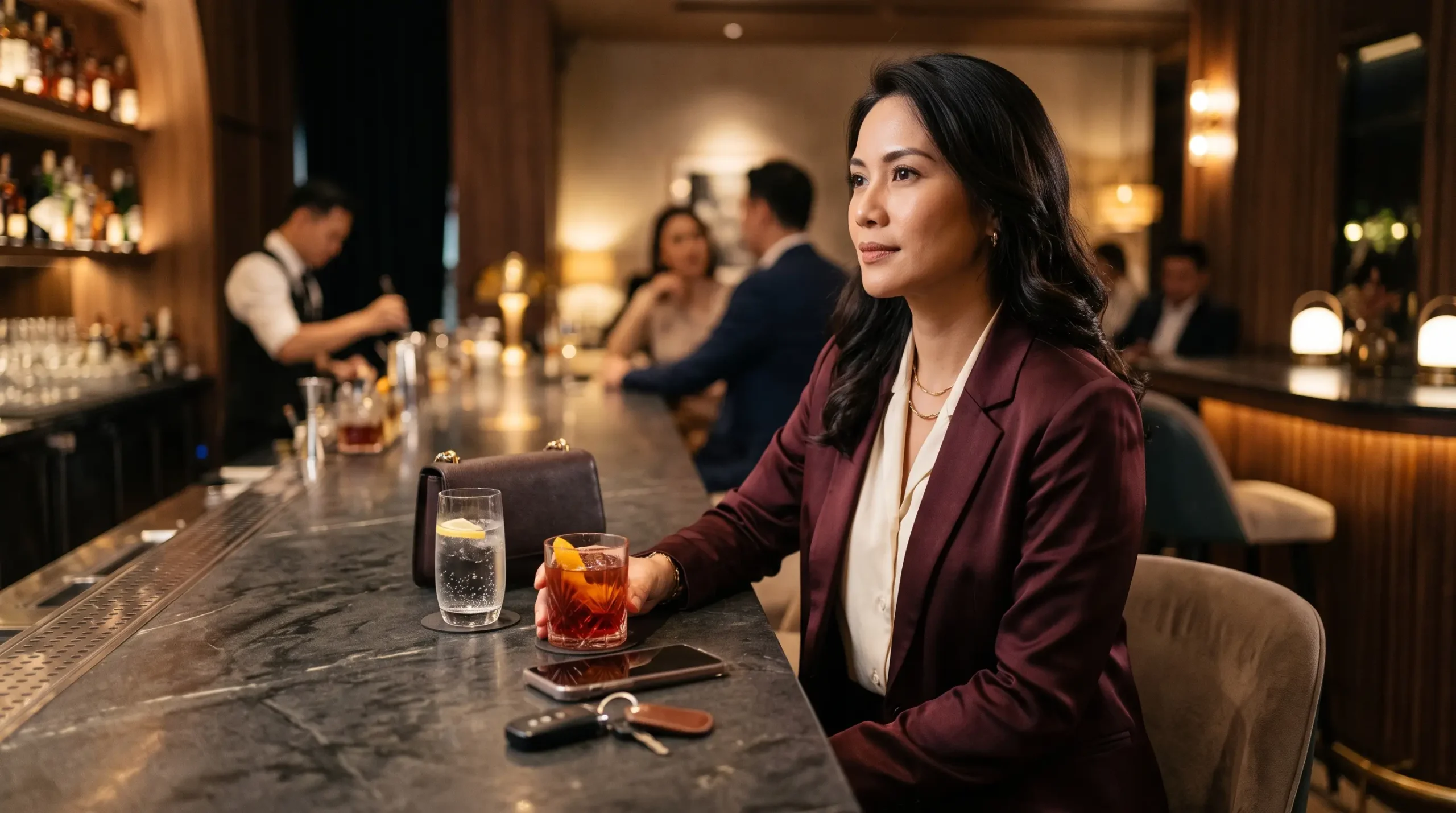
Many women enjoy me-time with a relaxed bar atmosphere. However, this requires extra vigilance.
- Choose the venue carefully: Go to a place that has a good reputation and a comfortable environment.
- Let someone know: Always inform friends or family about your location.
- Technical preparation: Ensure your phone has enough battery.
- Plan to get home: Have a transportation mode ready to go home before you start the night.
- Limit personal information: Avoid sharing personal details with people you just met.
- Trust your intuition: If a situation feels uncomfortable, immediately move to an area close to the bar staff.
Guard Your Drinks and Personal Belongings
Physical safety is closely related to awareness of your surroundings.
- Do not take your eyes off your drink.
- Refuse drinks from unclear sources.
- Keep valuables safe.
- Place your phone, wallet, and important items in a secure and closed bag.
- Refuse questionable invitations. Avoid accepting invitations to move locations if you feel uncomfortable.
- Medical vigilance: If after consuming a drink you suddenly feel very unwell, experience extreme dizziness, confusion, or loss of control, immediately seek help from the bar staff or a trusted friend.
Do Not Rely on Alcohol to Overcome Nervousness
Using alcohol as the primary way to overcome social anxiety has risks and is not a long-term solution strategy. Instead of immediately ordering an alcoholic drink when feeling awkward, try safer alternatives: come with a trusted friend, choose a strategic seat, chat casually with the bartender, or give yourself time to adapt to the atmosphere while enjoying a glass of mineral water first.
Know When to Stop
Knowing when to stop drinking is the core of self-awareness. You should immediately stop alcohol consumption if you start to:
- Lose coordination (stumbling or having difficulty holding items).
- Have difficulty thinking clearly or following the flow of conversation.
- Feel very sleepy, nauseous, or confused.
- Experience significant behavioral changes.
If the condition worsens, prioritize medical help or ask the venue staff to call emergency services.
A Safe Plan to Get Home
A fun night must end with a safe return home.
- Do not drive: Whether a car or a motorcycle, do not drive after drinking.
- Use safe transportation: Utilize taxis, ride-hailing apps, or safe public transportation.
- Designated driver: Ensure there is a completely sober friend tasked with driving.
- Do not hitch a ride carelessly: Do not get into the vehicle of someone who has been drinking alcohol.
- A clear destination: Ensure the travel destination is clear before leaving the venue.
Cocktails, Mocktails, and Non-Alcoholic Options
You can still enjoy the bar experience without consuming alcohol. Mocktails, sparkling water, iced tea, or other non-alcoholic options are refreshing and elegant alternatives. Ordering a non-alcoholic drink is not “uncool”; rather, it shows that you respect your own choices and body.
What to Do If You Feel Unsafe?
If the situation turns unpleasant or threatening:
- Approach the bartender or venue staff.
- Inform a friend or a trusted person on location.
- Move to a brighter and safer area.
- Contact a transportation service or a trusted person to pick you up.
If a medical emergency or safety threat occurs, immediately call local emergency services. In Indonesia, call 112 (National Emergency Service) or 119 (Ambulance/Medical Emergency).
Enjoying Nightlife Smartly and Elegantly
Ultimately, spending time at the bar is about celebrating moments, socializing, and enjoying the atmosphere in the way that makes you most comfortable. Confidence does not come from the pressure to follow what others are drinking, but from the courage to set your own boundaries and prioritize personal safety above all else. By understanding what you consume, recognizing body signals, and having a solid plan, you hold full control over your night.
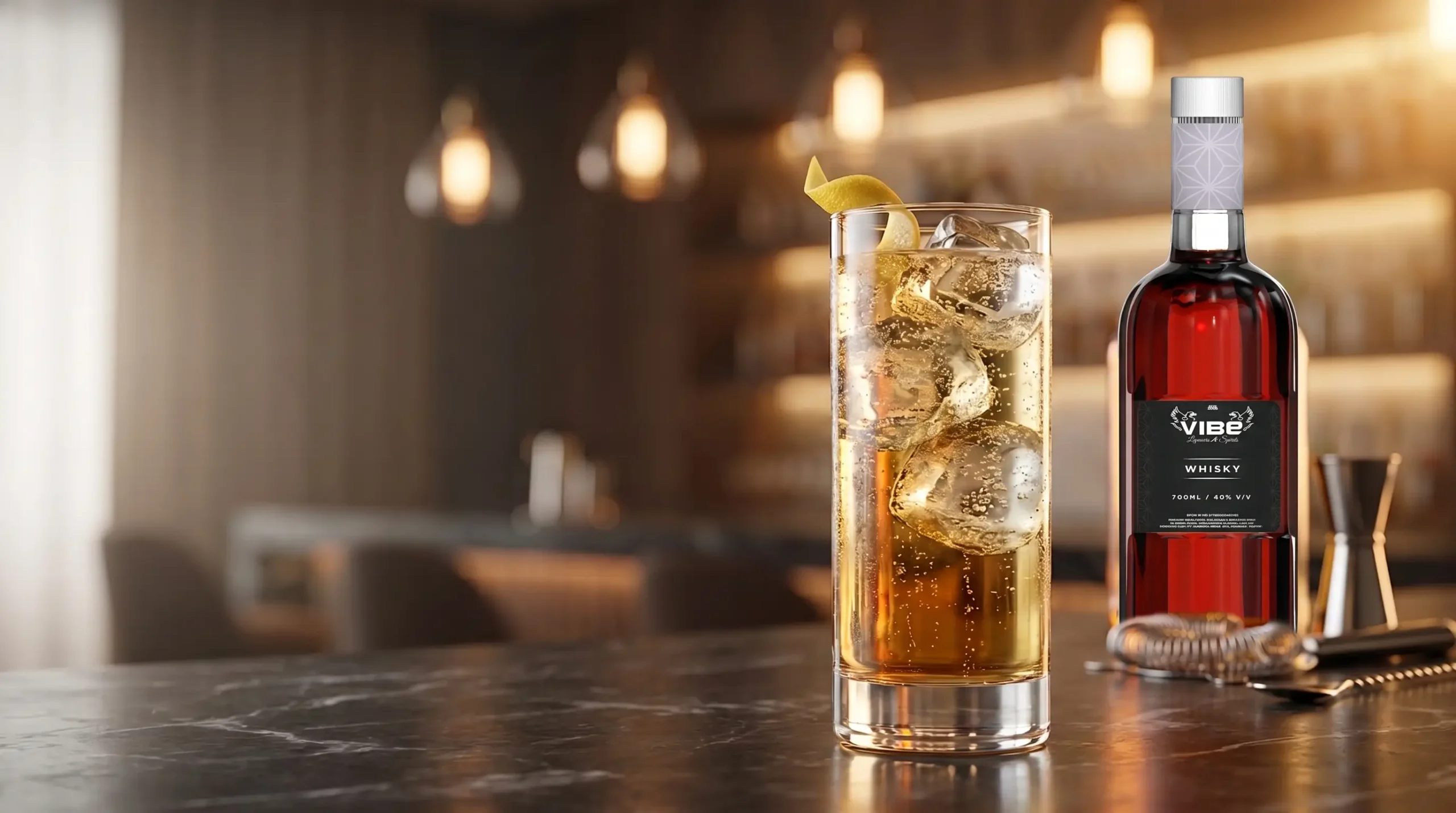
If you choose to enjoy alcoholic beverages and want to explore quality drink creations, choosing trusted products is part of a safe and enjoyable experience. You can consider Vibe Liqueur & Spirits, a pioneer of Indonesian local alcoholic beverages whose quality has been recognized and has won various international awards. VIBE offers a variety of flavor variants with various levels of alcohol content (ABV), making it highly flexible and ideal for mixing various cocktail recipes that suit your taste as well as your consumption limits.
To enrich your insights regarding the world of hospitality and beverages, you can visit Wekendvibe. There, you will get a complete guide on comfortable venue recommendations, appealing cocktail recipe inspirations, and various other unique information. Be a woman who is not only smart and empowered in taking care of herself, but also has a broad, elegant, and mindful lifestyle reference.
Safety Checklist Before Going Home from the Bar
- [ ] Personal belongings (phone, wallet, keys) are complete and safe.
- [ ] Phone has enough battery.
- [ ] Transportation home has been ordered and is available.
- [ ] Not driving a vehicle yourself.
- [ ] With a trusted person (if needed).
- [ ] Physical condition is good enough for the journey home.
- [ ] Destination is clearly set.
FAQ
- What are safe tips for drinking alcohol at the bar? Always pay attention to your drink, know your body’s tolerance, understand ABV levels, and ensure you have a safe transportation plan to go home.
- How do you find out the alcohol content in a drink? You can look at the ABV percentage on the menu or bottle. If it is not listed, it is highly recommended to ask the bartender directly.
- What is ABV in alcoholic beverages? ABV (Alcohol by Volume) is a standard metric to measure the percentage of pure alcohol volume in a beverage.
- Do fruit-flavored cocktails have high alcohol content? Yes, very likely. Fruit and syrup flavors often mask the sharp taste of spirits, so the drink can feel light even though it has a high ABV.
- How do you decline alcohol offers at the bar? Decline politely but firmly, for example saying “No, thank you” or ordering a non-alcoholic drink without needing to give a lengthy explanation.
- What should you do if you feel unsafe at the bar? Immediately walk away from the situation, approach the bartender or venue staff for help, contact a trusted person, and immediately order transportation to go home.
- Is it okay to drive after drinking alcohol? No. Driving after consuming alcohol is highly dangerous and violates traffic safety rules.
- What are alternative drinks if you don’t want to drink alcohol? You can enjoy mocktails, sparkling water, artisan tea, fresh fruit juice, or soft drinks.
- How can you go to a bar alone more safely? Choose a reputable bar, make sure your phone battery is charged, let family/friends know your location, do not leave your drink unattended, and prepare a go-home option from the start.
- When should someone stop drinking alcohol? Stop immediately when starting to lose physical coordination, finding it difficult to think clearly, feeling very sleepy, nauseous, confused, or experiencing drastic behavioral changes.