 Log in
 Register



For anyone looking to understand alcoholic beverage regulations in Indonesia, knowing the differences between Category A, B, and C alcoholic beverages is fundamental. Under Indonesian law, alcoholic beverages are classified based on the amount of ethanol (C2H5OH) they contain. This classification is intended to facilitate the supervision, distribution, and control of alcohol consumption in society.
Based on Presidential Regulation (Perpres) No. 74 of 2013 concerning the Control and Supervision of Alcoholic Beverages, alcoholic beverages in Indonesia are divided into three categories. These are Category A (maximum alcohol content of 5%), Category B (more than 5% up to 20%), and Category C (more than 20% up to 55%).
This article takes an in-depth look at the differences between each category, examples of products available on the market, and an overview of Indonesia’s alcoholic beverage regulations.
What Are Category A, B, and C Alcoholic Beverages?
The classification of alcoholic beverages in Indonesia is not based on their ingredients or production methods, such as fermentation or distillation, but solely on their ethanol percentage. The higher the alcohol content, the stricter the regulations governing its distribution and sale.
This classification serves as a reference for producers, distributors, retailers, and authorities when determining distribution permits, excise stamps, and permitted points of sale. The comparison table below provides a quick overview.
Category A, B, and C Comparison Table
| Aspect | Category A | Category B | Category C |
| Alcohol (Ethanol) Content | Up to 5% | More than 5%–20% | More than 20%–55% |
| Characteristics | Light, generally produced through short fermentation | Medium-strength, produced through extended fermentation or blending | Strong, produced through distillation |
| Examples | Beer, Radler, light seltzer | Wine, Soju, Sake, Liqueur (e.g. Baileys, Kahlua, Vibe Melon) | Whisky, Vodka, Gin, Rum (e.g. Smirnoff, Vibe Vodka, Emerald Glens) |
| Sales Regulations | May be sold in convenience stores (depending on local regulations), supermarkets, bars, and restaurants | Only at specifically licensed establishments, such as specialty retail stores/liquor stores, bars, and restaurants | Highly restricted; only at specifically licensed establishments such as duty-free stores, authorized distributors, bars, and clubs |
Note: Retail availability regulations can vary significantly between regions depending on the applicable local regulations (Perda).
Explanation of Each Alcoholic Beverage Category
To provide a clearer picture, let’s break down each alcoholic beverage classification based on its characteristics and basic regulations.
Category A Alcoholic Beverages
Category A alcoholic beverages have the lowest ethanol content, with a maximum of 5%. Because of their relatively low alcohol content, these beverages are often consumed casually. Common examples include pilsner or lager beer, Radler, and light cider.
Although they are considered lower-strength beverages, their distribution is still subject to regulation. Buyers must be at least 21 years old, as verified by an official identification document during the transaction.
Category B Alcoholic Beverages
Category B alcoholic beverages contain more than 5% and up to a maximum of 20% ethanol. These beverages are generally produced through longer fermentation of fruits or grains, or through the blending of specific ingredients, as in the case of liqueurs.
The category includes a wide variety of drinks, from wine and soju to sake and liqueurs. Both imported and local brands can be found in this category. For example, locally produced liqueur variants such as Vibe Melon and Blue Curacao have an alcohol content of 19.5%, placing them within Category B. Sales of beverages in this category are regulated and they are generally not available at ordinary convenience stores.
Category C Alcoholic Beverages
Category C alcoholic beverages are the highest category legally permitted to circulate in Indonesia, with ethanol content of more than 20% up to a maximum of 55%. Beverages in this category are produced through distillation to concentrate their alcohol content.
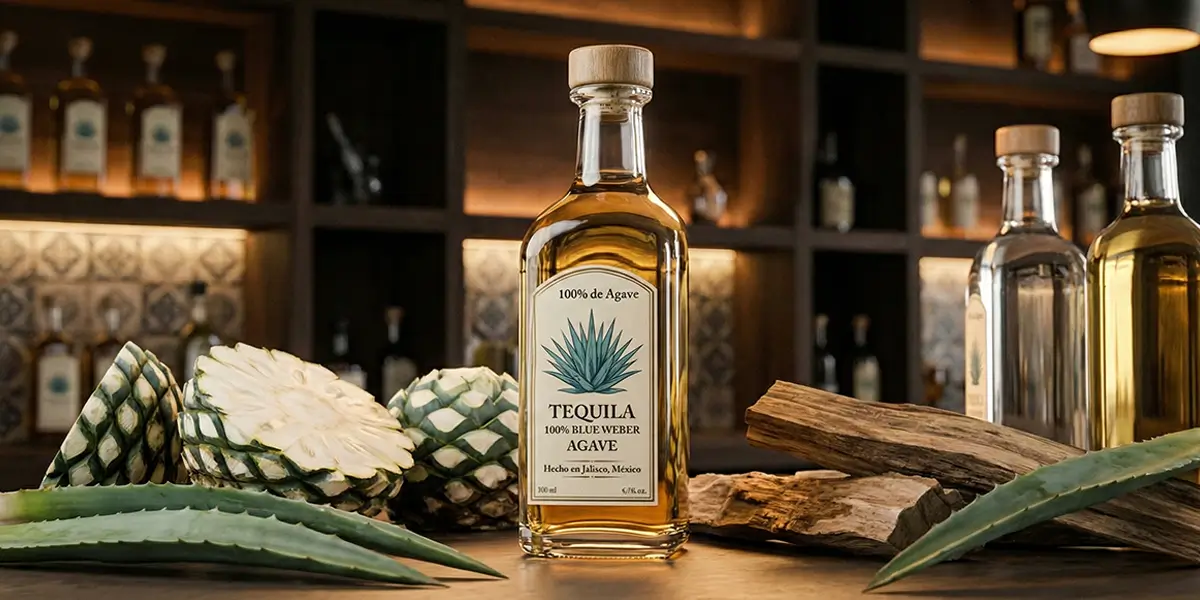
Examples include whisky, vodka, gin, rum, and tequila. Many well-known brands fall into this category. For local products, beverages such as Vibe Vodka and Dry Gin typically contain 40% alcohol. Other variants, such as Vibe Black Tea, Exotic Lychee, and Peach, contain 35%, while other local distilling brands such as Emerald Glens have an alcohol content of 40–43%. Because these beverages have higher alcohol content, licensing, points of sale, and taxation through excise duties are subject to the strictest government controls.
Differences Between Category A, B, and C Alcoholic Beverages
Simply put, the main differences between Category A, B, and C alcoholic beverages come down to two key factors: alcohol percentage and distribution regulations.
Category A beverages are relatively easy to find in some supermarkets. Category B beverages are generally available only at specially licensed establishments such as liquor stores and restaurants, while Category C beverages are much more restricted and can generally only be consumed on-site, such as at bars or nightclubs, or purchased through authorized agents.
Beverage Classification: Beer, Wine, Spirits, and Traditional Alcoholic Beverages
Many consumers wonder where specific beverages fit within the government’s official classification system. Here is a general guide based on the regulations referenced in this article:
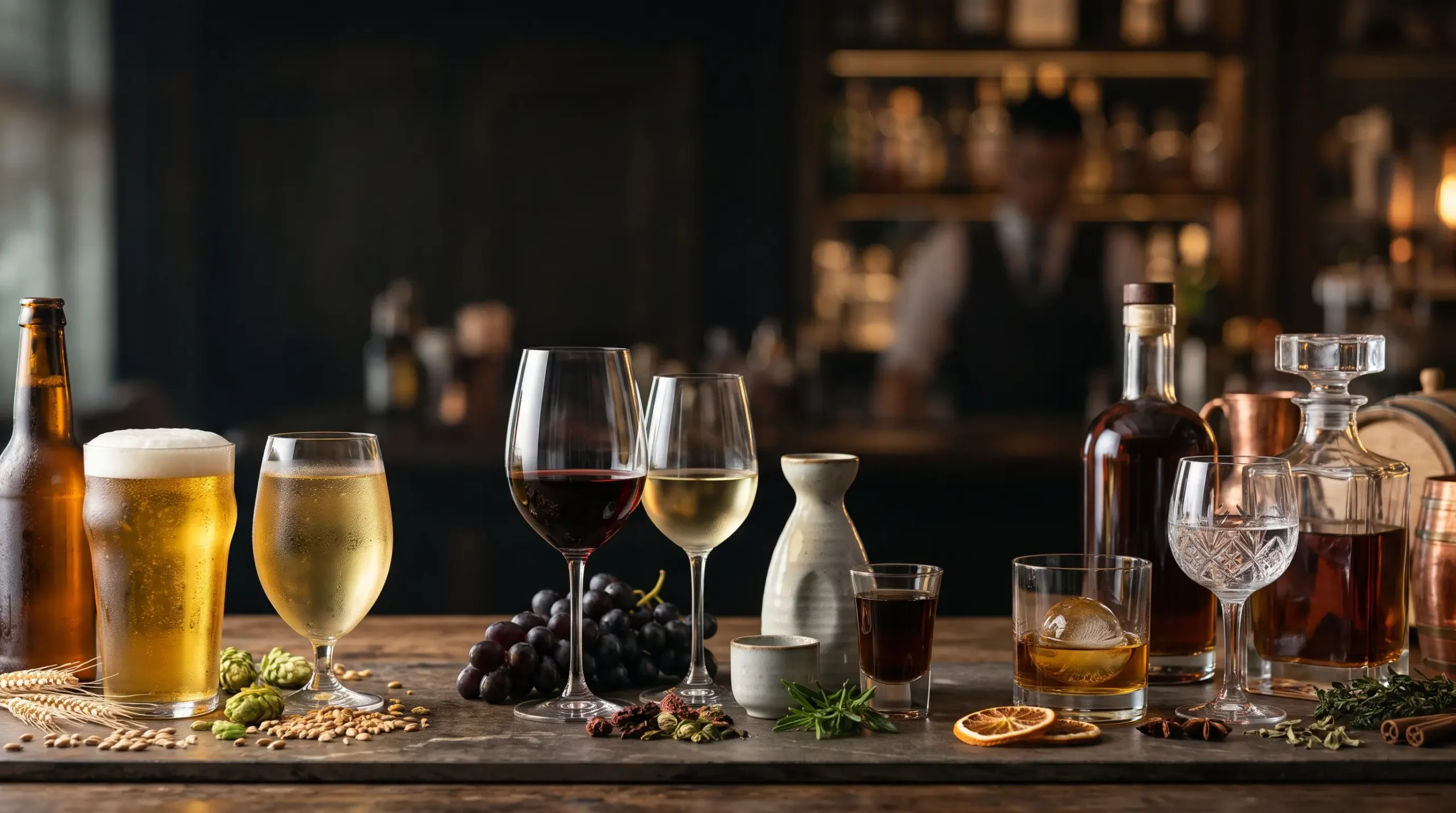
- Beer: Most beer falls into Category A because its alcohol content generally ranges from 4% to 5%. However, some craft beers and stouts can reach 7–8% ABV, which automatically places them in Category B.
- Wine: Almost all wine falls into Category B, with average alcohol content ranging from approximately 11% to 15%.
- Spirits (Whisky, Vodka, Gin, Rum, Tequila): These distilled alcoholic beverages generally fall into Category C because distillation produces drinks with alcohol levels around 35% to 40% ABV or higher.
- Traditional Alcoholic Beverages: Indonesian traditional beverages such as Arak, Cap Tikus, and Tuak can have widely varying alcohol levels. If legally produced and registered, their category is determined based on laboratory testing. Distilled Arak generally falls into Category C, while fermented Tuak may fall into Category A or B.
How Can You Tell Which Category an Alcoholic Beverage Belongs To?
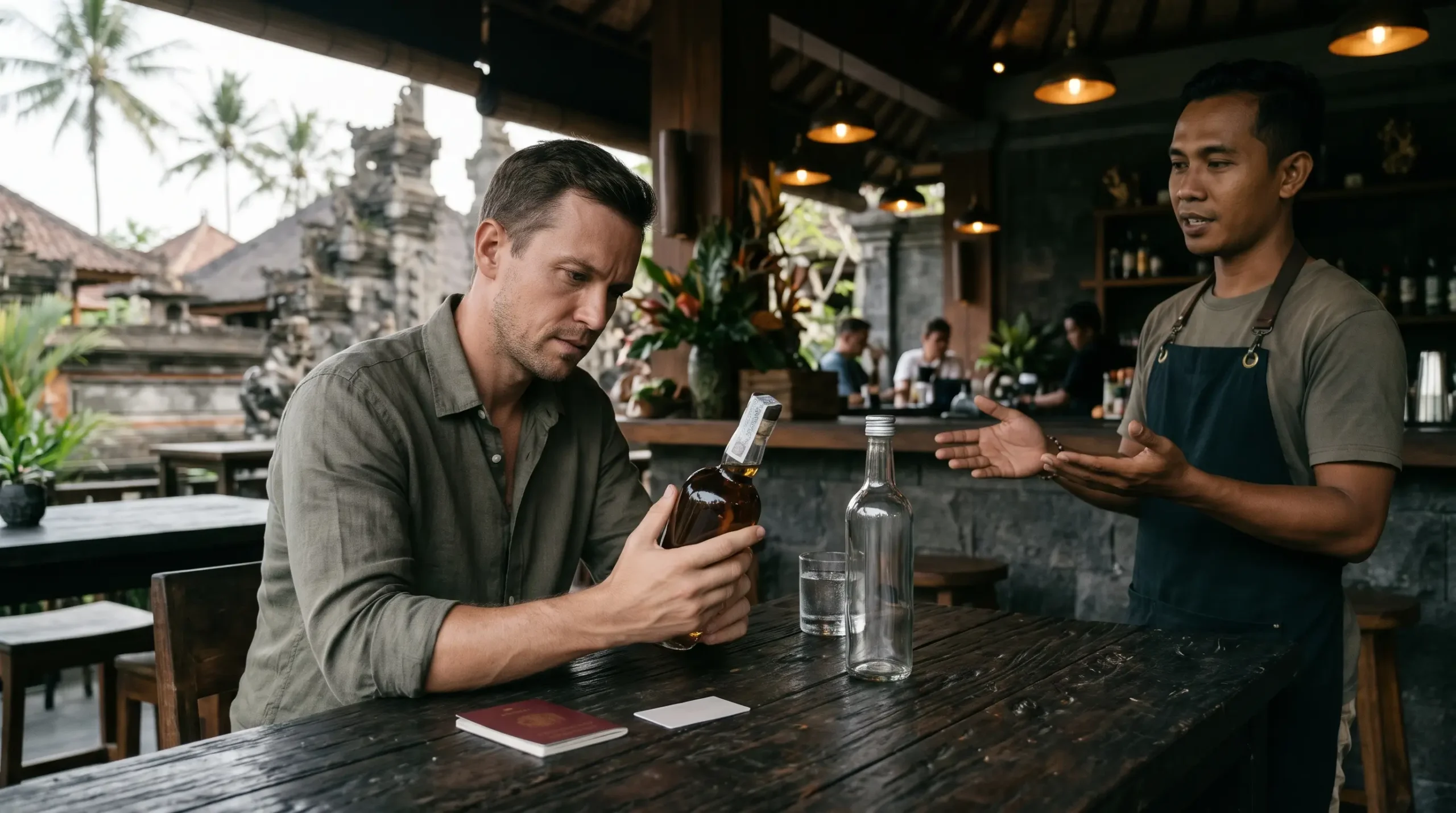
For consumers, the most accurate way to determine an alcoholic beverage’s category is to read the product label.
Under Indonesian food labeling regulations, producers or importers must include the words “MINUMAN BERALKOHOL” (ALCOHOLIC BEVERAGE) along with the alcohol percentage, such as “Alcohol 4.5%” or “ABV 40%.” You should also make sure the product has a BPOM registration number, beginning with the MD code for locally produced products or ML for imported products, and carries an official excise stamp.
By comparing the alcohol percentage on the bottle with the Category A (0–5%), B (>5–20%), or C (>20–55%) ranges, consumers can identify the beverage’s classification.
Alcoholic Beverage Rules and Regulations in Indonesia
Indonesia’s alcoholic beverage regulations are relatively complex and involve several government institutions, including the Ministry of Trade, Ministry of Industry, BPOM, the Directorate General of Customs and Excise, and local governments.
Some important regulatory points include:
- Legal Drinking Age: Purchasing and consuming alcoholic beverages is permitted only for individuals aged 21 and above.
- Distribution Permits and Excise: All legally distributed alcoholic beverages must be registered with BPOM and carry an official excise stamp.
- Regional Autonomy: Regulations concerning points of sale are strongly influenced by local regulations (Perda). Some regions prohibit the distribution of alcoholic beverages entirely, while others permit sales under strict operational requirements.
Disclaimer: This information is provided for educational purposes. Specific regulations and local rules may change or vary between regencies and municipalities, so readers are advised to refer to the applicable regulations in their local area.
A Practical Guide to Choosing Alcoholic Beverages by Category
Understanding the differences between Category A, B, and C alcoholic beverages is useful for recognizing alcohol consumption regulations in Indonesia. Fundamentally, the classification is based on ethanol content: Category A for lower alcohol levels (up to 5%), Category B for medium levels (more than 5%–20%), and Category C for higher levels (more than 20%–55%). With this understanding, adults can identify different types of alcoholic beverages correctly and comply with applicable regulations in their area.
For consumers looking for legal and certified beverage options, Vibe Liqueur & Spirits may be an interesting choice. As an Indonesian local alcohol brand that has received various international awards, Vibe Liqueur & Spirits offers a range of flavors with different alcohol levels—from sweet Category B liqueurs to stronger Category C spirits. These different variants are also highly versatile for use in creative cocktail recipes.
To explore further, visit Wekendvibe for recommendations on the best venues, cocktail recipes, and other unique information about modern lifestyle and entertainment.
FAQ (Frequently Asked Questions)
Here are some frequently asked questions about the classification of alcoholic beverages in Indonesia:
What are Category A alcoholic beverages?
Category A alcoholic beverages are drinks with the lowest alcohol content, at a maximum of 5%. Examples include beer and cider.
What is the difference between Category A, B, and C alcoholic beverages?
The main difference is their ethanol percentage. Category A has a maximum of 5%, Category B ranges from more than 5% to 20%, and Category C ranges from more than 20% to 55%.
What is the alcohol content of Category A, B, and C beverages?
According to Presidential Regulation No. 74 of 2013: Category A is 0%–5%, Category B is >5%–20%, and Category C is >20%–55%.
Is beer a Category A alcoholic beverage?
Most beer on the market falls into Category A because its alcohol content is generally around 4–5%. However, beer varieties with alcohol content above 5% fall into Category B.
Is wine a Category B alcoholic beverage?
Yes. Most wine has an alcohol content between 10% and 15%, placing it in Category B.
Are locally produced alcoholic beverages legal in Indonesia?
Yes, provided the local product, such as brands like Vibe, Bali Hai, or Sababay, has a BPOM distribution permit and carries an official excise stamp. Its distribution is then regulated according to its respective category.
Is whisky a Category C alcoholic beverage?
Yes. Whisky is a distilled beverage that typically contains around 40% alcohol. Therefore, whisky falls into Category C.
How can I determine which category an alcoholic beverage belongs to?
Simply check the label on the bottle. Look for the ABV (Alcohol by Volume) percentage and compare it with the government’s category ranges.