 Log in
 Register



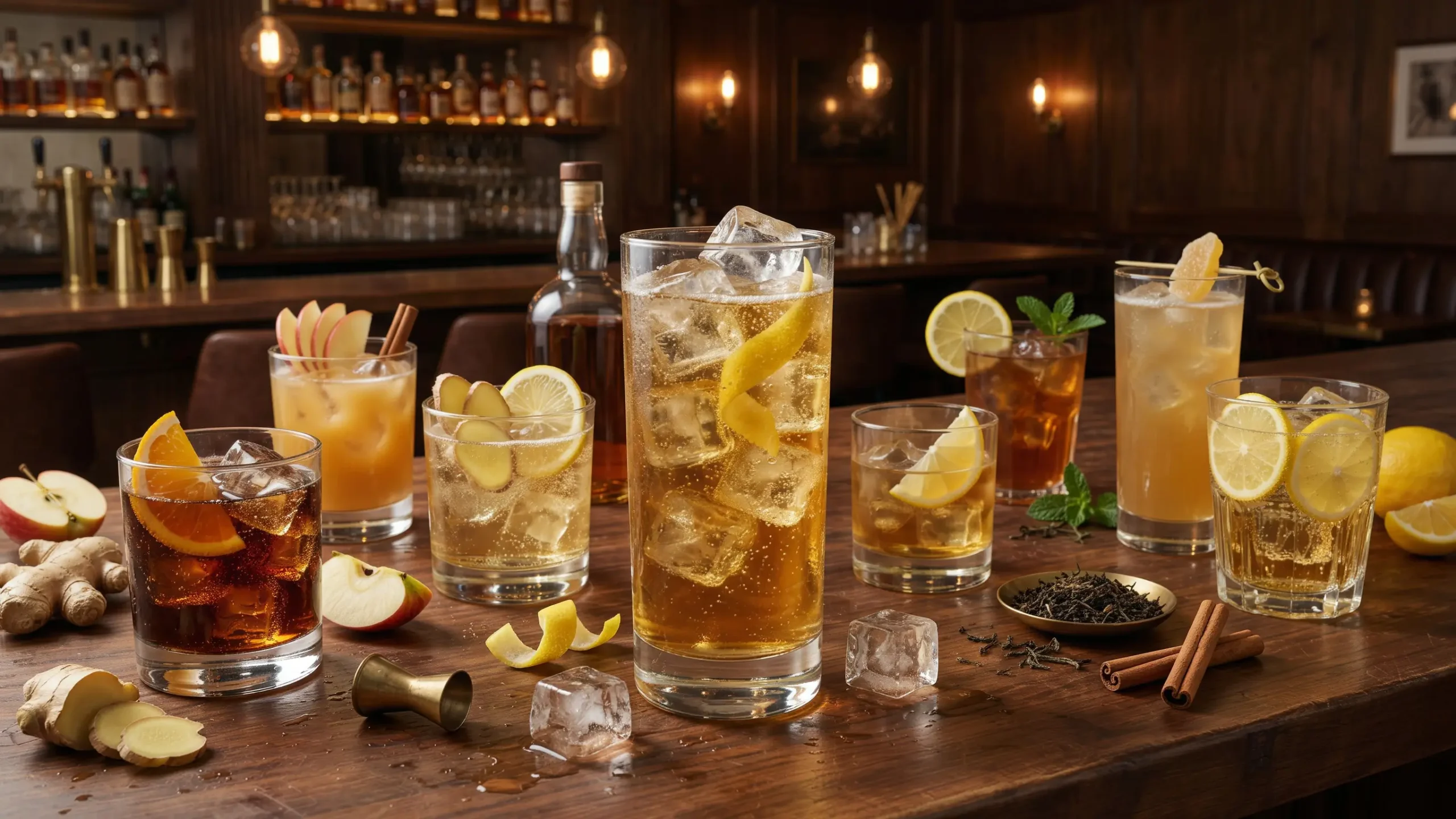
Enjoying whisky neat or on the rocks is a classic way to appreciate its complexity. However, whisky doesn’t always have to be enjoyed on its own. Finding an enjoyable whisky mix can actually open up new dimensions of flavor. Whisky’s underlying character, often dominated by aromas of malt, oak, vanilla, caramel, spices, or even smoke, can create a completely different experience when paired with the right mixer.
This article explores eight whisky mixers, ranging from the simplest carbonated drinks to tea. This exploration will help you understand their flavor characteristics, the role of each mixer, and the different sensations produced by each combination, making it easier to prepare mixed drinks at home or enjoy them while relaxing at a bar.
Why Can Whisky Be Mixed with Different Mixers?
Whisky is a highly versatile spirit because its production process—from grain selection, fermentation, and distillation to maturation (aging) in wooden barrels—creates a remarkably broad spectrum of flavors. This versatility is what allows whisky to be combined with a wide variety of mixers.
Several factors influence how well these combinations work:
- Base Character: Different whisky styles, such as sweet bourbon or smoky peated Scotch, respond differently to various mixers.
- Flavor Components: The sweetness, acidity, bitterness, and carbonation of a mixer play an important role in balancing the alcohol profile.
- Dilution: A mixer does more than add flavor. Adding extra liquid or ice dilutes the drink, which often helps release aromas (aromatic lift) that were previously masked by the intensity of the alcohol.
There is no single mixer that universally pairs best with every whisky. The final result always depends on the harmony between the spirit being poured and the character of its accompanying ingredients.
8 Enjoyable Whisky Mixes with Different Mixers
Choosing the right mixer plays a major role in determining the resulting drink’s flavor profile. Here are eight combinations worth exploring, along with their characteristics.
1. Soda Water — A Simple Mixer for Whisky Highballs
Soda water, or carbonated water, is a mixer that provides a sparkling sensation without adding sweetness or artificial flavors.
- Flavor Profile: Completely neutral with a bubbly, carbonated texture.
- Interaction with Whisky: Carbonation works remarkably well at lifting whisky’s aromatic molecules to the surface, while dilution makes the drink feel lighter without altering the spirit’s original flavor.
- Combination Profile: Clean, light, and highly refreshing.
- Best Pairings: Extremely versatile with almost any whisky style, from blended Scotch to Japanese whisky.
- Serving Suggestion: Pour whisky into a tall glass filled with ice, top it with soda water, and garnish with a lemon slice.
- Tip: This simple combination is often called a whisky highball. However, keep in mind that not every whisky soda automatically qualifies as a classic highball without the appropriate serving ratio.
2. Cola — The Familiar Whisky Cola Combination
As one of the world’s most popular carbonated beverages, cola offers a balance of sweetness, caramel, spices, and carbonation.
- Flavor Profile: Sweet, caramel-like, with subtle citrus and vanilla notes.
- Interaction with Whisky: Cola’s sweetness and carbonation help balance whisky’s harsher characteristics. Its caramel flavor also works harmoniously with the woody notes and spices found in whisky.
- Combination Profile: Sweet, rich, and familiar.
- Best Pairings: Particularly well suited to bourbon or Tennessee whiskey, which naturally have sweeter characteristics.
- Serving Suggestion: Serve whisky and cola over ice in a rocks glass or highball glass.
- Tip: Use a balanced ratio so the cola doesn’t completely overpower the whisky’s original flavor.
3. Ginger Ale — Whisky with a Light Ginger Flavor
Ginger ale offers an alternative carbonated mixer with a mild ginger flavor and a relatively high level of sweetness.
- Flavor Profile: Sweet with a light, refreshing hint of ginger.
- Interaction with Whisky: Its sweetness softens the sharpness of the alcohol, while the ginger aroma provides an aromatic lift that complements the whisky’s oak notes.
- Combination Profile: Refreshing with a subtle trail of spice that doesn’t overpower the drink.
- Best Pairings: Suitable for Irish whiskey or lighter blended Scotch.
- Serving Suggestion: Mix whisky, ice, and ginger ale, then finish with orange peel or a lemon slice.
- Tip: If you’re looking for a drink to accompany afternoon snacks, whisky ginger ale offers just the right amount of sweetness without feeling too heavy.
4. Ginger Beer — A Combination with a More Pronounced Ginger Character
Unlike ginger ale, ginger beer is traditionally fermented—or made using methods that replicate fermentation—resulting in a much more intense ginger flavor.
- Flavor Profile: Intense ginger, spicy, bold, and sometimes earthy.
- Interaction with Whisky: The spicy kick of ginger beer can balance whisky with strong characteristics, such as rich caramel, woody spices, or smoky notes.
- Combination Profile: Bold, complex, and ginger-forward.
- Best Pairings: Ideal for high-proof bourbon or blended malt with a pronounced character.
- Serving Suggestion: Serve chilled over ice with a squeeze of fresh lime to cut through the ginger’s intensity.
- Tip: Since ginger beer has a very strong flavor, pay attention to the ratio to avoid overpowering the spirit.
5. Tonic Water — Whisky with Bitter and Sparkling Notes
Many people assume tonic water is exclusively for gin, but its bitterness can offer an interesting dimension when paired with whisky.
- Flavor Profile: Bittersweet, thanks to its quinine content, with high carbonation.
- Interaction with Whisky: Tonic’s bitterness can bring out botanical, citrus, or woody characteristics in whisky.
- Combination Profile: Dry, bitter, yet highly refreshing.
- Best Pairings: Works well with lighter whiskies featuring fruity or floral notes.
- Serving Suggestion: Pour whisky over ice, add tonic water, and garnish with grapefruit or rosemary.
- Tip: Not every whisky pairs well with tonic. Avoid whiskies that are excessively smoky, as the combination of smoke and quinine can create an unpleasant flavor clash.
6. Lemon or Citrus — Adding Freshness and Acidity
Citrus fruits, such as lemons and limes, are fundamental ingredients in mixology for balancing drinks.
- Flavor Profile: Sour, fresh, and highly aromatic due to the essential oils found in the peel.
- Interaction with Whisky: The acidity of lemon juice cuts through the sharpness of alcohol and adds structure to the drink.
- Combination Profile: Bright, citrus-forward, and tangy.
- Best Pairings: Highly versatile and serves as the foundation for classic cocktails such as the Whisky Sour.
- Serving Suggestion: A simple combination includes whisky, a little fresh lemon juice, simple syrup, and a splash of soda water.
- Tip: Distinguish between using freshly squeezed juice as a mixer and lemon peel as a garnish. Citrus peel releases essential oil aromas without adding acidity to the drink.
7. Apple Juice — Whisky with Fruity and Sweet Notes
Apple juice is a non-carbonated mixer that has gradually gained popularity for its ability to bring autumnal notes to a drink.
- Flavor Profile: Fruity and gently sweet.
- Interaction with Whisky: The sweetness and fruity notes of apple juice complement the vanilla, oak, and clove aromas often found in aged whisky.
- Combination Profile: Smooth, fruity, sweet, and comforting.
- Best Pairings: Harmoniously paired with bourbon or smooth, characterful blended whisky.
- Serving Suggestion: Serve chilled over ice, or warm it with cinnamon for a toddy-style drink.
- Tip: Cloudy apple juice generally provides a more authentic apple flavor and texture than clear apple juice.
8. Tea — A Whisky Mixer with a Different Aromatic Character
As a mixer, tea offers much greater depth and structure than conventional carbonated beverages.
- Flavor Profile: Highly aromatic, with tannins that create a dry texture and bitter or earthy notes depending on the type of tea leaves.
- Interaction with Whisky: Tea tannins interact beautifully with whisky’s oak characteristics. Black tea provides a stronger structure, while green tea offers lighter grassy or floral aromas.
- Combination Profile: Aromatic, structured, and complex.
- Best Pairings: Sweet iced tea pairs particularly well with American-style whisky, while green tea is often combined with Japanese whisky.
- Serving Suggestion: Combine whisky with chilled brewed tea, adding a little honey or freshly squeezed lemon juice.
- Tip: The strength of the brew, water temperature during steeping, and added sweeteners will significantly influence the final result.
Comparison Table: 8 Whisky Mixers
To make it easier to create mixed drinks, the following table summarizes the characteristics of the eight mixers discussed above.
| Mixer | Flavor Profile | Effect on Whisky | Combination Profile |
| Soda Water | Neutral, sparkling | Adds carbonation and dilution | Light and clean |
| Cola | Sweet, caramel-like, sparkling | Adds sweetness and additional flavor | Sweet and familiar |
| Ginger Ale | Sweet, mild ginger | Adds a gentle ginger aroma | Light ginger character |
| Ginger Beer | More intense ginger, spicy | Adds spice intensity and sweetness | Bolder and ginger-forward |
| Tonic Water | Bittersweet, sparkling | Adds bitterness and carbonation | Bitter and refreshing |
| Lemon/Citrus | Sour, fresh, aromatic | Adds acidity and citrus aroma | Bright and citrus-forward |
| Apple Juice | Fruity, sweet | Adds fruity notes and sweetness | Fruity and smooth |
| Tea | Aromatic, tannic, bitter/earthy | Adds flavor structure and complex aromas | Aromatic and complex |
Whisky Highball, Whisky Cola, and Mixed Whisky: What’s the Difference?
In beverage culture, mixed-drink terminology can sound similar, but these terms have different conceptual meanings.
- Whisky Highball: Refers to a drink consisting of a portion of spirit—in this case, whisky—combined with a much larger proportion of a non-alcoholic mixer, served in a tall highball glass filled with ice. According to mixology guidelines, highball mixers are generally carbonated, with soda water being the purest and most classic option.
- Whisky Cola: This is a specific variation of a mixed drink that uses cola as its sole mixer. Technically, when served in a tall glass with the appropriate ratio, whisky cola also falls under the broader highball category.
- Mixed Whisky / Mixed Drinks in General: This is a broad term for any whisky combined with another ingredient. Unlike more elaborate cocktails that may require three or more ingredients and methods such as shaking, mixed drinks are usually prepared directly in the glass (built in glass) using just two main components: the spirit and the mixer.
How to Understand Whisky’s Character Before Choosing a Mixer
Recognizing a whisky’s flavor profile is essential before deciding which mixer to use. In general, these characteristics can be divided into the following categories:
- Sweet & Caramel Notes: Often found in bourbon or whisky matured in new oak barrels. These pair particularly well with cola, ginger ale, or apple juice.
- Vanilla & Oak: Derived from the maturation barrels. These aromas can be enhanced with soda water or balanced with the tannins in black tea.
- Fruity Notes: Aromas of dried fruits or fresh orchard fruits. Pairing them with apple juice or a touch of lemon can make these flavors stand out even more.
- Spicy: Notes of cinnamon, pepper, or cloves. These become particularly pronounced when paired with the intensity of ginger beer.
- Smoky Character: Smoky or peaty flavors. These require carefully selected mixers, such as plain soda water, as dominant ingredients like tonic or fruit juice may create an unpleasant flavor clash.
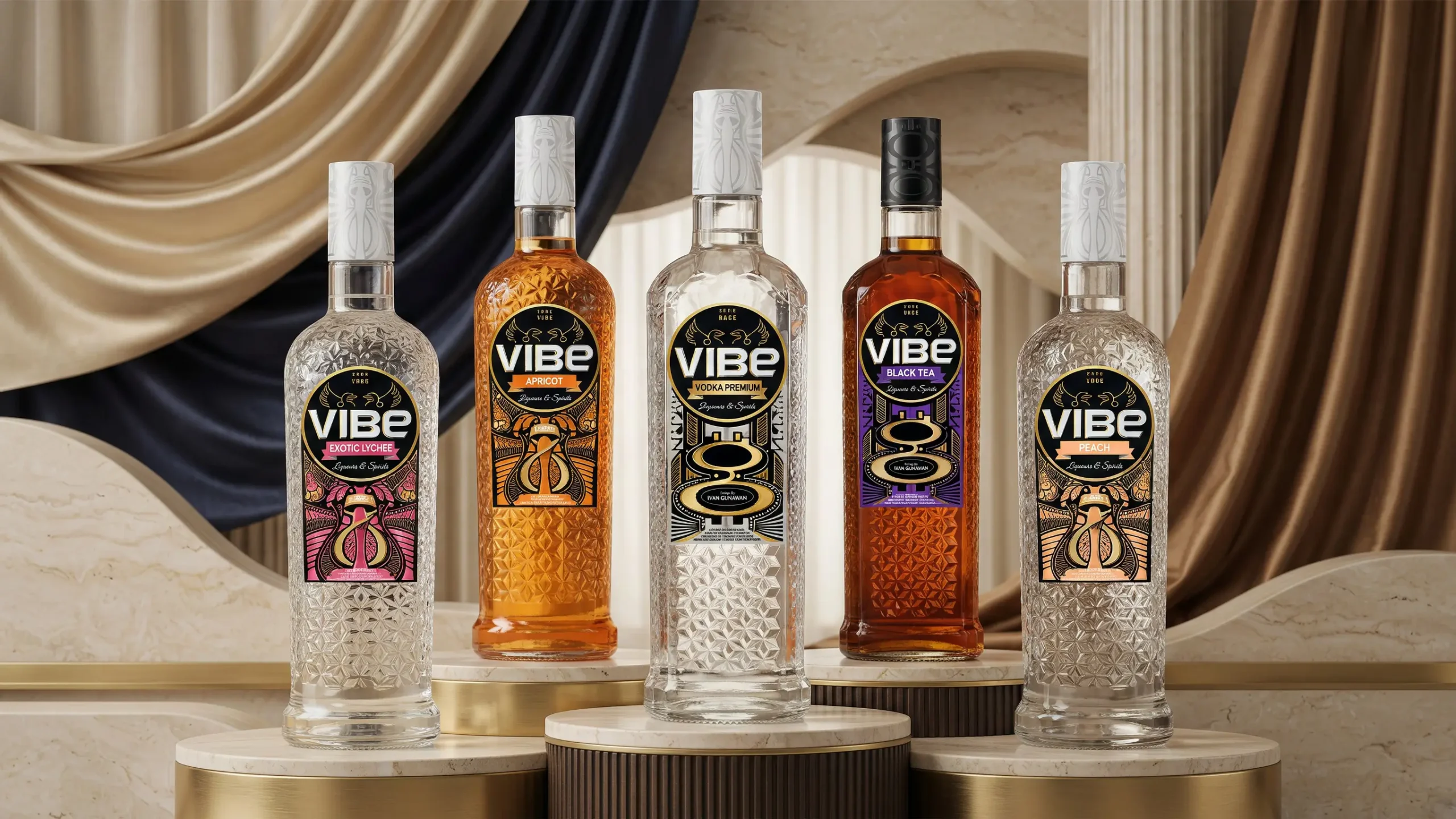
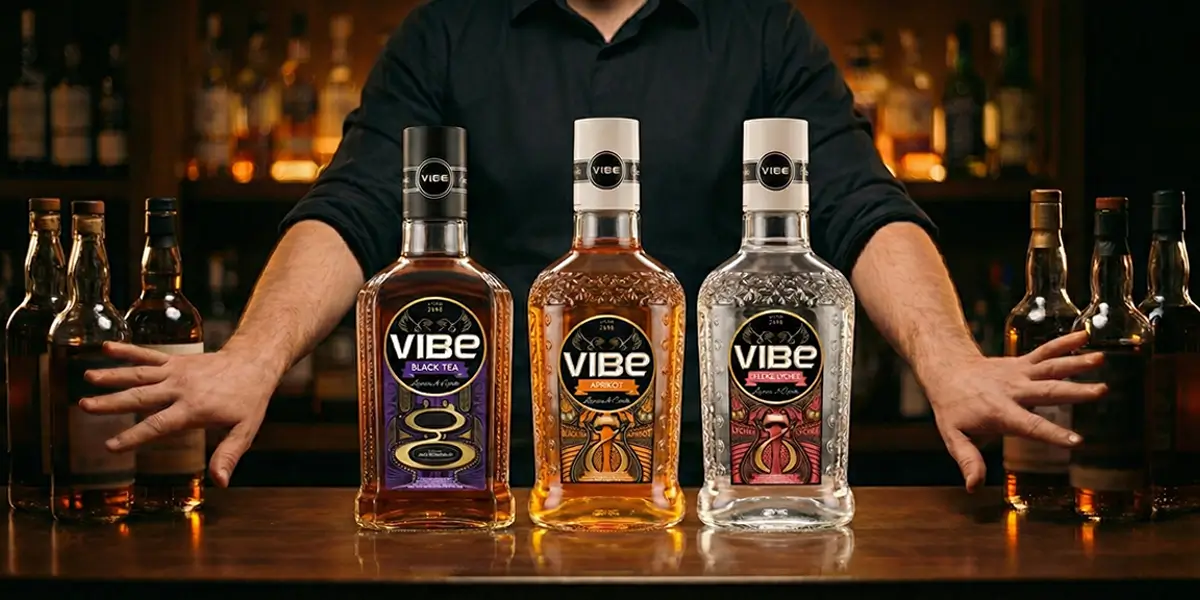
For those looking to explore quality spirits suitable for various cocktail and mixed-drink recipes, Vibe Liqueurs & Spirits offers a solid range of options. As an Indonesian local alcohol brand that has won various international awards, it offers a variety of flavor profiles and alcohol-by-volume (ABV) levels to suit different preferences. Interestingly, Vibe also has its own whiskey variant, carefully crafted to be easily incorporated into various drink recipes, whether enjoyed neat or mixed with your favorite mixers.
Tips for Better Understanding Whisky Mixes
Exploring flavors can be enjoyable, but it always requires a careful and responsible approach:
- Understand the Balance: Recognize how sweetness, acidity, bitterness, and carbonation interact. Too much sweetness from a mixer can ruin the spirit’s character, while excessive acidity can mask its aromas.
- Focus on Ice Quality: Large, solid ice cubes are better than small ones that melt quickly, as they chill the drink without diluting it too rapidly (over-dilution).
- Alcohol Content Doesn’t Disappear: Adding carbonated mixers or juice changes how the alcohol tastes and lowers the alcohol percentage by volume (ABV) of the overall drink. However, it does not reduce the total number of grams of pure alcohol consumed.
- Alcohol Consumption Risks: Drinks with refreshing or sweet flavors can often taste lighter and easier to drink. Always be mindful of the amount you pour.
Conclusion: There Are Many Ways to Explore Whisky Combinations
Whisky offers an incredibly broad flavor canvas to explore alongside different mixers. From the purity of soda water, which brings out hidden aromas, and the sweetness of cola and apple juice, to the spicy kick of ginger ale and ginger beer, and finally the complexity of tannins offered by tea-based combinations.
Choosing an enjoyable whisky mix ultimately depends on personal preference and an understanding of the spirit’s own character. Each complementary ingredient introduces a new flavor dimension, such as acidity, bitterness, or refreshing carbonation, that can enrich the drinking experience. If you want to continue exploring the world of mixology, visit Wekendvibe for the latest information on the best venue recommendations, cocktail recipe guides for making drinks at home, and other interesting insights into beverage lifestyle and culture.
FAQ About Whisky Mixers and Combinations
1. What does whisky taste good mixed with?
Whisky tastes great mixed with soda water for a light flavor, cola for a sweet caramel profile, or ginger ale for a mild spicy sensation. The choice of mixer depends entirely on your taste preferences and the base character of the whisky being used.
2. What mixers go well with whisky?
Some of the best mixers include soda water, cola, ginger ale, ginger beer, iced tea, and apple juice. A squeeze of fresh lemon juice is also often used to add balance.
3. What is a simple and enjoyable whisky mix?
A whisky highball is one of the simplest and most elegant combinations. It requires only whisky, plain soda water, ice cubes, and a lemon peel garnish for aroma.
4. What is the difference between whisky cola and whisky highball?
Whisky cola specifically refers to whisky mixed with cola. Meanwhile, whisky highball is a broader category of spirit mixed with a larger proportion of non-alcoholic mixer—typically plain soda water—and served in a tall glass.
5. Can whisky be mixed with soda?
Absolutely. Neutral soda water is one of the best companions for whisky because its carbonation helps open up the spirit’s original aromas without disrupting its flavor elements.
6. What is the difference between ginger ale and ginger beer when mixed with whisky?
Ginger ale is sweeter, lighter, and gently carbonated. In contrast, ginger beer has a much stronger, more concentrated, spicy ginger flavor and often produces a bolder mixed drink.
7. Can whisky be mixed with tea?
Yes. The tannins in tea, whether black or green, pair beautifully with the oak elements in whisky. Iced tea is one of the popular mixers for creating an aromatic drink.
8. Does a mixer reduce whisky’s alcohol content?
A mixer adds liquid volume, lowering the ABV concentration per glass and masking the alcohol’s sharp taste. However, the absolute amount of pure alcohol in the glass remains unchanged and does not disappear.
9. What is the difference between soda water and tonic water when mixed with whisky?
Soda water is simply carbonated water without added flavors. Tonic water, on the other hand, contains quinine, which gives it its distinctive bittersweet taste.
10. What juice goes well with whisky?
Apple juice is one of the most recommended juice options because its sweetness and fruity character can complement whisky’s vanilla and caramel aromas, particularly in bourbon.