 Log in
 Register



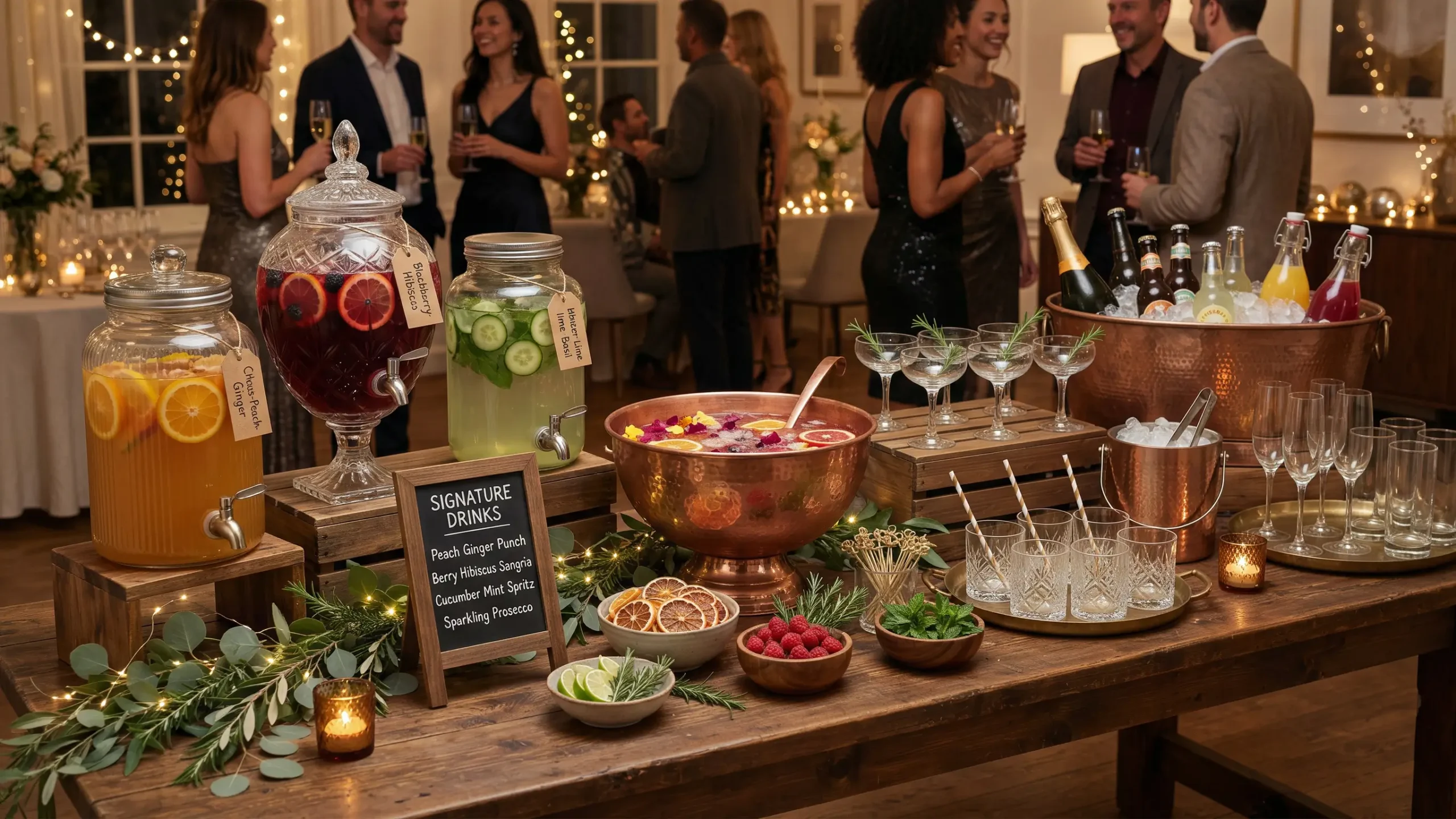
Planning a New Year’s Eve celebration always requires careful preparation. One of the main challenges for any host is determining how many bottles are needed for the party to ensure that all guests stay hydrated and enjoy the event without leaving excessive leftover drinks the following day. Calculating the right amount of supplies helps save money while keeping the event running smoothly.
Party beverage requirements are not determined solely by the number of guests attending. The event duration, variety of drinks, packaging sizes, individual guest preferences, and availability of non-alcoholic options all significantly influence the total quantity needed. This article provides practical guidelines and calculation simulations for gatherings of 10, 20, and 50 guests as a reference for event preparation.
Factors That Determine Beverage Requirements for a New Year’s Eve Party
Before calculating the number of bottles, consider several basic elements that influence beverage consumption throughout the party.
Number of Guests Attending
The size of the event determines the approach to beverage planning. Small parties with family members or close friends usually have more predictable preferences. For medium to large gatherings, the actual attendance rate compared to the total number of invitations should be taken into account. Allow an adjustment buffer of approximately 10–15% above the initial estimate.
Event Duration
New Year’s Eve parties generally last longer, often starting at dinner and continuing past midnight. Longer events mean guests need more consistent fluid intake. However, a longer duration should not be interpreted as an opportunity to increase alcohol consumption, but rather as a reason to provide more mineral water and ensure adequate hydration.
Types of Beverages Provided
Planning should include a variety of categories to accommodate all guests:
- Mineral Water: An absolute necessity and the top priority.
- Soft Drinks & Mixers: Popular as refreshments, accompaniments to snacks, or drink mixers.
- Juices and Non-Alcoholic Drinks (Mocktails): Safe and inclusive celebration alternatives.
- Non-Alcoholic Sparkling Drinks: Provide the experience of making a toast without the risk of intoxication.
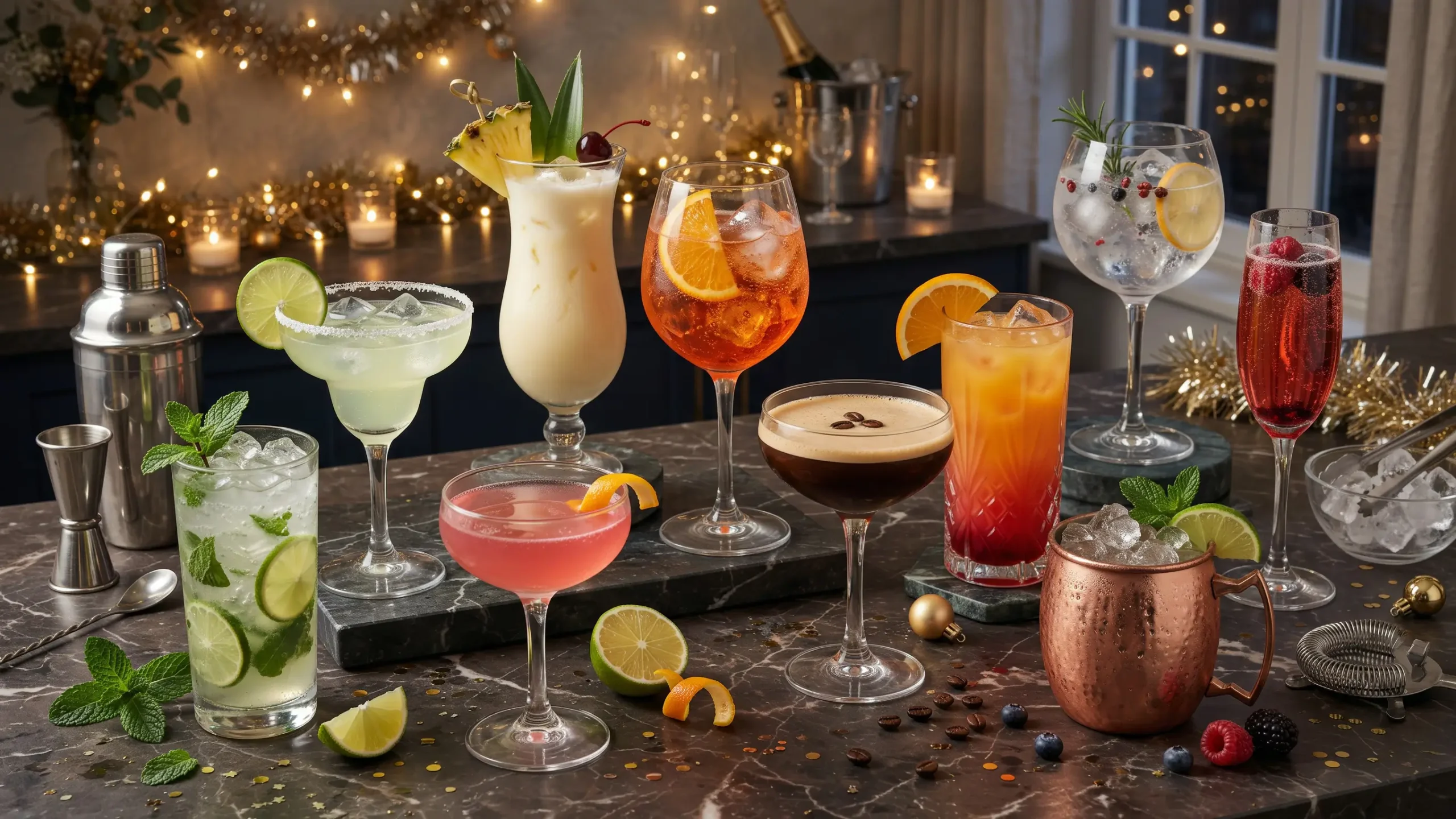
- Alcoholic Beverages: Optional and intended only for adult guests who meet the legal drinking age. If you decide to serve them, understand the main categories suitable for parties:
- Spirits (Vodka, Gin, Rum, Tequila): These versatile base liquors can be used to prepare various simple cocktails.
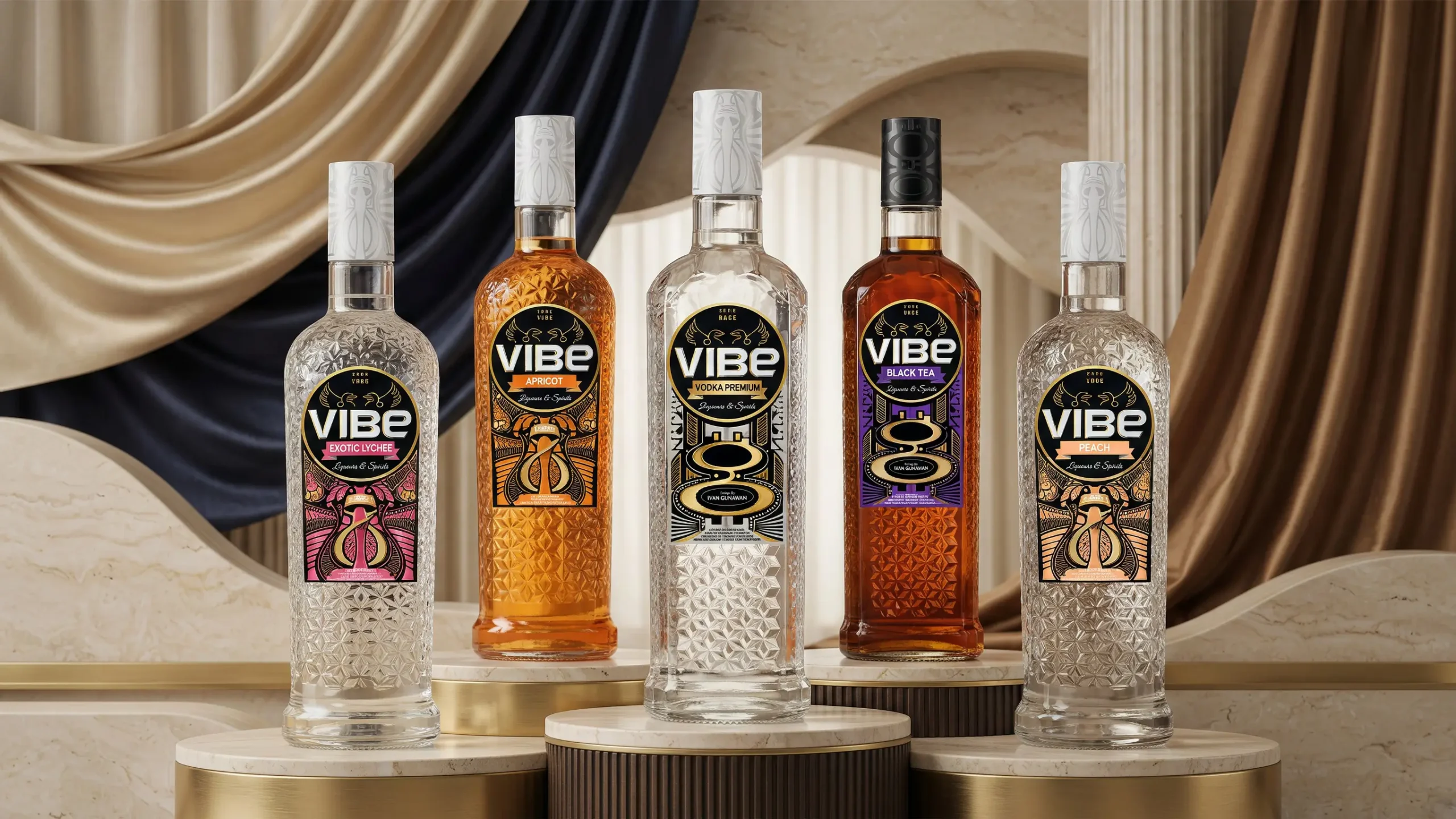
- Liqueurs: Flavored alcoholic beverages (such as fruit, coffee, or chocolate flavors) that add sweetness to mixed drinks. As a reference, products from local brands such as Vibe Liqueur & Spirits can be a suitable option, offering internationally recognized spirits and liqueurs that can easily be paired with various mixers for party needs.
- Wine and Champagne (Sparkling Wine): Usually prepared in limited quantities specifically for the New Year’s Eve toast.
- Beer: A ready-to-serve beverage with relatively low alcohol content that is easy to distribute without requiring mixing.
Bottle Size and Volume
The number of bottles you need depends heavily on the packaging volume you purchase. Common market sizes include 330 ml (cans/small bottles), 500 ml (medium bottles), 700 ml, and 750 ml (large bottles). One liter of beverage requires three 330 ml cans, but less than two 700 ml bottles.
How to Calculate Beverage Requirements for a Party
Beverage supplies can be calculated using a simple mathematical method based on estimated consumption volume per person.
Basic Formula:
- Total beverage requirement = Number of guests × Estimated beverage volume per guest
- Number of bottles = Total beverage requirement ÷ Volume per bottle
The result should be rounded up to ensure an adequate supply.
Mineral Water Calculation Example: If the estimated mineral water consumption is 1,000 ml (1 liter) per guest for a 4-hour party, the supply required for 10 guests is 10,000 ml. If using 500 ml bottles, the calculation is: 10,000 ml ÷ 500 ml = 20 bottles.
Important note: This formula is highly effective for calculating water and refreshing beverages. For alcoholic beverages, it is strongly discouraged to establish a bottle quota that each guest is expected to finish, as some guests may choose non-alcoholic options or not drink at all.
How Many Bottles Do You Need for a Party with 10 Guests?
For a small gathering, the calculation focuses on basic beverage variety. The assumed event duration is 3–4 hours.
| Beverage Type | Estimated Total Volume | Packaging Size | Estimated Number of Bottles/Packs |
| Mineral Water | 10 Liters | 500 ml | 20 Bottles |
| Soft Drinks / Mixers | 5 Liters | 330 ml | 16 Cans/Bottles |
| Juice / Non-Alcoholic Sparkling Drinks | 3.5 Liters | 700 ml | 5 Bottles |
The priority should be maintaining an adequate supply of mineral water. If alcoholic beverages are provided for eligible adult guests, keep portions moderate and ensure non-alcoholic drinks remain widely available.
How Many Bottles Do You Need for a Party with 20 Guests?
A medium-sized party requires more varied party drink measurements to ensure guests have plenty of options.
| Beverage Type | Estimated Total Volume | Packaging Size | Estimated Number of Bottles/Packs |
| Mineral Water | 20 Liters | 500 ml | 40 Bottles (Or 1 Water Gallon + Cups) |
| Soft Drinks / Mixers | 10 Liters | 330 ml | 31 Cans/Bottles |
| Juice / Non-Alcoholic Sparkling Drinks | 7 Liters | 700 ml | 10 Bottles |
For a gathering of 20 guests, purchasing mineral water in large refillable gallons or using a high-capacity dispenser may be more efficient and environmentally friendly than buying dozens of small plastic bottles.
How Many Bottles Do You Need for a Party with 50 Guests?
For an event with 50 guests, logistics and beverage distribution points become essential. Drink distribution should be carefully planned to prevent long queues in one area.
| Beverage Type | Estimated Total Volume | Packaging Size | Estimated Number of Bottles/Packs |
| Mineral Water | 50 Liters | Various | 3 Gallons (19L) / 100 Bottles (500 ml) |
| Soft Drinks / Mixers | 25 Liters | 330 ml | 76 Cans/Bottles |
| Juice / Non-Alcoholic Sparkling Drinks | 17.5 Liters | 750 ml | 24 Bottles |
Things to prepare for larger gatherings:
- Set up more than one cooling station (cooler) or water dispenser.
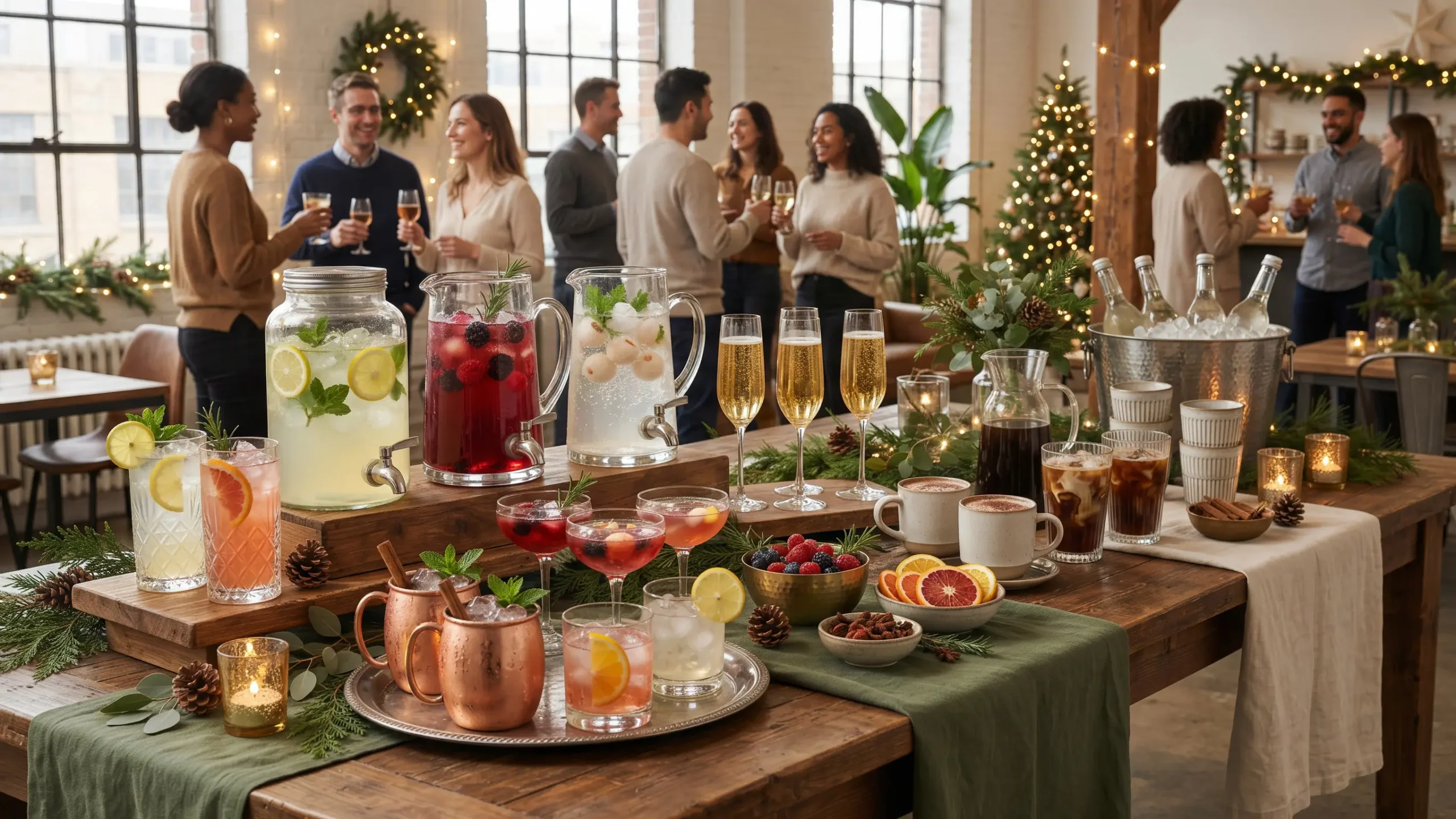
- Use large beverage dispensers for juice or mocktails so guests can serve themselves.
- Make sure mineral water is always visible and easily accessible.
Comparison Table: Beverage Requirements for 10, 20, and 50 Guests
Here is a summary of the simulations based on the calculations above (assuming a 3–4-hour event focused on non-alcoholic beverages and water):
| Number of Guests | Mineral Water (Estimated) | Soft Drinks (Estimated) | Juice / Sparkling Drinks (Estimated) | Planning Notes |
| 10 Guests | 10 Liters (20 bottles of 500 ml) | 5 Liters (16 cans of 330 ml) | 3.5 L (5 bottles of 700 ml) | Easy to manage using a standard household refrigerator. |
| 20 Guests | 20 Liters (40 bottles of 500 ml) | 10 Liters (31 cans of 330 ml) | 7 L (10 bottles of 700 ml) | Consider using one large mineral water gallon. |
| 50 Guests | 50 Liters (3 gallons of 19L) | 25 Liters (76 cans of 330 ml) | 17.5 L (24 bottles of 750 ml) | Requires cooler boxes and separate distribution points. |
This table is a simulation. Actual quantities can be adjusted according to room temperature and event activities.
How to Estimate Alcohol Requirements per Person
Calculating alcoholic beverage supplies is fundamentally different from calculating regular drinks. It is important to understand that alcohol requirements per person should never be treated as a target or minimum quota that guests are expected to consume.
- Cocktail Ratio: When serving spirits (such as Vodka or Gin from Vibe Liqueur & Spirits), remember that one 700 ml bottle can produce approximately 15–20 cocktail servings, based on a standard pour of only 30–45 ml per glass. The remaining glass volume is filled with ice and mixers (juice or soda).
- ABV (Alcohol by Volume): Each type of beverage has a different pure alcohol concentration (beer approximately 4–5%, wine 12–15%, liqueur 20–30%, and pure spirits up to 40%). Understanding ABV helps determine how strong a mixed drink will be.
- Mixer Factors: Adding more juice or soda to spirits does not reduce the total amount of pure alcohol consumed. It only increases the liquid volume and masks the strong taste.
- Individual Preferences & Health Risks: Not everyone drinks alcohol. A safer approach is to provide moderate quantities specifically for guests who have confirmed that they consume alcohol. There is no level of alcohol consumption proven to be risk-free. Planning should prioritize responsibility, ensure guest safety, and avoid pressuring anyone to finish the available supplies on the same night.
Tips for Preparing Drinks for a New Year’s Eve Party Without Overbuying
- Confirm Attendance: Create a confirmed guest list to make volume estimates more accurate.
- Stock Up on Mineral Water: Water is the top priority. Provide an extra supply.
- Choose Flexible Packaging: If refrigeration space is limited, combine larger liter-sized containers (for pouring into glasses) with individual-sized cans.
- Don’t Set Consumption Quotas: Let guests choose what they want to drink. Provide non-alcoholic options that are equally appealing.
- Check the Labels: Make sure all bottles being served have clear labels so guests know what they are consuming, especially when potential allergens are involved.
- Provide Food: Drinks, especially alcoholic beverages, should never be served without adequate food availability.
- Prioritize Safety: Do not allow guests below the legal drinking age to access alcohol. Always ensure safe transportation options are available for guests returning home.
Conclusion: Calculate Your New Year’s Eve Party Beverage Requirements Accurately
The success of an event is greatly supported by logical logistical planning. Determining how many bottles are needed for a party requires calculations based on the number of guests, beverage types, and celebration duration. The simulations for 10, 20, and 50 guests above can serve as an initial planning reference. Focus on providing plenty of mineral water and a variety of refreshing non-alcoholic beverages. By estimating the required volume and matching it with bottle sizes, your New Year’s Eve celebration can be lively, efficient, and safe while ensuring the comfort of every guest.
If you’re looking for more inspiration about the world of beverages, exciting entertainment venue recommendations, or the latest lifestyle tips, visit Wekendvibe. Discover more interesting guides to make every celebration even more memorable!
FAQ
1. How many bottles do you need for a party with 10 people?
For an event lasting 3–4 hours, prepare approximately 20 bottles of mineral water (500 ml), 16 cans of soft drinks (330 ml), and 5 bottles of juice or sparkling drinks (700 ml). These quantities provide a reasonable supply to support the basic hydration needs of all guests.
2. How many bottles of drinks are needed for a party with 20 people?
The recommended estimate is 40 bottles of mineral water (500 ml), 31 cans of soft drinks, and 10 bottles of non-alcoholic beverages (700 ml). Using large water gallons is more advisable for greater efficiency.
3. How many bottles are needed for a party with 50 people?
A gathering of 50 people requires approximately 3 gallons of mineral water (19 liters each), 76 cans of soft drinks, and 24 large bottles (750 ml) of juice or mocktails.
4. How do you calculate party drink measurements?
Multiply the number of guests by the estimated liquid consumption per person (for example, 1 liter of water and 500 ml of sweet beverages). Once you have the total liquid volume, divide that figure by the size of the beverage packaging you plan to purchase.
5. What factors influence beverage requirements per guest?
The main factors include party duration, weather or room temperature, the types of activities during the event, the variety of food served, and the availability of different beverage options.
6. Are alcohol requirements the same for everyone?
No. Alcohol consumption depends on personal choice and legal drinking age. Never establish an alcohol quota per person. Always prioritize providing mineral water and alternative beverages.
7. What are the most common bottle sizes used for parties?
The most commonly used packaging sizes are 330 ml for cans, 500 ml for medium-sized mineral water bottles, and 700–750 ml for juice, syrup, or glass bottles.
8. How do you prepare drinks for a New Year’s Eve party without overbuying?
Confirm the number of attending guests, use an accurate liquid volume estimation formula, provide larger-volume beverages instead of individual small packages to reduce costs, and avoid impulse purchases outside your shopping list.
9. Why should mineral water and non-alcoholic drinks be provided?
Mineral water is essential for hydration. Non-alcoholic beverages are important to ensure that all guests, regardless of their preferences or health restrictions, can safely participate in the celebration and enjoy the event together.