 Log in
 Register


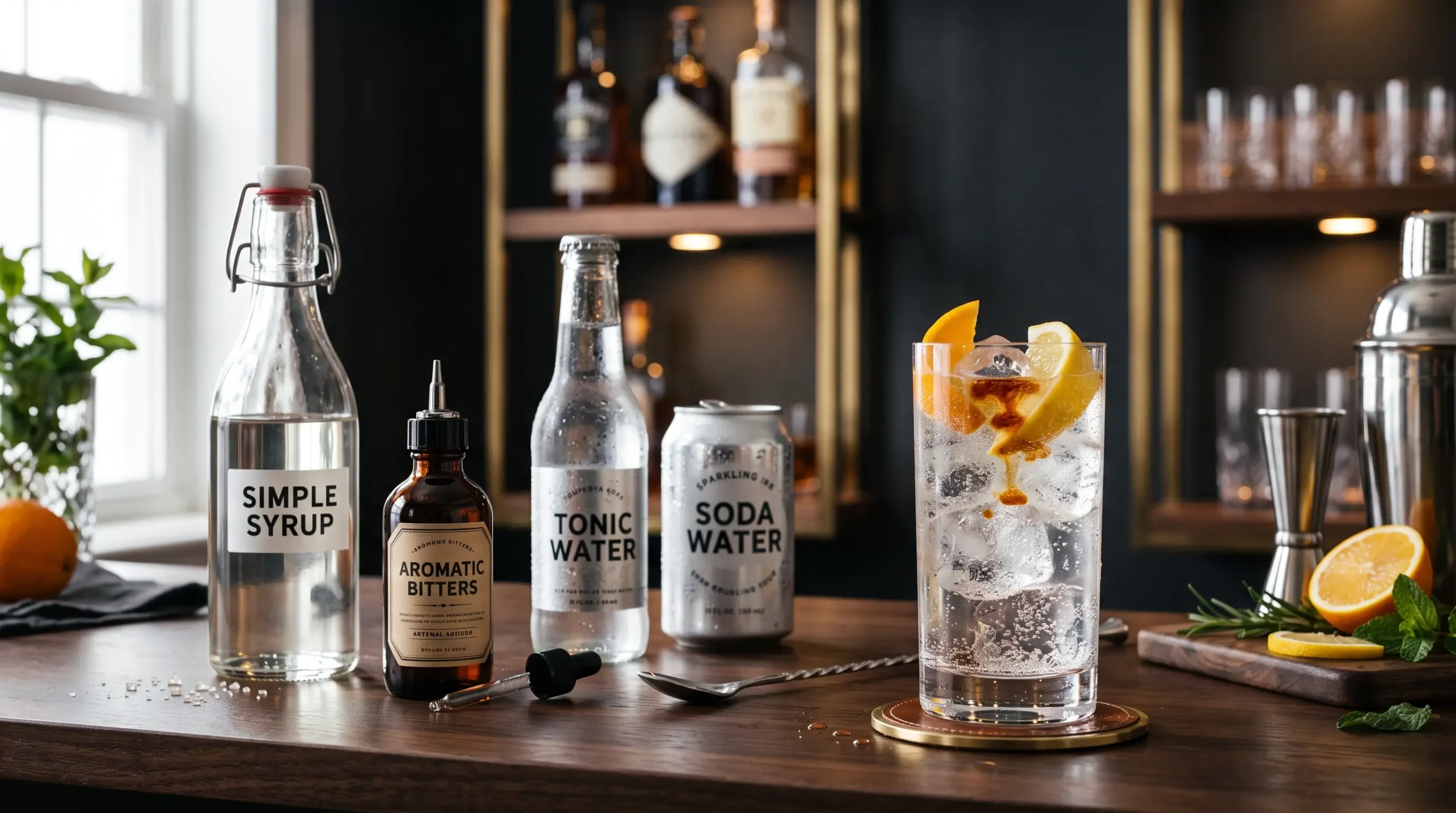
Have you ever tried making a cocktail at home, using expensive spirits, but the result felt like something was missing? It might taste too sharp, too flat, or not even blend well on the palate. This is the moment we realize that just having a collection of liquor is not enough to create an extraordinary mix. This is where the importance of understanding simple syrup, bitters, and mixers as supporting pillars in the world of mixology lies.
Why Are Simple Syrup, Bitters, and Mixers Important in a Home Bar?
Building a home bar is not just about collecting bottles of liquor with fantastic prices. The true key to good bar essentials is how you manage the supporting ingredients. Spirits are the foundation of a drink, like a blank canvas. However, it is the supporting ingredients that give color, dimension, and character to that canvas.
Using simple syrup, bitters, and mixers in a cocktail mix will help a bartender (both professional and amateur) to control various important elements. These elements include sweetness, acidity, bitterness, aroma, carbonation (soda sensation), dilution, and mouthfeel (the texture of the drink when it is in the mouth). Without these three basic cocktail ingredients, a mix will just be hard liquor without flavor harmony.
What is Simple Syrup?
For anyone just starting to learn how to make cocktails, simple syrup is the first ingredient that must be mastered. Simply put, this ingredient is a liquid sweetener made from a mixture of sugar and water. Because it is already in liquid form, this cocktail syrup dissolves very easily when mixed into a cold drink, something that is impossible to do if you use regular granulated sugar.
The main function of simple syrup is to provide flavor sweetness to balance other sharp elements, such as the acidity from lime juice (citrus) or the alcohol intensity from the spirit. Imagine a classic recipe like a Daiquiri or Whiskey Sour; without this ingredient, the drink would taste very sour and harsh on the throat.
Many beginners ask, why not just use granulated sugar directly? Crystal sugar requires warm temperatures to dissolve perfectly. If granulated sugar is put directly into a shaker filled with ice cubes, the sugar will not dissolve optimally. As a result, the drink will taste bland at first, but leave a sweet, sandy sediment at the bottom of the glass on the last sip.
The way to make simple syrup is very easy. Traditionally, the most commonly used ratio is 1:1 (one part sugar dissolved with one part hot water). However, this formula is not rigid. Depending on the bartender’s needs, there are many variations that can be created, such as rich simple syrup (thicker texture), honey syrup (using honey), and flavored syrups infused with other ingredients.
What are Bitters?
If sugar is salt in the culinary world, then bitters are the spices. This ingredient is a highly concentrated botanical extract that has intense flavors and aromas, ranging from bitter, herbal, spice, citrus, to floral characters. Because the flavor is very strong and complex, cocktail bitters are usually only used in very small amounts—measured in dashes (drops/splashes).
Its function is not to make the drink bitter overall, but rather to provide complexity, depth of flavor, and balance the drink’s profile. For example, in an Old Fashioned, a few dashes of aromatic bitters serve to bridge the strong whiskey character with the sweetness of the sugar, creating a unified whole flavor.
It is important to understand that although they contain alcohol (as a solvent for herbal extraction), this ingredient is not an alcoholic beverage that can be gulped directly. Pure bitters are flavoring agents specifically used in the context of mixing food or drinks. There are many flavor profiles on the market designed for different needs, making flavor exploration very broad.
What is a Mixer in a Cocktail?
The term cocktail mixer covers a very wide spectrum of non-alcoholic liquid ingredients, designed to be mixed with spirits. Its main function is to lengthen a drink, making the cocktail volume larger and its alcohol content friendlier to the palate.
The mixer categories are very diverse, some of the most popular include:
- Tonic water
- Soda water
- Ginger ale
- Ginger beer
- Cola
- Fruit juice (such as orange, cranberry, pineapple)
- Sparkling water
- Lemonade
- Various other types of non-alcoholic mixers
These types of cocktail mixers do not just add volume. This ingredient also functions to add carbonation, sweetness, acidity, aroma, and dilution which helps thin out the alcohol so it is not too pungent. In addition, thick fruit juices also significantly change the mouthfeel or texture of the mix itself.
One thing that needs to be emphasized: not all mixers are suitable to be paired with all spirits. Tonic water, which has a slightly bitter characteristic quinine flavor, will be brilliant when paired with gin, but not necessarily fitting if mixed with other spirits that have a rich sweet flavor character.
Simple Syrup vs Bitters vs Mixer — What is the Difference?
To facilitate understanding about this home bar equipment, here is a comparison table so you can see the function of each ingredient directly:
| Ingredient | Main Function | Flavor Character | Amount Used | Usage Examples | Impact on Cocktail |
| Simple Syrup | Provides liquid sweetener to dissolve evenly. | Pure sweet (neutral) or follows the flavor of infused ingredients. | Medium (usually 0.5 – 1 oz per glass). | Daiquiri, Gimlet, Mojito. | Balances sour/alcohol flavors, provides a little texture (body). |
| Bitters | Provides complexity, aroma, and bridges between flavors. | High concentrate: bitter, herbal, spice, or citrus. | Very little (1 – 4 dashes / drops). | Old Fashioned, Manhattan, Negroni. | Adds flavor dimensions, binds different elements into one harmony. |
| Mixer | Lengthens the drink, adds volume, and lowers alcohol intensity. | Varies (sweet from cola, sour from juice, neutral/carbonation from soda). | Large (usually 2 – 6 oz per glass). | Gin & Tonic, Rum & Coke, Moscow Mule. | Changes texture, adds fresh sensation (carbonation), dilutes the drink. |
How to Balance Cocktail Flavors
Learning to mix drinks is essentially learning about balance. A good cocktail does not always mean it has to be sweet, and a delicious drink does not always have to taste strong in alcohol. Instead, a perfect drink has the right balance between various sensory elements.
Harmony in a glass occurs when sweetness meets sourness/acidity. Acidity cuts through the sweet taste so it isn’t too thick, preventing nausea. On the other hand, bitterness can hold back excess sweetness and provide an elegant aftertaste.
Furthermore, the alcohol element (as the backbone) must be balanced with dilution (from melting ice cubes) so the drink doesn’t burn the throat. The carbonation sensation adds a light texture on the tongue, while the aroma prepares our sense of smell before the drink is sipped.
Types of Simple Syrups to Have in a Home Bar
Although called “simple”, cocktail syrups have many faces that can enrich your experiments. Not all liquid sweeteners are created with the same formula:
- Classic Simple Syrup: 1:1 ratio between hot water and white sugar. Neutral, light, and versatile.
- Rich Simple Syrup: 2:1 ratio (more sugar). Has a thicker (silky) texture and a longer shelf life in the refrigerator.
- Honey Syrup: A mixture of honey and warm water. Provides a touch of floral and earthy flavors suitable for whiskey or tequila.
- Ginger Syrup: Liquid sugar boiled with fresh ginger. Suitable for providing a warm and spicy effect.
- Vanilla Syrup: Infusion of vanilla extract or beans. Provides a sweet and creamy finishing aroma.
- Fruit-infused Syrup: Using fruits like raspberries or passion fruit to provide color and a fruity flavor.
- Herb-infused Syrup: Using mint, rosemary, or basil leaves for a fresh and botanical flavor profile.
Types of Bitters Beginners Should Know
Exploring types of bitters is one of the most fun parts when putting together beginner cocktail ingredients. It should be noted that the names and flavor profiles can differ sharply between producers:
- Aromatic Bitters: The most classic type with dominant aromas of cloves, cinnamon, and gentian.
- Orange Bitters: Provides an explosion of fresh orange peel aroma, with a touch of spice.
- Chocolate Bitters: Has notes of roasted cocoa and vanilla. Very elegant when paired with aged spirits.
- Grapefruit/Citrus Bitters: Sharper and zestier compared to orange bitters, incredibly refreshing for summer drinks.
- Herbal Bitters: Contains a mixture of leaves, roots, and seeds that provide an earthy and botanical sensation.
What Mixers Should Be on the Bar Shelf?
No need to buy out the entire supermarket. To start a solid home bar, prepare the following practical starter kit:
- Soda water (Club Soda): The most essential mixer. Provides carbonation without ruining the spirit’s original flavor.
- Tonic water: The eternal partner for clear spirit drinks. Has a distinct slightly bitter taste.
- Ginger ale or ginger beer: A must-have if you like Mule-style drinks.
- Cola: Practical to be paired with dark spirit-based drinks.
- Citrus juice: Fresh lemons and limes.
- Fruit juice: Pure cranberry or pineapple juice.
- Sparkling mixer: Carbonated water variants with a touch of natural fruit flavor without excessive added sugar.
How to Choose the Right Mixer?
Choosing the right pairing is not just randomly mixing two liquids. Pay attention to the following crucial factors:
- Sweetness & Acidity Levels: If the spirit used is already sweet, avoid solvent ingredients that are too loaded with sugar. Use fresh citrus juice to balance it with acidity.
- Carbonation: Adjust to the purpose of making the cocktail. Want a refreshing drink in hot weather? Choose one with a high carbonation level.
- Flavor Profile & Spirit Type: Citrus-based is generally very safe paired with clear spirits. Meanwhile, ginger-based options will shine very brightly with spirits that have spice elements.
- Ingredient Quality: Always prioritize quality ingredients. Cheap products often use excessive artificial sweeteners which ultimately ruin the quality of your expensive spirit.
Common Beginner Mistakes When Using Simple Syrup, Bitters, and Mixers
When first exploring mandatory home bar ingredients, there are some traps that are often unrealized:
- Too much simple syrup: Makes the drink feel sticky in the throat and kills the original flavor of the alcohol.
- Too much bitters: Because the concentrate is high, an excess of just a few drops can make the drink extremely bitter like herbal medicine.
- Using overly sweet mixers: Often happens when using commercial high-sugar boxed juices, destroying the flavor balance.
- Not paying attention to acidity: Forgetting to add sour elements makes the drink taste flat.
- Mixing too many flavors at once: Thinking that the more syrups and juices combined, the tastier it will be, when in fact it makes the flavors clash (muddy).
- Ignoring dilution: Not doing the shaking or stirring process with ice cubes long enough, making the temperature not cold enough and the alcohol taste too pungent.
- Not paying attention to carbonation: Using soda water that has been open for a long time so the drink loses its crisp and refreshing sensation.
- Using ingredients that have lost freshness: Using leftover squeezed citrus from yesterday that has oxidized.
Ready to Create the Perfect Cocktail at Home?
Building your dream home bar and mixing a balanced cocktail requires no magic at all. By understanding the crucial role of simple syrup as a sweetness balancer, bitters as a carrier of aroma depth, and mixers to adjust texture and volume, anyone can create professional bar-style quality drinks. The key is the willingness to keep experimenting and find the flavor harmony that best fits your palate. After mastering these supporting ingredients, the next step is certainly choosing a quality spirit as the main star. Vibe Liqueur & Spirits can be the perfect choice to complete your home bar shelf. As an Indonesian local alcoholic beverage brand that has won various international awards, VIBE offers a wide collection of flavor variants with various levels of alcohol content. The flexibility of this product makes it highly ideal for exploring various cocktail recipes, from classic mixes to modern creations. For further drink mixing references or simply looking for inspiration for relaxing places, make sure to always visit Wekendvibe. There, you can get the most updated information regarding interesting venue recommendations, cocktail recipe guides, as well as various other unique information surrounding today’s lifestyle and entertainment. Let’s complete your home bar now and create unforgettable mixing moments!
FAQ
What is simple syrup in a cocktail? Simple syrup is a liquid sweetener made from a mixture of sugar and water (usually a 1:1 ratio). Its function is to provide a sweet taste that is easily soluble and evenly distributed perfectly in cold drinks.
What is the function of bitters in a cocktail? This ingredient functions to provide flavor complexity, a rich botanical aroma, and to balance sweet and alcohol elements in a drink, just like spices in the culinary world.
What is meant by a mixer in a cocktail? A mixer is a non-alcoholic liquid ingredient (such as soda water, fresh juice, or tonic water) mixed with spirits to add volume, provide additional flavors, and lower the overall alcohol content.
What is the difference between simple syrup and regular sugar? Simple syrup is already in liquid form so it dissolves very quickly and easily in low-temperature drinks. Conversely, granulated (crystal) sugar is very difficult to dissolve in cold drinks and often leaves sandy sediments at the bottom of the glass.
What cocktails are bitters used for? This ingredient is very frequently used in spirit-forward classic cocktails (prioritizing the alcohol flavor) such as the Old Fashioned, Manhattan, and Negroni, as well as other modern drinks to add flavor dimensions.
What mixers are suitable for beginners? For the initial stage, soda water, tonic water, cola, ginger ale, and fresh lime juice are the safest, most versatile choices, and are easy to get anywhere.
What are the mandatory ingredients for a home bar? Mandatory ingredients include one or two types of base spirits (like vodka or gin), simple syrup, aromatic bitters, a variety of basic carbonated mixers, fresh citrus fruits for acidity, and a supply of clean ice cubes.
Do all cocktails require bitters? No. Although its use is very popular among bartenders, not all recipes are suitable for using them. High-volume refreshing drinks like Margaritas or Mojitos generally do not require this ingredient.
Is tonic water considered a mixer? Yes, tonic water is a type of carbonated variant that has a slightly bitter flavor profile thanks to its quinine content. This ingredient is very popular to be paired with gin.
How do you make simple syrup? Mix one part white sugar with one part hot water in a container. Stir slowly until all sugar crystals dissolve perfectly into a clear liquid. Cool before use and store in the refrigerator.
What makes a cocktail taste balanced? Balance is achieved when no single element (sweet, sour, bitter, or alcohol) overly dominates the taste; everything complements each other, bridges one another, and blends smoothly on the palate.