 Log in
 Register


Vodka is one of the most popular and versatile distilled spirit categories in the world. From high-end bar tops in New York to traditional taverns in Eastern Europe, vodka is often the top choice as a base for various cocktail recipes or enjoyed neat. Its popularity stems from its adaptive and flexible nature when mixed with other ingredients.
However, behind its popularity, vodka is often shrouded in misconceptions. Many people consider this drink to be merely pure alcoholic liquid without character, or assume that all vodka is exclusively made from potatoes. For a beginner just looking to understand the world of spirits, the diversity of labels and terms available on the market can certainly be confusing.
What is vodka actually made of? Why is its category often called a neutral spirit? How does its production process shape its texture and aroma? This article serves as a complete guide to answering all these questions in a comprehensive, objective, and easy-to-understand manner.
What Is Vodka?
Vodka is a clear, high-proof distilled spirit produced from the fermentation and distillation of agricultural ingredients rich in starch or sugar. The main character of vodka is its relatively neutral profile meaning this liquid does not have an overly pronounced aroma, color, or sweet taste compared to other types of spirits like whisky or rum.
Concise Definition (Featured Snippet Optimization):
Vodka is a clear distilled spirit category made from the fermentation and distillation of starch- or sugar-rich agricultural materials, such as wheat, rye, corn, or potatoes. Vodka generally has an alcohol content (Alcohol by Volume or ABV) ranging from 37.5% to 40%, and is known for its relatively neutral flavor and aroma profile.
Although often labeled as a tasteless drink, the character of modern vodka actually depends heavily on the quality of the water, raw materials, distillation level, and filtration techniques used by the distillery. According to international regulations, such as those of the European Union or the Alcohol and Tobacco Tax and Trade Bureau (TTB) in the United States, vodka must be distilled to a minimum alcohol content of 95% ABV before being diluted with pure water until ready for bottling at a minimum of 37.5% or 40% ABV.
What Is Vodka Made Of?
Technically, vodka can be made from any agricultural raw material containing sugar or starch that can be converted into fermentable sugars. Nevertheless, there are several primary raw materials most commonly used in global vodka production.
Each base ingredient provides a distinct impression of texture (mouthfeel) and character to the final product:
| Base Ingredient | General Flavor Profile Character | Example Vodka Style / Origin |
| Wheat | Smooth, clean, with hints of fresh bread and a slight sweetness on the finish. | Western / Scandinavian Style Vodka |
| Rye | Features a light spicy character, slightly peppery, and rich in texture. | Traditional Polish Style |
| Potato | Texture tends to be creamy, full-bodied, and has an earthy character. | Traditional Polish / Craft Style |
| Corn | Tends to be soft, crisp, and has a touch of natural sweetness. | American Style Vodka |
| Barley | Light, with a touch of fresh acidity, and a smooth finish. | Finnish / Northern European Style |
In addition to the ingredients above, some innovative craft vodka producers also use fruits like grapes or apples as their primary base ingredients.
How Is Vodka Made?
The vodka production process focuses on achieving a high level of alcohol purity through precise scientific techniques. Here are the main stages in making vodka:
- Raw Material Selection & Mashing
Raw materials such as wheat or potatoes are crushed and cooked with warm water. This process is called mashing, where natural enzymes break down complex starches into simple sugars ready for yeast processing. - Fermentation
Yeast is added to the cooled mash mixture. The yeast consumes the sugar and converts it into alcohol and carbon dioxide over several days. The result of this stage is a low-alcohol fermented liquid similar to pure unhopped beer. - Distillation
The fermented liquid is heated in a distillation apparatus (column still or pot still). Because alcohol evaporates at a lower temperature than water, alcohol vapor is collected and condensed back into liquid. The distillation process is repeated multiple times—sometimes dozens of times in a multi-column system—until reaching a minimum purity of 95% ABV to eliminate impurities (congeners). - Filtration and Dilution
After distillation, the high-purity alcohol (neutral spirit) has its alcohol level lowered using pure water (demineralized water). Many producers filter this liquid using activated charcoal, quartz stones, or other filtration media to absorb remaining impurities and smooth out the texture of the drink. - Bottling
Once the alcohol content (vodka ABV) reaches the desired standard (usually 40%), vodka is bottled directly without undergoing an aging process in wooden barrels, unlike whisky or brandy.
What Does Vodka Taste Like?
The question of what vodka tastes like often triggers debate. When tasted by beginners, the primary perception that arises is usually the warm sensation of alcohol in the throat (burn). However, when observed more closely, vodka’s flavor offers interesting subtleties.
Specifically, the organoleptic profile of vodka includes several key elements:
- Aroma: A clean alcohol aroma with subtle hints of bread dough (in wheat vodka), pepper (in rye vodka), or a very faint grain aroma.
- Texture (Mouthfeel): The sensation of the liquid in the mouth can vary, ranging from sharp and crisp to thick, slick, or creamy.
- Finish: The sensation after swallowing. High-quality vodka usually provides a comfortable warmth without leaving an unpleasant bitter or excessively acidic aftertaste.
The use of the term neutral spirit in the alcohol industry is not an indication that vodka is 100% devoid of flavor, but rather a marker that the drink is not dominated by pungent added flavors.
Types of Vodka Beginners Should Know
To make it easier to understand, types of vodka can be categorized based on their base ingredients and processing methods.
Based on Raw Materials
- Grain Vodka: The most common type on the market, made from wheat, rye, or corn. Produces a clean flavor and is ideal for mixing.
- Potato Vodka: Made from potatoes. This type offers a richer and thicker texture, perfect for drinkers who enjoy a full-bodied drink character.
Based on Character and Properties
- Classic / Unflavored Vodka: Pure vodka without added flavorings. The main focus is on the flavor clarity of the base ingredients and the water purity level.
- Flavored Vodka: Vodka that has been infused or enhanced with natural or artificial flavor extracts, such as lemon, vanilla, berry, or cucumber.
- Premium & Craft Vodka: A marketing category referring to vodka produced in small batches, using water from special natural springs, or subjected to repeated filtration processes to achieve extra smoothness.
What Is the Difference Between Russian and Polish Vodka?
Two countries frequently associated as the birthplace of vodka are Russia and Poland. The debate over vodka’s history and which country produced it first has lasted for centuries. Written historical records in Poland document the term wódka as early as the 15th century, while Russia has a tradition of making bread wine (polugar), which became the precursor to modern vodka.
Broadly speaking, the difference in traditional styles between the two countries is reflected in their production methods:
- Traditional Polish Style: Places greater emphasis on highlighting the character of the raw materials. Polish producers are highly skilled in processing rye to produce a spicy character and potatoes to produce a creamy texture.
- Traditional Russian Style: Tends to prioritize absolute purity and smoothness. Russian-style vodka generally uses wheat or barley and undergoes strict filtration to achieve a minimal profile.
Modern Vodka Development and the Existence of Local Spirits
Although Eastern European boundaries dominate classic vodka history, the global spirits stage today has evolved rapidly. High-quality vodka is no longer produced solely in Russia or Poland, but also across various parts of the world with strict international distillation standards.
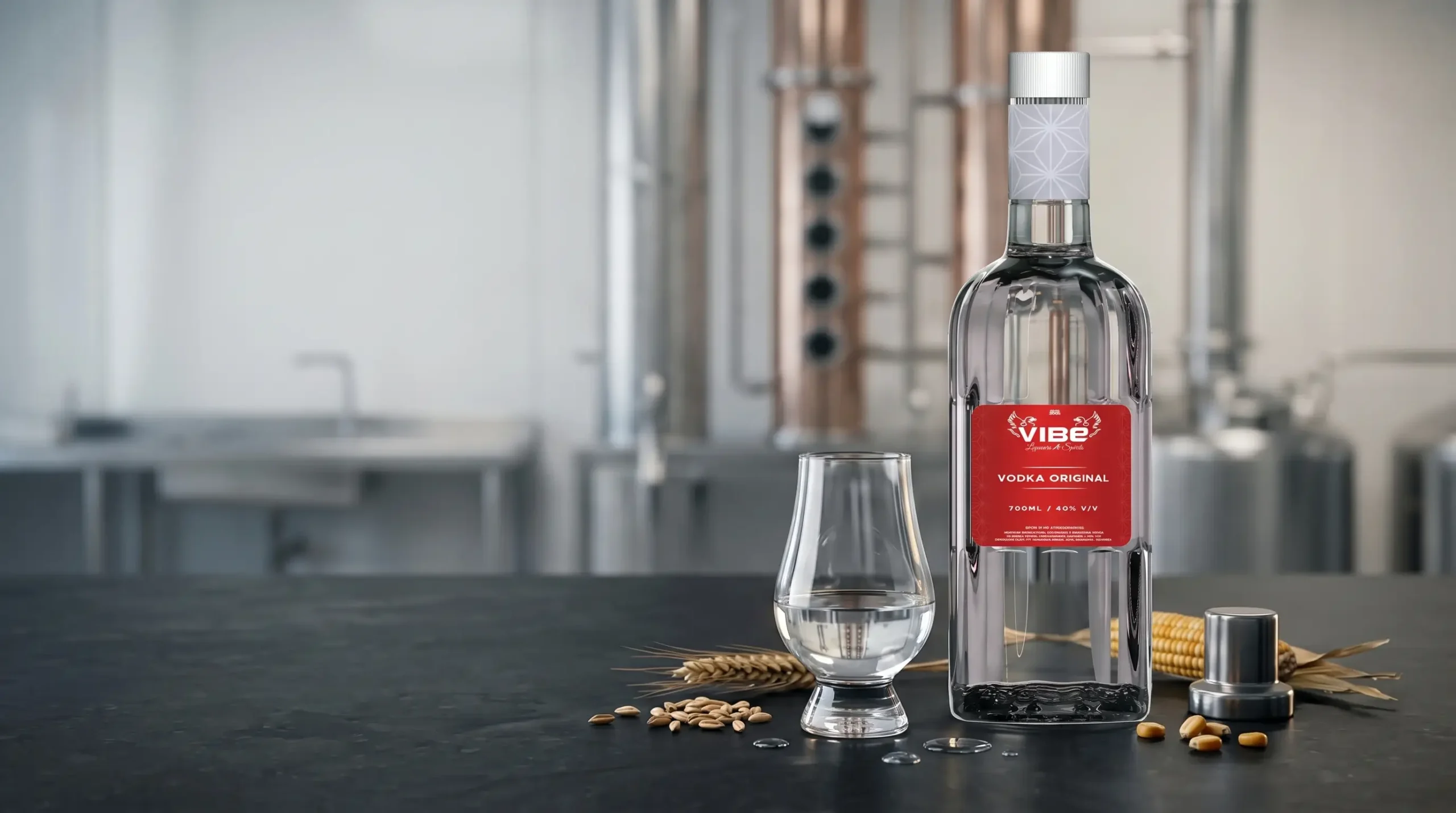
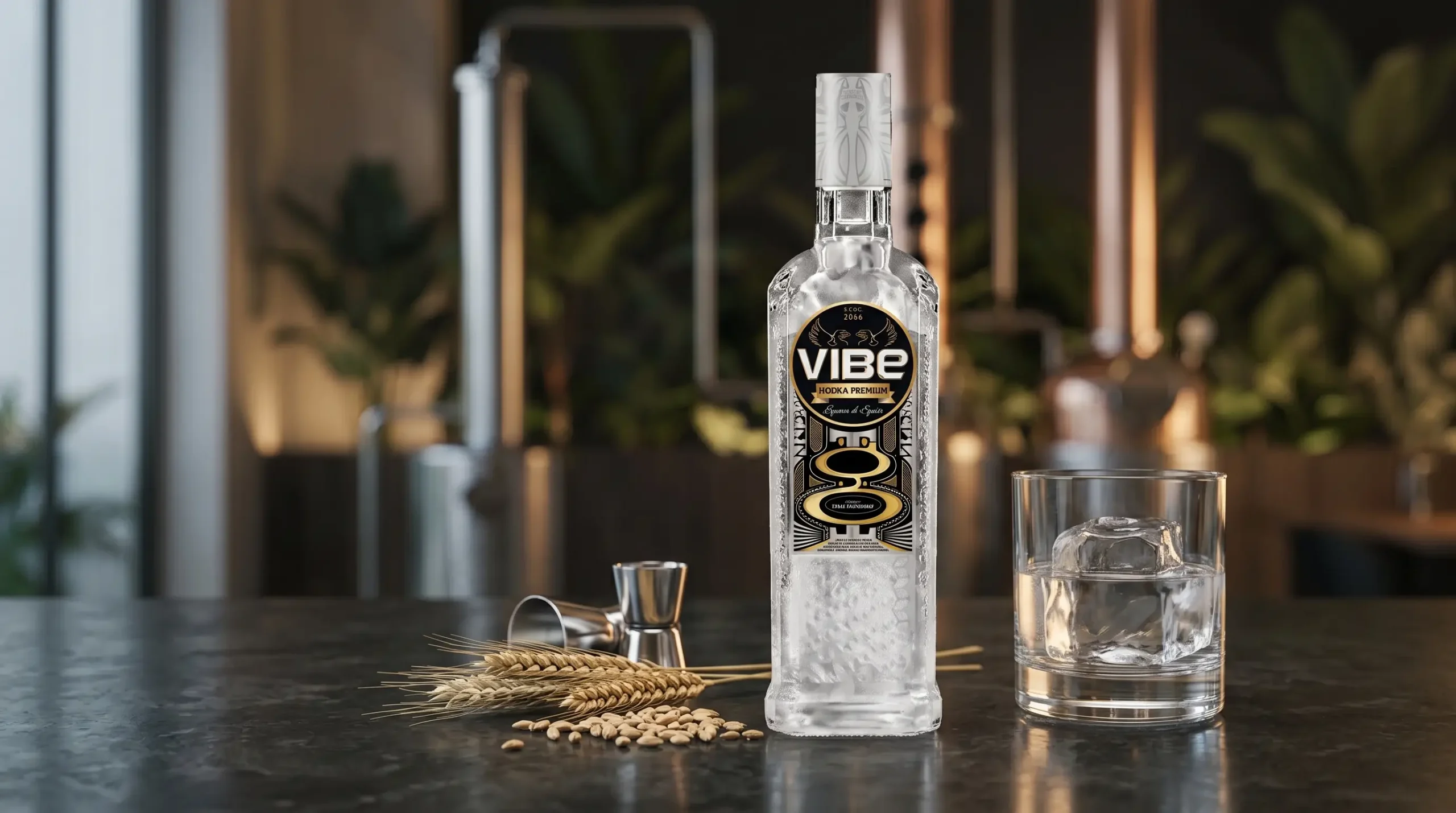
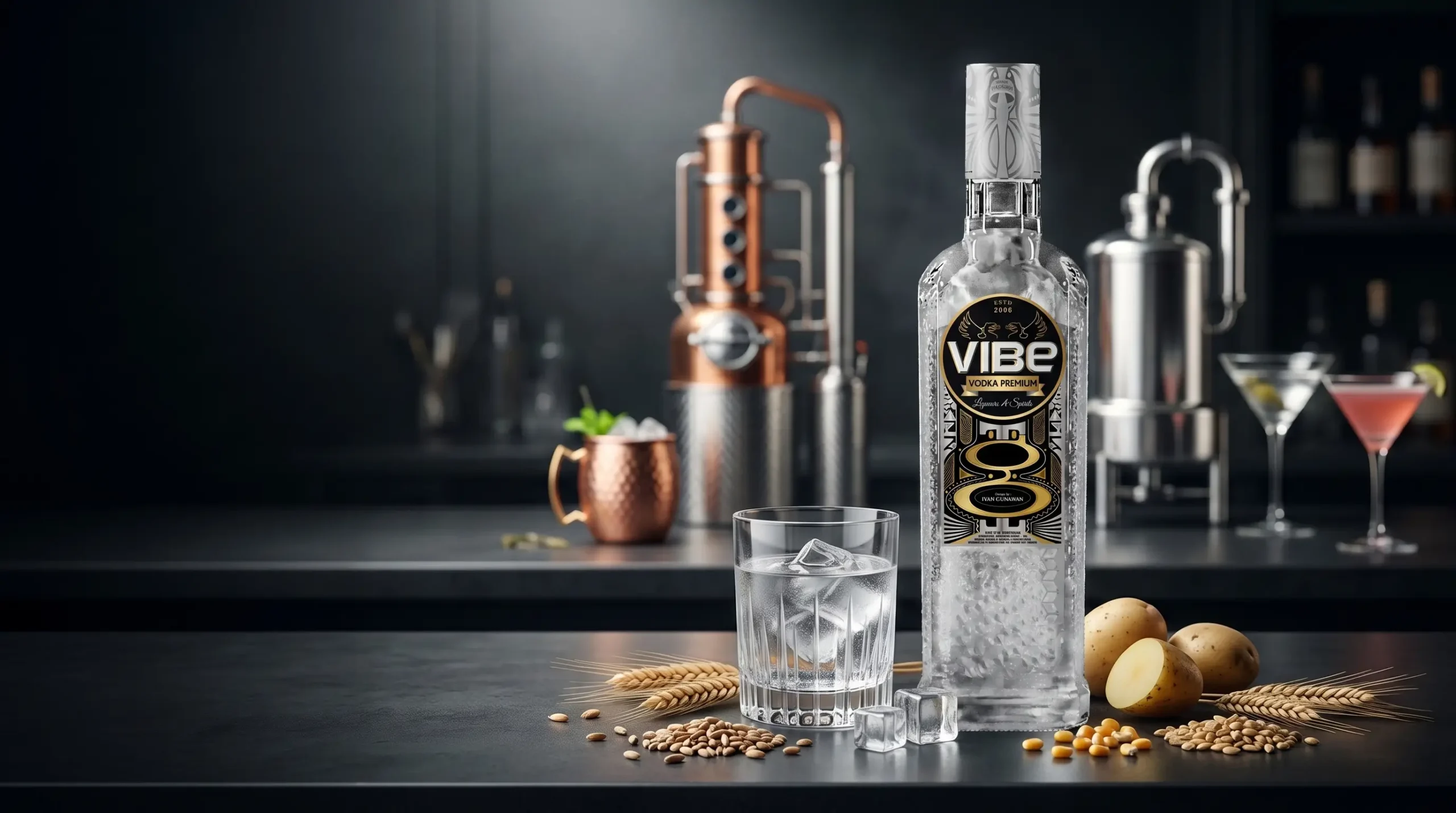
Indonesia, for example, has put its name on the world spirits map through the presence of Vibe Vodka and Vibe Premium Vodka. Crafted by local producer Vibe Liqueur & Spirits using modern distillation and filtration standards, this product line proves that local products can compete globally. This is demonstrated by Vibe Vodka’s success in winning various international awards, such as high scores at the Ultimate Spirits Challenge in New York and prestigious accolades at the Asia International Spirits Competition. The presence of these variants serves as proof that a clean and smooth vodka profile can now be accessed from domestic products with world-recognized quality.
How to Drink Vodka?
There is no single absolute way to enjoy an alcoholic beverage. Serving choices depend heavily on personal preference and setting. Here are several common ways to drink vodka:
- Neat (Room Temperature): Drinking vodka straight from a shot glass without ice or any mixer at room temperature. This method is usually used by professionals to evaluate the pure flavor quality of vodka.
- Chilled: The vodka bottle is stored in the freezer prior to serving. The cold temperature thickens the liquid’s texture and dampens the alcohol burn, making it very enjoyable to sip slowly.
- On the Rocks: Served over ice cubes in an old fashioned glass. The melting ice gradually lowers the alcohol concentration and opens up the aroma character of the vodka.
- With a Mixer: Mixed with non-alcoholic beverages like club soda, tonic water, orange juice, or ginger beer. This is the most beginner-friendly method for drinking vodka.
What Cocktails Use Vodka?
Its neutral nature makes vodka the most popular base spirit in the world of mixology. It elevates the flavors of other mixed ingredients without overpowering the overall flavor profile.
Here are several iconic vodka cocktail examples:
- Moscow Mule: A combination of vodka, ginger beer, and fresh lime juice served in a copper mug. Yields a spicy, refreshing, and crisp flavor.
- Vodka Martini: A classic blend combining vodka with dry vermouth, served cold with an olive or lemon twist garnish.
- Bloody Mary: A savory cocktail blending vodka with tomato juice, Worcestershire sauce, hot sauce, and spices.
- Cosmopolitan: A popular mix consisting of vodka (often citrus-flavored), triple sec, cranberry juice, and fresh lime juice.
- Espresso Martini: A mix of vodka, coffee liqueur, and fresh espresso shaken until frothy. Delivers a rich balance of sweet and bitter flavors.
- Vodka Soda: A simple drink combining vodka, club soda, and a splash of squeezed lemon or lime. Very low in calories and highly refreshing.
What Is the Difference Between Vodka and Other Spirits?
To understand vodka’s position on the world spirits map, it is important to compare it with other popular alcoholic beverages:
| Spirit | Primary Raw Material | Primary Flavor Profile | Production Characteristics | Classic Cocktail Examples |
| Vodka | Wheat, Rye, Potato, Corn | Neutral, clean, subtle | Distilled to high ABV, unaged | Moscow Mule, Cosmopolitan |
| Gin | Grains | Juniper-forward, herbal, botanical | Botanical infusion during distillation | Gin & Tonic, Negroni |
| Rum | Sugarcane / Molasses | Sweet, caramel, fruity | Sugarcane fermentation, often aged | Mojito, Daiquiri |
| Whisky | Barley, Corn, Rye | Woody, vanilla, smoky, spicy | Must undergo oak barrel aging | Old Fashioned, Manhattan |
| Tequila | Blue Agave Plant | Earthy, vegetal, rich | Distilled from the agave heart (piña) | Margarita, Paloma |
Is All Vodka Neutral in Taste?
Although vodka is technically defined as a neutral spirit, in reality, not all vodka tastes completely neutral.
Several internal factors influence the final flavor of vodka:
- Water Mineral Selection: Water makes up about 60% of a vodka bottle’s contents. Water rich in natural minerals like calcium or magnesium provides a different mouthfeel compared to reverse-osmosis-filtered water.
- Distillation Count: The more times distillation is carried out, the more natural raw material character is stripped away. Producers who want a flavor-rich vodka limit distillation stages to a measured level.
- Filtration Method: Filtration using birch charcoal, volcanic rock, or crystals can alter the liquid’s smoothness and acidity levels.
How to Choose Vodka for Beginners
For beginners looking to buy their first bottle of vodka, here are some practical guidelines:
- Determine the Purpose: If you want to make cocktails with strong fruity flavors, an entry-level wheat-based vodka is more than sufficient. However, if you want to drink it neat or make a Vodka Martini, choose a premium vodka with a smoother texture profile.
- Pay Attention to Base Ingredients: Choose wheat vodka for a lighter, smoother feel, or potato vodka if you prefer a denser, creamier texture.
- Consider Unflavored vs. Flavored: Beginners unaccustomed to pure alcohol burn can start with flavored vodka (such as lemon or raspberry) for a friendlier taste introduction.
- Match Your Budget: A higher price tag does not always guarantee personal satisfaction. Many mid-range vodkas offer very high production quality and smooth drinkability.
Vodka for Neat Drinking vs. Cocktails
The characteristics of ideal vodka for drinking neat differ from those suitable for mixed cocktails:
Vodka for Neat Drinking
- Requires high smoothness (ultra-smooth).
- Minimal burn sensation in the throat.
- Offers a pleasant texture when served chilled (velvety/creamy).
- Usually belongs to the craft or super-premium category.
Vodka for Cocktails
- Requires a neutral character so as not to overpower mixer flavors.
- Has a solid alcohol level (40% ABV) so the cocktail structure doesn’t taste diluted when shaken with ice.
- Economical and versatile for various drink recipes.
Ready to Explore the World of Vodka?
Understanding what vodka is opens up a new perspective: this clear distilled spirit is far from boring. From base material choices like wheat, rye, or potato to precise distillation and filtration techniques, every element plays a crucial role in creating its signature texture and smooth flavor. Its fundamentally neutral yet elegant character makes vodka the most versatile foundation in the world of mixology.
For drinkers wanting to explore spirits without feeling overwhelmed, Vibe Liqueur & Spirits serves as an ideal choice. As an Indonesian local alcohol brand that has won multiple international awards, Vibe delivers Vibe Vodka and Vibe Premium Vodka with world-class standards. In addition to pure vodka, Vibe also offers a variety of flavored spirits with varying alcohol by volume (ABV), giving you the freedom of expression to create your favorite cocktail recipes at home or for professional bartending needs.
Ready to begin your flavor adventure and discover your favorite mix? Visit WekendVibe now for recommended nightlife venues, creative cocktail recipes, and unique insights into lifestyle and spirits culture!