 Log in
 Register



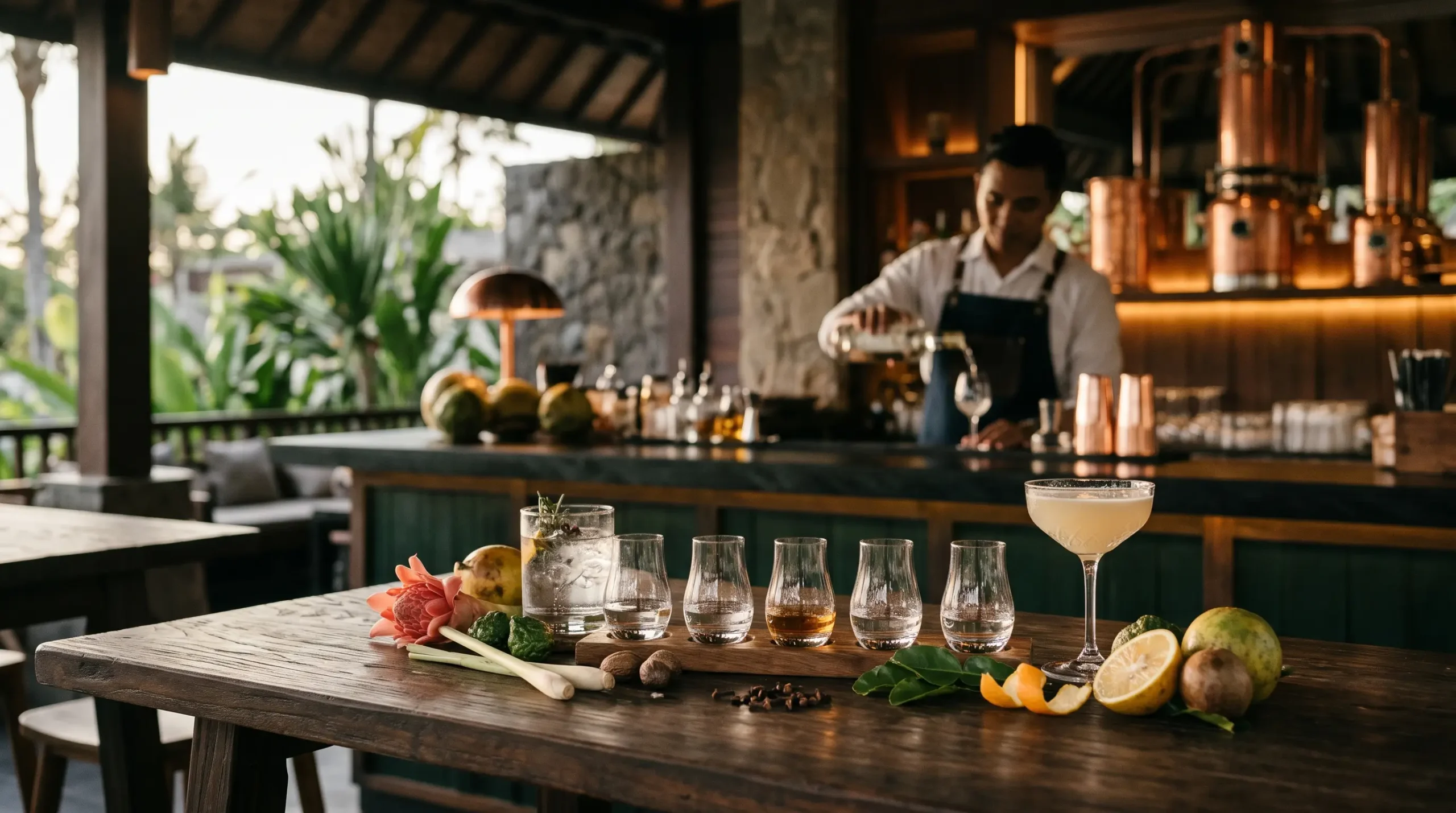
Bali has long been recognized as a world-class destination for beach clubs and cocktail culture. However, the Island of the Gods is now experiencing an exciting evolution in its hospitality industry, particularly within the craft spirits scene. For adult travelers and food and beverage enthusiasts, discovering places to sample local spirits in Bali has become an increasingly popular culinary experience.
A Bali spirits tasting offers much more than simply enjoying a drink at the end of the day. It is a sensory journey into Indonesia’s distinctive botanical ingredients, traditional distillation heritage, and modern distilleries gaining international recognition. From exclusive tasting rooms located inside distilleries to cocktail bars that highlight the character of local spirits, this guide explores some of the ways to discover Indonesia’s spirits culture in Bali.
Whether you are interested in traditional arak, contemporary botanical gin, or innovative cocktails made with locally produced spirits, Bali offers several types of venues to explore. Understanding the differences between them can help you choose a Bali tasting experience that suits your interests.
What Is Bali Spirits Tasting?
Simply put, Bali spirits tasting is an educational and sensory experience in which visitors sample, evaluate, and learn about different types of locally produced spirits.
Unlike casual drinking at a nightclub, a tasting experience generally follows a more structured format. Visitors may learn about the ingredients, production methods, aromas, and flavor profiles of each spirit.
Common tasting formats in Bali include:
- Guided Tasting: A tasting session led by a spirits expert, brand ambassador, or head bartender who explains the ingredients, production techniques, and characteristics of each drink.
- Tasting Flight: Several spirits served in small tasting portions, usually around 15–30 ml each, allowing guests to compare different flavor profiles side by side.
- Distillery Visit: A guided tour of a production facility or distillery, often followed by product sampling in a dedicated tasting room.
- Cocktail Pairing: An opportunity to experience local craft spirits in carefully prepared cocktails designed to highlight their distinctive characteristics, sometimes accompanied by complementary dishes.
For travelers who want to understand how Indonesian spirits are made, visiting a distillery can be particularly rewarding. Meanwhile, those more interested in mixology may prefer a cocktail bar that showcases local ingredients and contemporary techniques.
Why Is Tasting Local Spirits in Bali Worth Experiencing?
Domestic and international travelers are increasingly interested in local spirits in Bali, and for good reason. The growing appreciation for regional ingredients, cultural heritage, and artisanal production has made locally produced spirits an interesting part of the island’s food and beverage scene.
Some of the main reasons to explore this category include:
- Discovering Indonesian Botanicals: Local spirits may incorporate distinctive Indonesian ingredients such as torch ginger, pomelo, andaliman pepper, nutmeg, and kaffir lime leaves. These botanicals can create aromatic profiles that differ from those commonly associated with European spirits.
- Understanding Beverage Culture: Learning about traditional drinks such as arak offers insight into local agricultural traditions, cultural practices, and community heritage.
- Supporting Local Craftsmanship: Participating in a tasting can help introduce visitors to local distillers, producers, farmers, and beverage innovators working within Bali’s hospitality ecosystem.
- Exploring Modern Mixology: Bali’s bartending scene provides opportunities to experience Indonesian spirits in contemporary cocktails, where local ingredients meet international techniques.
The appeal of Bali craft spirits lies in the combination of local resources and creative experimentation. Rather than simply replicating established international styles, some producers and bartenders use Indonesian botanicals and traditional ingredients to develop distinctive expressions.
Types of Local Spirits You Can Discover in Bali
Before visiting a spirits bar in Bali, it helps to understand the main categories that may appear on tasting menus.
1. Bali Arak
Arak is one of the most recognizable traditional Balinese spirits. Traditionally, it is produced by fermenting and distilling ingredients such as palm sap, coconut sap, or rice, depending on the producer and method.
Some licensed producers now make arak using more standardized production processes and contemporary quality controls. Depending on its ingredients and production method, arak may display floral, earthy, herbal, or naturally sweet characteristics.
For visitors interested in traditional Indonesian beverages, an arak tasting can provide an introduction to Bali’s distilling heritage.
2. Local Gin
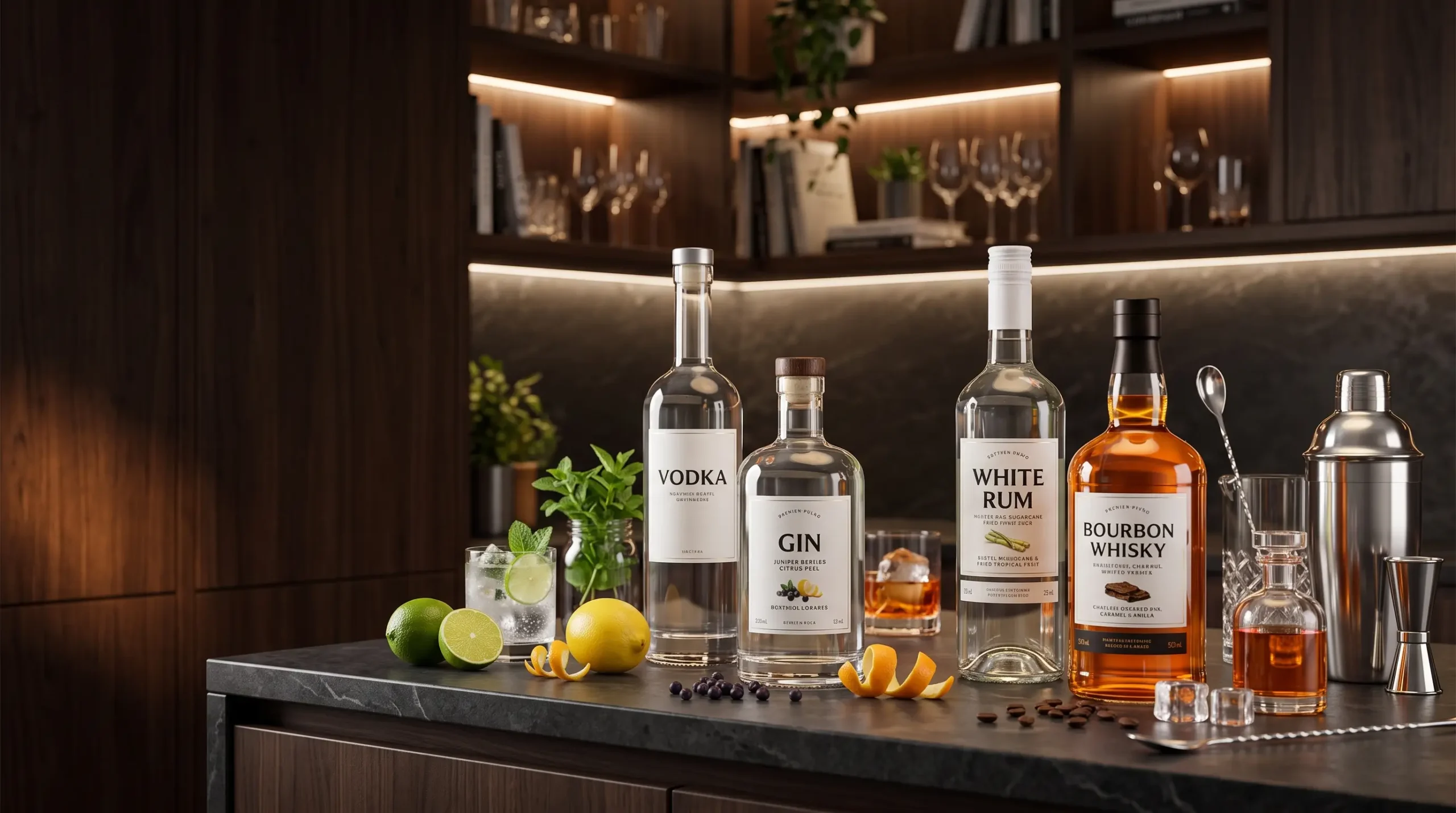
Bali has an emerging craft gin scene, with producers experimenting with botanical ingredients inspired by the Indonesian archipelago.
Gin typically uses juniper as its defining botanical, combined with other ingredients to create a broader flavor profile. Local expressions may incorporate Indonesian herbs, spices, and citrus elements, resulting in aromatic profiles suited to both tasting flights and tropical cocktails.
3. Local Vodka
Some distilleries produce vodka using locally sourced agricultural ingredients, which may include grapes or sugarcane, depending on the production process.
Vodka is generally known for its relatively neutral flavor profile, although the raw materials, distillation process, and filtration methods can influence its texture and finish.
If you are comparing local spirits, tasting vodka alongside gin or arak can help illustrate the differences between neutral spirits and those with more pronounced botanical or ingredient-driven characteristics.
4. Rum and Spiced Rum
Indonesia’s agricultural resources include sugarcane and spices such as cloves, cinnamon, and vanilla. These ingredients can contribute to the character of locally produced rum and spiced rum.
Depending on the production and aging process, rum may offer notes ranging from fresh sugarcane and caramel to dried fruit, vanilla, and warming spices. These flavor profiles can work particularly well in tropical cocktails.
5. Infused Spirits and Liqueurs
Some bars create their own infused spirits by steeping ingredients such as fresh tropical fruit, Kintamani coffee, or locally sourced cacao in a base spirit.
Liqueurs may also incorporate fruit, herbs, spices, coffee, or other flavoring ingredients. They can offer a different tasting experience from traditional spirits, especially for visitors who prefer more aromatic, fruity, or sweet flavor profiles.
Where to Experience Local Spirits in Bali
Choosing the right venue is essential to creating a memorable Bali tasting experience. Some venues focus on production and education, while others emphasize cocktail craftsmanship and hospitality.
The following venues are featured in the source guide as examples of places to explore, organized by the type of experience they offer. Availability, tasting programs, and booking policies should be verified directly with each venue before visiting.
1. Distilleries and Tasting Rooms
A distillery visit is an excellent option for travelers who want to see production equipment and learn about spirits directly from the source.
If you are specifically searching for a tasting room in Bali, start by checking distilleries that offer guided visits or product-sampling sessions. Not every production facility has a public tasting room, so confirm access and availability in advance.
Spice Islands Distilling Co.
- Location: Gianyar, Bali.
- Types of Spirits: Craft gin, including East Indies Gin; white rum, including Nusantara; and coffee liqueur.
- Tasting Experience: Distillery tours and guided tasting flights.
- Experience Highlight: The facility features a modern distillation setup with a German-made copper still named “Gudrun.” Visitors may be able to learn about gin production and the use of local Balinese botanicals, including torch ginger, before enjoying a tasting session.
- Reservations: Advance booking is recommended; confirm the current requirements through the official website.
For travelers interested in craft spirits in Bali, a distillery visit offers a closer look at how ingredients, distillation techniques, and production decisions influence the final spirit.
Sababay Distillery & Winery
- Location: Gianyar, Bali.
- Types of Spirits: Vodka, including Saba Vodka; grappa, including Saba Grappa; liqueurs; and locally produced wine.
- Tasting Experience: Winery tours, spirits tastings, and pairing experiences.
- Experience Highlight: In addition to producing wine, Sababay uses local grapes in the production of spirits such as grappa and vodka. A visit may provide insight into the broader production journey, from agricultural ingredients to the finished bottle.
- Reservations: Booking through the official website is recommended; confirm the availability of spirits tastings before visiting.
This venue may appeal to visitors who want to understand the relationship between local agricultural resources and modern beverage production.
2. Cocktail Bars Featuring Local Spirits
For visitors who prefer experiencing spirits in finished drinks, a cocktail bar may be a better choice than a production facility.
These venues focus on mixology, ingredient selection, and the creative use of Indonesian spirits. They can be particularly interesting for travelers exploring the relationship between traditional ingredients and contemporary cocktail culture.
Akademi Bar at Desa Potato Head
- Location: Seminyak, Bali.
- Types of Spirits: Premium Balinese arak and infused local spirits.
- Tasting Experience: Arak tasting flights and mixology education.
- Experience Highlight: Akademi is positioned as a hub for exploring local mixology and promoting Balinese arak. Depending on the current menu, visitors may encounter house-infused arak featuring ingredients such as forest honey or salak, accompanied by explanations from experienced bartenders.
For those looking to understand how traditional spirits can be incorporated into modern drinks, this type of experience offers a useful introduction to local cocktail craftsmanship.
Night Rooster by Locavore
- Location: Ubud, Bali.
- Types of Spirits: Craft spirits from Bali and botanical infusions.
- Tasting Experience: Cocktails highlighting distinctive local ingredients.
- Experience Highlight: Night Rooster is associated with a creative approach to local ingredients. The experience centers on how regional spirits and botanicals can be transformed into cocktails that reflect Indonesia’s culinary landscape.
Rather than focusing exclusively on drinking spirits neat, a visit to this type of venue can demonstrate how a bartender balances aroma, sweetness, acidity, bitterness, and texture to create a finished cocktail.
3. Hotel Bars and Premium Hospitality Venues
Some premium hotel bars provide a more refined setting for discovering spirits through curated cocktails and personalized service.
These venues may be suitable for visitors who prefer a sophisticated atmosphere rather than a dedicated distillery tour.
Apéritif Bar at Viceroy Bali
- Location: Ubud, Bali.
- Types of Spirits: A curated selection of premium local Indonesian spirits and international labels.
- Tasting Experience: Curated cocktails in an upscale setting.
- Experience Highlight: With an atmosphere inspired by a 1920s cigar lounge, Apéritif Bar offers a refined cocktail environment. Its mixologists may incorporate selected Indonesian craft spirits into signature cocktails designed to complement an upscale dining experience.
If you are searching for a premium cocktail bar in Bali, hotel bars can be worth considering for their cocktail menus, service, and atmosphere. However, if your main goal is to compare spirits themselves, ask whether the venue offers tasting flights or serves selected spirits neat.
Bali Spirits Tasting by Area
Each part of Bali offers a different atmosphere and hospitality experience. Choosing the right area can help you find a venue that matches your itinerary and interests.
- Seminyak: Known for its premium hospitality and lifestyle scene. The area is home to upscale cocktail venues, design-led interiors, and polished service.
- Ubud: A destination associated with cultural heritage, artisanal food, and nature. Tasting experiences here may appeal to visitors interested in local botanical ingredients and the stories behind regional beverages.
- Canggu: Popular with expatriates, digital nomads, and international visitors. Its bar scene includes creative cocktail concepts and venues that experiment with local ingredients.
- Gianyar and Surrounding Areas: Worth exploring if you are interested in distilleries and production facilities. Confirm whether a venue offers factory tours or public tasting sessions before making the trip.
- Kuta, Legian, and Nusa Dua: Kuta and Legian are associated with mainstream nightlife, while premium resorts in Nusa Dua may offer locally inspired drinks through hotel bars and curated cocktail menus.
If your primary goal is to learn about the production process, consider prioritizing Gianyar and confirming tour availability. If you are more interested in cocktails, Seminyak, Ubud, and other hospitality areas may offer alternatives.
How to Choose the Right Bali Spirits Tasting Experience
Use the following practical framework to select a venue that suits your preferences.
- Choose Your Preferred Experience: Would you rather learn about distillation and production equipment, or enjoy the finished drink? Choose a distillery for the former and a cocktail bar for the latter.
- Check the Tasting Format: Look for venues offering tasting flights if you want to compare several spirits without ordering multiple full cocktails.
- Consider Location and Duration: A distillery tour may take several hours, so plan it into your daytime itinerary. Allow additional time for transportation.
- Look for Knowledgeable Staff: Choose a venue with bartenders or staff who can explain the ingredients, production methods, and flavor profiles of the drinks.
- Verify Official Information: Check the venue’s official website or social media accounts for current booking policies, prices, opening hours, and tasting-menu availability.
For the best experience, contact the venue before arriving. A bar that serves local spirits does not necessarily offer a dedicated tasting program, and a distillery may not accept visitors without a reservation.
What Do You Usually Taste During a Spirits Tasting?
A spirits tasting is a sensory experience. During a guided session, visitors may evaluate several characteristics of each drink.
- Appearance: Observe the spirit’s clarity, color, and texture. When appropriate, you may also notice the droplets that form along the inside of the glass, often called “legs.”
- Aroma or Nose: Identify the aromas that emerge from the glass. Local gin, for example, may feature citrus, herbal, floral, or earthy notes, depending on its botanical ingredients.
- Flavor and Mouthfeel: Take a small sip and assess how the spirit feels on the palate. Consider whether it seems smooth, spicy, warming, sweet, dry, or oily in texture.
- Finish: Notice the sensations that remain after swallowing. The finish may be short or long, and it can reveal additional layers of flavor that were less obvious at first.
You do not need to be a spirits expert to enjoy a tasting. Start by identifying the aromas and flavors you recognize, then compare how each drink differs. Asking the bartender about unfamiliar ingredients can also make the experience more informative.
Remember that alcohol strength varies between products. Taste slowly, keep portions small, drink water, and avoid driving after consuming alcohol.
Local Balinese Spirits vs. International Spirits
Comparing Indonesian craft spirits with international brands is not about deciding which is universally superior. It is about understanding their differences in ingredients, production methods, and flavor profiles.
International spirits are often shaped by established regional traditions, production conventions, and applicable regulations. Indonesia’s local spirits scene, meanwhile, offers opportunities to experiment with tropical botanicals, indigenous ingredients, and distinctive agricultural products.
Distillers in Bali and other Indonesian regions may have access to ingredients that are less common in traditional European spirits. These can contribute bold, tropical, aromatic, or spice-forward characteristics, depending on the recipe and production method.
Such spirits can be enjoyed on their own or used as the foundation for contemporary craft cocktails.
When evaluating local and international products, consider the following:
- Ingredients: Does the spirit use distinctive local botanicals or traditional raw materials?
- Production Method: Is it distilled, aged, infused, or blended in a particular way?
- Aroma and Flavor: Are the dominant characteristics floral, fruity, herbal, spicy, earthy, or neutral?
- Versatility: Does it work best when served neat, with ice, or as part of a cocktail?
- Provenance and Quality: Is the product made by a traceable producer and appropriately labeled for the market where it is sold?
Exploring local products can be a valuable way to understand Indonesia’s evolving spirits industry without overlooking the diversity of established international traditions.
Tips Before Visiting a Bali Spirits Tasting Venue
To make your visit more comfortable and enjoyable, keep these practical tips in mind.
- Book in Advance: Distillery tours and guided tastings may have limited capacity. Do not assume that a production facility accepts walk-in visitors.
- Check the Specific Menu: Confirm whether the venue offers cocktails only or has a dedicated tasting-flight program.
- Eat Before Tasting: Have a proper meal before drinking. Avoid tasting spirits on an empty stomach.
- Check the Dress Code: Some premium hotel bars require smart-casual attire. Review the venue’s requirements before visiting.
- Plan Transportation: Arrange a driver or another safe way to get back to your accommodation. Never drive after drinking.
- Pace Yourself: Take small sips, drink water between samples, and stop if you begin to feel the effects of alcohol.
Comparison Table: Bali Spirits Tasting Venues
| Venue | Location | Main Focus | Type of Experience | Reservation Guidance |
| Spice Islands Distilling Co. | Gianyar | Craft gin and rum | Distillery tour and tasting flight | Advance booking recommended; confirm requirements |
| Sababay Distillery | Gianyar | Vodka and grappa | Winery tour and spirits tasting | Booking recommended |
| Akademi Bar | Seminyak | Premium arak | Curated tasting flights and mixology | Confirm availability and walk-in policy |
| Night Rooster | Ubud | Local botanicals and craft cocktails | Cocktail exploration and infusions | Confirm availability and booking policy |
| Apéritif Bar | Ubud | Premium spirits and signature cocktails | Sophisticated cocktail experience | Booking recommended |
Note: Services, tasting programs, prices, and opening hours may change. Always check each venue’s official channels before visiting.
Taking Your Tasting Experience to the Next Level
Exploring Bali’s local beverage scene offers a new perspective on how Indonesia’s botanical and agricultural resources can inspire modern hospitality. A Bali spirits tasting can introduce visitors to the diversity of locally produced spirits and the creativity of the people working behind the bar and in the distillery.
Whether you are looking for a distillery tour, a dedicated tasting room in Bali, or a cocktail bar that highlights local ingredients, the best choice depends on what you want to discover. Some experiences focus on the production process, while others reveal how local spirits can be transformed through contemporary mixology.
For those who want to bring these flavors home or create their own tasting session, Vibe Liqueur & Spirits offers a selection of Indonesian liqueurs and spirits. As an Indonesian local alcohol brand with international awards, VIBE presents a range of flavor profiles, including Black Tea, Exotic Lychee, Triple Sec, and Peach. The range includes different alcohol strengths and flavor profiles to suit different preferences. Depending on the product, these spirits and liqueurs can be enjoyed on their own or used in a variety of cocktail recipes at home.
Your exploration of Indonesia’s craft spirits does not have to end with your visit to Bali. Visit Wekendvibe for more guides and updates, including recommendations for interesting venues, inspiration for cocktail recipes, and other lifestyle and entertainment content.
Discover new flavors, learn the stories behind local ingredients, and make every weekend an opportunity to explore something different.
Editorial Note: This article is intended as a gastronomic reference for adult readers. Enjoy alcohol responsibly and never drive under the influence.
FAQ: Bali Spirits Tasting
Where can I experience Bali spirits tasting?
You can explore spirits-tasting options at distilleries in areas such as Gianyar or at specialty cocktail bars in locations including Seminyak and Ubud. Check directly with each venue to confirm whether guided tastings or tasting flights are currently available.
What is a Bali tasting experience?
A Bali tasting experience is an opportunity to sample and learn about spirits produced in Bali or elsewhere in Indonesia. Depending on the venue, it may include guidance on aroma, flavor, ingredients, production techniques, and the stories behind each product.
Where can I taste local spirits in Bali?
You can look for local spirits at distilleries that welcome visitors, dedicated tasting rooms, and bars that offer tasting flights. Before visiting, confirm whether the venue provides a structured tasting program or simply serves local spirits by the glass.
Are there distilleries in Bali that offer tastings?
Some distilleries and beverage-production facilities may offer guided tours or product-sampling sessions. Availability and access policies vary, so check the official website or contact the venue before planning your visit.
What types of local spirits can I taste in Bali?
Common categories to explore include Balinese arak, craft gin made with botanical ingredients, vodka, white rum, spiced rum, infused spirits, and liqueurs. The selection varies by producer and venue.
Can I try Balinese arak during a tasting?
Yes, arak may be available through dedicated tasting flights or curated menus at selected venues. Ask whether the venue offers a guided arak tasting if you want to learn about its ingredients, production methods, and flavor characteristics.
What is the difference between spirits tasting and a cocktail bar experience?
A spirits tasting generally focuses on evaluating a spirit’s individual characteristics, often by sampling it neat or in small tasting portions. A cocktail bar experience focuses on how spirits interact with other ingredients to create a balanced drink. Some venues offer both experiences.
Do I need a reservation for a spirits tasting in Bali?
Advance reservations are often necessary for distillery tours and guided tastings, especially when capacity is limited. Cocktail bars may accept walk-in guests, but tasting flights and special experiences may require advance arrangements.
How much does spirits tasting cost in Bali?
Prices vary according to the venue, tasting format, number of samples, and level of service. A casual tasting flight may cost less than a private guided session, cocktail pairing, or full distillery tour. Contact the venue for current pricing before booking.
Which area is best for tasting local spirits in Bali?
Gianyar is worth considering if you want to explore production facilities and distillery tours. Ubud may appeal to visitors interested in local ingredients and artisanal food culture, while Seminyak offers a range of premium hospitality venues and modern cocktail experiences.
How can I find a tasting room in Bali?
Search for distilleries and spirits producers that explicitly advertise visitor tours, guided tastings, or public sampling sessions. A dedicated tasting room in Bali may require advance booking, so confirm opening hours, tasting availability, and reservation requirements directly with the venue.
What should I look for in a local spirits bar in Bali?
Look for a venue with a clearly presented drinks menu, knowledgeable staff, transparent product information, and a selection that matches your interests. If you want to compare spirits rather than simply order cocktails, ask whether tasting flights or guided sessions are available.
What does “local alcohol Bali” mean?
The phrase local alcohol Bali generally refers to alcoholic beverages produced in Bali, including traditional spirits such as arak and contemporary products made by local producers. When choosing a product, check its label, producer information, and applicable licensing details.