 Log in
 Register


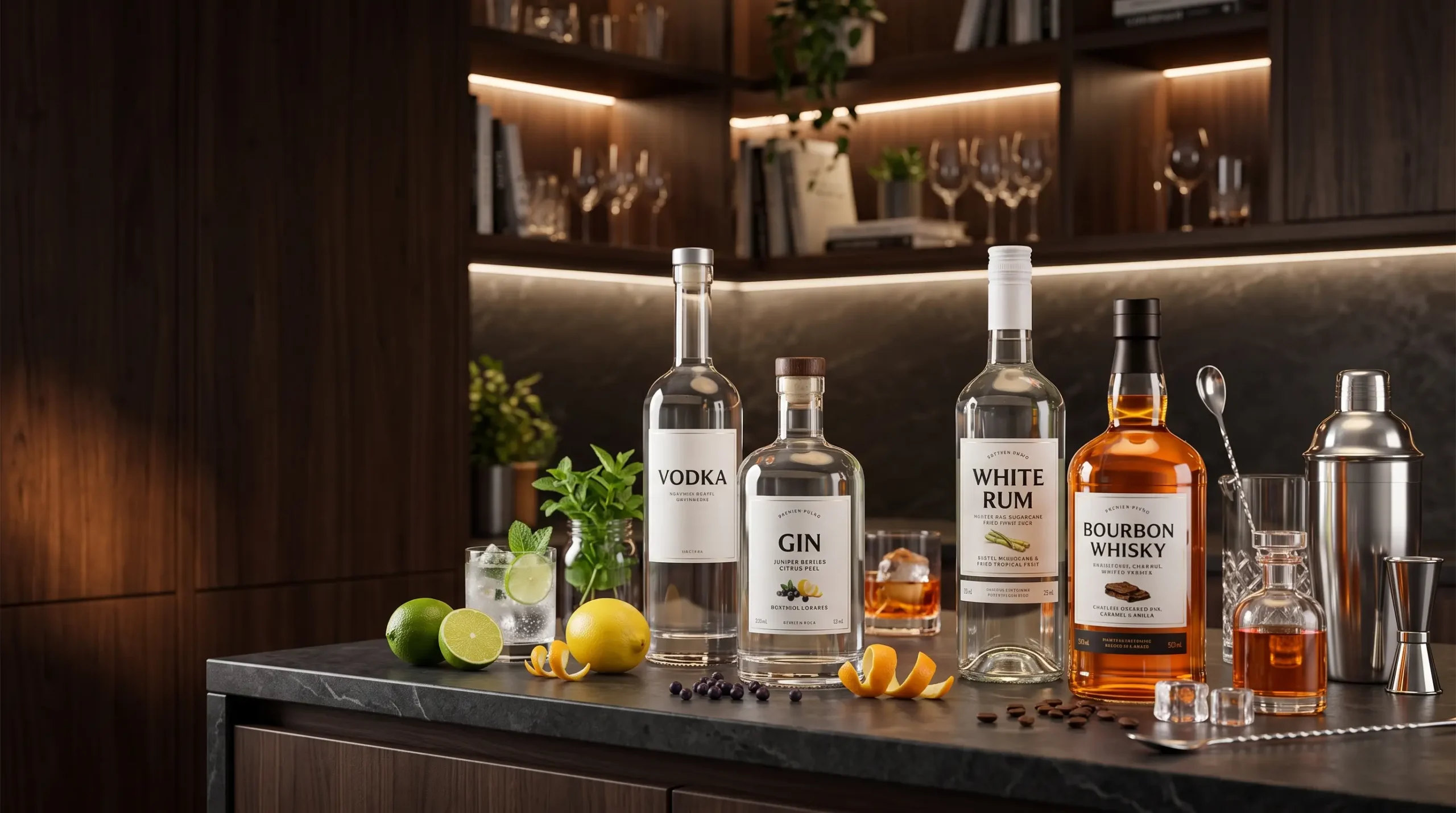
Setting up a home bar corner often starts with high enthusiasm, which ultimately leads to confusion. When stepping into a liquor store or browsing an online catalog, rows of vodka, gin, various types of rum, whisky, tequila, and dozens of colorful liqueur bottles can easily make your head spin. A classic worry arises: do you need to buy a dozen expensive bottles all at once to mix delicious drinks?
The answer is no. The main key to a successful home bar lies in efficiency and versatility, not the sheer number of bottles displayed. By choosing a few types of cocktail alcohol wisely, dozens of classic to modern recipes can be mixed easily without breaking the bank.
Anatomy of a Home Bar: Understanding the Cocktail Ingredient Ecosystem
Before deciding on your first bottle to purchase, it is important to understand the basic structure of a cocktail recipe. Mixed drinks generally consist of several complementary layers of ingredients.
Base Spirits vs. Supporting Ingredients
- Base Spirits: Distilled spirits with an alcohol content of around 40% ABV (alcohol by volume). These form the primary foundation of flavor and volume, such as vodka, gin, rum, whisky, tequila, and brandy.
- Liqueurs (Sweet Modifiers): Spirits flavored with herbs, fruits, flowers, nuts, or coffee, containing a specific level of sugar (e.g., triple sec, coffee liqueur, or amaretto).
- Fortified Wine: Wine strengthened with additional distillates, such as sweet vermouth and dry vermouth.
- Bitters: Highly concentrated botanical extracts that function as the “salt and pepper” of the cocktail world.
- Mixers & Fresh Ingredients: Non-alcoholic ingredients such as club soda, tonic water, ginger beer, fresh lemon or lime juice, and simple syrup.
Beginners should focus on securing the right base spirits first before moving on to other supporting ingredients.
7 Alcohol Recommendations for Cocktails Based on Character and Function
Below is an in-depth review of the most functional base spirits to stock your home bar shelves.
1. Vodka — Neutral, Clean, and Most Versatile
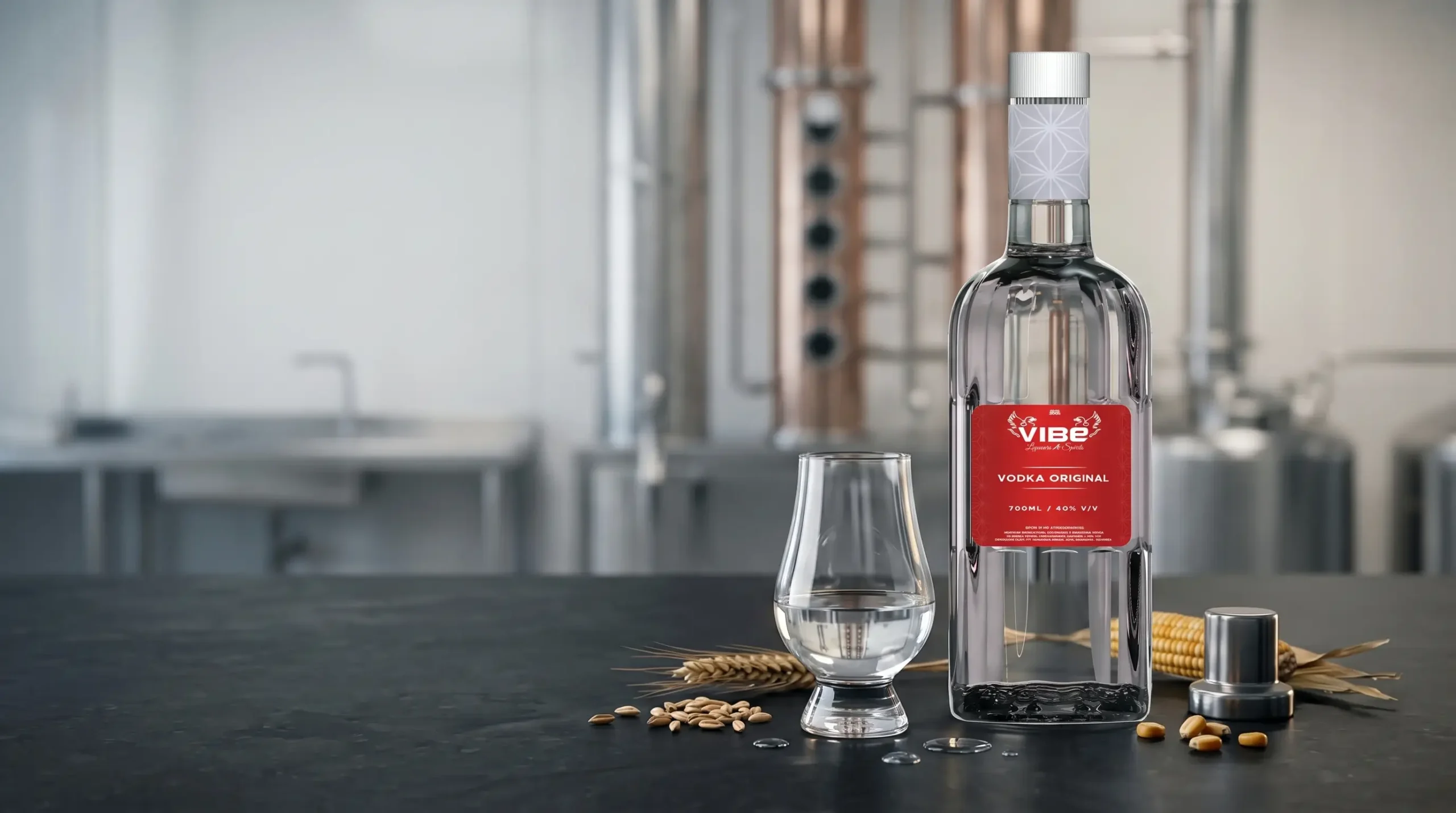
Vodka is a distilled spirit renowned for its neutral flavor profile, crystal-clear appearance, and lack of harsh aromas. This character makes vodka function like a blank canvas that easily absorbs and highlights the flavors of other ingredients.
- Flavor Profile: Clean, light, neutral, with a warm finish.
- Why It Matters: Vodka is a lifesaver when you want to serve fresh drinks without a heavy alcohol taste. It is very approachable for guests who are just starting to enjoy cocktails.
- Cocktail Examples: Martini, Moscow Mule, Cosmopolitan, Bloody Mary, and Espresso Martini.
- Selection Tips: Choose an unflavored vodka with a standard or craft label that has undergone double distillation for a smooth finish.
2. Gin — Elegant with Herbal and Botanical Profiles
Gin originates from a neutral spirit redistilled with juniper berries and various botanicals like coriander, citrus peel, and licorice root. This herbal aroma provides an immediate dimension of flavor as soon as it is mixed.
- Flavor Profile: Dry, fresh, piney from juniper, with hints of citrus and spices.
- Why It Matters: Many of the world’s legendary cocktails place gin as the main star. Its aromatic profile makes simple mixes feel luxurious.
- Cocktail Examples: Gin & Tonic, Negroni, Dry Martini, Tom Collins, and Gimlet.
- Selection Tips: London Dry Gin is the safest and most versatile choice for beginners compared to overly experimental modern styles.
3. Rum — The Soul of Tropical Freshness
Produced from the fermentation and distillation of sugarcane molasses or fresh sugarcane juice, rum carries a natural sweet profile of caramel and tropical fruit. In mixology, rum is generally divided into light/white rum and dark/aged rum.
- Flavor Profile: White rum is light, slightly sweet, and clean. Aged rum offers notes of caramel, vanilla, oak, and warm spices.
- Why It Matters: It serves as a primary pillar for tiki-style drinks and tropical highballs suited for warm climates.
- Cocktail Examples: Mojito, Daiquiri, Piña Colada, Mai Tai, and Cuba Libre.
- Selection Tips: Start with a single bottle of good-quality white rum due to its versatility in fresh sour-sweet mixes.
4. Whisky — Bold, Complex, and Strong-Charactered
Whisky (or whiskey) is made from the distillation of grains aged in oak barrels for years. Whisky has a very broad flavor spectrum, ranging from smooth, sweet bourbon to spicy rye, and sometimes smoky Scotch.
- Flavor Profile: Rich in layers of oak, vanilla, toffee, spices, and toasted grains.
- Why It Matters: Whisky is the top choice for spirit-forward cocktails meant to be sipped slowly.
- Cocktail Examples: Old Fashioned, Whisky Sour, Manhattan, Boulevardier, and Highball.
- Selection Tips: American bourbon with a high corn mash bill is the most beginner-friendly option because its natural oak sweetness blends easily with syrup and citrus.
5. Tequila — Bright and Dynamic Agave Nuances
Originating from the blue agave plant in Mexico, tequila offers a unique earthy, vegetal, and fresh taste. Blanco (unaged or short-aged) and reposado (aged 2–12 months in wooden barrels) are the two types most frequently used for cocktails.
- Flavor Profile: Fresh agave, green herbs, white pepper, and citrus (blanco); or soft vanilla and gentle wood notes (reposado).
- Why It Matters: The popularity of tequila-based drinks continues to rise globally, proving to deliver drinks with captivating, contrasting freshness.
- Cocktail Examples: Margarita, Paloma, Tequila Sunrise, and Tommy’s Margarita.
- Selection Tips: Always ensure the bottle label reads “100% de Agave” to avoid lower-quality mixto products.
6. Brandy or Cognac — Grape Warmth for Classic Recipes
Brandy is a distillate of grapes (or other fruits) aged in wooden barrels. Cognac is a prestigious brandy variant from a specific region in France with strict regulations.
- Flavor Profile: Ripe fruits, raisins, dried flowers, cinnamon, and a well-rounded alcoholic warmth on the palate.
- Why It Matters: Many pre-prohibition era cocktails rely on brandy as an elegant base.
- Cocktail Examples: Sidecar, Vieux Carré, Brandy Alexander, and the classic Sazerac.
- Priority: Optional for beginners, unless you are a heavy fan of ripe grape flavors and aristocratic mixes.
7. Liqueur — Small Bottle, Big Impact
Although not a base spirit, liqueurs play a crucial role as modifiers. A single bottle of liqueur can bridge various base spirits with citrus acidity.
- Orange Liqueur (Triple Sec / Cointreau): The absolute key to making Margaritas, Cosmopolitans, and Sidecars.
- Coffee Liqueur (Kahlúa): A mandatory ingredient for Espresso Martinis and White Russians.
- Herbal / Bitter Liqueur (Campari): A crucial component for the bittersweet taste of Negronis and Boulevardiers.
Alcohol Character, Recipe, and Priority Guide Table
| Alcohol Type | Main Flavor Profile | Popular Cocktail Examples | Home Bar Priority Level | Best Suited For |
| Vodka | Neutral, clean, light | Martini, Moscow Mule, Cosmopolitan | Essential | Fresh drinks, beginner-friendly, casual mixers |
| Gin | Herbal, juniper, citrus, dry | Gin & Tonic, Negroni, Gimlet | Essential | Aromatic mixes, fresh, herbal enthusiasts |
| White Rum | Light, soft sweetness, sugarcane | Daiquiri, Mojito, Piña Colada | Essential | Tropical vibes, relaxed settings, beach parties |
| Bourbon Whisky | Bold, vanilla, oak, caramel | Old Fashioned, Whisky Sour, Manhattan | Highly Recommended | Spirit-forward drinks, lovers of intense flavors |
| Tequila Blanco | Fresh agave, earthy, pepper, citrus | Margarita, Paloma, Tequila Sunrise | Highly Recommended | Fresh sour mixes, savory-spicy profiles |
| Orange Liqueur | Sweet orange peel, aromatic | Margarita, Sidecar, Cosmopolitan | Highly Recommended | Primary modifier accompanying base spirits |
| Brandy / Cognac | Ripe grapes, oak, spices | Sidecar, Brandy Alexander, Vieux Carré | Optional | Fans of warm, classic European drinks |
Getting Started Guide: Which Bottles to Buy by Stage?
Building a home bar does not have to be completed in a single shopping trip. The following phased approach is designed to ensure every purchased bottle gets used.
Level 1: Minimalist Home Bar (3–4 Main Bottles)
This initial stage prioritizes maximum flexibility to serve fresh drinks:
- Bottle of Vodka
- Bottle of Gin (or White Rum)
- Bottle of Bourbon Whisky
- Bottle of Orange Liqueur (Triple Sec)
- Pantry Ingredients: Limes, sugar, club soda, and ice cubes.
Level 2: Intermediate Home Bar (5–7 Bottles)
Adding variety to unlock richer cocktail menus:
- All Level 1 bottles plus:
- 1 Bottle of Tequila Blanco (100% Agave)
- 1 Bottle of Aromatic Bitters (e.g., Angostura)
- 1 Bottle of Sweet Vermouth or Campari
Level 3: Complete Home Bar (8+ Bottles & Modifiers)
A complete collection for those looking to experiment with the entire mixology spectrum:
- All Level 2 bottles plus:
- 1 Bottle of Dry Vermouth
- 1 Bottle of Aged Rum or Rye Whiskey
- 1 Bottle of Coffee Liqueur
- 1 Bottle of Cognac / Brandy
How to Choose Alcohol Bottles Without Overspending
- Start with Your Most Frequently Ordered Recipes: Do not buy a bottle of tequila just because it is trendy if you more often order a Whisky Sour when visiting a bar.
- Choose Mid-Shelf Bottles: Avoid the cheapest spirits with harsh, piercing alcohol qualities, but also avoid ultra-premium collector’s edition bottles whose unique characteristics will be masked when mixed with syrup and juice.
- Watch Out for the Shelf Life of Wine-Based Ingredients: Pure spirits like vodka and whisky last for years at room temperature after opening. However, ingredients like vermouth are fortified wines that must be stored in the refrigerator and consumed within 1–2 months so they do not oxidize into vinegar.
- Refrain from Buying Niche Liqueurs: Avoid purchasing liqueurs with overly narrow flavor profiles before you have at least 3 confirmed recipes that utilize that ingredient.
FAQ
What is the most important alcohol for a beginner’s home bar? Vodka and gin are the two most essential spirits for beginners. Both are very versatile, easy to mix with simple mixers like tonic or fruit juice, and serve as the base for dozens of the world’s classic recipes.
How many alcohol bottles are needed to start a home bar? It is enough to start with 3 to 4 bottles: one vodka, one gin or white rum, one bourbon whisky, and one orange liqueur. This combination is enough to make more than 15 different drink menus.
What is the fundamental difference between a spirit and a liqueur? Spirits are pure distilled alcoholic beverages with no added sugar (usually 37.5%–50% ABV). Liqueurs are base spirits sweetened and infused with sweeteners, herbs, spices, fruits, or cream, with a dominant sugar content.
Is vodka a must-have in a home bar? Yes, vodka is highly recommended due to its neutral flavor profile. This character allows other ingredients like fruit, herbs, or coffee to take center stage without the dominance of harsh alcohol aromas.
Can tequila be used for many cocktail variations besides the Margarita? Absolutely. Beyond Margaritas, tequila is delicious in Palomas (with grapefruit soda), Tequila Sunrises, El Diablos, and Tequila Sour variations.
Do you have to buy expensive alcohol brands to make good cocktails? No. The best quality for mixed drinks falls in the mid-shelf category. Mid-shelf alcohol provides clean and balanced distillation quality without wasting budget, as the nuances of ultra-premium bottles are often masked by mixers.
How should you store alcohol bottles at home for longevity? Store base spirits (vodka, gin, rum, whisky, tequila) in a cool, upright place away from direct sunlight. For wine-based ingredients like vermouth, store them in the refrigerator after opening the seal.
Build a Flexible Home Bar with Choice Spirits
Setting up a functional home bar is fundamentally not about collecting dozens of fantastically priced imported bottles, but rather about choosing versatile spirits capable of unlocking various flavor possibilities. From neutral base spirit combinations to touches of aromatic liqueurs, every carefully chosen bottle will provide infinite flexibility to mix quality drinks right from home.
For those looking for world-class local alcohol options to complete their home bar shelf, VIBE Liqueurs & Spirits is a premier choice proudly made in Indonesia. Produced locally and decorated with various prestigious international awards, this brand offers a complete collection with diverse flavor variants and alcohol percentages (ABV).
Their base spirit collections—such as Vodka, Rum, and Dry Gin—are highly flexible for mixing classic menus ranging from Martinis and Mojitos to Gin & Tonics. Furthermore, exploring fresh cocktail creations is made even easier through their rich, fruity liqueur lines like Black Tea, Exotic Lychee, Triple Sec, and Peach.
Want to find more drink mixing inspiration, gathering venue recommendations, and lifestyle articles surrounding the world of mixology? Visit wekendvibe to get complete cocktail recipe guides, the latest entertainment spot reviews, and various other unique information surrounding nightlife and hospitality.