 Log in
 Register


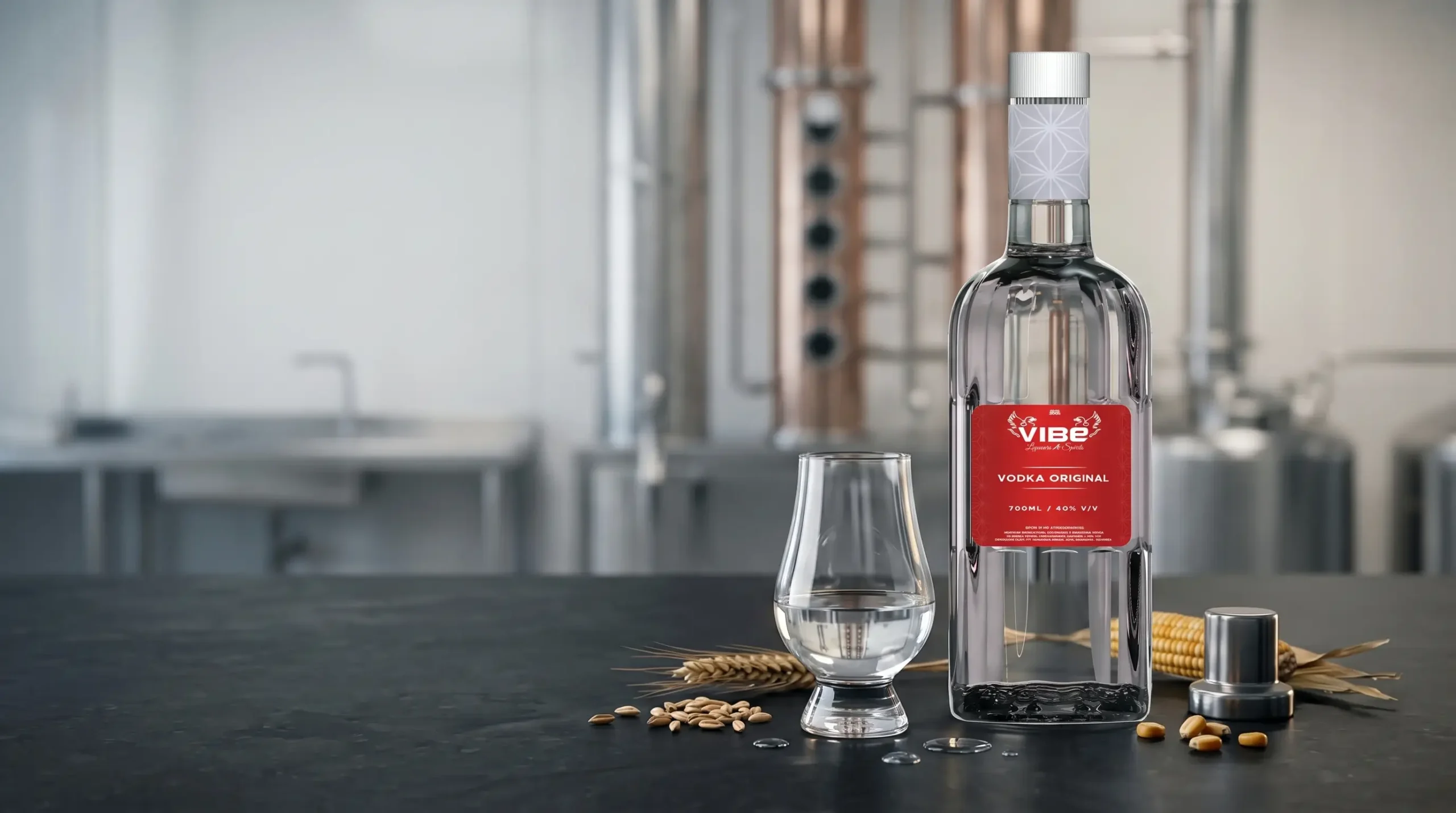
The world of the spirit beverage industry in Indonesia is currently experiencing quite rapid development. When visiting the liquor shelves in large supermarkets or licensed retail stores, it is clear that the options available today are no longer dominated by foreign brands. Various local products are beginning to emerge, offering their own uniqueness and characters. However, for beginners who are just starting to explore the world of spirit beverages, learning how to choose quality local vodka might seem confusing at first.
Many beginners feel intimidated by various technical terms, luxurious bottle designs, or marketing claims on packaging labels. In fact, to be able to recognize and evaluate quality local vodka, you do not need to have a background as a master distiller or a beverage tasting expert. This educational article is specifically designed for legal-age consumers who want to understand how to objectively evaluate vodka products. We will dissect various important factors without using stiff language, so the decisions made can be more informed.
Why Choosing Local Vodka Can Be a Choice Worth Learning?
In recent years, spirit producers in the country have begun to innovate and improve their production standards. The presence of various Indonesian local vodka brands provides a new color for consumers. Learning about local products can be a very good starting point for beginners due to their wide availability and ease of accessing information surrounding these products.
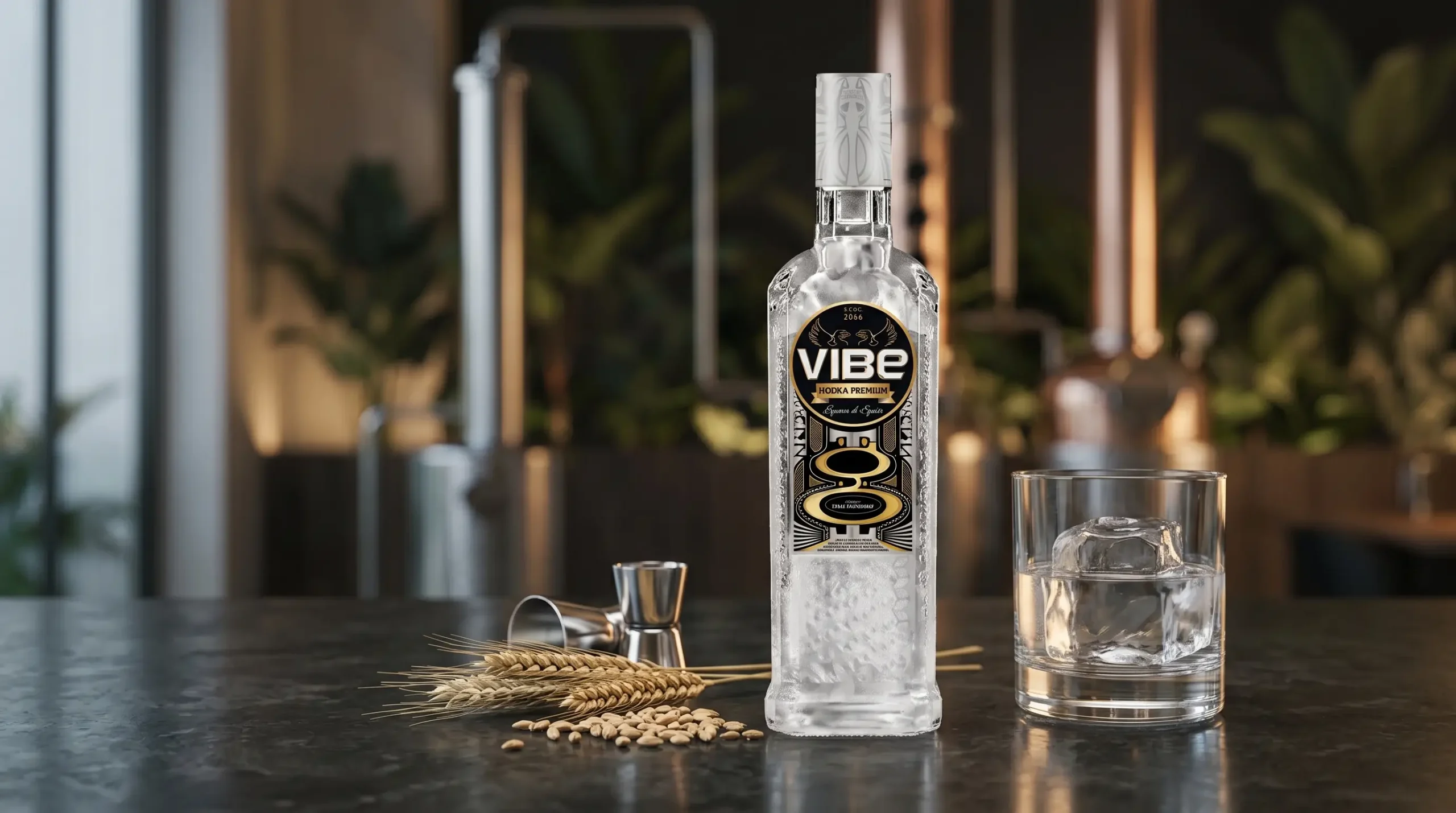
As a concrete example of this development, we can see Indonesian local alcohol producers like VIBE Liqueur & Spirits that have enlivened the market. By offering several product lines at once, consumers now have the option to explore and compare flavor profiles in different classes.
As a lay reader, there is no need to worry about hundreds of technical terms. The most important thing is to understand the basics of the information presented before your eyes. Keep in mind that this article does not aim to state that local vodka is better, or conversely, worse than imported vodka. Every product has its own approach. Our main focus here is how to use available information, from labels to sensory profiles, to evaluate a product rationally.
What is Meant by Quality Vodka?
Before discussing the practical steps, we must align our perception of what vodka quality actually is. Many people are mistaken and assume that quality is only measured by how expensive the price is or how beautiful the bottle is. Objectively, the quality of a spirit encompasses its entire production ecosystem.
Vodka quality is very closely related to production consistency from one batch to another. In addition, the vodka raw materials used, details of the fermentation process, precision in the vodka distillation process, purification stages, up to vodka filtration techniques all play an important role. Even the quality of the water used to lower the alcohol content before bottling greatly determines the final character of the drink, considering that water dominates about 60% of the bottle’s contents.
Strict production control, adherence to product information and labeling mandated by regulators, as well as the consistency of the vodka’s sensory character are the true indicators of quality. One thing that needs to be emphasized: do not be easily trapped by numbers. Claims such as “distilled 10 times” do not automatically guarantee that the product is the highest quality local vodka. The methods, temperatures, equipment shapes (such as pot stills or column stills), and the producer’s expertise are far more crucial than just distillation numbers listed for marketing purposes.
7 Things to Pay Attention to When Choosing Local Vodka
To facilitate evaluation, here are tips on choosing vodka summarized into seven main factors that must be considered:
1. Check Labels and Product Information
The most basic step in how to choose vodka is by reading its label carefully. Pay attention to the product name, beverage category, net volume, alcohol content, producer’s name, and distribution permit number. In the Indonesian context, the Food and Drug Supervisory Agency (BPOM) has strict regulations regarding labeling. According to BPOM rules, the packaging labels of officially circulating alcoholic beverages must contain a warning stating “ALCOHOLIC BEVERAGE” and clearly list the alcohol content information. Information transparency on the vodka label is an initial sign that the producer operates professionally and complies with regulations.
2. Pay Attention to Alcohol Content / ABV
On a vodka bottle, you will definitely find a percentage written, for example, 40% ABV. ABV stands for Alcohol by Volume. Referring to international technical guidelines as defined by the TTB (Alcohol and Tobacco Tax and Trade Bureau in the United States), the alcohol content in distilled spirits is expressed as a percentage of pure alcohol volume to the total liquid volume in the bottle at a certain temperature. It is important to note that a higher vodka alcohol content does not automatically mean higher quality. Focus on flavor balance, not merely the ABV number.
3. Know the Raw Materials
Traditionally, vodka is often associated with wheat or potatoes. However, in fact, vodka can be made from almost any agricultural material containing fermentable sugar or starch, such as corn, grapes, sugarcane (molasses), and even rice. Vodka raw materials heavily influence the texture and character of the spirit even after passing through the purification stage. There is no absolute claim that one raw material definitely produces a superior vodka compared to others; this is purely a matter of the profile preference the producer wants to achieve.
4. Understand the Distillation and Purification Process
Distillation is basically the process of heating a fermented liquid to separate alcohol from water and other compounds based on boiling points. The vodka distillation process aims to purify the liquid, remove unwanted compounds, and produce alcohol with a high level of purity. Proper purification will yield a spirit that is cleaner on the palate. (Note: This distillation process is highly complex and regulated by law, so it must not be done independently at home).
5. Pay Attention to Filtration and Final Character
After being distilled, many producers conduct vodka filtration using various media. Filtration aims to refine the spirit’s character, remove remaining impurities, and affect the perception of clarity and texture of the beverage. However, there are also producers who intentionally minimize filtration to maintain the character of their raw materials. Therefore, no particular filtration method is always “better”—it all depends on the targeted final result.
6. Recognize Aroma and Flavor Profiles
Every vodka has its own nuances. Vodka for beginners can be evaluated by recognizing vodka flavors using simple terms:
- Clean: Feels clean in the mouth without a disturbing aftertaste.
- Neutral: Very minimal aromas or added flavors.
- Smooth: Smooth when swallowed, does not provide an excessive burning sensation.
- Crisp: Refreshing and light.
- Dry: Does not leave a sweet sensation on the tongue.
- Fruity: Has a trace of fruit aromas.
- Grain-forward: Displays grain aromas.
- Creamy: Feels thick and coats the tongue.
- Spicy: Has a slightly spicy sensation at the end of the taste.
- Lingering finish: An aftertaste that lasts quite long.
These tasting notes are highly subjective and it is normal if what is smelled by one person is perceived slightly differently by another.
7. Check Producer Credibility
The final step is to check who produces the beverage. Look for information regarding the company’s reputation and their transparency. The presence of structured product variants can also be an indicator of professionalism. For example, the differentiation between a standard line through Vibe Vodka and an advanced line through Vibe Vodka Premium. Such differentiation makes it easier for consumers to choose a spirit profile that best suits their needs, whether for daily cocktail mixers or enjoyed neat. Security certifications or awards can also be an added value to credibility.
How to Recognize Vodka Character from Aroma and Flavor?
Becoming an educated connoisseur means using the five senses with full awareness, not just consuming alcohol. Here is a simple sensory guide to recognizing the traits of quality vodka:
- Initial Aroma: Pour a little vodka into a glass, swirl it gently, then smell the aroma. Does it smell like sharp medical alcohol, or is there a fainter, softer aroma?
- Alcohol Intensity: Does the alcohol vapor immediately pierce the nose? Quality vodka usually has neat alcohol integration so its aroma is not aggressive.
- Initial Taste: When the liquid touches the front of the tongue, is there a slight natural sweetness from the raw materials?
- Mouthfeel: Pay attention to its texture in the mouth. Does it feel watery, or rather slightly thick and soft?
- Dryness Level: After the liquid moves to the back of the tongue, does the taste dry quickly?
- Aftertaste / Finish: After swallowing, pay attention to the sensation left behind. Does the warmth feel comfortable, or does it leave a burning hot sensation and a bitter aftertaste?
This exercise is intended solely to help understand the beverage industry’s sensory terminology objectively, not to encourage excessive consumption.
Does Price Determine Vodka Quality?
The relationship between price and quality is not always absolutely directly proportional. The price of a bottle of vodka in the market is influenced by many objective variables, ranging from raw material costs, production techniques, packaging costs, distribution chains, excises, to brand positioning strategies.
Therefore, do not automatically conclude that a vodka with a fantastic price is definitely the best in the world, or that an affordable vodka is definitely of low quality. Often, local producers are able to cut logistics and operational costs so they can offer good quality spirits at friendlier prices for domestic consumers.
Local Vodka vs. Imported Vodka: What Should Be Compared?
When faced with the choice of local vodka vs. imported vodka, a fair comparison should be made based on the following parameters:
- Raw Materials: What is its base fermentation source?
- Production Process: Does the producer explain their distillation technique?
- Label Information: How transparent is the information on the packaging?
- Alcohol Content: Is it balanced for that product category?
- Aroma and Flavor Character: How is its tasting notes profile?
- Filtration: What purification approach is used?
- Consistency: Is the taste stable in every batch?
- Production Origin: How does the logistical distance from the factory to the store shelf affect its price?
Analyzing Indonesian vodka juxtaposed with global brands is not to determine “who is number one”. Local or imported origin is not the sole indicator, considering many local production facilities now have international-scale distillation equipment.
Common Beginner Mistakes When Choosing Vodka
Avoid the following common traps often experienced in the early stages of exploration:
- Choosing based only on bottle design: A pretty bottle is a marketing trick, not a liquid flavor determinant.
- Assuming high price = high quality: Price is influenced by many external business factors.
- Assuming more distillation = better: Distillation techniques and temperatures are far more important than just numbers.
- Assuming high vodka ABV = high quality: High alcohol content without balance will only ruin the palate.
- Not reading labels: Ignoring producer information and legality means ignoring safety standards.
- Only following brand popularity: Trends do not always align with personal tastes.
- Assuming vodka must always be truly without flavor character: Many vodkas from producers explore the unique characters of their raw materials.
Becoming a Smart Consumer in Exploring Spirits
Ultimately, evaluating and choosing a spirit is a journey of personal preference that will continue to develop along with increasing knowledge. The quality of a drink is not solely measured by the nominal on the price tag, but from the dedication behind its production process, the cleanliness of raw materials, to the consistency of flavor offered. By using the objective guide above, there is now a strong foundation to start exploring without feeling intimidated by claims that are often confusing.
If looking for a product reference with proven quality, innovations from Vibe Liqueur & Spiritsare very worthy of consideration. As an Indonesian local alcohol producer that has won various international awards, VIBE not only presents standard and premium vodka lines, but also offers various liqueur flavor variants with varying alcohol content (ABV) ranges. This flexibility of flavor profiles and alcohol content makes it highly ideal for drinking neat or being used as a base for various creative cocktail recipes.
To expand knowledge surrounding the beverage world, make sure to visit Wekendvibe. Through this platform, there is various up-to-date information regarding the best venue recommendations, easily practiced cocktail recipe guides, as well as various other unique and lifestyle information regarding spirit culture in Indonesia.
FAQ (Frequently Asked Questions)
- How do you choose quality local vodka? Choose by paying attention to label clarity, checking legality from BPOM, tracing producer and raw material information, and objectively evaluating its aroma and flavor profile.
- What are the characteristics of quality vodka? Its main traits include production consistency, integrated alcohol aroma, comfortable texture on the tongue, and not leaving an aggressive burning hot taste when swallowed.
- Does Indonesian local vodka have good quality? Yes, many local spirit products are produced with strict standards, yielding regular and premium variants that offer competitive flavor profiles in the market.
- Is expensive vodka always higher quality? Not always. Price is heavily influenced by production, packaging, tax, and distribution costs. Affordable vodka can also be very high quality if produced with precise methods.
- Does alcohol content determine vodka quality? No. Quality is determined by alcohol integration, process cleanliness, raw materials, and flavor balance, not merely from the high alcohol percentage number.
- What raw materials are used to make vodka? Vodka can be distilled from any material that contains sugar or starch, such as wheat, potatoes, corn, sugarcane (molasses), and even grapes.
- What is meant by ABV in vodka? ABV (Alcohol by Volume) is an international standard to measure the percentage of pure alcohol volume in a beverage against its total liquid volume.
- Does more distillation mean better vodka? No. The right distillation process is much more crucial. High distillation numbers are more often used as a marketing strategy.
- What should be paid attention to on a vodka label? Pay attention to the product name, vodka ABV, producer, volume, distribution permit (BPOM), product warnings, and ingredient composition transparency.
- What is the difference between local vodka and imported vodka? The most obvious differences are usually in the production location and tax burden. In terms of product, both still need to be evaluated with the same quality standards and sensory parameters.
This article is compiled for the purpose of adult consumer education and aims to increase the reader’s insight in evaluating spirit products. Be wise in making decisions, obey the applicable legal age limit rules, and always pay attention to health warnings on every product consumed.