 Log in
 Register



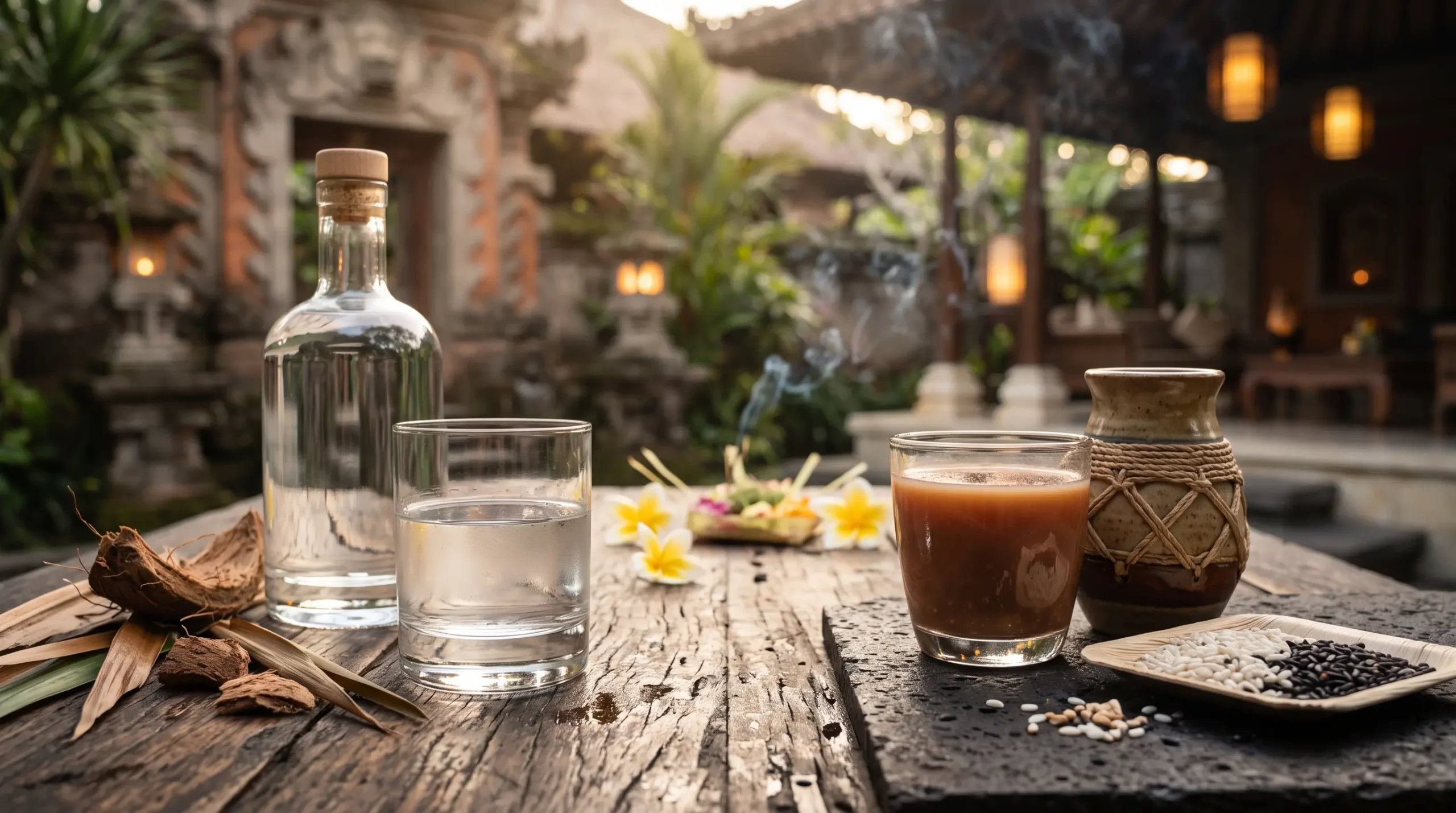
The island of Bali is known not only for its stunning beaches, rich culinary heritage, and breathtaking tourist destinations. Beyond its tourism charm, Bali boasts a liquid culinary heritage deeply rooted in history and culture. Exploring the famous local alcohol in Bali has long been an integral part of community life, traditional rituals, and social gatherings.
The two most widely recognized traditional Balinese drinks are Balinese Arak and Balinese Brem. Both possess distinct flavor profiles, ingredients, production processes, and cultural contexts. For travelers or cultural enthusiasts eager to explore this tradition, it is highly recommended to learn about them before making a choice. Understanding what is in your glass is not just about enjoying the taste, but also about appreciating a cultural legacy passed down through generations.
What Makes Balinese Alcohol So Famous?
The growing interest among domestic and international tourists in local alcoholic drinks in Bali is undeniable. This is inseparable from the unique history and local traditions of the community. These beverages are not produced instantly; they utilize local ingredients sourced from Bali’s natural abundance, such as coconut sap, lontar palm, and glutinous rice.
Their traditional production processes have been preserved across generations. More than just refreshing drinks, traditional alcohol in Bali has strong roots in various religious and customary ceremonies. Today, alongside modern industry developments, these drinks are produced under stricter quality standards, making them a fascinating subject for global gastronomy enthusiasts to explore.
Getting to Know Balinese Arak
Bali Arak is a traditional distilled spirit produced through a distillation process. Traditionally, the primary raw material is sweet sap tapped from coconut, sugar palm (enau), or lontar palm trees. This sap is initially fermented into tuak (palm wine) and then distilled to produce a clear liquid with a significantly higher alcohol content.
The character of Balinese Arak is generally sharp, clear, and warming, similar to traditional spirits or liquors from other countries like Rum or Cachaça, but with a unique aroma profile heavily dependent on the base ingredient and local distillation methods. Culturally, Arak is frequently used in various communal rituals of the Balinese people, making it a symbol of togetherness.
Getting to Know Balinese Brem
Bali Brem is a fermented beverage made from glutinous rice, either white or black. The production process involves a specific yeast that breaks down the starch in the glutinous rice into sugar and subsequently into alcohol over a period of time.
Unlike Arak, which undergoes distillation, Balinese Brem is purely a fermented product (fermented rice wine). This results in a beverage with varying colors (ranging from cloudy white to deep reddish-brown), a slightly thicker texture, and aroma and flavor profiles dominated by sweetness and a hint of acidity. In Balinese society, Brem also holds significant cultural value, often complementing Arak in ceremonial offerings.
Arak vs. Brem: What’s the Difference?
To make it easier to understand their characteristics, here is a comparison table between Balinese Arak and Balinese Brem:
| Factor | Balinese Arak | Balinese Brem |
| Type of beverage | Distilled beverage (spirit / liquor) | Fermented beverage (wine-style) |
| Base ingredients | Coconut, lontar, or palm sap (tuak) | Glutinous rice (black or white) and yeast |
| General process | Fermentation followed by distillation | Natural fermentation without distillation |
| Aroma character | Sharp, distinct distilled sap, slightly earthy | Fermented sweetness, yeasty, sometimes fruity |
| Flavor character | Dry, strong, warming | Sweet, slightly acidic, smooth |
| Texture | Liquid, clear, light mouthfeel | Slightly viscous, colored |
| Alcohol content | Generally higher (often 30% – 50%) | Generally lower (around 5% – 15%) |
| Cultural context | Ceremonial offerings (tetabuhan) & communal gatherings | Ceremonial offerings and often mixed in presentations |
| Form of consumption | Often served neat or as a cocktail base | Often enjoyed chilled without additional mixers |
Which One to Know or Try First?
Choosing between Arak and Brem depends entirely on your personal taste preferences. The best approach is to match them with the flavor profile (palate) you typically enjoy.
- If you prefer drinks with a dry character and high intensity: Balinese Arak is the perfect choice to learn about first. Arak offers a clean mouthfeel and a sharp finish, highly suitable for those accustomed to neat spirits or strong alcohol-based cocktails.
- If you are more drawn to sweetness and mild acidity: Balinese Brem will be much better to acquaint yourself with initially. Its smoother, sweeter character resembles sweet sake or dessert wine, making it far more approachable for a beginner’s palate.
Neither is “better” than the other; both offer distinct, authentic experiences.
Balinese Arak in Local Culture and Tradition
This local alcohol in Bali is inseparable from the spiritual traditions of Balinese Hindus. Arak and Brem are commonly used in the Tetabuhan ritual (liquid offerings poured onto the ground), where these drinks are poured as a form of respect to the Bhuta Kala (nature elements and lower spirits) to maintain universal balance (the Tri Hita Karana concept).
The use of these beverages demonstrates that Balinese alcohol serves a sacred function far beyond mere recreational commodities or tourist attractions. Their traditional crafting is also respected as a local skill that drives the village economy.
From Tradition to Lifestyle: The Modern Face of Local Beverages
In recent years, Indonesia’s local beverage industry has undergone a significant transformation. Arak Bali and Brem are no longer limited to traditional communal occasions; they have evolved to suit modern lifestyles, with premium packaging and standardised production. At the same time, Indonesia’s beverage scene has become increasingly vibrant, with the emergence of nationally distributed commercial brands produced locally to international quality standards.
Proudly local brands such as VIBE Liqueur & Spirits have successfully made their mark in the hospitality industry, demonstrating their quality on the global stage. As a pioneer in Indonesia’s local spirits and liqueur industry, VIBE has received numerous prestigious international awards, including the Ultimate Spirits Challenge (USC) 2020, Asia International Spirits Competition 2019, The Liqueur Masters Asia 2019, The World Gin Masters Asia 2019, and the Asia World Spirits Competition 2026. These achievements highlight the ability of Indonesian products to compete with international brands.
Featuring an extensive portfolio of premium products, including VIBE Vodka, Rum, Gin, and popular liqueur varieties such as Lychee Liqueur and Black Tea Liqueur, the brand, alongside locally produced Blue Agave spirits, has established a presence at leading beach clubs and premium bars. These products also add a touch of sophistication to fashion events and bring vibrancy to festive celebrations.
This growing trend demonstrates how Indonesia’s local beverage industry has evolved into a source of national pride and a defining feature of the modern lifestyle.
Is Balinese Arak Legal?
Regulations regarding the production and distribution of alcohol in Indonesia are quite strict. However, to protect local cultural heritage, the Bali Provincial Government issued a specific regulation: Bali Governor Regulation (Pergub) No. 1 of 2020 concerning the Governance of Balinese Fermented and/or Distilled Drinks.
This regulation provides a legal umbrella for local farmers and artisans, allowing their traditional production to be standardized, legally distributed through cooperatives, and turned into safe commercial products. Commercial products circulating in the market must pass the Indonesian Food and Drug Authority (BPOM) tests and be labeled with official excise tapes. Commercial and recreational consumption remains subject to national laws, including the legal drinking age (21 years old).
How to Identify Credible Arak or Brem Products
As a consumer or tourist, you need to choose carefully. Here is an educational guide to ensure you are getting legal and safe products:
- Ensure the name and location of the producer or distillery are clearly stated on the packaging.
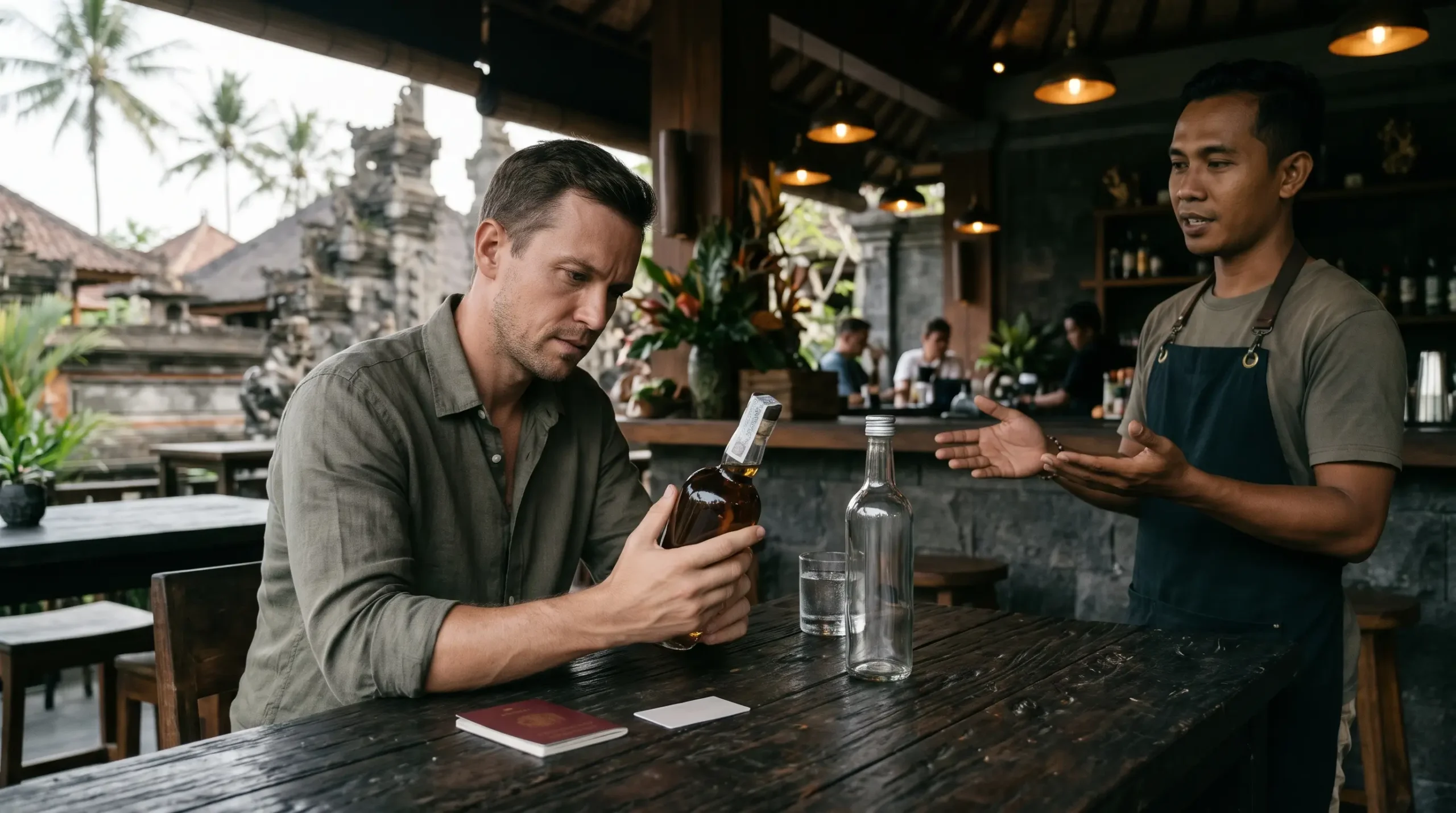
- Check for an official Indonesian government excise tape attached to the bottle cap.
- The label must include a valid distribution permit (such as a BPOM RI MD number).
- The alcohol content (ABV/Alcohol By Volume) is clearly listed.
- The bottle packaging is tightly sealed and produced hygienically (avoid buying drinks repackaged in used plastic bottles).
- Purchase products through official distributors, trusted liquor stores, or directly from licensed souvenir centers.
Famous Local Alcohol in Bali: What Makes Arak and Brem Unique?
Arak and Brem are among the traditional beverages that represent the rich cultural diversity of the island, making them notable examples of the famous local alcohol in Bali. The primary uniqueness of these drinks lies in the harmonization between local natural processes and the spiritual values of the community, something that is difficult to replicate in other regions.
Tips for Understanding Local Balinese Drinks Responsibly
If you decide to explore this liquid culinary heritage, always prioritize the principles of responsible consumption:
- Obey the Legal Age: The minimum legal drinking age in Indonesia is 21 years old.
- Read Labels Carefully: Know the alcohol content of the drink you choose, especially since Arak has a fairly high percentage of alcohol.
- Do Not Drink and Drive: Ensure you have alternative transportation, such as a taxi or ride-hailing service, if you plan to consume alcoholic beverages.
- Respect Local Culture: Understand that for some Balinese people, these drinks hold sacred value, so avoid excessive behavior that could potentially disrespect local norms.
Further Exploration of the Local Beverage Scene
Delving into Arak and Brem gives us a newfound appreciation for Bali’s cultural wealth. From ritual offerings to becoming part of the tourism industry, the journey of these traditional Indonesian drinks is truly fascinating. However, innovation within the Indonesian alcohol industry continues to grow and doesn’t stop at traditional methods alone.
For those of you who want to further explore the excellence of modern local alcohol, Vibe Liqueur & Spirits is a brand you must consider. As an Indonesian pride that has won numerous international awards, VIBE offers a diverse range of flavors with varying alcohol content profiles. The versatility it offers makes VIBE products absolutely perfect for crafting a variety of delicious cocktail recipes.
To complete your experience, be sure to visit Wekendvibe! There, you can find the latest information on exciting venue recommendations, cocktail recipe inspiration, and other unique, exclusive information about the modern lifestyle ready to perfect your weekend celebrations.
FAQ
1. What are the traditional Balinese drinks?
The most well-known traditional Balinese drinks are Balinese Arak (a distilled spirit) and Balinese Brem (fermented glutinous rice wine). Both play crucial roles in local customs and tourism.
2. What is Balinese Arak?
Balinese Arak is a traditional distilled spirit produced through the fermentation and distillation of sap from coconut, sugar palm, or lontar palm trees. It has a strong, clear character.
3. What is Balinese Brem?
Balinese Brem is a traditional beverage made purely from the fermentation of glutinous rice (black or white) and yeast. It is not distilled, giving it a slightly thicker texture with a sweet and slightly acidic taste.
4. What is the difference between Arak and Brem?
The main difference lies in the production process and taste. Arak is distilled, resulting in a high alcohol content and a dry flavor. Brem is only fermented, yielding a lower alcohol content with a dominantly sweet flavor.
5. Is Balinese alcohol a traditional drink?
Yes, Balinese alcohol like Arak and Brem are traditional beverages whose crafting has been passed down through generations and have specific functions in several Balinese customary ceremonies.
6. What are the base ingredients of Bali Arak?
Traditionally, Bali Arak is made from the fermentation of tuak or sap tapped from coconut trees, lontar palms, or sugar palms.
7. Does Bali Brem contain alcohol?
Yes, as a product of fermenting yeast and glutinous rice, Balinese Brem contains alcohol, although its levels are generally not as high as Arak.
8. Which one is better to try first, Arak or Brem?
It depends on your palate. If you like sweet and smooth drinks, Brem is more suitable. If you enjoy the strong, dry profile of hard liquor, you can try Balinese Arak.
9. Is local alcohol in Bali legal in Indonesia?
Balinese Arak is legal and its sale is regulated. The Bali Provincial Government even issued Governor Regulation No. 1 of 2020 to protect and standardize the production of traditional fermented/distilled drinks in Bali to ensure safety and quality.
10. What is the famous local alcohol in Bali?
The famous local alcohol in Bali includes Arak (a traditional distilled spirit) and Brem (a traditional fermented glutinous rice wine).
11. What is Bali Arak?
Bali Arak is a traditional distilled spirit made from palm, coconut, or lontar sap, resulting in a beverage with a high alcohol percentage.
12. What is Bali Brem?
Bali Brem is a traditional alcoholic beverage produced purely through the fermentation of glutinous rice, characterized by its sweet flavor profile.