 Log in
 Register


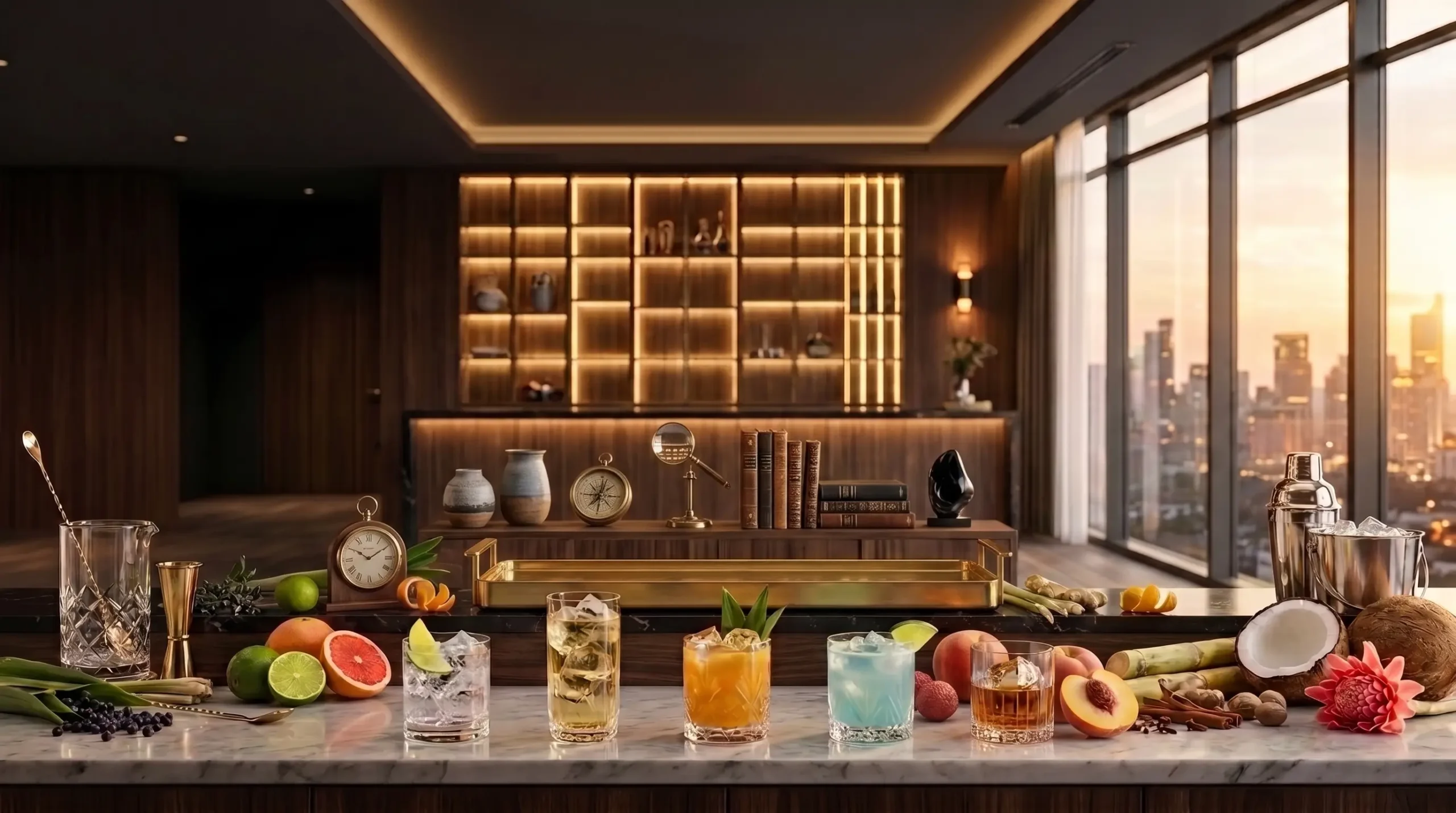
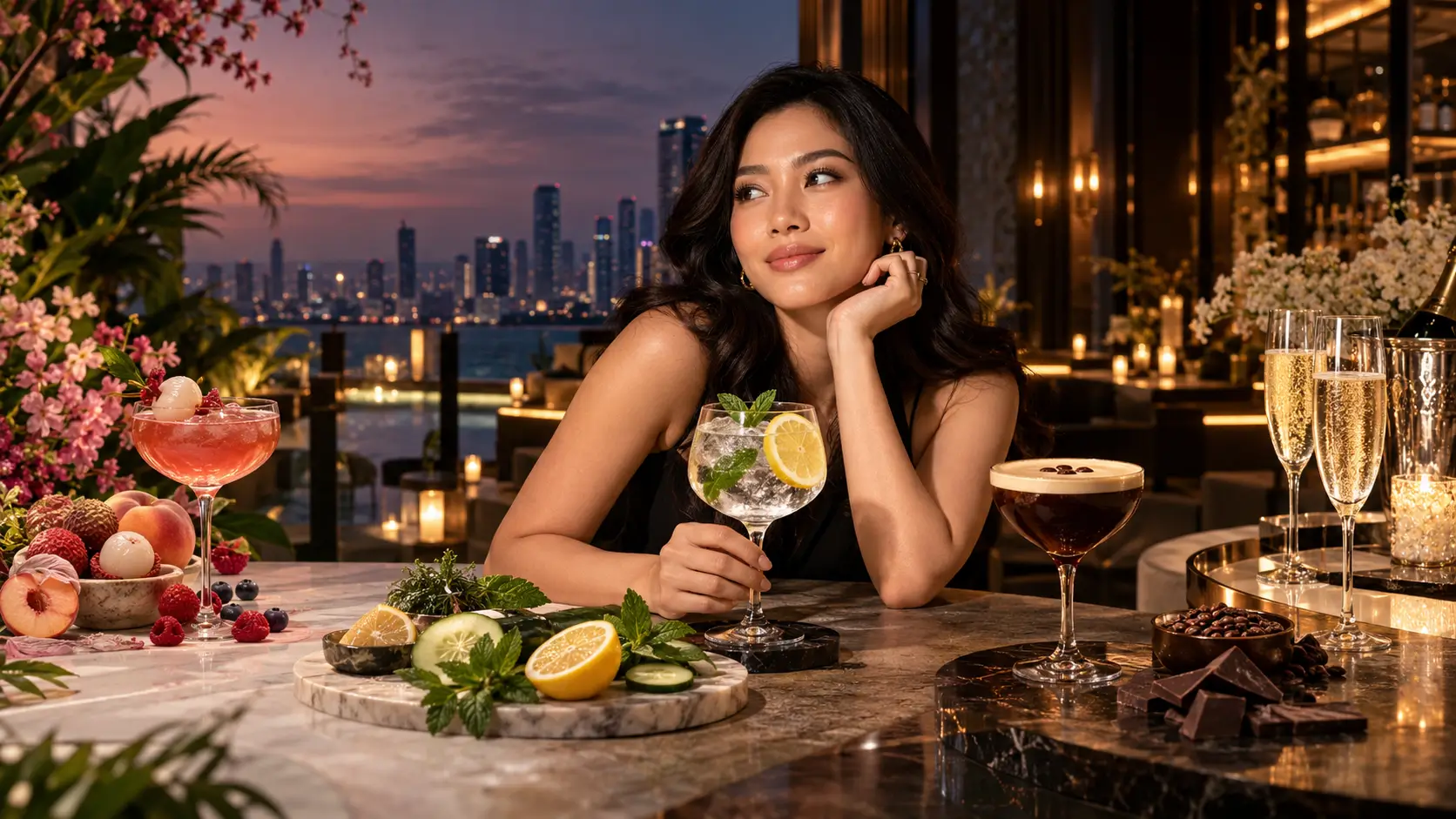
Interest in Indonesian local alcohol products continues to experience a significant increase every year. If a decade ago the liquor market was dominated by imported products, today that landscape has changed. Local product quality is increasingly developing thanks to updates in distillation technology, more structured regulations, and the exploration of the archipelago’s wealth of raw materials. Currently, there are more choices across various price ranges, allowing beverage enthusiasts to find the right flavor profile with an appropriate investment value.
This article is structured to objectively dissect the price range of Indonesian local alcohol in 2026, including an in-depth analysis of quality, bottle sizes, and brand positioning, without neglecting education on responsible consumption. All price data are estimates based on licensed retailer references and are subject to change at any time.
Why is Indonesian Local Alcohol Increasingly Popular?
The shift in alcoholic beverage consumption trends in Indonesia did not happen by chance. There are various fundamental factors that make domestic products now able to compete and even dominate certain categories in the market.
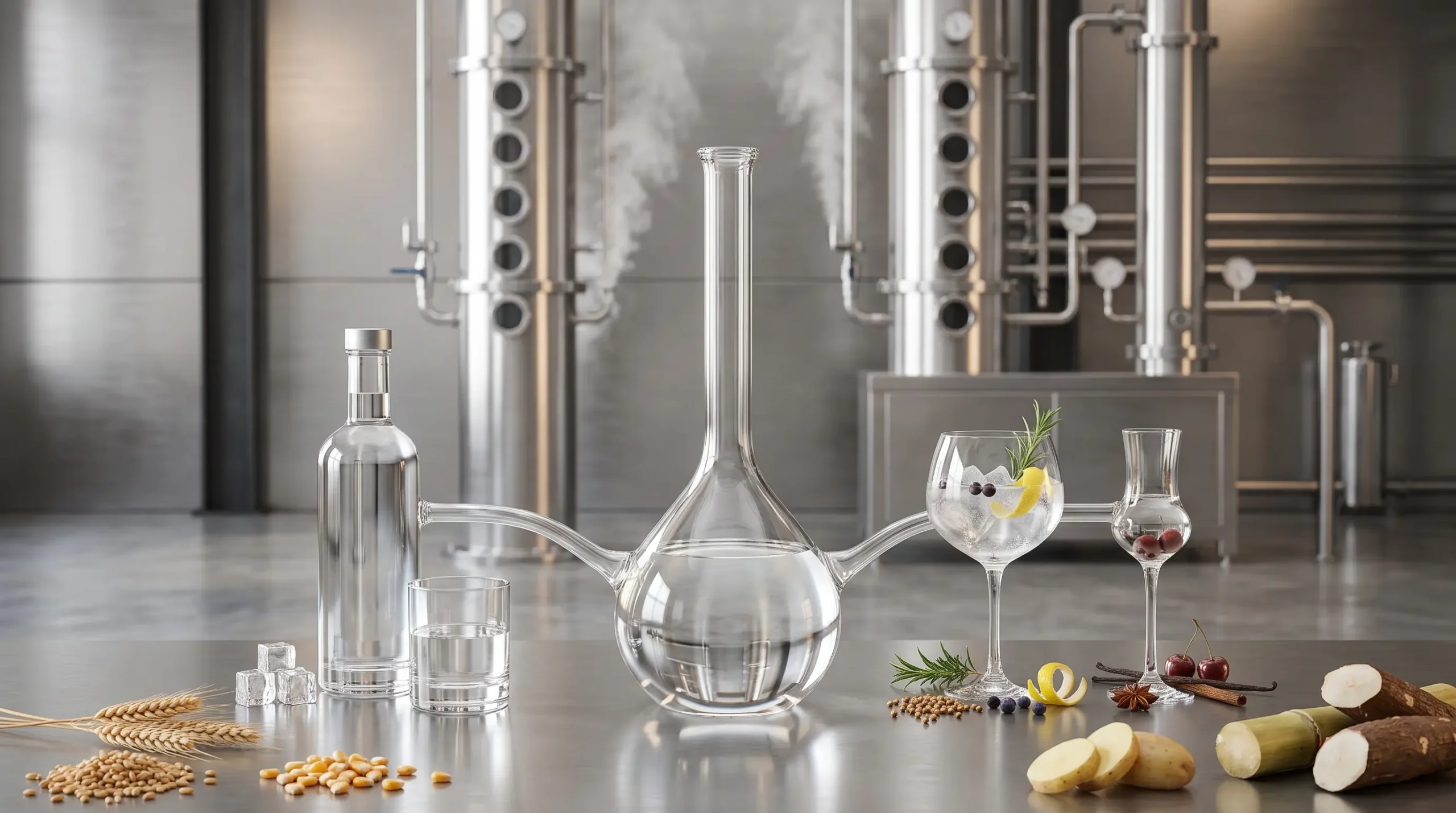
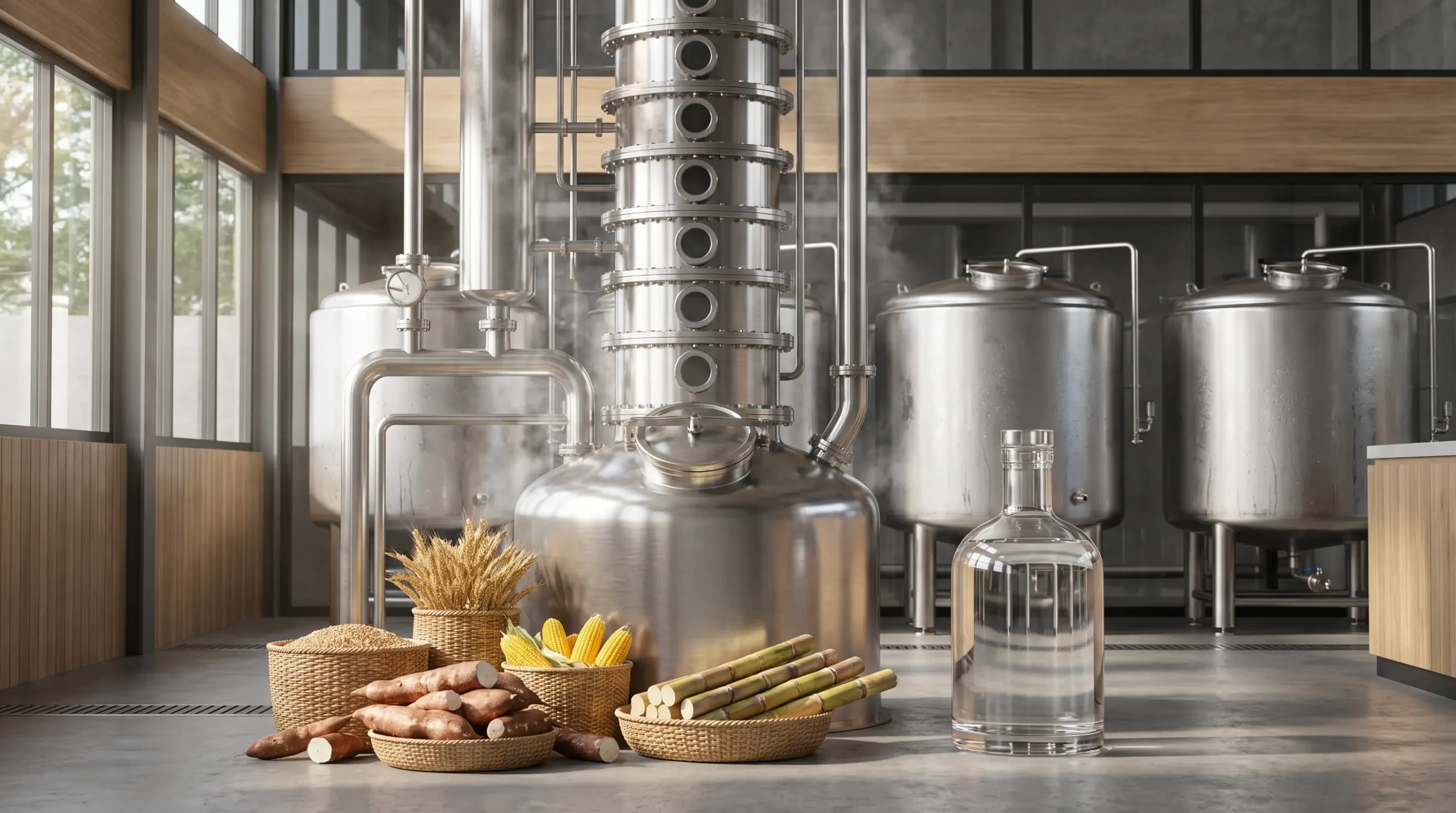
- Production Quality and International Standards Improvement: Liquor production facilities in Indonesia have now adopted cutting-edge copper still technology, multi-stage filtration methods, and strict quality control. This process minimizes residues that cause a sharp taste, producing a smoother liquid that meets export standards.
- Product Innovation and Flavor Variants: Local producers no longer only produce base spirits. There has been a surge in innovation through flavor variants specifically designed to meet local palate preferences and modern mixology needs, ranging from exotic liqueurs to spice-flavored spirits.
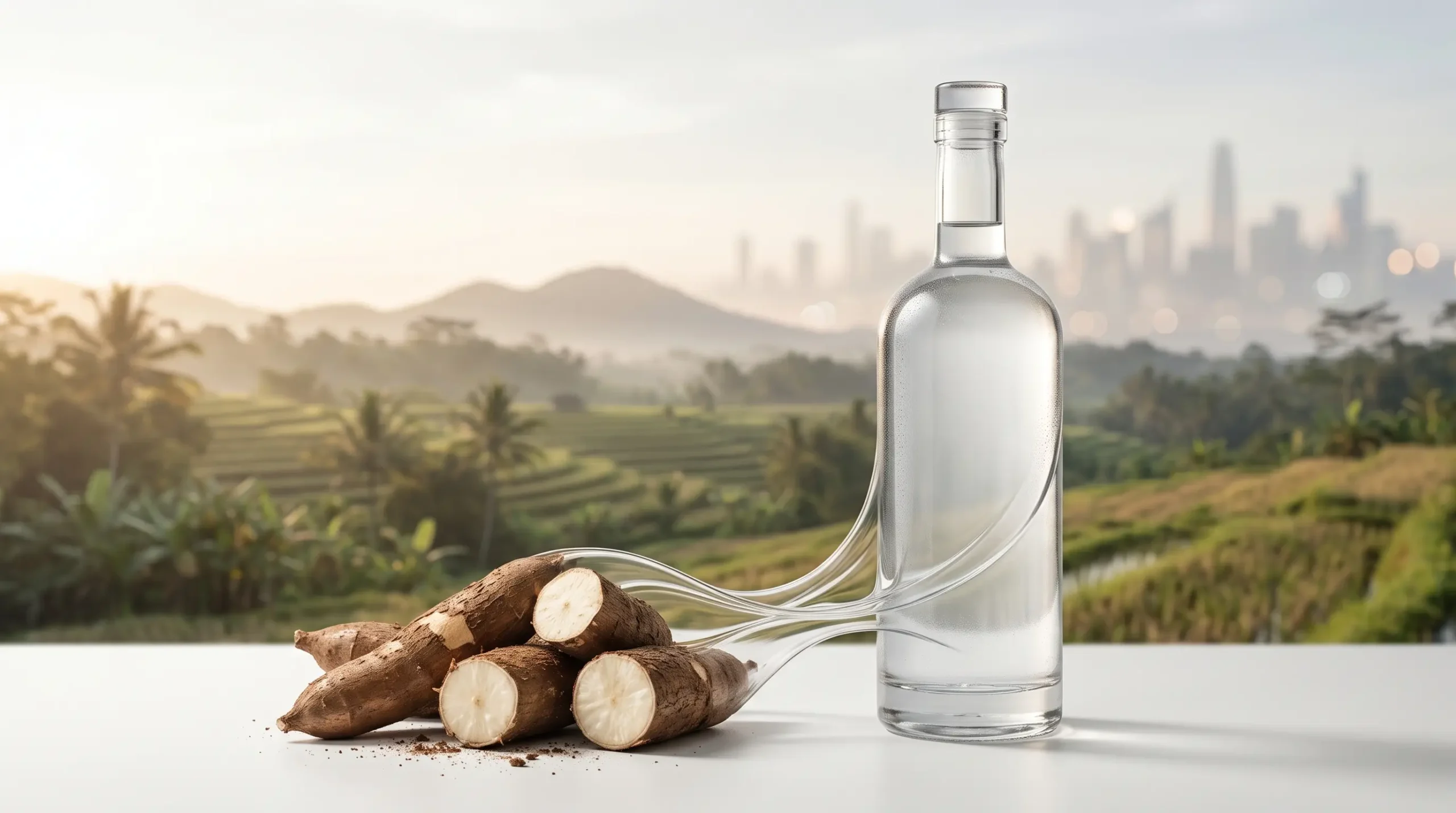
- Exploration of Archipelago’s Local Raw Materials: The main advantage of local brands lies in direct access to high-quality raw materials, such as sugarcane, brown rice, palm sap, and typical Indonesian botanicals (andaliman, torch ginger/kecombrang, to pomelo). The use of these raw materials creates a unique flavor profile that is difficult for foreign manufacturers to duplicate.
- More Competitive Market Prices: Without the burden of import costs and import duties that weigh down foreign products, Indonesian local alcohol is able to offer exceptional value for money. The final price at the consumer level becomes much more rational without sacrificing the quality of the liquid inside the bottle.
- Support from the Hospitality and F&B Industry: The growth of the hotel, bar, and food and beverage industries plays a very important role. Many professional mixologists and bartenders consciously elevate Indonesian local spirits as main ingredients in their respective signature cocktail menus.
2026 Indonesian Local Alcohol Price Comparison
Below is a curated comparison of Indonesian local alcohol prices based on estimated data from official retailers in 2026. These prices focus on products that are fully legal, have excise stamps, and are officially circulated in the market.
Vibe Spirit
Vibe is one of the pioneer brands that consistently dominates the local alcoholic beverage market in the mid-to-premium category. Its product line is very broad, covering basic bar needs to specific liqueurs.
- Spirit Category: Vodka, Rum, Gin, Tequila-style, Whisky-style, and Liqueur variants (such as Triple Sec, Blue Curacao, Peach, Lychee).
- Bottle Size: Generally available in 700ml volumes.
- Price Range: Rp150,000 – Rp295,000 (depending on the variant and retailer promos).
- ABV: 20% for Liqueur variants, 40% for pure spirit variants (such as Vodka and Gin).
- Flavor Character: Pure variants have a neutral and clean profile, while liqueur variants offer intense sweetness and thick fruity aromas.
- Recommended Use: Highly ideal for cocktail mixing, highball blends, or party shooters.
- Target Consumer: Young adults, commercial bar managers, celebratory events, and consumers looking for versatile products.
- Value Proposition: Excellent flavor consistency at a competitive price. A complete portfolio range makes Vibe a one-stop solution for home bar and commercial bar needs.
Arak Bali (Legal & Excise Stamped)
Arak Bali is now no longer just a traditional drink, but has evolved into a legal commercial product with very strict quality control (e.g., Arak Bali Bumbung, Dewi Sri brands, or other premium variants).
- Spirit Category: Traditional spirits based on distilled coconut, lontar, or rice sap.
- Bottle Size: 330ml to 700ml.
- Price Range: Rp100,000 – Rp250,000 (there are premium variants that can reach Rp350,000).
- ABV: Varies between 30% to 40%.
- Flavor Character: Has a flavor profile that tends to be earthy, slightly sweet at the end (sweet finish), with a strong distinct aroma of plant fermentation.
- Recommended Use: Neat with ice cubes (on the rocks), or crafted in tropical-nuanced cocktails.
- Target Consumer: Tourists, local flavor explorers, and craft spirit enthusiasts.
- Value Proposition: Balinese cultural authenticity packaged with modern hygiene standards.
Cap Tikus 1978
Carrying the cultural heritage of Minahasa, Cap Tikus has been elevated to a legal and commercial realm that guarantees its safety for the public.
- Spirit Category: Palm sap-based traditional spirit.
- Bottle Size: 320ml.
- Price Range: Rp200,000 – Rp280,000.
- ABV: 45% (one of the highest alcohol levels in the local class).
- Flavor Character: Quite bold, warm, with a smoky touch and a lingering sweetness of palm sap.
- Recommended Use: Neat, served cold (chilled), or mixed into coffee servings.
- Target Consumer: High-proof spirit enthusiasts and lovers of Minahasa culture.
- Value Proposition: A legal spirit with high alcohol content, offering authentic flavors with a guarantee of passing BPOM and Customs testing.
Brem Bali
Brem offers an alternative beverage with a much lower alcohol content, focusing on fermented glutinous rice.
- Spirit Category: Rice Wine.
- Bottle Size: 600ml.
- Price Range: Rp120,000 – Rp180,000.
- ABV: 5% to 14% (depending on the brand).
- Flavor Character: Sweet, refreshingly sour, with a slightly syrupy texture.
- Recommended Use: Served very cold as an aperitif or an accompaniment to spiced dishes.
- Target Consumer: Light beverage drinkers, beginners, and Balinese culinary enthusiasts.
- Value Proposition: A light beverage that highlights the harmony of sweet and sour flavors typical of natural fermentation.
Premium Craft Spirits Brands (e.g., East Indies Gin)
This category represents a new wave in the Indonesian distilling industry, utilizing an artisanal distillation approach.
- Spirit Category: Craft Gin, Craft Rum.
- Bottle Size: 700ml.
- Price Range: Rp450,000 – Rp600,000.
- ABV: 40% – 42%.
- Flavor Character: Highly complex. Gin variants typically feature a balanced aroma of torch ginger (kecombrang), pomelo, and juniper berries.
- Recommended Use: Classic Gin & Tonic, Martini, or Negroni.
- Target Consumer: Middle to upper class, expatriates, and connoisseurs.
- Value Proposition: World-class distillation quality that has won international medals, highlighting the uniqueness of exclusive archipelago spices.
2026 Indonesian Local Alcohol Price Comparison Table
| Product | Category | Volume | Price Range (Rp) | ABV | Suitable For |
| Vibe Spirit | Vodka, Gin, Liqueur | 700ml | 150,000 – 295,000 | 20% – 40% | Cocktail mixing, Highball, Party |
| Arak Bali Legal | Traditional Spirit | 700ml | 150,000 – 250,000 | 30% – 40% | On the rocks, Tropical Cocktail |
| Cap Tikus 1978 | Palm Sap Spirit | 320ml | 200,000 – 280,000 | 45% | Neat, Chilled shot |
| Brem Bali | Rice Wine | 600ml | 120,000 – 180,000 | 5% – 14% | Aperitif, Dish accompaniment |
| East Indies Gin | Craft Spirit | 700ml | 450,000 – 600,000 | 41.80% | Gin & Tonic, Classic Cocktails |
Note: The prices above are 2026 market estimates based on average prices in Java and Bali. Final prices may fluctuate according to promos, excise policies, and regional logistics.
Factors Influencing Local Alcohol Prices
Why can the price of local alcoholic beverages vary from one hundred thousand to half a million rupiah? There are several fundamental price-building elements:
- Quality of Raw Materials: Alcohol made from commercial molasses will be much cheaper compared to products distilling local agave fermentation, selected grapes, or using a blend of rare hand-picked botanicals.
- Complexity of Production and Distillation Processes: Continuous still methods produce bulk liquids at a low cost. Conversely, traditional pot stills or the use of distillation cut methods that discard the heads and tails to extract the hearts (pure core), take a long time and reduce production volume, thereby automatically raising the selling price.
- Packaging Design and Bottle Material: Thick glass bottles with custom designs, natural wood or cork stoppers, and labels with textured paper materials will add production value reflected in the final price.
- Distribution and Logistics Networks: Indonesia’s geographical shape as an archipelago makes inter-island logistics and distribution costs quite burdensome to the cost of goods sold structure.
- Tax and Excise Policies: All legal alcoholic beverages in Indonesia are required to pay state excise taxes based on the group (Group A, B, or C) determined by the ABV percentage. The higher the alcohol content, the greater the excise burden the producer must bear.
- Branding and Product Positioning Strategy: Marketing costs, brand ambassadors, and market positioning (middle or upper class) also shape the perception of a product’s commercial value.
Is a More Expensive Price Always Better?
The assumption that expensive prices are equivalent to absolute quality is often misleading in the world of spirits. Quality evaluation must be viewed from various objective perspectives:
- Quality Standards and Batch Consistency: A higher price generally guarantees consistency. This is a guarantee that the bottle produced this month will taste exactly the same as the bottle from last year, thanks to cutting-edge quality control.
- International Awards: Premium local products often hold medals from prestigious events. These awards are technical validations of a clean and characterful distillation process on a global level.
- Flavor Character and Consumer Needs: Expensive products tend to have specific, complex, and distinctive flavors (acquired taste). For basic mixing purposes where the pure character is not meant to be altered, mid-range products like Vibe are often the most logical and efficient answer.
Tips for Choosing Local Alcohol According to Your Needs
To ensure the funds spent provide maximum satisfaction, consider the main purpose of consuming the product:
- For Cocktail Needs: Choose a base spirit with a neutral flavor or a product specifically designed for mixing. Commercial Vodka, Gin, or Rum lines provide a strong structure to cocktails without overpowering the flavors of syrups or fruits.
- For Personal Collections: Target small batch products (limited production) from the craft spirits category. Bottles with special numbering or seasonal botanical variants are very attractive for display.
- For Gifting: Besides the quality of the liquid, packaging design is key. Bottles packaged in bespoke boxes will give an elegant impression to the recipient.
- For a Home Bar: Prioritize completeness over luxury. Collecting vodka, gin, rum, and a few bottles of liqueur (such as coffee or triple sec) from mid-range brands is highly recommended to support serving home recipes.
- For Flavor Exploration: Start with traditional fermented variants that have been elevated to modern standards to taste unique botanical or smoky profiles.
Myths and Facts About Indonesian Local Alcohol
In its growth, the domestic beverage industry is often hit by inaccurate views.
- Myth: Local products are always much cheaper because their quality is cheap.
- Fact: Cheap prices are obtained thanks to the absence of cross import tax costs, ease of domestic supply chains, and more efficient production costs, not simply lowering food safety standards.
- Myth: Local spirit quality is inconsistent.
- Fact: Licensed brands now implement standard operating procedures from ISO-certified factories, ensuring consistency at every stage of distillation.
- Myth: Local alcohol is only suitable for drinking straight (shots).
- Fact: The mixology industry is actually aggressively crafting signature menus based on local ingredients balanced with world-class techniques.
- Myth: Local products cannot compete with imported products.
- Fact: Various Indonesian brands have won Double Gold in international spirit competitions through blind tasting methods.
Global Standard of Local Flavors with Vibe Liqueur & Spirits
Exploring local alcoholic beverage options in 2026 proves that Indonesia’s craft spirits and commercial liquor industries have achieved global quality standards. From competitive price ranges to premium categories, the market is now presented with consistent production quality, guaranteed excise legality, and maximum value for money to complement home bar and professional mixology needs.
To directly experience the superior quality of Indonesian local alcohol, Vibe Liqueur & Spirits is here as a top choice that has won various prestigious international awards. Available in various flavor variants and alcohol by volume (ABV) percentages, this product is highly versatile and ideal to be mixed into various cocktail recipes. To expand lifestyle references and beverage creations, visit Wekendvibe to get the latest information regarding the best venue recommendations, inspiring cocktail recipe guides, and various other unique information surrounding the world of entertainment and hospitality.