 Log in
 Register


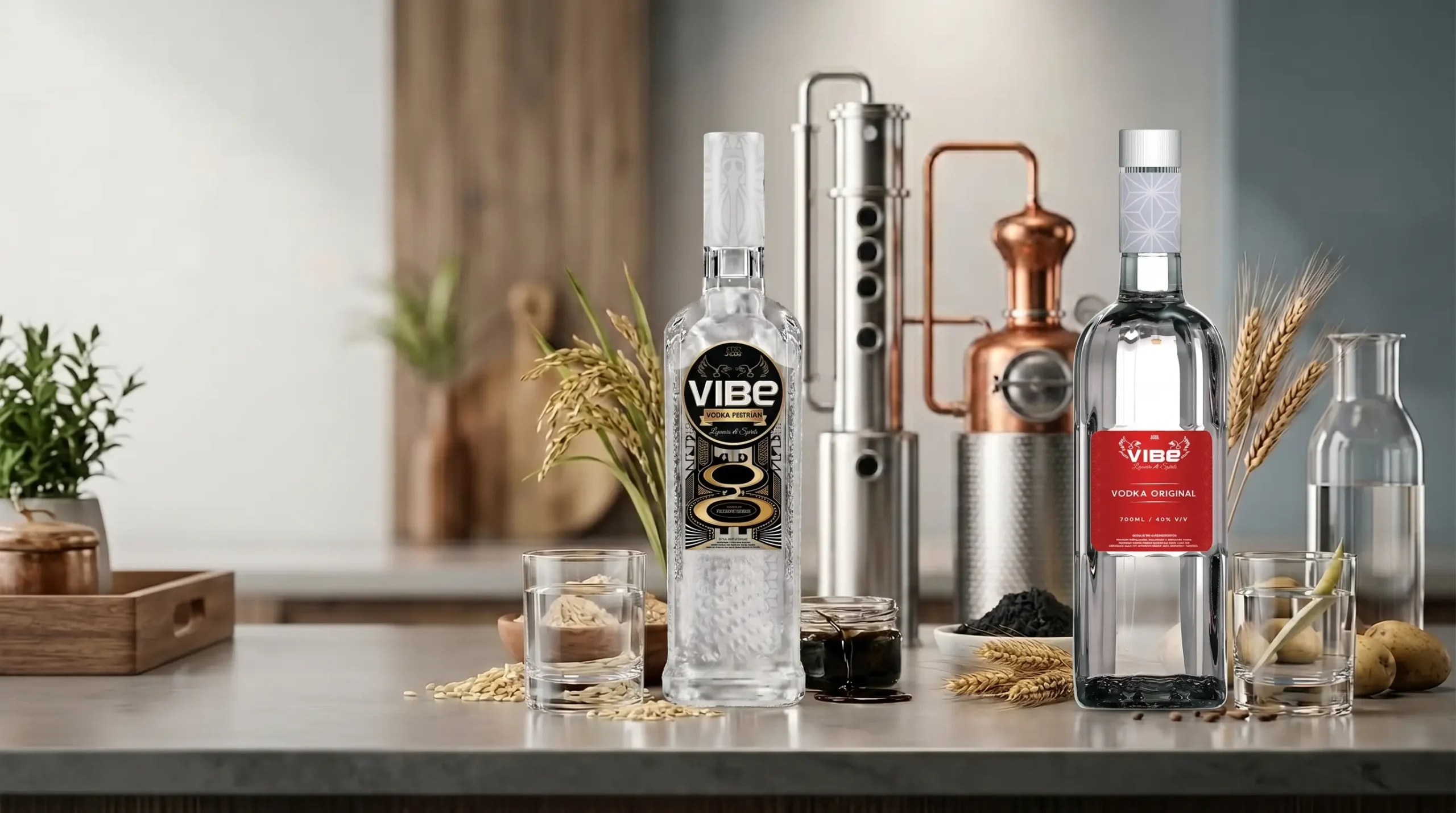
The alcoholic beverage industry in Indonesia, especially the spirits category, has experienced significant development in recent years. On store shelves and bar menus, we now increasingly see Indonesian local vodka products sitting alongside global brands. This phenomenon often raises a question among adult consumers: what exactly is local vodka vs. imported vodka, and is there a real difference in terms of taste or quality?
This comparison is very natural. Consumers often consider factors of price, prestige, and quality expectations when choosing a drink. However, to understand the difference between local and imported vodka comprehensively, we need to look beyond just the label or country of origin. We must dissect fundamental aspects such as raw materials, the distillation process, filtration methods, and quality control standards in production facilities.
What is Meant by Local Vodka and Imported Vodka?
By technical definition, there is no international regulation that separates vodka based on its citizenship. The division between Indonesian local vodka and imported vodka is purely based on the geographical location where the distillation and bottling facilities are located.
- Local Vodka: A spirit that is produced, distilled, and bottled domestically (in this context, Indonesia). Producers are subject to Indonesian government regulations, including supervision from the Food and Drug Supervisory Agency (BPOM) and the Directorate General of Customs and Excise.
- Imported Vodka: A product distilled and bottled abroad (such as in Russia, Poland, France, the United States, or other countries), then imported into Indonesia through official distribution channels.
It is important to note that the country of origin does not automatically determine quality. A product does not necessarily become a premium vodka just because it is imported, and a local product does not always mean it is of substandard quality. Everything comes back to the execution of the vodka making process itself.
Do Local Vodka and Imported Vodka Taste Different?
Historically and regulatorily (such as in the United States through the TTB in the past), vodka is often defined as a spirit that has no distinctive character, aroma, taste, or color. However, connoisseurs and industry professionals know that the taste of vodka is not one hundred percent neutral.
A difference in taste between local vs. imported vodka is very possible, but not solely because of national borders. These differences arise through several sensory aspects:
- Aroma: A good vodka has a clean aroma. Some imported vodkas from Eastern Europe that use wheat or rye might have a slight aroma of bread or spices. Meanwhile, Indonesian local spirits that might use a different raw material base could have a slightly sweeter or more neutral final aroma.
- Mouthfeel (Texture): This is the sensation of the liquid’s thickness in the mouth. Premium vodka often feels creamy or silky. This texture is heavily influenced by the water quality and vodka filtration methods used by the factory, both locally and internationally.
- Level of Neutrality and Aftertaste: The character of the finish in the throat (throat catch). Vodka with an optimal purification process will not provide a stinging, harsh burn sensation, but rather a smooth warming feeling.
Factors that Influence the Taste of Vodka
To understand the character of vodka, we must look at the anatomy of its production. Here are the factors that create differences in taste and quality:
1. Vodka Raw Material (Base Material)
Vodka can basically be made from any agricultural material containing fermentable sugars or starch.
Many traditional imported vodkas from the “Vodka Belt” (Eastern Europe and the Nordics) use wheat, rye, barley, or potatoes. These ingredients provide a flavor profile that is crisp, slightly spicy, or earthy.
In tropical countries like Indonesia, vodka raw materials often utilize local agricultural products, such as molasses or rice. The use of molasses, for example, which is processed with high technology to achieve the neutrality level of vodka, can sometimes leave a flavor profile trace that is rounder or slightly more sweet-leaning compared to wheat.
2. Vodka Distillation Process
The vodka distillation process aims to separate alcohol from water and unwanted compounds (congeners). The majority of vodkas are produced using multi-level column stills that can purify the alcohol to reach 95-96% ABV (Alcohol by Volume) before being diluted. The more efficient the distillation technology used, the purer the resulting spirit, regardless of whether the factory is in Jakarta, Bali, or Moscow.
3. Number and Method of Purification (Filtration)
After distillation, the alcohol is filtered to remove remaining impurities that affect the taste. The use of activated carbon (charcoal), quartz sand, to modern methods like membrane filtration greatly influences the smoothness of the final product. Producers, whether local or imported, who invest in sophisticated vodka filtration systems will produce a smoother product.
4. Water Quality (Dilution)
Before bottling, 95% alcohol is diluted with water until it reaches consumption levels (usually 40% ABV). Because 60% of the bottle’s contents are water, the quality of the water is crucial. The mineral content in the water (or the lack thereof due to demineralization/reverse osmosis) will greatly affect the mouthfeel of the vodka.
Differences in the Production Process of Local and Imported Vodka
There is no absolute generalization that all local producers use method X and all imported producers use method Y. However, there are some contextual differences in the industry:
- Factory Scale and Capacity: Some global imported brands are produced in giant distilleries with hundreds of years of history, allowing for large-scale precision and efficiency. On the other hand, Indonesian vodka is produced by various scales of factories, from large corporate facilities to craft distilleries that prioritize small-batch production.
- Regulations and Taxation: The production process in Indonesia involves strict control from customs, from the moment raw materials enter until the products leave. This excise structure affects the cost structure, so local producers are often required to be efficient in operations to compete in terms of price.
How to Assess the Quality of Vodka?
Assessing vodka quality requires objectivity. An expensive price or the claim “distilled 10 times” is not an absolute guarantee of quality. Some objective indicators for assessing quality include:
- No Pungent Aroma (Solvent-like): Quality vodka should not smell like acetone or nail polish remover. This indicates good separation of heads and tails during distillation.
- Production Consistency: A good brand provides exactly the same taste and quality in every production batch.
- Warm Taste, Not Burning: Quality alcohol provides a warming effect in the chest, rather than aggressively burning the tongue or throat.
Indonesian Local Vodka: What Makes It Different?
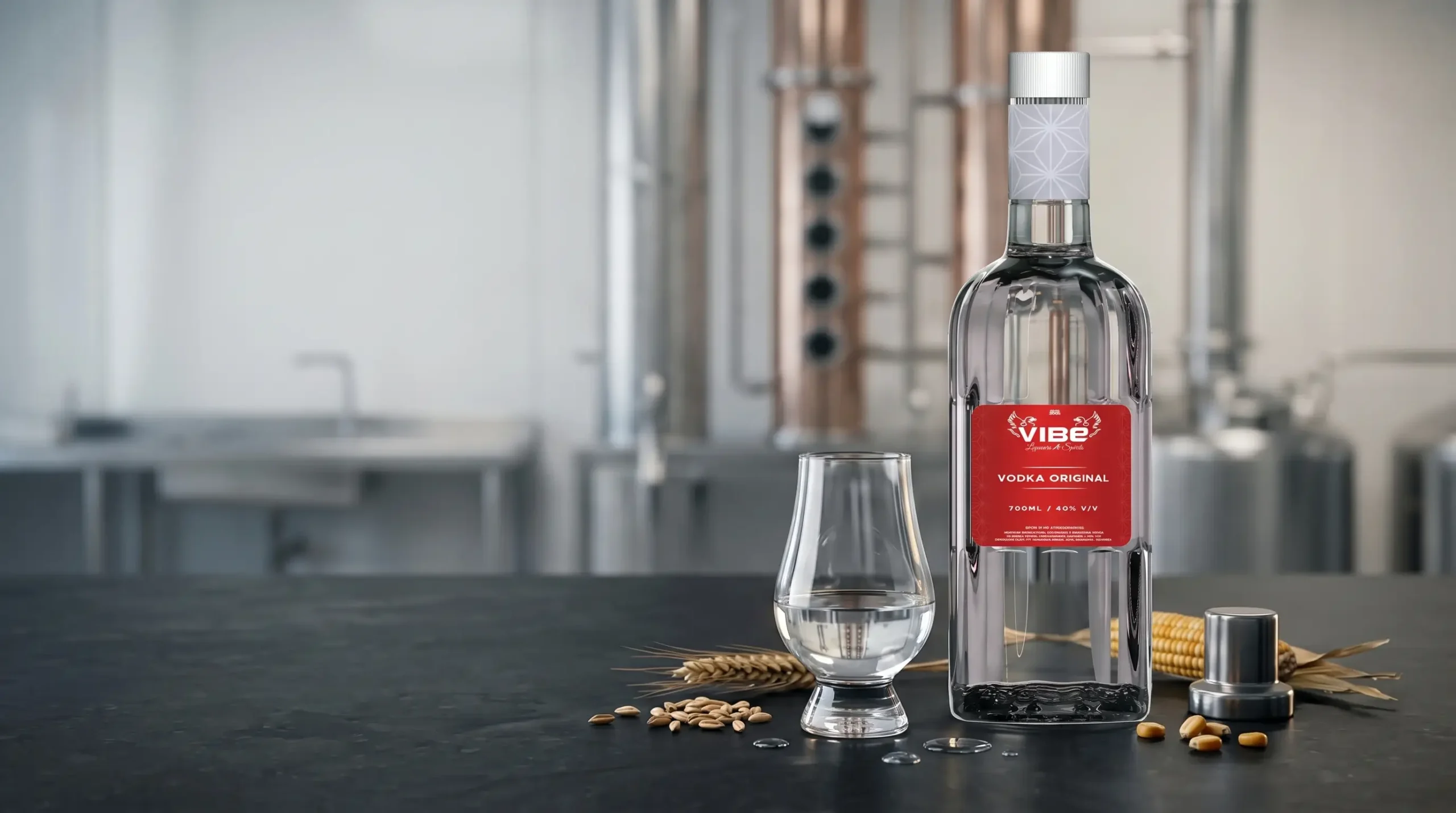
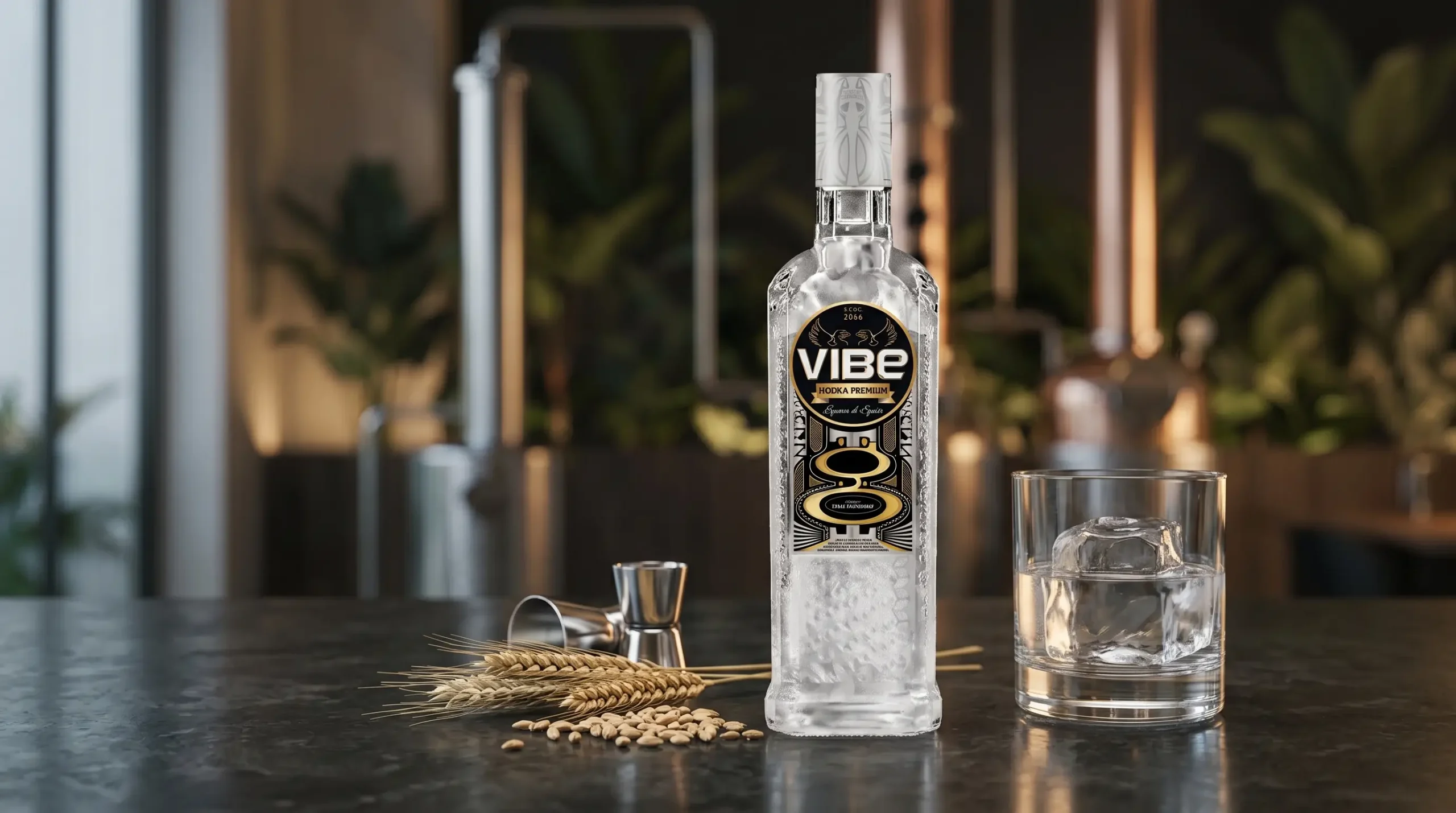
The Indonesian vodka industry is currently in an innovation phase and is slowly starting to gain recognition at the global level. A real example of this industry’s achievements is Vibe Liqueur & Spirits, an original Indonesian alcoholic beverage brand.
This local brand is not only marketed domestically but has also proven its quality standards by objectively winning various international awards. Some of the prestigious competitive awards won by this brand include those at the Ultimate Spirits Challenge (USC) in the United States and the Asia International Spirits Competition (AISC).
Through blind tasting (taste testing without seeing the label) by a panel of global experts, variants such as Vibe Vodka and Vibe Vodka Premium successfully secured medals and competed competitively with world trademarks. This fact proves that domestic production facilities are capable of producing global-standard spirits. This shows that if managed with high quality control standards, state-of-the-art filtration systems, and strict water purification, Indonesian local spirits can fully match the quality of foreign products.
In addition, local producers have the advantage of direct access to agricultural raw materials in a tropical country. This comparative advantage makes local spirits have a highly efficient value for money due to the absence of cross-continental shipping costs and import duty structures that bind imported products.
Is Imported Vodka Always of Higher Quality?
This is one of the biggest misconceptions among consumers. The country of origin is not the sole indicator of quality. Imported vodkas also have a varying range of classes, from bottom-shelf to ultra-premium.
If you compare a premium local vodka made in a modern facility against a bottom-shelf imported vodka, it is highly likely that the local product will outperform the imported one in terms of flavor smoothness. Therefore, doing an apple-to-apple comparison based on the specifications of production equipment and factory standards is much more accurate than simply looking at the flag of its country of origin.
Can Local Vodka Have Quality Equal to Imported Products?
The answer is absolutely yes. The final quality of a spirit is determined by chemistry, mastery of distillation machine technology, the skill of the master distiller, and the capital invested in the filtration system. Indonesian local producers who apply ISO or HACCP quality standards, invest in modern distillation technology, and use high-quality raw materials and water, have proven their ability to produce spirits meeting global premium vodka standards.
Understanding Vodka Quality Beyond National Borders
The debate regarding local vodka vs. imported vodka should be returned to an appreciation of its technical production process. Vodka quality, whether in terms of vodka character, texture smoothness, or the absence of impurity compounds, is ultimately determined by the producer’s dedication to vodka distillation methods, the meticulousness of the filtration system, and the consistency of its quality control.
Imported vodka offers historical heritage and specific characters from subtropical climate agricultural raw materials, while local vodka as proven through international medal achievements by domestic producers offers efficient modern technology adaptation that is recognized globally. As a consumer, understanding vodka flavor profiles objectively will help you make a rational choice according to your tastes and mixology needs, without being constrained by the stigma of the product’s country of origin.
Interested in Exploring Internationally Qualified Local Spirits?
If you want to prove the quality of capable local spirits for yourself, try Vibe Liqueur & Spirits As an authentic Indonesian alcohol brand that has won various international awards, Vibe presents various flavor variants with varying alcohol contents to suit your tastes. Vibe products are highly flexible and perfect for use in your favorite cocktail recipes at home.
Don’t forget to also visit Wekendvibe to get the latest information regarding the best venue recommendations, refreshing cocktail recipe inspirations, and other unique and interesting information about today’s modern lifestyle!
FAQ
1. What is the difference between local vodka and imported vodka?
The main difference lies in the geographical location of production operations. Local vodka is produced, distilled, and bottled domestically (Indonesia), whereas imported vodka is produced abroad and brought in through official distribution channels. Other differences include adaptations to local agricultural raw materials and price differences due to cross-border logistics and import tax factors.
2. Does local vodka taste different from imported vodka?
It can be different. The taste of vodka is strongly influenced by the base material source. Imported vodkas from Europe often use wheat or potatoes which provide a certain taste texture, while Indonesian local vodkas generally use sugarcane derivatives or local grains that can produce a very neutral profile with a touch of a slightly rounder character.
3. Is imported vodka always of higher quality?
Not always. Vodka quality is determined by the control of the fermentation process, distillation technology precision, filtration methods, and water purity, not just the country of origin. In fact, several Indonesian local vodka producers have proven their quality by winning awards in international-scale spirit competitions such as the Ultimate Spirits Challenge.
4. What determines the quality of vodka?
Vodka quality is determined by the use of clean raw materials, the efficiency of separating pure alcohol from impurity compounds (congeners) during the distillation process, the effectiveness of filtration technology (such as activated carbon), and the purity of the water used in the final dilution stage. Properly processed vodka will taste warm, smooth, and have no pungent solvent aroma.
5. What raw materials are used to make vodka?
Technically, vodka can be made from any organic material containing fermentable sugar or starch. Commonly used ingredients globally are wheat, rye (black wheat), corn, and potatoes. In tropical countries, the use of molasses (sugarcane molasses) and rice is very common and effective for producing high-quality vodka.
6. How does the distillation process affect the taste of vodka?
Distillation is the heating process to separate alcohol from water and impurity elements. The more efficient and taller the distillation column used, the more neutral and pure the resulting alcohol. A proper distillation process will significantly remove chemical compounds that cause a bitter taste or harsh smell in the final vodka.