 Log in
 Register


For adult individuals who are just starting to explore the world of alcoholic beverages, the hot sensation or bitter taste of ethanol often feels too sharp on the tongue. Therefore, the search for sweet-flavored alcoholic beverages is often the first step taken. Sweet, fruity, or creamy flavor profiles indeed tend to be more approachable or easily accepted by the palate because they provide a familiar sensation. However, it is important to understand from the beginning that the term “suitable for beginners” here purely refers to its friendly flavor profile, not meaning that the drink is safe to consume in large quantities, or has a low alcohol content.
The perception of taste in an alcoholic beverage is the result of a complex interaction between various elements. Sweetness from residual fermentation sugar or added sugar serves to soften the sharpness of the alcohol. Meanwhile, the fruit component (fruity) provides a fresh aroma, acidity balances the taste so it is not too cloying, bitterness adds a flavor dimension, and carbonation provides a refreshing sensation in the mouth. Understanding the interaction of these elements is the key to appreciating alcoholic beverages wisely, without getting trapped in the assumption that a sweet taste is directly proportional to the lightness of the drink’s effect.
What is Meant by Sweet-Flavored Alcoholic Beverages?
In the world of mixology and alcoholic beverage production, sweetness can refer to several different profile characters. Sweet-flavored alcoholic beverages do not just “contain sugar”, but have a flavor structure built through special processes.
The sweet character usually comes from residual sugar (leftover grape sugar that is not fermented into alcohol) or from the addition of post-distillation sweeteners. The fruity character refers to the aroma and taste of fruits, both from the fermentation base ingredients and from the maceration process of real fruits. On the other hand, a creamy or dessert-like character often involves the addition of dairy-derived components, chocolate, coffee, or sweet spices like vanilla that provide a heavy body texture to the drink.
This sweet taste functions as a balancing agent that masks the sharp aroma of ethanol. That is why many types of sweet alcoholic beverages feel very smooth when swallowed, making them popular with those who are studying the flavor complexity of alcoholic beverages.
5 Sweet-Flavored Alcoholic Beverages to Know
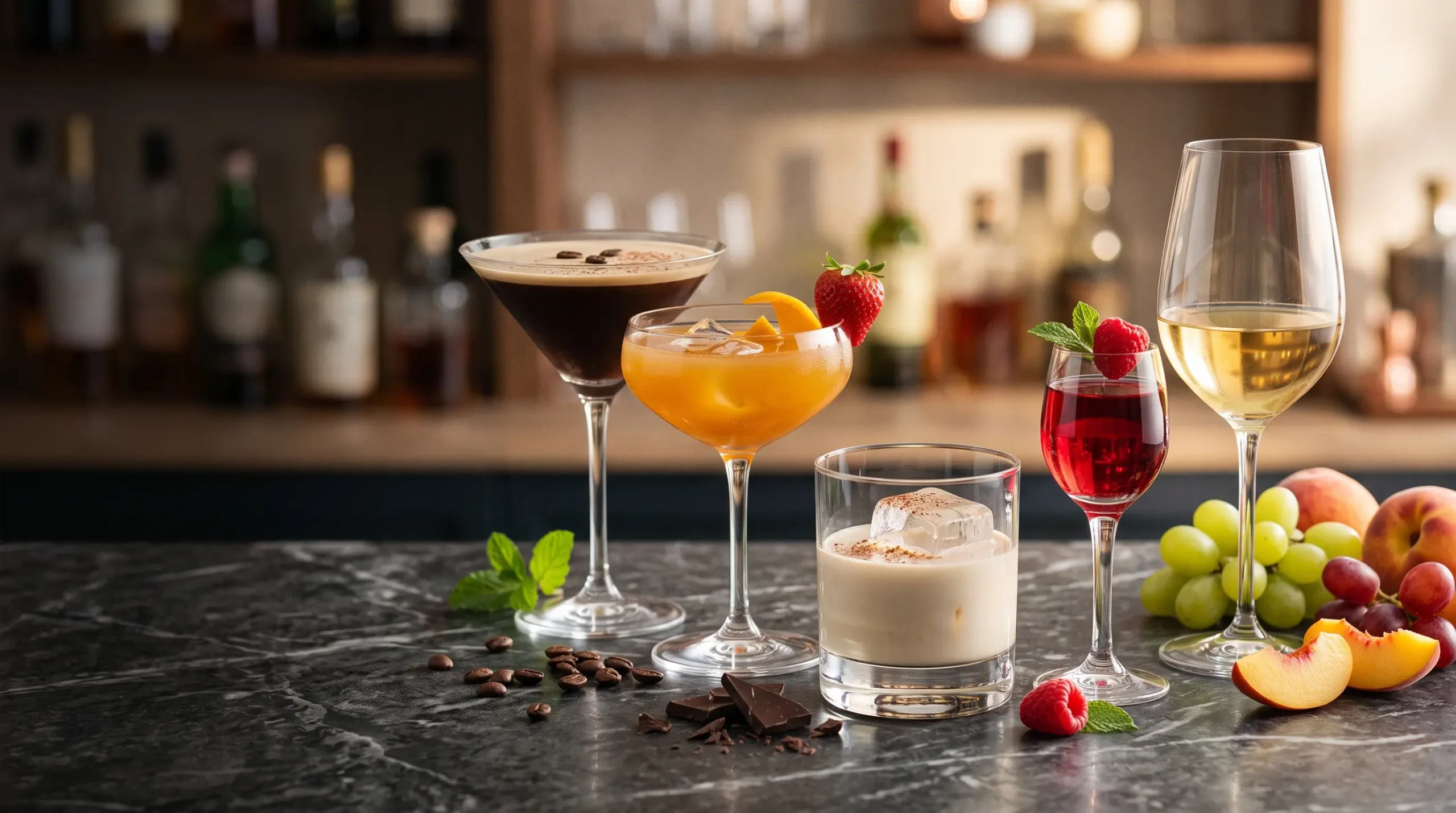
Here are five categories of sweet-flavored alcoholic beverages that are often recommended for those who want to get to know flavor profiles without directly dealing with an alcoholic beverage profile that is too dry or harsh. The selection of these categories is based on their approachable flavor characteristics, not as a guarantee that these drinks are the safest or easiest to drink.
1. Sweet Wine
- Flavor Character: Naturally sweet, light, often with a touch of floral aromas or fresh fruits like peaches, apples, and honey.
- Main Ingredient: Grapes. The sweet taste is obtained because the fermentation process is stopped before the yeast consumes all the natural sugar in the grapes.
- Alcohol by Volume (ABV) Range: Generally ranges between 5% to 15%, depending on the variety and style of making. (Example: Moscato d’Asti is often in the 5.5% range).
- Why it is approachable: Its sweetness comes from nature (the grapes themselves), often balanced with the right acidity so that it tastes very refreshing, especially if served chilled.
- Things to Note: Because it tastes like high-quality grape juice, it is very easy for someone to consume it faster than the recommended dose.
2. Fruit Liqueur
- Flavor Character: Very sweet, thick, and highlights one or two specific fruit flavor profiles intensely (e.g., lychee, melon, or peach).
- Main Ingredient: Pure liquor (such as vodka or neutral spirit) mixed with a significant amount of sugar and real fruit extracts or macerations.
- Alcohol by Volume (ABV) Range: Usually varies from 15% to 30%, depending on the brand and type of fruit.
- Why it is Approachable: Sweet liqueurs are specifically designed to concentrate the flavor on their additives to soften the sharpness of the alcohol. For example, product variants like VIBE Lychee, VIBE Melon, or VIBE Peach from the Vibe Liqueur & Spirits portfolio offer tropical fruit flavor profiles that are very familiar to the local palate. The presence of a dominant fruit aroma and thick sweet flavor consistency makes the transition into recognizing alcoholic beverages much easier for the tongue to accept.
- Things to Note: The sugar content in liqueurs is very high. Therefore, fruit liqueurs are rarely drunk neat in large quantities and are usually served in small portions with ice cubes (on the rocks), or function as a sweetening component and main aroma enhancer in making cocktails.
3. Cream Liqueur
- Flavor Character: Milky, sweet, thick, smooth, with a dominance of derivative flavors such as caramel, chocolate, or coffee.
- Main Ingredient: Liquor (generally Irish Whiskey or Rum) emulsified with milk cream, sugar, and natural flavorings.
- Alcohol by Volume (ABV) Range: Generally ranges from 15% to 20%.
- Why it is Approachable: Its texture resembling milk or melted ice cream makes it feel like a dessert. The cream layer in this drink is also very effective at covering the hot sensation of the alcohol.
- Things to Note: Because it contains dairy derivative products, this drink can feel very heavy in the stomach (heavy body). Excessive consumption can cause a nauseating feeling, and the combination of milk and alcohol requires slow consumption.
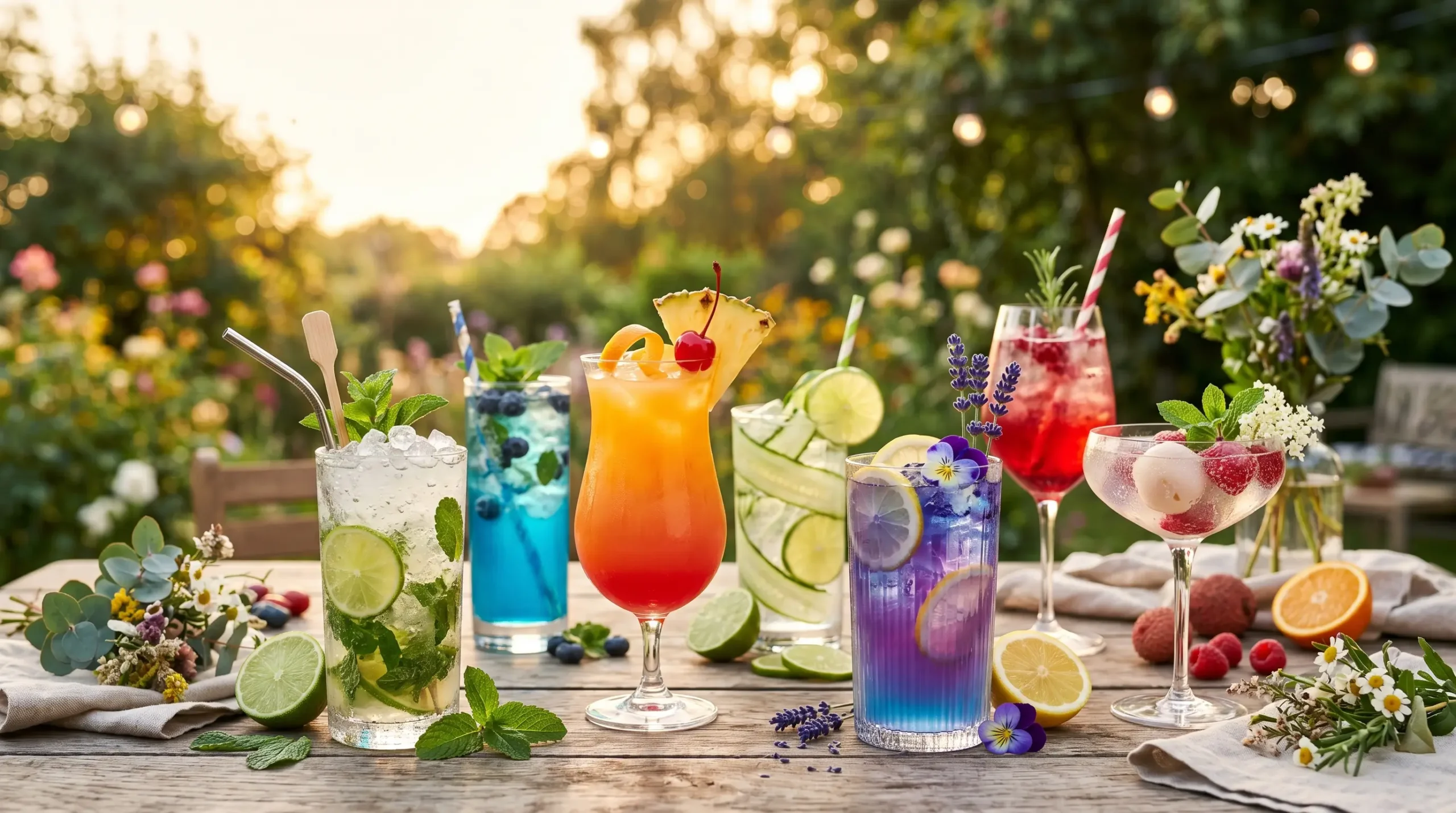
4. Fruity Cocktail
- Flavor Character: Refreshing, sweet, tart, and dynamic thanks to the blend of various ingredients.
- Main Ingredient: One or more types of base spirits (such as white rum, gin, or fruit-flavored vodka) shaken together with fresh fruit juices, simple syrup, and lime/lemon juice.
- Alcohol by Volume (ABV) Range: Varies greatly, generally between 10% to 25% per glass, depending on the bartender’s measure.
- Why it is Approachable: The presence of fruit juices (such as pineapple, orange, or cranberry) gives the illusion of drinking ordinary fruit juice. The sour taste from the citrus balances the syrup, hiding the alcohol profile very neatly.
- Things to Note: Sweet cocktails often contain a mixture of more than one type of liquor (“hidden liquor”). Although it tastes light like fruit juice, the intoxication effect can be very strong and unexpected.
5. Dessert Cocktail
- Flavor Character: Rich, intense, sweet, and tends to have a taste like cake, coffee, or melted chocolate.
- Main Ingredient: Base spirit (generally vodka) paired with coffee liqueur, chocolate liqueur, mocha syrup, or fresh espresso cream.
- Alcohol by Volume (ABV) Range: Can be quite high, generally in the 15% to 25% range.
- Why it is Approachable: Alcoholic beverages for beginners are often identified with this variant (e.g., Espresso Martini or Baileys Martini) because its flavor profile mimics a dessert, making it very suitable to be enjoyed after dinner.
- Things to Note: The caffeine content (if using coffee) mixed with alcohol can mask the depressant effects of the alcohol, making a person feel sober even though the body is processing high amounts of alcohol.
Do Sweet-Tasting Drinks Have Lower Alcohol?
This is one of the biggest misconceptions in the beverage world. Sweet taste cannot be used as an indicator of low alcohol content at all. In fact, sugar is an incredible alcohol disguiser.
For comparison, beer generally has a slightly bitter taste with an alcohol by volume (ABV) of around 4% to 5%. On the other hand, a cocktail with a very sweet fruit syrup flavor or a sweet liqueur can easily have an alcohol content of 20% to 30%. Sugar coats the taste receptors on the human tongue, dulling the palate’s ability to detect the ethanol burn from the alcohol. Therefore, when enjoying a fruity alcoholic beverage or dessert cocktail, it is very important to always read the bottle label or ask the bartender for an estimated measure, rather than relying on taste guesses.
What Needs to Be Considered When Getting to Know Alcoholic Beverages?
Learning about sweet alcoholic beverage types must always be accompanied by the principles of responsible consumption. Here is an essential guide for adults:
- Understand Alcohol Content / ABV (Alcohol by Volume): Always check the ABV label. This number indicates the percentage of pure alcohol in the total volume of the liquid. The higher the ABV, the slower the recommended consumption.
- Pay Attention to Serving Size: Drinks with high ABV are served in small glasses (e.g., a 30-45ml shot glass), while drinks with low ABV like beer are served in large glasses. High ABV drinks should not be consumed in a volume equivalent to beer.
- Don’t Be Fooled by Taste: Once again, the difference between a sweet and a bitter alcoholic beverage is only in the flavor composition, not in the strength of its effects.
- Hydration is Key: Alcohol is a diuretic. Make sure to consume one glass of plain water for every portion of an alcoholic beverage consumed to maintain body balance.
- Legal Age Limit & Regulations: In Indonesia, based on the Regulation of the Minister of Trade (Permendag), the legal age limit to buy and consume alcoholic beverages is 21 years and over. Maturity is not just about age, but also about the ability to control oneself and obey local laws.
Tips for Recognizing Flavor Characters Without Just Relying on Sweetness
Palate education is an interesting journey. So that the flavor exploration experience is not monotonous, pay attention to the following components when sipping a drink:
- Aroma (Nose): Before drinking, bring the glass close and inhale the aroma slowly. Are there scents of flowers, spices, or caramel? Most of the perception of “taste” actually comes from the sense of smell.
- Acidity: Pay attention to the salivation sensation on the sides of the tongue. Good acidity makes sweet drinks not feel sticky or boring.
- Bitterness: A little bitter taste (usually from roots, orange peels, or certain botanicals) gives flavor complexity so the drink is more balanced.
- Body (Mouthfeel): Does the liquid feel light like water (plain water), medium (like apple juice), or heavy/thick (like condensed milk or syrup)?
- Aftertaste (Finish): The taste sensation left in the throat after swallowing. A good quality drink will leave a pleasant flavor trail, not a sharp stinging taste.
By understanding that a sweet flavor profile is a bridge to exploring ingredient complexity, the art of mixing drinks can be appreciated more objectively and elegantly.
Comparison Table of Characters of 5 Categories of Sweet Alcoholic Beverages
| Category | Main Flavor Profile | Sweet Character | Aroma Character | Things to Note |
| Sweet Wine | Sweet, fresh, floral | Natural from residual grape sugar | Flowers, peaches, honey apples | Its acidity masks the alcohol effect, easy to consume quickly. |
| Fruit Liqueur | Extra sweet, intense fruit flavor | From added sugar and fruit maceration | Specific to 1-2 types of fruit (e.g., Lychee, Melon) | High sugar covers the medium ABV percentage (15-30%). |
| Cream Liqueur | Smooth, creamy, rich | From milk cream and sweet flavorings (caramel/vanilla) | Coffee, chocolate, caramel, milk | Heavy body texture, can trigger nausea if too much. |
| Fruity Cocktail | Juicy, sweet-sour, dynamic | From syrup, liqueur, and pure fruit juices | Oranges, pineapples, berries | Often contains several types of base spirits, high alcohol but feels light. |
| Dessert Cocktail | Intense, dessert-like | From mocha syrup, coffee/chocolate liqueur | Roasted coffee, dark chocolate, vanilla | Caffeine content can mask drowsiness caused by alcohol. |
FAQ Regarding Sweet-Flavored Alcoholic Beverages
1. What are sweet-flavored alcoholic beverages?
Some alcoholic beverages known for their sweet taste include sweet wine (like Moscato or Port), fruit liqueur, cream liqueur (like Irish Cream), as well as various types of fruity and dessert cocktails made using additional syrups or fresh juices.
2. Are sweet alcoholic beverages suitable for beginners?
Yes, in terms of flavor profile. Sweet-flavored alcoholic beverages are considered “suitable for beginners” because their taste is more approachable on the tongue and is able to cover the sharpness of the ethanol taste. However, this is not related to the low effect or high safety of the alcohol.
3. Does a sweet taste mean low alcohol content?
No. Sweetness and alcohol content do not correlate. Sugar can cover the stinging taste of alcohol very well. A beverage or cocktail that tastes very sweet could contain a much higher alcohol by volume (ABV) than a bitter-tasting drink like beer.
4. What is the difference between a liqueur and a cocktail?
A liqueur is a bottled alcoholic beverage product (the result of a producer) that has been given sweeteners, flavorings (fruits/spices), and certain extracts. A cocktail is the final mixed drink created by a bartender by mixing a base spirit, liqueur, juices, or syrups before being served.
5. What is sweet wine?
Sweet wine is a type of wine where the fermentation process is stopped before the yeast converts all the natural sugars in the grapes into alcohol. This leaves residual sugar in the drink, resulting in a naturally sweet and lighter taste.
6. How do you find out the alcohol content in a drink?
The most certain way is to look at the ABV (Alcohol by Volume) percentage on the official bottle packaging label. If ordering a cocktail at a bar, ask the bartender directly regarding the liquor components used and their strength range.
Wise Steps to Start Exploring Flavor Profiles
Starting the journey to recognize various alcoholic beverages through sweet flavor profiles is a natural and fun way. Always keep in mind that ease of drinking (drinkability) does not lower the effects or alcohol content within it. Understanding personal limits, enjoying the process of recognizing aromas and textures, and making this experience a means of flavor appreciation is very important, rather than just seeking intoxication.
For those interested in exploring various flavor profiles responsibly, Vibe Liqueur & Spirits can be an option worth considering. As a proud Indonesian local alcohol product that has won various international standard awards, VIBE offers various flavor variants with diverse alcohol contents. This diversity provides high flexibility to be enjoyed directly or to function as a foundation for various cocktail recipe mixes.
To broaden knowledge and references regarding this lifestyle, visit Wekendvibe. The platform provides the latest information regarding the best venue recommendations, practical cocktail recipe guides, and various other unique information surrounding alcoholic beverage culture. Happy exploring and enjoy every sip responsibly!