 Log in
 Register



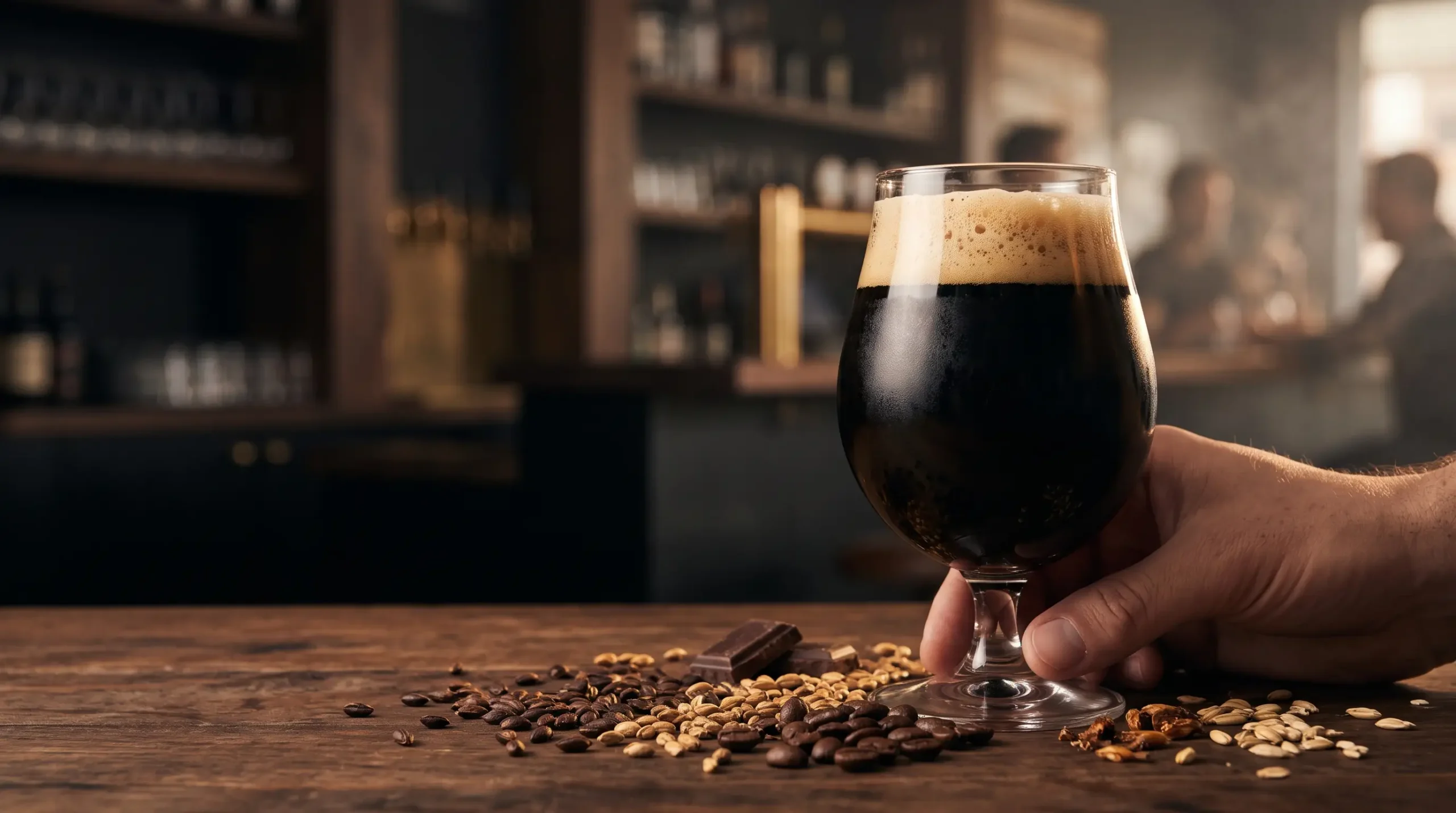
Often, a glass of intensely dark, almost black beer can make beginners hesitant to try it. There is a common assumption that a dark color means an extremely bitter or heavy flavor, or an unusually high alcohol content. However, this is not necessarily true.
The dark color of black beer or stout comes naturally from grains (malt) that are roasted at high temperatures, similar to the roasting process used for coffee beans. The result is a rich flavor profile featuring roasted malt, coffee, and chocolate aromas, with levels of bitterness and alcohol content that can vary considerably.
For beginners who want to explore the world of beer beyond the usual pilsners or lagers, this article takes an in-depth look at what stout is, what it tastes like, how much alcohol black beer contains, and how to properly enjoy it.
Note: Alcoholic beverages are intended only for individuals who meet the legal drinking age, which is 21 and over in Indonesia. Drink responsibly and never drive under the influence of alcohol.
What Is Black Beer or Stout?
Simply put, stout is a type of dark beer that belongs to the ale family. It is fermented using top-fermenting yeast, which works at warmer temperatures and rises toward the surface during fermentation. Stout is known for its strong roasted character, often fuller mouthfeel, and thick, creamy head.
Originally, the term “stout” was used in the 17th century to describe a stronger version of porter beer, known as stout porter. Over time, stout evolved into its own distinct beer style, although it still shares many similarities with porter.
Why Is Stout So Dark?
The deep color of stout does not come from artificial coloring, but from its main ingredients: roasted barley or roasted malt.
The process is very similar to coffee roasting. Just as raw coffee beans, which are pale green, turn dark brown to black when roasted, malted grains used for beer undergo a similar transformation. The longer and hotter the malt is roasted, the darker it becomes. This highly roasted malt gives stout its deep black color while also contributing its characteristic roasty flavor.
What Does Stout Taste and Smell Like?
Talking about the flavor of black beer means exploring a broad sensory spectrum. The flavor of stout depends heavily on the recipe, type of malt, hops, yeast, and brewing method. However, the following simple sensory terms can help you recognize a stout’s flavor profile:
- Roasted Malt: A sensation similar to roasted grains. This is the backbone of the flavor profile in stout.
- Coffee and Chocolate: The coffee and chocolate notes in stout do not necessarily come from added syrups, but rather from the caramelization and roasting of the malt. The aroma can range from sweet milk chocolate to intense dark chocolate and espresso.
- Caramel, Nuts, and Toast: These often appear as supporting undertones that add complexity to the flavor.
- Bitterness: The bitterness in stout generally comes from a combination of hops—the flowers responsible for bitterness in beer—and the acidity of roasted malt.
- Body & Mouthfeel: Body refers to how thick or “heavy” the beer feels in the mouth, while mouthfeel describes its texture. Stout generally ranges from medium-bodied to full-bodied, with a creamy or velvety mouthfeel.
- Carbonation: Unlike highly carbonated beers, stout often has softer and lower carbonation.
- Aftertaste: The flavor that remains after swallowing. Stout often leaves behind notes of dry coffee or a subtle chocolate sweetness.
Black Beer Alcohol Content (ABV): Is It Always High?
Many people assume that black color is directly related to alcohol content. This is one of the biggest myths in the beer world. Alcohol content in beer is measured using ABV (Alcohol by Volume).
- Standard Stout: Styles such as Dry Stout or Irish Stout with Guinness Draught being one of the best-known examples actually have relatively low ABV, usually around 4.0% to 4.5%. This can even be lower than many standard pilsners or lagers on the market, which are around 5%.
- Strong Stout: On the other hand, styles such as Imperial Stout are specifically brewed to have a high alcohol content, typically ranging from 8% to 12% or even higher.
The conclusion: black beer alcohol content can vary significantly. Always check the ABV listed on the bottle or can before consuming it.
Common Types of Stout
The world of stout is incredibly diverse. According to beer style guidelines from the Beer Judge Certification Program (BJCP) and the Brewers Association, several popular types of stout include:
- Irish Stout (Dry Stout): The lightest style, with an intensely black color, prominent roasted coffee flavors, and a very dry finish. [Internal Link: The History of Guinness and Irish Stout].
- Milk Stout (Sweet Stout): Made with the addition of lactose, a milk sugar that cannot be fermented by beer yeast. The result is a sweeter, richer, and very creamy black beer.
- Oatmeal Stout: Brewed with the addition of oats. Oats provide an exceptionally smooth texture, subtle natural sweetness, and nutty notes.
- Imperial Stout: The strongest, most intense, and most robust style. It features powerful flavors of dark fruits such as plum and raisin, rich chocolate, and a warming sensation from its high ABV.
Differences Between Stout and Regular Beer (Lager, Ale, Porter)
To make the differences between stout and other common beer styles easier to understand, consider the following comparison:
| Characteristic | Lager (Regular Beer) | Pale Ale / IPA | Porter | Stout |
| Color | Pale yellow to golden | Deep gold to copper | Dark brown to almost black | Deep black |
| Dominant Ingredient | Pale malt | Pale malt & high hop content | Brown/chocolate malt | Roasted barley/malt |
| Flavor Profile | Light, crisp, bready | Fruity, floral | Chocolate, caramel, light coffee | Strong coffee, dark chocolate, roasty |
| Yeast | Bottom-fermenting (cool temperature) | Top-fermenting (warm temperature) | Top-fermenting (warm temperature) | Top-fermenting (warm temperature) |
| Body/Texture | Light-bodied | Medium-bodied | Medium to full | Medium to very full-bodied (creamy) |
Note: Porter and stout are very similar, but stout generally uses roasted barley, resulting in a sharper and more intense roasted flavor.
Is Stout Suitable for Beginners?
Absolutely. Stout can be an excellent choice for beginners, as long as you have the right expectations about its flavor. It is particularly recommended for people who already enjoy black coffee, such as espresso or Americano, and dark chocolate. If your palate is accustomed to the natural bitterness of coffee and chocolate, transitioning to black beer or stout can feel surprisingly easy and enjoyable.
How to Serve and Enjoy Stout
Enjoying black beer is slightly different from drinking pilsners or lagers, which are typically served very cold. Here is a step-by-step guide to getting the best experience:
Pay Attention to Serving Temperature
Never drink stout when it is nearly frozen or ice cold. Excessively cold temperatures can dull your senses and hide the coffee and chocolate aromas that are among stout’s main attractions. The ideal serving temperature for stout is around 10°C to 14°C (cellar temperature). Take it out of the refrigerator and let it sit for approximately 10–15 minutes before opening.
Choose the Right Glass
Avoid drinking directly from the bottle or can. Use a pint glass, tulip glass, or snifter. A glass with a rounded lower section and a slightly narrower opening, such as a tulip glass, is ideal for capturing and concentrating roasted malt aromas.
Pouring Technique
To achieve the perfect head:
- Tilt the glass at a 45-degree angle.
- Slowly pour until the beer reaches about halfway up the glass.
- Return the glass to an upright 90-degree position and pour the remaining beer directly into the center.
- Let the beer rest briefly and observe the cascade effect. Watch the bubbles move beautifully up and down before eventually forming a creamy head on top.
Observe and Taste
- Look: Observe the color. A good stout should have an intensely dark color with a thick, brownish tan head.
- Smell: Bring your nose close to the rim of the glass. Look for aromas of brewed coffee, chocolate, caramel, or subtle smoky notes.
- Taste: Take a small sip. Let the liquid move across your entire tongue to experience its creamy mouthfeel.
- Aftertaste: Swallow slowly and notice the lingering flavor at the back of your tongue. Does it leave a clean coffee bitterness or a lingering sweetness?
Common Mistakes Beginners Make When Trying Stout
To make sure your first experience with stout is enjoyable, avoid the following mistakes:
- Chugging: Stout is designed to be enjoyed slowly through sipping, much like a good cup of coffee.
- Serving It Too Cold: As mentioned earlier, excessively cold temperatures can suppress its complex flavor profile.
- Judging It by Its Color: Do not assume the beer has a high alcohol content simply because it is black. Always check the ABV on the label.
Stout for Beginners: Where Should You Start?
If you’re unsure how to choose your first stout, here are some simple recommendations based on your taste preferences:
- If you enjoy black coffee: Start with an Irish Stout / Dry Stout, such as Guinness. It is relatively light, dry, and dominated by coffee-like flavors.
- If you prefer sweet and creamy flavors: Look for Milk Stout or Oatmeal Stout. Both offer sweetness that balances the bitterness of roasted malt, making them particularly approachable for beginners.
- If you’re already accustomed to strong beer and want a challenge: Try an Imperial Stout next. Enjoy it slowly and in smaller portions because of its high alcohol content.
Exploring Flavors: From Black Beer to Local Spirits
Exploring the world of black beer and stout opens the door to a broad and complex spectrum of flavors. There is no need to feel intimidated by its deep, dark color. Stout is not necessarily synonymous with sharp bitterness or an extremely high alcohol content. From sweet milk stout to lower-ABV dry stout, black beer can offer a relaxed, rich, and immersive drinking experience filled with roasted malt, chocolate, and coffee aromas.
Once your palate becomes more familiar with complex alcoholic beverage profiles, exploring high-quality local products can be the next step. One recommendation is Vibe Liqueur & Spirits, a proudly Indonesian local alcohol brand that has successfully won various international awards. Its range includes flavors such as Black Tea, Exotic Lychee, and Peach, as well as classic spirits such as Vodka and Gin. With different alcohol levels and a versatile range of flavors, these products are ideal for creating a variety of distinctive cocktail recipes.
To complement an urban lifestyle and find inspiration for the best entertainment experiences, visit Wekendvibe for recommendations on the hottest venues, curated cocktail recipes, and other unique information about nightlife and culinary experiences. Start your flavor adventure today, make every sip memorable, and always drink responsibly.
FAQ (Frequently Asked Questions About Black Beer)
What is black beer stout?
Black beer stout is a type of beer from the ale family with an intensely dark color, made using roasted malt or barley. The roasting process creates its distinctive coffee- and chocolate-like aromas and flavors.
Does stout taste bitter?
Not necessarily extremely bitter. Stout’s bitterness is generally reminiscent of black coffee or dark chocolate rather than a harsh, unpleasant bitterness. Some varieties, such as milk stout, can even be sweet and creamy.
What percentage of alcohol does stout beer contain?
The alcohol content (ABV) of stout can vary significantly. Standard dry stout typically has a relatively low ABV of around 4% to 5%. However, Imperial Stout can have a high ABV ranging from 8% to more than 12%.
Is stout suitable for beginners?
Absolutely, especially for people who enjoy coffee or dark chocolate. Milk stout and oatmeal stout are among the most recommended varieties for beginners because of their smooth texture and relatively approachable bitterness.
What is the difference between stout and porter?
Both are very similar dark beer styles. Stout often uses roasted barley that has not been malted, resulting in a darker color and a sharper roasted flavor compared with porter, which tends to be lighter and more focused on caramel or chocolate notes.
What is the difference between stout and lager?
Lager is generally pale or golden in color, with a light, clean, and refreshing (crisp) character. Stout, meanwhile, is dark, fuller-bodied, and characterized by intense coffee and chocolate flavors.
How should you drink stout?
Pour it into a glass at room temperature rather than drinking directly from a can or bottle. Make sure the beer is not excessively cold—the ideal temperature is around 10–14°C—then take time to appreciate its aromas and enjoy it in small, slow sips.
What foods pair best with stout?
Stout pairs particularly well with seafood such as raw oysters, grilled or BBQ meats, aged cheeses, and chocolate- or coffee-based desserts such as tiramisu and brownies.
Do all black beers have a high alcohol content?
No. This is a common misconception. Many black beers, such as Irish Dry Stout, actually have an alcohol content of around 4.2%, which can be lower than standard pilsners or lagers at around 5%.