 Log in
 Register


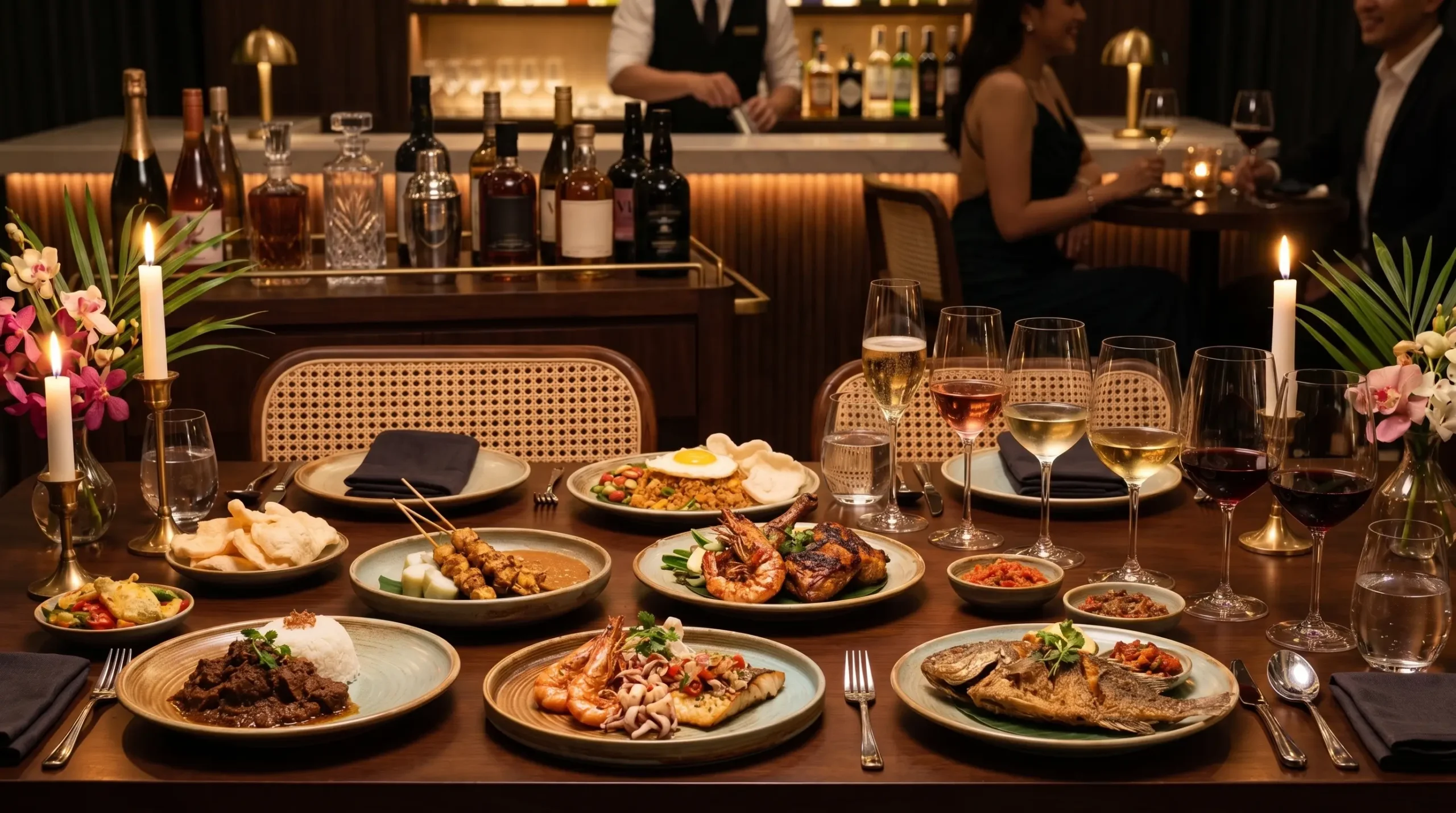
The combination of food and wine has the extraordinary power to transform a dining experience into an unforgettable gastronomic journey. When a dish is paired with the right beverage, the flavors of both will elevate each other, creating a new harmony in the mouth. Understanding flavor profiles is much more important than simply following rigid rules. The core concept of a good food and wine pairing always aims to create a balance of flavors, where no single element dominates the others.
Studying this beginner wine guide will open your mind to how the interaction of acidity, texture, and aroma can redefine a true culinary experience.
What is Wine Pairing?
Wine pairing is the art and science of combining specific types of wine with particular dishes to enhance the flavors of both. The primary goal of this practice is not to change the taste of the food, but to create a synergy where the beverage cleanses the palate or highlights the hidden spices in a dish.
Wine affects the taste of food through its inherent elements. The acidity level can break down the fat in heavy foods, while the astringent sensation can balance protein-rich dishes. Conversely, food also influences the character of the beverage. Sweet foods can make wine taste more bitter and dry, whereas salty foods actually highlight the fruity aromas of the beverage.
Basic Terms to Understand Before Pairing
In the world of wine education, several fundamental terms frequently appear. Understanding these terms is a crucial first step.
- Acidity: Refers to the level of sourness. Wine with high acidity will taste refreshing, often likened to freshly squeezed lemon.
- Tannin: A natural compound derived from the skins, seeds, and stems of grapes, as well as from oak barrels. Tannins provide an astringent and mouth-drying sensation, similar to strong black tea.
- Body: Describes the weight or thickness of the beverage in the mouth. It is categorized into light-bodied (like water), medium-bodied, and full-bodied (like creamy milk).
- Sweetness: The level of sweetness or residual sugar left after the fermentation process.
- Dry: A term for wine that is not sweet. All the natural sugars from the grapes have been converted into alcohol.
- Finish: The sensation or lingering taste left in the mouth after the beverage is swallowed. A long finish is often an indicator of high quality.
- Aroma: The resulting fragrance profile, ranging from fruity, floral, and spicy to hints of wood or earth.
- Balance: A harmonious condition where the elements of acidity, tannin, alcohol, and fruit are well-integrated without any single element standing out excessively.
- Structure: The flavor framework formed by tannins and acidity that supports the other elements.
7 Basic Principles of Food and Wine Pairing
Although flavor exploration is subjective, there are seven basic principles recognized in the hospitality industry for creating harmony.
- Match the Body Level: Heavy foods (like meat stews) require full-bodied wines, while light foods (like salads) are better suited for light-bodied types.
- Balance the Acidity Level: The beverage must have the same or higher acidity than the food; otherwise, the beverage will taste flabby.
- Match the Sweetness Level: The wine should always be sweeter than the dessert to prevent it from tasting bitter.
- Pay Attention to the Sauce, Not Just the Protein: A chicken dish with a light lemon sauce requires a different companion than a chicken dish with a thick, creamy mushroom sauce.
- Avoid High Tannins with Very Spicy Food: Tannins react poorly to spiciness, causing the burning sensation on the tongue to feel even hotter and giving the beverage a metallic taste.
- Use Sparkling Wine as a Flexible Pairing: Carbonation bubbles and high acidity work exceptionally well to cleanse the palate, making it suitable for almost any type of fried and fatty dishes.
- Explore According to Personal Preference: Experimentation plays a vital role. Theory serves merely as a guide, but the final taste preference ultimately comes down to each individual’s palate.
Pairing Recommendations Based on Wine Type
Knowing the flavor profiles of popular grape varieties is highly beneficial in determining an accurate wine pairing guide.
1. Sauvignon Blanc
- Flavor Profile: Lime, green apple, passion fruit, and a slight hint of herbs or fresh-cut grass.
- Body: Light to medium-bodied.
- Acidity: Very high.
- Best Paired With: Goat cheese, green vegetable salads, fresh seafood, asparagus.
- Foods to Avoid: High-fat red meats, dishes with heavy cream sauces.
2. Chardonnay
- Flavor Profile: Yellow apple, starfruit, pineapple. If it undergoes oak aging, aromas of butter, vanilla, and caramel will emerge.
- Body: Medium to full-bodied.
- Acidity: Medium.
- Best Paired With: Roasted chicken, large shrimp, buttered lobster, creamy pasta, mushroom risotto.
- Foods to Avoid: Extremely spicy foods or acidic tomato-based dishes.
3. Riesling
- Flavor Profile: Lime, apricot, nectarine, jasmine, and honey. It often has a distinct mineral aroma.
- Body: Light-bodied.
- Acidity: High.
- Best Paired With: Spicy Asian foods, Thai curry, roasted duck, blue cheese.
- Foods to Avoid: Dishes with heavy chocolate sauces.
4. Pinot Grigio
- Flavor Profile: Lemon, green melon, white peach, and almond. It is very light and refreshing.
- Body: Light-bodied.
- Acidity: High.
- Best Paired With: Battered fried fish, roasted vegetables, light seafood pasta, caprese salad.
- Foods to Avoid: Thick red meats and overly sweet dishes.
5. Pinot Noir
- Flavor Profile: Red cherry, raspberry, strawberry, black tea, and earthy mushrooms.
- Body: Light to medium-bodied.
- Acidity: Medium to high, low tannin.
- Best Paired With: Roasted duck, grilled salmon, mushroom-based dishes, pork.
- Foods to Avoid: Dishes with very thick and highly fatty sauces.
6. Merlot
- Flavor Profile: Black cherry, plum, chocolate, bay leaf, and vanilla. It has a more rounded texture in the mouth.
- Body: Medium to full-bodied.
- Acidity: Medium, medium tannin.
- Best Paired With: Roasted poultry, beef burgers, pork ribs, turkey.
- Foods to Avoid: Strong-smelling seafood, bitter green vegetables.
7. Cabernet Sauvignon
- Flavor Profile: Blackcurrant, black cherry, black pepper, cedar wood, and tobacco.
- Body: Full-bodied.
- Acidity: Medium, high tannin.
- Best Paired With: Peppercorn beef steak, portobello mushrooms, lamb.
- Foods to Avoid: Delicate-tasting fish (will cause a metallic taste), spicy foods.
8. Syrah / Shiraz
- Flavor Profile: Blueberry, dark plum, black pepper, smoked meat, and tobacco.
- Body: Full-bodied.
- Acidity: Medium, medium to high tannin.
- Best Paired With: Beef barbecue, grilled sausages, spice-rich dishes, mutton.
- Foods to Avoid: Boiled seafood dishes or mildly flavored cuisines.
9. Rosé
- Flavor Profile: Wild strawberry, melon, rose petals, crispy celery.
- Body: Light to medium-bodied.
- Acidity: High.
- Best Paired With: Charcuterie (cold cuts), various tapas, summer salads, paella.
- Foods to Avoid: Meat dishes with very heavy, thick sauces.
10. Sparkling Wine (including Champagne)
- Flavor Profile: Citrus, pear, white apple, and often features aromas of toast or biscuits.
- Body: Light to medium-bodied.
- Acidity: Very high.
- Best Paired With: French fries, crispy fried chicken, oysters, caviar, brie cheese.
- Foods to Avoid: Very thick red meats.
11. Dessert Wine (such as Port or Moscato)
- Flavor Profile: Raisin, dried apricot, caramel, honey, or sweet nectarine.
- Body: Full-bodied (especially Port).
- Acidity: Medium to low.
- Best Paired With: Dark chocolate, fruit tarts, blue cheese, panna cotta.
- Foods to Avoid: Savory main courses that are not sweet.
Comparison Table: Wine Profiles and Pairings
| Wine Type | Main Flavor Profile | Body | Best Paired With |
| Sauvignon Blanc | Citrus, herbs, green apple | Light-Medium | Goat cheese, salads, light seafood |
| Chardonnay | Yellow apple, pineapple, butter | Medium-Full | Chicken, creamy pasta, meaty seafood |
| Riesling | Lime, apricot, honey | Light | Spicy Asian food, curries, duck |
| Pinot Grigio | Lemon, green melon, peach | Light | Fried fish, fresh vegetables, light pasta |
| Pinot Noir | Red cherry, mushroom, black tea | Light-Medium | Grilled salmon, mushroom dishes, poultry |
| Merlot | Plum, chocolate, black cherry | Medium-Full | Light roast meats, burgers, turkey |
| Cabernet Sauvignon | Blackcurrant, cedar, black pepper | Full | Beef steak, roast lamb |
| Syrah/Shiraz | Blueberry, black pepper, smoked meat | Full | Barbecue, spice-rich foods, sausages |
| Rosé | Strawberry, melon, rose | Light-Medium | Tapas, charcuterie, Mediterranean cuisine |
| Sparkling Wine | Pear, biscuit, white apple | Light-Medium | Fried foods, fresh oysters, crispy salty foods |
| Dessert Wine | Honey, caramel, dried apricot | Full | Dark chocolate, blue cheese, sweet cakes |
Pairing Wine with Indonesian and Asian Food
There is often a misconception that this Western tradition is difficult to pair with richly spiced Asian cuisines. In fact, Indonesian food offers an incredible complexity of flavors for pairing.
- Sate (Satay): Chicken satay with sweet and savory peanut sauce pairs wonderfully with a Syrah that has a touch of black pepper, or a light Pinot Noir that will not overpower the peanut sauce flavor.
- Rendang: The richness of the spices, coconut milk, and fibrous texture of the beef require a complex wine with a balanced body. Merlot is a safe choice because its more rounded tannins can balance the spices without creating a bitter taste.
- Nasi Goreng (Fried Rice): This versatile dish has a balance of sweet, savory, and umami flavors. A cold glass of Rosé or Pinot Noir provides just the right acidity to cut through the oil levels in this dish.
- Ayam Bakar (Grilled Chicken): The caramelized soy sauce seasoning produced from the grilling process pairs beautifully with an oak-aged Chardonnay, as it will echo those roasted aromas.
- Seafood Bakar (Grilled Seafood): Grilled shrimp or squid in a sweet and sour chili sauce will truly stand out when paired with Sauvignon Blanc. The acidity of this beverage acts like an extra squeeze of lime over the seafood.
- Ikan Goreng (Fried Fish): The crispy texture and savory oil of fried fish are perfected by a sharp and refreshing sparkling wine or Pinot Grigio.
- Sushi: The freshness of raw fish and the distinct flavor of vinegared rice call for a wine with clean acidity like a dry Riesling or Pinot Grigio.
- Dimsum: These soft-textured dishes, dominated by shrimp or chicken, feel even more premium when accompanied by sparkling wine, which can refresh the palate between every bite.
Common Mistakes When Choosing Wine Pairings
- Choosing Based on Price: The most expensive bottle is not necessarily the best match for the ordered dish. Flavor balance is far more crucial than the price tag.
- Only Looking at Wine Color: Old rules often oversimplify the complexity of flavors and make exploration limited.
- Ignoring the Sauce: A dominant sauce is a major determining factor, overriding the main type of protein served.
- Not Considering Acidity Levels: Pairing a highly acidic tomato dish with a low-acidity wine will result in a very flat combination.
- Serving Wine at the Wrong Temperature: Red wine served too warm will feel dominated by alcohol, while white wine served too cold will mask its aromatic potential.
Modern Food & Wine Pairing Trends
The hospitality industry is constantly evolving. The practice of flavor pairing is no longer exclusive to five-star restaurants.
- Pairing with Asian Cuisine: The umami, spicy, sweet, and sour flavors of Asian culinary arts have become a new playground for sommeliers.
- Comfort Food Pairing: Pairing Champagne with french fries or Pinot Noir with chicken noodle soup is slowly becoming a major trend thanks to the textural contrast and accessibility.
- Casual Dining: Many modern bistros now promote a relaxed atmosphere with a bold approach to beverage selection.
- Experiential Dining: The main focus is not just on eating, but on creating memories from the narrative behind the beverage bottle and the ingredients served alongside it.
- Wine Flight: A serving format featuring multiple small portions of beverages for side-by-side tasting with a set food menu, allowing enthusiasts to easily distinguish the characters of each variety.
Perfect Your Dining Experience and Flavor Exploration
Understanding the guide to food and wine pairing is fundamentally about the art of creating balance to enrich the overall culinary experience. By recognizing fundamental characters such as acidity, tannin, body, and sweetness levels, the process of selecting a companion beverage whether for classic fine dining or the rich spices of Indonesian cuisine will shift from mere guesswork to a highly calculated gastronomic exploration. The existing rules serve as basic guidelines, but ultimately, the best flavor harmony is the combination that provides the most enjoyment on the palate.
Exploration of the premium beverage world certainly does not have to stop at wine. To broaden the flavor spectrum and mixology experience, Vibe Liqueur & Spirits stands out as a proud local product choice. As a local Indonesian alcohol brand that has successfully won various prestigious international awards, Vibe Liqueur & Spirits presents a highly comprehensive collection of flavor variants with diverse alcohol content levels. The flexibility of its flavor profiles makes every bottle ideal for mixing into various professional-standard cocktail recipes.
To complete your lifestyle references and beverage creations, visit the Wekendvibe platform. Discover an exclusive curation of recommendations for the best venues to enjoy the night, innovative cocktail recipe guides to try, as well as various other unique and insightful information regarding the world of hospitality and entertainment.