 Log in
 Register


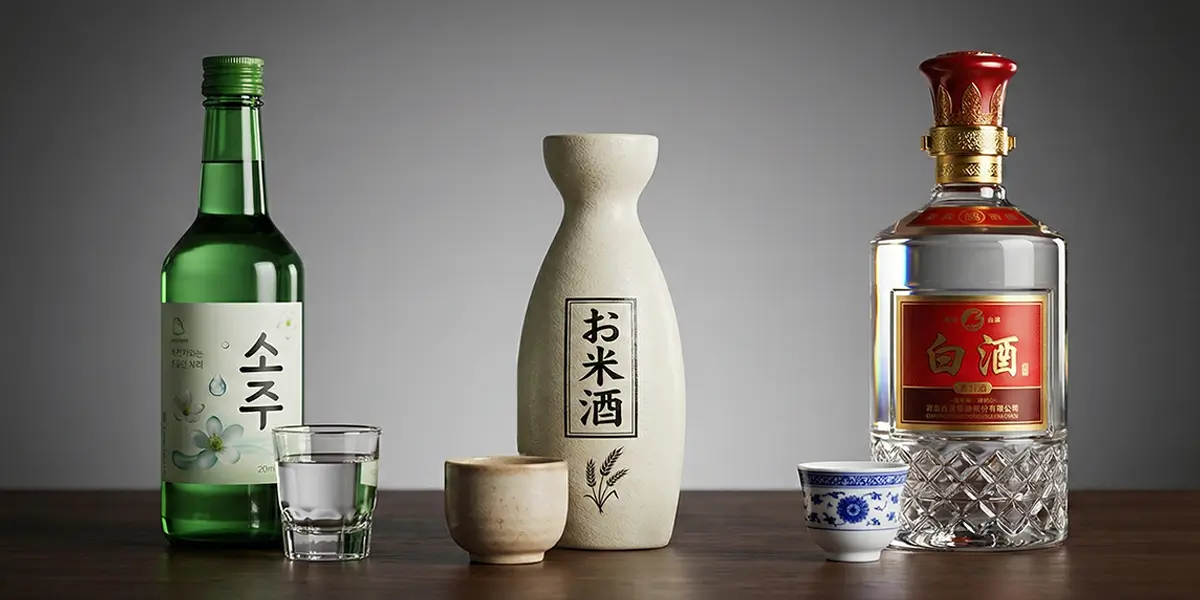
When global spirits enter the conversation, connoisseurs instinctively picture established geographic landscapes: the misty hills of Scotland and their single malt whiskies, the volcanic soils of Jalisco producing tequila, Eastern Europe’s cold vodka traditions, the crisp juniper notes of London dry gin, or Japan’s cultural precision with sake. These nations have successfully stamped their cultural identities into glassware across the globe.
Where does Indonesia stand on this flavor map?
For decades, the domestic narrative surrounding alcoholic beverages remained trapped between two extremes: premium-priced imports on one end, and traditional fermented beverages—often dismissed or undervalued—on the other. Yet beneath its spice-rich tropical archipelago and maritime heritage, Indonesia possesses a deep, centuries-old foundation of fermentation and distillation expertise.
Today, that narrative is shifting. A new generation of domestic distillers, blenders, and creative entrepreneurs is proving that Indonesia produces modern local spirits—formulated with scientific precision, elegantly packaged, and fully capable of standing shoulder-to-shoulder with global counterparts.
Traces of Tradition: Honoring the Heritage of Nusantara Fermentation
Indonesia is no newcomer to the craft of fermented beverages. Long before modern mixology took root in major metropolitan hubs, indigenous communities throughout the archipelago practiced the art of transforming botanical ingredients into alcoholic beverages for customary ceremonies, communal warmth, and traditional medicine.
Nusantara Heritage ────► Modern Fermentation ────► Precision Craft Distillation
(Arak, Tuak, Sopi) (Hygienic Standards) (Global Competitions)
Diverse Traditions: From Arak and Tuak to Sopi and Brem
Nusantara’s biodiversity has shaped distinct beverage profiles based on geography and dominant vegetation:
- Balinese Arak: Distilled from coconut sap, lontar (palmyra) palm nectar, or red rice. Balinese Arak is officially recognized as an Intangible Cultural Heritage and stands as a symbol of legally structured local wisdom.
- Tuak: Widely consumed from North Sumatra (sugar palm sap-based) to the interior of Kalimantan (glutinous rice-based Dayak tuak). Tuak is central to harvest festivals and welcoming honored guests.
- Sopi: A signature distilled spirit from Flores and Maluku made from the sugar palm tree (Arenga pinnata). Sopi holds a central role in eastern Indonesian social structures as a medium for reconciliation and kinship.
- Balinese Brem: Crafted from fermented black or white glutinous rice, yielding a sweet, sour, and savory flavor profile with a moderate alcohol content.
These traditional beverages cannot be generalized into a single mold. Each originates from a distinct botanical ecosystem, wild yeast culture, and cultural philosophy. This heritage serves as the intellectual foundation powering the modern domestic spirits industry.
Clarifying Definitions: What Are Spirits and Liquor?
Terminology confusion remains common in the beverage landscape. Understanding technical terms is essential to objectively assessing product quality.
Distinguishing Spirit, Liquor, Liqueur, Beer, and Wine
Alcoholic beverages are broadly categorized by their production method:
- Fermented Beverages (Beer & Wine): Produced solely through the fermentation of natural sugars without distillation. Beer is grain-based (malt/barley), while wine is derived from fermented grapes. Alcohol by Volume (ABV) typically ranges between 4% and 15%.
- Spirits (Liquor): High-proof alcoholic beverages (generally 35%–50% ABV or higher) obtained through the distillation of fermented liquids. Distillation separates water from alcohol based on boiling points, creating a clean, concentrated spirit. Major categories include gin, rum, vodka, whisky, tequila, and brandy.
- Liqueurs: Distilled spirits infused with significant amounts of sugar, sweeteners, and flavorings such as herbs, spices, florals, nuts, coffee, cream, or fruits. Liqueurs typically feature a pronounced sweetness, a heavier viscosity, and an ABV between 15% and 35%.
Criteria for a “Local Spirit”
A product qualifies as an Indonesian local spirit if its recipe formulation, distillation or blending processes, quality standardization, and official packaging occur within licensed production facilities in the Republic of Indonesia.
In today’s global manufacturing landscape, some producers use 100% domestic raw materials (such as Javanese molasses or local rice), while others blend base distillates with native Indonesian tropical botanicals and spices. Both approaches legitimately carry the mark of national craftsmanship, provided the industrial value-add takes place domestically under strict regulatory compliance.
Curated Indonesian Local Spirit Brands Worth Watching
Indonesia’s spirits sector features several forward-thinking enterprises dedicated to legal compliance, consistent formulation, and high competitiveness:
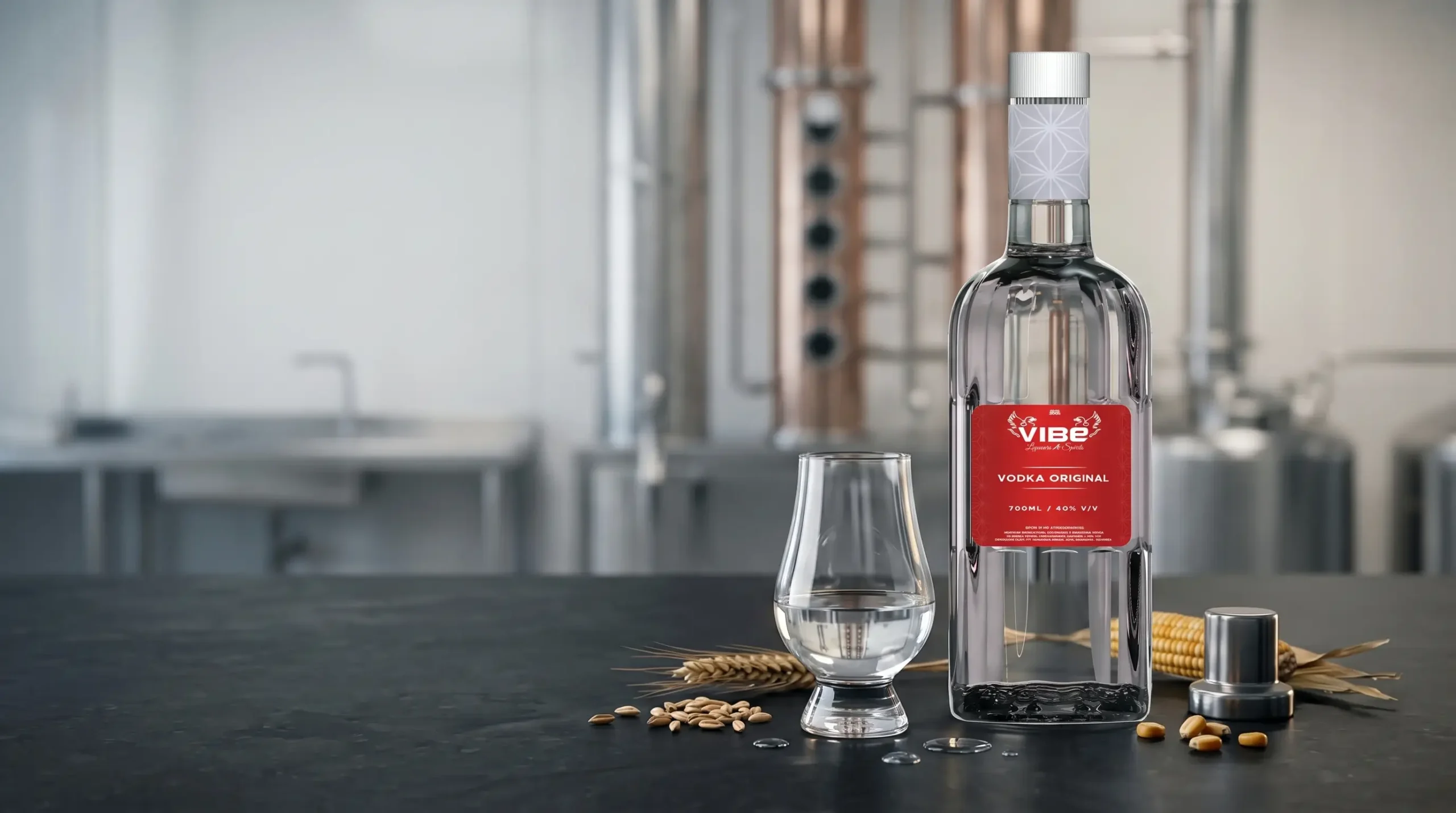
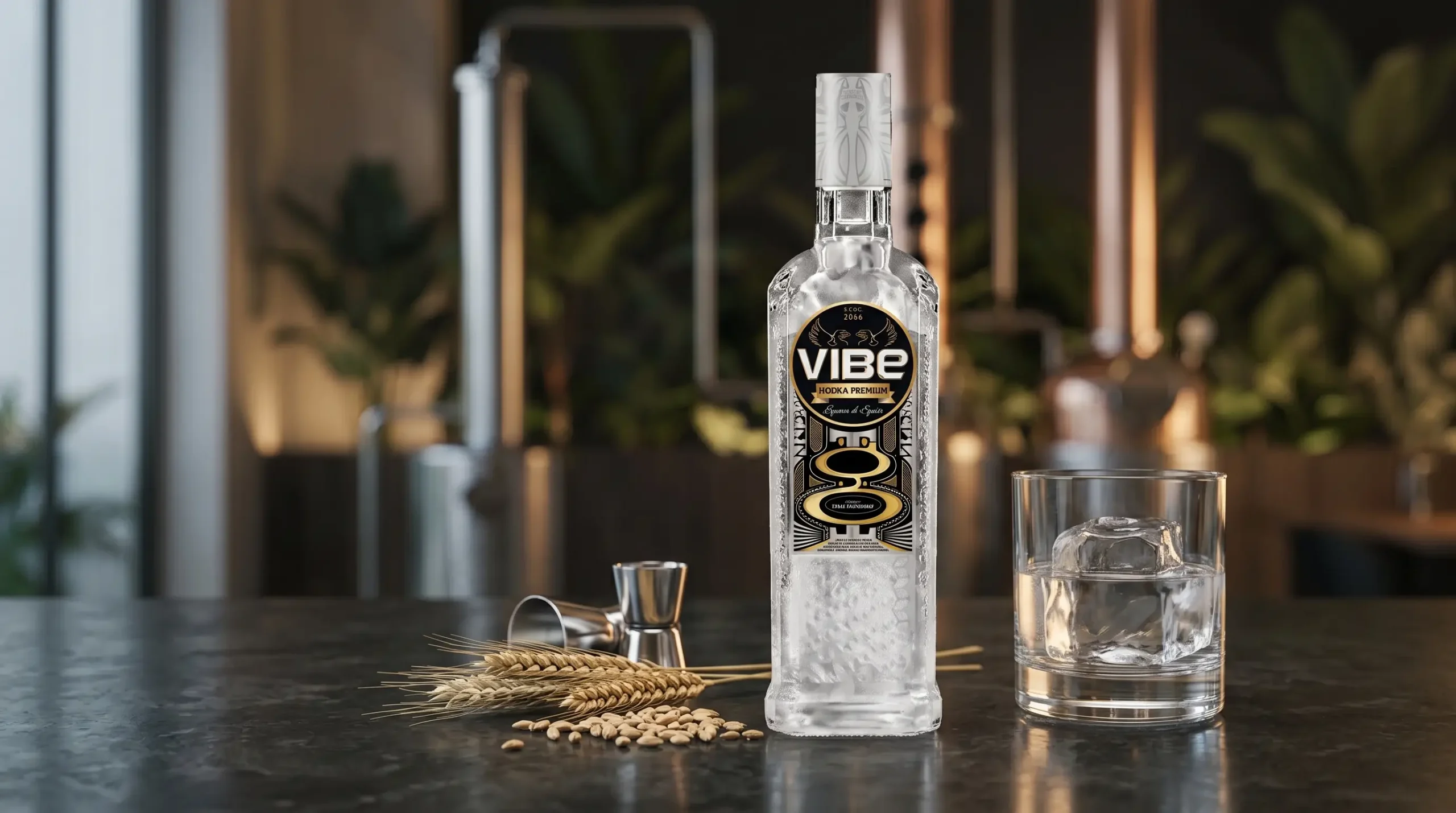
- VIBE Liqueurs & Spirits (PT Kharisma Serasi Jaya): Headquartered and manufactured in Semarang, Central Java, VIBE is a pioneer offering the most comprehensive portfolio of spirits and liqueurs in Indonesia, ranging from Gin, Vodka, Rum, and Tequila styles to flavored liqueurs.
- East Indies Gin (PT Lovina Rum Indonesia / Spice Islands Distillers): An artisanal craft gin from Bali that highlights exotic Nusantara botanicals, such as torch ginger (kecombrang) and kaffir lime leaves, for the premium market.
- Kaja Vodka & Spirits: A contemporary local brand applying modern distillation techniques tailored for everyday use across the hospitality sector.
- Nusantara Cold Brew Coffee Liqueur: A brand dedicated to transforming Indonesian specialty coffee into a rich, high-grade liqueur acclaimed by the international bartending community.
Case Study: VIBE’s Product Consistency and Global Recognition
As a leading domestic producer, VIBE Liqueurs & Spirits serves as a prime case study in local spirit industrialization. Manufactured by PT Kharisma Serasi Jaya in Semarang, Central Java, the brand demonstrates that domestic facilities can sustain high-volume production without compromising quality standards.
Broad Portfolio and Market Agility
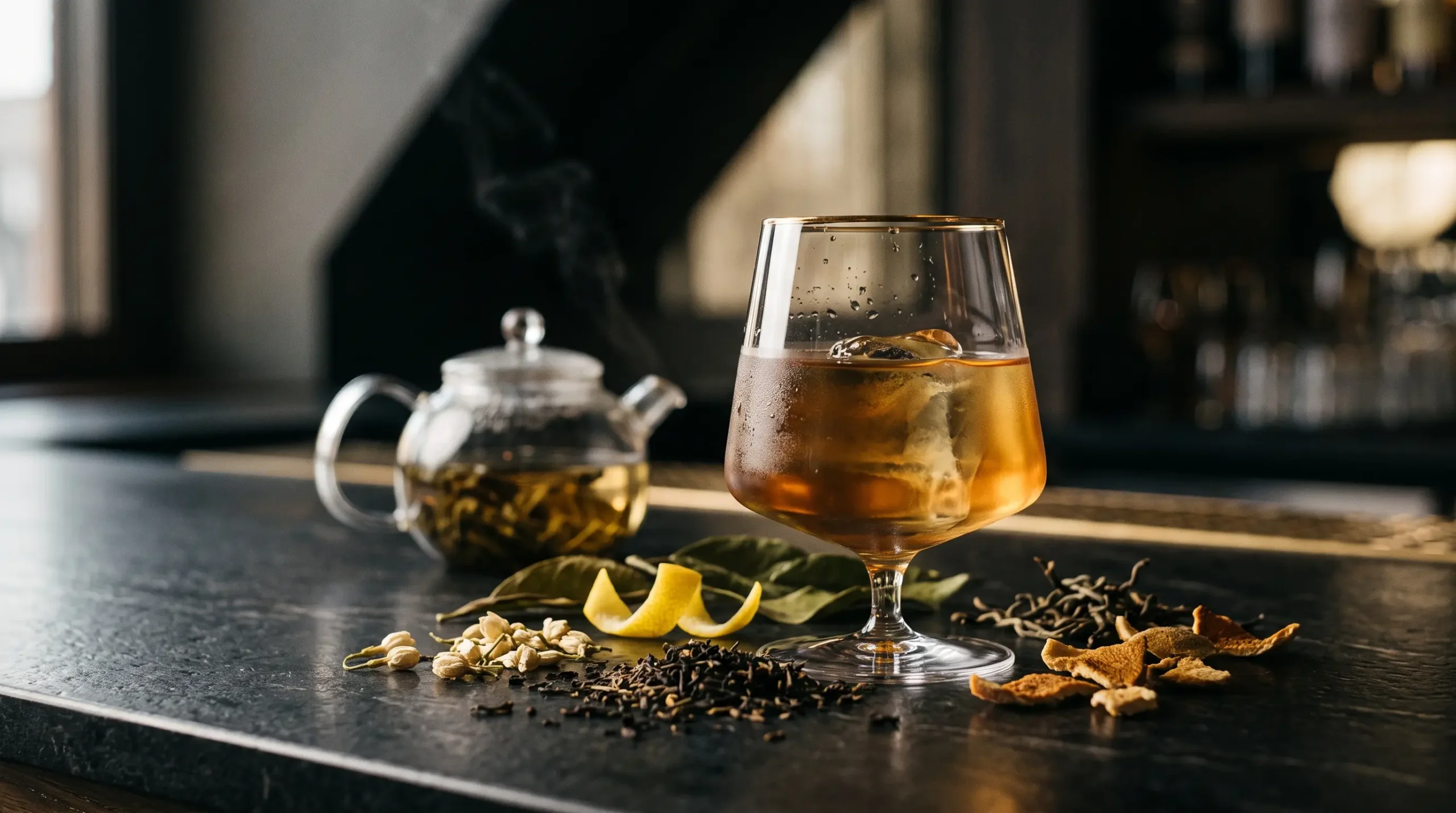
VIBE’s operational strength stems from its versatile portfolio. Rather than focusing on a single niche, it provides a comprehensive lineup: Vibe Vodka, Vibe Dry Gin, Vibe Rum, Vibe Blue Agave, and numerous popular liqueurs (including Vibe Black Tea, Vibe Peach, Vibe Triple Sec, Vibe Coffee, and Vibe Exotic Lychee). This breadth serves the nightlife and F&B industries by delivering consistent cocktail components with cost efficiency.
Global Competition Accolades
Local brands often face skepticism until evaluated through blind tastings by independent international panels. VIBE has marked major milestones in the Indonesian beverage sector with official competitive awards:
- Asia International Spirits Competition (AISC) 2019, Hong Kong: Awarded Indonesia Liqueurs & Spirits Distillery of the Year, alongside gold and silver medals for its individual expressions.
- Ultimate Spirits Challenge (USC) 2020, New York: In one of the world’s most rigorous spirits competitions, VIBE Black Tea earned 95 points (Extraordinary, Ultimate Recommendation) and was named a Finalist, competing directly against legacy multinational brands. VIBE Vodka and VIBE Exotic Fruit each received Very Good, Strong Recommendation ratings (85–89 points).
- Asia World Spirits Competition (AWSC) 2026, Singapore: Demonstrated continued quality across Asia by securing seven medals:
- Silver Medals 🥈: VIBE Dry Gin, VIBE Rum, VIBE Black Tea, and VIBE Blue Agave.
- Bronze Medals 🥉: VIBE Peach, VIBE Vodka Original, and VIBE Exotic Lychee.
These continuous independent accolades provide tangible evidence that spirits crafted by local talent in Semarang deliver formulations capable of competing internationally.
Brand Comparison: Verified Indonesian Local Spirits
| Brand Name | Product Category | Production Location | Character & Positioning | Official Recognition & Milestones |
| VIBE | Spirits & Liqueurs (Gin, Vodka, Rum, Liqueurs) | Semarang, Central Java | Broad portfolio, mixology-friendly, competitive pricing. | Indonesia Distillery of the Year (AISC 2019 Hong Kong), 95 Points (USC 2020 New York). |
| East Indies | Craft Gin | Tabanan, Bali | Artisanal, small-batch; highlights torch ginger (kecombrang) and tropical botanicals. | Featured across Asia-Pacific beverage expos and premium bar networks. |
| Nusantara | Craft Coffee Liqueur | Bali / Java | Specialty cold brew coffee liqueur; intense natural flavor without excessive artificial additives. | Widely utilized by international mixologists for Espresso Martini variations. |
| Saba | Liqueur / Grappa Style | Tabanan, Bali | Wine- and grape-based spirits utilizing locally cultivated Balinese grapes. | Fully licensed with strong traction in Bali’s fine dining sector. |
| Arak Ijo / Karang | Modernized Traditional Spirit | Bali | Traditional arak produced under hygienic standards with modern commercial packaging. | Supports the formal legalization framework for Balinese cultural heritage. |
Quality Parameters: Why Local Spirits Compete Globally
Spirits quality is defined by objective scientific parameters rather than prestige alone:
- Ethanol Purity: High-end spirits cleanly separate toxic fractions. Fractional distillation eliminates dangerous compounds like methanol while minimizing harsh fusel oils responsible for severe hangovers.
- Organoleptic Balance: Quality spirits avoid sharp, chemical odors or harsh ethanol burn. Modern local spirits offer a rounded mouthfeel, defined aromatics, and a pleasant, warming finish.
- Official Compliance & Certification: Verification through BPOM RI distribution licenses and authentic Directorate General of Customs and Excise duty stamps confirms that products meet strict standards for heavy metal and microbiological limits.
- Batch-to-Batch Consistency: Through rigorous Quality Control (QC) systems, professional brands ensure that a bottle purchased today matches the sensory profile of one produced months later.
The Differentiating DNA: What Makes Indonesian Spirits Unique?
The definitive strength of Indonesian spirits lies in the archipelago’s volcanic terroir and equatorial climate elements that cannot be replicated in temperate distillation hubs:
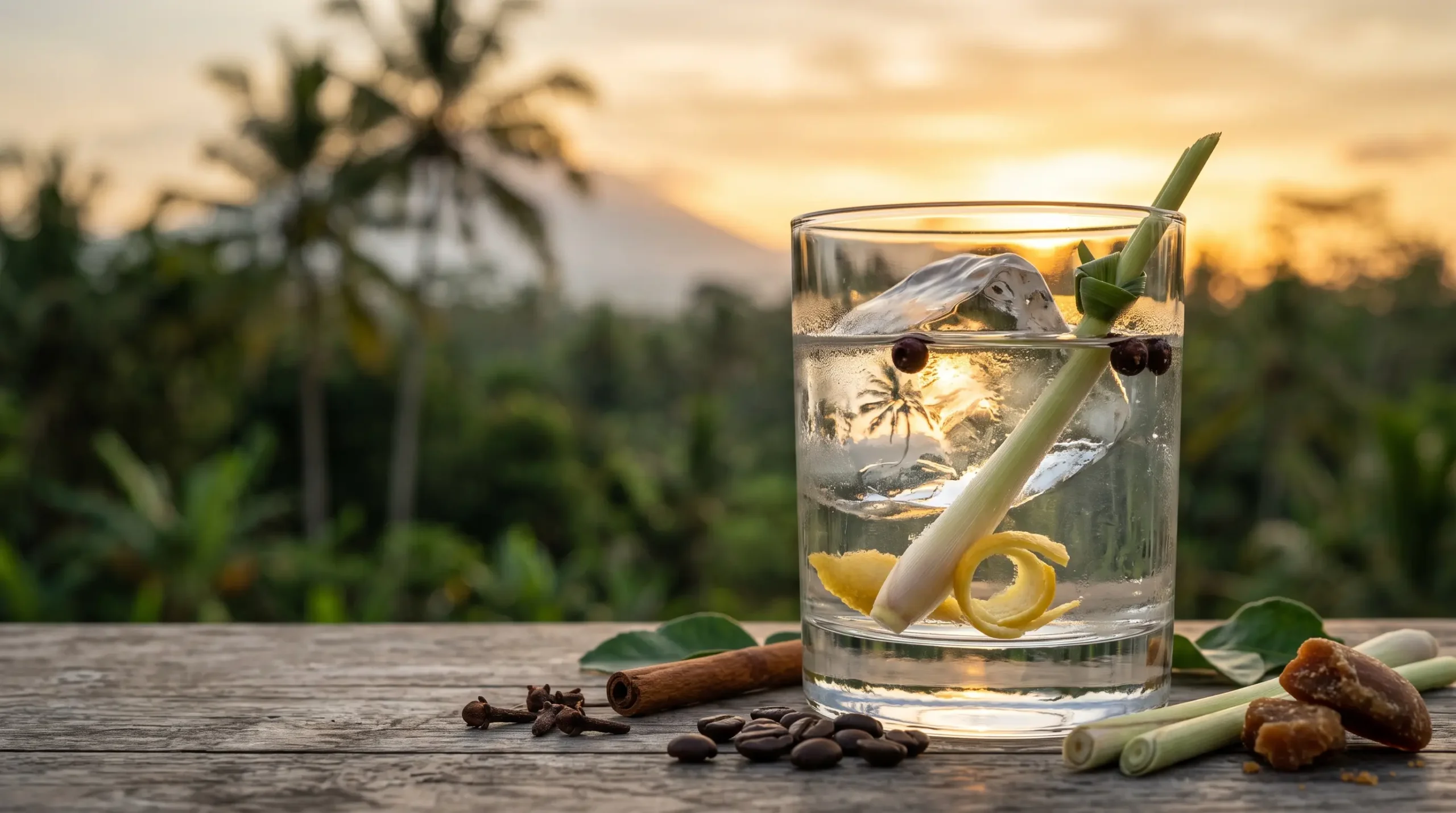
- Spice Biodiversity: Indonesia is home to hundreds of native botanicals: Kerinci cinnamon, Maluku cloves, Javanese cardamom, Lampung black pepper, and Papuan vanilla. Using these fresh native aromatics creates a distinct terroir.
- Tropical Barrel Aging: Year-round warmth and high humidity accelerate the interaction between distilled spirit and oak barrels. Tropical maturation proceeds two to three times faster than in cooler climates, extracting deep color and wood compounds in a shorter time frame.
- A New Wave of Mixology Talent: Domestic bartenders possess an innate understanding of regional flavor profiles, crafting pairings that bridge international classics with indigenous spices.
Industry Realities: Navigating Domestic Challenges
Despite upward momentum, the regulated domestic spirits sector operates under complex hurdles:
- Stringent Regulatory Architecture: Alcoholic beverages remain strictly monitored under designated closed business lists with production quotas, requiring multi-tiered licensing from the Ministries of Industry, Trade, and BPOM.
- Excise and Fiscal Structures: Recurring adjustments to excise tariffs on ethyl alcohol (MMEA) require producers to maintain tight operational efficiencies to keep legal products accessible.
- Social Perceptions and Marketing Limits: With limited above-the-line marketing avenues, local brands rely on organic growth: word-of-mouth, B2B trade partnerships with hospitality venues, and consumer education.
- Countering Illicit Alcohol: Licensed producers must continuously combat illicit, unregulated moonshine (oplosan), which poses public health risks and damages the broader reputation of locally made beverages.
A Guide to Selecting and Enjoying Local Spirits Responsibly
For those exploring Nusantara spirits, practical consumption guidelines include:
- Verify Authenticity First: Purchase exclusively from licensed retailers (licensed bottle shops or supermarkets with Class A/B/C permits). Check for valid BPOM RI registration codes and intact physical excise tax stamps across the bottle cap.
- Match Category to Palate:
- For crisp, botanical freshness: Select Local Craft Gin.
- For sweet, vanilla, and oak notes: Select Local Rum.
- For approachable, sweet cocktail bases: Select Local Liqueurs (fruit, coffee, or tea variants).
- Serving Methods:
- Neat: Poured directly into a tulip glass at room temperature to evaluate the full aromatic profile.
- On the Rocks: Poured over solid ice to gradually temper ethanol intensity.
- Cocktails/Mixers: Paired with tonic water, club soda, or fresh citrus.
- Practice Responsible Drinking: Treat spirits as an appreciation of gastronomy and flavor craft rather than for excess. Stay hydrated, know personal limits, and never drink and drive.
Looking to the Future of Indonesian Spirits
The evolution of Indonesian spirits reflects a dynamic cultural adaptation. From clay vessels and bamboo cylinders in traditional villages, the art of Nusantara fermentation has progressed into state-of-the-art copper distillation columns and premium glassware gracing top-tier bars.
Indonesia has shown that “local” no longer implies inferior quality or rudimentary technique. In the hands of dedicated producers, the archipelago’s raw botanicals are being transformed into internationally awarded spirits. The future of this industry is an act of flavor diplomacy: sharing the warmth of the tropical islands, the richness of indigenous spices, and modern craftsmanship with the global stage.
Discovering this evolution is readily accessible through the portfolio of Vibe Liqueur & Spirits.. As an internationally awarded Indonesian spirits brand, VIBE provides a broad spectrum of expressions and ABV options to suit various preferences. Its balanced profile serves as a versatile foundation for creative cocktail recipes, whether mixed at home or crafted in professional bar programs.
To explore modern cocktail recipes, curated bar destinations, and updates across the beverage landscape, visit wekendvibe.