 Log in
 Register



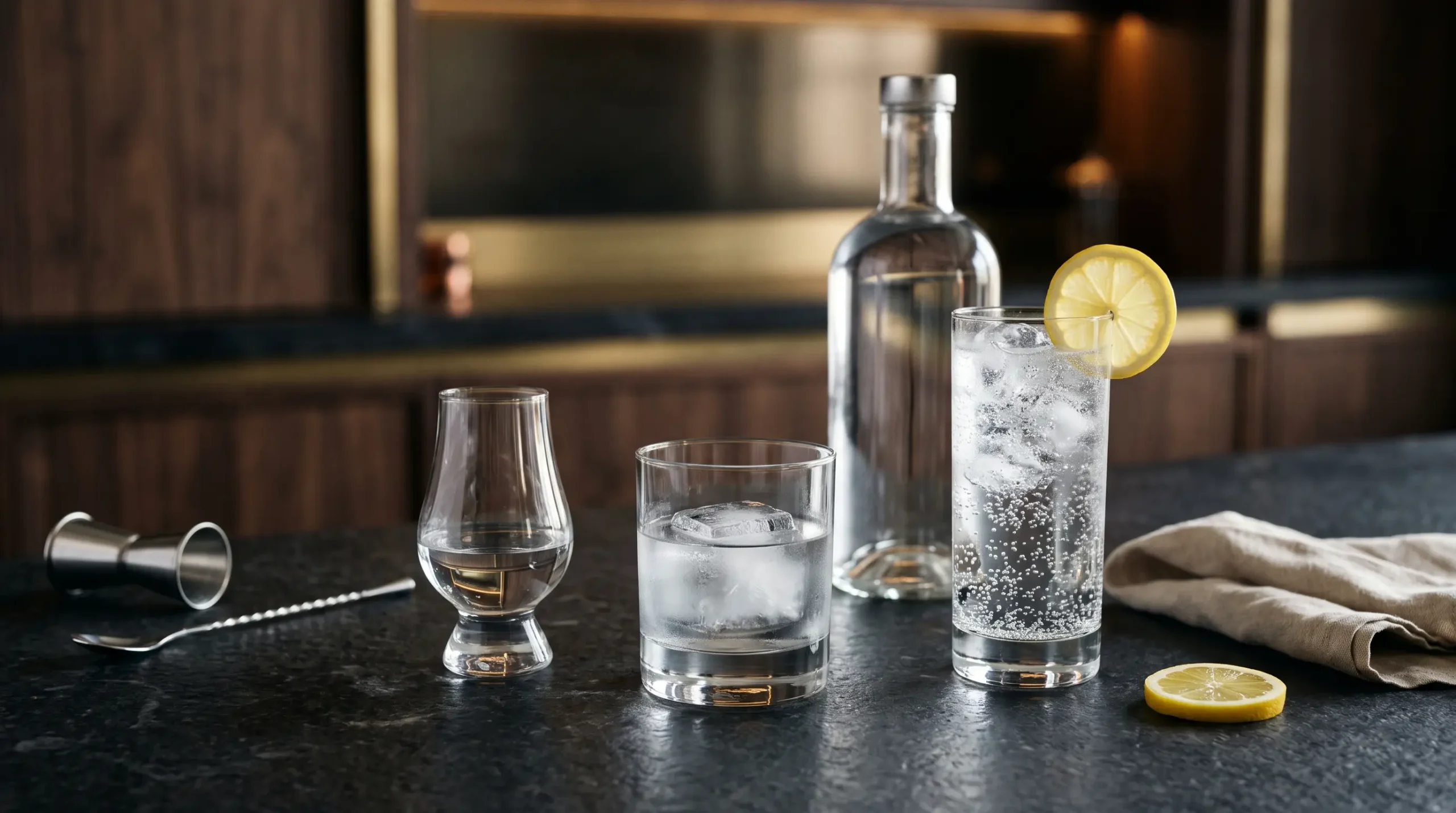
The way an alcoholic beverage is served has a significant influence on the overall sensory experience. Choosing the right way to enjoy local vodka can highlight the drink’s unique characteristics. Serving temperature, dilution, and the mixers used all affect how the aroma, texture, flavor, and alcohol burn are perceived by the palate. Understanding different serving methods helps spirits enthusiasts discover the approach that best suits their personal preferences.
Understanding Indonesian Local Vodka and Its Characteristics
Vodka is a distilled alcoholic beverage generally made from fermented grains, potatoes, or other ingredients rich in starch and sugar. Traditionally, vodka is known as a spirit with a relatively neutral flavor and aroma profile. Multiple distillation and filtration processes are used to achieve a high level of purity. However, not all vodkas are identical.
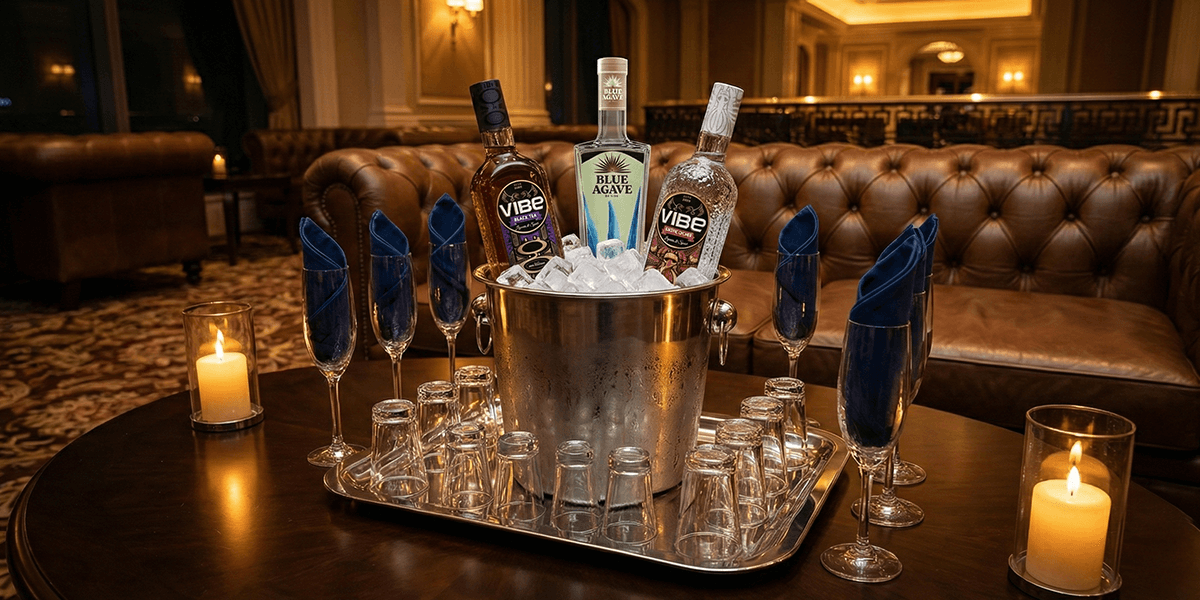
Indonesia’s alcoholic beverage industry now offers various locally produced vodka brands. For example, established producers such as Vibe Liqueur & Spirits offer Vibe Vodka and Vibe Premium Vodka, which are produced using modern distillation standards. Products from recognized local manufacturers may use carefully selected raw materials and undergo rigorous distillation processes in accordance with applicable regulations, including oversight by Indonesia’s National Agency of Drug and Food Control (BPOM).
A vodka’s aroma, texture, whether light or creamy and aftertaste intensity can vary significantly depending on the production techniques used by each distillery. Choosing a legal, properly regulated local brand is an important first step toward a safer and more enjoyable drinking experience.
How to Enjoy Vodka Neat
Serving a spirit neat means pouring it directly into a glass without adding ice, water, or any other mixers. The term neat is sometimes used interchangeably with straight, although in classic bartending terminology, straight up can refer to a drink that has been chilled with ice and then strained before serving.
Vodka served neat is generally presented at room temperature, allowing its aromatic compounds to evaporate more readily. Because there is no dilution, the vodka’s original characteristics are more pronounced. However, the sensation of alcohol in the throat can also be stronger. This method is usually served in small portions, such as in a shot glass or snifter, and is best approached through slow sipping to identify the spirit’s underlying flavor profile.
Vodka on the Rocks: Served with Ice
The term on the rocks refers to an alcoholic beverage poured directly over ice cubes in a glass, usually a tumbler or rocks glass. Adding ice has two main effects: it lowers the drink’s temperature and gradually dilutes it as the ice melts.
Lower temperatures can suppress alcohol evaporation, making the burning sensation in the nose and throat feel milder. At the same time, the water released as the ice melts reduces the alcohol concentration in the glass, potentially allowing more subtle flavors to emerge. Large ice cubes or ice spheres are generally preferable because they have less surface area relative to their volume than crushed ice, allowing them to melt more slowly and helping preserve the drink’s texture for longer.
Enjoying Vodka with Mixers
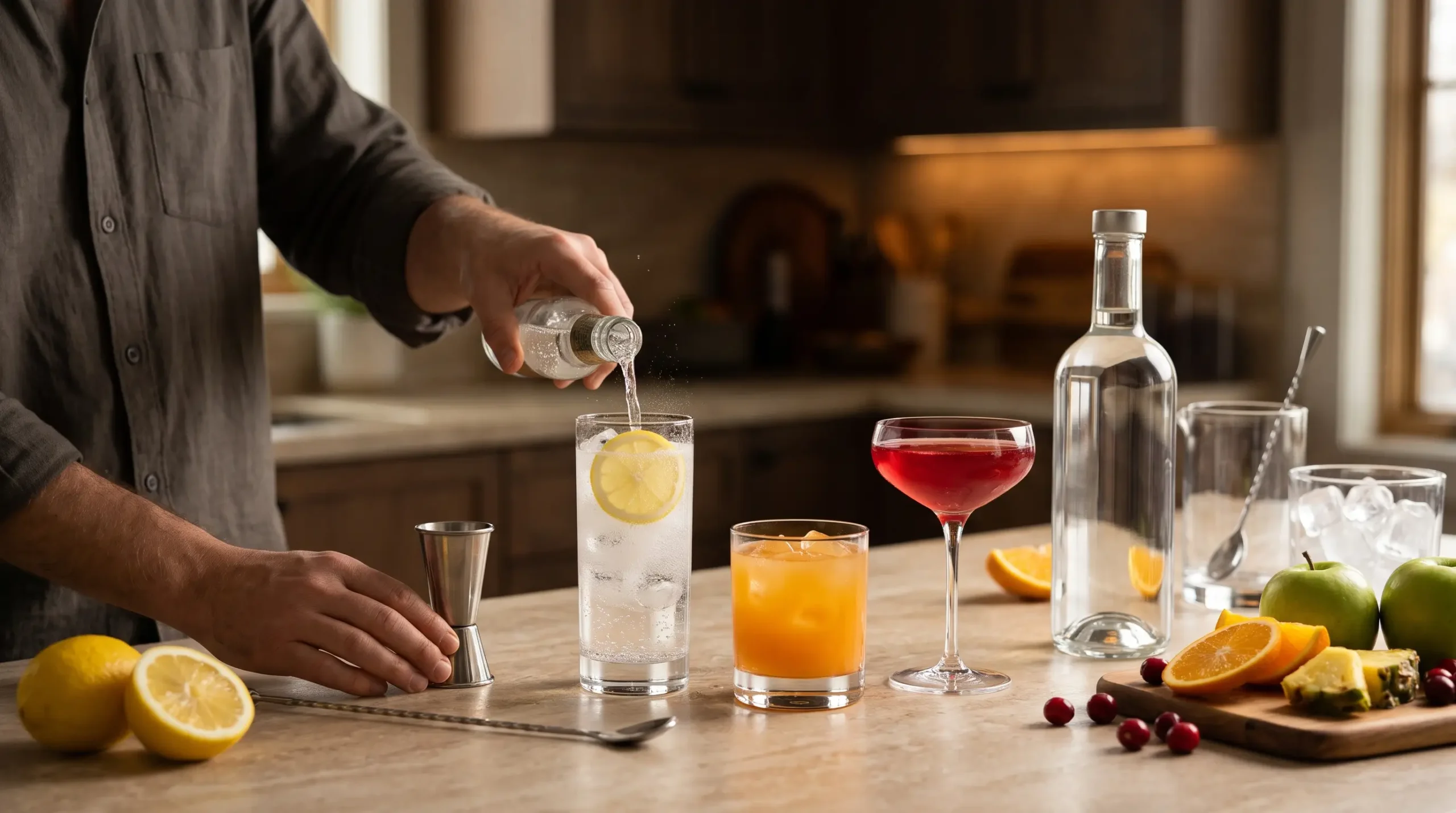
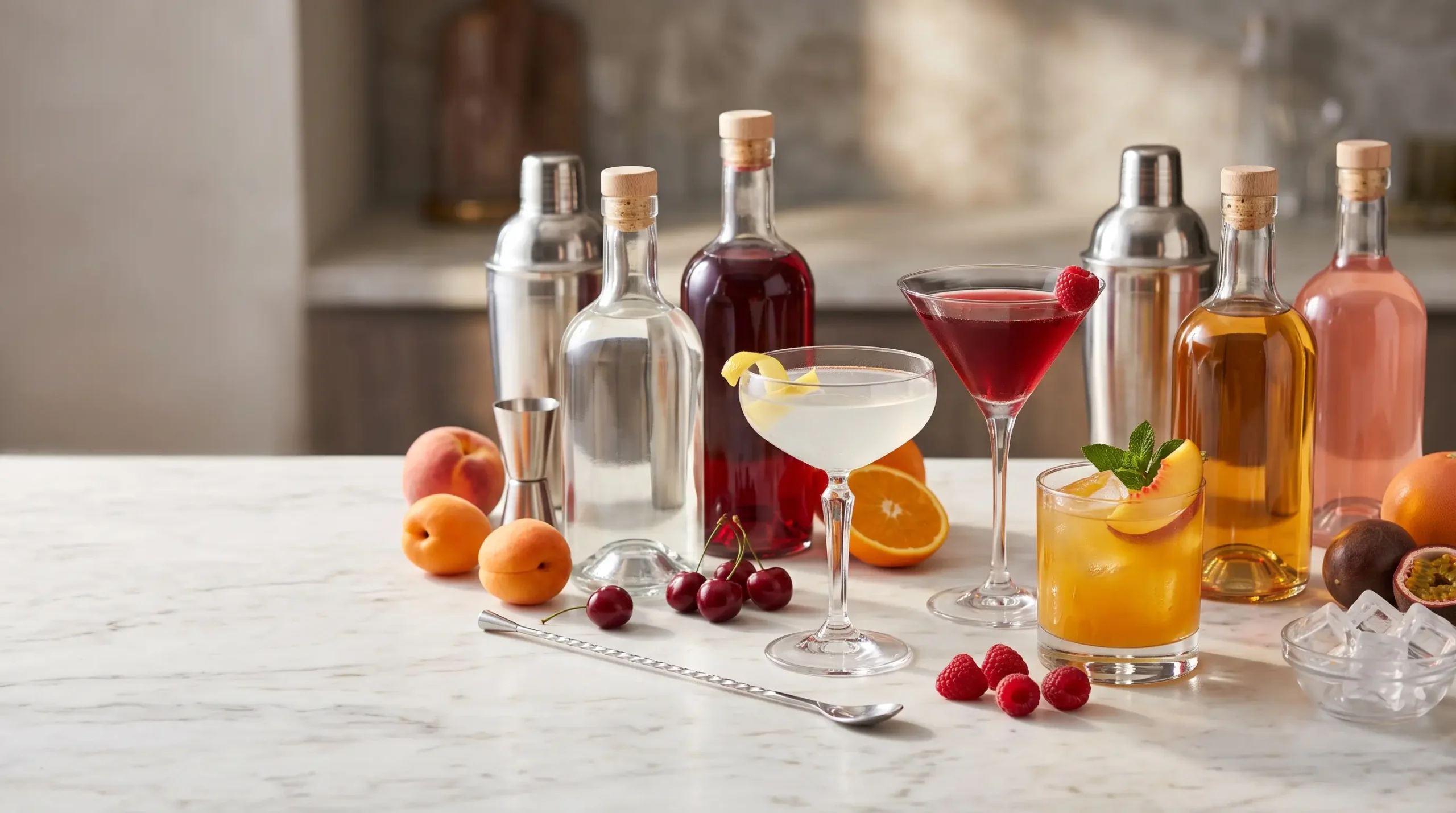
Vodka is a popular base for mixed drinks and cocktails because its relatively neutral flavor profile allows other ingredients to stand out. Mixers—non-alcoholic ingredients added to a drink—play an important role in balancing sweet, sour, and bitter flavors.
Some classic vodka mixers include:
- Soda Water or Sparkling Water: Adds carbonation without significantly changing vodka’s flavor. An example is a Vodka Soda.
- Tonic Water: Adds a distinctive bitterness from quinine along with a slight sweetness. An example is a Vodka Tonic.
- Fruit Juice: Cranberry juice, orange juice, and freshly squeezed lemon juice are often used to add acidity and fruity freshness. Examples include the Screwdriver and Cape Codder.
It is important to note that mixing vodka with other ingredients does not reduce the total amount of pure alcohol consumed. It only lowers the alcohol concentration, or alcohol by volume (ABV), in the resulting drink.
Comparing Vodka Neat, on the Rocks, and Mixed
| Serving Method | Temperature | Effect on Flavor | Additional Ingredients | Consumption Considerations |
| Neat | Room temperature | The original flavor profile is prominent, with the strongest alcohol sensation. | None | Suitable for assessing the vodka’s underlying quality and purity. |
| On the Rocks | Cold | Aromas may be slightly muted, while dilution softens the alcohol sensation. | Ice cubes | Provides a refreshing experience, with the flavor evolving as the ice melts. |
| Mixed (with a Mixer) | Cold | The flavor is shaped by the balance of the added ingredients, which may mask the taste of alcohol. | Juice, soda, tonic water, or syrup | Offers a more complex flavor profile and may be enjoyed over a longer period. |
How to Choose the Best Way to Enjoy Local Vodka
The best serving method depends entirely on the vodka’s flavor profile and your personal preferences. If you are using a premium local vodka with a particularly smooth character, drinking it neat or on the rocks may be a good way to appreciate the quality of its distillation.
On the other hand, if the vodka has a pronounced alcohol bite or is designed primarily as a pouring brand for mixed drinks, using it as a base for cocktails or combining it with soda and juice may create a more balanced and enjoyable experience.
Tips for Enjoying Vodka Responsibly
Understanding how to serve alcohol should always go hand in hand with responsible consumption. Vodka typically has an alcohol by volume (ABV) of approximately 37.5% to 40%. A standard serving of around 30–45 ml contains a significant amount of pure alcohol.
- Understand Your Serving Size: Adding a large amount of juice or soda does not eliminate the alcohol content. A serving of vodka consumed neat contains exactly the same amount of alcohol as the same serving mixed into a large glass of juice.
- Never Drink and Drive: Never operate a vehicle after consuming alcohol. Alcohol slows reaction times and impairs motor coordination.
- Be Aware of Medical Risks: Avoid combining alcohol with prescription or over-the-counter medications to prevent potentially dangerous interactions. People with certain medical conditions should avoid alcohol.
- Follow Legal Age Requirements: Alcohol consumption should be limited to individuals who meet the applicable legal drinking-age requirements in their jurisdiction.
Exploring Flavors: Finding the Best Way to Enjoy Local Vodka
There are no absolute rules for enjoying spirits. Whether you prefer local vodka served neat to experience its original character, on the rocks for a chilled drink whose flavor gradually develops, or mixed into a refreshing cocktail, the best approach ultimately comes down to personal taste.
Understanding the differences between these three serving methods allows you to explore vodka’s characteristics more fully while keeping responsible consumption a priority.
For those interested in exploring locally produced spirits, Vibe Liqueur & Spirits offers a range of Indonesian alcoholic beverages that the brand states have received various international awards. With different flavor options and alcohol strengths, its product range can be used to create a variety of cocktail recipes.
To complement your nightlife and leisure experiences, visit Wekendvibe. Explore interesting venue guides, discover selected cocktail recipes, and read other articles and lifestyle updates about spirits culture to enhance your celebrations and social occasions.
Frequently Asked Questions (FAQ)
1. What is the difference between vodka neat and vodka on the rocks?
Vodka served neat is poured on its own, without any additions, generally at room temperature. This makes its flavor and alcohol sensation more pronounced. Vodka on the rocks is served with ice, which chills and gradually dilutes the drink, softening the alcohol sensation.
2. Is vodka better enjoyed neat or mixed?
It depends on the vodka’s quality and your personal preferences. High-quality vodka produced through careful distillation is sometimes enjoyed neat, while standard vodka is often used in mixed drinks because of its neutral character and ability to blend easily with other flavors.
3. What mixers pair well with vodka?
Vodka is highly versatile. Common mixers include soda water, tonic water, cranberry juice, orange juice, tomato juice, and freshly squeezed lime or lemon juice.
4. Does ice change the taste of vodka?
Yes. Ice lowers the drink’s temperature, reducing the evaporation of aromatic compounds. As the ice melts, the released water also lowers the alcohol concentration, making the drink feel lighter and smoother in the throat.
5. Does mixing vodka with juice or soda reduce its alcohol content?
Not in terms of the total amount of alcohol consumed. Adding juice or soda lowers the alcohol concentration in the glass. If the amount of vodka remains the same for example, 40 ml the total amount of pure alcohol consumed remains the same, regardless of how much mixer is added.
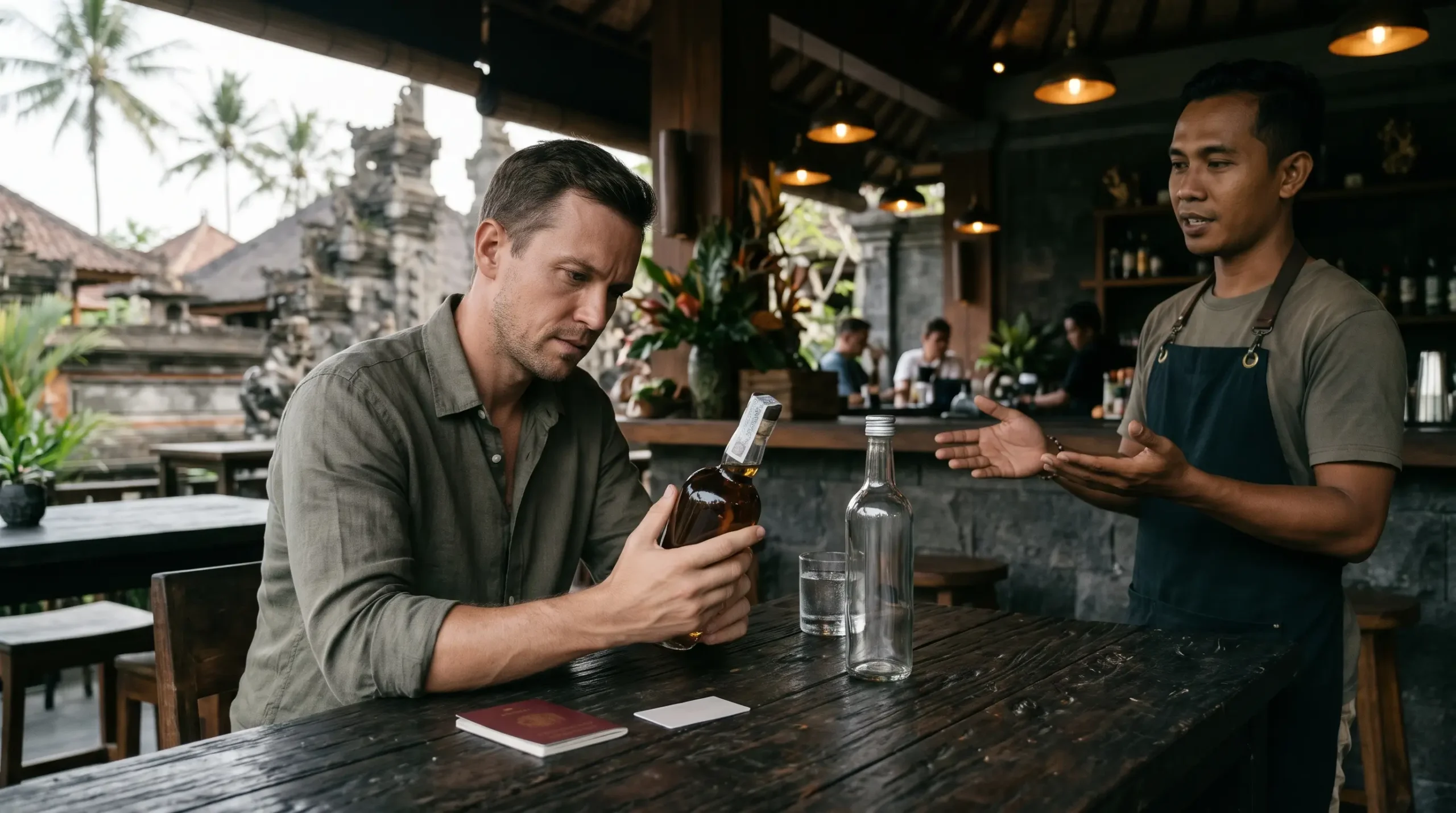
6. What should you know before choosing Indonesian local vodka?
Make sure the vodka comes from an authorized producer, has the appropriate distribution permits—such as relevant BPOM registration where applicable—and complies with official excise requirements. These checks help establish whether the product meets applicable production and regulatory standards.