 Log in
 Register



Indonesia is home to a rich diversity of culinary traditions and local beverages, including traditional alcoholic drinks. Among the many varieties, questions often arise about what ciu is. This beverage is commonly associated with several regions across Java, with Bekonang, Sukoharjo, being one of the most well-known production centers.
This article explores the origins of ciu, its ingredients, an overview of its production process, and its varying alcohol content. It also discusses the differences between ciu, arak, and other traditional beverages to help clarify various perceptions commonly found in society.
What Is Ciu?
Ciu is a local Indonesian term, particularly used in Central Java, to refer to a traditional alcoholic beverage produced through distillation. In simple terms, ciu falls into the category of spirits or traditional distilled alcoholic beverages.
As a distilled beverage, ciu differs from drinks that undergo fermentation alone. Fermentation is a process in which microorganisms, such as yeast, convert sugar into alcohol. Distillation, meanwhile, is a subsequent process involving the heating of fermented liquid to separate alcohol from water based on their boiling points, resulting in a liquid with a significantly higher alcohol concentration.
It is important to understand that not all beverages referred to as ciu in different regions have identical compositions, production methods, or characteristics. Cultural context and the availability of raw materials significantly influence the final product.
The Origins and History of Ciu in Indonesia
The history of fermented and distilled beverages across the Indonesian archipelago dates back centuries, often associated with traditional rituals, celebrations, and even traditional medicine. The presence of local distilling industries became more clearly documented during the Dutch colonial period.
During that time, local alcoholic beverages were produced to meet community demand and serve as economic commodities. The Dutch even regulated the production and distribution of local alcohol through taxation and licensing systems. These distilling traditions were passed down through generations, adapting to changing times, government regulations, and the economic dynamics of rural communities.
Ciu Bekonang: A Local Beverage Tradition from Sukoharjo
When discussing ciu, it is difficult not to mention Ciu Bekonang. Bekonang is the name of a village and an area within Mojolaban District, Sukoharjo Regency, Central Java. The area has a long history as one of the traditional alcohol production centers, operating since the Dutch colonial era, around the 1940s.
Ciu Bekonang, Sukoharjo, originated from a household industry that utilized by-products from sugar factories around the Surakarta Residency (Solo). Local communities processed sugar factory waste into alcohol, which was eventually distributed for medical purposes, such as medicinal alcohol, as well as for beverage consumption.
Although Bekonang is strongly associated with ciu, it cannot be claimed that all ciu products in Indonesia originate from this region. Each local alcohol-producing area has its own history and distilling traditions.
What Is Ciu Made From?
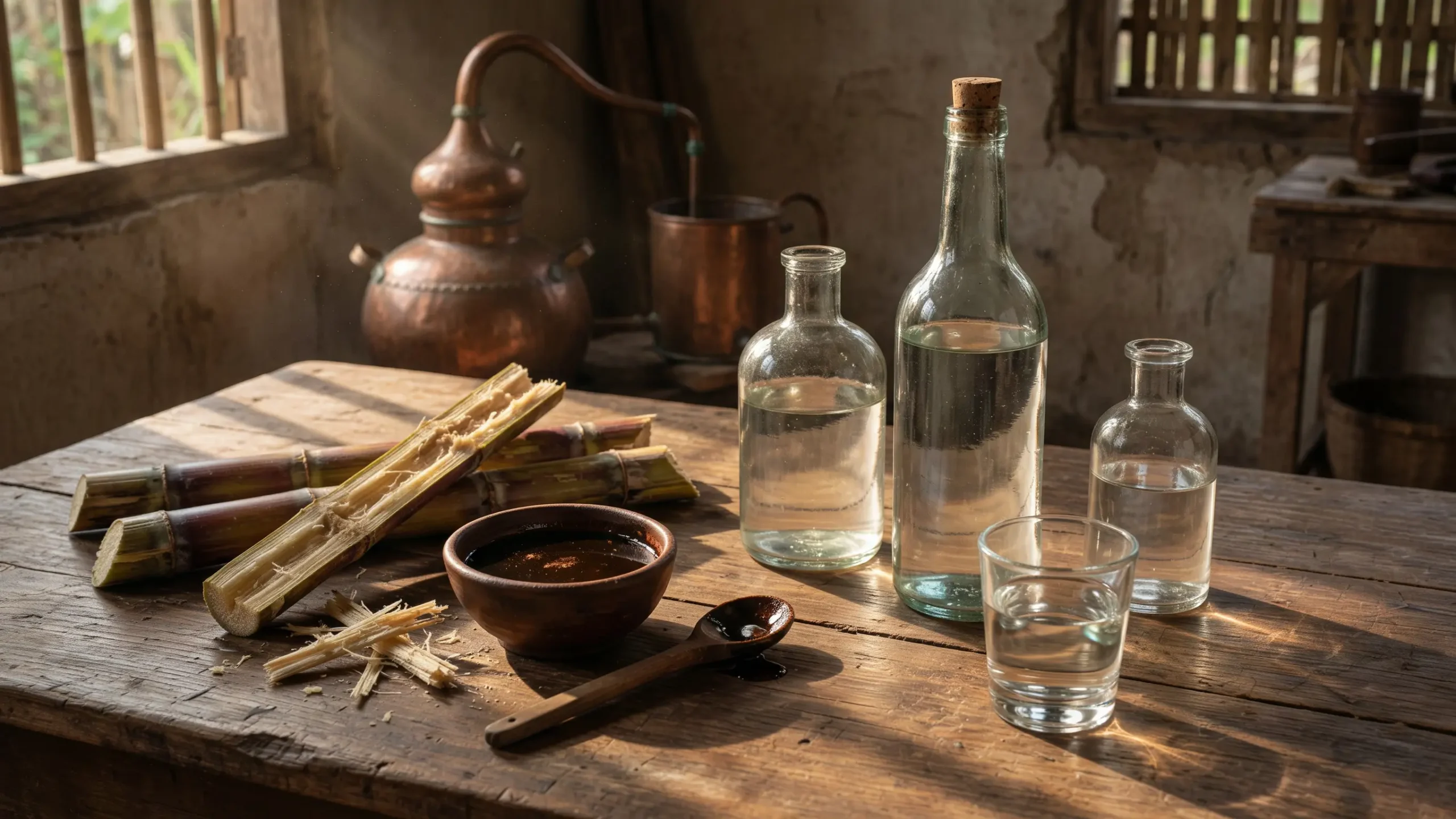
The ingredients used to make ciu depend heavily on the region where it is produced. Specifically, Ciu Bekonang primarily uses sugarcane molasses, a by-product of the sugarcane milling process.
Molasses contains a relatively high sugar concentration, making it suitable for fermentation. However, in other regions outside Sukoharjo, the term ciu may also refer to distilled beverages made from fermented glutinous rice, cassava, or even coconut and palm sap, depending on the agricultural commodities most abundant in the area.
How Is Ciu Generally Produced?
Producing distilled beverages requires an understanding of temperature and yeast management. In general, the traditional production of ciu involves the following stages:
- Ingredient Preparation: Molasses or other carbohydrate-rich ingredients are combined with water.
- Fermentation: Yeast is then added to the liquid. During the fermentation period, which lasts several days, yeast consumes sugar and produces ethanol (alcohol) and carbon dioxide gas. The fermented liquid is often referred to as badeg.
- Distillation: The badeg is then placed into a copper distillation vessel or heating container. The liquid is heated, and alcohol vapor, which has a lower boiling point than water, evaporates first. The vapor passes through a cooling pipe and condenses back into a clear liquid. This liquid is known as ciu.
Distillation carried out without modern equipment, strict quality control, and precise temperature regulation can affect the purity and safety of the final product.
What Is the Alcohol Content of Ciu?
Ciu’s alcohol content varies significantly. Alcohol percentage is generally measured using the Alcohol by Volume (ABV) standard, which indicates the volume of pure alcohol contained in the total volume of liquid.
Because ciu is traditionally produced and often lacks standardized industrial measuring systems, its alcohol content cannot be generalized. The first distillation may produce a lower ABV, while repeated distillation (double distillation) can result in alcohol with a very high concentration.
| Ciu Type or Reference | Origin or Context | Alcohol Content | Source |
| Ciu Bekonang (For Consumption) | Sukoharjo, Central Java | 25%–35% (range) | Historical Literature & Credible Media |
| Medical Alcohol / Bekonang Ethanol | Sukoharjo, Central Java | Up to 70%–90% | Industry Department / Local Data |
| Other Traditional Ciu | Various regions in Java | 20%–40% (highly variable) | Home-Based Production Variations |
Note: The figures above are estimated ranges. Without standardized laboratory testing, the alcohol content of traditional products without official labeling cannot be accurately determined.
What Is the Difference Between Ciu and Arak?
Many people consider ciu and arak to be the same, but there are several fundamental differences, particularly in terms of ingredients and regional identity. Both are distilled beverages, but the term “arak” has a broader geographical presence across Southeast Asia, including Bali (Arak Bali).
Here are the main differences between the two in general:
Comparison Table: Ciu vs. Arak
| Aspect | Ciu | Arak |
| Definition | Traditional distilled beverage originating from Java, particularly Central Java. | Distilled beverage found across a wider range of regions, including Bali and East Nusa Tenggara. |
| Regional Identity | Closely associated with Sukoharjo (Bekonang), Solo, and Banyumas. | Associated with Arak Bali, Arak Tuban, and Arak Batavia (historically). |
| Ingredients | Primarily sugarcane molasses. | Primarily palm sap (aren/lontar) or fermented rice. |
| Alcohol Content | 25%–40%+ (varies and is difficult to determine without laboratory testing). | 30%–40% (for standardized legal products). |
| Production Process | Sugarcane fermentation and distillation. | Sap/rice fermentation and distillation. |
| Characteristics | Distinctive caramel or sugarcane aroma, often sharp or pungent. | Distinctive sap or rice aroma; officially labeled products may have smoother tasting notes. |
Is Ciu the Same as Tuak or Other Traditional Beverages?
Ciu is different from tuak. Tuak is a beverage made from the fermentation of coconut, palm, or lontar sap without undergoing distillation. As a result, tuak generally has a much lower alcohol content, typically ranging from 4% to 8%. Its characteristics are more similar to traditional beer or wine, whereas ciu belongs to the spirits category.
Why Do Ciu’s Alcohol Content and Characteristics Vary?
Differences in aroma, flavor, and Alcohol by Volume (ABV) in ciu are influenced by several technical factors during production:
- Raw Ingredients: The quality and type of molasses influence the final product’s distinctive flavor and aroma (tasting notes).
- Fermentation Conditions: Ambient temperature, fermentation duration, and yeast type significantly determine the efficiency of sugar conversion into alcohol.
- Distillation Method: The heating temperature of the distillation vessel affects the evaporation of water and alcohol.
- Quality Control: The absence of precise hydrometer measuring equipment in many traditional distilleries makes it difficult to consistently control the final alcohol content.
Important Things to Know About Ciu Safety
Discussing traditional alcoholic beverages would be incomplete without addressing safety. Traditional ciu produced and marketed without official permits or oversight from relevant authorities carries serious health risks.
The main risk factors include:
- Legality and Quality Standards: Products without official distribution permits have no guaranteed hygiene standards, ingredient composition, or accurate ABV information.
- Methanol Risk: Errors during fermentation and boiling-point separation in distillation may produce methanol (a toxic alcohol) instead of ethanol. Methanol consumption can cause permanent blindness, organ damage, or even death.
- Contamination: Unsanitary production facilities are vulnerable to heavy metal contamination from distillation equipment or harmful bacteria.
The safety of an alcoholic beverage cannot be assessed solely by its color, smell, appearance, or taste. Safety can only be verified through laboratory testing and certification by relevant government authorities.
Understanding Ciu Through Its History, Culture, and Alcohol Content
Based on the explanation above, the question of what ciu is can be answered by describing it as a locally distilled alcoholic beverage with a long historical heritage in Java, particularly in Bekonang, Sukoharjo. Its primary ingredient is sugarcane molasses, and its alcohol content varies considerably because it is produced using conventional methods without mass-industry standardization.
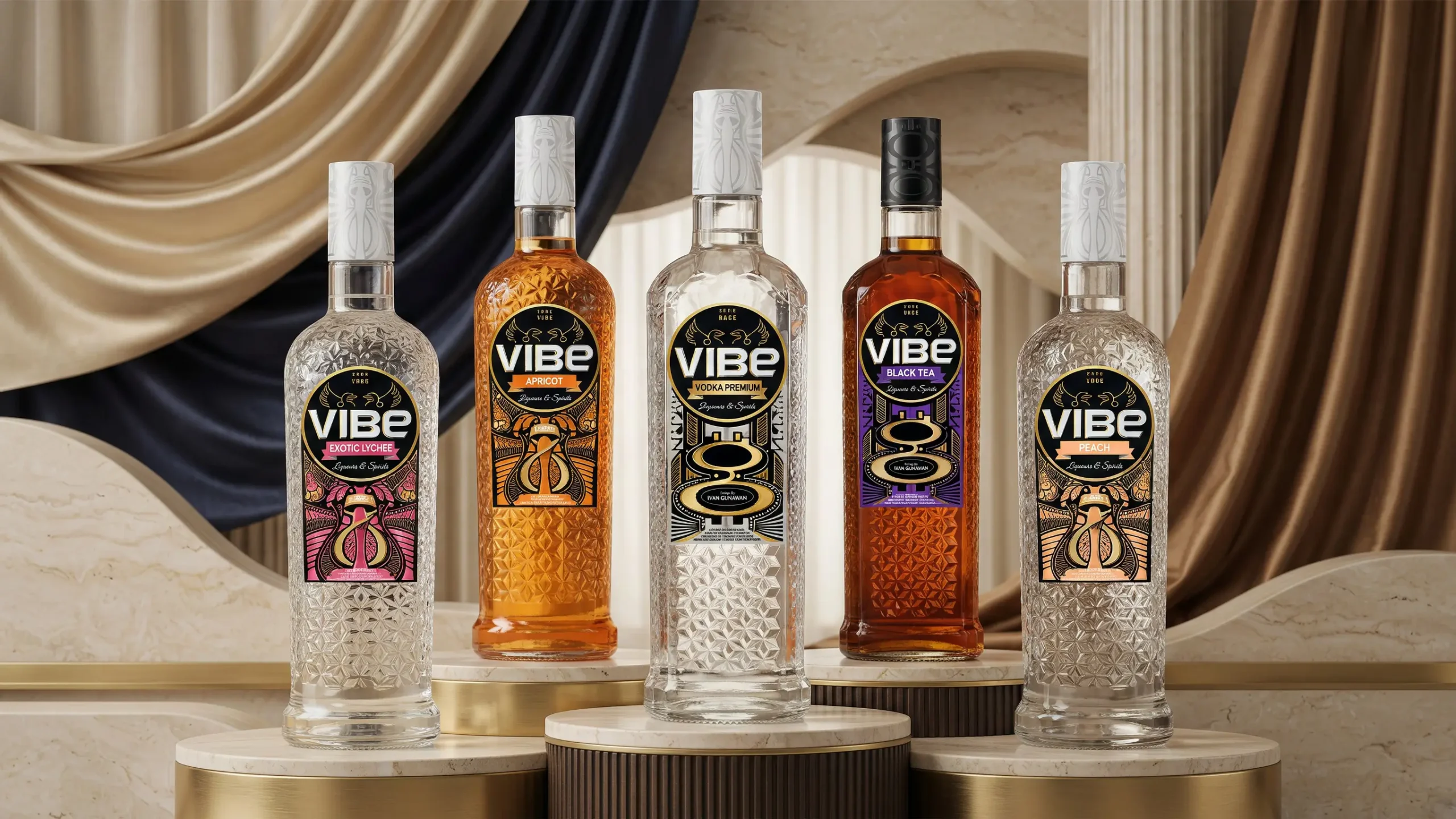
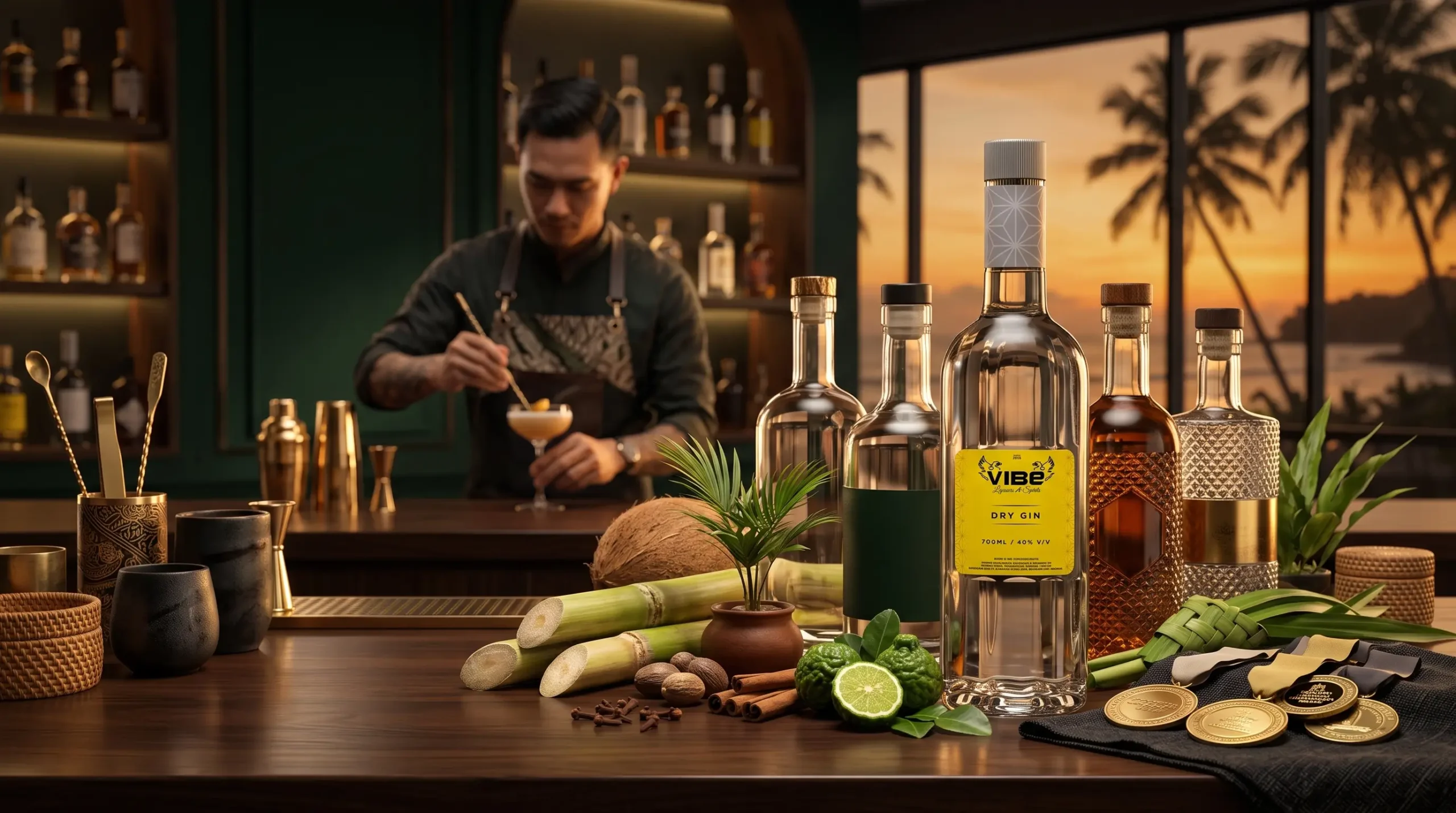
Although often considered similar, the differences between ciu and arak are evident in their regional origins, primary ingredients, and resulting product characteristics. Understanding the historical heritage of fermented and distilled beverages across the Indonesian archipelago provides a broader perspective on the development of the country’s traditional alcohol industry. However, as times change and safety becomes increasingly important, enjoying alcoholic beverages no longer needs to involve the risks associated with unlicensed products. The presence of certified, officially licensed local brands such as Vibe Liqueur & Spirits demonstrates that Indonesia’s spirits industry is capable of delivering premium quality products that are safe, legal, and strictly standardized.
To explore more insights into the world of spirits, alcoholic beverage education, cocktail-making guides, and lifestyle and entertainment venue recommendations, discover more interesting articles and comprehensive guides on Wekendvibe.
FAQ
1. What is ciu?
Ciu is a local term for a traditional distilled alcoholic beverage commonly found in Central Java, particularly associated with Sukoharjo and Banyumas.
2. What type of beverage is ciu?
Ciu belongs to the spirits category, or distilled alcoholic beverages, and generally has a much higher alcohol content than beverages produced through fermentation alone.
3. What is ciu made from?
Traditionally, particularly Ciu Bekonang, its primary ingredient is sugarcane molasses, which is combined with water and yeast for fermentation before distillation.
4. Where does ciu originate from?
Ciu is most closely associated with Central Java. One of its most historically significant and well-known traditional production centers is Bekonang Village, Sukoharjo Regency.
5. Why is Bekonang famous for ciu?
Bekonang has a long history dating back to the Dutch colonial era as a household-industry center that processed sugar factory waste (molasses) into medicinal alcohol and alcoholic beverages.
6. What is the alcohol content of ciu?
Ciu’s Alcohol by Volume (ABV) varies significantly, generally ranging from 25% to 40% for consumption, while alcohol intended for medical purposes can reach over 70%.
7. Is ciu the same as arak?
No. Although both are distilled beverages, Javanese ciu is generally made from sugarcane molasses, while arak, such as Arak Bali, is primarily made from coconut sap, lontar sap, or fermented rice.
8. What is the difference between ciu, arak, and tuak?
Ciu (sugarcane molasses) and arak (sap or rice) are distilled beverages with high alcohol content. In contrast, tuak is sap fermented without distillation, resulting in a lower alcohol content of approximately 4%–8%.
9. Does all ciu have the same alcohol content?
No. Because it is often produced traditionally without standardized measuring equipment, the alcohol content can vary significantly between producers and even between individual distillation batches.
10. Why is product safety important when it comes to traditional ciu?
Traditional distilled products without official permits and quality control may carry risks of contamination by hazardous substances, particularly toxic methanol, as well as unreliable equipment sanitation.