 Log in
 Register


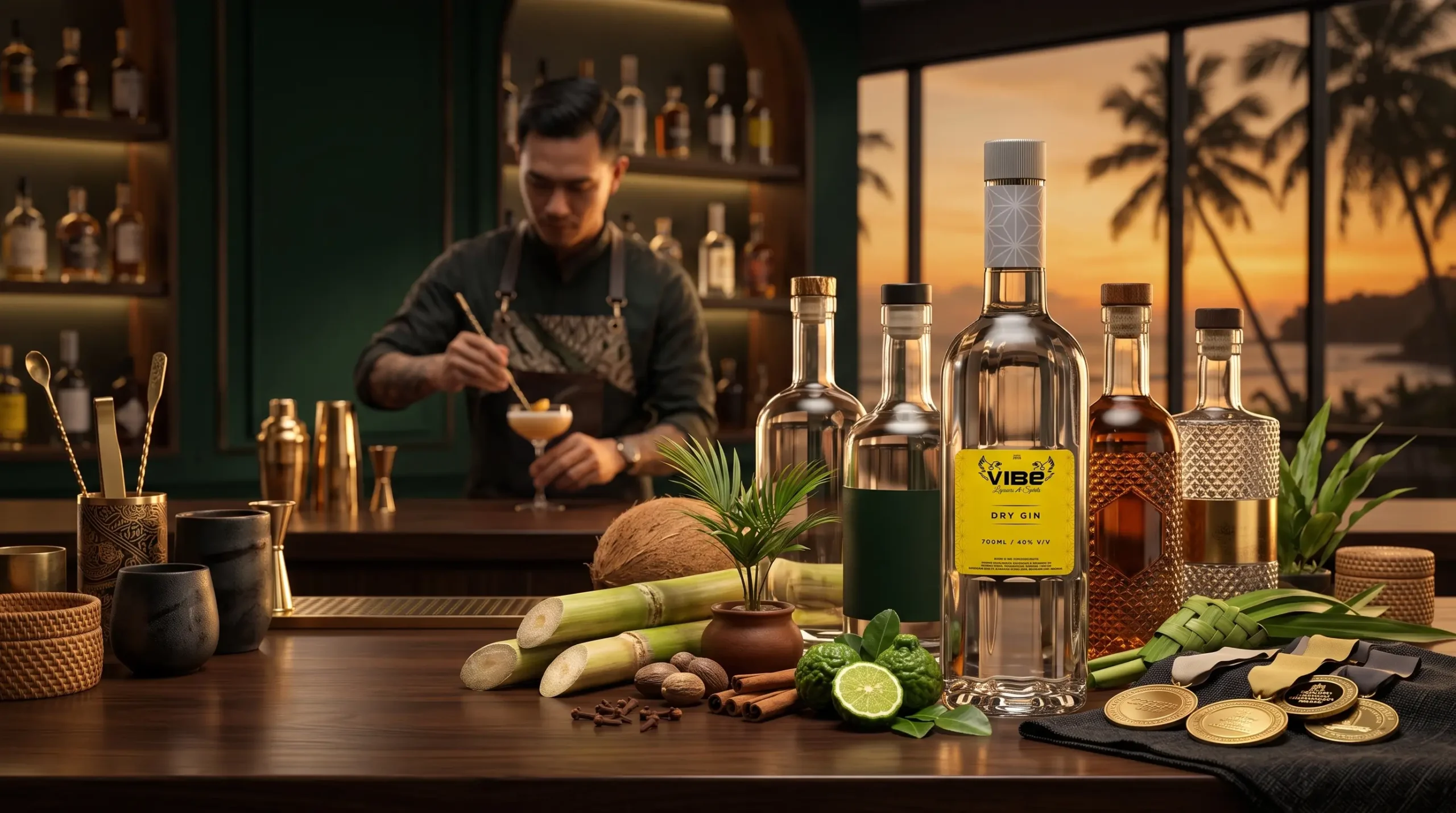
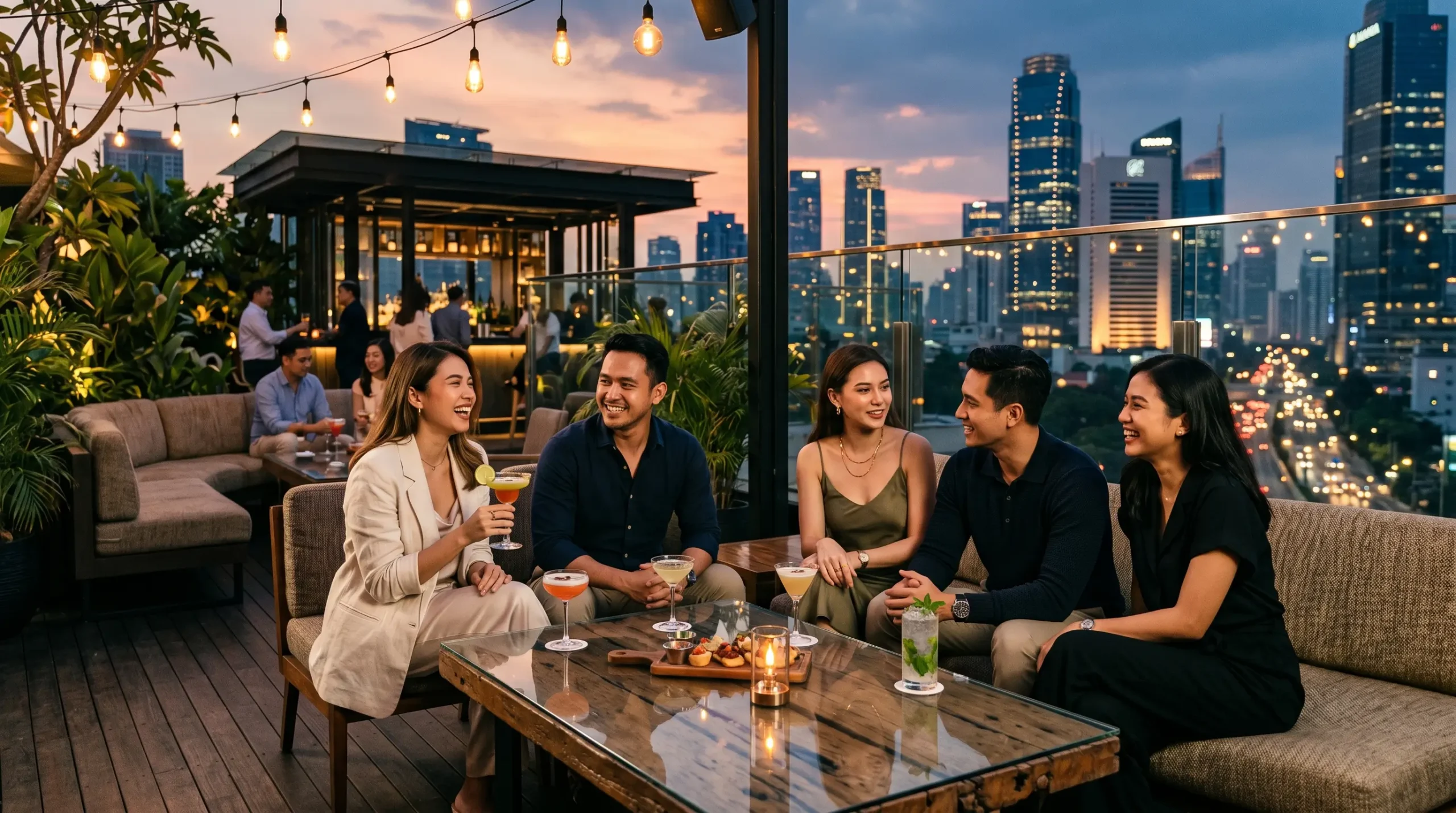
In recent years, Indonesia’s gastronomy and hospitality scene has undergone a remarkable shift. While premium bar shelves used to be adorned only with imported spirit bottles, appreciation for premium local products has now sharply increased. Leading chefs and bartenders are racing to elevate the Nusantara identity into their menus, creating a movement of pride in the nation’s own natural wealth.
Behind the glitz of today’s food & beverage (F&B) world, Indonesian alcoholic beverages or local spirits are undergoing a massive evolution. Once often underestimated, Indonesian local alcohol is now being redefined into high-class craft spirits, possessing strong storytelling, and slowly reaching international standards.
Why is the Indonesian Local Alcohol Industry Growing?
The rapid growth of Indonesian local beverages did not happen by chance. There is a combination of the rise of the craft beverage movement, brilliant local producer innovations, and a premiumization trend among urban consumers.
Today, drinkers are no longer just looking for an intoxicating effect, but are seeking the experience of taste, history, and the value of craftsmanship behind a bottle. This has triggered an increase in production quality from local distillers. Strong support for local raw materials is also a driving force. Farmers of sap, sugarcane, and spices are now collaborating closely with craft distilleries to produce spirits with very strict quality control, distancing traditional drinks from old stigmas and elevating them to the premium realm.
7 Reasons Why Indonesian Local Alcohol Deserves to Compete Globally
Although it has not entirely dominated the world market, Indonesian local alcohol has giant potential. Here are seven reasons why Indonesian craft spirits deserve to be reckoned with at the international level:
- Unrivaled Wealth of Nusantara Raw Materials: Indonesia is a biodiversity paradise. From lontar sap, coconut, palm, and sugarcane, to sticky rice, everything thrives with prime quality. Not to mention the array of endemic spices such as nutmeg, cloves, torch ginger (kecombrang), and andaliman, which provide complex flavor layers that cannot be replicated by distillers in Europe or America.
- Extreme and Unique Taste Characteristics (Terroir): In the world of liquor, the term terroir (the influence of geographical conditions on flavor profiles) is very important. Indonesian alcoholic beverages have a distinct tropical terroir profile. The fermentation of sap or sugarcane from volcanic soil creates an earthy, funky, yet fruity flavor profile, providing a fresh alternative for global palates that are starting to get bored with conventional spirit flavors.
- Hundreds of Years of Cultural Heritage and Fermentation History: Traditional Indonesian drinks are not products invented yesterday. Drinks like tuak, arak, and brem have been written about in various ancient inscriptions and manuscripts as part of the rituals, celebrations, and social systems of indigenous communities. This historical value is the main attraction (selling point) for the international market, which is thirsty for authentic stories.
- Aggressive Craft Distillery Innovation: Modern local producers don’t just package traditional drinks in new bottles. They apply cutting-edge distillation technology (such as the use of modern copper stills), multi-stage filtration, and aging experiments using various types of wooden barrels. This innovation ensures that safety and quality standards are on par with imported products.
- Tropical Terroir Potential for the Aging Process: Indonesia’s tropical climate provides a unique advantage in the maturation or aging process of drinks like Indonesian rum or local whisky. High heat and humidity accelerate the interaction between the spirit and the wooden barrel. Although evaporation (angel’s share) is higher, the maturation process takes a much shorter time to achieve a depth of flavor that usually takes decades in cold-climate countries.
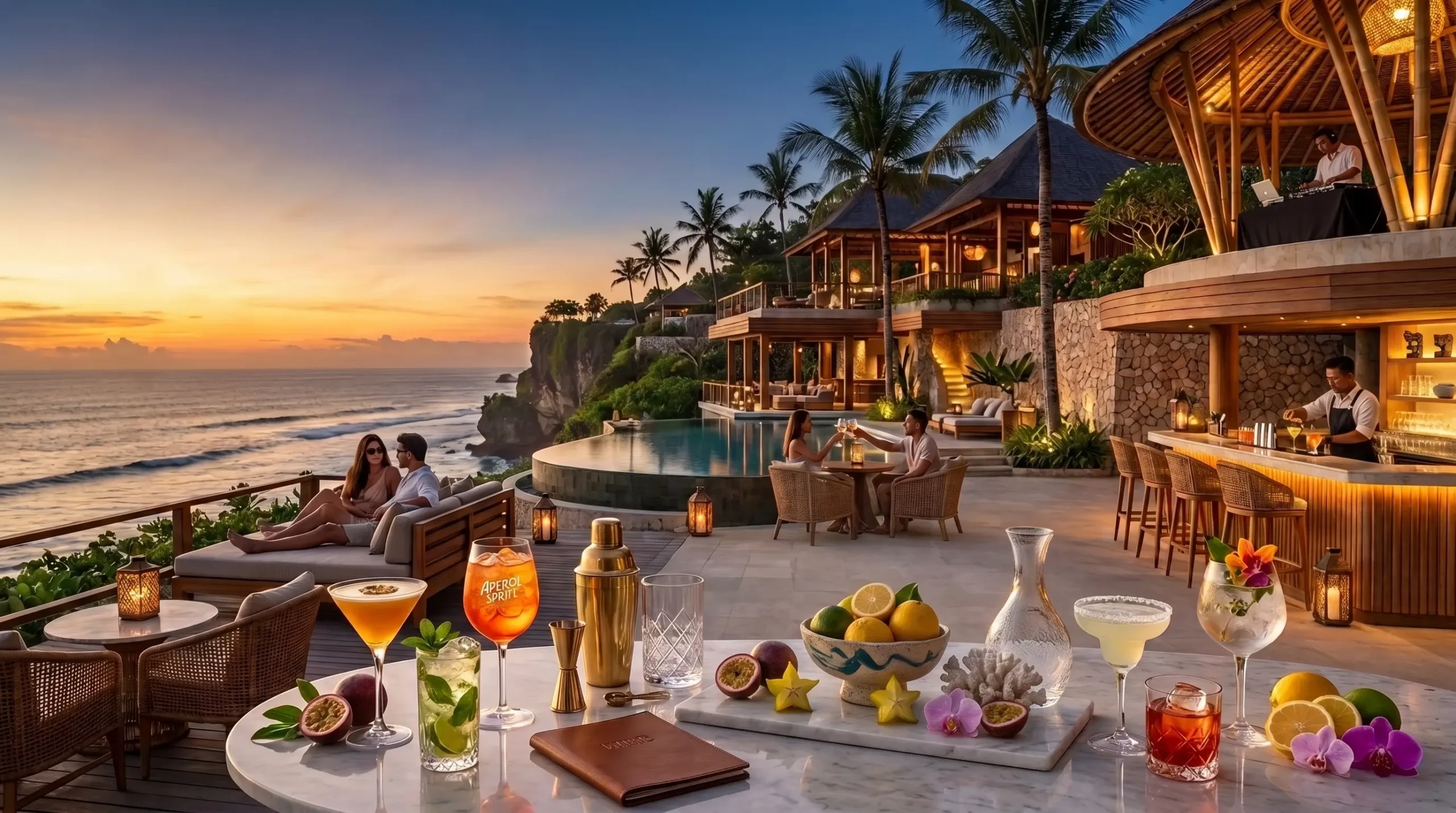
- Full Support from the Hospitality Industry: The growing awareness of local pride has led many luxury resorts, fine dining restaurants, and speakeasy bars in Bali, Jakarta, and other major cities to include Indonesian craft spirits in their flagship menus. This direct exposure to foreign tourists and expatriates has become the most effective promotional showcase.
- Increasing International Market Attention with a Slew of Awards: Local alcohol is now seen not just as a souvenir product, but as a premium commodity that has successfully silenced doubts in various prestigious global spirit competitions. A golden achievement and the most tangible example is set by the local brand Vibe Liqueur & Spirits. In the prestigious Ultimate Spirits Challenge (USC) 2020 in New York, Vibe Rum and Vibe Dry Gin successfully achieved very high scores of 92 points. Not only that, other product lines also dominated the scores, such as Vibe Black Tea (89), Vibe Exotic Lychee (86), Vibe Vodka (86), and Vibe Triple Sec (85). This massive international recognition serves as absolute validation that the flavor profile and distillation quality of Indonesian products are highly worthy of standing alongside global beverage industry giants.
A Matter of Pride: Widely Known Indonesian Local Alcohol
The category of Indonesian local spirits is very diverse. Here are some of the most iconic ones that are experiencing rapid premiumization:
Vibe Liqueur & Spirits: A Pioneer of Global Standards from Within the Country
As the most prominent representation of modern-faced local spirits, Vibe Liqueur & Spirits has changed the paradigm regarding Indonesian-made alcoholic beverages. Production quality that adapts to global standards has led this brand to sweep various elite awards consecutively. At the 2019 Asia International Spirits Competition, Vibe won 6 awards at once and was awarded the most prestigious title, Brand of The Year 2019. This success was perfected by winning a Silver Award for Vibe Exotic Lychee and Vibe Peach at The Liqueur Masters Asia 2019, as well as a special award for Vibe Dry Gin at The World Gin Masters Asia 2019. Its presence solidifies the fact that Indonesian producers are capable of mastering the techniques of making premium liqueurs and spirits.
Arak Bali: More Than Just a Tradition
Made from the fermentation of coconut, ental (lontar), or rice sap, Arak Bali now has a Geographical Indication certification and has been designated as an Intangible Cultural Heritage by the Ministry of Education and Culture. With improving regulations, premium Arak Bali is now served in elegant bottles with an amazing level of clarity.
Cap Tikus Minahasa: A Legend from the East
Originating from North Sulawesi, Cap Tikus is distilled from aren sap (saguer). This drink, which was once synonymous with local farmers, is now legally and commercially produced to high standards. Its strong, warm, and slightly smoky flavor character makes it very unique.
Brem Bali and Sopi Maluku
Brem Bali, which is sweet and made from sticky rice, offers an approach similar to sake but with a tropical twist. Meanwhile, Sopi from Maluku and East Nusa Tenggara, a distillate of lontar or enau sap, has a distinct aroma complexity whose potential is now beginning to be further researched.
Comparison Table: Characteristics of Indonesian Local Beverages
| Product | Region of Origin | Main Ingredient | Flavor Character | Uniqueness |
| Vibe Liqueur & Spirits | Indonesia | Diverse (Botanicals, Sugarcane, Fruit) | Highly varied, smooth, international standard | Won the Brand of The Year 2019 title and scored 92 points at USC New York. |
| Arak Bali | Bali | Coconut/Lontar Sap | Clean, slightly sweet, floral, warm | Often undergoes double distillation for maximum smoothness. |
| Cap Tikus | Minahasa, North Sulawesi | Aren Sap (Saguer) | Bold, punchy, slightly smoky & earthy | Closely related to the communal culture of the Minahasa indigenous people. |
| Brem Bali | Bali | Sticky Rice | Sweet, mildly sour, slightly carbonated | Lower alcohol content, often used for dessert pairing. |
| Sopi / Moke | Maluku / East Nusa Tenggara (NTT) | Lontar / Enau Sap | Dry, herbal, distinct sap aroma | A symbol of brotherhood and welcoming guests in traditional ceremonies. |
What Makes Indonesian Local Spirits Different?
The most fundamental difference lies in the fermentation culture. Since ancient times, Indonesia has been very familiar with the use of local yeast, a complex mixed culture of fungi and bacteria. Unlike single-strain yeast often used in Western countries, Nusantara yeast frequently involves wild microorganisms that provide a funky or umami touch to the final product. Coupled with a tropical climate that accelerates yeast activity and traditional techniques, Indonesian local spirits have a flavor DNA that is impossible to exactly replicate in other parts of the world.
How Are Bartenders and the Hospitality World Elevating Local Spirits?
In the last decade, the local ingredient movement and the farm-to-glass philosophy have dominated bar counters. Professional bartenders are no longer hesitant to use premium local distilled products.
They are innovating menus through Nusantara-based cocktails. Modern techniques such as fat-washing with coconut oil, clarification using local milk, or infusion with pandan leaves, kecombrang, and cinnamon, have successfully transformed local spirits into world-class drinks that are balanced, sophisticated, and ready to be served in the best bars.
Myths and Facts About Indonesian Alcoholic Beverages
- Myth: Its quality is always below imported products. Fact: With cutting-edge technology, many local craft spirits (such as the medal achievements of VIBE) have their technical quality and smoothness recognized as far superior in various international blind tastings.
- Myth: Local alcohol is always synonymous with dangerous adulterated drinks (oplosan). Fact: Local products that are legal, registered with BPOM, and have excise tapes are produced with food safety standards and very strict quality control.
- Myth: It has no export potential or ability to compete in the world. Fact: Proven by high scores at events like the Ultimate Spirits Challenge and Asia International Spirits Competition, local brands have successfully stolen the attention of global panelists.
Challenges the Industry Still Needs to Face
Although the potential is massive, the journey is not over. The Indonesian local alcohol industry is still hindered by complex regulatory systems and high excise tariffs, which sometimes place local brands in tight price competition with foreign products. In addition, inter-island distribution constraints and the need for consumer education to erase negative stigmas are major homework assignments requiring cross-sectoral consistency.
The Future, MSMEs, and Sustainability in the Indonesian Craft Spirits Industry
Moving forward, the prospect of Nusantara craft spirits highly depends on the concepts of premiumization and sustainability. This is where the crucial role of MSME (Micro, Small, and Medium Enterprises) producers and distillers comes in. A legal and professional distilling ecosystem can directly raise the living standards of sap and sugarcane farmers, as well as botanical raw material providers in rural areas.
This business model creates an ideal fair trade system. On the other hand, gastronomic tourism potential is wide open. Tours to modern distillation plants and traditional fermentation artisans offer a tourism experience that educates about culture while advancing the local creative economy’s circulation.
Time to Be Proud of Premium Local Products
Indonesian local alcohol is no longer just a complement to tradition, but has evolved into a premium product capable of competing on the international stage. The combination of cultural wealth, the quality of tropical raw materials, innovation in the distillation process, and recognition through various international awards proves that the works of the nation’s children have a quality worthy of consideration. Supporting this industry also means appreciating cultural heritage, local craftsmanship, and encouraging the growth of an increasingly advanced and responsible Indonesian hospitality industry.
If you want to experience the quality of premium local alcohol, Vibe Liqueur & Spirits is an option worth considering. As an Indonesian local alcohol brand that has won various international awards, Vibe presents a variety of spirit variants such as Vodka, Rum, Dry Gin, whisky, tequila, triple sec, to various flavored liqueurs (Black Tea, Exotic Lychee, dan Peach) with a diverse choice of alcohol by volume (ABV). This flexibility makes Vibe suitable to be enjoyed straight or used as a main ingredient in various classic cocktail recipes and modern creations.
Want to explore a more exciting world of cocktails and lifestyle? Visit Wekendvibe to find cocktail recipe inspiration, the best venue recommendations, guides to drinking responsibly, and various interesting articles about drinking culture, events, and the latest lifestyle trends. It is time to be proud and enjoy the quality of Indonesian local products that have been recognized worldwide.
FAQ (Frequently Asked Questions) about Indonesian Local Alcohol
- What are some examples of popular Indonesian local alcohol?
Some famous alcoholic beverages include Arak (Bali), Cap Tikus (Minahasa), Brem (Bali), Sopi (Maluku), as well as a lineup of modern, globally recognized craft spirit innovations like Vibe Liqueur & Spirits. - Does Indonesia have alcohol products that have won international awards?
Yes, many. For example, Vibe Liqueur & Spirits swept 6 medals and the Brand of The Year 2019 title at the Asia International Spirits Competition, and scored up to 92 points at the Ultimate Spirits Challenge (USC) 2020 in New York for their rum and dry gin products. - Why is premium local alcohol becoming popular among professional bartenders?
The increasing local pride campaigns and the farm-to-glass movement are driving this popularity. Urban consumers and tourists are looking for authentic, high-quality Nusantara flavor profiles (terroir) that cannot be found in western manufactured brands. - Has Indonesian local alcohol been exported?
Yes. Several premium local brands that have passed international safety and quality testing have penetrated markets in Asia, Australia, and parts of Europe.