 Log in
 Register


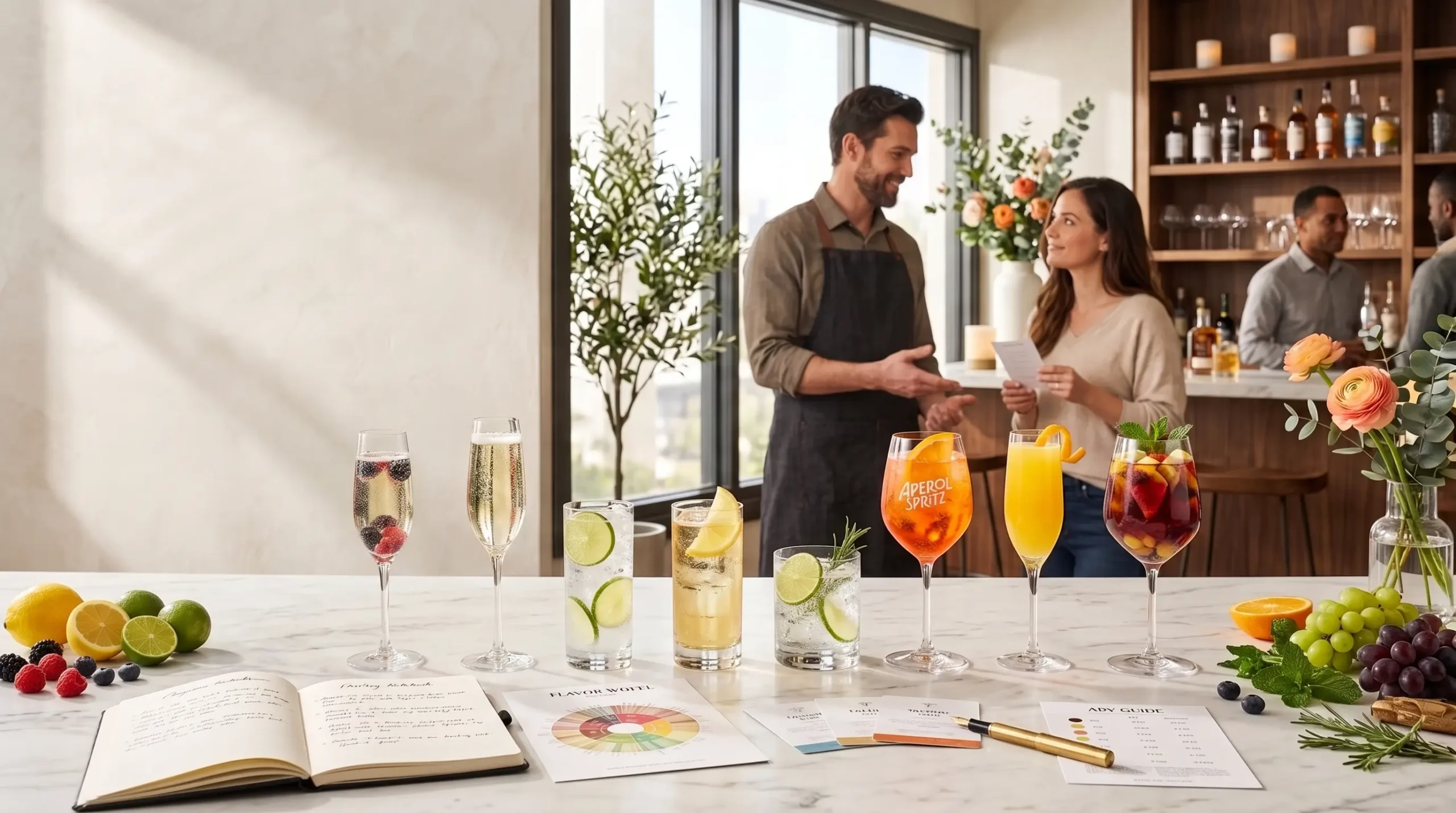
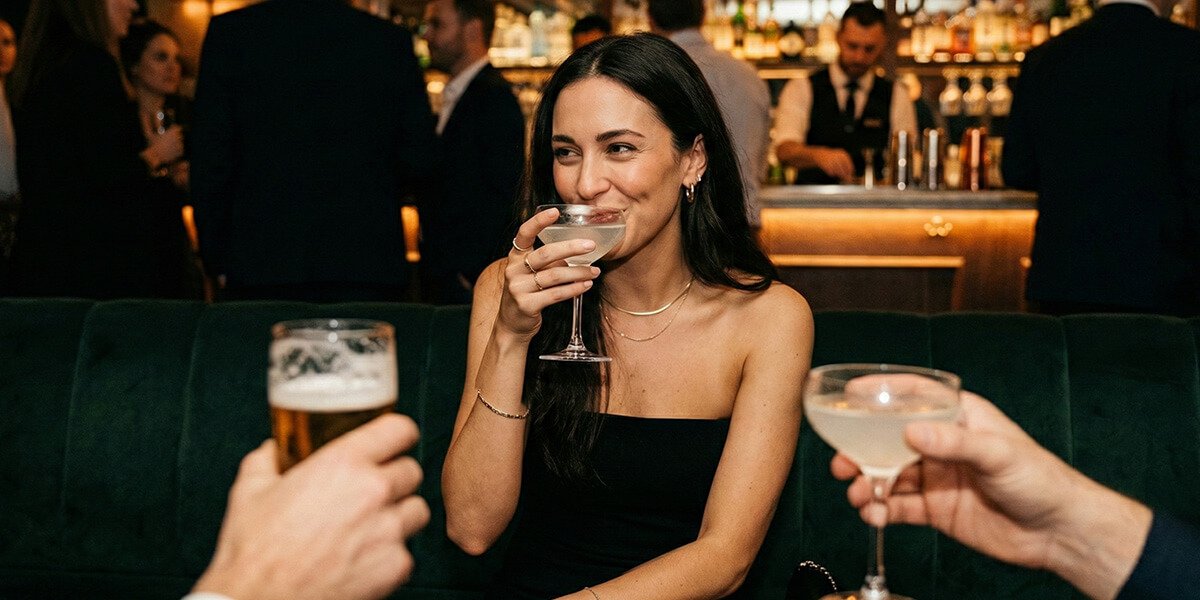
Entering the world of alcoholic beverages for the first time can often feel intimidating. When sitting at a bar or looking at the beverage shelves in a store, we are faced with dozens of bottles featuring labels, foreign terms, and confusing percentage numbers. Why do so many people feel confused when choosing their first drink? The reason is simple: the beverage world is vast, and the available information is often too technical.
One of the most common mistakes is only looking at the alcohol content or choosing a trending drink without understanding its flavor profile. However, according to the principles of beverage education and hospitality, a pleasant first experience heavily depends on the compatibility between a drink’s flavor profile and an individual’s palate. Everyone has different taste preferences; some prefer sweet, sour, refreshing, or even slightly bitter flavors.
This article is designed as a comprehensive guide to help you recognize categories of alcoholic beverages, understand their flavor characteristics, and provide alcohol recommendations for beginners that are easy to enjoy. The main goal is to explore drinking culture in an educational and relaxed manner, always prioritizing the principle of responsible drinking.
What is Meant by Beginner-Friendly Alcohol?
In the world of mixology and hospitality, a drink is categorized as “beginner-friendly” (approachable) if it does not deliver an overly extreme sensory shock. Several elements that determine whether an alcoholic beverage is suitable for beginners include:
- Flavor Profile: Beginners usually find it easier to accept familiar flavors, such as fruity, vanilla, chocolate, or citrus notes. Overly complex flavors, like smoky or earthy notes, usually take time to appreciate.
- Aroma: A good drink for beginners has an inviting and fresh aroma. The pungent smell of pure alcohol (ethanol) is generally avoided.
- Alcohol Content (ABV – Alcohol by Volume): ABV indicates how much pure alcohol is in a drink. Drinks with a low ABV (around 4% to 10%) are easier to enjoy because they do not cause a strong “alcohol burn” sensation in the throat.
- Bitterness Level: The bitter taste of hops (in beer) or herbs (in amaro) is often an acquired taste (a flavor that is liked after getting used to it). Easy-to-drink alcohol usually suppresses this bitterness.
- Sweetness Level: Sugar is a natural balancer for alcohol. A little sweetness can mask the harsh taste of alcohol, making it smoother to drink.
- Drink Texture (Mouthfeel): Carbonated (sparkling) drinks provide a refreshing tingling sensation on the tongue, which often makes the drink feel lighter.
Factors to Consider Before Choosing an Alcoholic Beverage
Before pointing to a name on a bar menu, there are several important factors worth considering to make your first alcohol-tasting experience enjoyable:
- Alcohol Content (ABV): As mentioned earlier, start low. Spirits like vodka or whisky have an average ABV of 40%, which can be very shocking to an unaccustomed palate if consumed straight.
- Flavor (Sour, Sweet, Bitter): Know what you enjoy on a daily basis. If you like sweet lychee iced tea, an alcoholic drink with a fruity and sweet profile will be more suitable.
- Serving Method: How a drink is served greatly affects its taste. Drinks served with plenty of ice (on the rocks) will undergo dilution (melting ice), which softens the alcohol taste over time.
- Serving Temperature: Cold temperatures can dampen alcohol evaporation. That is why drinks for beginners are almost always served chilled.
- Food Pairing: Consuming alcohol with food not only slows the absorption of alcohol into the bloodstream but also alters flavor perception. Cheese, meat, or savory snacks can make a drink taste much better.
- Personal Preference: Do not force yourself to drink something just because it looks “cool” in movies. Flavor exploration is a personal journey.
Alcohol Recommendations That Are Generally Easy for Beginners to Enjoy
Based on beverage education principles, here are some categories and recommendations for beginner-friendly alcoholic drinks that have an approachable flavor profile, fall into the light alcohol category, and are very easy to enjoy.
1. Hard Seltzer
Hard seltzer has become a global phenomenon in recent years due to its simplicity. This drink is basically carbonated water (sparkling water) spiked with alcohol and natural flavors.
- Origin: Popular in the United States.
- Flavor Character: Very light, refreshing, and clean, with a subtle hint of fruit flavor (like berry, lemon, or mango).
- ABV Range: 4% – 5% (similar to light beer).
- Sweetness Level: Very low to dry.
- Serving Method: Served very cold straight from the can or poured into a glass with ice.
- Who Usually Likes It: Those who like sparkling water, low-calorie drinks, and dislike excessive sweetness.
- Reason for Recommendation: It barely tastes like an alcoholic beverage. The sensation is similar to drinking fruit-flavored soda water, making it very safe and comfortable for beginners.
2. Cider (Fermented Fruit Juice)
For those who find beer too bitter, cider is a brilliant alternative. This drink is made from fermented fruit juice, most commonly apples or pears (perry).
- Origin: England and other European countries.
- Flavor Character: A strong apple flavor, ranging from very sweet like carbonated apple juice to crisp and slightly tart.
- ABV Range: 4% – 8%.
- Sweetness Level: Varies, ranging from sweet to dry.
- Serving Method: Chilled in a pint glass or a tall glass.
- Who Usually Likes It: Fans of fresh fruit drinks, apple juice, and those who dislike the hoppy taste of beer.
- Reason for Recommendation: Its natural fruit flavor is very dominant, perfectly masking the taste of alcohol.
3. Moscato
If you want to try wine for the first time, forget astringent red wines or acidic dry white wines. Start with Moscato.
- Origin: Italy (especially the Moscato d’Asti variant).
- Flavor Character: Very fruity with notes of peach, honey, orange blossom, and nectarine.
- ABV Range: 5% – 7% (very low for wine).
- Sweetness Level: Naturally sweet.
- Serving Method: Chilled in a standard wine glass.
- Who Usually Likes It: Dessert lovers and sweet fruit enthusiasts.
- Reason for Recommendation: The sweetness and touch of light carbonation (frizzante) make Moscato very easy to sip, much like a premium fruit syrup.
4. Riesling (Off-Dry or Sweet Category)
Besides Moscato, Riesling is an excellent gateway to understanding the world of white wine.
- Origin: Germany and the Alsace region of France.
- Flavor Character: Green apple, pear, and lime, with a distinctively fragrant aroma. It has a high acidity level, which is often balanced by natural sugars.
- ABV Range: 8% – 12%.
- Sweetness Level: Available from very sweet to dry, but beginners are advised to look for the Kabinett label (German) which is freshly sweet and sour.
- Serving Method: Chilled.
- Who Usually Likes It: Those who enjoy a balance of sweet and sour flavors, similar to lemonade.
- Reason for Recommendation: Its acidity makes it taste crisp and not cloying, pairing perfectly with spicy or Asian foods.
5. Sparkling Wine (Prosecco or Cava)
Nothing beats the elegance of bubbly drinks. Prosecco (from Italy) is often preferred by beginners over Champagne because of its more approachable taste and affordable price.
- Origin: Italy (Prosecco), Spain (Cava).
- Flavor Character: Crisp, green apple, melon, with a slight floral aroma.
- ABV Range: 11% – 12%.
- Sweetness Level: Usually Brut (dry, not too sweet), but the fruit flavors stand out.
- Serving Method: Chilled in a tall flute glass to preserve the bubbles.
- Who Usually Likes It: Those who enjoy fresh, carbonated celebratory drinks.
- Reason for Recommendation: The carbonated bubbles effectively break up the texture of the alcohol on the tongue, making it feel very festive and light.
6. Sangria
Sangria is a blend of wine, fresh fruit chunks, a bit of sweetener, and sometimes a little extra spirit or soda water.
- Origin: Spain.
- Flavor Character: Very complex due to the mix of citrus fruits, apples, and berries, yet tastes incredibly fresh like fruit punch.
- ABV Range: 8% – 12% (depending on the recipe).
- Sweetness Level: Medium to sweet.
- Serving Method: In a large glass with plenty of ice cubes and fruit chunks.
- Who Usually Likes It: Anyone who enjoys tropical fruit cocktails.
- Reason for Recommendation: The addition of ice and fruit juices significantly lowers the intensity of the wine, making it highly refreshing, especially in hot weather.
7. Low-ABV Cocktails (Aperol Spritz or Mimosa)
In cocktail culture, there is a category called sessionable or low-ABV cocktails. These are mixed drinks designed to be enjoyed casually.
- Origin: Italy (Aperol Spritz), France (Mimosa).
- Flavor Character:
- Aperol Spritz: A mix of Prosecco, Aperol (a slightly bittersweet orange-flavored herbal drink), and soda water.
- Mimosa: A mix of sparkling wine and pure orange juice.
- ABV Range: 9% – 11%.
- Sweetness Level: Medium.
- Serving Method: A large wine glass with ice (Aperol Spritz) or a flute glass without ice (Mimosa).
- Who Usually Likes It: Fans of relaxed weekend brunches.
- Reason for Recommendation: These drinks are an excellent introduction to the complex flavors of classic cocktails without the heavy side effects of alcohol.
8. Cream Liqueur (Example: Baileys Irish Cream)
This category is often referred to as an “after-dinner drink.” Cream liqueurs mix a spirit (like whisky) with real dairy cream and flavors such as chocolate or coffee.
- Origin: Ireland (most popular).
- Flavor Character: Thick, creamy, with flavors of chocolate, vanilla, coffee, and caramel.
- ABV Range: 15% – 17%.
- Sweetness Level: Very sweet.
- Serving Method: Poured directly over ice cubes (on the rocks) or mixed into coffee.
- Who Usually Likes It: Lovers of ice cream, chocolate milk, or coffee with milk.
- Reason for Recommendation: The fat from the cream completely coats the tongue, perfectly hiding the sharp taste of alcohol. It tastes just like consuming a liquid dessert.
9. Highball
A Highball is not a specific drink name, but rather a simple cocktail serving style that mixes one type of spirit with a much larger portion of a non-alcoholic mixer (like soda water or ginger ale).
- Origin: America/England, but highly perfected by Japanese bartending culture.
- Flavor Character: Refreshing, fizzy, with hints of the base spirit’s character (such as the oak aroma of whisky).
- ABV Range: 5% – 8% (due to heavy dilution).
- Sweetness Level: Low (if using pure soda water) or medium (if using ginger ale).
- Serving Method: A tall glass fully loaded with ice cubes, spirit, and soda poured slowly.
- Who Usually Likes It: Those who want to try hard liquor like whisky but are not yet ready for its pure taste.
- Reason for Recommendation: The high ratio of ice and soda mixing turns a previously very strong spirit into a long drink that is very easy to finish.
10. Gin & Tonic with a Light Composition
One of the most classic cocktails in the world. Even though gin is a strong spirit, when mixed correctly, this drink is incredibly refreshing.
- Origin: England (and the colonial era in India).
- Flavor Character: Herbal (botanical), pine (juniper), slightly bitter from the tonic water, and fresh from the squeezed lime.
- ABV Range: 7% – 10%.
- Sweetness Level: Slightly sweet from the sugar in the tonic water.
- Serving Method: A large glass, full of ice, garnished with lemon or lime.
- Who Usually Likes It: Fans of herbal aromas, tea, or fresh beverages.
- Reason for Recommendation: The balance between the botanical aroma of gin, the bittersweetness of the tonic water, and the tartness of the lime creates an extraordinary harmony of flavors.
The categories above are not “bad” or “too harsh” drinks, but rather works of craftsmanship that require adaptation time so their flavor complexities can be fully enjoyed, rather than just hastily gulped down.
Tips for Enjoying Alcoholic Beverages for the First Time
Good hospitality principles are not just about providing delicious drinks, but also ensuring safety and comfort. Apply the following responsible drinking principles:
- Drink Slowly (Pacing): Alcohol is not a race. Sip slowly to enjoy the layers of flavors. Let your tongue recognize the beverage’s aroma.
- Eat First: Never consume alcohol on an empty stomach. Food (especially those containing protein and carbohydrate fats) will coat the stomach and drastically slow down alcohol absorption.
- Understand Portion Sizes (Standard Drink): One glass of wine (150 ml), one regular can of beer (330 ml), and one shot of pure hard liquor (45 ml) contain roughly the same absolute amount of alcohol.
- Drink Water in Between (The 1:1 Rule): Make it a habit to drink a full glass of water every time you finish a glass of an alcoholic beverage. This will keep your body hydrated and prevent a headache the next day.
- Know Your Limits: Recognize your body’s signals. If your head starts feeling very light, your vision loses focus, or your face turns red and feels hot, it is a sure sign to stop and switch to pure water.
- Do Not Drive After Consuming Alcohol: There is no compromise on this rule. Always prepare alternative transportation, use a taxi, a ride-hailing app, or ask a friend who is not drinking (designated driver) to drive.
Common Mistakes Made by Beginners
To avoid a bad first experience, steer clear of these common pitfalls that many newcomers to the beverage world make:
- Choosing Solely Based on Alcohol Content: Picking a bottle with the highest ABV percentage thinking it will “get you drunk faster” is a recipe for disaster that will ruin your stomach and flavor appreciation.
- Drinking Too Fast (Chugging): Downing a delicious cocktail like drinking water after a workout will only cause alcohol to flood your nervous system in a short time.
- Mixing Too Many Types of Drinks: Jumping from sweet wine to cider, then downing whisky all in one night will confuse your digestive system and trigger a severe hangover.
- Not Knowing the Flavor Profile You Ordered: Being too shy to ask the bartender or server about a drink’s flavor often leads to disliking it when the order arrives.
- Ignoring Hydration: Forgetting to drink water is the primary cause of hangovers.
Starting Flavor Exploration: Enjoy Every Glass Wisely
Enjoying alcohol should be a social experience, a form of relaxation, and a fun exploration of flavors, not a show of strength or an endurance test. The key to finding the right beginner-friendly alcohol is keeping an open mind, prioritizing flavor profiles over just checking the ABV, and starting with light carbonated, fruity, or sweet drinks like cider, hard seltzer, Moscato, or Highballs.
For those who want to start exploring quality options, Vibe Liqueur & Spirits can be a highly appropriate starting point. As an Indonesian-proud local alcohol brand that has won various international awards, Vibe Liqueur & Spirits presents a comprehensive lineup of flavor variants with varying alcohol content levels.
To broaden your horizons on beverage education, look for recommendations for the best venues, discover home cocktail recipe inspirations, and find various other unique information surrounding the world of lifestyle and hospitality, make sure to visit wekendvibe.
Always instill the principles of positive beverage education and prioritize safety through responsible drinking. Explore gradually, learn the flavor characteristics of what is served in your glass, and enjoy every moment wisely.