 Log in
 Register


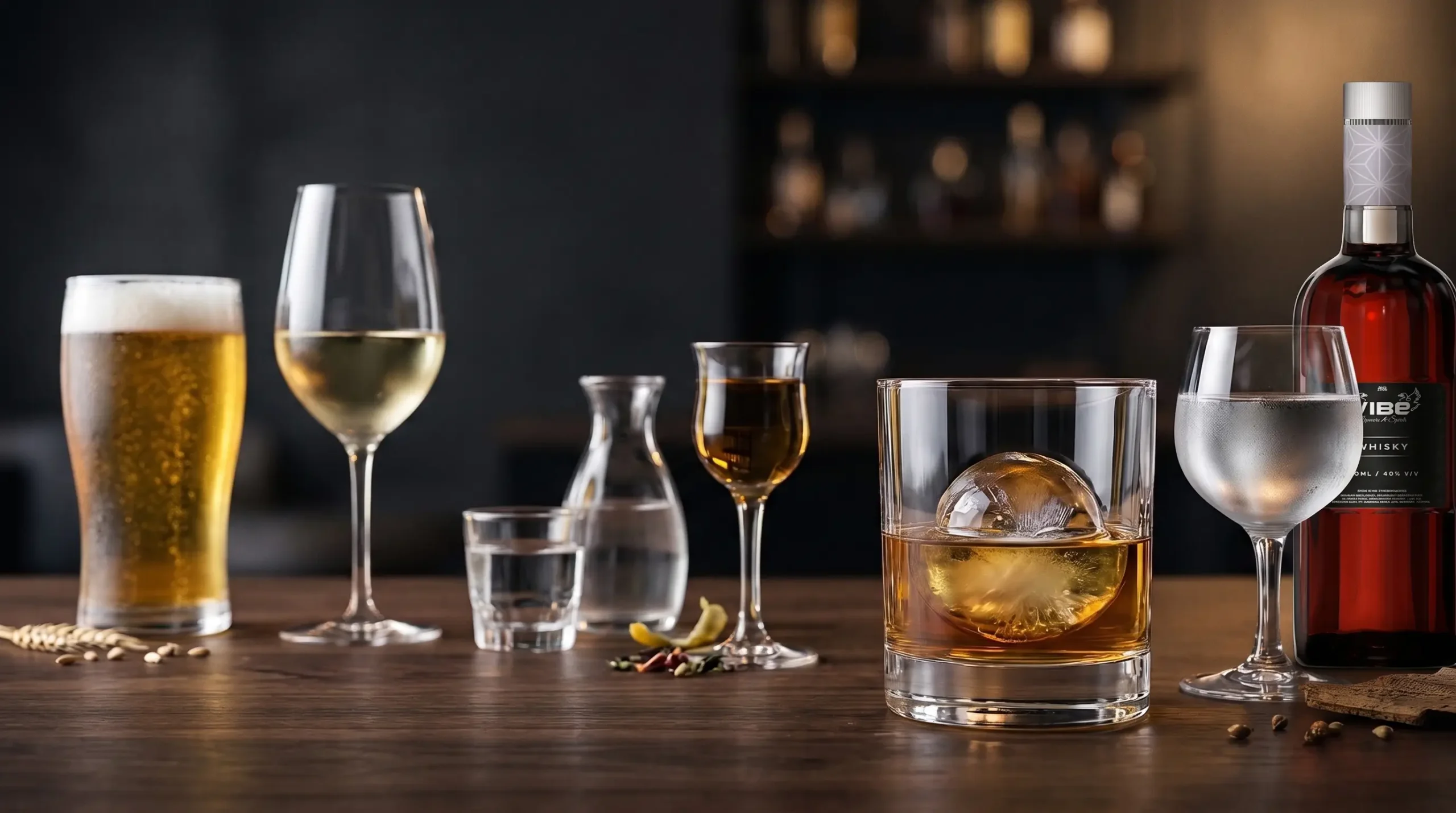
When looking at the label on a bottle of alcoholic beverage, the percentage displayed is often one of the first things people notice. This number indicates the alcohol content of the beverage, which is universally measured using the ABV standard.
Each type of alcoholic beverage can have a significantly different alcohol range. Beer generally has a relatively low alcohol content, while distilled spirits such as whisky and vodka have much higher percentages. Understanding the differences in alcohol content is important for making informed choices and consuming alcohol responsibly.
What Is ABV?
ABV stands for Alcohol by Volume. It is a global standard used to indicate how much space pure alcohol (ethanol) occupies within a liquid at a specific temperature.
The meaning of ABV on alcoholic beverages is relatively simple: the percentage represents the amount of pure alcohol compared with the total volume of liquid in a bottle or glass.
For example, if a beer is labeled 5% ABV, this means that 5% of the total liquid volume in the bottle consists of pure alcohol. If the bottle contains 1,000 milliliters (1 liter) of liquid, it contains approximately 50 milliliters of pure alcohol.
This method of interpreting alcohol percentages applies to all types of alcoholic beverages, from beer to liqueur.
Alcohol Content Chart
The following alcohol content chart summarizes the typical ABV ranges for various categories of alcoholic beverages. Keep in mind that the alcohol percentage of an individual product can vary depending on the brand, recipe, local regulations, and production process.
| Type of Beverage | Typical ABV Range | Examples |
| Beer | 4%–7% | Lager, Pilsner, Ale, IPA |
| Cider | 4%–8% | Apple Cider, Pear Cider |
| Sparkling Wine | 8%–12% | Champagne, Prosecco, Cava |
| Sake | 13%–17% | Junmai, Ginjo, Daiginjo |
| Wine | 11%–15% | Red Wine, White Wine, Rosé |
| Soju | 12%–25% | Flavored Soju, Traditional Soju |
| Liqueur | 15%–30% | Baileys, Kahlúa, Vibe Black Tea, Vibe Lychee |
| Gin | 37.5%–50% | London Dry Gin, Botanical Gin, Vibe Dry Gin |
| Tequila | 38%–50% | Blanco, Reposado, Añejo, Vibe Blue Agave |
| Rum | 37.5%–50% | White Rum, Dark Rum, Spiced Rum, Vibe Rum |
| Vodka | 37.5%–50% | Standard Vodka, Flavored Vodka, Vibe Vodka |
| Brandy/Cognac | 35%–60% | Brandy, Cognac, Armagnac |
| Whisky | 40%–55%+ | Scotch, Bourbon, Single Malt, Emerald Glens |
Alcohol Content in Beer
Beer is one of the oldest fermented beverages in the world. On average, beer has an alcohol content of around 4% to 7% ABV. However, variations in brewing styles create a relatively wide range:
- Lager and Pilsner: Generally around 4% to 5% ABV. These are among the most widely available commercial beer styles.
- Ale and IPA (India Pale Ale): Often range from 5% to 7% ABV. Some craft beer IPAs can reach 8% to 10% ABV, particularly Double or Imperial IPAs.
- Strong Beer: Some specialty beers can have an ABV above 10%. These differences are strongly influenced by the amount of fermentable sugar from malt available to the yeast during fermentation.
Alcohol Content in Wine
The alcohol content of wine is strongly influenced by the sweetness and sugar content of the grapes when they are harvested. The higher the natural sugar content of the grapes, the greater the potential alcohol level after fermentation.
- White Wine and Rosé: Generally lighter, with an alcohol content of around 10% to 13% ABV.
- Red Wine: Tends to have a higher alcohol content, averaging around 12% to 15% ABV. Grapes grown in warmer climates typically develop higher sugar levels, which can result in higher alcohol content.
- Fortified Wine: These wines, such as Port or Sherry, have high-proof spirits added to them, increasing their alcohol content to around 17%–22% ABV.
Alcohol Content in Soju
Many people ask, “What is the alcohol content of soju?” The answer depends heavily on the type of soju.
- Flavored Soju: Modern fruit-flavored products are extremely popular and generally have a lower alcohol content, typically around 12% to 14% ABV.
- Traditional Soju: Traditional unflavored soju can range from 16% to 25% ABV. Some premium traditional soju made through distillation can reach 40% ABV. Therefore, it is always important to check the label before consuming.
Alcohol Content in Whisky
Whisky generally starts at a standard minimum of around 40% ABV. This category includes alcoholic beverages made from fermented and distilled grains.
- Standard Strength: Most commercial Scotch, Bourbon, and Blended Whisky products are diluted with water before bottling to reach a standard of 40% or 43% ABV.
- Cask Strength / Barrel Proof: Some Single Malt or Bourbon releases are bottled directly from the barrel without dilution. These products can reach 50% to more than 60% ABV.
Alcohol Content in Vodka
What percentage of alcohol is in vodka? Like whisky, the global standard for vodka is generally around 40% ABV. In Europe, the minimum legal alcohol content for a beverage to be labeled as vodka is often 37.5% ABV.
Vodka can sometimes feel “stronger” or produce more of a burning sensation in the throat because its production focuses on ethanol purity rather than the additional flavors or barrel-aging characteristics found in whisky.
Alcohol Content in Liqueur
Liqueur differs from pure spirits or liquor. Liqueur is a base spirit, such as rum, vodka, or whisky, that has been combined with sugar, flavorings, herbs, or cream.
- Cream Liqueur: Products such as Baileys generally have an ABV of around 15% to 17%.
- Coffee & Citrus Liqueur: Products such as Kahlúa or Cointreau typically have alcohol levels ranging from 20% to 40% ABV.
Liqueur does not automatically have a high alcohol content. Its high sugar content can actually mask the perception of strong alcohol flavors.
ABV Comparison Chart: From Lowest to Highest
As a quick reference, here is a comparison of alcoholic beverages arranged approximately from the lowest to the highest typical alcohol content:
- Cider: ~4%–8%
- Beer: ~4%–7%
- Sparkling Wine: ~8%–12%
- Wine: ~11%–15%
- Soju (Flavored): ~12%–14%
- Sake: ~13%–17%
- Liqueur: ~15%–30%
- Gin / Rum / Tequila / Vodka / Whisky: ~40%–50%
Note: This ranking is a general guide. Individual products may fall outside these typical ranges.
What Determines Alcohol Content?
The ABV of a beverage is not random. It is determined by several factors:
- Production Method: Natural fermentation, such as in beer and wine, has a practical limit because yeast becomes inactive or dies at high alcohol concentrations, typically around 15%–18%. Distillation, as used for vodka and whisky, separates alcohol from water through heating and can produce much higher ethanol concentrations, often above 40%.
- Ingredients and Sugar: The more fermentable sugar available, the more material the yeast has to convert into alcohol.
- Dilution: Distilled spirits can reach approximately 70% ABV during production, after which producers add purified water to reduce the alcohol content to a standard level for consumers, such as 40% ABV.
- National Regulations: Many countries establish minimum or maximum alcohol percentages for products to legally use specific beverage names.
ABV vs. the Amount of Alcohol Consumed
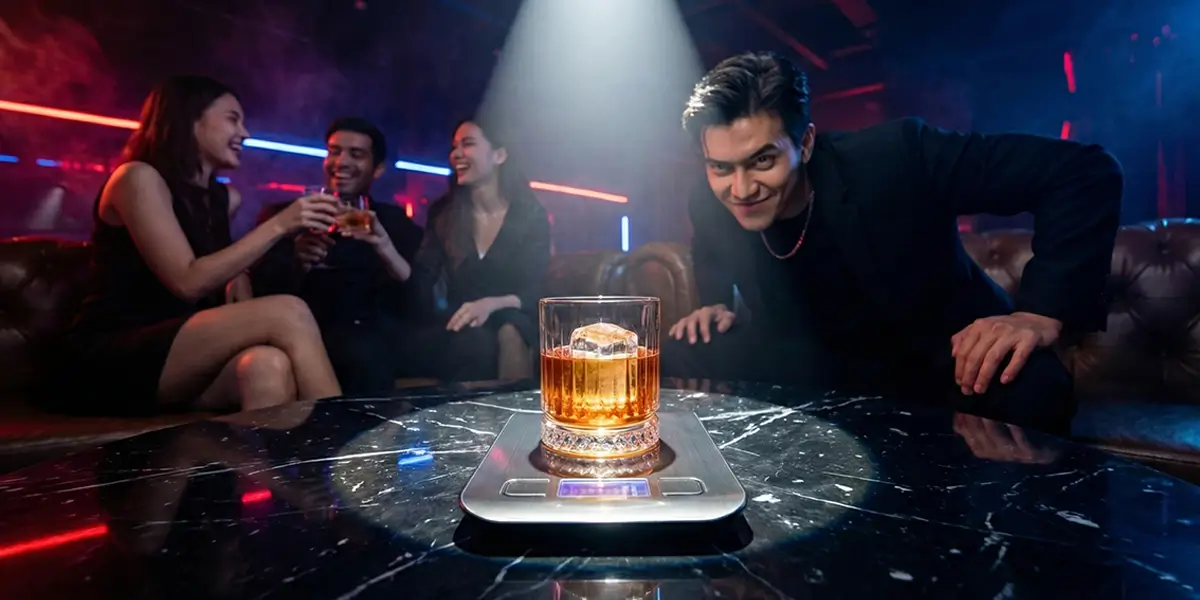
Knowing the ABV alone is not enough. The volume of the beverage also plays an important role in determining how much pure alcohol is consumed. A beverage with a low ABV does not necessarily contain a small amount of alcohol if it is consumed in a large volume.
A simple formula for estimating the amount of pure alcohol is:
Beverage Volume × ABV Percentage = Volume of Pure Ethanol
Let’s compare two scenarios:
- Beer (5% ABV): 1 can of beer (330 mL) × 5% = 16.5 mL of pure alcohol
- Whisky (40% ABV): 1 shot (45 mL) × 40% = 18 mL of pure alcohol
As the calculation shows, one shot of whisky can provide an amount of alcohol that is almost equivalent to one can of beer. Therefore, serving size is extremely important when considering alcohol consumption.
Does a Higher ABV Mean You Get Drunk Faster?
In theory, consuming a beverage with a high ABV can result in pure alcohol entering the bloodstream more quickly, especially when the drink is consumed over a short period, such as taking a shot. However, alcohol intoxication is not determined solely by which beverage has the highest alcohol content.
Factors that can influence the effects of alcohol include:
- Consumption Speed: Drinking slowly gives the liver more time to process alcohol.
- Food in the Stomach: Drinking on an empty stomach can cause alcohol to be absorbed more quickly.
- Biological Factors: Body weight, genetics, metabolism, and biological sex can all influence how the body responds to alcohol.
- Interactions with Other Substances: Combining alcohol with medications or caffeine can mask or intensify some effects of alcohol.
Exploring Flavor and Alcohol Content Responsibly
Understanding alcohol content through ABV percentages can help you make informed choices while also being more aware of serving sizes and responsible consumption. Every type of alcoholic beverage, from light beer to spirits and complex liqueurs, offers a different drinking experience.
For those interested in exploring a range of quality alcoholic beverages, VIBE Liqueur & Spirits is a proudly Indonesian local brand that has received various international awards. The brand offers an extensive collection with a variety of alcohol levels to suit different preferences.
For example, sweet and distinctive liqueurs such as Vibe Black Tea and Vibe Lychee are suitable for those who prefer lighter, flavor-forward drinks. Meanwhile, those looking for full-strength beverages can explore classic spirits with standard commercial ABVs, such as Vibe Vodka and Vibe Dry Gin.
Each VIBE product is designed to deliver an enjoyable drinking experience, whether served directly neat or on the rocks, or incorporated into refreshing cocktail recipes.
Looking for more cocktail inspiration? Visit Wekendvibe to discover curated cocktail recipes, recommendations for popular entertainment venues, and other unique information about the worlds of nightlife and beverages.
Enjoy exploring responsibly!
FAQ (Frequently Asked Questions)
How much alcohol is in beer? On average, beer contains around 4% to 7% ABV, depending on the style and recipe used by the brewer.
What is the alcohol content of soju? Fruit-flavored soju generally contains around 12% to 14% ABV, while traditional soju can range from approximately 16% to 25% ABV.
How much alcohol is in wine? Wine generally has an ABV of around 11% to 15%. White wine tends to be lighter, while red wine is generally toward the higher end of this range.
Is vodka higher in alcohol than whisky? Generally, no. Both are classified as spirits and are commonly bottled at a similar commercial standard of around 40% ABV.
What does ABV mean on a beverage? ABV stands for Alcohol by Volume. It is a standard measurement indicating the percentage of pure alcohol relative to the total volume of liquid in a beverage.
Which beverages typically have the highest alcohol content? Distilled spirits such as whisky, vodka, rum, gin, and tequila typically have some of the highest alcohol contents, generally ranging from around 40% to more than 50% ABV.
Does liqueur always have a high alcohol content? No. Liqueurs generally range from around 15% to 30% ABV because they often contain added sugar, cream, or flavorings, resulting in a lower ABV than pure spirits.
Is ABV the same as the amount of alcohol consumed? No. ABV is only a percentage. The amount of pure alcohol consumed is calculated based on the volume of liquid multiplied by its ABV percentage.