 Log in
 Register



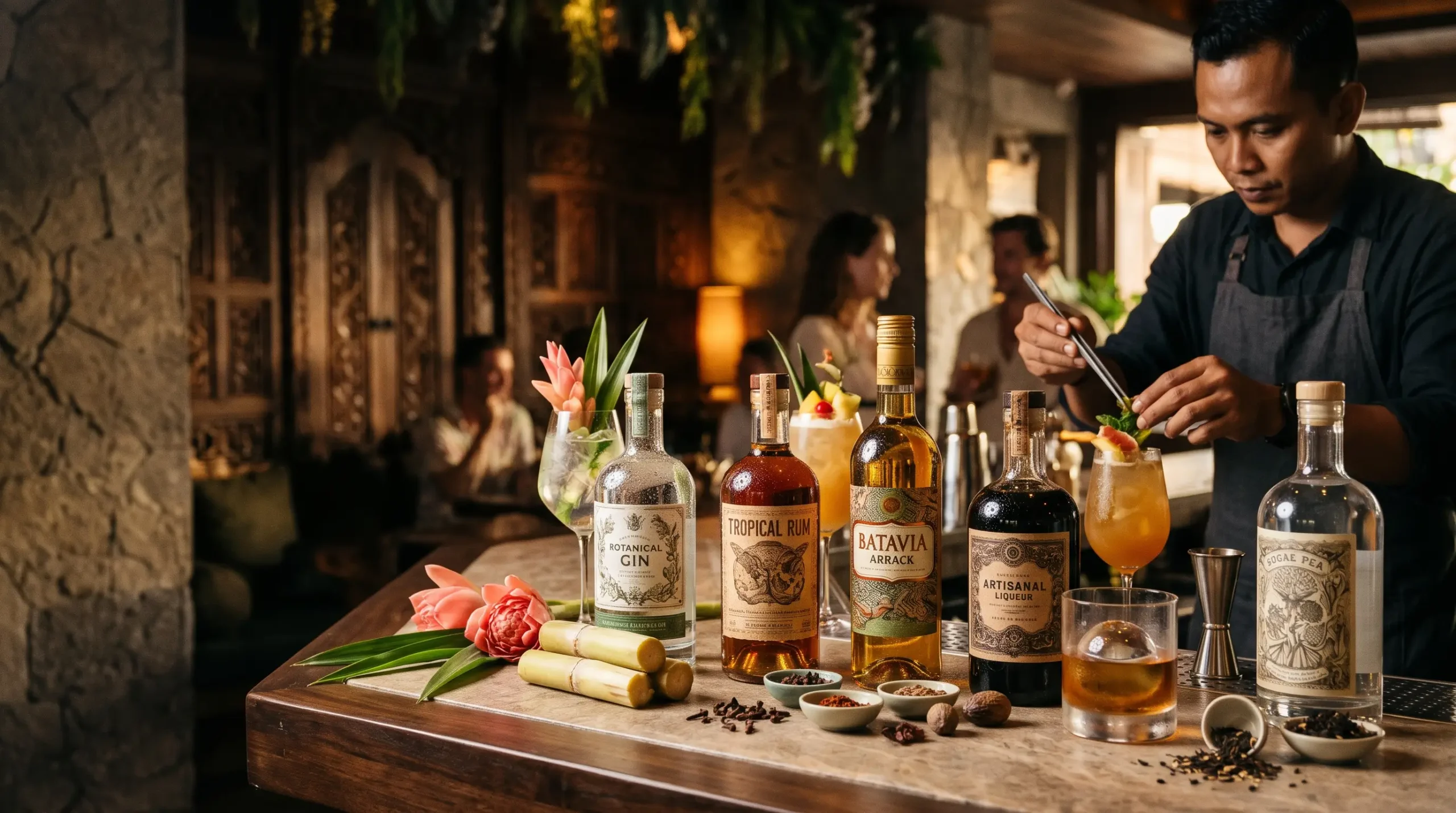
Bali has long been recognized as one of Southeast Asia’s leading destinations for hospitality and cocktail culture. The presence of world-class bars, luxury resorts, and a growing craft beverage movement has made the island a hub for beverage innovators. However, when people talk about local alcohol, the first name that usually comes to mind is Arak. In reality, Indonesia’s distilled beverage landscape extends far beyond it.
Interest in Indonesian spirits Bali is beginning to shift. International travelers, expats, and beverage enthusiasts are increasingly interested in exploring other local spirit categories that offer a level of flavor complexity comparable to imported products. Bali is not only home to local spirit producers but also serves as an important showcase for authentic Indonesian spirits produced across the many islands of the archipelago.
This article explores which Indonesian spirits are worth discovering, how Indonesia’s diverse local ingredients shape their unique flavor profiles, and how to better understand Indonesian beverage culture from a more objective and in-depth perspective.
Does Indonesia Have Spirits Other Than Arak?
The short answer is yes—many. To understand this diversity, it is important to first distinguish between spirits (distilled alcoholic beverages) and fermented beverages.
Fermented beverages such as brem or tuak are produced through a fermentation process in which yeast converts sugar into alcohol, generally resulting in a lower Alcohol by Volume (ABV). Spirits, or distilled spirits, undergo distillation after fermentation. This process separates water and alcohol based on their different boiling points, resulting in a liquid with a higher alcohol concentration and a more pronounced flavor character.
Indonesia is blessed with extraordinary tropical botanical diversity. From sugarcane, rice, and palm sap to coconut and endemic spices, all of these can serve as base ingredients for spirit production. The term spirit encompasses a much broader range of categories than Arak alone, including local rum, gin infused with Indonesian botanicals, vodka made from cassava or rice, and modern brands offering extensive liqueur portfolios.
Why Is Bali an Interesting Place to Discover Indonesian Spirits?
Bali is where global tourism meets rich local culture. The growth of hotel bars, prestigious restaurants, and speakeasy bars has created an ideal ecosystem for the craft beverage movement.
Professional mixologists and bartenders in Bali are constantly looking for ways to incorporate local identity into their creations. Using Indonesian spirits allows them to tell stories about provenance and local ingredients to visitors. For anyone interested in exploring Indonesian spirits, Bali is therefore one of the most accessible starting points. Travelers can discover Indonesian spirit products from different regions served neat, on the rocks, or crafted into innovative cocktails.
Indonesian Spirits Worth Discovering Besides Arak
Here are several categories and examples of authentic Indonesian spirits that can be explored while in Bali. These categories demonstrate the richness of Indonesia’s distilling innovation, ranging from internationally recognized brands to regional distilled beverages.
1. VIBE Liqueur & Spirits
- Origin: Produced through modern distillation and manufacturing facilities in Indonesia.
- Base Ingredient: Varies depending on the product category, ranging from grains for the neutral spirit lines, such as vodka and gin, to extracted ingredients such as black tea, lychee, and blue agave.
- Production: Uses advanced distillation technology and formulation techniques to create a range of base spirits as well as liqueurs—sweet alcoholic beverages flavored with various ingredients—with international standards.
- Flavor Profile: Ranges from clean botanical characteristics in dry gin and warm notes in rum to intense aromatic profiles in liqueur variants such as black tea and tropical fruits.
- Why It Matters: Local brands such as VIBE Liqueur & Spirits demonstrate that Indonesia is capable of producing a complete portfolio that not only fills domestic bar shelves but can also compete on the global stage. VIBE’s flagship products have been validated by a series of prestigious awards, including the Brand of the Year title at the Asia International Spirits Competition 2019 and strong scores at the Ultimate Spirits Challenge (USC) New York 2020. More recently, flagship products including VIBE Dry Gin, Rum, Black Tea, Blue Agave, Vodka, and Exotic Lychee also won silver and bronze medals at the Asia World Spirits Competition 2026 in Singapore.
- Where to Find It in Bali: Given the quality and breadth of its portfolio, these products are a strong presence on speed rails behind bartenders. Travelers can easily find them as cocktail bases at leading beach clubs, nightclubs, and hotel bars across Bali.
2. Batavia Arrack
- Origin: Java, particularly the Jakarta area and its surroundings, with a history rooted in the spice trade era.
- Base Ingredient: Sugarcane molasses and local red rice yeast.
- Production: Unlike Bali Arak, which is generally made from palm sap or white rice, Batavia Arrack uses dried red rice yeast to ferment sugarcane molasses before distillation. The process can also involve aging in teak wood barrels.
- Flavor Profile: Characterized by a distinctive funky aroma, slight savory notes, earthy nuances, vegetal elements, and deep spice characteristics.
- Why It Matters: Batavia Arrack is one of the oldest spirits traded internationally and was once an important ingredient in classic European punch recipes before Caribbean rum became dominant.
- Where to Find It in Bali: Available at various premium cocktail bars and fine-dining restaurants focused on classic cocktails with historical influences.
3. Indonesian Craft Gin
- Origin: Mostly produced in Bali, while often incorporating botanicals sourced from across the Indonesian archipelago.
- Base Ingredient: Neutral spirit redistilled with botanicals.
- Production: Uses maceration or vapor infusion techniques in copper stills. Local producers combine juniper berries with distinctive Indonesian botanicals.
- Flavor Profile: Highly aromatic and tropical, often highlighting citrus notes from pomelo, torch ginger, andaliman pepper, lemongrass, or jasmine.
- Why It Matters: It demonstrates how Indonesian-made spirits can adapt a global category—gin—while giving it a distinctly hyper-local flavor identity.
- Where to Find It in Bali: Available at many modern craft cocktail bars, five-star resorts, and premium liquor stores.
4. Indonesian Craft Rum / Rhum
- Origin: Bali and several regions of Java.
- Base Ingredient: Pure sugarcane juice or high-quality molasses.
- Production: Sugarcane is fermented and distilled, then either bottled directly as white rum or matured in oak barrels for dark or spiced rum expressions.
- Flavor Profile: Strongly tropical. White rum tends to be grassy and fresh, while local spiced rum often highlights Indonesian cloves, cinnamon, nutmeg, and vanilla.
- Why It Matters: Given that Indonesia is one of the historical origins of sugarcane cultivation, developing local rum is a logical way to bring the archipelago’s agricultural heritage back to the global beverage stage.
- Where to Find It in Bali: Particularly popular at beach clubs and tropical bars, and frequently used in Tiki-style drinks.
5. Cap Tikus
- Origin: Minahasa, North Sulawesi.
- Base Ingredient: Sap from the sugar palm tree (Arenga pinnata).
- Production: Traditionally distilled in forest areas. Today, however, some brands have brought Cap Tikus production into modern distillation facilities under strict BPOM supervision to ensure quality, consistency, and safety.
- Flavor Profile: Sharp and warming, with subtle roasted or lightly smoky notes and a naturally sweet aftertaste derived from palm sap.
- Why It Matters: Legal commercial versions of Cap Tikus help preserve Minahasan cultural heritage while introducing this regional spirit to a broader audience.
- Where to Find It in Bali: Available at select specialty bars focused on local Bali spirits and Indonesian beverages, as well as certified retail stores. Availability may vary by venue.
6. Indonesian Craft Vodka
- Origin: Produced by several facilities in Bali and other Indonesian islands.
- Base Ingredient: Grains, rice, or cassava.
- Production: Distilled multiple times and filtered using modern methods, such as activated charcoal filtration, to achieve a high level of purity.
- Flavor Profile: Clean and neutral, with a smooth mouthfeel.
- Why It Matters: It demonstrates that Indonesian distillers are capable of producing premium neutral spirits that can compete head-to-head with international brands as a core base spirit.
- Where to Find It in Bali: Commonly available as a house pour at many restaurants and nightclubs.
What Makes Indonesian Spirits Different?
The most fundamental distinction separating Indonesian spirits from imported products lies in their terroir and wealth of tropical ingredients.
Indonesian spirit producers have direct access to fresh local ingredients. The use of local botanicals such as torch ginger, pandan, black pepper, cloves, nutmeg, andaliman pepper, and endemic citrus varieties gives these spirits flavor identities that are difficult to replicate elsewhere. In addition, base ingredients such as palm sap, lontar palm sap, tropical sugarcane, and rice create highly distinctive foundational textures and aromas that reflect Indonesia’s agricultural culture.
From Bali to All of Indonesia: Understanding the Diversity of Local Spirits
It is important to understand that Indonesian spirits do not always mean Balinese spirits. To accurately understand their availability, this diversity can be divided into three main categories:
- Balinese Spirits: Spirits whose ingredients are grown, fermented, and distilled entirely in Bali, such as certified Bali Arak or certain craft gin brands.
- Indonesian Spirits Available in Bali: Distilled products originating from other regions of Indonesia, such as Cap Tikus from Sulawesi, that are legally produced and distributed to hospitality venues in Bali.
- Indonesian-Made Spirits: Spirits produced locally by Indonesian brands—whether at facilities in Bali, Java, or elsewhere—that specifically adapt global categories such as liqueur, rum, and dry gin. One example is Vibe Liqueur & Spirits.
This distinction helps travelers appreciate that when exploring Indonesian spirits Bali, they are essentially experiencing a showcase of beverage culture from across the entire country.
How to Evaluate the Quality of Indonesian Spirits
Evaluating the quality of a spirit requires objectivity. A high price or attractive bottle design is not the only indicator of quality. Here are several ways to evaluate Indonesian spirits:
- Provenance & Ingredients: Is the producer transparent about where its ingredients come from?
- Distillation & Filtration: Modern distillation and filtration processes help separate unwanted compounds and produce clean, properly processed ethanol.
- Aroma & Flavor: A good spirit should have a clean aroma without harsh chemical notes, balanced with the character of its base ingredients.
- Mouthfeel & Finish: Evaluate the texture of the liquid on the palate and the lingering finish after drinking.
- Awards: Recognition from international spirit competitions, such as the Ultimate Spirits Challenge and Asia World Spirits Competition, can serve as a strong indicator that a product’s quality has been recognized by global professionals.
How to Read an Indonesian Spirits Label
To ensure a safe drinking experience, visitors should carefully examine the labels of legal products in Indonesia. They should include:
- Brand & Category: The brand name and specific category, such as Dry Gin, Rum, or Liqueur.
- Producer & Origin: The name of the distillery or producing company.
- Alcohol by Volume (ABV): The percentage of alcohol by volume. Standard spirits generally range from around 35% to 45% ABV, while liqueurs can vary.
- BPOM Distribution Permit Number: Issued by Indonesia’s Food and Drug Authority (BPOM), this is an important indicator of product legality and safety.
- Bottle Size & Ingredients: The volume of the bottle, typically 700 ml, along with supporting ingredient information.
Indonesian Spirits for Cocktails and Mixology
In modern beverage culture, local spirits have become an important foundation for cocktail innovation.
- Classic Cocktails: Indonesian dry gin or award-winning local vodka can provide the right dimension and balance for classic Martini or Negroni recipes.
- Tropical Cocktails: Local rum pairs naturally with fresh juices, spiced syrups, and coconut to create tropical-style drinks.
- Local Ingredient Cocktails: Combining Batavia Arrack with palm sugar or pairing local black tea liqueur with citrus can create cocktail variations with a compelling Indonesian identity.
Where to Discover Indonesian Spirits in Bali
For anyone planning to explore Indonesian beverage culture, Bali offers a range of venues where high-quality local products can be found:
- Hotel Bars & Resorts: Luxury resorts in Bali are increasingly proud to feature local spirits and Indonesian-made liqueurs at their bars. Guests are encouraged to ask staff directly about the Indonesian spirits available.
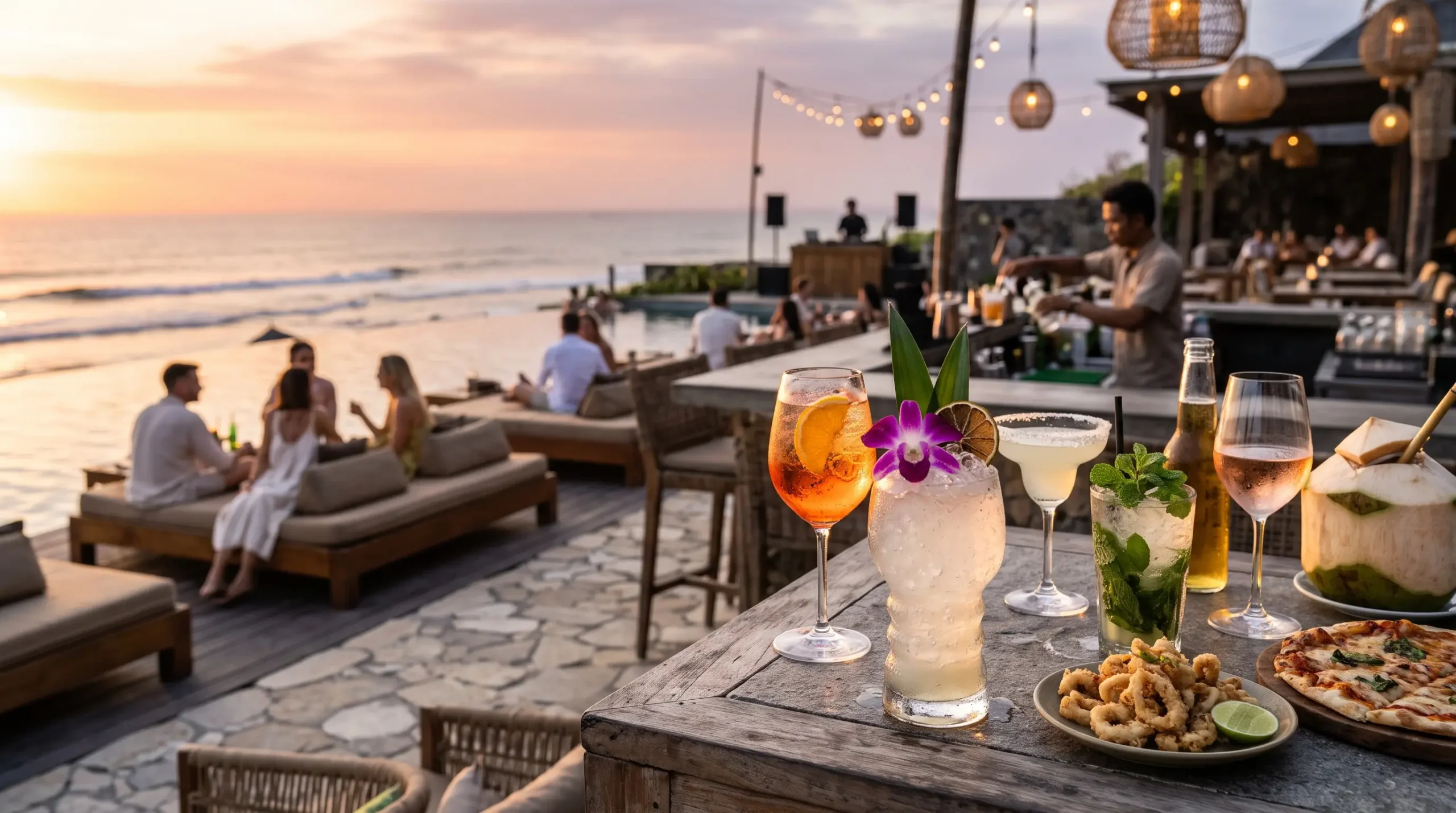
- Craft Cocktail Bars & Beach Clubs: Venues in Seminyak, Canggu, and Uluwatu widely use Indonesian spirit brands, both as ingredients in signature cocktails and as house pours.
- Premium Liquor Stores: Many official retail stores in Bali dedicate shelf space to high-quality Indonesian-made spirits with international standards.
Note: The availability of specific brands may vary by venue. Ask hospitality staff for the latest recommendations.
Endless Exploration in the Indonesian Spirits Scene
Exploring Indonesian spirits in Bali means opening yourself up to the richness of Indonesia’s distilling innovation. From legendary Batavia Arrack and craft gin infused with endemic botanicals to modern liqueur innovations, Indonesia has demonstrated that its local resources can be transformed into world-class distilled spirits.
As one of the pioneers of Indonesian local alcohol with multiple prestigious international awards, Vibe Liqueur & Spirits is setting a new standard in the domestic beverage scene. With an extensive collection of flavors and a variety of alcohol-by-volume (ABV) levels, the entire VIBE portfolio is designed to be highly versatile for creating a wide range of cocktails, from classic Martini-inspired drinks to refreshing tropical creations.
For anyone who wants to explore beverage culture more deeply, visit the lifestyle portal Wekendvibe. Discover recommendations for the most popular venues to relax, a variety of cocktail recipes you can try yourself, and other unique information to enrich your exploration of Indonesia’s homegrown spirits.
FAQ
What Indonesian local spirits can I try in Bali besides Arak?
Visitors can explore a variety of Indonesian-made spirits, including liqueurs, dry gin, rum, Batavia Arrack, locally produced vodka, and modern versions of Cap Tikus.
What are Indonesian spirits?
Indonesian spirits are distilled alcoholic beverages produced in Indonesia, using either endemic botanicals or distillation technologies adapted to create products that meet international quality standards.
Do Indonesian local brands have international quality?
Yes. Indonesian-made brands such as VIBE Liqueur & Spirits have regularly received recognition in international competitions, including the Ultimate Spirits Challenge in New York and the Asia World Spirits Competition, competing alongside global brands.
What is the difference between Balinese spirits and Indonesian spirits?
Balinese spirits are produced exclusively in Bali. Indonesian spirits, meanwhile, are a broader category that includes Balinese spirits as well as distilled products from Java, Sulawesi, and other regions that are also legally distributed in Bali.
Which Indonesian spirits should I try while in Bali?
Travelers may want to try local craft gin, Indonesian sugarcane rum, unique varieties such as black tea liqueur, or the legendary Batavia Arrack.
Where can visitors find Indonesian spirits in Bali?
Verified local brands can commonly be found at beach clubs, nightclubs, premium cocktail bars, and legal liquor stores.
What ingredients are commonly used in Indonesian spirits?
Ingredients range from lontar and palm sap and fresh sugarcane juice to molasses and local botanical infusions such as torch ginger, tropical citrus, tea, and lychee.
Are Indonesian spirits suitable for cocktails?
Absolutely. The consistency of internationally recognized local brands makes them excellent base spirits for both classic cocktail recipes and tropical-inspired creations.
What makes Indonesian spirits different from imported spirits?
In addition to flavor profiles that often incorporate exotic tropical botanicals, Indonesian spirits can offer premium, award-winning quality at more accessible prices without the added burden of import duties.
How can I make sure Indonesian spirits are safe to consume?
Always choose licensed products that display a BPOM Distribution Permit Number on the packaging.