 Log in
 Register


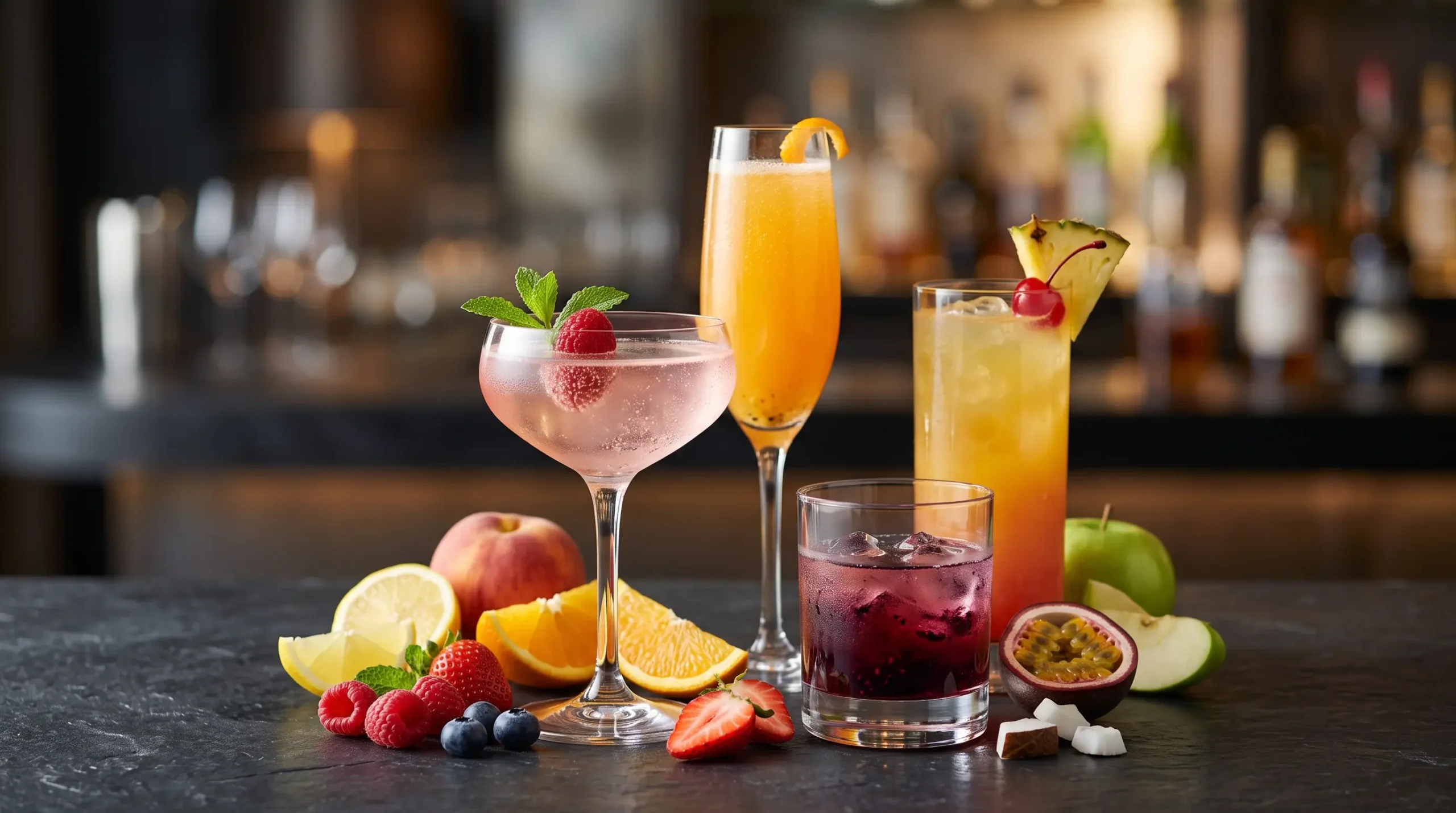
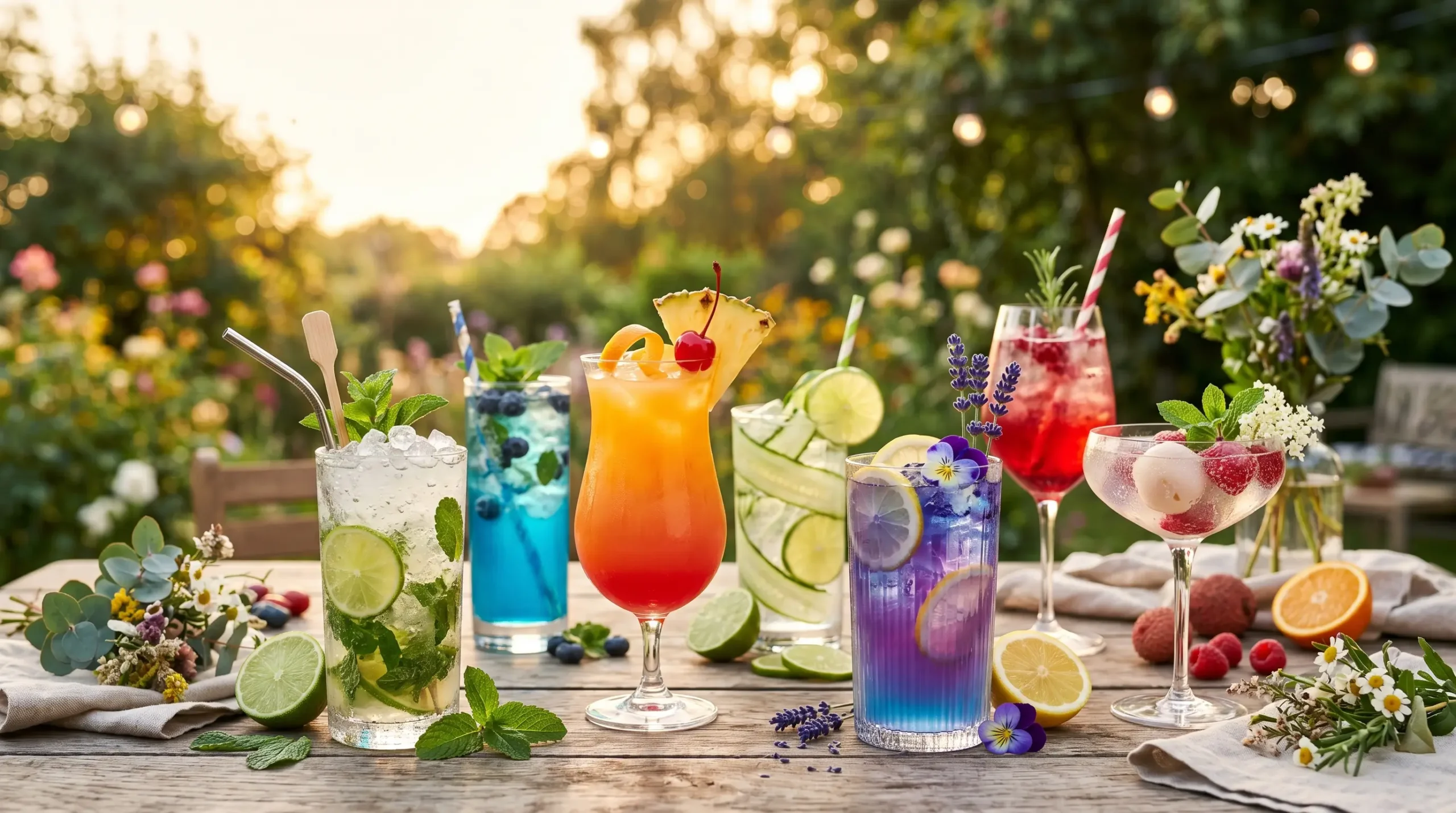
The beverage industry landscape currently offers highly diverse choices, where flavor innovation becomes one of the main factors attracting adult consumers’ attention. One category that continues to grow and gain its own place in the market is fruit-flavored alcoholic beverages. From refreshing citrus touches, aromatic berries, expressive tropical fruits, to soft aromas of apple, peach, grape, and botanical-fruit elements, fruit characters can present a complex sensory experience in a drink.
Historically, many industry narratives often associated the search for fruit-flavored alcoholic beverages for women as a standard norm. However, objectively, taste preference is highly personal and cannot be generalized based on gender. The interest in fruity alcoholic beverages stems from an appreciation for flavor balance, familiar aromas, and dynamic sensory profiles, which are universally favored by various groups of legal-age consumers.
This article will thoroughly explore the phenomenon of fruit-character beverages, starting from flavor profiles, beverage categories, to how to read labels wisely.
Why Are Fruit-Flavored Alcoholic Beverages Highly Liked?
Interest in alcoholic beverages with fruit profiles is closely related to how human taste senses respond to certain flavor elements. Here are some underlying technical and sensory factors:
- Familiar Aroma Character: The human nose is very sensitive to aromatic compounds found naturally in fruits. This familiar aroma creates comfort and pleasant flavor expectations before the drink is sipped.
- Sweet/Sour Balance: Fruits naturally contain sugar (fructose) and acids (such as citric or malic acid). This balance helps soften the alcohol (ethanol) intensity, making the drink feel more structured on the palate.
- Crispness & Freshness: Citrus or tropical fruit profiles often provide a crisp sensation that can act as a palate cleanser, perfectly enjoyed in warm weather or when paired with various culinary dishes or casual snacks.
- Dynamic Consumption Experience: For those exploring the world of mixology, fruit flavors offer an accessible starting point to recognize tasting notes without immediately facing sharp or astringent alcohol characters.
These factors contribute to a positive consumption experience. However, it is very important to note that these reasons apply generally to anyone who appreciates certain flavor profiles, regardless of the consumer’s gender.
Popular Types of Fruit-Flavored Alcoholic Beverages
Exploration of fruit-flavored alcoholic beverage types stretches across various categories, from fermentation results to distillation. Here are some main categories:
1. Fruit Liqueur
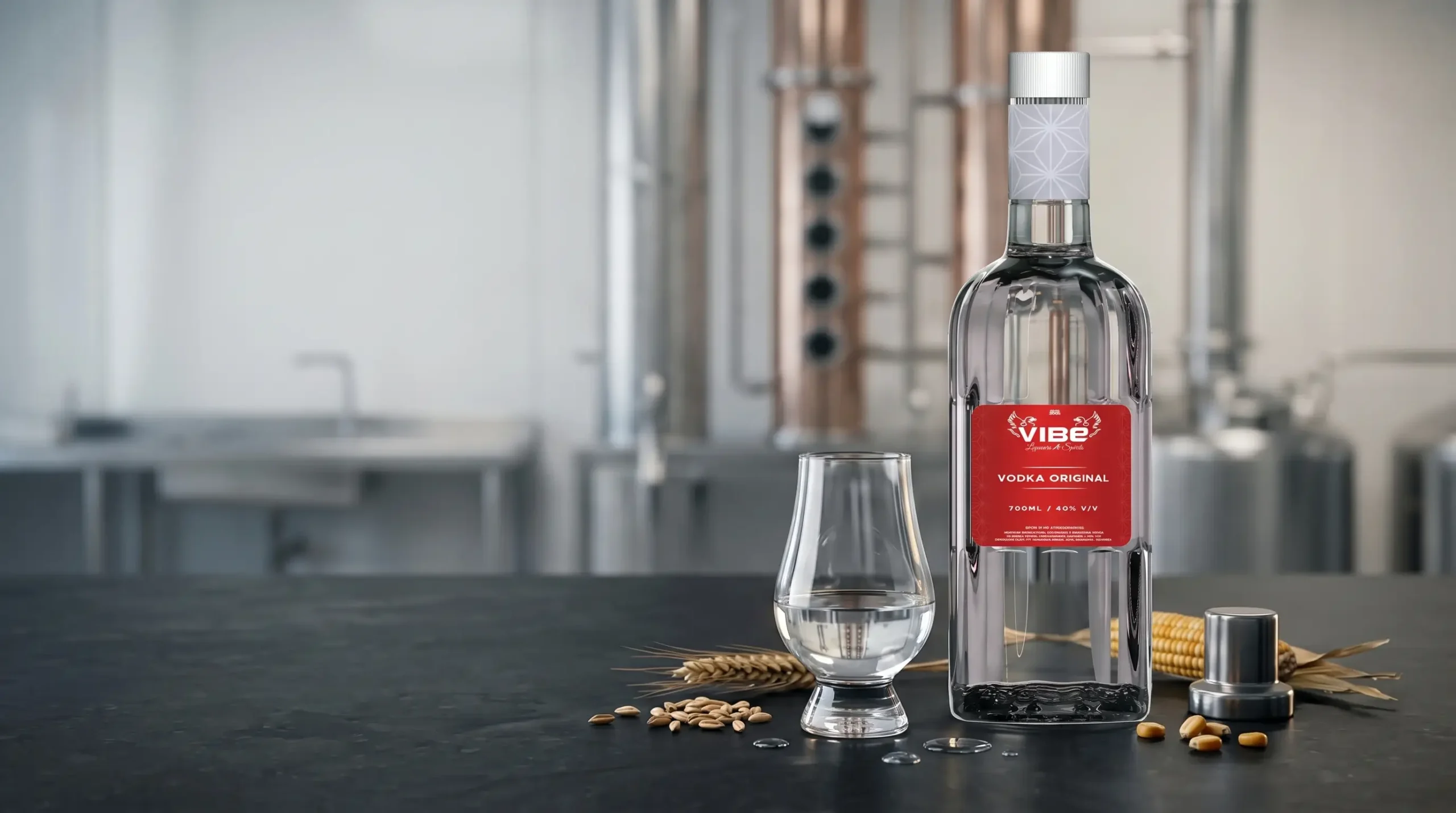
Fruit liqueurs are spirits that have been given added fruit flavors and sweeteners. These drinks usually have a more viscous texture with very punchy fruit flavors. In Indonesia, one of the renowned local alcohol producers, Vibe Liqueur & Spirits, has many exotic fruit liqueur variants such as Exotic Lychee, Melon, and Peach. These products are designed to be easily enjoyed chilled or as a crucial modifier in cocktail making.
- Fruit Profile: Lychee, melon, peach, coconut, orange (such as triple sec or Curaçao).
- Texture: Tends to be syrupy and rich.
2. Flavored Vodka
Unlike sweet liqueurs, flavored vodkas generally do not add large amounts of sugar post-distillation. These drinks undergo an infusion process (or addition of extracts) into a neutral base spirit.
- Fruit Profile: Lemon, raspberry, green apple, watermelon.
- Texture: Crisp, clear, and light in the mouth with a dominant fruit aroma without excessive sweetness.
3. Fruit Wine & Sangria
Besides grapes, wine can also be fermented from other fruits (such as plums, cherries, or pomegranates), known as fruit-flavored wine or fruit wine. Sangria is also included in this experience, where traditional wine is infused with pieces of fresh fruit.
- Fruit Profile: Various berries, apples, plums, oranges.
- Texture: Depending on fermentation, can range from dry to sweet, with a natural juicy sensation.
4. Cider
Cider is the result of direct fermentation from fruit juice, most commonly apples or pears (perry). Cider offers a fruit fermentation alternative with natural or added carbonation.
- Fruit Profile: Red apples, green apples, pears, mixed berries.
- Texture: Carbonated (fizzy), refreshing, with a distinct tartness.
5. Ready-to-Drink (RTD) & Sparkling Alcoholic Beverage
The category of ready-to-drink (RTD) fruit-flavored alcohol like hard seltzers or flavored malt beverages currently dominates the market. This category usually has lower ABV (Alcohol by Volume) levels and is produced commercially for flavor consistency.
- Fruit Profile: Lime, mango, black cherry, passion fruit.
- Texture: Very light, highly carbonated, and refreshing.
6. Fruit-Based Cocktails
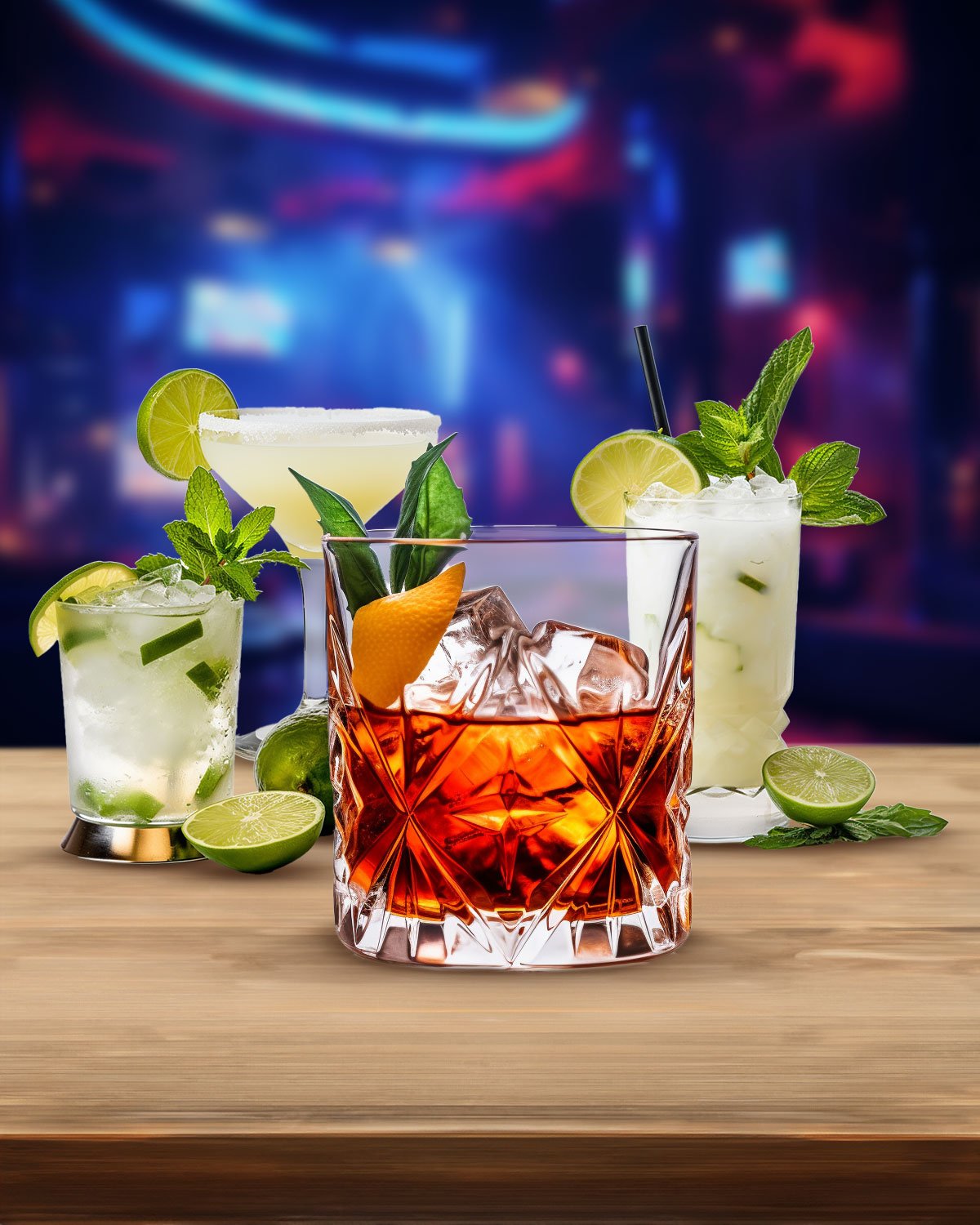
A fruit-flavored cocktail or fruit cocktail is mixed directly by a bartender using a combination of spirits, fresh juices, fruit syrups, and garnishes. Ranging from Piña Coladas to Strawberry Daiquiris, this category allows unlimited flavor customization.
Frequently Found Fruit Flavor Profiles in Alcoholic Beverages
To understand fruit flavors in alcoholic beverages, professionals in the hospitality and beverage industry group fruit sensory characteristics into several main categories:
- Citrus (Lemon, Orange, Grapefruit, Lime): Gives a bright, zesty, and refreshing impression. Essential oils from citrus peels also contribute a sharp aroma that excellently cuts through alcohol sweetness.
- Berry (Strawberry, Raspberry, Blueberry, Blackberry): Provides an intense and aromatic fruity character. Berries often bring a balance between attractive colors and a tart (sour-astringent) flavor profile.
- Tropical (Pineapple, Mango, Passion Fruit, Coconut): Produces a juicy, exotic, and expressive impression. This character is very common in rum and tiki-style drinks.
- Stone Fruit (Peach, Apricot, Cherry, Plum): Profiles of hard-pitted fruits provide a deep, velvety sweet touch, and sometimes possess elegant floral nuances.
- Apple & Grape: Presents crispness and natural sweetness that act as the fundamental base for many fermented drinks.
What Makes Fruit Flavors Stand Out?
The perception that a drink has a strong fruit flavor character does not only depend on the fruit itself, but on the overall structure of the drink:
- Sweetness: Sugar acts as a flavor enhancer. Sweetness will highlight fruit characters that, if left unsweetened, might taste too sour or bland.
- Acidity: Acid gives “life” to fruity alcoholic beverages. Without sufficient acidity, fruit-flavored drinks will feel flabby or too much like thick syrup.
- Aroma: About 80% of taste sensations actually come from smell. Extraction methods like maceration or the use of botanical essences will determine how sharply the fruit aroma is smelled.
- Carbonation: Bubbles (carbonation) lift volatile (aromatic) compounds to the nose, making the fruit profile feel more alive on the palate.
- Flavoring Methods: The use of fresh juice, pure fruit, maceration, or natural extracts will produce different flavor depths compared to artificial flavorings.
Fruit-Flavored Alcoholic Beverages vs. Neutral Profile Alcoholic Beverages
For education, it is important to understand the structural differences between spirits or fruit-character drinks and neutral-profile drinks (like pure vodka, pure dry-character gin, or pure white rum):
- Aroma: Fruit-flavored drinks immediately display specific characters once the bottle is opened, while neutral drinks highlight the base aroma of distillation raw materials (grains or sugarcane) and alcohol (ethanol) aroma more.
- Taste & Sweetness: Fruit-flavored spirit drinks (especially liqueurs) often involve sugar addition which changes the mouthfeel to be heavier. Neutral spirits are dry (do not contain post-distillation sugar).
- Use in Cocktails: Neutral drinks act as a strong blank canvas for mixologists. Conversely, fruit-character drinks are often used as specific flavoring agents, so bartenders need to be careful mixing them so the final taste isn’t too cloying (overly sweet).
Are Fruit-Flavored Alcoholic Beverages Always Sweet?
A common misconception is assuming that sweet alcoholic beverages must taste like fruit, and conversely, all fruit drinks must be sweet. The following terms often confuse consumers:
- Fruit-Flavored: Drinks flavored with fruit, can be sweet (liqueur) or not sweet at all (like flavored vodka or dry hard seltzers).
- Fruity: A sensory description (tasting note). A dry-labeled wine might have a fruity aroma even though its sugar content is almost zero.
- Sweet vs Dry: Sweet indicates the presence of residual sugar in the drink, while Dry means most or all of the sugar has been fermented into alcohol.
- Sour/Tart: Indicates a dominance of acidity levels, usually coming from citrus or berries.
Factors to Consider When Reading Labels
As responsible adult consumers, reading labels is key to understanding what liquid will be consumed:
- ABV (Alcohol by Volume): The presence of fruit flavors does not mean the alcohol content is low. A fruit-flavored vodka still has an ABV of around 35–40%, just like neutral vodka.
- Sugar Content: Some products include nutritional information. Pay attention to sugar levels, especially for drinks like liqueurs or RTDs.
- Ingredients and Flavoring: Whether the product uses real fruit juices, botanical extracts, or artificial flavors.
- Product Category: Ensuring whether the packaging contains non-alcoholic syrup, pure spirit, liqueur, or wine.
Fruity Beverage Trends and Beverage Industry Development
The global beverage industry shows a clear shift towards flavor exploration. Based on macro industry trend observations from global research institutions like IWSR (International Wine and Spirits Record), the RTD and flavored spirits segment has experienced rapid growth over the last decade.
Modern consumers seek flavor-rich experiences, convenience, and more varied options. Flavor innovations like botanical & fruit infusions reflect market preferences towards clean and approachable flavor profiles. The general pattern indicates that the fruity character is a significant growth driver for the new product development category in the global sphere.
Fruit-Flavored Alcoholic Beverages in Indonesia
In the context of the Indonesian market, the quality of locally produced alcoholic beverages continues to show a significant surge. Domestic producers now not only meet BPOM safety standards but have also won various prestigious awards internationally.
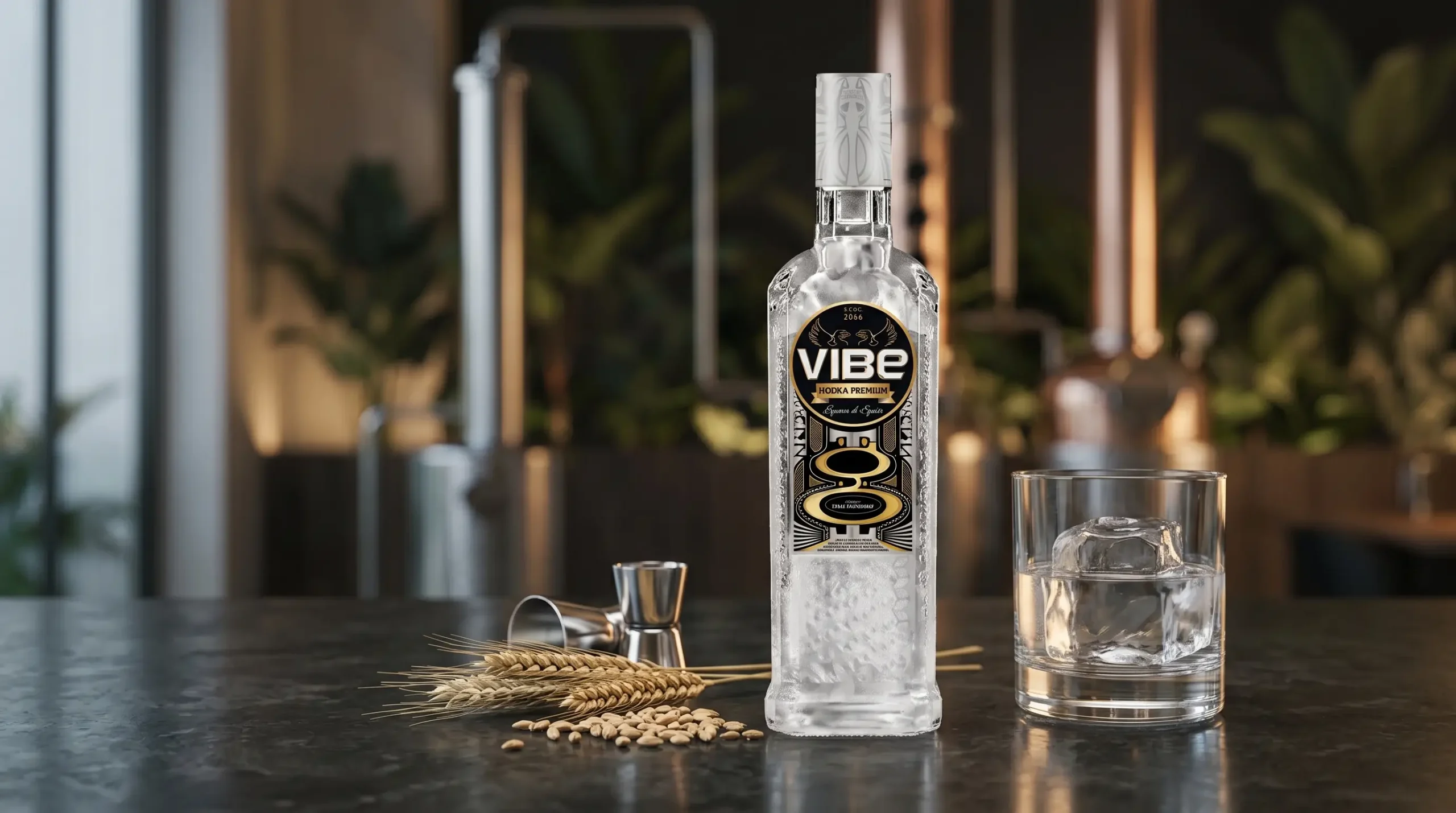
For instance, Vibe Liqueur & Spirits has proven that fruit-character concoctions created by the nation’s children can compete with the flavor profiles of giant global brands. This local brand from Central Java successfully swept the Brand of The Year award at the prestigious Asia International Spirits Competition and also gained recognition at The Liqueur Masters Asia. Through the abundant availability of fruit liqueur variants, these local brands make it easy for legal-age consumers (21+) and bartenders in Indonesian hospitality to explore creating innovative and standardized fruit cocktails.
How to Compare Alcoholic Beverage Flavor Profiles
To recognize alcoholic beverage flavor profiles, try understanding and using the following light technical vocabulary when evaluating a drink:
- Fruity: Indicates strong fresh fruit aromas/flavors.
- Floral: Possesses a touch of floral fragrance that often accompanies seeded fruit-flavored drinks.
- Citrusy / Zesty: Sharp, sour, and refreshing typical of citrus.
- Sweet vs Dry: Focuses on how much sweetness (sugar) is left on the tongue.
- Crisp: Clean, refreshing, with a finish that leaves no sticky trace.
- Full-bodied vs Light-bodied: Refers to the weight or texture (mouthfeel) of the drink in the mouth. Liqueurs are generally full-bodied, while hard seltzers are light-bodied.
Exploring the Wealth of Fruit Flavor Profiles
Exploration of fruit-flavored alcoholic beverages offers a dynamic, refreshing sensory experience that is easily enjoyed by various groups of adult consumers regardless of gender. Understanding the difference between thick liqueurs, clear flavored vodkas, to light carbonated beverage innovations will greatly help in making choices that best suit personal tastes while encouraging label-reading habits for more responsible consumption. For anyone interested in mixing quality fruit cocktails, Vibe Liqueur & Spirits can be a proudly Indonesian local product choice worth trying because it has won various prestigious international awards. With a rich collection of fruit flavor variants and varying Alcohol by Volume (ABV) levels, this product line is highly ideal and flexibly applied into various mixed recipes. To complete the experience of exploring the beverage world, visit Wekendvibe to get the latest references on attractive venue choices, practical cocktail recipe guides, and various other unique information surrounding the beverage industry and modern lifestyle.
FAQ Regarding Fruit-Character Alcoholic Beverages
What are fruit-flavored alcoholic beverages?
Fruit-flavored alcoholic beverages are alcoholic drinks, whether fermented or distilled, that are infused, mixed, or fermented using fruit bases, fruit juices, or botanical flavorings that produce a distinctive fruit flavor profile.
What are the types of fruit-flavored alcoholic beverages?
The categories are very broad, encompassing fruit liqueurs, flavored vodkas, fruit wine, cider, ready-to-drink beverages (RTD/Hard Seltzer), to freshly mixed cocktails using fruits (fruit cocktails).
Are all fruit-flavored alcoholic beverages sweet?
No. A drink can have a strong fruity aroma but have very low sugar content, such as in flavored vodkas or pure hard seltzers. Sweetness depends on residual fermentation sugar or sugar added post-production (like in liqueurs).
What is the difference between fruit liqueur and flavored vodka?
The main difference lies in sugar content. Fruit liqueur has significant added sugar, making its texture thicker and sweeter. Flavored vodka is a clear spirit with no or minimal added sugar post-distillation but carries light fruit extracts or aromas.
What fruits are most often used in alcoholic beverages?
Fruits from the citrus family (lemon, lime, orange), berries (raspberry, strawberry), and tropical fruits (pineapple, coconut, mango) are most frequently used because their aromatic characters and acidity levels effectively balance alcohol intensity.
Can vodka have a fruit flavor?
Yes, vodka can have a fruit flavor through an infusion process or the addition of natural or artificial flavorings after the distillation process is complete. Products in this category are known commercially as flavored vodkas.
What is meant by fruity in alcoholic beverages?
Fruity is a tasting note term that refers to the aromatic profile and taste sensation in the mouth reminiscent of fresh or ripe fruits. Drinks can demonstrate a fruity character without needing added artificial sugars.
How do you read the alcohol content on a beverage label?
Look for a number with a percentage sign (%) often followed by the text ABV (Alcohol by Volume) on the packaging label. This number indicates the percentage of pure ethanol volume out of the total liquid volume in the bottle.