 Log in
 Register


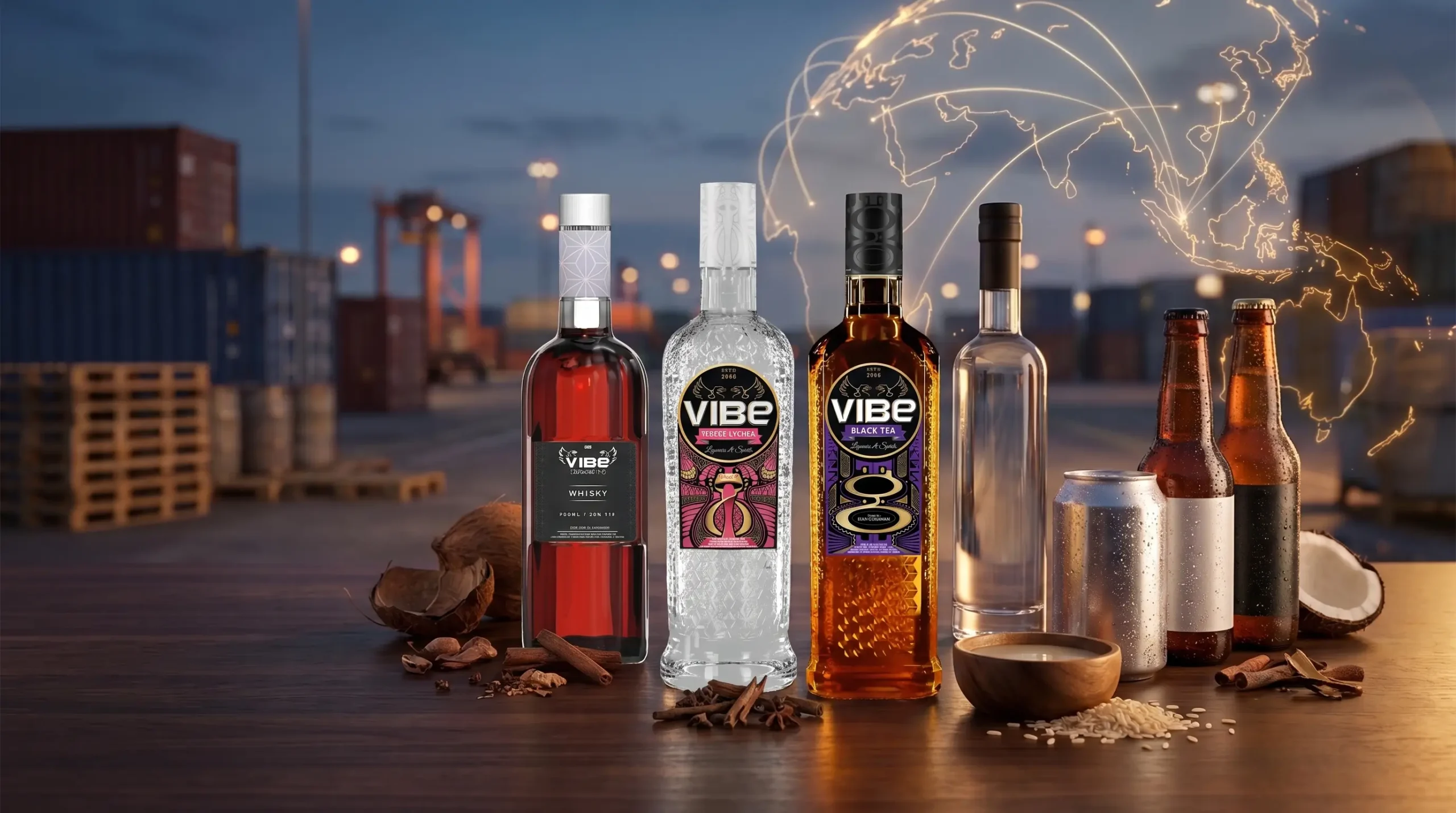
For a long time, Indonesia might have been better known as a destination market for various imported alcoholic beverage products from Europe, America, or East Asia. However, the alcoholic beverage industry in the country is actually continuing to evolve. Now, Indonesia is not only a consumer, but has also started to become a producer that is slowly introducing local products to the international market.
The question is, are there any local Indonesian alcohol products that have actually been exported abroad, or is it just an expansion plan? Through a review of official government data and reports from industry players, this article will objectively examine the lineup of local Indonesian alcohol brands that have successfully penetrated the global market, and distinguish them from products that are only available in the domestic or duty-free markets.
Have Indonesian Alcohol Products Been Exported Abroad?
The answer is yes. Indonesian alcohol products have been exported abroad. Based on data from the Ministry of Industry (Kemenperin) of the Republic of Indonesia, the export performance of alcoholic beverages from Indonesia has shown a positive trend in recent years.
In 2023, the export of local Indonesian alcoholic beverages recorded a total value of US$ 14.1 million. This figure increased significantly by 46% when compared to the 2022 achievement, which stood at US$ 9.6 million. This volume and value include various types of alcoholic beverages, both products that are 100% born from local wisdom and international licensed products produced by factories in Indonesia (with a “made in Indonesia” status) to meet regional demand.
Types of Local Indonesian Alcohol That Have Penetrated the International Market
Unlike traditional alcohol-producing countries like France (wine) or Scotland (whisky), the strength of Indonesian alcohol products abroad lies in specific categories. Several types of local Indonesian alcohol that have been recorded as penetrating the international market include:
- Traditional Spirits (Arak): Distilled arak made from local raw materials such as coconut or lontar sap, which has been legalized and standardized through regional government regulations (especially in Bali).
- Craft Beer: Artisanal beer produced independently with a touch of local ingredients, targeting modern market niches.
- Modern Liqueur & Spirits: Local brands that produce international variants such as gin, rum, and vodka with competitive quality standards.
- Locally Produced Spirits (Global License): Alcoholic beverages from international brands whose production facilities are located in Indonesia and are intended for export.
List of Indonesian Alcohol Brands or Products That Have Been Exported
To provide a transparent overview, here is a list of Indonesian alcohol products that have carried out export activities and have proof of distribution in destination countries:
1. Kura Kura Beer (Bir Kura Kura)
- Product Type: Craft Beer (Artisanal Beer)
- Origin: Pelaga, Badung Regency, Bali
- Export Destination Country: Australia
- Export Period/Year: December 2023
- Supporting Source: Directorate General of Customs and Excise and export release reports
- Description: Craft beer producer Bir Kura Kura made its inaugural export to Australia at the end of 2023. It was recorded that 8,448 cans (equivalent to 4,224 liters) of this Class A beer were shipped to Australia, facilitated by the local Customs and Excise office.
2. Arak Bali (Various Registered Brands)
- Product Type: Traditional Spirit
- Origin: Buleleng Regency and other areas of Bali
- Export Destination Country: China
- Export Period/Year: 2025
- Supporting Source: Official statement of the Governor of Bali
- Description: Since the enactment of governance regulations on Bali’s signature fermented/distilled beverages, Arak Bali has begun to have legal standards and official excise tapes. According to a statement from the Bali Provincial Government in 2025, around 14 modern Arak Bali brands have been exported, with the initial shipment reaching 30,000 bottles to the Chinese market.
3. Vibe Liqueur & Spirits
- Product Type: Liqueur & Spirits (Vodka, Rum, Gin, etc.)
- Origin: Semarang, Central Java
- Export Destination Country: Cambodia and several other countries
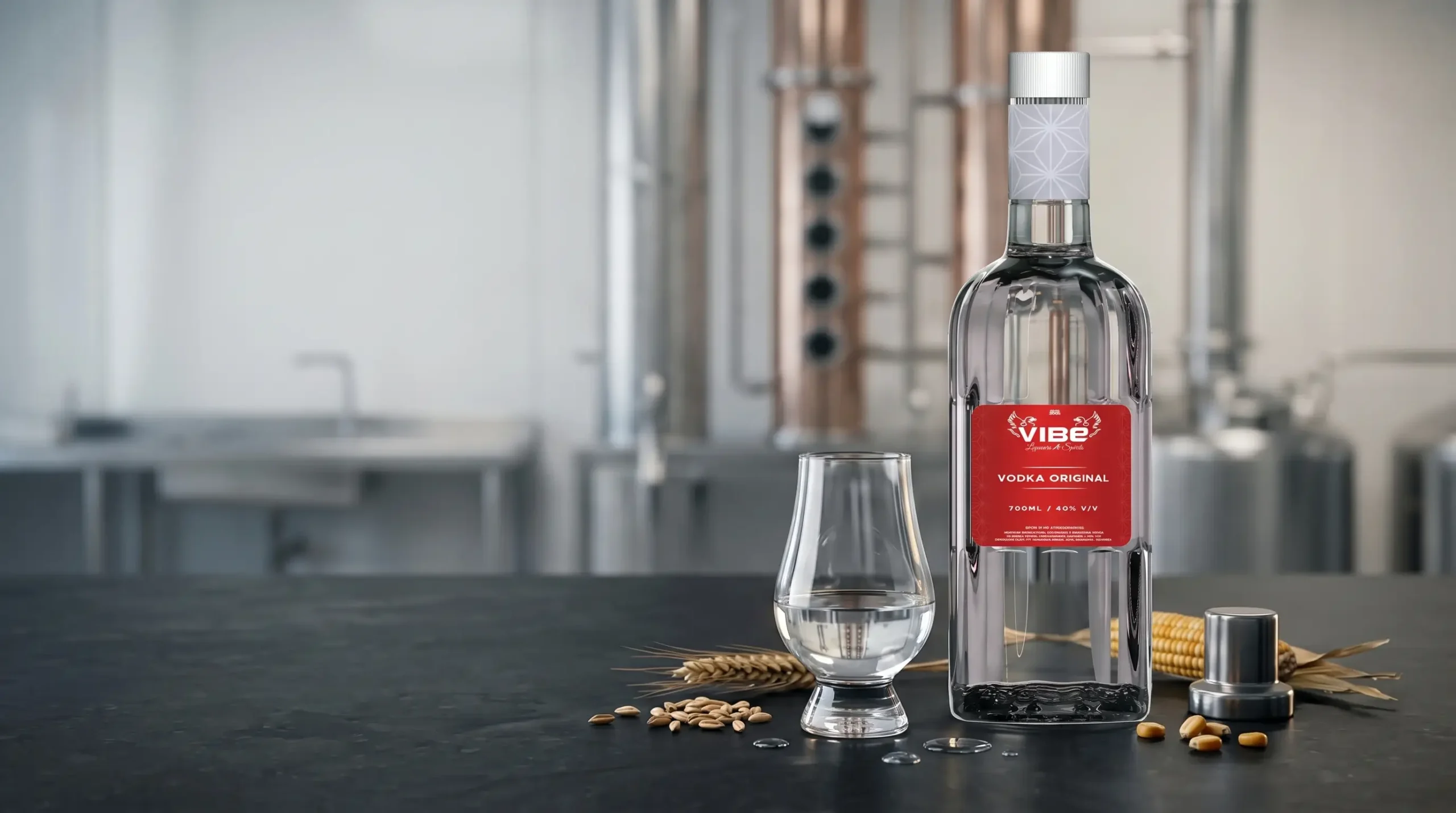
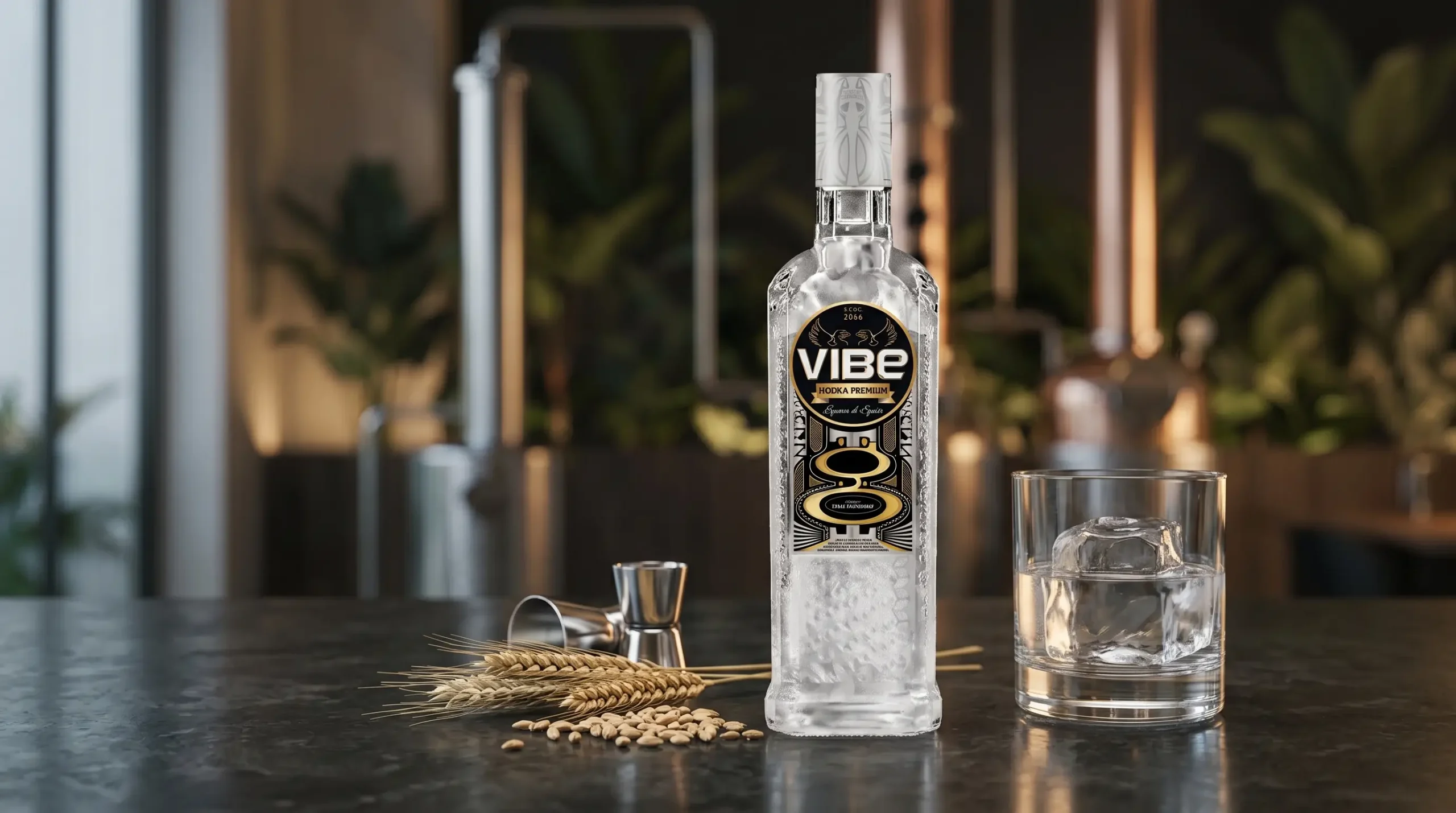
- Description: This Semarang-origin brand had expressed plans to expand its market share through exports to the Asian region since 2019. To date, Vibe has been recorded as highly successful in dominating the club, bar, and retail markets domestically. This product has also been successfully exported to Cambodia and several other countries, although the status of its massive-scale international export volume is still being developed by the company. In terms of quality, Vibe has consistently proven itself on the global stage by winning a series of prestigious awards, ranging from the 2019 Asia International Spirits Competition (crowned as Brand of The Year) and the 2020 Ultimate Spirits Challenge (USC) in New York, to securing various silver and bronze medals at the 2026 Asia World Spirits Competition in Singapore.
4. Captain Morgan (Produced by PT Langgeng Kreasi Jayaprima / Diageo Indonesia)
- Product Type: Spiced Rum
- Origin: Bali (Global License)
- Export Destination Country: Thailand
- Export Period/Year: December 2021
- Supporting Source: Ministry of Industry (Kemenperin) of the Republic of Indonesia
- Description: Although it is an international brand, the Captain Morgan Spiced Rum Gold exported to Thailand in December 2021 was produced entirely by the Diageo facility in Indonesia. This solidifies Indonesia’s position as a production hub in Southeast Asia.
Presence Status of Other Local Brands (Domestic Focus & Expansion Plans)
- Cap Tikus 1978: This Minahasa-origin spirit announced export plans to Singapore in early 2023 as a stepping stone to the Asian market. Currently, Cap Tikus continues to be promoted as one of the leading regional export commodities of North Sulawesi.
- Hatten Wines: This Bali-origin wine brand is highly accomplished in international events. Its sales are very dominant in the domestic market and duty-free channels in Indonesia, and it continues to explore fully strengthening its overseas retail distribution.
Examples of Local Indonesian Spirit Products in the Global Market
From the data above, it can be seen that Arak Bali and Vibe Liqueur & Spirits are the strongest examples of local Indonesian spirit products capable of competing in the international arena. While Arak Bali relies on pure heritage values and the history of traditional raw materials, Vibe has successfully positioned itself as an export-quality modern spirit product recognized through various international medal awards from New York to Singapore, while continuing to strengthen its domestic dominance.
Export Destination Countries for Indonesian Alcohol Products
Based on Kemenperin data and producer reports, the countries that serve as export destinations for alcoholic beverages from Indonesia are dominated by the Asia Pacific region:
- Thailand (the main destination for locally licensed spirit production exports)
- Australia (destination market for craft beer from Bali)
- China (export destination for Arak Bali)
- Cambodia (one of the initial export destination countries for Vibe liquor products)
- Singapore, Malaysia, the Philippines, & Timor Leste (routinely serve as export distribution markets in the ASEAN region)
What Makes Indonesian Alcohol Products Attractive in the International Market?
Some objective appeals that make local products attractive to international buyers include:
- Cross-Tropical Raw Materials: The use of exotic ingredients (coconut sap, palmyra sap) provides unique tasting notes that cannot be replicated by sub-tropical climates.
- Storytelling Strength: Packaging that carries local wisdom provides added value in the eyes of global consumers.
- Global Standard Quality: Recognition from prestigious spirits competitions proves that the distilling and blending techniques of Indonesian producers already meet international palate standards.
Challenges of Exporting Alcoholic Beverages from Indonesia
Local Indonesian alcohol industry players still face a number of structural obstacles:
- Complex Regulations and Licensing: Domestically, the alcoholic beverage industry is very strictly supervised, and export permits require a lengthy bureaucracy.
- Import Duties in Destination Countries: Entering foreign markets means Indonesian products must face import excise taxes which are often quite high.
- Global Food Safety Standards: Differences in regulations between the Indonesian FDA (BPOM) and international standards require producers to spend money on laboratory testing adjustments.
- Building Brand Awareness: Entering a market already dominated by foreign products requires local brands to struggle to educate foreign consumers about the quality of Indonesian products.
Development of the Local Indonesian Alcohol Industry
The Ministry of Industry continues to encourage the downstreaming of agro-products, including in the beverage industry sub-sector, to strengthen national economic resilience. The increase in export value from US$ 9.6 million in 2022 to US$ 14.1 million in 2023 proves that the quality of blends and packaging of local products is slowly being recognized globally.
This growth is in line with innovations from modern industry players, such as the consistent steps taken by Vibe Liqueur & Spirits, which not only dominates domestic retail and entertainment but also proves the quality of a local brand with a series of international medals. Vibe’s success shows that the local alcoholic beverage industry is no longer solely centered on traditional wealth, but is also skilled in blending modern-standard spirits. This achievement, combined with regulations that support local products, is a positive signal that this commodity can provide sustainable additional foreign exchange for the country.
Welcoming a New Era: Local Spirits Ready to Go Global
Indonesia’s local alcoholic beverage industry has proven its potential not only to triumph in the domestic market but also to cross national borders. The success of products such as Arak Bali, Bir Kura Kura, and modern spirits shows that the expertise of Indonesian blenders and the uniqueness of local raw materials can compete and have their quality recognized globally.
If you are interested in exploring the quality of global-standard local products, Vibe Liqueur & Spirits can be the right choice. As one of the local Indonesian alcohol brands that has been exported and won various international awards, Vibe offers various flavor variants with varying alcohol contents. This flavor flexibility makes it highly ideal for mixing your various favorite cocktail recipes.
To get inspiration regarding cocktail recipes, interesting venue recommendations, and various other unique information surrounding lifestyle and entertainment, don’t forget to visit Wekendvibe.
FAQ
- Are there any local Indonesian alcohols being exported? Yes, the export of local Indonesian alcoholic beverages is ongoing. In 2023 alone, export performance recorded a total value of up to US$ 14.1 million to various countries.
- What are the Indonesian alcoholic beverages that are exported or famous abroad? Some of them are Vibe Liqueur & Spirits (which has been exported to Cambodia and won various global awards), Arak Bali (a traditional spirit with BPOM standards), Bir Kura Kura, and Captain Morgan produced by Diageo Indonesia.
- Has Bali arak been exported? Yes. Around 14 modern Arak Bali brands are reported to have successfully carried out exports. One of them was the shipment of tens of thousands of bottles to the Chinese market.
- Which countries are the export destinations for Indonesian alcoholic beverages? Based on available data, export destinations for Indonesian alcohol products include Thailand, Australia, China, Cambodia, the Philippines, Timor Leste, Singapore, and Malaysia.
- What are the challenges for Indonesian alcohol products entering the international market? The main challenges include differences in food regulatory standards/international certifications, import duties in destination countries, domestic export bureaucracy, and competition in building brand awareness.