 Log in
 Register


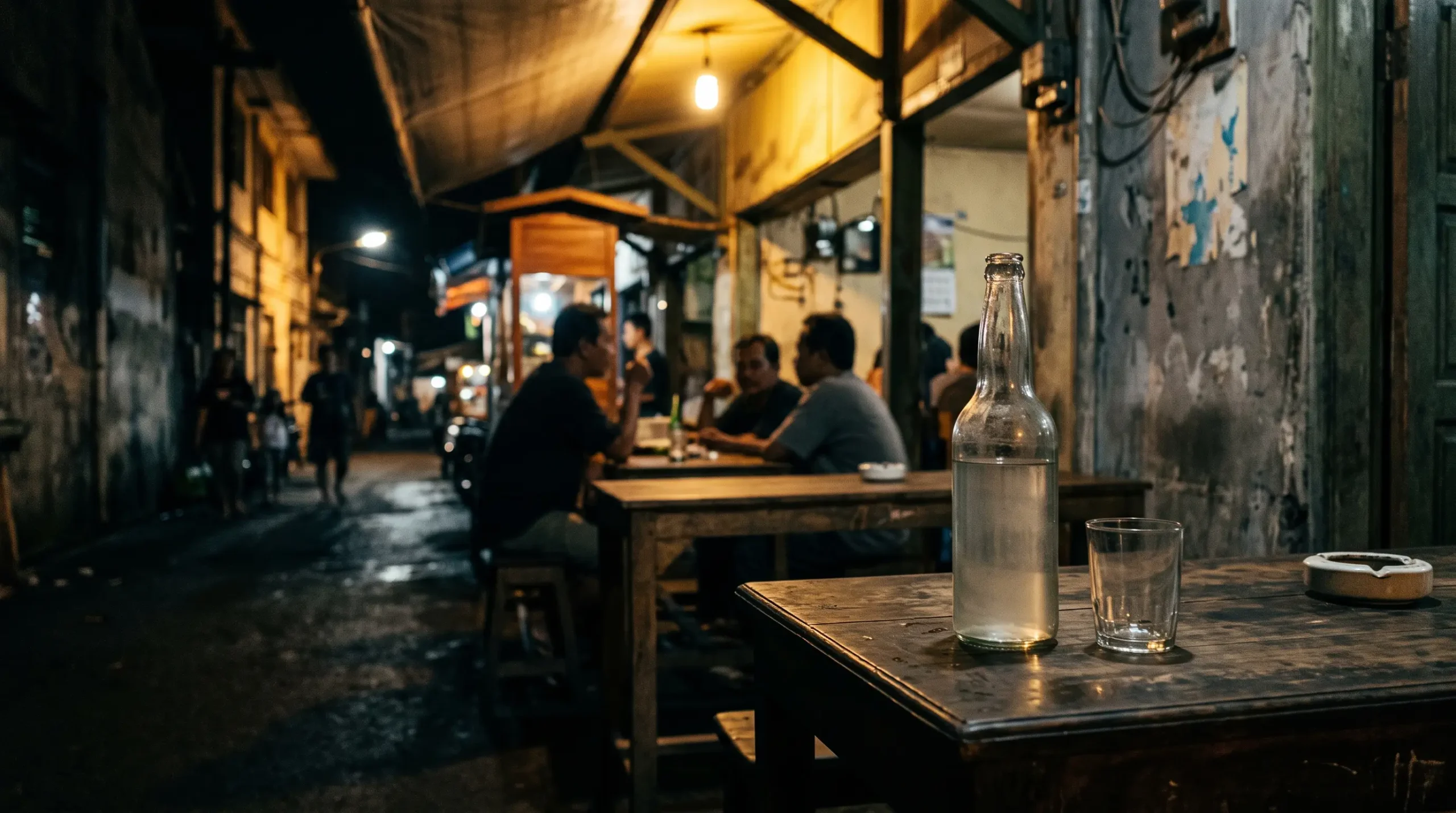
Yogyakarta never runs out of stories to explore. As a city bearing the title of City of Culture as well as City of Students, Yogyakarta offers a captivating blend of noble palace traditions, the intellectual dynamics of thousands of students, and a variety of legendary culinary delights such as gudeg, bakpia, and kopi joss. However, behind the mainstream narratives regarding the beauty of tourism and the warmth of local culture, there is a subcultural narrative that lives and grows in the corners of the city, especially related to its nightlife and the social lives of its youth.
Between the 1990s and 2000s, Yogyakarta’s nightlife gave rise to various social phenomena, one of which was the circulation of local alcoholic beverages that often became part of public conversations and stories. Among the various names that once circulated, Yogyakarta lapen emerged as one of the most frequently discussed subjects. This drink was not sold in fancy restaurants or modern-style cafes, but appeared secretly in roadside stalls or residential alleys, ultimately carving its name as a legendary liquor specific to Yogyakarta.
This article will thoroughly explore what lapen is, trace the historical roots and origins of lapen, and situate its existence within the context of culture, social phenomena, and alcoholic beverage regulations in Indonesia. The understanding of this traditional Jogja drink is intended solely as a sociological and historical study, not to promote or glorify alcohol consumption.
What is Lapen?
Literally, the name “lapen” is an acronym created by the local community. Most sources state that lapen stands for the phrase “langsung pening” (instantly dizzy). This term refers to the instant effect felt by consumers after gulping the drink, which is said to make a person heavily intoxicated or dizzy in a short time due to its unstandardized alcohol content.
Unlike other traditional Indonesian liquors produced through natural fermentation or distillation processes like tuak from palm sap or arak from rice, lapen is basically an adulterated liquor (miras oplosan). The lapen drink is the result of a manual concoction that mixes pure liquid alcohol with water, sugar, and artificial flavoring agents (essences). Because of its nature of being arbitrarily mixed without going through food safety protocols or industrial quality control, the composition and alcohol content in every bottle of lapen vary greatly and are often highly risky to health.
The term lapen is now often used loosely in Yogyakarta to refer to almost all types of local adulterated liquors. Its existence represents the underground side of the drinking culture in Yogyakarta during its time, born from economic limitations but accompanied by a high demand for cheap alcoholic beverages among certain groups.
The Origins and History of Lapen in Yogyakarta
Discussing the history of lapen means tracing stories that were mostly passed down by word of mouth (oral history). There are no official records or patents noting who first invented this drink, so there are several versions circulating in the community regarding the origin of lapen.
The first version with journalistic documentation comes from the confessions of former sellers or makers themselves. Based on a report by Tempo in 2014, lapen began to flourish and evolve due to the failure of fermentation experiments. A former lapen seller named Sakti Darmianto, who had been selling since around 2000, recounted that he initially tried making alcoholic beverages from fruit fermentation. However, because the fermentation process was considered complicated, often failed, and was not proportional to the production costs, a shortcut method was finally chosen: mixing liquid alcohol, water, and flavorings. This method later gave birth to the form of lapen as it is widely known.
On the other hand, there are also urban legends circulating on social media and local community forums. A popular narrative in a Yogyakarta community group states that the lapen recipe was first created in the early 1990s by a pedicab driver named Pak Sucipto, who often hung out around the North Square of Yogyakarta. Another version of the folklore claims that the first maker of this drink was a parking attendant.
The discrepancies in these claims are very normal for illegal and undocumented subculture products. Although no single version can be definitively confirmed as an “absolute fact,” various sources agree that lapen started to find its momentum of popularity in the 1990s until its peak in the 2000s.
Why is Lapen Called a Legendary Drink?
The term “legendary” for Yogyakarta lapen does not refer to the premium quality or prestige of the drink, but rather to its incredibly strong fame in the collective memory of the Yogyakarta people, especially for the generation that went through their youth in the 2000s.
In its heyday, lapen was very synonymous with the social life of college students and local youth. According to local news reports, during the 2000s, there were specific locations that were very famous as epicenters for lapen sales. One of the most legendary was a stall located around Jalan Moses Gatotkaca, in the Mrican area, which was formerly widely known by students as “Warung Lapen Santoso”.
The existence of these stalls was discussed through word of mouth (gethok tular). Its highly affordable price made it a dark “prima donna” for groups who wanted to feel the effects of liquor but had limited funds. Stories about students fainting, police interrogations, to medical incidents related to lapen consumption became daily conversation topics on campuses and boarding houses, which indirectly crowned lapen as a “legend” in the culture of Yogyakarta’s peripheral nightlife.
What is the Character of Lapen?
The characteristics of lapen are very far from alcoholic beverage industry standards. Based on credible sources and the testimonies of its makers, lapen is concocted with very pragmatic ingredients.
- Basic Ingredients and Variants: The main constituent component of lapen is liquid alcohol (often claimed to be pure alcohol, although its quality and type are questionable) mixed with plain water, liquid sugar, and fruit flavoring essences (like melon, orange, or strawberry) to mask the pungent smell of alcohol. In some places, a variant called “lapen super” was also developed, which is a lapen mixture with added sweetened condensed milk.
- Alcohol Content: Because it is made without precise hydrometer measuring tools, the alcohol content (ABV) in lapen is highly unpredictable and inconsistent. Some anecdotal sources claim that the base liquid used can reach 80% before being diluted, but in the final product, this content can vary extremely.
- Aroma and Taste: Lapen generally has a very pungent chemical aroma of alcohol, which is attempted to be covered by the thick sweet taste of sugar and artificial flavorings.
(Note: Consuming adulterated liquor like lapen carries fatal risks such as methanol poisoning, liver damage, blindness, and even death. This article does not justify, let alone recommend, the production or consumption of such drinks).
Lapen in the Cultural and Social Context of Yogyakarta
Sociologically, Jogja lapen cannot be separated from Yogyakarta’s status as a melting pot or gathering place for youth from all corners of the Archipelago. The phenomenon of migrating and boarding house life created new spaces of freedom for teenagers who were previously bound by family rules in their hometowns.
In Yogyakarta’s hangout culture, lapen formerly often served as an alternative social lubricant instrument. At a time when commercial alcoholic beverages were expensive and unaffordable for students’ pockets, lapen filled that market gap. This drink was often consumed communally in groups gathering in boarding house alleys, public squares, or dimly lit stalls.
However, the existence of lapen was also a dark portrait of social problems. Its nature as an adulterated liquor often triggered public unrest due to public order disturbances. Local news repeatedly recorded fatal incidents of mass poisoning, which caused the police to routinely hold raids and operations to eradicate societal diseases.
Lapen and the Evolution of Local Alcoholic Beverages in Indonesia
To understand its position, it is important to place lapen alongside traditional alcohol and the landscape of the modern alcoholic beverage industry in Indonesia. The Indonesian Archipelago is actually rich in the treasures of traditional drinks resulting from local wisdom.
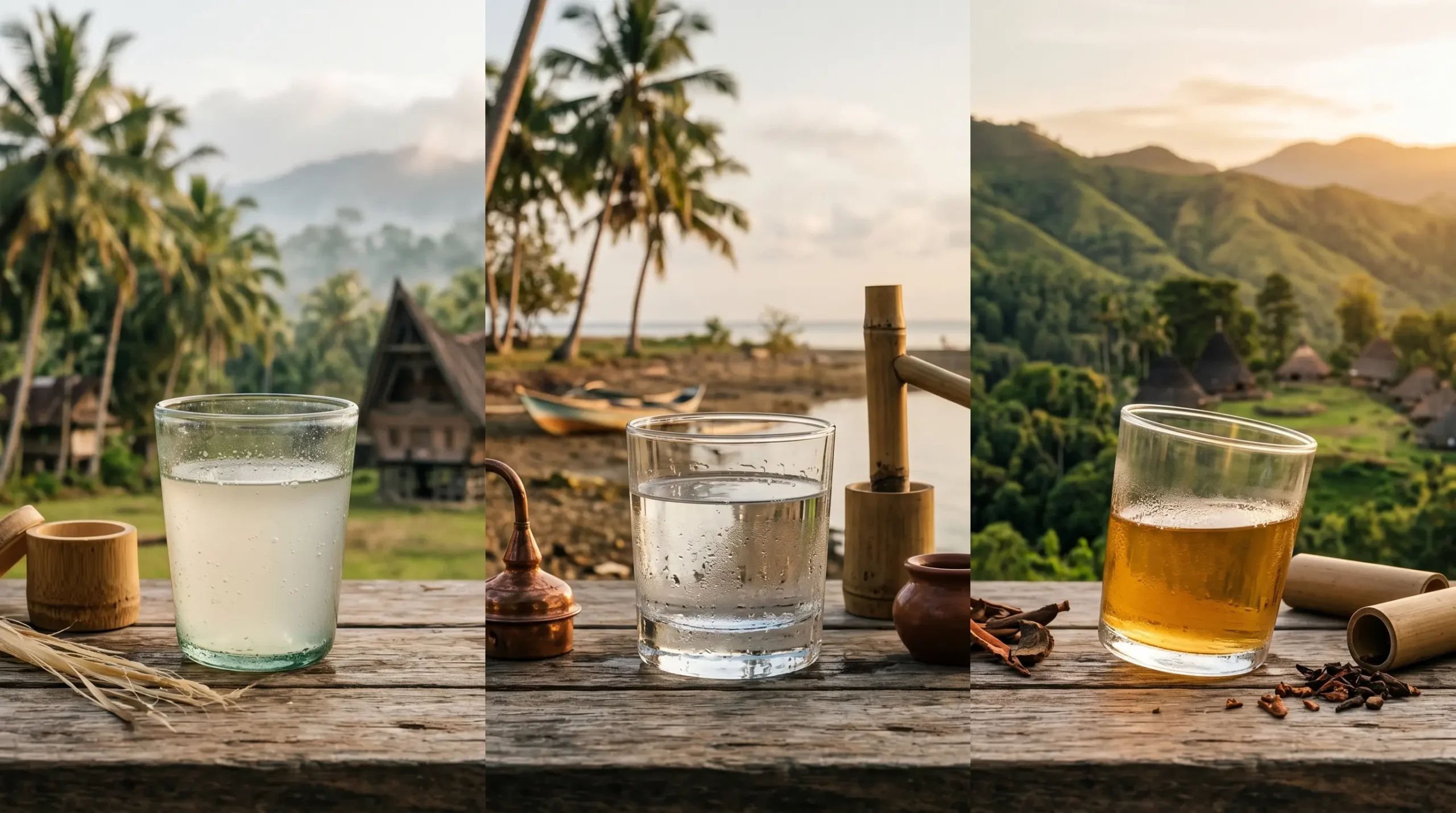
- Ciu: A traditional drink from Central Java, with two famous production centers, namely Bekonang and Banyumas. Unlike lapen which is merely mixed, ciu is produced through natural fermentation and distillation processes (for example, from sugarcane molasses or fermented cassava).
- Tuak and Arak: Commonly found in Sumatra, Bali, and other regions, produced from the fermentation of coconut, sugar palm, palmyra palm sap, or rice.
From the comparison above, it is clearly seen that lapen is not a product of agriculture-based local wisdom. Lapen is purely an urban underground innovation that relies on the mixing of chemical ingredients.
Unlike in the past where local alcoholic beverages were often synonymous with the stigma of dangerous adulterated liquor like lapen, the alcoholic beverage industry in present-day Indonesia has evolved to become much more professional, safe, and world-class. Currently, the local beverage ecosystem is enlivened by official producers who comply with global standards. This is slowly shifting the “dark” drinking culture of the past, providing responsible and controlled options for adult consumers.
Lapen, Regulations, and the Legality of Alcoholic Beverages in Indonesia
In Indonesia, the production, distribution, and circulation of alcoholic beverages are strictly regulated by the state to limit negative impacts and ensure consumer safety. Based on regulations from the Ministry of Trade and the Food and Drug Supervisory Agency (BPOM), legal alcoholic beverages that have distribution permits must pass clinical trials and are clearly categorized into Classes A, B, or C based on their ethanol content.
Then what about lapen? Based on a regulatory review, lapen is classified as an adulterated alcoholic beverage that completely lacks a distribution permit, has no quality standardization, and is produced secretly without meeting the principles of Good Processed Food Production Methods (CPPOB). Therefore, from a regulatory and positive law perspective in Indonesia, producing and trading lapen is an illegal act. The biggest risk of this kind of adulterated liquor is fatal contamination with methanol (industrial alcohol).
Myths and Facts Surrounding Lapen
There is a lot of confusing information regarding this typical Yogyakarta liquor. Here is a table that separates circulating myths from verifiable facts:
| Information Circulating (Myth/Rumor) | What Can be Verified (Fact) | Source Note |
| Lapen is a traditional drink resulting from the fermentation of local Jogja fruits. | Lapen is mostly an adulterated liquor concocted by mixing liquid alcohol, water, and flavoring essences, not a fermentation result. | Admitted by former makers because fruit fermentation was considered too difficult. |
| Lapen is safe to consume if the maker is “experienced”. | Lapen is highly dangerous because its contents and alcohol levels are unstandardized, and it has the potential to be contaminated with deadly chemical methanol. | Cases of poisoning and deaths due to adulterated liquor are widely recorded by the police. |
| Lapen is an ancient cultural heritage of Yogyakarta. | Lapen only gained popularity in the 1990s to 2000s and is purely a subculture phenomenon of lower-class urbanites and students. | No ancient Jogja historical literature records the existence of lapen. |
Is Lapen Still Known in Yogyakarta Today?
Entering the 2010s to the present, trends and the nightlife landscape in Yogyakarta have changed a lot. Massive and continuous efforts by the police apparatus in various districts of DIY have drastically suppressed the circulation of adulterated alcoholic beverages. Strict law enforcement has made lapen producers and retailers unable to sell openly anymore.
The legendary stalls in the Mrican area no longer exist. In addition, a shift in youth lifestyles that lean more towards the coffee shop trend, as well as the emergence of legal and certified local alcoholic beverage products, have made the prestige of lapen slowly fade. Even though the illicit circulation of adulterated liquor may not have disappeared 100%, the name “lapen” is now more frequently discussed as a storytelling artifact of the past and a warning of danger in Yogyakarta.
Interpreting the Lapen Legend in the Modern Era
Yogyakarta lapen holds a unique yet dark place in the history of the city’s social subculture. Starting as a low-priced alternative concoction in the 90s and 2000s, lapen an abbreviation of “langsung pening” grew to be a silent witness to the other side of nightlife in the City of Students. However, it is very important to underline that lapen is not a heritage of local wisdom like ciu or tuak, but rather a high-risk adulterated liquor that violates food safety regulations.
Leaving behind the memory of lapen and the dangers of adulterated liquor, it is now time to switch to legal, professional, and quality-recognized options. As a safe premium alternative, Vibe Liqueur & Spirits is worth exploring. As an Indonesian local alcohol producer that has won various international awards, Vibe Liqueur & Spirits proves that domestic products can compete on the global stage. Available in a variety of flavors and diverse ranges of alcohol content, the beverage collection from Vibe is very versatile and ideal for mixing various special cocktail recipes.
For modern lifestyle culture enthusiasts who want to continually update their knowledge regarding the world of mixology, do not forget to visit Wekendvibe. On that platform, a variety of up-to-date information is available regarding venue reviews, creative cocktail recipe guides, as well as various other unique references to complement relaxing moments.
FAQ (Frequently Asked Questions)
1. What is lapen?
Lapen is a term for an adulterated liquor from Yogyakarta. Its name is an abbreviation of “langsung pening” (instantly dizzy), which refers to the instant intoxicating effect of the unstandardized drink.
2. Where does lapen come from?
Lapen originates from the urban areas of Yogyakarta, becoming popular and frequently consumed among college students and youth in the 1990s to 2000s.
3. Why is lapen famous in Yogyakarta?
Lapen became legendary in the 2000s because its very cheap price made it easily accessible to students, and it was once sold freely at various roadside stalls during that time, before finally being strictly eradicated by the police.
4. What are the basic ingredients of lapen?
Unlike fermented drinks, the basic ingredients of lapen are generally pure liquid alcohol manually mixed (adulterated) with plain water, sugar, and fruit flavoring agents (essences).
5. What is the alcohol content of lapen?
The alcohol content of lapen cannot be ascertained because it is made arbitrarily without industry-standard measuring instruments, making the final result vary greatly and highly dangerous to bodily organ functions.
6. Is lapen the same as ciu?
No. Ciu is a traditional alcoholic beverage from Central Java (like Ciu Bekonang) made through a natural fermentation and distillation process from sugarcane molasses. Lapen is an artificial adulterated liquor concocted by mixing industrial/chemical alcohol with flavorings.
7. Is lapen included as a traditional Indonesian drink?
No. Although often referred to locally, lapen is more accurately categorized as an adulterated liquor (urban bootleg liquor), not a traditional fermented product.
8. Does lapen still exist in Yogyakarta?
Thanks to order enforcement operations by law enforcement apparatus and increased public awareness, the open circulation of lapen has been highly suppressed, and its stalls have been closed.