 Log in
 Register



When discussing the characteristics of alcoholic beverages, the term “smooth” is often considered the gold standard by many enthusiasts. However, there is a common misconception that a smooth alcoholic drink always means it has a very low alcohol content. In reality, smooth alcohol meaning is more closely related to how the drink interacts with your senses, from the moment it touches your tongue until it passes down your throat.
In simple terms, “smooth” in alcoholic beverages refers to minimal alcohol burn, a pleasant mouthfeel, a well-balanced aroma, and a soft aftertaste or finish. Even a drink with an alcohol content (ABV/Alcohol by Volume) of 40% can still taste remarkably smooth when it has been produced using high-quality distillation standards.
This article explores what “smooth” means in alcohol, the technical factors that influence this characteristic, and a comprehensive guide to identifying some of the smoothest alcoholic drinks across different categories.
What Does “Smooth” Mean in Alcoholic Drinks?
In tasting terminology, describing a spirit as “smooth” involves several complementary sensory characteristics:
- Minimal Burn Sensation: Pure alcohol naturally reacts with receptors in the mouth, creating a warming or burning sensation. A smooth drink minimizes this sharp sensation, making it much easier and more comfortable to drink.
- Mouthfeel (Texture): A smooth alcohol experience is strongly influenced by texture. Premium spirits often feel full-bodied, slightly viscous, and silky on the tongue rather than sharp or immediately drying in the mouth.
- A Smooth Finish (Aftertaste): After swallowing, the lingering flavor should not leave behind a harsh chemical bitterness or an uncomfortable burning sensation. Instead, the warmth should gradually fade into a pleasant finish.
What Makes an Alcoholic Drink Taste Smooth?
A smooth character in an alcoholic drink is not simply a matter of chance. It is the result of complex production processes, including:
1. Distillation
The more frequently a spirit is distilled, the purer its final form can become. Repeated distillation, such as triple distillation used for certain types of whiskey or multiple distillation cycles used for vodka, is intended to separate ethanol from congeners, which are compounds produced during fermentation.
These compounds can contribute to harsh flavors and may also play a role in some of the unpleasant effects experienced after drinking. The use of copper pot stills can also be important because copper can help remove sulfur compounds, resulting in a cleaner and smoother spirit.
2. Filtration
Filtration is another important factor in creating a smoother spirit. Many producers use highly precise filtration methods before bottling. One example is charcoal filtration, which can remove trace impurities and produce a cleaner, smoother texture on the palate.
3. Aging in Wooden Barrels
Alcoholic beverages aged in oak barrels for several years gradually absorb characteristics from the wood. Oak acts as a natural porous filter while also contributing flavors such as caramel, vanilla, and spices, which can soften some of the spirit’s harsher characteristics.
4. Quality of Ingredients and Water Purity
Because water makes up a significant portion of many alcoholic beverages, its quality can have an impact on the final product. The use of carefully selected natural spring water or other high-quality water sources can contribute to the overall smoothness of a spirit.
Does Smooth Mean Lower Alcohol Content?
This is one of the most common misconceptions. The answer is not necessarily.
An alcoholic drink that feels less harsh when consumed does not automatically have a lower ABV. A premium botanical spirit with an ABV of 45%, for example, can feel considerably smoother on the throat than a lower-quality spirit with an ABV of 30%.
The burning sensation is influenced more by factors such as distillation quality, composition, and the presence of certain congeners than simply by the percentage of alcohol itself.
Types of Alcoholic Drinks That Commonly Have a Smooth Character
Although taste preferences are highly subjective, several categories commonly include products known for their smooth profiles:
Smooth Vodka
Created with neutrality in mind, clarity is central to vodka. Smooth vodka is often produced through multiple rounds of distillation, sometimes up to five times, followed by filtration using charcoal or other specialized filtration systems. Premium vodka can offer a clean, smooth drinking experience without leaving a harsh chemical aftertaste.
Smooth Whisky
The world of whisky offers an extremely broad range of flavors. Smooth whisky is often associated with Irish Whiskey because traditional triple distillation can produce a lighter character than many Scotch varieties.
American Bourbon, which must contain at least 51% corn in its grain mash, can also offer a naturally sweet caramel profile that feels approachable on the palate.
Smooth Rum
Made from molasses or fresh sugarcane juice, rum naturally tends to have a sweeter flavor profile. Smooth rum often comes from varieties that have been aged in wooden barrels for extended periods, developing rich caramel, buttery notes and a silky texture.
Smooth Tequila
One of the key things to look for when searching for smooth tequila is the phrase “100% Blue Agave” on the bottle label. Reposado tequila, aged for at least two months, and Añejo tequila, aged for one to three years, retain the distinctive character of agave while developing softer notes from oak-barrel aging.
Liqueur (Sweet Alcoholic Drinks)
This category technically consists of spirits blended with additional sweeteners, fruit, herbal extracts, or rich cream. Liqueurs generally have a lower alcohol content, often around 15–20% ABV, while their sugar and cream content can create a fuller, softer mouthfeel.
This makes liqueur a commonly recommended option for beginners looking for a smoother alcoholic drink.
In Indonesia, a representative example for exploring this type of smooth flavor profile is VIBE Liqueur & Spirits. Specific varieties such as Lychee and Black Tea are designed to highlight the essential aromas and flavors of their main ingredients.
Through these flavor formulations, the perception of heat or alcohol burn can be softened, creating a smoother profile whether enjoyed neat or mixed into cocktails.
Comparing Different Spirit Categories by Drinking Sensation
To make the differences easier to understand, here is a general comparison of the texture and flavor profiles of various types of alcohol:
| Drink Category | General Character & Flavor Profile | Burn Sensation | Main Factor Contributing to a “Smooth” Character |
| Vodka | Clean, clear, neutral, without strong aromas | Moderate to Low (for premium quality) | Multiple distillations (3–5x) and highly precise filtration |
| Whisky/Bourbon | Caramel, oak, spices, vanilla, sometimes smoky | Moderate to High | Oak-barrel aging and the use of purified water |
| Rum | Naturally sweet, tropical fruit, rich and buttery | Low to Moderate | Sugarcane fermentation and extended aging |
| Tequila | Earthy, citrus, pepper, sweet herbal notes | Moderate | 100% Blue Agave and barrel aging (Reposado/Añejo) |
| Gin | Fresh, botanical (juniper berry), floral | Moderate to High | Balance of essential oils from botanicals and spices |
| Liqueur | Very sweet, rich, dominated by specific flavors such as coffee, cream, or fruit | Very Low | Added sugar/cream and a more moderate ABV |
Note: This table provides a general overview. Differences in production methods between manufacturers can result in significant variations in smoothness between brands within the same category.
External Factors That Can Make Alcohol Taste Smoother
Beyond the production process at the distillery, serving methods can directly influence how strongly the drink’s flavors and alcohol sensation are perceived:
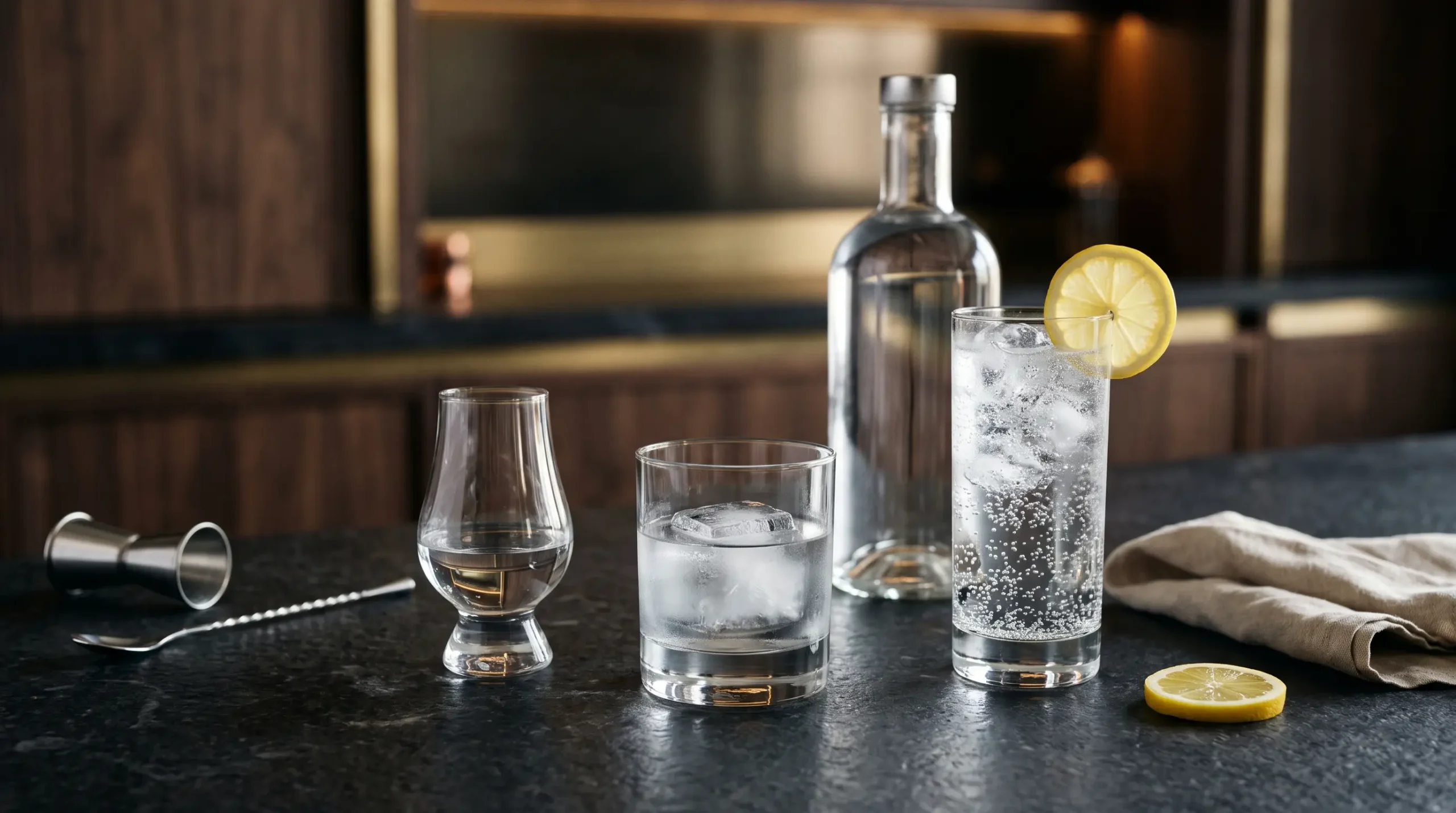
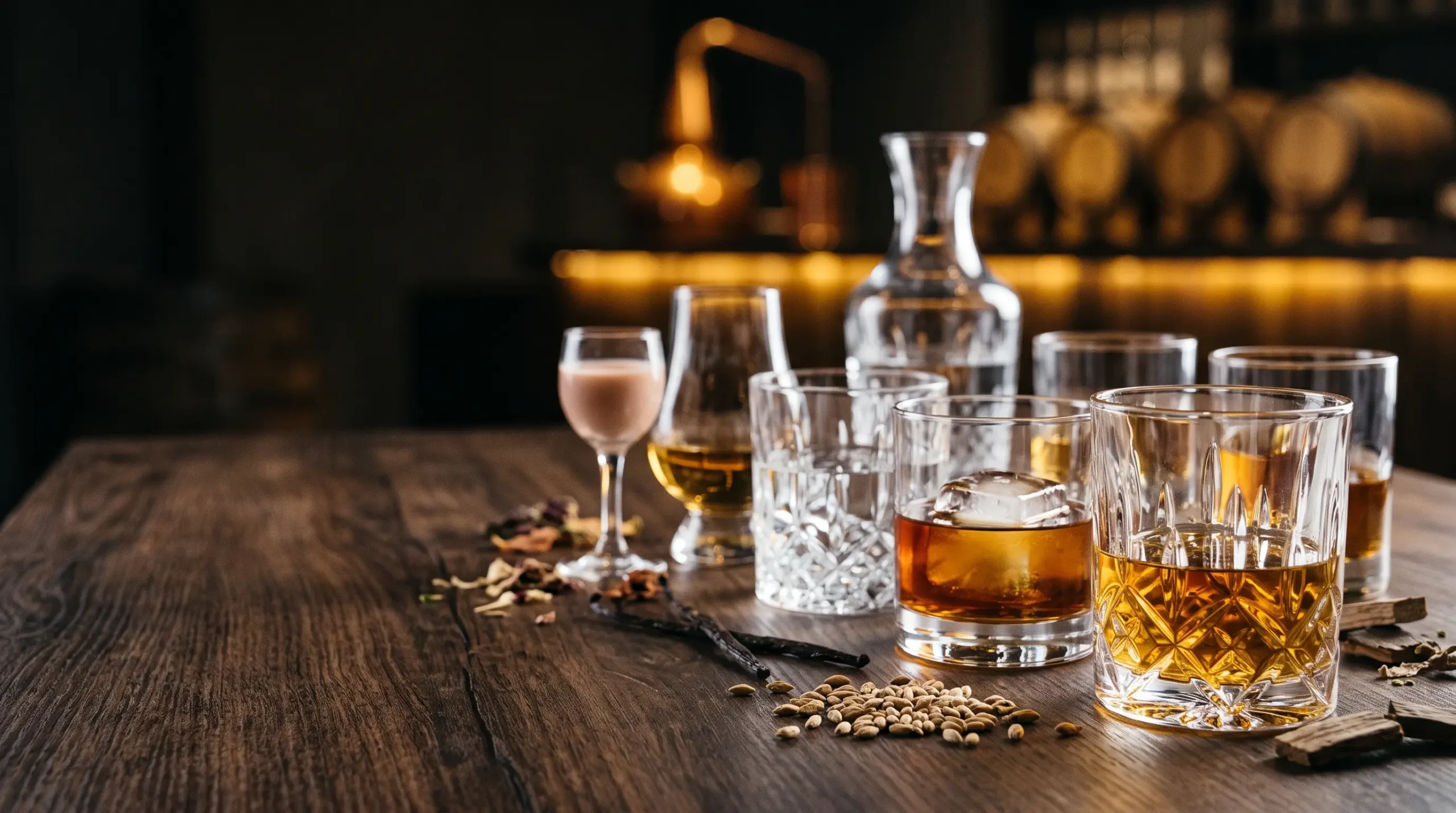
- Serving Temperature: Serving a drink very cold (chilled) or over a large ice cube (on the rocks) can slow the evaporation of alcohol. This can reduce the intensity of alcohol vapors reaching the nasal passages, making each sip feel smoother.
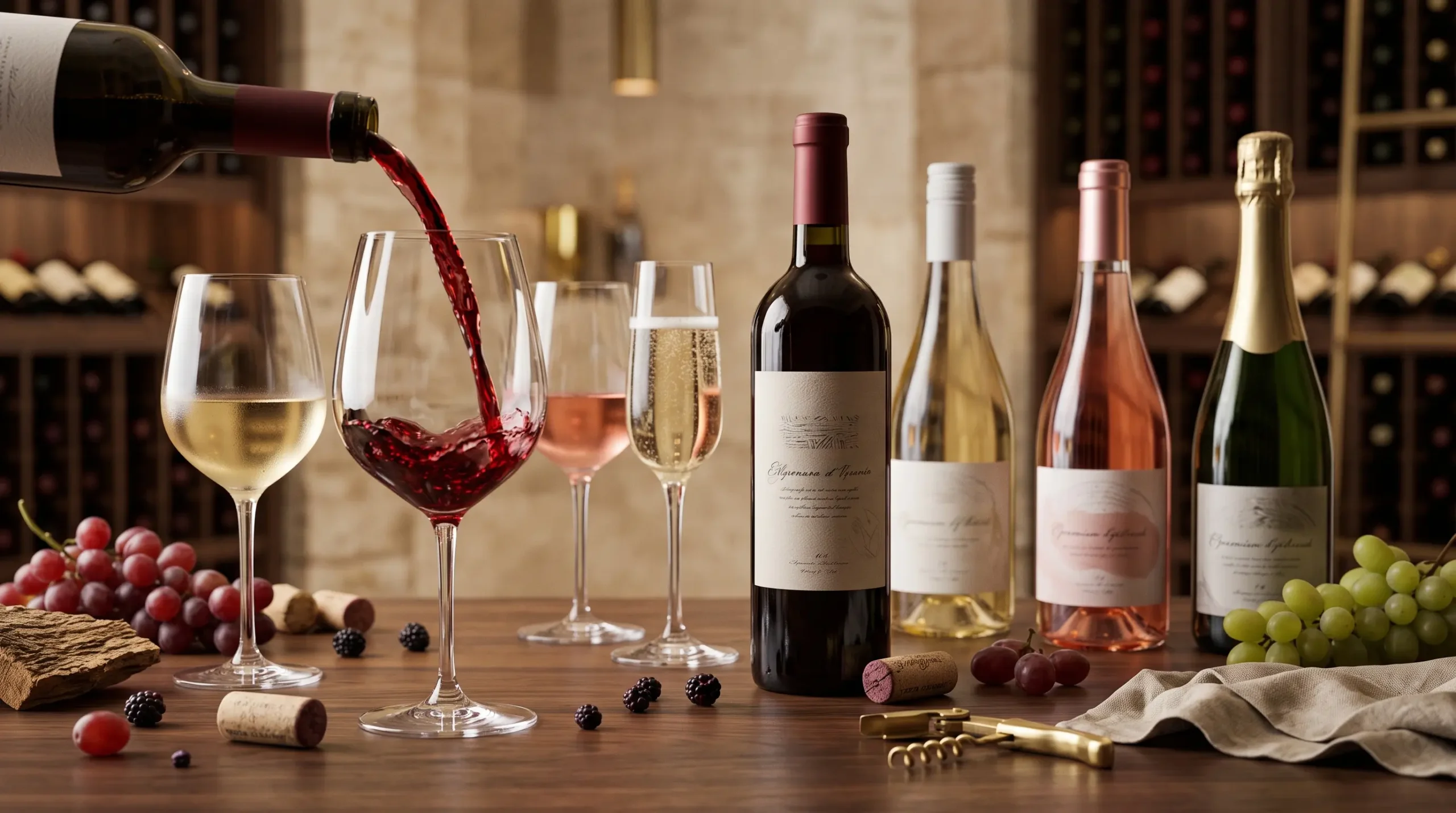
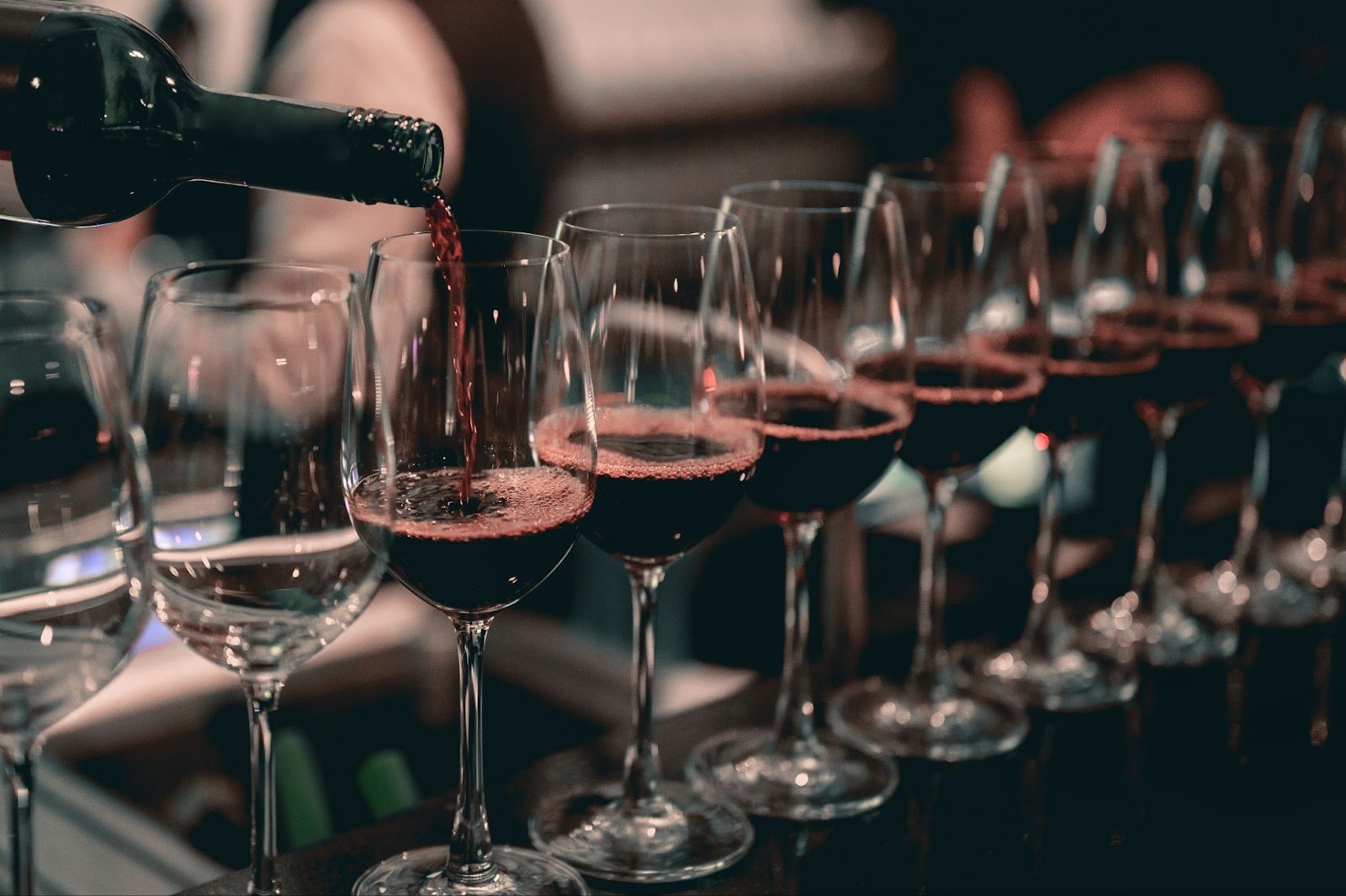
- Oxidation and Aeration: Pouring a drink, particularly red wine or an aged spirit, into a glass and allowing it to breathe for several minutes can allow some ethanol to evaporate. This may gradually create a rounder flavor profile.
- Adding Water (Water Drop): Adding a small amount of pure mineral water to a glass of whisky can alter the liquid’s composition and release previously hidden aromatic compounds while reducing the perceived intensity of the alcohol.
How to Choose a Smooth Alcoholic Drink Based on Your Preferences
Because taste is highly personal, the following guide can help you determine which option may suit your preferences:
- For the Gentlest Introduction: Starting with liqueur can be a more approachable option because its sweet flavor profile can help soften the perception of alcohol.
- For Lovers of Natural Sweetness: Aged rum can provide a rich, almost syrup-like texture with roasted caramel notes and a softer finish.
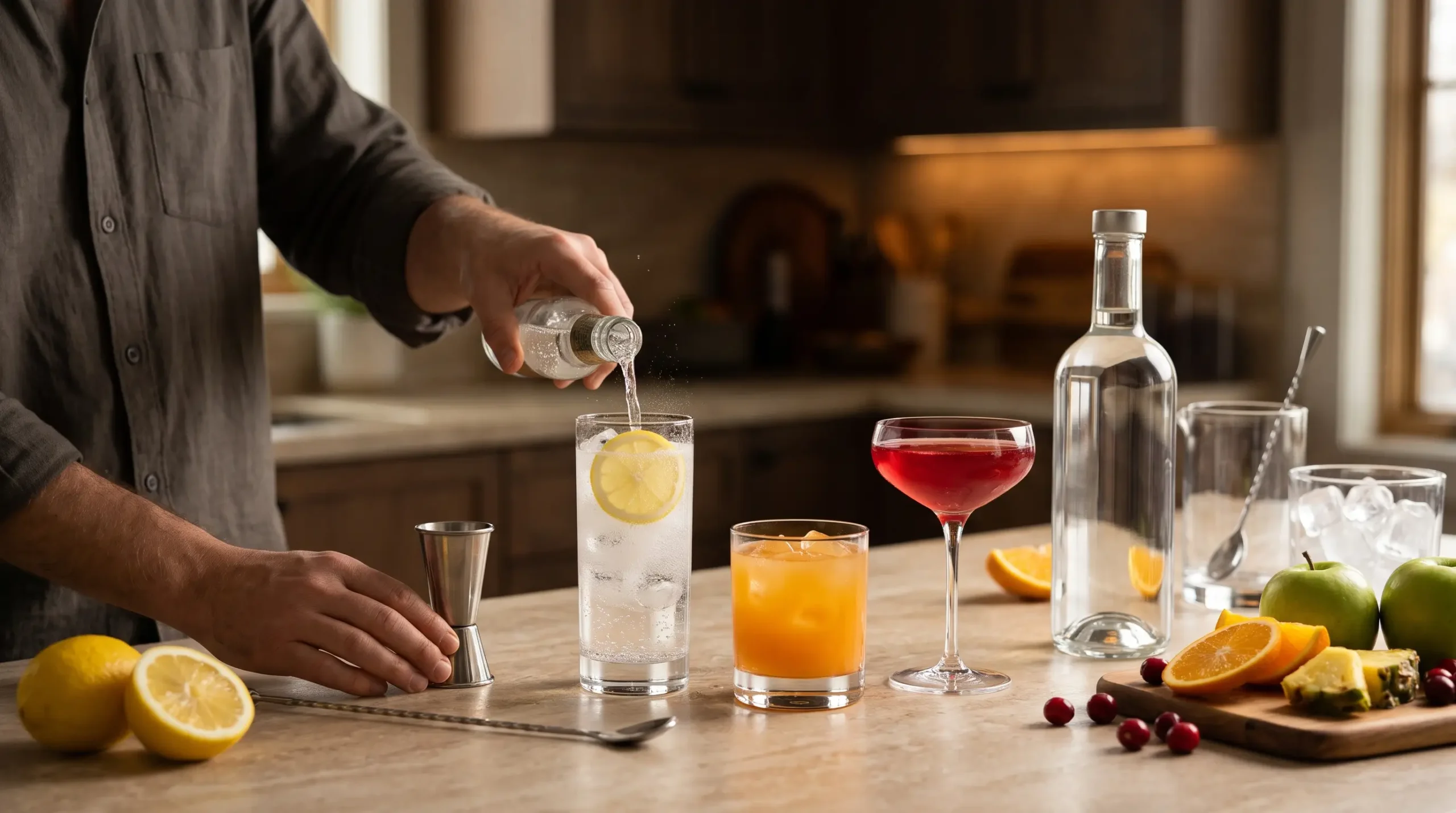
- For Those Seeking a Pure Spirit: If you want to enjoy a spirit without mixers, consider a premium triple-distilled vodka served very cold.
- For Fans of Complex Flavors: Exploring Irish Whiskey, Bourbon, or Añejo Tequila can provide layers of oak and warm spice without an overly aggressive finish.
Find the Smooth Experience That Best Matches Your Taste
It is important to understand that there is no universal standard for which product deserves the absolute title of the “smoothest alcoholic drink.” Perceptions of enjoyment are influenced by individual sensitivity, drinking habits, and even the atmosphere in which the drink is enjoyed.
Ultimately, appreciating a smooth alcoholic drink is also about appreciating the production process behind it, from distillation and filtration to the ideal serving method.
For those looking to explore a range of locally produced alcoholic beverages made to global quality standards, Vibe Liqueur & Spirits can be a useful reference. As an authentic Indonesian alcohol brand that has received recognition through various prestigious international awards, VIBE offers a wide range of flavors with different ABV levels.
With its broad selection of flavor profiles, the VIBE product range can be enjoyed on its own or used as a base for a variety of special cocktail creations designed to deliver a smooth drinking experience.
To complete the experience, be sure to visit the Wekendvibe platform. It features the latest information about entertainment and leisure venues, cocktail recipes you can try yourself, and other unique lifestyle and interesting information related to the world of nightlife and hospitality.
Editorial Note: This content is intended for readers aged 21 and above or according to the legal drinking age applicable in their respective regions. Some people should avoid alcohol entirely due to medical conditions. Always consume alcoholic beverages responsibly and know your limits.
FAQ About Smooth Alcoholic Drinks
What does “smooth” mean in alcoholic drinks?
Smooth alcohol refers to a drink that produces minimal heat or alcohol burn in the throat, has a soft texture on the palate, and leaves a pleasant aftertaste without a strong chemical aroma.
Does a smooth alcoholic drink mean it has no burning sensation at all?
A smooth drink can significantly reduce the perception of heat, making it more comfortable to swallow. However, the characteristic warmth of alcohol does not disappear completely, particularly in beverages with a high ABV, such as those above 40%.
Does smooth mean a lower alcohol content?
No. A 40% ABV beverage that has been carefully distilled can feel much smoother than a lower-quality 20% ABV beverage containing higher levels of undesirable distillation byproducts or congeners.
What is the smoothest alcoholic drink?
It depends on the category. Among clear spirits, premium vodka that has undergone high-quality filtration can be particularly smooth. Among darker spirits, aged rum and Irish Whiskey are often associated with a soft and rounded texture.
Is vodka considered a smooth alcohol?
Yes, provided it comes from a premium producer that uses multiple rounds of distillation, often three to five times, along with high-quality filtration. This type of vodka can provide a clean and smooth drinking experience.
Can whisky taste smooth?
Absolutely. Whisky produced through triple distillation, such as some Irish Whiskey, or whisky aged for an extended period in wooden barrels, such as Bourbon, can develop caramel and vanilla characteristics that create a rich yet smooth texture.