 Log in
 Register



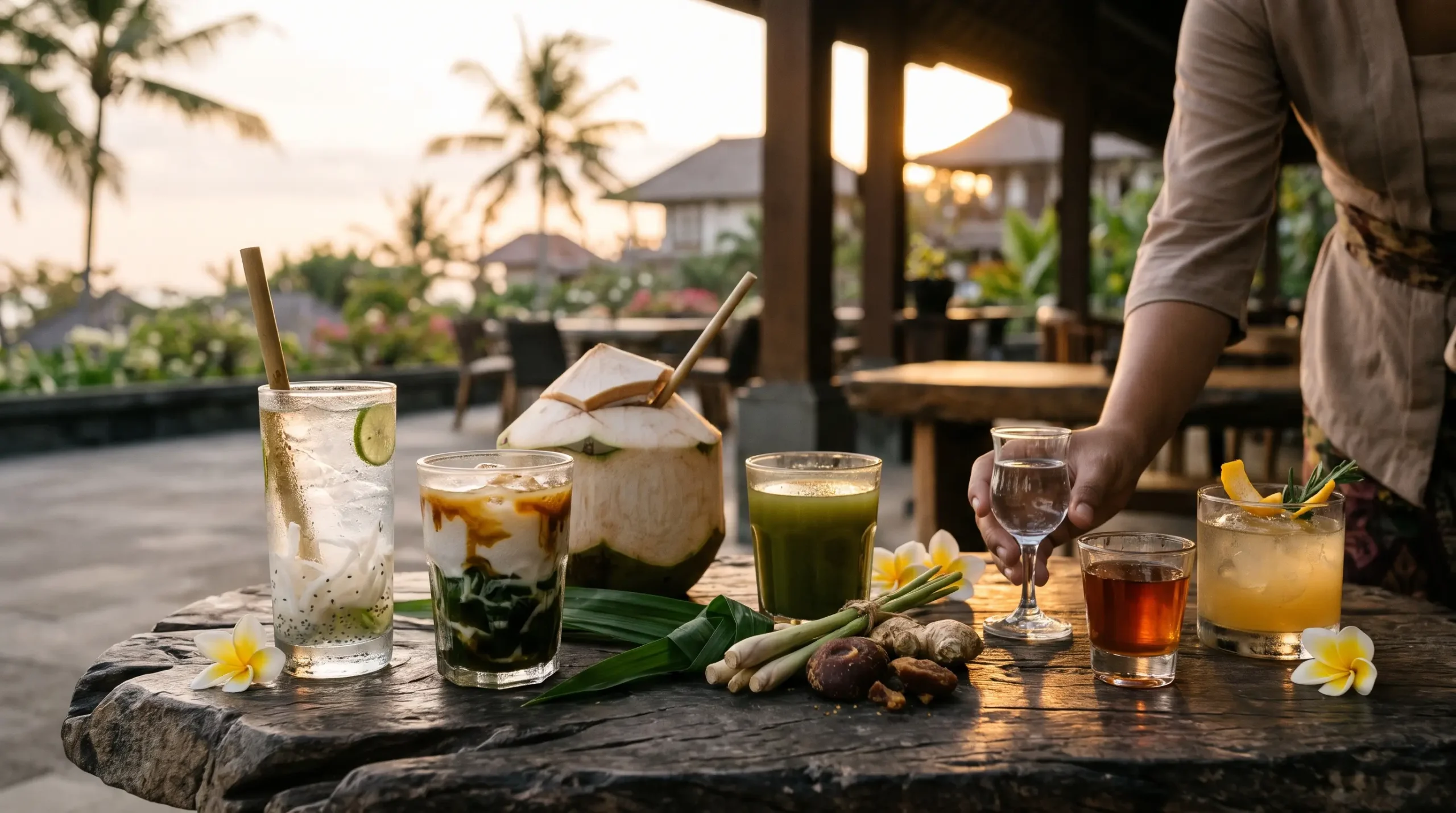
Bali’s appeal as a global tourism destination extends far beyond its beautiful beaches, natural landscapes, and cultural arts. The Island of the Gods also offers a rich culinary experience, and that exploration does not stop at food. There are many traditional Balinese drinks worth discovering, giving travelers another way to experience the island’s culture and gastronomy.
The diversity of local beverages in Bali covers a wide spectrum of flavors and purposes. From traditional drinks made with local spices and refreshing herbal beverages to traditional alcoholic drinks with a long cultural history, Bali offers something for different tastes. Broadly speaking, these drinks can be divided into two main groups: Bali non-alcoholic drinks and Balinese alcoholic drinks.
It is important to understand that not every popular drink in Bali is an ancient cultural heritage. Some beverages have deep Balinese cultural roots, while others are traditional Indonesian drinks that have become especially popular in Bali. There are also modern beverages that have developed rapidly through innovation within the local hospitality industry.
What Makes Traditional Balinese Drinks Interesting?
The character of local beverages in Bali is strongly influenced by the island’s natural resources and local traditions. Several factors make traditional drinks in Bali particularly interesting:
- Local Ingredients: Local produce such as coconut, palm sugar, tropical fruits, and locally grown rice plays an important role.
- Spices and Herbs: Local leaves, herbs, and spices create distinctive and refreshing flavor profiles.
- Traditions and Ceremonies: Some beverages have strong connections to the social life and traditional rituals of Balinese communities.
- Traditional Fermentation Techniques: Natural ingredients are processed through fermentation and traditional distillation methods that have been passed down through generations.
- Tourism Innovation: The growth of Bali’s tourism industry has encouraged the combination of local wisdom with international beverage techniques.
Traditional Balinese Non-Alcoholic Drinks You Must Try
For travelers looking for refreshment in Bali’s tropical climate, there are several traditional beverages without alcohol that offer an authentic taste of the island. These Bali non-alcoholic drinks are particularly suitable for enjoying during the day or after outdoor activities.
Es Daluman
Es Daluman is one of Bali’s most popular traditional liquid desserts. The main ingredient is green grass jelly (daluman), which has a soft and refreshing texture. It is generally served with a savory coconut milk base and a drizzle of melted palm sugar syrup.
The combination of the soft texture of daluman with sweet and savory flavors makes it particularly enjoyable during the daytime.
Es Kuwut
Es Kuwut is strongly associated with tropical refreshment. The word “kuwut” is associated with coconut, and the drink usually combines shredded young coconut, lime juice (or limau), basil seeds, and sometimes slices of melon.
Its sweet-and-sour flavor makes it one of the most popular traditional drinks in Bali among travelers, particularly after spending time outdoors.
Loloh
Loloh refers to a group of traditional Balinese herbal drinks or jamu. It is not a single type of beverage; the ingredients can vary depending on the region or intended purpose.
One of the best-known varieties is Loloh Cemcem, made from the juice of cemcem leaves (wild kedondong), combined with tamarind, palm sugar, and a small amount of salt. The result is a unique combination of sour, sweet, salty, and slightly earthy herbal flavors.
Coconut-Based Drinks and Local Ingredients
Beyond the drinks mentioned above, fresh young coconut served directly from the fruit is an essential part of Bali’s beverage culture. From local food stalls to luxury resorts, young coconut is often served whole or combined with other local ingredients such as pandan syrup or lemongrass to create a distinctly Balinese touch.
Traditional Balinese Alcoholic Drinks You Should Know
In the context of Balinese culture and tradition, Balinese alcoholic drinks have a long history, both for ritual purposes and as part of community social life.
Bali Arak
Bali Arak is a traditional spirit produced through distillation. It is generally made from fermented palm sap sourced from coconut, lontar, or sugar palm trees.
Arak plays an important role in various Balinese traditional ceremonies as an offering known as tetabuhan. Beyond its ritual context, Bali Arak is now recognized as Indonesian Intangible Cultural Heritage and is increasingly being produced legally and under standardized processes to support the local creative economy.
Bali Brem
Unlike arak, which is produced through distillation, Bali Brem is an alcoholic beverage made through fermentation. Its main ingredient is black or white glutinous rice, which is fermented using yeast.
Brem generally has a sweet, slightly sour flavor and a somewhat richer texture. It is important to note that liquid Bali Brem is different from the solid brem snack commonly associated with Java.
Modern Cocktails Made with Bali Arak
As Bali’s hospitality industry continues to develop, many bartenders have begun incorporating Bali Arak as a base spirit in modern cocktail creations.
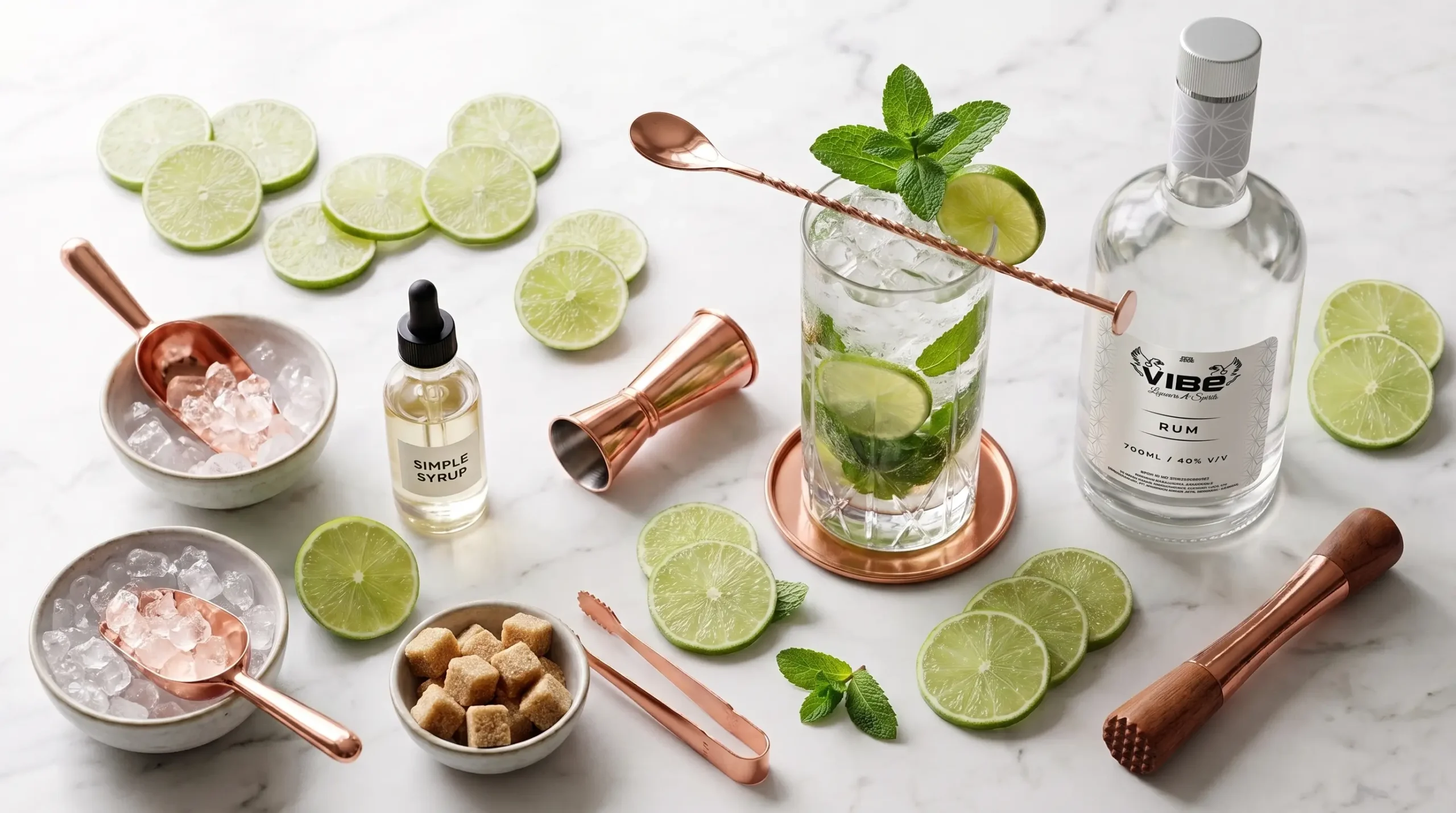
To balance the relatively strong character of arak, mixologists often combine it with fresh fruit juices, local spices, and quality local liqueurs such as Vibe Lychee or Vibe Melon.
Adding products from Vibe Liqueur & Spirits provides an aromatic layer of sweetness while making these modern local cocktails smoother, fresher, and more approachable for international travelers.
Traditional Drinks in Bali vs. Modern Drinks in Bali
| Aspect | Traditional Balinese Drinks | Modern Drinks in Bali |
| Ingredients | Directly sourced from nature, such as leaves, sap, coconut, and palm sugar. | Combines local ingredients with spirits, syrups, or commercial ingredients. |
| Production Techniques | Manual preparation, natural fermentation, and traditional distillation. | Uses modern beverage equipment, infusion, and clarification. |
| Cultural Connection | Often associated with traditional rituals, ceremonies, or traditional remedies. | More focused on lifestyle, recreation, and gastronomy experiences. |
| Flavor Profile | Authentic, bold, earthy, and naturally sweet. | Complex, balanced, and adapted to international preferences. |
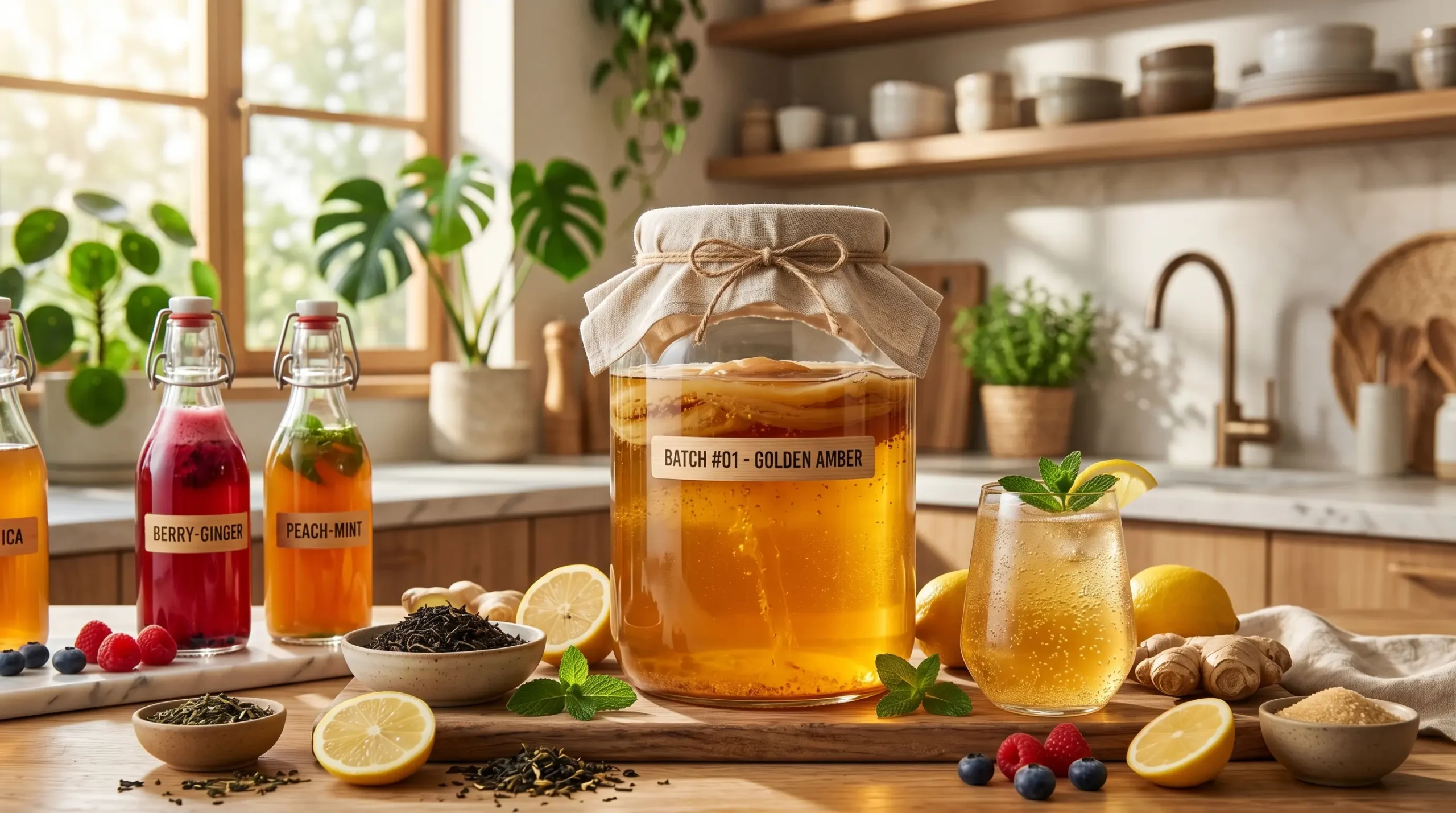
| Examples | Loloh Cemcem, pure Bali Arak, Es Daluman. | Arak-infused cocktails, mixology creations using Vibe Liqueur & Spirits, and artisanal kombucha. |
| Consumption Context | Everyday consumption at local food stalls, markets, or traditional events. | Bars, beach clubs, fine-dining restaurants, and five-star hotels. |
Flavor Profiles of Bali Traditional Beverages
To help travelers decide what to try, here is a simple breakdown of the flavor profiles found among Bali traditional beverages:
- Sweet & Creamy: Es Daluman, with sweetness from palm sugar and richness from coconut milk.
- Sour & Refreshing: Es Kuwut, combining citrus acidity with young coconut.
- Herbal & Earthy: Loloh Cemcem, combining herbal leaves, sourness, and a subtle salty note.
- Fermented & Sweet: Bali Brem, with the sweet character of fermented glutinous rice.
- Strong & Warming: Pure Bali Arak, with the bold and warming character of a distilled spirit.
Traditional Balinese Drinks for First-Time Visitors
Here is a simple guide to traditional drinks in Bali for travelers visiting the island for the first time.
If You Like Refreshing Flavors
Choose Es Kuwut or fresh young coconut water. The combination of coconut and citrus is particularly refreshing in Bali’s tropical climate, especially after visiting the beach.
If You Like Sweet Flavors
Es Daluman is a safe and comforting choice. The combination of palm sugar and coconut milk is familiar to anyone who enjoys sweet traditional desserts.
If You Want to Try Herbal Flavors
Loloh Cemcem offers a more adventurous flavor experience. Although the combination of sour, sweet, and salty flavors may initially feel unusual, the drink is known for its refreshing character and is traditionally associated with digestive benefits.
If You Want to Explore Balinese Alcoholic Drink Traditions
Trying Bali Brem or a Bali Arak-based cocktail at a licensed bar or restaurant can be a good introduction to local drinking traditions. Modern preparations are often balanced to make the flavors more approachable for visitors.
Where Can You Find Traditional Drinks in Bali?
Travelers can discover traditional Balinese drinks in a variety of locations, each offering a different atmosphere:
- Traditional Markets & Warungs: Some of the best places to find fresh Loloh, Es Daluman, and traditional snacks at affordable prices.
- Local Food Stalls: Often found along streets or near tourist areas, serving Es Kuwut and fresh young coconut.
- Restaurants & Cultural Venues: Restaurants specializing in authentic local cuisine often include traditional beverages on their menus.
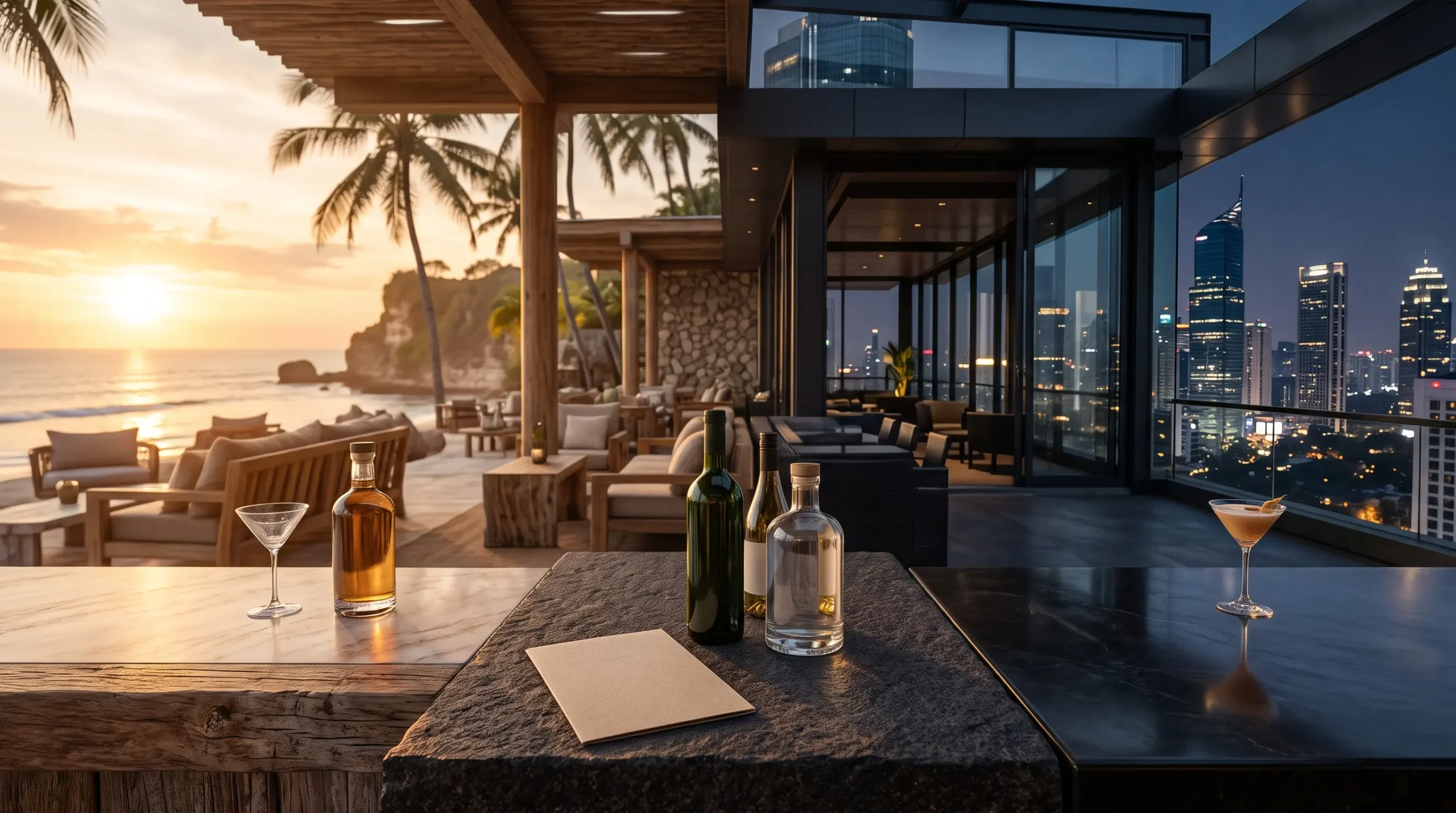
- Bars & Hotels: Ideal for exploring modern interpretations of local beverages. Many leading Bali beach clubs and bars now proudly create signature cocktails using legal Bali Arak alongside internationally standardized local spirits such as VIBE Liqueur & Spirits, offering a sophisticated nightlife experience while maintaining a connection to local identity.
Are Traditional Balinese Drinks Always Authentic?
The word “authentic” can have a broad interpretation. A beverage may have traditional roots while evolving over time.
For example, Loloh recipes may vary slightly between families or between regions such as Gianyar and Buleleng. Similarly, drinks served in the hospitality industry may be adjusted in terms of sweetness to better suit international visitors.
For this reason, experiencing local beverages is ultimately about appreciating the diversity of flavors and the cultural context in which each drink is served.
Tips for Trying Balinese Drinks Responsibly
For travelers interested in trying Balinese alcoholic drinks, keep the following points in mind:
- Make sure you meet the legal drinking age requirements in Indonesia.
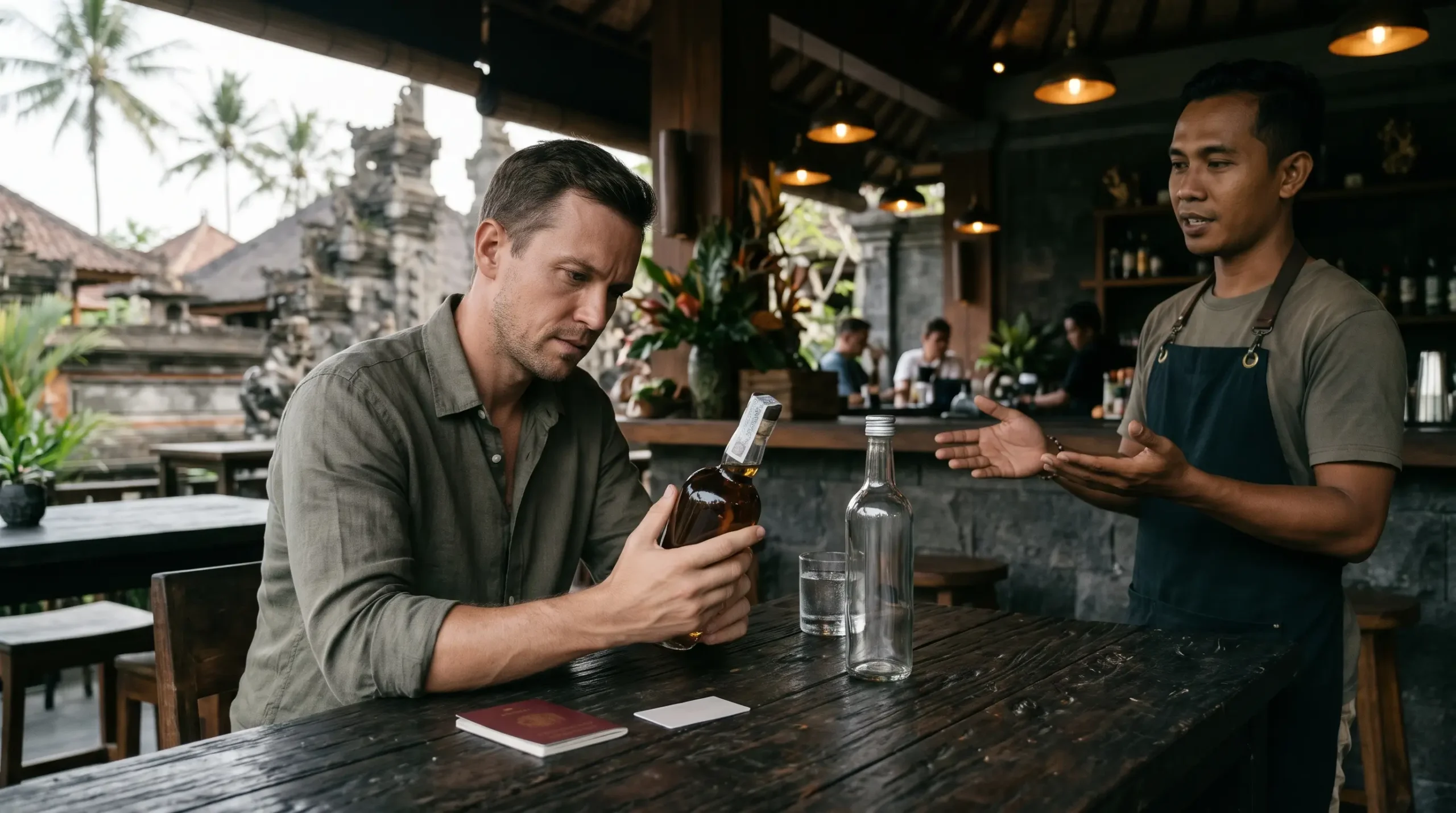
- Choose officially produced and legally distributed alcoholic beverages with an excise stamp to help ensure safety standards.
- Understand your body’s tolerance to alcohol, particularly when trying distilled spirits, which can have varying ABV (Alcohol by Volume) levels.
- Respect the local cultural context, especially when beverages are served during communal traditional events.
- Drink responsibly and never drive after consuming alcohol. Use public transportation or a taxi for safety.
Completing Your Flavor Adventure in Bali
Trying different local beverages is one of the best ways to explore the cultural heritage and natural resources of the Island of the Gods. From the refreshing Es Kuwut enjoyed by the beach and the distinctive flavor of Loloh Cemcem to the centuries-old traditions represented by Bali Arak and Brem, every sip can offer travelers a different story and experience.
For mixology enthusiasts or visitors interested in exploring the modern side of Indonesia’s beverage industry, enjoying a cocktail at a Bali bar or beach club offers another dimension of the experience. These creations have become increasingly sophisticated with the presence of Vibe Liqueur & Spirits.
As a proudly Indonesian local alcohol brand that has received various international awards, VIBE offers premium quality recognized on the global stage. With a wide range of flavors and different ABV levels, its products are highly versatile and ideal for creating a variety of favorite cocktail recipes during your Bali holiday.
To discover more about lifestyle experiences, recommendations for the most popular venues, cocktail recipes, and other unique insights, be sure to visit Wekendvibe.
The platform offers a complete guide to help make your holiday and flavor adventure in Bali even more memorable.
FAQ
1. What are some famous traditional Balinese drinks?
Some of the best-known traditional Balinese drinks include Es Daluman, Es Kuwut, and Loloh Cemcem in the non-alcoholic category, as well as Bali Arak and Bali Brem in the alcoholic category.
2. What traditional drinks in Bali are non-alcoholic?
Popular Bali non-alcoholic drinks include Es Daluman, made with green grass jelly, coconut milk, and palm sugar; Es Kuwut; and various types of Loloh, a traditional Balinese herbal drink.
3. What is Bali Arak?
Bali Arak is a traditional distilled spirit made from palm sap sourced from coconut, lontar, or sugar palm trees. It has deep cultural roots in Bali and has traditionally been used in various ceremonies.
4. What is Bali Brem?
Bali Brem is a traditional alcoholic beverage produced by fermenting black or white glutinous rice with yeast. It generally has a sweet and slightly sour flavor.
5. What Bali drinks are suitable for tourists?
For daytime refreshment, Es Kuwut and Es Daluman are excellent choices. For travelers looking to explore herbal flavors, Loloh Cemcem is an interesting option.
6. What is the difference between Bali Arak and Bali Brem?
The main difference is their production process and ingredients. Arak is made through distillation of palm sap and generally has a higher alcohol content, while Brem is produced by fermenting glutinous rice and has a sweeter, slightly richer flavor.
7. Is Es Kuwut a traditional Balinese drink?
Es Kuwut is strongly associated with Bali and is popular as a refreshing coconut- and citrus-based drink, although its ingredients can also be found in other tropical regions of Indonesia.
8. What is Loloh in Bali?
Loloh is a term for traditional Balinese herbal drinks made from local leaves and spices. One of the most popular varieties is Loloh Cemcem.
9. Where can I find traditional drinks in Bali?
Local beverages can be found at traditional markets, local food stalls, restaurants specializing in Balinese cuisine, as well as bars and hotels offering modern creations made with local ingredients.
10. What Bali traditional beverages should tourists try?
Travelers are highly encouraged to try Es Daluman, Es Kuwut, and Loloh Cemcem. Those interested in exploring Bali’s sophisticated nightlife can also try innovative cocktails made with legal Bali Arak at reputable bars and venues.