 Log in
 Register


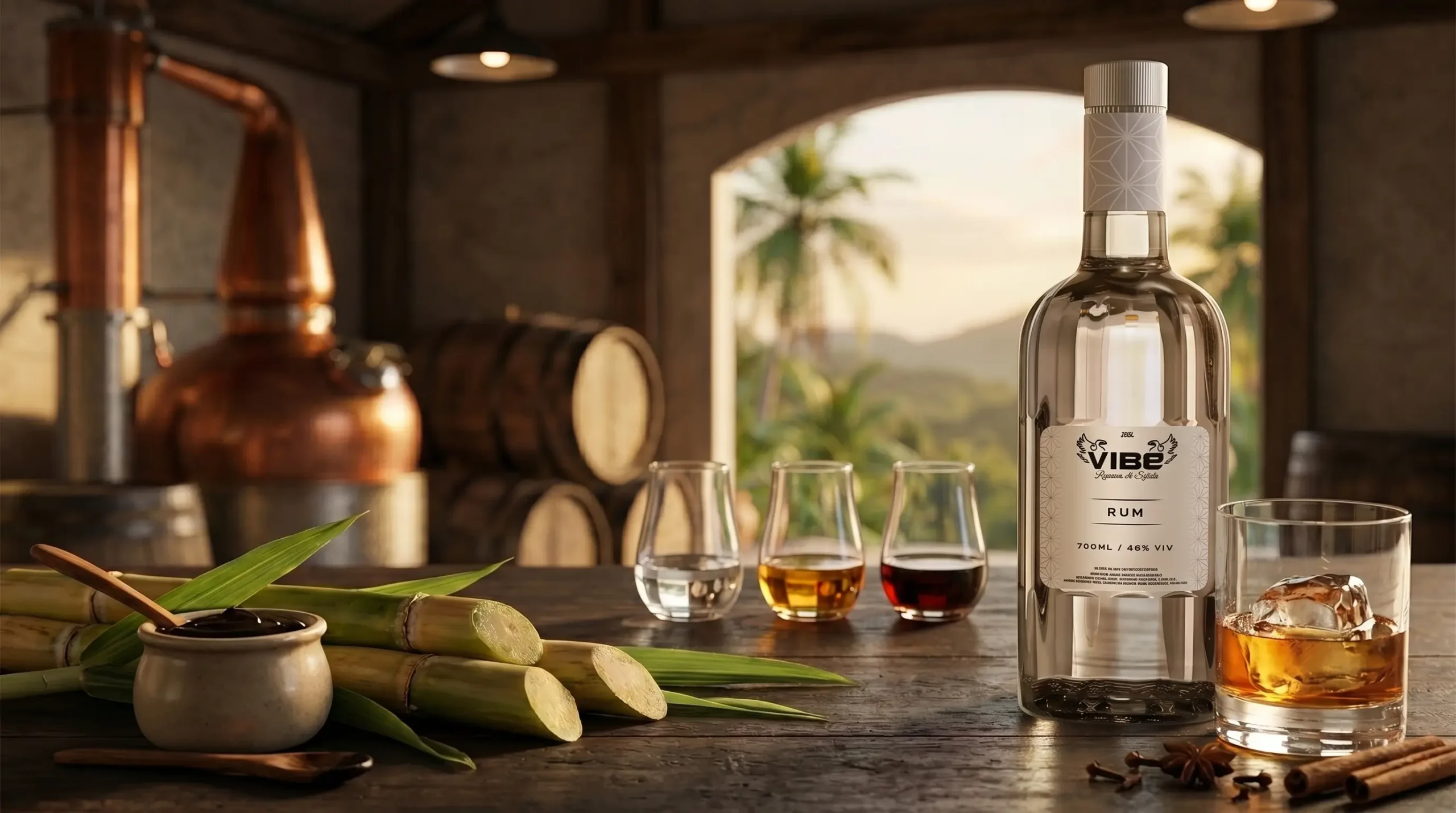
For those just starting to explore the world of beverages or mixology, the term rum is certainly familiar. However, a basic question often comes to mind: what exactly is rum? Where does it come from, what does it taste like, and what distinguishes it from other distilled spirits like whisky or vodka?
This article serves as a comprehensive guide for beginners to gain a deeper understanding of rum ranging from its definition, raw materials, and production process, to its various types and how to enjoy it responsibly.
What Is Rum?
Rum is a distilled alcoholic beverage (distilled spirit) made from sugarcane byproducts, such as molasses or pure sugarcane juice, that undergo fermentation and distillation. This spirit has a long history closely linked to the Caribbean and Latin America, and it is known for a versatile flavor profile ranging from sweet and caramelized to rich in spice and woody notes.
As one of the most versatile spirits categories in the world, rum possesses a broad spectrum of characteristics. Rums range from clear, colorless varieties (white rum) to deep, dark rums resulting from maturation in oak barrels. Variations in raw materials and production methods across different countries give rum a rich and unique flavor identity.
What Is Rum Made From?
Many people assume all types of rum are made in the exact same way. In reality, rum’s foundational character is heavily determined by the type of sugarcane-based raw material used by the producer:
- Molasses: A thick, dense byproduct obtained during the sugar extraction process. The majority of commercial rums in the world use molasses as their base, producing a rich flavor profile packed with caramel, vanilla, and toffee notes.
- Sugarcane Juice: Some producers particularly those following the Rhum Agricole style (a French tradition in Caribbean islands like Martinique) use freshly squeezed sugarcane juice that is directly fermented. This material yields a flavor profile that tends to be herbal, fresh, grassy, and slightly earthy/tart.
- Sugarcane Syrup: A concentrated sugarcane juice cooked down to reduce its water content. This ingredient provides a smoother, naturally sweet sugarcane taste.
The choice of raw material is precisely what makes rum from one region taste vastly different from rum produced in another.
A Brief History of Rum: From the Caribbean to the World
The history of rum is tightly intertwined with the expansion of sugarcane plantations in the Caribbean during the 17th century. Once plantation workers realized that molasses—a waste product of sugar processing could be fermented into alcohol, systematic rum production began. Historical records indicate that rum distillation first took off rapidly on the island of Barbados.
Over time, rum evolved from a drink favored by sailors and pirates into a highly valuable international trade commodity. The British Royal Navy even maintained a daily rum ration for its sailors from the mid-17th century until the tradition was officially ended in 1970 (known as Black Tot Day).
Today, rum is produced all across the globe from the Caribbean and Latin America to Asia and Europe each region featuring its own distinct local styles and regulations.
How Is Rum Made?
The rum-making process consists of several technical stages that shape the final product:
- Extraction of Raw Materials: Sugarcane is crushed to extract juice, or processed into sugar, leaving behind molasses.
- Fermentation: The raw material is mixed with water and yeast. The yeast consumes the sugars in the liquid, converting them into alcohol and aromatic compounds (esters).
- Distillation: The fermented liquid is heated in stills either pot stills (yielding heavier, more complex flavors) or column stills (producing lighter, purer spirits) to separate the alcohol from the water.
- Maturation (Aging): While some rum is bottled immediately, much of it is aged in oak barrels for months or years. Tropical climates trigger rapid aging (tropical aging), causing the rum to absorb woody characteristics more intensely.
- Blending: Master blenders combine various batches of rum to maintain flavor consistency across bottles.
- Filtration: Some aged rums are filtered through charcoal to remove any yellow or brown tint acquired during barrel aging, making them clear again without stripping away their smoothness.
Types of Rum and Their Characteristics
Rum classification is quite diverse because there is no single global regulatory body overseeing all producers. However, the industry generally divides rum into several major categories:
White Rum (Light Rum)
White rum features a clear, transparent color. It is typically distilled using column stills and stored in stainless steel tanks or barrels for a brief period before being charcoal-filtered. Its flavor profile tends to be light, subtly sweet, and neutral, making it the most popular base spirit for cocktails.
Golden Rum (Gold / Amber Rum)
Golden rum boasts a warm, amber hue. Its color and flavor stem from aging in oak barrels previously used for bourbon or sherry. Its flavor profile is richer than white rum, offering accents of vanilla, caramel, and smooth oak.
Dark Rum
Dark rum ranges from deep brown to nearly black. This color comes from extended maturation in charred oak barrels or the addition of a small amount of natural caramel for color consistency. It is very rich and full-bodied, dominated by notes of molasses, dried fruit, and smoky aromas.
Aged Rum
Aged rum refers to spirits that have spent many years maturing in wooden barrels. This term typically applies to premium-quality rums that emphasize complex flavors developed through long interactions between the spirit and the oak wood.
Spiced Rum
Spiced rum is infused with spices or botanicals such as cinnamon, anise, cloves, cardamom, and vanilla. It offers a warm, sweet, and aromatic taste profile.
Local Indonesian Rum: World-Class Local Quality
The growth of Indonesia’s spirits industry has introduced high-quality local rums produced using modern distillation standards. Indonesia holds immense potential for rum production due to its abundant supply of premium sugarcane.
A notable example of domestic rum worth considering is Vibe Rum by Vibe Liqueur & Spirits. Utilizing selected raw materials and proven distillation techniques, Vibe Rum delivers a balanced flavor profile and consistent character. Its quality has been recognized through international accolades:
- Ultimate Spirits Challenge (USC) 2020 in New York: Vibe Rum scored a high rating of 92 points.
- Asia International Spirits Competition 2019: Part of the Vibe Liqueur & Spirits portfolio that took home six awards and earned the title of Brand of The Year 2019.
The rise of award-winning local rum demonstrates that Indonesian products can compete globally, serving as an ideal choice for both crafted cocktails and neat sipping.
Key Differences: White, Golden, and Dark Rum
To help summarize the key distinctions among the three primary types of rum, refer to the table below:
| Rum Type | Visual Color | Primary Flavor Profile | Aging Impact | Best Uses |
| White Rum | Clear / Transparent | Light, clean, subtle sweetness | Minimal or filtered post-aging | Refreshing cocktails (Mojito, Daiquiri) |
| Golden Rum | Golden / Amber | Vanilla, caramel, toasted oak | Moderate (months to years) | Mixing, cocktails, or on the rocks |
| Dark Rum | Deep Dark Brown | Molasses, dried fruit, spices | Long or in charred barrels | Sipping, bold character cocktails |
Important Note: Color is not always the sole indicator of a rum’s age. Some clear rums may have been aged for several years before being charcoal-filtered, while dark rums can acquire a deep color from added natural caramel.
Flavor Profile of Rum
The flavor profile of rum is vast and varies depending on production methods. Common flavor notes found in rum include:
- Natural Sweetness: Caramel, toffee, butterscotch, and molasses.
- Wood & Spice: Vanilla, oak, cinnamon, and cloves.
- Fruity Notes: Ripe banana, pineapple, raisins, and dried fruits.
- Fresh & Herbal: Fresh sugarcane, cut grass, and citrus (particularly in Rhum Agricole).
Factors influencing flavor variations include fermentation length, yeast selection, still type, barrel type (e.g., ex-bourbon vs. ex-sherry), and the geographic location where the aging takes place.
Comparing Spirits: Rum vs. Whisky vs. Vodka
For beginners, distinguishing between different spirits categories can be confusing. Here is a quick comparison:
Rum vs. Whisky: What’s the Difference?
- Raw Materials: Rum is made from sugarcane or molasses, whereas whisky is made from cereal grains (barley, corn, wheat, or rye).
- Flavor Profile: Rum tends to feature natural, caramel/sugarcane-driven sweetness, while whisky highlights malty, grainy, smoky/peaty, and structured oak flavors.
- Production Regions: Rum is heavily tied to the tropical climates of the Caribbean and Latin America, whereas whisky has deep-rooted traditions in Scotland (Scotch), Ireland, and the United States (Bourbon).
Rum vs. Vodka: What’s the Difference?
- Ingredients & Flavor Intent: Vodka is distilled from starch-rich ingredients (potatoes, grains) with the goal of producing as neutral a spirit as possible without dominant flavors. Conversely, rum is crafted to retain the natural sweet characteristics and aromas of sugarcane.
- Usage: Vodka is often used as a neutral base when bartenders do not want to alter the flavor of other cocktail mixers, whereas rum introduces its own distinct sweet dimension to the drink.
How to Enjoy Rum
There is no single “right” way to drink rum. The best approach depends on the type of rum and your personal preference:
- Neat: Served straight at room temperature. Ideal for high-quality aged or dark rums so you can fully appreciate their aromatic complexity.
- On the Rocks: Poured over ice cubes. The ice chills the spirit and provides mild dilution, opening up hidden flavor layers.
- With a Mixer: Paired with soft drinks (such as cola, ginger beer, or club soda) and a squeeze of fresh lime juice.
- In Cocktails: Mixed with fresh juices, syrups, and bitters.
Beginner-Friendly Rum Cocktails
If you are trying rum for the first time, these classic cocktails are great starting points:
- Mojito: Combines white rum, fresh mint leaves, lime juice, sugar, and club soda. Why it works for beginners: It is incredibly refreshing, light, and balances the alcohol with a cool mint finish. (Internal Link: Mojito Recipe)
- Daiquiri: A timeless classic made with just three ingredients: white rum, fresh lime juice, and simple syrup. This drink highlights the natural character of rum in a balanced sweet-and-sour serve. (Internal Link: Daiquiri Recipe)
- Cuba Libre: A practical combination of rum (white or gold), cola, and fresh lime juice. Familiar and approachable for newcomer palates.
- Piña Colada: A blend of rum, pineapple juice, and coconut cream. Delivers a smooth, creamy texture rich in tropical flavor.
How to Choose Your First Rum
When selecting your first bottle of rum, align your choice with the flavor experience you want:
- For refreshing, light cocktails: Choose White Rum. It is highly versatile for blending with fruit juices or soda.
- For warm, sweet, spiced flavors: Choose Spiced Rum. Excellent paired with cola or ginger ale.
- For oak, vanilla, and smooth complexity: Choose Aged Rum or Golden Rum for slow sipping.
- Local Option with International Standards: For beginners looking to explore top-tier local offerings, consider the product line from Vibe Liqueur & Spirits. Distilled in Indonesia using modern methods, Vibe Rum delivers consistent quality proven by its 92-point rating at the 2020 Ultimate Spirits Challenge (USC) in New York.
Begin Your Adventure of Flavors and the Finest Rum Mixes
Understanding rum is the first step toward enjoying the rich world of spirits. From crisp white rums suited for cocktails to complex aged and spiced rums, this beverage category offers a vast landscape of flavors to discover.
For those eager to explore further, Vibe Liqueur & Spirits stands out as an Indonesian spirits producer with international accolades. Vibe offers various flavor profiles and ABVs, providing great versatility for both home cocktail recipes and professional serves.
Looking for new drink recipes or great local hangout spots? Visit the official wekendvibe website for venue recommendations, cocktail guides, and lifestyle content! Always enjoy your drinks mindfully and drink responsibly.