 Log in
 Register


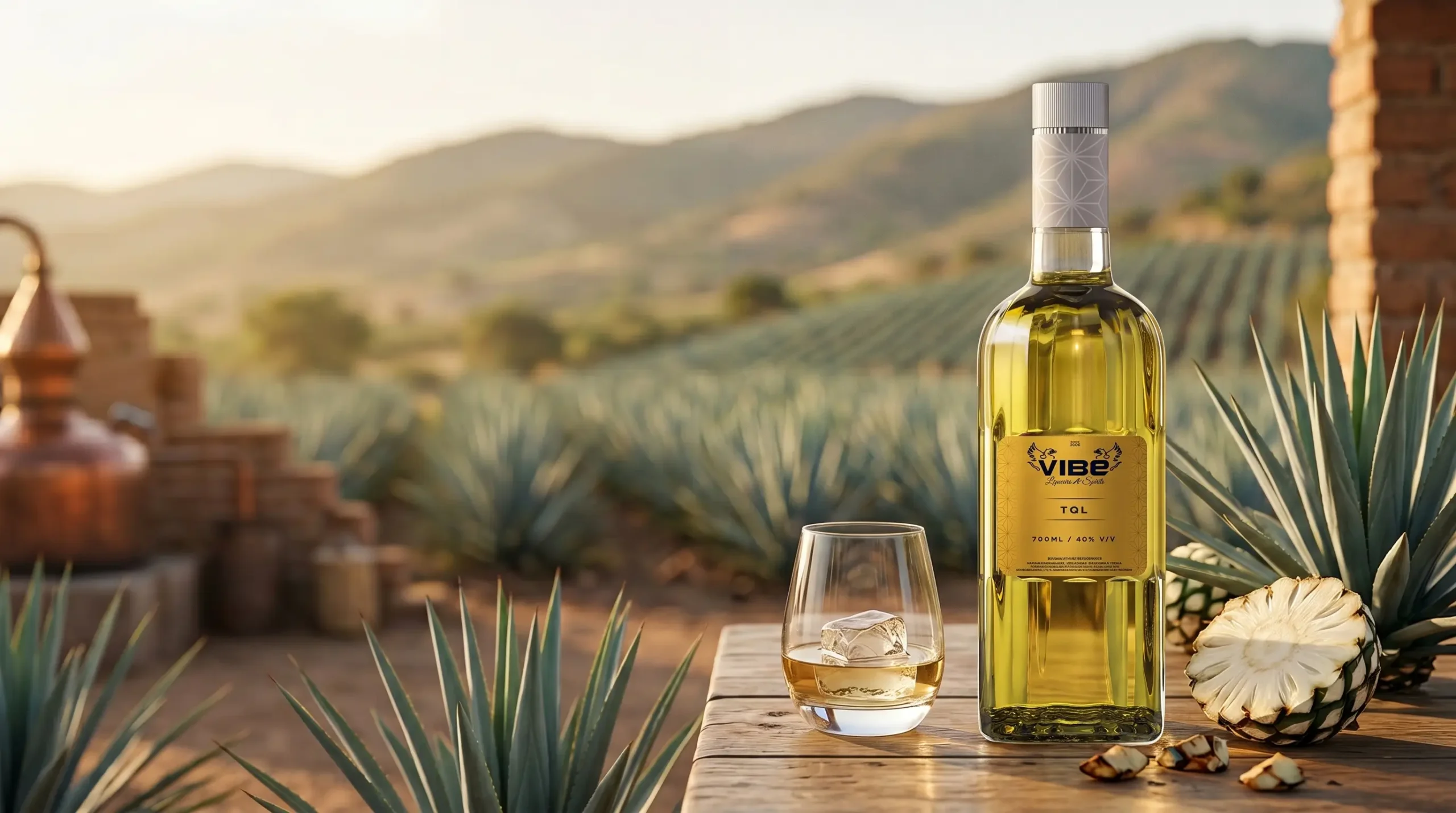
The world of spirits, or distilled alcoholic beverages, offers a diverse range of unique flavors from around the globe. One of the most iconic spirits with a global reputation is tequila. Unfortunately, many people know tequila merely as a shot drink gulped down quickly with salt and a lime slice during parties. In reality, tequila possesses a complexity of flavor, a long history, and strict production standards that place it on par with premium whisky or cognac.
For those who are just beginning to explore the world of spirits, this guide will thoroughly cover what tequila is, how it is made, its different types, and the best ways to enjoy it.
What Is Tequila?
Tequila is a traditional Mexican distilled alcoholic beverage made from a primary raw material: the Blue Weber Agave plant (Agave tequilana Weber var. Azul). Tequila is a product with a Protected Designation of Origin, meaning it can legally only be produced in specific regions of Mexico, with the vast majority of its production centered in the state of Jalisco.
Just as Champagne can only originate from the Champagne region in France, a spirit cannot be called tequila if it is produced outside the legal boundaries established by the Mexican government and regulated by the Consejo Regulador del Tequila (CRT).
What Is Tequila Made From?
Many people assume tequila is made from cacti, but this is a common myth. Tequila is made from a plant called Blue Weber Agave (Agave tequilana), a succulent species belonging to the Asparagaceae family.
The part of the agave plant used to make tequila is its core or main stem, which is large and round, resembling a giant pineapple. This core is called a piña. The piña is rich in starches that are later converted into fermentable sugars.
According to official Mexican regulations (NOM-006-SCFI-2012), tequila is categorized into two main groups based on the proportion of its raw ingredients:
- 100% Agave: A premium-quality tequila where all fermentable sugars come purely from the Blue Weber Agave.
- Tequila (Mixto): Tequila that uses at least 51% sugar derived from Blue Weber Agave, while the remaining balance (up to 49%) comes from other sugar sources, such as sugarcane or corn.
For beginners, it is highly recommended to always choose a bottle labeled 100% Agave to experience its authentic flavor profile and a smoother drinking experience.
A Brief History of Tequila
The history of tequila traces back to ancient Mesoamerican civilizations. The Aztecs had long consumed pulque, a fermented drink made from agave sap. When the Spanish arrived in Central America in the 16th century and ran out of their own brandy, they began applying distillation techniques to pulque, which eventually gave birth to a beverage called “agave wine”.
In the early 17th century, the first industrial-scale production of tequila began in the town of Tequila, in the state of Jalisco. The Cuervo family became the first to receive an official license from the King of Spain to produce tequila commercially in the late 18th century. Today, tequila has evolved into a globally recognized piece of Mexican cultural heritage.
How Is Tequila Made?
The process of making tequila requires years of time and meticulous precision. Here are the stages of tequila production, from the fields to the bottle:
- Cultivation and Harvesting (Jimado): The Blue Weber Agave plant takes approximately 6 to 10 years to reach optimal maturity. When ready for harvest, a traditional harvester called a jimador cuts away all the sharp agave leaves using a specialized tool called a coa, leaving behind only the core, or piña.
- Cooking the Agave: The piñas are cut into pieces and cooked to convert their complex starches into simple sugars (fructose and glucose). Traditional methods use brick ovens (hornos) for 24–48 hours, while modern methods utilize high-pressure steam autoclaves.
- Extraction: After being cooked and softened, the piñas are crushed to extract the sugary agave juice (aguamiel). Extraction can be done using a traditional stone wheel pulled by a machine or animal (tahona) or via a modern mechanical roller mill.
- Fermentation: The agave juice is mixed with water and yeast in wooden or stainless steel vats. Over several days, the yeast converts the sugars into alcohol, producing a low-proof alcoholic liquid called mosto.
- Distillation: The mosto then undergoes a distillation process at least twice using copper pot stills or column stills. The second distillation yields a clear, high-proof liquid ready for further processing.
- Aging (Maturation): Tequila can be bottled immediately in its pure form (blanco) or placed into oak barrels to undergo an aging process. The type of oak wood and the length of the aging period determine the tequila’s final color, aroma, and flavor profile.
- Bottling: Before bottling, the alcohol content of the tequila is adjusted—typically between 35% and 55% ABV, with a standard average of 38–40% ABV—using demineralized water. It then undergoes strict inspection by quality standard supervisors.
Types of Tequila
Based on the duration of the aging process in oak barrels, the official classification of tequila is divided into several categories:
Tequila Blanco
Also known as silver, plata, or white tequila. Blanco tequila is the purest expression of tequila. It is bottled immediately after distillation or stored in stainless steel tanks for less than 60 days. Its character is bright and crisp, dominated by pure agave flavors, citrus, and a subtle hint of pepper.
Tequila Reposado
Reposado translates to “rested”. Reposado tequila is aged in oak barrels for a minimum of 2 months up to a maximum of 1 year. This process imparts a soft golden hue and absorbs characteristics of wood, light vanilla, and touches of butterscotch without masking the core agave taste.
Tequila Añejo
Añejo translates to “aged” or “vintage”. Añejo tequila is matured in oak barrels with a maximum capacity of 600 liters for a minimum of 1 year up to 3 years. Its character is significantly more complex, displaying a dark amber color with a rich flavor profile containing caramel, chocolate, oak, and warm spices.
Tequila Extra Añejo
The newest official category, introduced in 2006. Extra Añejo tequila undergoes an aging process in oak barrels for more than 3 years. This category represents ultra-premium tequila with an exceptionally smooth texture, rich with aromas of aged wood, dried fruit, and an experience similar to fine, aged whisky.
Cristalino
Cristalino is primarily a marketing term rather than an official separate aging category defined by the CRT. A Cristalino is generally an Añejo or Extra Añejo tequila that has been filtered through charcoal to remove its color, rendering it crystal clear. The result is a tequila with the smooth texture and complex flavor profile of an aged tequila, but with the crisp, clear appearance of a Blanco.
Comparison of Blanco, Reposado, and Añejo Tequila
| Tequila Type | Aging Process | Flavor Profile | Aroma Profile | How to Enjoy | Best Suited For |
| Blanco | 0 – 2 months (no barrel aging) | Fresh agave, citrus, black pepper, herbal notes | Pure agave, fresh spices, lime | Cocktails (Margarita, Paloma), shots | Beginners who enjoy fresh, bright flavors |
| Reposado | 2 months – 1 year | Sweet agave, vanilla, subtle oak | Caramelized agave, light spice | Neat, on the rocks, premium cocktails | Beginners looking for a balanced flavor profile |
| Añejo | 1 year – 3 years | Caramel, chocolate, cinnamon, aged wood | Rich oak, deep vanilla, dried fruits | Sipping (neat in a snifter glass) | Whisky lovers or drinkers who enjoy complex spirits |
Tequila vs. Mezcal: What Is the Difference?
Questions often arise regarding the difference between tequila and mezcal. In short: all tequilas are mezcals, but not all mezcals are tequila. Mezcal is the broad category of Mexican agave distillates, whereas tequila is a specific type of mezcal governed by strict regulations.
Here are the primary differences between the two:
- Raw Ingredients: Tequila can only be made from one specific agave species: Blue Weber Agave. Mezcal can be produced from over 30 species of agave (such as Espadín, Tobalá, or Arroqueño).
- Production Region: Tequila production is concentrated in Jalisco and limited areas within 4 other states. Mezcal is produced primarily in Oaxaca and 8 other states.
- Cooking Method: Agave for tequila is typically steamed in ovens or autoclaves. Agave for mezcal is roasted in underground pit ovens lined with stones and wood fuel.
- Flavor Profile: Tequila features a fresh, sweet, herbal, citrusy, or woody profile. Mezcal carries a distinctively smoky flavor due to the traditional pit-roasting process.
- Distillation Method: Tequila uses industrial copper or column stills. Mezcal generally uses small-scale artisanal clay or copper pots.
How to Drink Tequila
Enjoying tequila doesn’t always have to mean taking quick shots with salt and lime slices. The right way to drink tequila depends on the variety and your personal preference.
- Neat: Drinking tequila straight at room temperature without ice or mixers. This method is highly recommended for Reposado, Añejo, and Extra Añejo varieties so you can fully appreciate their complex aromas and flavors.
- On the Rocks: Serving tequila over large ice cubes in a rocks glass. The ice slightly dilutes the alcohol and chills the liquid, offering a cooler, smoother drinking experience.
- Shot: The tradition of drinking Blanco or Mixto tequila quickly, followed by sucking on a lime wedge and a pinch of salt. While popular for party settings, it is less recommended if you wish to appreciate the nuanced aesthetics of a 100% Agave tequila.
- Cocktails: Blanco and Reposado tequilas serve as versatile bases for a variety of classic cocktails.
Tequila Cocktails for Beginners
If you aren’t accustomed to drinking spirits straight, enjoying tequila in a cocktail is a great starting point:
- Margarita: The most popular tequila cocktail in the world. A balanced combination of sweet, sour, and fresh elements using Blanco tequila, orange liqueur (triple sec), and fresh lime juice. (Read the full recipe in the [Internal Link: Margarita Recipe] article).
- Paloma: Mexico’s most popular serve, combining Blanco tequila, lime juice, and grapefruit soda. Very refreshing and easy to make.
- Tequila Sunrise: A vibrant mix of tequila, fresh orange juice, and grenadine syrup that creates a beautiful color gradient resembling a sunrise.
- Ranch Water: A simple, low-calorie Texas classic made with Blanco tequila, fresh lime juice, and sparkling mineral water.
How to Choose Tequila as a Beginner
When standing in front of a shelf at a liquor store or browsing a restaurant menu, the vast selection can be overwhelming. Use the following guide to help pick the right bottle:
- Look for the “100% De Agave” Label: Avoid bottles without this statement, as they are usually Mix to tequilas, which can cause a harsh burn down the throat.
- Determine Your Intent:
- For fresh, crisp cocktails (Margarita/Paloma): Choose Tequila Blanco.
- For relaxed sipping with a smooth, balanced flavor: Choose Tequila Reposado.
- For rich oak and caramel notes (similar to whisky): Choose Tequila Añejo.
- Check the NOM Number: Every authentic bottle of tequila features a 4-digit NOM (Norma Oficial Mexicana) number on its label. This number identifies the official distillery where it was produced.
- Consider Local Premium Blue Agave Options: For those who wish to enjoy the exotic flavor profile of agave without relying solely on imports, international-quality options from Indonesian local brands are well worth trying. A prominent producer, Vibe Liqueur & Spirits, offers signature variants such as Vibe Tequila and Vibe Blue Agave. Crafted to high quality standards with a 40% ABV, this spirit line is versatile enough to be enjoyed neat or as the foundation for various cocktail creations.
Start Your Tequila Journey
Tequila is a traditional Mexican spirit rich in history, crafted with high artistic craftsmanship from the Blue Weber Agave plant. From the crisp Blanco and balanced Reposado to the complex Añejo, each variety offers a unique flavor profile ready for beginners to explore.
For those looking to explore signature agave flavors, Vibe Liqueur & Spirits offers premium Vibe Tequila and Vibe Blue Agave options. As an Indonesian local alcohol brand, Vibe has proven its caliber by winning multiple highly reputable international awards (such as at the Ultimate Spirits Challenge and the Asia International Spirits Competition). Its diverse collection of flavor profiles and alcohol strengths offers great flexibility, whether sipped neat or used as the foundation for your favorite cocktail recipes.
Looking to discover more exciting drink mixes or find the perfect spot to unwind? Visit wekendvibe today for venue recommendations, cocktail recipe inspiration, and interesting news from the world of lifestyle and spirits! Always enjoy every drink wisely and responsibly.