 Log in
 Register


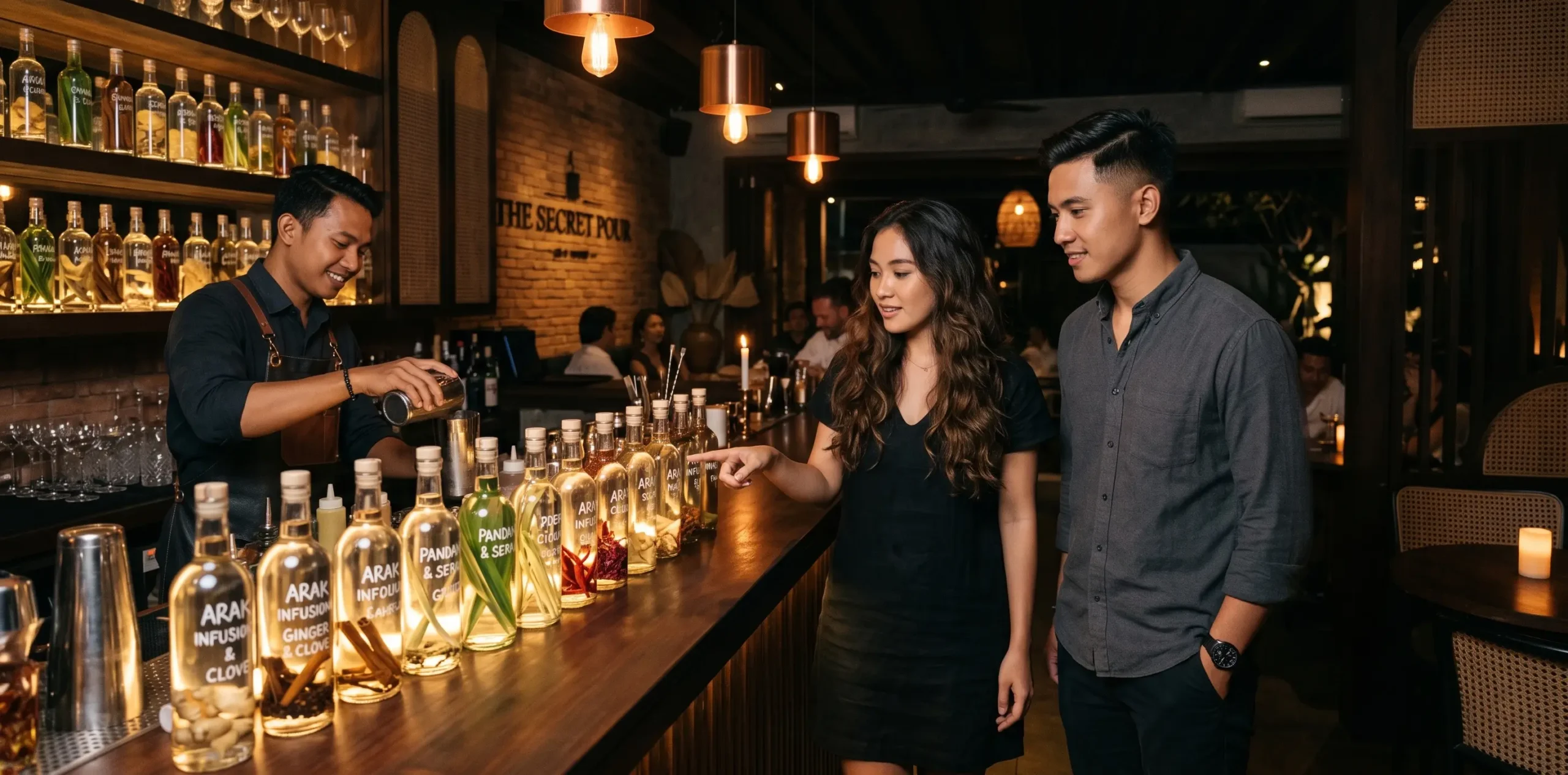
The world of modern mixology and bar culture has recently seen a remarkable revival of one of the most classic spirits in the world: gin. From high-end cocktail lounges to relaxing moments at home, this herbal-infused spirit is becoming increasingly popular for its versatile freshness. In fact, Indonesian local spirit producers are now joining the international stage with high-performing gin products.
However, when looking at the array of elegant bottles on a bar shelf, you might wonder: what actually is gin? Is gin the same as vodka? Why does it smell like pine trees? Let’s take an in-depth look at its definition, ingredients, rich history, varieties, and the best guide for beginners to enjoy gin.
What Is Gin?
Gin is a neutral distilled spirit that derives its primary flavor and aroma from botanical infusions, with juniper berries (Juniperus communis) legally required to be the most dominant flavor and aroma according to international regulatory standards.
In simple terms, gin production can be broken down into three main foundations:
- Neutral Base Spirit: Highly distilled pure alcohol made from grain or corn.
- Juniper Berry: The essential required ingredient that provides a fresh, piney aroma.
- Botanicals Selection: Herbs, flowers, and fruit peels that add flavor complexity.
Main Characteristics and Differences from Other Spirits
Unlike whisky or rum, which acquire their color, aroma, and complex flavors through aging in wooden casks, most gin is produced without aging, resulting in a clear, transparent appearance.
While vodka is designed to taste as simple and neutral as possible, gin is quite the opposite. Gin uses neutral spirit as a blank canvas, which is then painted with a variety of natural ingredients known as botanicals.
What Is Gin Made Of?
To understand what gin is made of, we need to divide it into two main components: base spirit and botanicals.
1. Neutral Base Spirit
The gin-making process begins with a neutral spirit—a high-purity alcohol (usually around 96% ABV before dilution) distilled from starch- or sugar-rich ingredients. Base ingredients include:
- Wheat: Provides a smooth and slightly sweet flavor character.
- Barley: Adds a heavier body or texture.
- Corn or Rye: Gives a subtle sweetness characteristic of corn, or a slightly spicy touch.
2. Juniper Berries: The Soul of Gin
Juniper berries are not actually true berries, but rather the seed cones of the Juniperus communis tree that resemble berries. This plant imparts a fresh, piney, slightly resinous, and earthy aroma. According to regulatory standards such as the European Union Spirit Drinks Regulations, a beverage cannot be called “gin” unless the juniper aroma and taste are predominant.
3. A Variety of Supporting Botanicals
Besides juniper, distillers add various combinations of dried botanicals, such as:
- Coriander Seed: Adds a hint of citrus and warm spice.
- Angelica Root: Delivers an earthy flavor element while acting as a scent fixative.
- Citrus Peel: Lemon, sweet orange, or bitter orange for freshness.
- Licorice Root, Orris Root, Cardamom, and Cinnamon.
How Is Gin Made? (The Distillation Process)
Crafting gin requires high precision through five main steps:
- Base Spirit Preparation: The distiller prepares a highly distilled neutral alcohol.
- Botanical Extraction: Done via maceration (steeping botanicals directly in a copper pot still) or vapor infusion (where alcohol vapor passes through a wire basket containing the botanicals).
- Redistillation: The aroma-rich alcohol vapor is condensed back into a pure liquid.
- Blending & Dilution: The distilled output is blended with demineralized water to adjust the alcohol content to bottle standards (generally 37.5% to 47% ABV).
- Bottling: The gin is ready to be bottled without undergoing an aging process.
The History of Gin: From Genever to the Craft Gin Movement
Genever: Gin’s Dutch Roots
The history of gin traces back to the 16th century in the Netherlands and Flanders (Belgium). Its predecessor was known as Genever (or Jenever), a malt wine-based spirit mixed with juniper oil to mask the harsh taste of alcohol and used as a herbal medicine for digestive and kidney ailments.
During the Eighty Years’ War, English soldiers fighting alongside Dutch forces noticed that consuming Genever before battle provided extra courage. This is where the popular phrase “Dutch Courage” originated.
Gin Arrives in England and the Gin Craze Era
When King William III (William of Orange) of the Netherlands ascended the English throne in 1689, he banned the import of foreign spirits like French brandy and granted English citizens the freedom to distill their own alcohol. This decision triggered a dark era known as the Gin Craze in early 18th-century London. Poor-quality gin was mass-produced at extremely low prices, leading to severe social issues among London’s lower class.
The Rise of London Dry Gin and the Modern Era
The British government subsequently passed the Gin Acts to strictly license production. In the 19th century, the invention of continuous distillation stills (column stills or Coffey stills) enabled distillers to create highly pure neutral spirits. This technical innovation gave birth to the elegant, clean, and consistent London Dry Gin style.
The Rise of Indonesian Local Gin
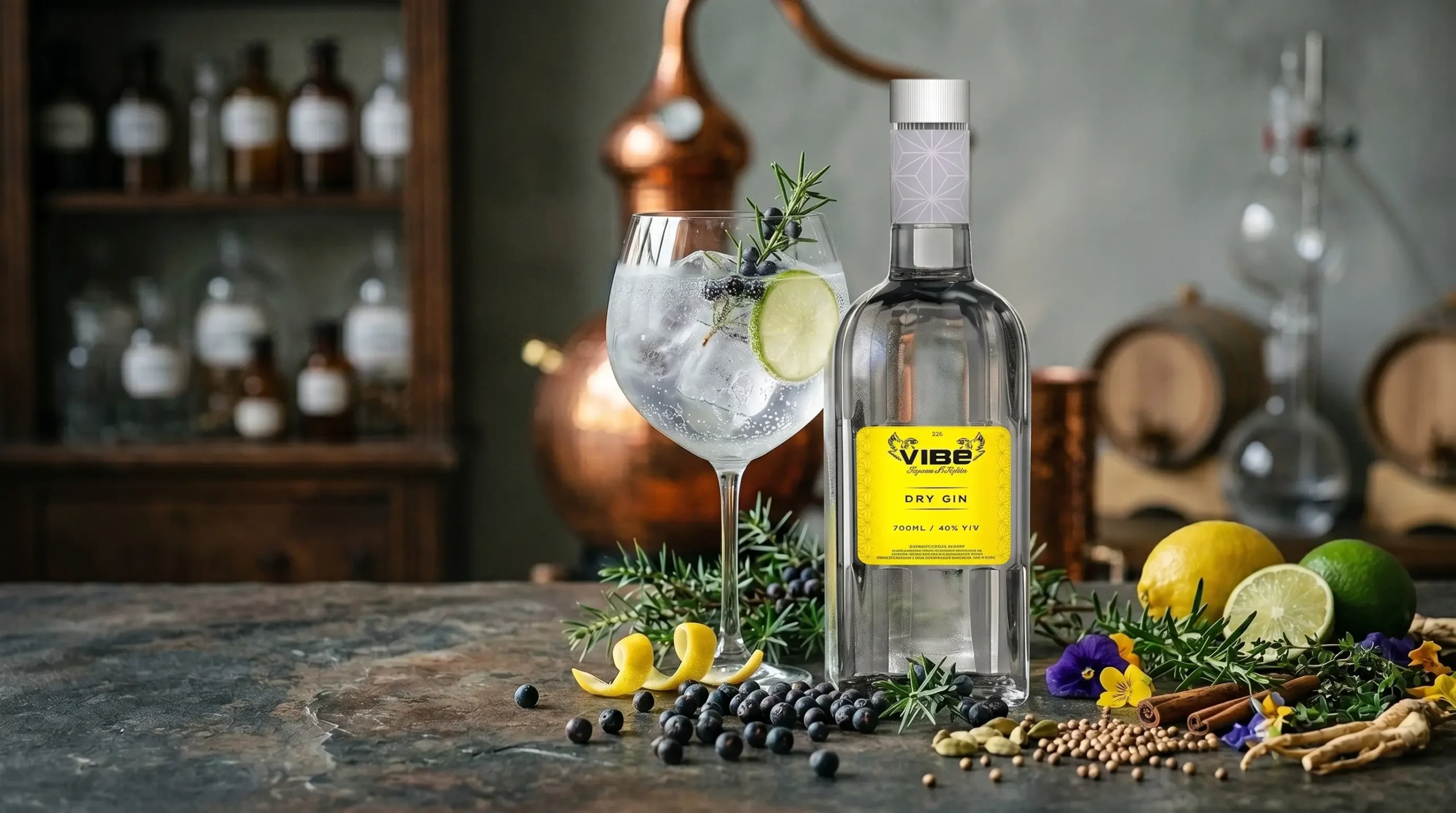
In the last decade, the Craft Gin Movement has swept not only Europe and America but also the Indonesian beverage industry. Leading local producers like Vibe Liqueur & Spirits have achieved global accolades with flagship products such as Vibe Dry Gin.
Developed with international distillation standards and a balanced botanical formulation, Vibe Dry Gin has proven the quality of the domestic spirits industry by winning various international awards, including the Ultimate Spirits Challenge (USC) 2020 and The World Gin Masters Asia 2019. It offers a high-quality, easily accessible gin option for domestic cocktail lovers.
Types of Gin You Should Know
Gin features several styles with distinct technical characteristics and flavor profiles:
1. London Dry Gin
The most popular style of gin worldwide. The term “London Dry” refers to the production method rather than a geographical location.
- Character & Regulations: All flavors must come from the redistillation of natural ingredients. No artificial flavorings or added sugar exceeding 0.1 grams per liter are allowed after distillation.
- Flavor Profile: Very dry, dominated by sharp juniper and fresh citrus hints.
- Examples & Cocktails: Vibe Dry Gin, Beefeater, Tanqueray. Perfect for a Dry Martini and Gin & Tonic.
2. Plymouth Gin
A gin style with a Protected Designation of Origin (PDO) that historically could only be produced in the city of Plymouth, England.
- Character: Slightly softer and sweeter than London Dry Gin.
- Flavor Profile: Has a stronger earthy element due to a higher proportion of roots.
- Cocktails: Gimlet, Negroni.
3. Old Tom Gin
A classic 18th-century style that bridges the gap between heavy Genever and dry London Dry.
- Character: Lightly sweetened (such as with sugar syrup) to soften the bite of the alcohol.
- Flavor Profile: Softer juniper flavor with a subtle sweetness.
- Cocktails: Tom Collins, Martinez.
4. Genever (Jenever)
The traditional spirit of the Netherlands and Belgium.
- Character: Uses malt wine as a base blend.
- Flavor Profile: Similar to a cross between unaged whisky and gin—full-bodied, with a strong malt flavor wrapped in herbal juniper aromas.
- How to Serve: Served neat and cold in a tulip-shaped glass.
5. Contemporary / New Western Dry Gin
A modern category arising from the craft distillery movement.
- Character: Softens the dominance of juniper to give center stage to other specific botanicals (such as flowers, fruits, or local spices).
- Flavor Profile: Highly variable (floral, citrusy, herbal, or spicy).
- Best For: Beginners who find pure juniper aroma too harsh.
6. Navy Strength Gin
Gin distilled to a very high alcohol content, at least 57% ABV (Alcohol by Volume).
- History: Historically carried by the British Royal Navy so that if spilled onto gunpowder, the powder would still ignite.
- Flavor Profile: Exceptionally bold, rich, and intense.
What Does Gin Taste Like?
For first-timers, the taste of gin can be described as a combination of several sensory elements:
- Piney & Resinous: The signature refreshing flavor of juniper, akin to the scent of pine trees.
- Citrusy: Fresh hints of lemon, lime, or orange peel.
- Spicy: A warm sensation from coriander seeds, cardamom, or cinnamon.
- Earthy & Herbal: Flavor elements from angelica root, licorice root, or coriander leaves.
- Floral: Floral notes such as rose, lavender, or elderflower in contemporary gins.
Differences Between Gin and Other Spirits
| Factor | Gin | Vodka | Rum | Whisky |
| Flavor Profile | Herbal, piney (juniper), fresh, citrusy | Neutral, smooth, clean | Sweet, caramel, molasses, spicy | Malty, woody, vanilla, smoky |
| Main Ingredient | Neutral alcohol + botanicals | Wheat, potatoes, or corn | Sugarcane or molasses | Fermented barley/grains |
| Aging Process | Generally unaged | Unaged | Aged in wooden casks | Aged (minimum 3 years in casks) |
| Color | Clear / Transparent | Clear / Transparent | Golden brown to dark | Golden brown / Amber |
| Signature Cocktails | Martini, Gin & Tonic | Moscow Mule, Bloody Mary | Mojito, Daiquiri | Old Fashioned, Manhattan |
How to Enjoy Gin for Beginners
There is no single absolute way to enjoy gin. You can try several practical techniques according to your taste:
1. Gin & Tonic
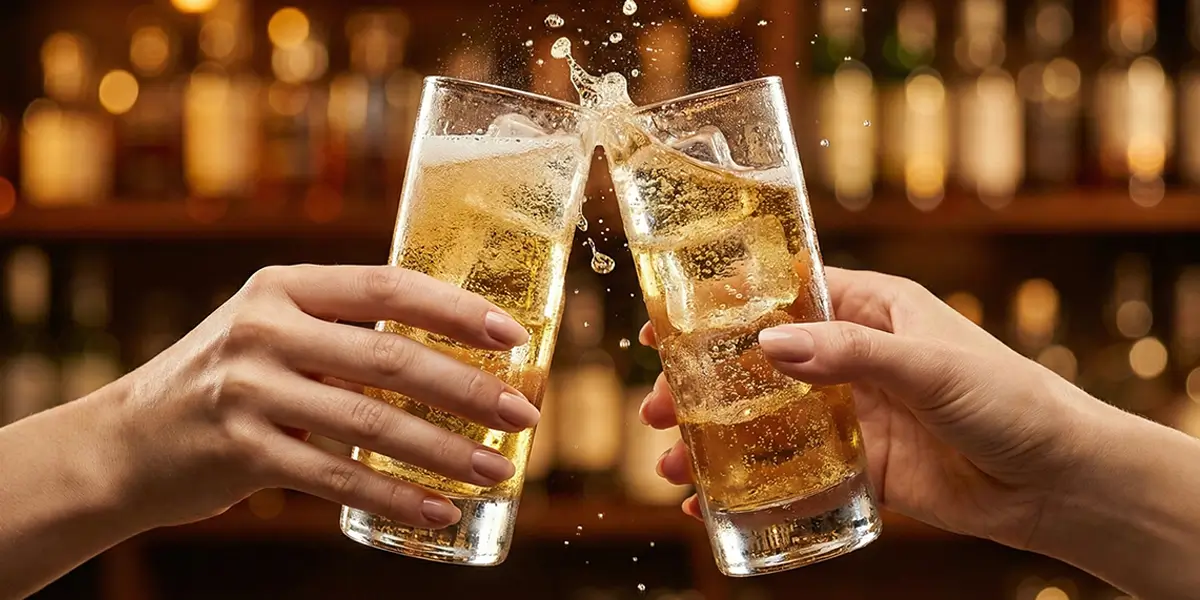
The most popular and beginner-friendly method. The natural bitterness of quinine in tonic water pairs perfectly with the piney aroma of juniper.
Tip: Use large ice cubes, combine 1 part gin (such as Vibe Dry Gin) with 2–3 parts tonic water, and garnish with a wedge of lime or lemon.
2. Gin Highball / Soda
If you dislike the bitterness of tonic water, mix gin with plain soda water and a squeeze of fresh lemon juice. This method highlights the authentic character of the botanicals without added sugar.
3. On the Rocks / Neat
Enjoying gin neat or over ice (on the rocks) is recommended for award-winning or craft gins that possess rich, complex aromas.
Popular Gin-Based Cocktails
- Gin & Tonic: The most versatile, crisp, bitter cocktail, exceptionally easy to make at home.
- Dry Martini: Made from a blend of London Dry Gin and Dry Vermouth, served chilled in a martini glass with an olive or lemon twist garnish.
- Negroni: A classic Italian cocktail made with equal parts (1:1:1) gin, Campari, and Sweet Vermouth, delivering a bittersweet profile.
- Tom Collins: A refreshing gin drink made with fresh lemon juice, sugar syrup, and soda water.
- Gimlet: A simple yet sharp combination of gin and fresh lime juice.
How to Choose Gin: Recommendations for Beginners
Selecting your first bottle of gin can be an enjoyable experience. Here is a guide based on flavor preferences and versatility:
- Prefer Classic, Dry, and Versatile Flavors?
Choose a London Dry Gin. For an internationally awarded option that is budget-friendly and easy to find in Indonesia, Vibe Dry Gin by VIBE Liqueur & Spirits is a top recommendation. This local gin offers a balanced juniper and citrus profile perfect for mixing a Gin & Tonic or classic cocktails. - Prefer Floral and Cucumber Aromas?
Choose a Contemporary Gin like Hendrick’s, which highlights rose florals and smooth cucumber. - Prefer Oriental Citrus Touches?
Choose a citrus-forward gin like Roku Gin, which uses seasonal Japanese botanicals such as yuzu peel and sakura tea.
How to Store Gin
Storing gin is simple because its high alcohol content prevents bacterial spoilage:
- Unopened Bottle: Store in a cool, dry place away from direct sunlight. Bottles can last for years.
- Opened Bottle: Store upright to prevent liquid from corroding the cap. Seal tightly after pouring. Peak flavor quality lasts about 1–2 years after opening.
- Storage Temperature: Gin does not need to be kept in the freezer, though chilling it in the refrigerator for a few hours before serving enhances its texture.
Boundless Flavor Exploration with VIBE Liqueur & Spirits
Understanding gin opens the door to a world of mixology rich in flavor, history, and creativity. From classic juniper pine aromas to modern botanical experimentation, gin proves to be one of the most dynamic spirits available for any occasion.
For those eager to explore high-quality spirits, look no further than domestic offerings. Vibe Liqueur & Spirits stands out as an Indonesian local brand crafted to international standards, having won multiple prestigious global awards. VIBE offers a wide array of options—from Vibe Rum, Vibe Dry Gin, Vodka, Tequila to various aromatic liqueurs with diverse ABV levels. These versatile offerings are ideal for casual drinking at home or creative mixology behind a professional bar.
Want to learn more about trending local venues, modern cocktail recipes, nightlife trends, and other unique insights? Visit wekendvibe for lifestyle guides, venue recommendations, and drink inspirations!
Responsible Drinking Note:
Enjoy alcoholic beverages responsibly. Ensure you are of legal drinking age (21+ in Indonesia) and never drive under the influence of alcohol.