 Log in
 Register


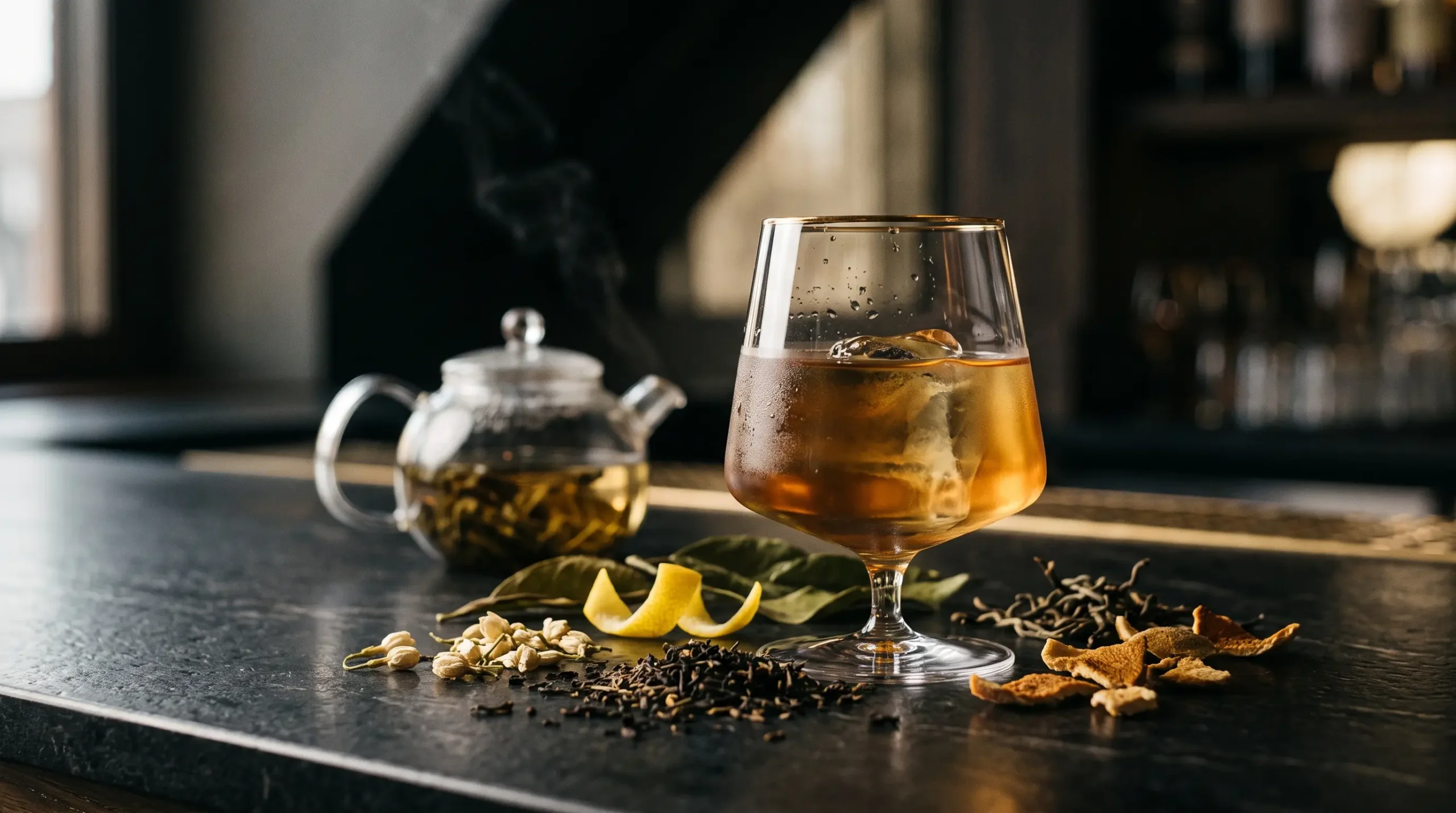
Not all adult consumers look for a dominant sweet or fruity flavor profile when enjoying their leisure time. For some women, the charm of an overly sweet drink actually masks the true character of the spirit itself and often leaves a cloying aftertaste. This is where tea-flavored alcohol comes in, offering a vastly different sensory dimension.
Tea leaves bring a very rich spectrum of flavors, ranging from herbal, earthy, floral, and roasted aromas to bitter and astringent touches. The presence of these botanical elements can provide depth without relying on syrup or sugar. This article will thoroughly dissect how tea transforms alcoholic beverages, creating a more elegant profile, as well as a guide to understanding it in the market.
Why Does Tea-Flavored Alcohol Appeal to Lovers of Drier Tastes?
Tea possesses botanical uniqueness that makes it a brilliant canvas in the world of mixology. Unlike artificial flavorings that focus on stimulating the sweet sensation at the tip of the tongue, tea works on a much broader spectrum. The polyphenol compounds in it provide a “backbone” to the drink, creating an astringent sensation that acts as a palate cleanser.
For consumers who prefer dry-profiled drinks where the perception of sweetness is very minimal, tea offers a sophisticated way out. Its character helps create highly complex, layered, and aromatic drinks. However, it is important to note from the start: the presence of a tea flavor does not automatically make a drink lower in calories or healthier, because the final sweetness level highly depends on the serving style and production method.
What is Meant by Tea-Flavored Alcohol?
In the beverage industry, this umbrella term encompasses several product categories with different manufacturing processes. Understanding these basic differences is crucial to knowing what is actually poured into the glass:
- Tea-infused alcohol / Tea-infused spirit: Pure liquor (such as vodka, gin, or rum) steeped with real tea leaves. This maceration process extracts the essential oils, color, and character of the tea directly without adding sugar.
- Tea cocktail: A drink mixed by a bartender or mixologist at a bar, using variations of fresh tea, botanical syrups, or infused spirits paired with other ingredients.
- Tea liqueur: An alcoholic beverage with tea flavoring whose legal production requires the addition of sugar in a certain percentage. This category is definitely sweet.
- Tea-flavored alcoholic beverage (RTD/Ready-to-Drink): Beverages in practical cans or bottles. It can be a light hard seltzer or a malt beverage, usually using tea extracts or concentrates.
What Makes Tea Flavors Different from Fruity Alcoholic Beverages?
To understand the fundamental differences, we need to dissect the sensory characters of their raw materials. Fresh fruits and tea leaves provide opposing flavor extractions when they meet alcohol.
Sensory Profile Comparison Table of Raw Materials: Tea vs. Fruit
| Sensory Aspect | Tea Extraction Character | Fruit Extraction Character |
| Aroma | Earthy, floral, roasted, herbal, woody. | Fruity, citrusy, tropical, berry-like. |
| Sweetness | Naturally very low to zero. | High, supported by the ingredient’s natural fructose. |
| Bitterness | Medium to high. | Low (except for the citrus family). |
| Acidity | Low to medium. | High (provides a tart sensation). |
| Tannin/Astringency | High (astringent texture in the mouth). | Very low. |
| Mouthfeel | Structured, crisp, sometimes drying. | Juicy, full, sometimes syrupy. |
| Aftertaste | Long, lingering, and clean. | Short, dominantly sweet and sour. |
| Aroma Complexity | Develops slowly, subtle. | Direct, sharp, and aggressive. |
Types of Tea That Can Be Used in Alcoholic Beverages
Each variety of Camellia sinensis offers a specific aromatic contribution when paired with alcohol:
- Black tea: Has a bold, malty, and strong character. Often paired with dark spirits like whisky because it can balance the woody profile from the barrel aging process.
- Green tea: Provides fresh, grassy, and vegetal nuances. Very suitable to meet clean-character spirits like vodka.
- Oolong tea: Sits between green and black tea. Its roasted and layered profile appears very elegant alongside botanical gin.
- White tea: Offers a delicate and soft touch. Usually paired with neutral alcohol so its aroma is not overshadowed.
- Jasmine tea: Famous for its sharp, exotic floral fragrance, very popular among Asian mixologists.
- Earl Grey: Black tea with bergamot oil infusion, presenting a distinct, fragrant citrus aroma.
- Matcha: Creamy-textured powdered green tea with a rich umami and bitter-sweet flavor.
Is Tea-Flavored Alcohol Always Unsweetened?
The firm answer is: not always. A bottle of tea-infused vodka indeed contains no sugar. However, many commercial products labeled tea-flavored on the market are concocted with sweeteners to balance the taste.
The term dry in this industry purely indicates the absence of sweetness perception on the tongue. Conversely, semi-sweet or sweet labels indicate a dominance of sugar. Meanwhile, the term bitter refers to the character of tea polyphenols, which uniquely can still be felt even if the drink has been given artificial sweeteners.
What Makes Tea-Flavored Drinks Feel “Drier”?
The term dry is not an indicator of alcohol content (ABV) nor a dietary claim, but rather a physical sensation in the mouth. The factors creating this “dry” illusion include:
- Tannins: Saliva-protein binding compounds that create an astringent texture, automatically cutting through thick sweetness.
- Bitterness: The bitterness of tea neutralizes the sweet receptors on the taste nerves.
- Acidity: A small squeeze of lemon in a tea cocktail provides an acidity that elevates crispness.
- Alcohol Perception: Without balancing sugar, the ethanol bite feels sharper on the palate.
- Carbonation: Soda bubbles act to sweep residual flavors off the tongue, ensuring a clean final sensation.
Tea Cocktail: When Tea Meets Spirit
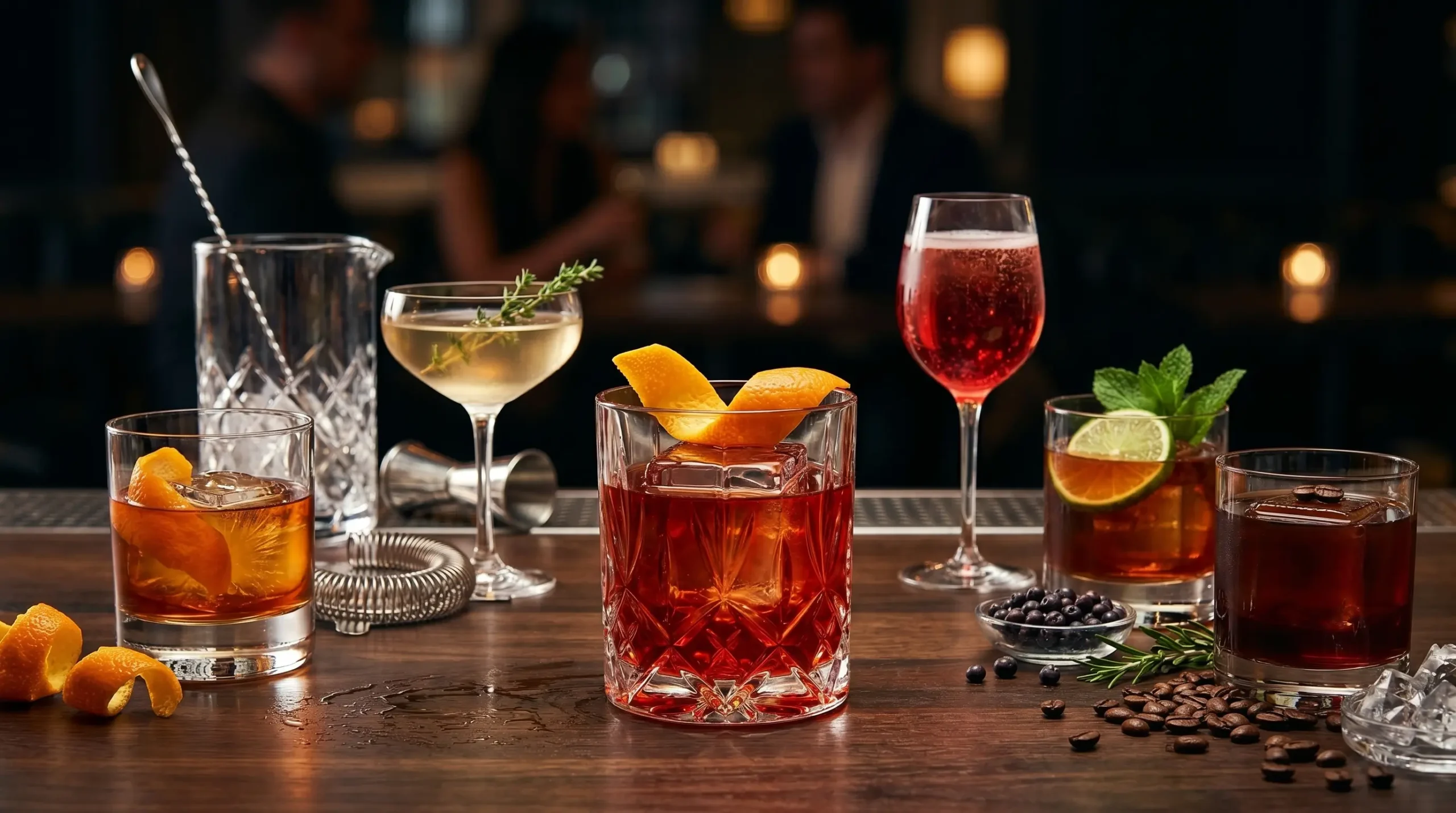
In the modern mixology scene, tea has leveled up to become a staple ingredient. Some classic flavor marriages often explored at the bar counter include:
- Black tea + Whisky: A bold harmony between tannins and vanilla/oak aromas.
- Green tea + Vodka: A clean and refreshing highball mix.
- Jasmine tea + Gin: The meeting of exotic jasmine and juniper berry aromas.
- Earl Grey + Gin: Strengthens the citrus profile with an aromatic finish.
When mixing or ordering, make sure to communicate “less sweet” instructions to the bartender so the flavor focus remains on the harmony of pure ingredients. This drink is best enjoyed with savory snacks to balance the light bitterness of the tea.
Tea-Flavored Alcohol vs. Fruit-Flavored Alcohol
Moving on from raw materials, how do these two categories compare when served as final beverage products? The following table makes navigation easier when choosing a menu at the bar or supermarket shelf:
Beverage Product Comparison Table: Tea vs. Fruit
| Beverage Characteristic | Tea-Flavored Alcohol Category | Fruit-Flavored Alcohol Category |
| Dominant Aroma | Dried leaves, botanicals, flowers, or wood. | Fruit extract, citrus peel, tropical sweetness. |
| Sweetness Perception | Tends to be low to moderate. | Tends to be moderate to very high. |
| Acid Bite | Mild (depending on citrus addition). | Sharp and dominant (tartness). |
| Astringent Sensation | Significant, provides a dry texture. | Very minimal, feels smoother. |
| Overall Impression | Adult, sophisticated, crisp, calming. | Playful, vibrant, sweet, refreshing. |
How to Choose Alcoholic Beverages with a Not-Too-Sweet Tea Profile
To avoid choosing wrongly, here is a guide to reading beverage specifications:
- Look for Sensory Keywords: Prioritize descriptions containing the words dry, crisp, herbal, earthy, or tannic. Avoid promotional jargon like luscious or candied.
- Identify Product Category: Steer clear of bottles labeled Liqueur if you are very anti-sugar, and look for terms like Infused Spirit or Botanical Spirit.
- Check Nutrition & Ingredients Panel: If buying canned formats (RTD), make sure there is no added high-fructose syrup or sucrose at the top of the composition list.
- ABV Correlation: RTD products with an Alcohol by Volume below 5% often use extra sugar as a flavor buffer, inversely proportional to pure ABV spirits (35%–40%).
Label regulation definitions can differ in each country, so meticulousness in reading the composition is always the safest step.
Is Tea-Flavored Alcohol Suitable for All Women?
It is important to dismantle conservative generalizations in the beverage industry. Although this article targets female readers—considering the frequent marketing stereotypes that always feed female consumers with brightly colored fruity drinks—taste preferences are absolutely individual.
Consumers who daily enjoy black coffee, unsweetened tea, or dark chocolate will certainly appreciate the complexity of earthy and tannic drinks. Conversely, this elegant character is also highly favored by the modern male demographic. Today’s industry is increasingly aware that the appreciation for quality botanical ingredients is no longer tied to traditional gender boundaries.
Tea-Based Beverage Trends and Their Development
The use of botanical ingredients in the liquor industry continues to record massive growth. The IWSR Drinks Market Analysis research report highlights a shift in global consumer interest towards less-sweet beverage alternatives with an emphasis on the authenticity of ingredients. Innovation in the super-premium spirits sector is currently heavily driven by tea and herbal maceration experimentation, which answers the market’s boredom with artificial flavoring syrups.
Tea-Flavored Alcohol in Indonesia
In Indonesia, appreciation for complex flavor exploration is growing rapidly alongside the speakeasy bar culture. Given the archipelago’s high tea-drinking culture, botanical innovations are now not only limited to local bartenders’ mixing creations, but have also been brilliantly executed at the premium mass-production level.
One innovative pioneer in this category is Vibe Liqueur & Spirits. Capturing the essence of selected tea leaves, they present Vibe Black Tea. This product is an authentic representation of how the structured character of black tea can be precisely extracted into a high-quality spirit. This quality not only dominates the domestic market but has also been proven by the success of winning various international awards affirming that local concoctions have undeniable global quality standards.
Exploring Mature Flavor Profiles with More Character
Tea-flavored alcohol clearly offers a completely new sensory dimension. Through a character spectrum that stretches from soft floral touches to dry tannic firmness, tea leaves are able to inject a depth of flavor that is impossible to achieve by ordinary sweeteners. Understanding ingredients, reading labels carefully, and knowing how to order are keys to enjoying this special category.
To begin a journey of exploration at your personal home bar, Vibe Liqueur & Spirits can be premium ammunition that is a must-have. As an Indonesian local alcohol that has won various international awards, VIBE presents the pride of quality in every pour. Available in various flavor variants with diverse alcohol contents, this collection provides a broad canvas to be executed into dozens of classy cocktail recipes.
Want to deepen your knowledge regarding modern mixology culture and lifestyle? Visit Wekendvibe to find the best venue reviews, curations of authentic cocktail recipes, and an array of other unique information specially designed to support a premium lifestyle. Enjoying alcoholic beverages is ultimately a celebration of appreciating botanical flavors and the courage to try new harmonies.
FAQ
1. What is tea-flavored alcohol?
Liquor, cocktails, or RTD products that incorporate tea elements through the steeping of real leaves (infusion), as well as the use of natural extracts and flavorings.
2. Is tea-flavored alcohol always sweet?
No. Tea-infused spirits are generally very dry, while certain tea liqueur or RTD categories often contain balancing sugar.
3. What types of tea are usually used in alcoholic beverages?
Black tea, green tea, oolong, white tea, jasmine tea, Earl Grey, and matcha, where each contributes a different aroma profile.
4. What is the difference between tea-infused spirit and tea liqueur?
An infused spirit is pure liquor (without sugar) steeped in tea leaves. A liqueur is a botanical alcohol that is regulatorily mixed with high amounts of sweeteners.
5. Is tea-flavored alcohol suitable for people who don’t like sweet drinks?
Very suitable. Consumers just need to choose products labeled purely infused or ask the bartender to mix a tea cocktail with instructions for no added syrup.
6. What does “dry” mean in alcoholic beverages?
Dry refers to the minimal perception of sweetness on the tongue when drunk, not indicating low calories, carbohydrates, or high alcohol content.
7. What is the difference between tea-flavored alcohol and fruit-flavored alcohol?
Tea alcohol is dominated by earthy, tannic, and floral characters with an astringent final sensation. Fruit alcohol highlights sweet, juicy, and sharp (tart) aromas more.