 Log in
 Register



Exploring a destination is never complete without experiencing its culinary culture, including the local beverage scene that defines the region’s identity. In Bali, this experience goes beyond simply enjoying tropical scenery; it is about savoring a cultural heritage passed down through generations. One of the most important elements of this heritage is Balinese arak, a traditional drink that is currently undergoing a major transformation within the modern hospitality scene.
For years, arak has been associated with traditional ceremonies and communal consumption among local communities. However, as cocktail culture has evolved, arak has begun to earn a special place behind the counters of prestigious bars. Bartenders and mixologists now see arak not merely as a local souvenir, but as a distinctive base spirit that can stand alongside imported spirits such as gin, rum, and tequila. Through a combination of modern techniques and a deep understanding of its raw ingredients, Balinese arak cocktails have emerged as a bridge between ancient traditions and contemporary mixology innovation.
Discovering Balinese Arak, a Traditional Drink Becoming Part of Cocktail Culture
Balinese arak is a traditionally distilled alcoholic beverage deeply rooted in the culture and spirituality of Bali’s Hindu community. Historically, this drink has been used in religious ceremonies (tetabuhan) to balance the elements of nature, as well as to warm the body in highland areas.
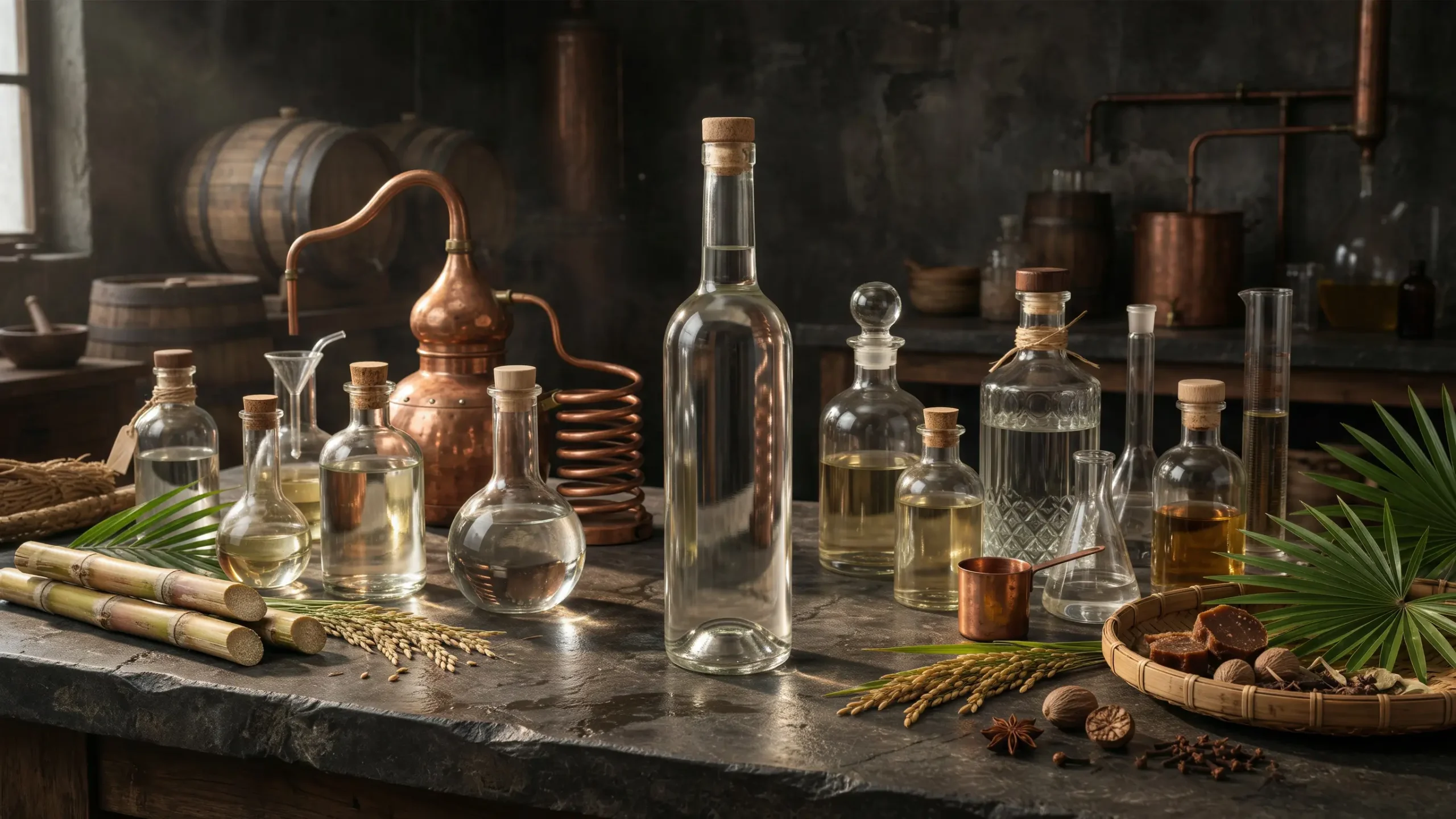
Technically, Balinese arak is produced through the fermentation and distillation of sap from palm trees. The most commonly used raw ingredients are coconut sap (Cocos nucifera), lontar palm sap (Borassus flabellifer), or sugar palm sap (Arenga pinnata). Arak’s flavor and aroma characteristics depend heavily on the type of sap used, the climate in which the trees grow, and the distillation methods applied by each producer (pengarakan).
As the beverage has evolved, the term “arak” has come to refer to a very broad range of products. Therefore, it is important to distinguish between traditional arak produced purely for communal ceremonial purposes and legally produced arak that has undergone standardization. The arak products now appearing in the cocktail culture of premium bars are legally produced, subject to strict quality control, and have consistent flavor profiles. This type of arak does not always have a harsh, burning taste; many varieties offer earthy aromas, slight sweetness, and funky or floral notes that make them particularly interesting for mixologists to explore.
Why Is Balinese Arak Used as a Cocktail Ingredient?
The decision to use Balinese arak as a cocktail ingredient is not merely a marketing strategy with a local twist. From an organoleptic perspective, arak has a unique profile that makes it highly functional behind the bar.
First, arak’s aromatic character provides an authentic local identity. Lontar-based arak often has subtle smoky and savory aromas, while coconut-based arak tends to be sweeter and creamier.
Second, arak interacts very well with tropical ingredients. As a base spirit, it can embrace acidic elements such as lime and calamansi, sweet elements such as palm sugar syrup and honey, as well as herbal elements such as basil, lemongrass, and pandan.
Unlike rum or tequila, which are subject to strict global classification rules, Balinese arak gives bartenders considerable room for experimentation with flavor structures without losing its local terroir. The bartender’s role is crucial here: their main task is to create balance so that arak’s high alcohol content does not overpower the delicate qualities of its accompanying ingredients.
Types of Arak-Based Cocktails Worth Exploring
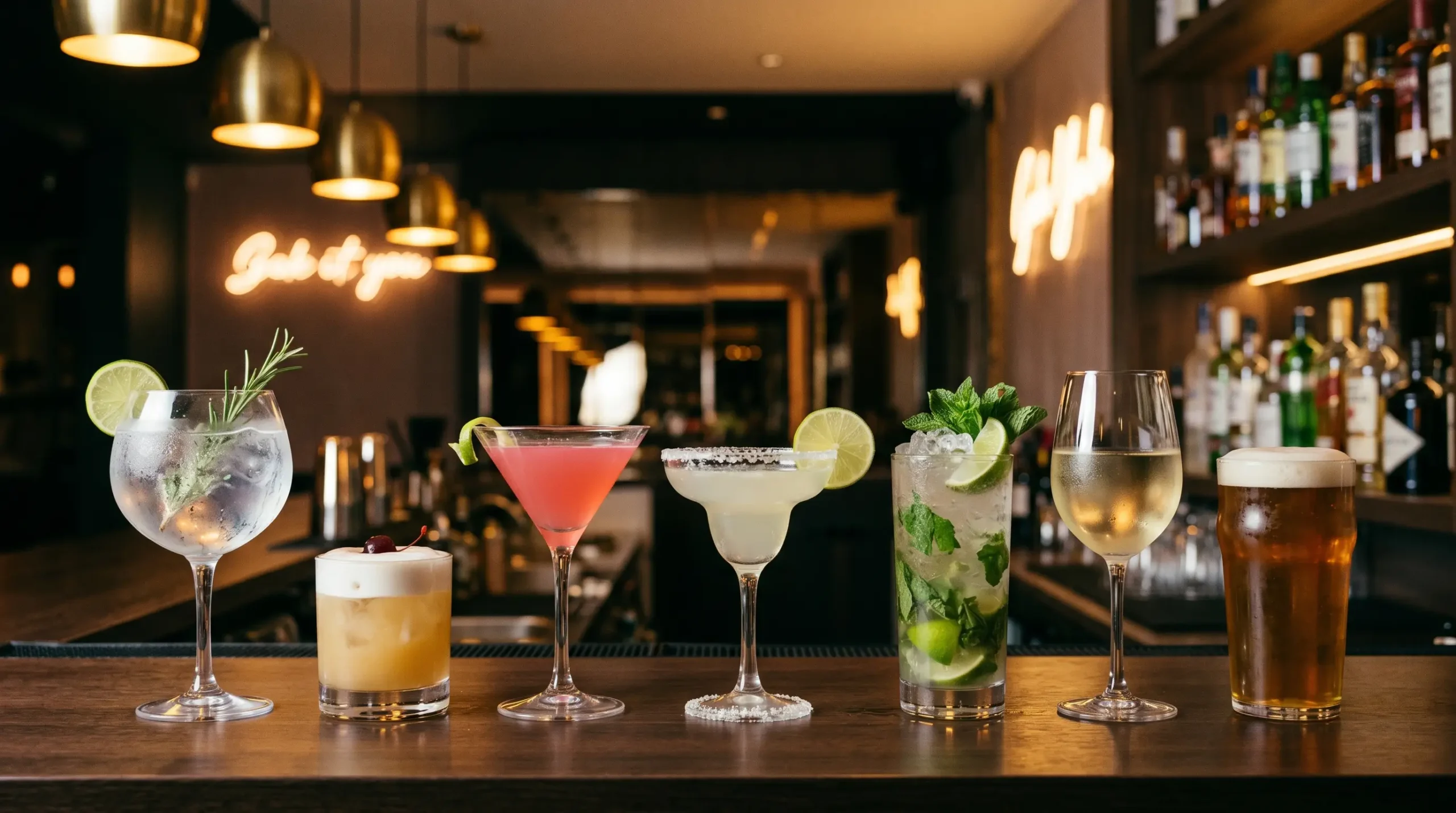
For visitors ordering an arak-based cocktail for the first time, a bar menu may seem intimidating. Conceptually, these innovative drinks can be divided into several approachable flavor-profile categories. It is important to note that the following list contains general concepts commonly created at bars, rather than trademarked drink names guaranteed to be available at every venue.
Arak Sour
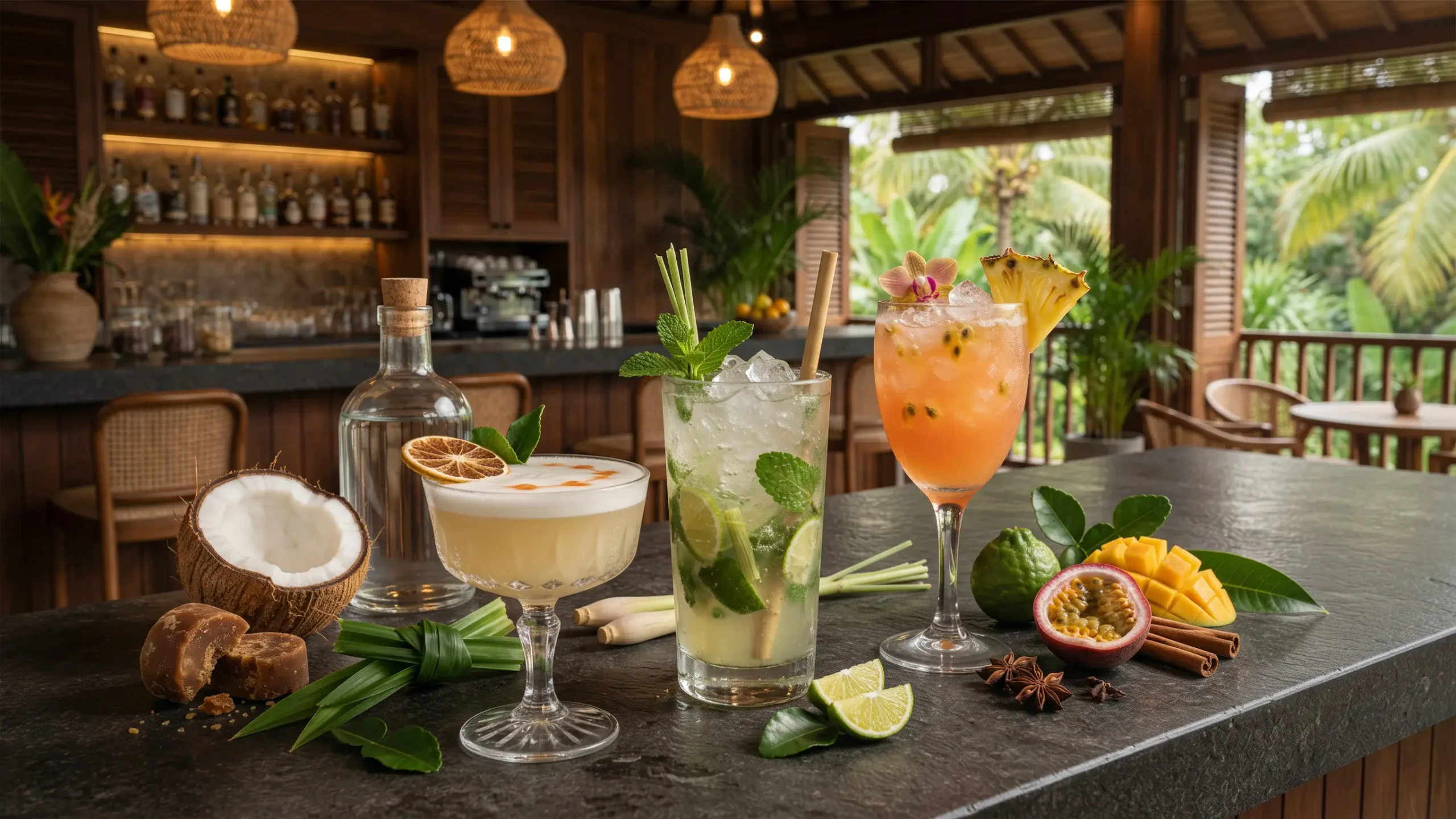
The sour cocktail concept is one of the main pillars of mixology, combining a base spirit, an acidic element (citrus), and a sweetener. In this local version, arak’s sharpness is softened with fresh local lime or calamansi juice, then balanced with Balinese honey or simple syrup. The result is a silky-textured drink with a sharp, refreshing flavor profile that highlights arak’s original character.
Arak Mojito-Inspired Cocktail
Although it does not use white rum like the classic Cuban recipe, the mojito-inspired approach is very popular when applied to arak. Arak’s herbaceous character blends perfectly with fresh mint leaves, lime juice, a little sugar, and sparkling water or soda. This drink is ideal for ordering while relaxing, offering a cooling sensation and refreshment with a moderate alcohol combination.
Tropical Arak Cocktail
Bali is known for its abundant tropical produce. Bartenders often use pineapple, passion fruit, mango, or soursop to complement arak. To create more complex and luxurious layers of flavor, these creations are frequently combined with additional liqueurs as modifiers. The use of locally produced liqueurs with export-quality standards and international awards, such as the product range from Vibe Liqueur & Spirits, is often a smart choice behind the bar. The combination of earthy arak as a base spirit with globally recognized modifiers such as Exotic Lychee or Peach Liqueur from VIBE can perfectly balance arak’s sharpness. From a sensory perspective, this tropical-style cocktail offers fruity and elegant layers of flavor at first, followed by arak’s distinctive sap-based aftertaste.
Arak Spritz
Light, carbonated, and refreshing, the spritz concept uses arak as its foundation, then lengthens the drink with soda, tonic water, or sparkling wine. It is important to understand that although spritz-style cocktails feel lighter and easy-drinking, the alcohol content of the base spirit remains present, so caution is still necessary when consuming them.
Signature Cocktails Made with Balinese Arak
This is the category in which bartenders demonstrate their highest level of technical expertise. Signature cocktails often involve advanced techniques such as fat-washing, clarification, or infusion using distinctive Indonesian spices such as cloves, cinnamon, nutmeg, or torch ginger flowers. Each bar usually has its own exclusive recipes, telling a cultural story through a glass of drinks.
What Makes Balinese Arak Cocktails Different from Other Cocktails?
The most fundamental difference lies in the identity of the local raw ingredients, or terroir. While European spirits are predominantly made from grains, potatoes, or grapes, Balinese arak carries the characteristics of tropical palm sap. Extracting sap from these trees gives the drink a flavor profile that is entirely different on the palate.
Furthermore, because the arak distillation industry in Bali still involves many artisanal producer communities using traditional techniques under legal production frameworks, each bottle of arak can sometimes carry a unique micro-batch character. Local bartenders’ interpretations of this ancestral drink also introduce a historical element. Many cocktails are inspired by collective cultural memories of traditional herbal drinks, rujak, or Balinese market snacks, which are then reimagined as beverages that meet international standards.
Bars in Bali Worth Visiting for Arak-Based Cocktails
For those who want to explore these creations firsthand, here are several prominent hospitality destinations in Bali known for their commitment to local spirits and their arak-based cocktails:
1. TELU Bar
- Location: Four Seasons Resort Bali at Jimbaran Bay, Jimbaran.
- Bar Character: A rustic, sustainable cocktail bar dedicated to zero-waste principles and local Balinese wisdom. The venue even has a dedicated area called the Arak Cellar for curating and aging traditional spirits.
- Menu/Cocktails: Quality legally produced arak takes center stage on the menu. Its signature creations are particularly adventurous, exploring ingredients such as snake fruit arak, strawberry-infused arak, and pandan arak combined with local dragon fruit jam.
- Why It Is Relevant: This bar is a perfect representation of environmentally conscious mixology luxury, demonstrating that Balinese arak can serve as the foundation for premium craft cocktails on par with international spirits.
- Website: fourseasons.com/jimbaranbay/dining/lounges/telu
2. The Night Rooster by Locavore
- Location: Ubud.
- Bar Character: An intimate cocktail bar with dim lighting, focusing entirely on seasonal ingredients sourced from Indonesia’s local produce.
- Menu/Cocktails: Regularly incorporates quality legally produced Balinese arak into its signature creations. Arak is often combined with homemade bitters or vermouth extracted from local botanicals.
- Why It Is Relevant: The team behind this bar has in-depth knowledge of Indonesian flora, ensuring that its arak cocktails are consistently innovative, layered, and inspired by Bali’s unique natural landscape.
- Website: locavorenxt.com/family/night-rooster
3. Mozaic Restaurant Gastronomique (Lounge)
- Location: Ubud.
- Bar Character: A lounge within a legendary fine-dining restaurant that emphasizes local gastronomic ingredients prepared using French techniques.
- Menu/Cocktails: Often serves welcome cocktails or beverage-pairing menus that incorporate elegant local spirits, including arak-based creations with tropical fruit and premium spices.
- Why It Is Relevant: Offers an arak-tasting experience with fine-dining service standards and a high level of mixology precision.
- Website: mozaic-bali.com
Note: Cocktail menus at premium bars often change seasonally. It is always advisable to ask the bartender directly about the latest arak creations currently available.
Tips for Identifying Arak-Based Cocktails When Ordering at a Bar
To make your experience exploring these local drinks more enjoyable, here are several things to look for when browsing a bar menu:
- Check the Base Spirit: Pay attention to the drink descriptions on the menu. A well-detailed menu will list “Balinese Arak” or a specific arak brand as the first ingredient.
- Ask About the Flavor Profile: Do not hesitate to discuss your preferences with the bartender. Find out whether the arak used has a sweet character, like coconut arak, or a drier, smokier profile, like lontar or sugar palm arak.
- Pay Attention to Alcohol Content: Drinks sweetened with fruit juice and liqueurs can sometimes mask the taste of alcohol. Make sure to ask how strong the cocktail is so that your consumption remains controlled.
- Explore the Accompanying Ingredients: Cocktails that combine arak with fresh local ingredients and premium liqueurs often provide a much more complex and balanced flavor experience.
What You Need to Know About the Safety and Legality of Balinese Arak
The most important aspects of consuming local alcoholic beverages are safety and legality. Although Balinese arak has a long history, modern regulations now distinguish between quality products and those that do not meet food safety standards.
It is essential to consume arak or arak-based cocktails only at reputable bars, restaurants, or hotels. These professional establishments use only legally produced beverages that are supervised by Indonesia’s National Agency of Drug and Food Control (BPOM) and carry official excise stamps issued by the Indonesian government. Legal production processes ensure precise distillation that separates harmful methanol from ethanol, making the beverage safe for consumption.
Avoid buying or consuming arak from unclear sources, products without official labels, or beverages offered outside official distribution channels. The health risks associated with adulterated alcohol or substandard products can be fatal. Always comply with Indonesia’s legal drinking age of 21 and practice responsible consumption.
Conclusion — Discovering Arak Cocktails as Part of Exploring Bali’s Local Drinks
The presence of Balinese arak in the premium bar scene proves that traditional ingredients can evolve elegantly into the modern world. From its sacred role in traditional ceremonies to becoming a central element in a cocktail shaker, arak offers a sensory experience deeply rooted in the land of the Indonesian archipelago. Various approaches, from sour-style cocktails and sophisticated tropical creations featuring quality liqueurs to elaborate signature cocktails, demonstrate bartenders’ deep appreciation for local wisdom.
Exploring arak-based cocktails is a cultural way to appreciate the stories, agricultural heritage, and dedication of artisans and mixologists in Bali. By always prioritizing legally produced products and choosing trusted bars, enjoying beverages made with local ingredients can add a new dimension to your travels on the Island of the Gods.
For readers who want to continue exploring cocktail culture trends, discover recommendations for the best bars, and stay updated with lifestyle insights about nightlife entertainment in Indonesia, visit the Wekendvibe portal. Discover more inspiration, destination guides, and exclusive features to enhance every weekend plan and special celebration.
FAQ (Frequently Asked Questions)
1. What is a Balinese arak cocktail? A Balinese arak cocktail is a mixed drink that uses arak—a traditional distilled beverage made from palm sap in Bali—as its alcoholic base (base spirit), combined with other ingredients such as fruit juice, syrup, or herbs.
2. Can Balinese arak be used as a cocktail ingredient? Yes. Balinese arak is ideal as a cocktail ingredient because its earthy flavor profile blends harmoniously with acidic, sweet, and tropical spice elements.
3. What is the difference between Balinese arak and other spirits? Balinese arak is fermented and distilled from palm tree sap, such as coconut, lontar, or sugar palm sap. This gives it a distinctive tropical aroma, unlike rum, which is made from sugarcane, or vodka, which is made from grains.
4. What cocktails can be made using Balinese arak? Arak can be used to create sour-style cocktails, Mojito-inspired variations, tropical fruit combinations, and signature cocktails featuring spice infusions created by bartenders.
5. Where can you find arak-based cocktails in Bali? Arak-based cocktails are often found at sustainable concept cocktail bars, fine-dining restaurants, and premium resorts in areas such as Jimbaran, Seminyak, Canggu, and Ubud.
6. Do all bars in Bali serve arak cocktails? No. Bars with a specific focus on imported spirits may not offer them. However, venues specializing in craft cocktails and supporting local spirits generally serve arak creations.
7. What ingredients are commonly paired with Balinese arak? Local ingredients such as lime, pure honey, pineapple, passion fruit, lemongrass, pandan, torch ginger flowers, and premium locally produced liqueurs are often used to balance arak’s character.
8. How can you tell whether a cocktail uses authentic Balinese arak? Check the description on the menu or ask the bartender directly about the specific legally produced arak brand used in the drink.
9. Is Balinese arak considered a traditional Indonesian beverage? Yes. Balinese arak is part of Indonesia’s intangible cultural heritage and is recognized as a traditional beverage with significant historical, social, and cultural value.