 Log in
 Register




Many people come across the terms liquor, liqueur, and spirits on bar menus, bottle labels, cocktail recipes, or alcohol websites, but assume that all three mean the same thing. The similarity in spelling, especially between liquor and liqueur, often creates even more confusion for beginners who want to understand the world of alcoholic beverages.
So, what is the difference between liquor, liqueur, and spirits? In simple terms, spirits refer to alcoholic beverages produced through distillation. Liquor is commonly used as a general term for distilled alcoholic beverages or spirits, especially in everyday conversation. Meanwhile, liqueur is a spirit-based alcoholic beverage that typically contains added sugar or sweeteners, as well as flavorings such as fruit, spices, herbs, or coffee.
Understanding the difference between these three terms can be very helpful when reading recipes, shopping for drinks, or ordering at a bar. Let’s take a closer look at each term to make the differences between liquor, liqueur, and spirits clearer.
What Are Spirits?
Spirits are alcoholic beverages produced through a process called distillation. Before distillation, raw ingredients containing sugar or starch must first undergo fermentation to produce alcohol.
The distillation process then separates the alcohol from water and other components. Through heating and distillation, the resulting liquid has a much higher and more concentrated alcohol content. This distilled beverage is technically referred to as a spirit.
In general, spirits do not contain added sugar after the distillation process is complete. The flavor of a pure spirit comes from its fermented base ingredients, such as grains, fruit, or sugarcane, as well as from the aging process in wooden barrels.
Some common examples of spirits include vodka, gin, rum, whisky/whiskey, tequila, and brandy. In the world of mixology, spirits play a very important role. They almost always serve as the base spirit, or the primary foundation of a cocktail, providing its structure and alcoholic strength. The character of each type of spirit is strongly influenced by its raw ingredients, fermentation method, distillation technique, and aging period.
What Is Liquor?
So, what exactly is liquor? In practice, liquor is a term that is often used interchangeably with spirit. The word is particularly common in North America, where it is generally used to refer to distilled alcoholic beverages.
The term hard liquor is often used to distinguish distilled beverages, such as vodka or whisky, from alcoholic beverages produced through fermentation without distillation, such as beer and wine. Therefore, all spirits are essentially liquor.
The use of the term liquor is widespread in everyday conversation, as well as in the hospitality, restaurant, and bar industries. Stores that sell distilled alcoholic beverages are commonly referred to as liquor stores.
It is important to note that liquor and spirit often refer to the same or highly overlapping categories of beverages. The difference between liquor and spirits is not always a matter of two completely separate product categories. Instead, it is often a matter of terminology and local usage.
What Is Liqueur?
Liqueur is a type of alcoholic beverage that uses a spirit as its base but contains added sugar or sweeteners, as well as flavorings. This addition of sweeteners and flavoring is what distinguishes liqueur from a pure spirit.
As a general characteristic, liqueurs have a much sweeter flavor profile and often have a thicker, syrup-like texture. The types of flavorings used in liqueurs vary widely. Producers may add natural extracts or artificial flavorings to the base spirit.
Because of their sweetness and strong flavor profiles, liqueurs are rarely consumed in large quantities on their own. They are more commonly enjoyed as a digestif, served neat or over ice, or used as a flavoring component in cocktails.
The Difference Between Liquor, Liqueur, and Spirits
To make the differences easier to understand, the following table summarizes the key distinctions between the three terms.
| Aspect | Spirit | Liquor | Liqueur |
| Definition | A distilled alcoholic beverage in its relatively pure form. | A general or umbrella term often referring to distilled spirits. | A spirit-based beverage with added sweeteners and flavorings. |
| Main process | Fermentation followed by distillation. | Distillation, just like spirits. | Mixing a spirit with sugar and flavoring ingredients such as fruit, coffee, and others. |
| Sugar/sweetener | Generally no added sugar after distillation. | Generally no added sugar after distillation. | Contains added sugar or sweeteners as required by applicable regulations. |
| Additional flavor | Comes from the base ingredients and aging process. | Comes from the base ingredients and aging process. | Flavorings are specifically added, such as coffee, herbs, or fruit. |
| Flavor profile | Strong, dry, and not sweet, highlighting the character of the base ingredients. | Similar to spirits: strong and generally dry. | Sweet, rich, often syrupy, with a distinct flavor profile. |
| Examples | Vodka, gin, rum, tequila, whisky, brandy. | Vodka, gin, rum, tequila, whisky, brandy. | Triple sec, coffee liqueur, cream liqueur, amaretto. |
| Uses | Consumed neat, on the rocks, or as a cocktail base. | Used in the same ways as spirits. | Consumed as a digestif or used to add flavor to cocktails. |
Based on the table above, the main difference between liquor and liqueur lies in their sugar content and primary function. Liquor refers to a strong distilled alcoholic beverage, while liqueur refers to a sweetened beverage that uses liquor or spirits as its base.
Are Liquor and Spirits the Same?
In many modern conversational contexts, the answer is yes. Liquor is commonly used as a general term for distilled alcoholic beverages, so its meaning often overlaps with spirits.
However, terminology can vary depending on the country, industry culture, and legal regulations. In the United States, the term liquor or hard liquor is more commonly used by the general public. In contrast, the term spirit or spirits is more widely used in Europe and the United Kingdom, both in everyday conversation and in legal documents.
Technically and academically, particularly in the world of mixology, the term spirit is considered more precise when describing a distilled alcoholic liquid. Nevertheless, using liquor and spirit interchangeably in casual conversation is not necessarily incorrect.
Is Liqueur a Spirit?
The relationship between the two can be explained simply: liqueur is derived from spirits. Liqueur cannot be made without a spirit as its base.
The production of liqueur always begins with a spirit, such as rum, vodka, brandy, or another neutral spirit, as the base liquid. Producers then add sweeteners and extract flavors into the spirit.
From a regulatory perspective, some countries classify liqueurs as a separate category because of their sugar content. For example, European Union regulations establish a minimum sugar content, generally around 100 grams per liter, for an alcoholic beverage to be officially classified and labeled as a liqueur.
Common Types of Spirits
To better understand spirits or hard liquor, let’s look at some of the main categories commonly found on the market.
Vodka
Vodka is one of the most neutral spirits. Traditionally, it is made from grains such as wheat or rye, as well as potatoes. The distillation process may be carried out multiple times to produce a clear, colorless liquid with a clean character and minimal aroma. In Indonesia, alongside global brands, local brands such as Vibe Liqueur & Spirits also produce pure spirits such as VIBE Vodka, which is commonly used as a cocktail base in various bars.
Gin
Gin is a clear spirit that shares similarities with vodka during the early stages of production. However, gin is distilled with botanicals, with juniper berries serving as the defining botanical flavor required by law.
Rum
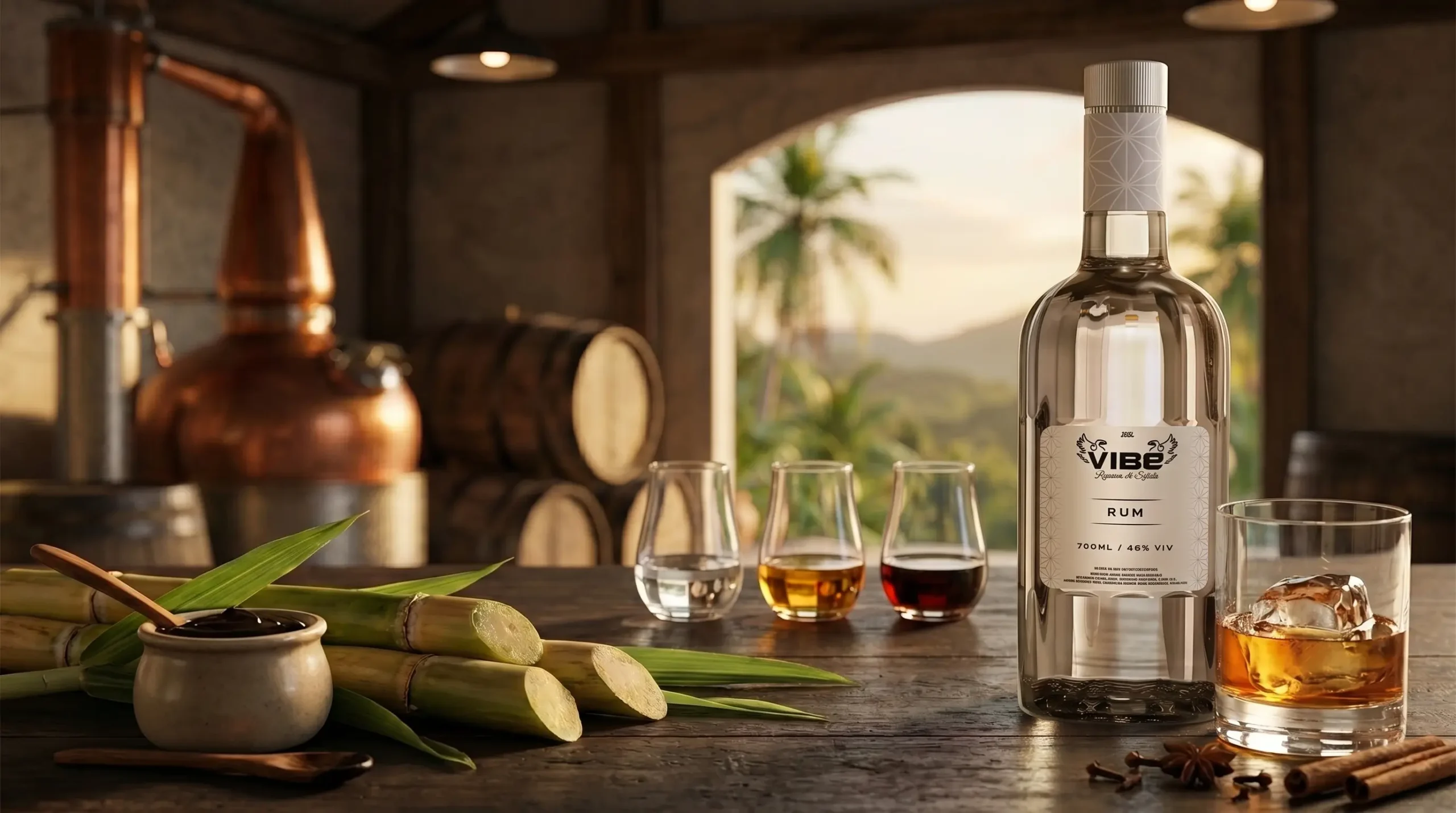
Rum is a spirit made from sugarcane-derived products, usually molasses or fresh sugarcane juice. Rum can range from white rum, which is clear and typically not extensively aged, to dark rum, which is aged for longer periods in wooden barrels. Products such as VIBE Rum are examples of white rum commonly used in tropical mixed drinks.
Whisky/Whiskey
Whisky, or whiskey, is a spirit made from fermented grain mash, such as barley, corn, rye, or wheat. Its distinctive character comes from aging in oak barrels, which gives it a golden-brown color and rich woody aromas.
Tequila
Tequila is a specific type of spirit fermented and distilled from the blue agave plant. Under regulations, authentic tequila can only be produced in designated regions of Mexico. Its flavor profile is distinctive, often featuring vegetal, earthy, and citrus notes.
Brandy
Brandy is a spirit produced by distilling fermented fruit wine. Most brandy is made from grapes, but brandy can also be produced from apples, pears, or other fruits.
Popular Types of Liqueurs
As beverages that rely heavily on flavor innovation, liqueurs come in a wide variety of styles. Many alcoholic beverage producers, including local Indonesian brands, offer diverse liqueur ranges. Here are some popular categories of flavored liqueurs:
- Fruit liqueur: Liqueurs with sweet and refreshing fruit flavors. Examples commonly found in the local market include VIBE Peach and VIBE Lychee.
- Citrus liqueur: Made using citrus peel extracts, such as triple sec and Blue Curaçao.
- Coffee liqueur: Liqueurs featuring roasted coffee flavors, often combined with vanilla. A popular alternative example is VIBE Coffee.
- Cream liqueur: Liqueurs that combine a spirit, such as Irish whiskey, with dairy products or cream.
- Herbal liqueur: Liqueurs made using secret recipes featuring dozens of spices, roots, and botanical ingredients.
- Nut liqueur: Liqueurs that emphasize nut flavors, such as almond or hazelnut extracts.
- Tea liqueur: Liqueurs made using extracted tea leaves, such as VIBE Black Tea, which is often used in modern cocktail variations.
All of these liqueur varieties add sweetness and distinctive flavor profiles that are not typically found in pure spirits.
How Are Spirits and Liqueurs Used in Cocktails?
In the art of mixology, understanding the difference between liquor, liqueur, and spirits can have a major impact on the structure of a cocktail. A classic cocktail formula often follows a basic sequence:
Base spirit → modifier (often a liqueur) → mixer → garnish
The spirit provides the structure, foundation, and primary alcoholic kick. Liqueur acts as a modifier, adding layers of flavor, aroma, and sweetness to balance the intensity of the base spirit. A mixer, such as juice, soda, or tonic water, adds volume and helps bring all the elements together.
Some examples include:
- Margarita: Made with tequila as the base spirit, combined with triple sec as a citrus liqueur and fresh lime juice.
- Lychee Martini: Combines vodka as the base spirit with sweet lychee flavor, such as VIBE Lychee, plus a small amount of fresh lemon juice.
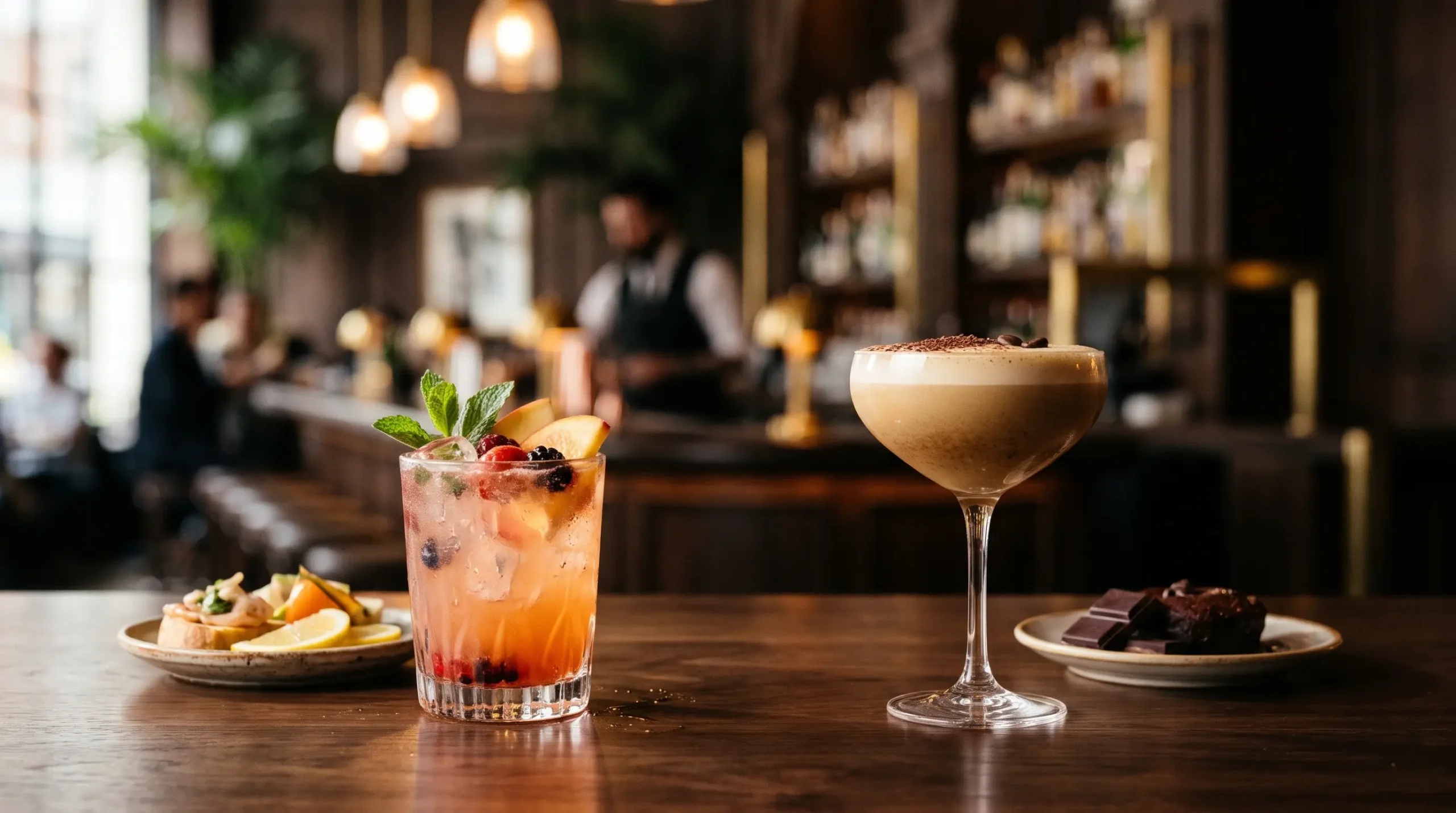
- Espresso Martini: Combines vodka as the base spirit, coffee liqueur such as VIBE Coffee, and freshly brewed espresso.
- Old Fashioned: A cocktail that focuses heavily on the spirit, using Bourbon or Rye Whiskey as the base spirit, a small amount of sugar, and bitters without liqueur.
Using spirits and liqueurs correctly is key to creating a well-balanced cocktail.
Do Liquor, Spirits, and Liqueurs Have Different Alcohol Content?
The alcohol content of a beverage is measured using ABV (Alcohol by Volume). Because liquor is a general term for spirits, the alcohol content of liquor and spirits generally falls within the same range.
Distilled spirits typically have relatively high ABV levels. Most commercial spirits, such as vodka, gin, and rum, are bottled at around 35% to 50% ABV, although certain varieties can have significantly higher alcohol content.
Liqueurs, on the other hand, generally have lower and more varied alcohol levels. The addition of sugar, cream, and other flavoring ingredients often reduces the alcohol concentration of the base spirit. Liqueurs typically have an ABV of around 15% to 30%. However, this is not an absolute rule, as some herbal and citrus liqueurs can reach 40% ABV or have alcohol levels comparable to standard spirits.
An Easy Way to Remember the Difference
If these terms still seem confusing, try using the following painting analogy:
- Spirit (Liquor) is like a blank canvas and base paint. It is a pure foundation with its own texture and inherent character, but it has not yet been given a specific color. Liquor is simply another popular term for this canvas.
- Liqueur is like a finished painting. The blank canvas (spirit) has been enhanced with various colors, textures, and decorative elements (sugar and fruit or spice flavorings), transforming it into something sweet and full of character.
With this concept in mind, distinguishing between ordinary distilled alcohol and sweet, flavor-rich alcoholic beverages becomes much easier.
Finding the Right Choice for Your Favorite Drinks
Understanding the difference between liquor, liqueur, and spirits is an important foundation before exploring the world of mixology. Now it’s time to put that knowledge into practice by exploring quality ingredients for creating the perfect drink.
As a recommended option, Vibe Liqueur & Spirits is a proudly Indonesian local alcohol brand that has received various prestigious international awards. Offering an extensive collection, VIBE features a range of pure spirits as well as various flavored liqueurs with different alcohol levels. The flexibility of its product range makes it ideal for a wide variety of classic cocktail recipes as well as modern, tropical-inspired creations.
For more lifestyle inspiration, be sure to visit Wekendvibe. The portal provides comprehensive guides to the best entertainment and nightlife venues, curated cocktail recipes, and various other unique insights to expand your knowledge of the world of drinks and entertainment.
FAQ — Liquor, Liqueur, and Spirits
1. What is the difference between liquor and liqueur? Liquor is a distilled alcoholic beverage that is generally pure and not sweet, such as vodka or whisky. Liqueur is a liquor or spirit that has been enhanced with added sugar and flavorings, such as coffee liqueur or triple sec.
2. Is liquor the same as spirits? In everyday conversation and commercial usage, liquor and spirits often mean the same thing. Both refer to distilled alcoholic beverages.
3. Is liqueur a type of spirit? Liqueur starts with a spirit as its base. It is a spirit-based beverage that is further processed by adding sweeteners and flavorings.
4. Is vodka considered liquor? Yes. Vodka is one of the primary examples of liquor or spirits because it is produced through distillation and is generally bottled without the addition of finishing sugar.
5. Is whisky a spirit? Yes. Whisky is a type of spirit. It is produced by distilling fermented grains and is subsequently aged in wooden barrels.
6. Is tequila a spirit? Yes. Tequila is officially a spirit distilled from fermented blue agave.
7. Why does liqueur taste sweeter? Liqueur tastes sweeter because producers intentionally add sugar, syrup, or other sweeteners during production, along with fruit or spice flavorings.
8. Do all liqueurs have a low alcohol content? No. Although liqueurs typically have an alcohol content of around 15–30% ABV, some types of liqueur, particularly certain herbal or classic citrus varieties, can contain up to 40% ABV.
9. What are some examples of liquor? Common examples of liquor include rum, gin, vodka, whisky, tequila, and brandy.
10. What are some examples of liqueur? Examples of liqueurs include flavored beverages such as Amaretto (almond), Baileys (Irish cream), Kahlúa (coffee), and Cointreau (orange).
11. What are some examples of spirits? Because spirits generally refers to distilled spirits, examples include vodka, tequila, rum, whisky, gin, and brandy.
12. What is the difference between spirits and distilled spirits? There is no difference. Distilled spirits is the full technical term for spirits. Both refer to alcoholic beverages in which alcohol is separated through the distillation process.