 Log in
 Register



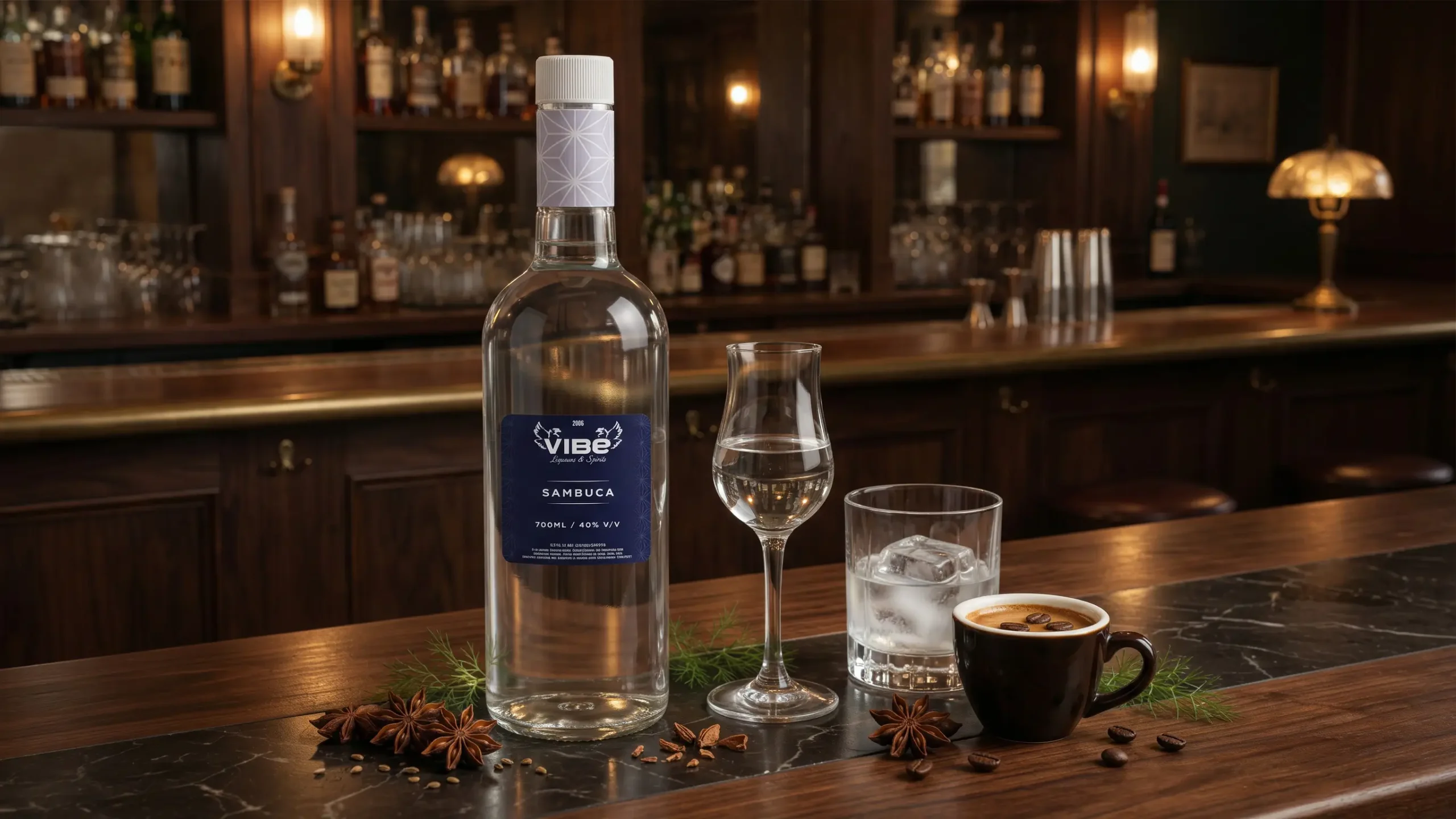
In the alcoholic beverage industry, sambuca occupies a unique position and has its own dedicated following. This category of drink is known for its distinctive anise aroma and flavor, as well as its long history in European drinking culture. Sambuca has a very different character compared to other spirit categories, primarily because its aromatic profile is built exclusively around extracts of anise-flavored botanical ingredients.
For spirits enthusiasts and food and beverage (F&B) industry professionals alike, understanding what sambuca is, where it comes from, what it is made of, and how it is served is essential knowledge. This article explores the definition of sambuca, the distinctive characteristics of its anise flavor, various common serving methods, and an introduction to quality local products such as VIBE Sambuca.
What Is Sambuca?
People trying this drink for the first time often ask: what exactly is sambuca? Technically, sambuca is an Italian alcoholic beverage in the liqueur category, primarily characterized by its sweet taste and anise aroma.
As a liqueur, sambuca differs from pure spirits such as vodka or gin because it contains added sugar in its formulation. This gives sambuca a slightly higher viscosity and a thicker, more syrupy texture when poured into a glass.
Although sambuca is closely associated with anise flavor, it is important not to confuse it with other similarly flavored drinks such as absinthe, ouzo, or pastis. Each of these beverage categories is governed by different composition regulations and has its own distinct history and cultural characteristics in its country of origin.
Where Does Sambuca Come From?
When exploring historical literature, the question of where sambuca comes from always leads to one country: Italy. Sambuca developed through Italian beverage-making traditions, which often combine alcohol with herbal and spice extracts (botanicals).
From the late 19th century to the mid-20th century, sambuca began to be produced commercially and rapidly gained popularity in Italy. Initially, it was often served after dinner as an after-dinner drink or digestif, as part of the country’s gastronomic traditions. Over time, the spread of Italian culinary culture around the world helped sambuca become an internationally recognized spirits product, eventually finding its way into modern bars and restaurants across different continents.
What Is Sambuca Made Of?
To achieve its distinctive profile, sambuca liquor production relies on a harmonious combination of several key components. Formulations may vary slightly between producers, but the commonly used ingredients include:
- Neutral Alcohol: Serves as the base spirit or foundation of the beverage, extracting aromas from botanical ingredients.
- Anise: The primary source of its distinctive aroma. Producers may use essential oils from anise (Pimpinella anisum), star anise (Illicium verum), or licorice root to create a complex flavor profile.
- Additional Botanicals: Some producers add elderflower extracts or other secret spices to provide balancing nuances.
- Sugar: As a liqueur, sugar is an essential ingredient that creates sweetness to balance the sharpness of alcohol and spices.
- Water: Used to dilute the pure alcohol (proof) to a level that meets commercial regulatory standards.
What Does Sambuca Taste Like? Understanding Its Anise Character
For those who want to try a sambuca drink for the first time, the most common question concerns its flavor profile. Sambuca has a distinctive taste that is often immediately recognizable from the first sip.
Distinctive Anise Aroma
Anise is the defining aroma of this drink. Its aromatic character is strong and herbal, and is often associated with the scent of licorice candy. It is worth noting that anise and star anise are two botanically different plants, but both contain the compound anethole, which gives sambuca its characteristic aroma.
Sweet Flavor and Herbal Sensation
On the palate, sweetness is immediately noticeable, helping balance the sharpness of the spices. Warm herbal nuances gradually spread throughout the mouth, creating a long and distinctive aftertaste.
The Drinking Experience
The perceived taste of sambuca can vary depending on serving temperature, mixing methods, and the specific alcohol content of the brand being consumed. The sweetness of one product may not be identical to another because each brand has its own proprietary ratio of sugar and botanical extracts.
How to Drink Sambuca: Exploring Different Serving Methods
Knowing how to drink sambuca properly can provide a much more rewarding tasting experience. Italian drinking culture has passed down several serving methods that professional bartenders still practice today.
Sambuca Neat
Serving sambuca neat means pouring it directly into a small glass, such as a shot glass or tulip glass, without adding ice or any other ingredients. This method is ideal for experiencing the product’s original aroma, thick texture, and sweetness at room temperature.
Sambuca with Ice or On the Rocks
Adding ice cubes to a glass (on the rocks) lowers the drink’s temperature, making it feel more refreshing. Interestingly, as the ice gradually melts, the dilution often causes sambuca to become slightly cloudy or milky white. This natural phenomenon is called the louche effect or ouzo effect. It occurs when the essential oil from anise (anethole) reacts to changes in alcohol concentration and temperature.
Sambuca with Coffee
In Italy, mixing sambuca with espresso is known as caffè corretto, meaning “corrected coffee.” In this method, a few drops of sambuca are added to a cup of hot espresso. The combination of coffee’s bitterness and anise’s sweet, herbal flavor creates a rich harmony. This way of enjoying sambuca with coffee has become a favorite after-dinner tradition in many Italian restaurants.
Sambuca in Cocktails
Although it has a dominant flavor, sambuca can also be used as a cocktail ingredient. In mixology, sambuca is added in carefully measured quantities so that its anise character does not overpower the other ingredients. It is often combined with citrus juice or neutral syrups to create cocktails with layered aromatic flavors.
What Is Sambuca Con La Mosca?
When discussing tradition, it would be incomplete not to mention the classic serving method known as sambuca con la mosca. Literally, this Italian phrase means “sambuca with flies.” However, no actual flies are used.
This serving method involves pouring sambuca neat into a glass and then adding exactly three roasted coffee beans. These three coffee beans have symbolic cultural meanings, representing wishes for health, happiness, and prosperity. Beyond their philosophical significance, chewing the coffee beans after drinking sambuca helps cleanse the palate and balance the liqueur’s sweetness.
What Is the Alcohol Content of Sambuca?
As an informed consumer, it is important to understand sambuca’s alcohol content. Under European Union regulations (Regulation EU 2019/787), a beverage must have a minimum Alcohol by Volume (ABV) of 38% to be classified as sambuca in Europe.
Generally, sambuca’s alcohol content on the global market ranges from 38% to 42% ABV. This is relatively high and comparable to major spirit categories such as vodka or rum. Always check the ABV displayed on the bottle label before consuming it, as this figure indicates the percentage of pure alcohol in the total liquid volume.
Discover VIBE Sambuca
In the Indonesian market, the presence of local products with international recognition offers a competitive alternative, including VIBE Sambuca. This beverage is produced by VIBE Liqueur & Spirits, a local brand that manufactures various alcohol categories under strict quality supervision.
As a producer, Vibe Liqueur & Spirits has a track record of global recognition. Its production quality is demonstrated by a series of awards at prestigious competitions, ranging from the Brand of the Year title at the Asia International Spirits Competition 2019, high scores at the Ultimate Spirits Challenge (USC) 2020 in New York, to various silver and bronze medals at the Asia World Spirits Competition 2026 in Singapore. This portfolio of international achievements demonstrates the high manufacturing standards also applied to VIBE Sambuca production.
In terms of its characteristics, VIBE Sambuca is categorized as a liqueur with a distinctive anise flavor profile. It is formulated to balance the sharpness of alcohol with the sweetness of botanical ingredients, making it versatile enough to enjoy neat, mix with coffee, or use as an anise-flavored base when creating cocktails in bars and restaurants.
Differences Between Sambuca, Ouzo, Absinthe, and Pastis
Many alcoholic beverages rely on anise for their aroma, but their categories are quite different. The following table explains their basic differences:
| Aspect | Sambuca | Ouzo | Absinthe | Pastis |
| Origin or tradition | Italy | Greece | Europe, particularly French and Swiss traditions | France |
| Aroma profile | Anise | Anise | Anise and herbs | Anise |
| Flavor profile | Generally sweet | Varies, often aromatic | Complex and herbal | Dominated by anise |
| Product category | Liqueur | Anise spirit | Anise-flavored herbal spirit | Anise-flavored spirit |
Things to Know Before Exploring Sambuca
Enjoying alcoholic beverages requires maturity and responsibility. Here are some important educational points to understand:
- Not a Light Beverage: The sweetness of a liqueur does not indicate a low alcohol content. With an ABV of around 38–40% or higher, sambuca is classified as hard liquor.
- Read the Label Carefully: Always pay attention to the serving volume and ABV stated on the bottle packaging.
- Risks of Alcohol Consumption: No serving method—including mixing sambuca with ice or coffee—eliminates the risks associated with alcohol consumption.
- Legal Requirements: Under Indonesian regulations, alcoholic beverages are intended only for individuals aged 21 and above.
- Responsibility: Driving a motor vehicle after consuming alcohol is strictly prohibited. Avoid alcohol consumption if you have certain medical conditions or are undergoing medical treatment.
Conclusion — Understanding Sambuca, from Its Flavor to How It Is Served
In conclusion, sambuca is a distinctive Italian liqueur known for its sweet flavor and elegant anise aroma. Originating from European culinary traditions, this beverage offers considerable versatility in how it can be served, from drinking it straight (neat) or with ice (on the rocks), to enjoying it with coffee beans (con la mosca) or combining it with espresso.
In Indonesia, spirits enthusiasts can explore this category through quality products such as VIBE Sambuca, produced by an internationally recognized manufacturer. Because it has a relatively high ABV despite its sweet taste, always make sure to enjoy this beverage in moderation, responsibly, and in compliance with Indonesia’s legal drinking age requirements.
To stay up to date with insights into the world of mixology, reviews of prestigious nightlife destinations, and other spirits lifestyle guides, visit the Wekendvibe portal at wekendvibe.com. Discover a variety of educational articles and interesting cocktail inspiration to make every celebration even more memorable.
FAQ
1. What is sambuca? Sambuca is an alcoholic beverage in the liqueur category that originates from Italy. It is widely known for its sweet flavor and distinctive anise aroma.
2. Which country does sambuca come from? Sambuca has a history and cultural roots in Italy.
3. What is sambuca made of? In general, sambuca is made from a mixture of neutral alcohol, sugar, water, and essential oils or botanical extracts from anise or star anise as its primary flavoring ingredients.
4. What does sambuca taste like? Sambuca has a sweet flavor profile with strong herbal notes, dominated by the warm, aromatic character of licorice.
5. Does sambuca taste like anise? Yes. Anise flavor and aroma are the defining identity and most important characteristics of sambuca.
6. How do you drink sambuca? The most common methods are drinking it neat, serving it with ice (on the rocks), enjoying it with coffee, or mixing it into a cocktail.
7. Can sambuca be mixed with coffee? Yes. In Italy, combining espresso with a little sambuca is very popular and is known as caffè corretto.
8. What does sambuca con la mosca mean? It is a traditional Italian serving method in which sambuca is poured into a glass with three roasted coffee beans, symbolizing health, happiness, and prosperity.
9. What percentage of alcohol does sambuca contain? Based on industry standards and regulations in certain regions, such as Europe, sambuca generally has an alcohol content (ABV) ranging from 38% to 42%.
10. What is the difference between sambuca and absinthe? Sambuca is a sweet Italian liqueur focused on anise flavor, while absinthe is an anise-flavored spirit originating from Switzerland and France, with a more complex, herbal, and bitter taste and generally a much higher alcohol content.
11. What is the difference between sambuca and ouzo? Sambuca is an Italian liqueur with added sugar, making it thick and sweet, while ouzo is a Greek spirit with an anise flavor that tends to be drier and less sweet.
12. What is VIBE Sambuca? VIBE Sambuca is an anise-flavored liqueur produced by VIBE Liqueur & Spirits, an award-winning local brand that distributes officially licensed alcoholic beverages nationwide.