 Log in
 Register



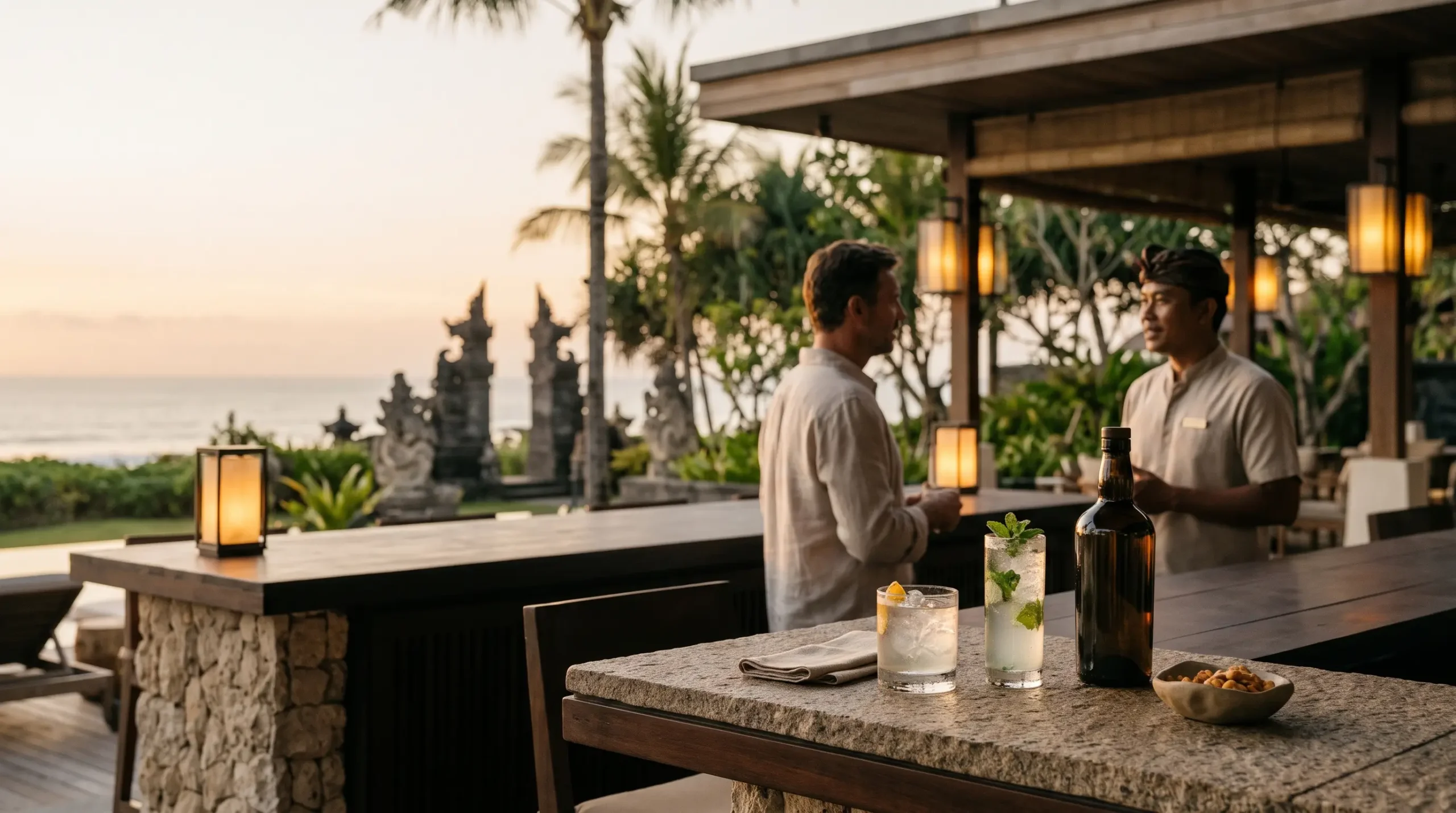
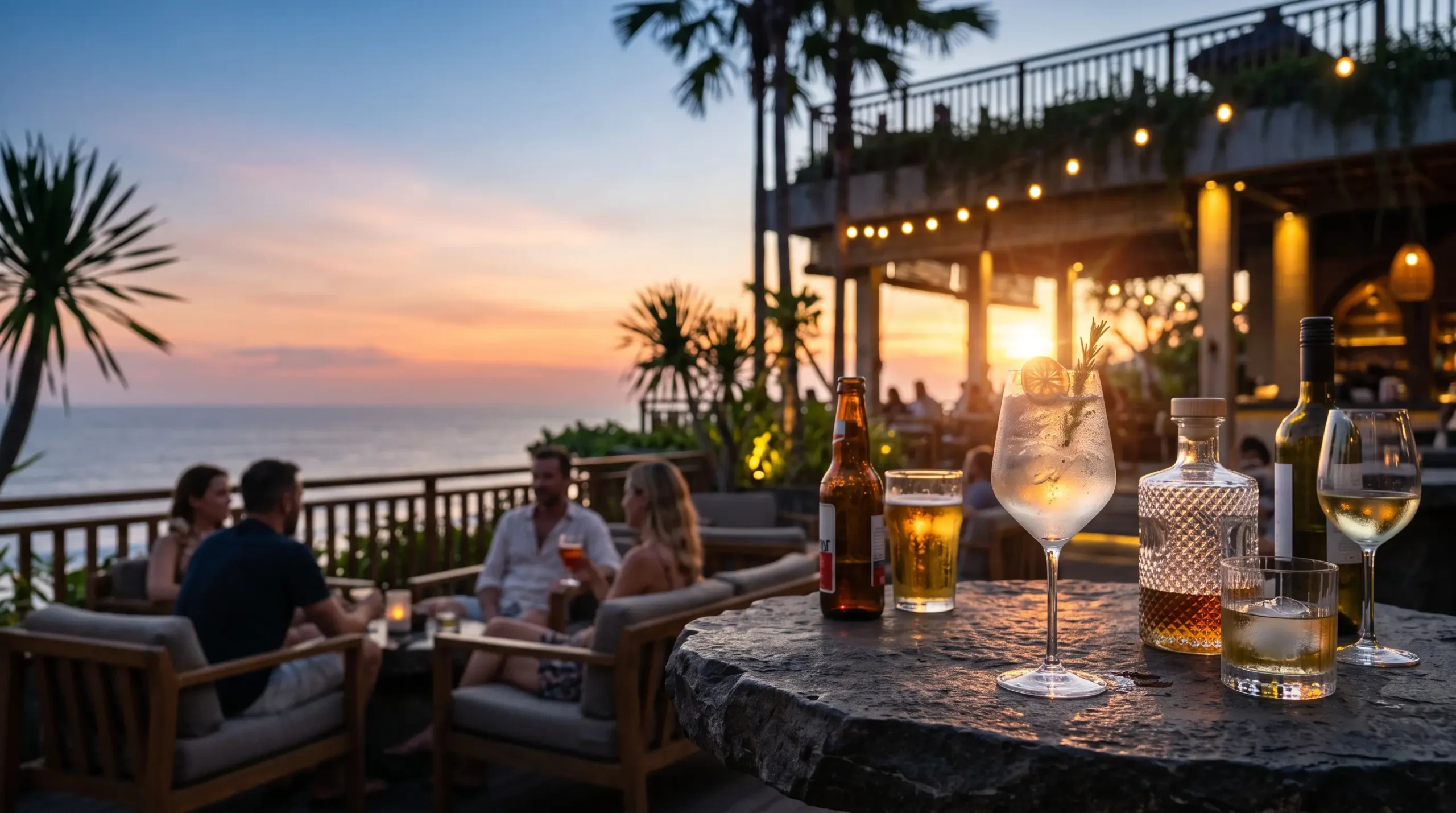
For many international and domestic travelers, enjoying a cold drink by the beach or relaxing at a nightclub is part of the Bali holiday experience. However, before visiting the island, it is important to understand Bali alcohol laws. Although alcoholic beverages are widely available throughout Bali’s tourism industry, their sale, distribution, and consumption remain subject to Indonesian national laws, regional regulations, and local cultural norms.
This guide explains the essential Bali alcohol laws every tourist should understand, from the legal drinking age and restrictions during Nyepi to purchasing regulations and local etiquette in public spaces. Understanding the difference between legally binding regulations and individual business policies can help visitors enjoy their holidays safely, comfortably, and respectfully.
Whether you are planning to visit a beach club, enjoy cocktails at a hotel bar, or purchase a bottle from a licensed retailer, knowing the applicable rules is an important part of responsible travel in Bali.
Is Alcohol Legal in Bali?
Yes, alcoholic beverages are generally legal to produce, sell, and consume in Bali, provided the applicable regulations are followed. Alcohol distribution in Indonesia is subject to national controls, with specific arrangements and provisions affecting tourism destinations, including Bali.
The Bali provincial government also regulates traditional Balinese fermented and distilled beverages, including Arak, Tuak, and Brem, through provincial regulations. These measures aim to support local producers while regulating product quality and distribution.
In general, alcohol is legal in Bali, but its distribution and sale are regulated. Businesses selling alcoholic beverages must comply with the relevant licensing requirements and applicable regulations.
Licensed restaurants, bars, beach clubs, hotels, and authorized retailers are among the places where eligible customers can purchase or consume alcoholic beverages.
Important: Licensing requirements and alcohol regulations may change. Tourists and businesses should check the latest official Indonesian and Bali government regulations rather than relying solely on general travel advice.
What Is the Legal Drinking Age in Bali?
Understanding the legal age requirements is one of the most important things tourists should know before purchasing alcohol in Bali.
According to the Indonesian Ministry of Trade regulation cited in the source article, the minimum age for purchasing alcoholic beverages in Indonesia, including Bali, is 21 years old.
Key points about the age requirement include:
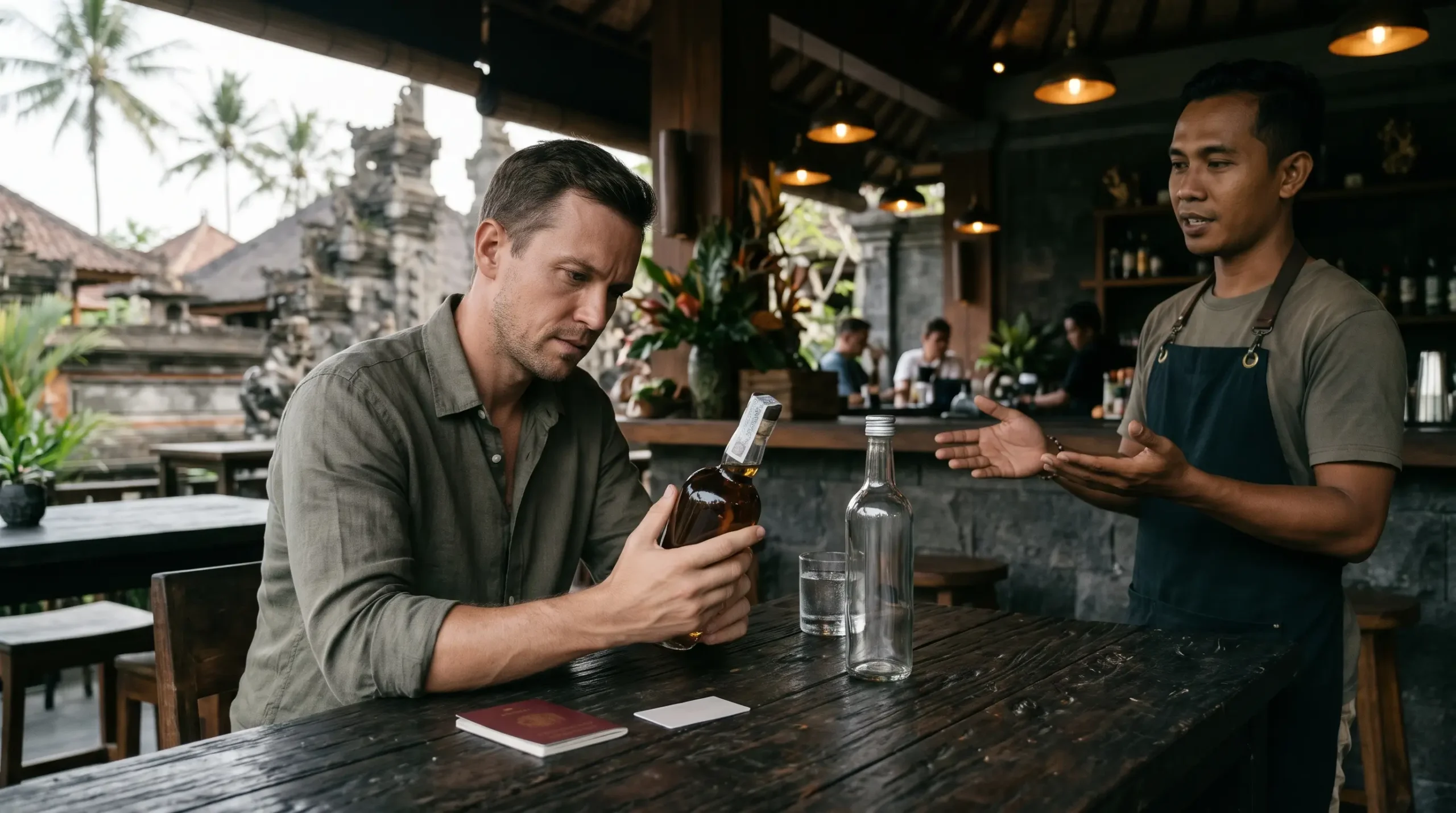
- Identification Requirements: Retailers, hotels, bars, and restaurants may request official identification before completing an alcohol sale. Indonesian citizens can present a KTP, while international visitors can use their passports.
- Scope of the Regulation: The cited regulation specifically addresses the sale of alcoholic beverages to consumers under the age of 21.
- Venue Policies: Many nightclubs and bars in Bali check passports or other official identification at the entrance to verify that guests meet their minimum-age requirements.
Tourists should carry valid identification when visiting venues that serve alcohol. Individual establishments may also impose entry conditions or verification procedures.
Because legal requirements and enforcement practices can change, visitors should verify the current national regulations before relying on age-related information.
Bali Alcohol Laws During Nyepi
Nyepi, the Balinese Hindu New Year, is one of the most important religious observances on the island. For approximately 24 hours, Bali observes Catur Brata Penyepian, a set of principles involving restrictions on work, travel, fire or lighting, and entertainment.
These observances significantly affect business operations and tourist mobility throughout the island.
When it comes to alcohol during Nyepi, tourists should understand the following:
- Business Closures: Bars, restaurants, convenience stores, and nightclubs outside hotel premises generally close during Nyepi. Alcohol sales and entertainment activities are subject to the applicable restrictions.
- Official Announcements: Each year, religious organizations and local authorities may issue joint announcements outlining Nyepi arrangements. These announcements can include restrictions affecting alcohol distribution, nightlife, and business operations before or after the observance.
- Hotel Policies: Tourists are generally required to remain within their accommodation during Nyepi. Hotels may continue providing food and beverages to registered guests, although services can be adjusted. Some properties may suspend alcohol service entirely, while others may offer limited service, such as room service, depending on their policies and applicable restrictions.
- Tourist Responsibilities: Visitors should contact their accommodation well in advance to confirm its operating arrangements, food and beverage services, and alcohol policies during Nyepi.
The most important rule is to respect Nyepi and follow official instructions. Do not assume that alcohol will be available simply because you are staying at a hotel. Service arrangements can differ between properties and from one year to another.
Can Tourists Buy Alcohol in Bali?
Yes, tourists can generally purchase alcohol in Bali, provided they meet the applicable age requirements and buy from authorized businesses.
The main purchasing options include:
- Supermarkets and Specialty Stores: Certain alcoholic beverages, such as beer, may be available at authorized supermarkets or convenience stores. Wine and spirits are generally easier to find at dedicated bottle shops and larger retailers that are permitted to sell these products.
- Hotels and Hospitality Venues: Licensed hotels, restaurants, bars, and beach clubs can serve alcoholic beverages to customers who meet the applicable requirements.
- Opening Hours: Alcohol sales and venue operating hours may be affected by local government rules, business licensing conditions, or customary village regulations. Some areas may impose restrictions on nightlife businesses.
When buying alcohol, choose reputable retailers and check the product label, packaging, and applicable excise markings.
Avoid purchasing unlabelled drinks from unknown sellers. Products that do not have clear information about their manufacturer or origin may present serious health risks.
International visitors should also remember that purchasing alcohol in Bali does not automatically mean they can transport it across international borders without restrictions. Check the customs and baggage rules of your destination before traveling with alcoholic beverages.
Can You Drink Alcohol in Public in Bali?
Alcohol consumption should take place in appropriate settings and in accordance with applicable laws and local customs. Public-order regulations may apply when drinking causes disturbances, creates safety risks, or interferes with the comfort of the surrounding community.
The following guidelines can help tourists understand the distinction between appropriate drinking locations and situations that may cause problems.
- Generally Appropriate Settings: Alcohol is commonly consumed at private properties, villas, hotels, licensed bars, restaurants, and beach clubs, subject to applicable rules and venue policies.
- Public Spaces and Sacred Areas: Drinking near temples, religious ceremonies, schools, hospitals, and other sensitive locations may be inappropriate or restricted under applicable rules. Drinking while walking through residential neighborhoods or traditional villages is strongly discouraged because it may conflict with local expectations and attract intervention from local security authorities, known as Pecalang.
Tourists should not assume that every public space permits alcohol consumption. Local rules, event-specific restrictions, and customary expectations may differ depending on the location.
Best practice: Enjoy alcoholic beverages in designated venues, follow staff instructions, and avoid behavior that disturbs residents or religious activities.
Alcohol Rules for Tourists in Bali
To enjoy a comfortable and safe holiday, tourists should follow several practical guidelines when purchasing or consuming alcohol in Bali.
1. Check Product Quality and Labels
Purchase alcohol only from reputable, authorized retailers. Avoid buying unlabelled homemade or mixed drinks sold in reused mineral-water bottles by unknown roadside sellers.
Unsafe or adulterated alcohol may contain methanol, a toxic substance that can cause severe poisoning, permanent blindness, or death.
Choose products with clear manufacturer information, intact packaging, and appropriate labeling.
2. Never Drive Under the Influence of Alcohol
Driving after drinking creates serious safety risks and may expose you to legal consequences.
If you plan to consume alcohol, arrange alternative transportation, such as a licensed taxi or a reputable ride-hailing service. This applies whether you rent a car, ride a motorcycle, or travel with friends.
Do not assume that you are safe to drive simply because you feel alert or have consumed only a small amount.
3. Respect Local Customs and Religious Traditions
Bali places considerable importance on religious traditions, community harmony, and respect for sacred spaces.
Being visibly intoxicated, creating disturbances, or behaving disrespectfully near religious ceremonies can cause serious social problems and may result in intervention by local authorities.
Dress appropriately when visiting temples, follow instructions during religious events, and avoid drinking in ways that interfere with local activities.
4. Follow Venue Rules
Bars, hotels, beach clubs, and restaurants may have their own policies concerning age verification, dress codes, service hours, and acceptable behavior.
These policies can be stricter than the minimum requirements under general regulations. Follow the instructions of venue staff and check the rules before visiting.
5. Check Local Restrictions Before Traveling
Alcohol availability and business operating conditions can differ between destinations and may change during religious observances or special events.
Before visiting a particular area, check official announcements, accommodation policies, and information from the relevant local authorities.
Are Alcohol Rules Different Across Bali?
Although national and provincial regulations establish the broader legal framework for alcohol in Bali, the implementation of public-order rules and local customary practices may differ between areas.
Two factors are particularly important.
Traditional Villages and Customary Rules
Bali has traditional villages with customary regulations known as Awig-Awig. Depending on the village, these rules may address community conduct, local events, and activities that affect public order.
Some traditional villages may impose additional restrictions on alcohol sales or related activities within their jurisdiction.
Visitors should respect posted rules and follow instructions from local authorities, particularly when entering residential communities or attending religious ceremonies.
Tourism Areas
Southern Bali, including Seminyak, Canggu, Kuta, and Uluwatu, has a substantial hospitality industry with numerous bars, restaurants, beach clubs, and nightlife venues.
Alcohol is generally easier to find in these tourism areas, subject to licensing and applicable regulations.
By contrast, remote villages and some inland or mountainous areas may have fewer alcohol retailers or more restrictive local practices.
The availability of alcohol does not mean that every type of consumption is appropriate in every location. Tourists should remain aware of their surroundings and respect the customs of each community.
What Happens If Tourists Break Alcohol Laws in Bali?
The legal and social consequences of alcohol-related violations depend on the circumstances, the nature of the conduct, and the applicable regulations.
Possible consequences include the following:
- Refusal of Service or Entry: People who do not meet the applicable age requirements or cannot provide requested identification may be refused alcohol purchases or denied entry to bars and nightclubs.
- Public-Order Enforcement: Causing disturbances, damaging property, or behaving in an intoxicated and disruptive manner in public may lead to intervention by police or local security authorities, including Pecalang. Depending on the circumstances, this may result in warnings, mediation, or applicable administrative or legal sanctions.
- Serious Legal Violations: Driving while impaired and causing an accident can lead to serious legal consequences. Unauthorized alcohol production, distribution, or sale may also result in enforcement action under applicable Indonesian laws.
The consequences depend on the specific violation, the evidence, and the laws in force at the time.
Tourists should not assume that being a foreign visitor exempts them from Indonesian law. If an incident occurs, cooperate with the relevant authorities and seek appropriate legal assistance when necessary.
Practical Checklist Before Drinking Alcohol in Bali
Use this checklist to help make responsible decisions before purchasing or consuming alcohol during your trip.
- Check your age: Make sure you meet the applicable minimum-age requirement. The source article identifies 21 as the minimum age for purchasing alcohol in Indonesia.
- Carry valid identification: Keep your passport or another accepted form of official identification available when visiting venues that may request it.
- Buy from reputable retailers: Choose authorized supermarkets, specialty bottle shops, licensed bars, or established restaurants.
- Inspect the product: Check the packaging, label, producer information, and applicable excise markings.
- Confirm Nyepi arrangements: If your visit coincides with Nyepi, ask your accommodation about food and beverage services, alcohol availability, and restrictions.
- Respect sacred places: Avoid drinking near temples, religious ceremonies, or other locations where alcohol consumption may be inappropriate or restricted.
- Check local rules: Follow the instructions of local authorities and respect the customary regulations of traditional villages.
- Arrange safe transportation: Use a taxi, ride-hailing service, or designated driver if you plan to drink.
- Drink responsibly: Eat beforehand, drink water, pace yourself, and stop if you begin to feel the effects of alcohol.
- Verify current regulations: Consult official government sources when you need confirmation of legal requirements or local restrictions.
Following these steps can help you avoid common problems while respecting Bali’s laws, culture, and communities.
Frequently Asked Questions About Bali Alcohol Laws
1. Is alcohol legal in Bali?
Yes, alcoholic beverages are generally legal in Bali when produced, distributed, and sold in compliance with applicable regulations. Tourists can find alcohol at authorized hotels, restaurants, bars, and retailers.
2. What is the legal drinking age in Bali?
The source article identifies 21 as the minimum age for purchasing alcoholic beverages in Indonesia, including Bali. Retailers and nightlife venues may request official identification to verify a customer’s age. Check the latest official regulations for confirmation.
3. Can tourists buy alcohol in Bali?
Yes. Tourists can generally purchase alcohol from authorized supermarkets, specialty bottle shops, and licensed hospitality venues, provided they meet the applicable requirements. Beer may be available at certain convenience stores, while wine and spirits are commonly sold by specialist retailers.
4. Can you drink alcohol during Nyepi in Bali?
Nyepi involves island-wide restrictions on movement and public activities. Bars, restaurants, shops, and entertainment venues outside accommodation premises generally close during the observance. Whether alcohol is available within a hotel depends on its operating arrangements and applicable restrictions.
5. Are bars and restaurants open during Nyepi?
Public-facing bars, restaurants, and entertainment venues generally close during the Nyepi observance. Hotel services may operate under adjusted arrangements. Visitors should confirm the latest official announcements and ask their accommodation about its specific policies.
6. Can you drink alcohol in public in Bali?
Public drinking may be inappropriate or restricted depending on the location and applicable public-order rules. The safest approach is to consume alcohol at a suitable private property or licensed venue and avoid drinking near temples, religious ceremonies, or residential areas where it may disturb the community.
7. Are there restrictions on buying alcohol in Bali?
Yes. Alcohol sales are subject to applicable licensing, age requirements, and other regulations. Local authorities may also impose restrictions affecting business operations and opening hours.
8. What happens if tourists break alcohol laws in Bali?
Consequences depend on the violation. Tourists may be refused service or entry, face intervention from local authorities for disruptive behavior, or encounter more serious legal consequences for conduct such as impaired driving or unlawful alcohol distribution.
9. Do hotels serve alcohol during Nyepi?
Policies vary between hotels. Some properties may suspend alcohol service, while others may offer limited options depending on their operating arrangements and applicable restrictions. Contact your hotel before arrival to confirm what will be available.
10. Where can tourists check the latest Bali alcohol laws?
Tourists can consult official Bali provincial government websites, relevant national government legal-information portals, and announcements from local authorities. The Indonesian Ministry of Trade’s legal-information resources may also be useful for checking regulations concerning alcohol sales and distribution.
For Nyepi-related restrictions, check the latest official announcements issued for the year of your visit and confirm the arrangements directly with your accommodation.
Final Note: Enjoying Bali Safely and Responsibly
Understanding Bali alcohol laws is an important step toward enjoying a smooth and trouble-free holiday. Following the applicable Indonesian regulations, meeting the legal requirements for purchasing alcohol, and choosing authorized retailers are essential responsibilities for every visitor.
Tourists should also pay special attention to Nyepi, when island-wide observances can significantly affect transportation, business operations, and the availability of food and beverages. Always check official announcements and confirm your accommodation’s policies before traveling during this period.
Beyond complying with the law, responsible alcohol consumption also means understanding your limits, avoiding impaired driving, and respecting the comfort and traditions of the local community. These simple practices help protect both visitors and residents while supporting a safer tourism environment.
For mixology enthusiasts and travelers interested in exploring different flavor profiles, Vibe Liqueur & Spirits offers a range of Indonesian liqueurs and spirits. With different flavors and alcohol strengths, its products can be used in a variety of cocktail recipes for suitable occasions.
For more travel inspiration, visit Wekendvibe. Explore recommendations for interesting venues, guides to cocktail recipes, and other lifestyle and entertainment content.
With thoughtful planning, awareness of Bali alcohol laws, and respect for local traditions, you can make your Bali holiday safer, more comfortable, and more memorable.
Editorial Note: This article is intended as a general travel reference for adult readers, not as legal advice. Regulations and local restrictions may change, so verify important details through official sources before your trip. Enjoy alcohol responsibly and never drive under the influence.