 Log in
 Register


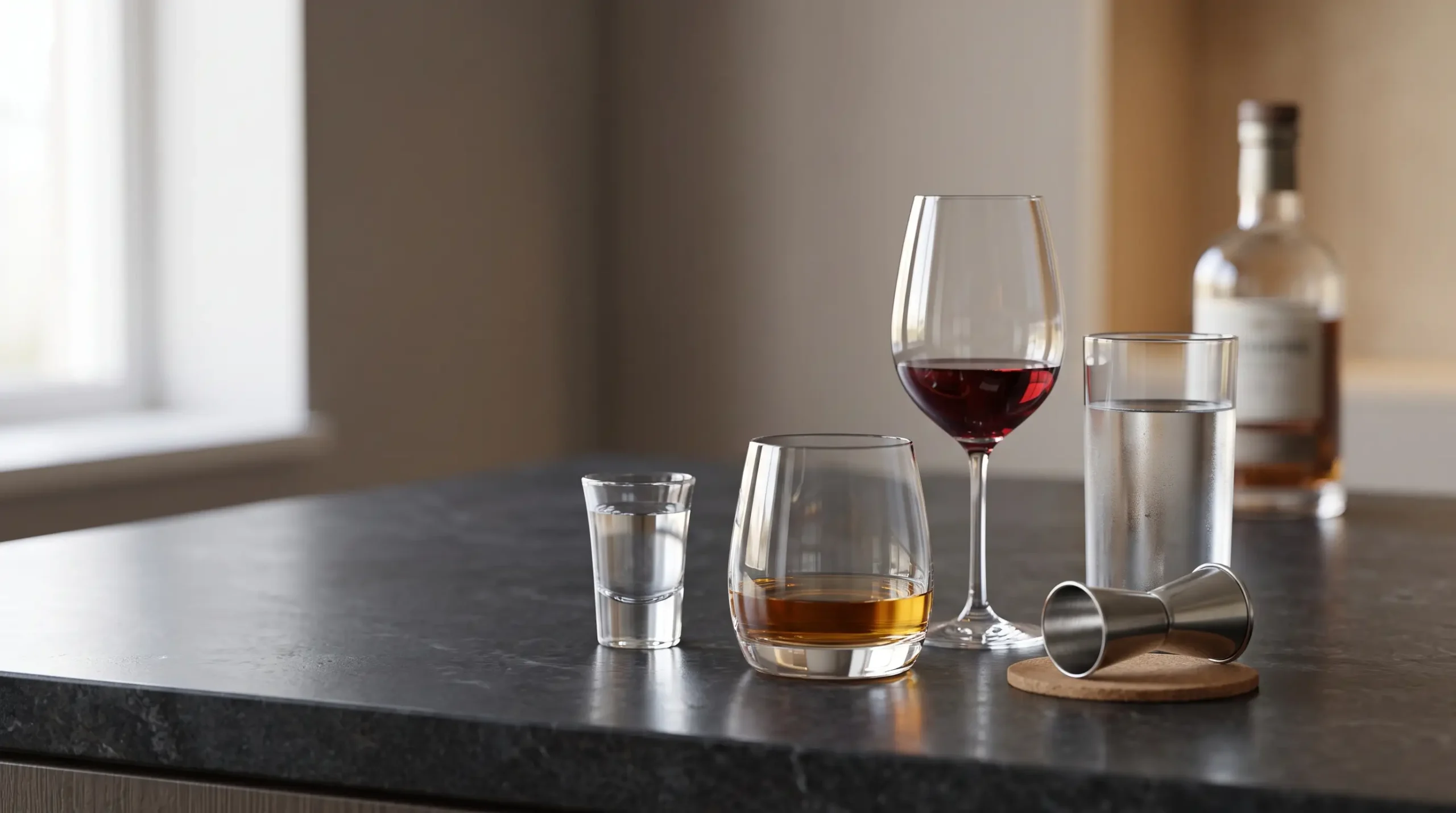
In social environments, the term “alcohol tolerance” is often misinterpreted as a person’s ability to gulp down a lot of liquor without feeling drunk. Even though merely feeling “alcohol-resistant” does not mean the body is immune to long-term effects or free from the risk of organ damage. Understanding the alcohol tolerance limit for women is highly crucial, especially because the body’s response to this substance is highly individual and complex.
Many assume that if someone does not get dizzy or nauseous after a few glasses, it means they are safe. The medical reality is far different. Between feeling sober (not intoxicated) and the high health risks lurking, there is a boundary line that must be understood. Every individual’s response to alcohol is influenced by genetic factors, body weight, body fat composition, drinking speed, food intake, drug interactions, and biological hormones.
The World Health Organization (WHO) explicitly emphasizes that health risks are influenced by the amount, frequency, and context of consumption, with the important note that no level of alcohol consumption is completely free from the risk of disease. Therefore, it is important to delve deeper into tolerance, health guidelines, and how alcohol interacts specifically with the female body.
What is Meant by Alcohol Tolerance?
Alcohol tolerance refers to the body’s biological adaptation to continuous alcohol exposure. In simple terms, when someone routinely consumes alcoholic beverages, the brain and body organs like the liver will adapt. As a result, a person might not feel too drunk even though they have drunk an amount that was previously enough to make them lose their balance.
However, there are fundamental differences that must be understood:
- Feeling not drunk: This is the illusion of tolerance at the brain level (neuroadaptation). The brain suppresses certain receptors so the body continues to function.
- The body’s ability to process alcohol: The speed at which the liver breaks down alcohol remains the same, regardless of how “resistant” a person feels.
- Health risks: Cellular damage to the liver, stomach, and cardiovascular risks continue. The body remains exposed to toxins even if the person feels “fine”.
The high tolerance developed due to repeated consumption is not a safety indicator. Instead, it often triggers more consumption to achieve the desired effect, which in turn increases the risk of organ damage.
Why Can the Effects of Alcohol on Women Be Different?
On average, objective biological factors make the effects of alcohol on women different compared to men. The National Institute on Alcohol Abuse and Alcoholism (NIAAA) explains that anatomically, women tend to have a lower proportion of body water compared to men of the same body weight.
Because alcohol is soluble in water and insoluble in fat, the same amount of alcohol will become more concentrated in a woman’s bloodstream. As a result, the Blood Alcohol Concentration (BAC) or alcohol level in a woman’s blood will rise faster and reach a higher point after consuming the exact same amount of alcohol as a man of the same size. This is a natural biological mechanism, emphasizing that consumption guidelines cannot be generalized for everyone.
Factors Influencing Alcohol Tolerance and Effects
Even fellow women can experience entirely different effects after drinking the same glass of wine. Two people sitting at the same table can have opposite BAC responses due to the following various factors:
- Body weight and body composition: Individuals with smaller body volume and muscle mass have less space to dilute alcohol.
- Amount of food in the stomach: Drinking on an empty stomach accelerates alcohol absorption into the bloodstream through the small intestine. Food delays this process.
- Drinking speed: The average liver can only process one standard drink per hour. Drinking faster than that will cause an accumulation of alcohol in the blood.
- Alcohol content / ABV (Alcohol by Volume): The higher the ABV, the faster pure alcohol enters the body.
- Consumption frequency: Those who rarely drink will feel more intense effects compared to those whose bodies have adapted (tolerance).
- Health conditions and medications: Flu medicines, antidepressants, or pain relievers can interact dangerously with alcohol, strengthening dizziness or suppressing the respiratory system.
- Other biological factors: Hormone fluctuations, fatigue levels, and poor sleep quality can make the body more susceptible to the effects of alcohol.
What is a Standard Drink?
To understand the consumed dosage, the term standard drink is often used by health institutions. However, it is important to note that this definition varies between countries. In the United States, the NIAAA guidelines define one standard drink as a beverage containing about 14 grams (0.6 ounces) of pure alcohol.
This concept exists because the size of the glass in a bar or restaurant does not reflect the amount of pure alcohol. A large glass of low-alcohol beer can be equivalent to one small shot glass of liquor with a high alcohol percentage.
Here is a standard drink comparison based on NIAAA guidelines:
| Beverage Type | Example ABV | Serving Size | Estimated Pure Alcohol Content | Important Notes |
| Regular Beer | ~5% | 12 oz (±355 ml) | 14 grams of pure alcohol | Craft or stout beers often have an ABV far above 5%. |
| Table Wine | ~12% | 5 oz (±148 ml) | 14 grams of pure alcohol | Pour sizes in restaurants are usually more than 5 oz. |
| Distilled Spirits (Vodka, Gin, Whiskey) | ~40% | 1.5 oz (±44 ml) | 14 grams of pure alcohol | Mixed drinks (cocktails) often contain more than one shot. |
Note: “One glass” does not automatically mean “one standard drink”. Everything depends on the pour volume and ABV level.
What is Binge Drinking for Women?
In the medical and research realms, the term binge drinking is used to describe a highly risky pattern of alcohol consumption in a short time. The NIAAA defines binge drinking as a pattern of drinking that brings blood alcohol concentration (BAC) levels to 0.08% or higher.
In a typical adult female anatomy, this BAC is usually reached after consuming 4 or more standard drinks within about 2 hours.
It is important to emphasize: this number is an epidemiological definition to classify high-risk behavior for research and health policy purposes, not a consumption target or recommended alcohol drinking limit for women. Reaching this level drastically burdens the liver’s workload and increases the risk of accidents, injuries, and toxic impacts on organs.
What is the Difference Between Binge Drinking and Heavy Drinking?
Besides binge drinking, there is the term heavy drinking which is also used to categorize risk patterns, but focuses more on the accumulation of weekly or daily frequency. According to the NIAAA, heavy drinking for women is classified as consuming 4 or more drinks on any single day, or 8 or more drinks per week. Once again, this metric is used by medical experts to identify potential alcohol-related disorders, not as a drinking recommendation.
| Term | Definition (Based on NIAAA for Women) | Meaning in a Health Context |
| Binge drinking | 4+ standard drinks in ~2 hours (reaching 0.08% BAC) | A high-risk consumption pattern in a short time that suddenly burdens the organs. |
| Heavy drinking | 4+ drinks per day OR 8+ drinks per week | A high-risk consumption pattern based on daily or weekly accumulation leading to chronic problems. |
| Standard drink | 14 grams of pure alcohol (US Definition) | A universal unit of measurement to objectively calculate alcohol intake, not based on glass shape. |
| Tolerance | Biological adjustment due to repeated exposure | A decreased body response to the effects of alcohol, not a measure of the body’s safety from organ damage. |
Conditions Where Women Should Not Consume Alcohol
Although everyone bears a certain risk when consuming alcohol, there are absolute conditions where exposure to this psychoactive substance should be completely avoided. Based on general medical guidelines and the NIAAA, groups that should avoid alcohol include:
- Pregnancy or planning a pregnancy: Alcohol can cross the placenta and cause Fetal Alcohol Spectrum Disorders (FASD). There is no known safe amount of alcohol during pregnancy.
- Use of certain medications: Many doctor’s prescriptions (like antidepressants, sedatives, blood pressure medicines) or even over-the-counter drugs can interact negatively with alcohol, triggering acute liver damage or respiratory arrest.
- Comorbid medical conditions: Chronic liver disease, severe ulcers, cardiovascular problems, or clinical anxiety disorders can worsen due to alcohol.
- Activities requiring alertness: Driving a vehicle, operating heavy machinery, or activities that demand full focus.
- Underage: Individuals who have not reached the legal age (which varies in each country) because their brains are still in a critical development phase.
How to Read Alcohol Content on Beverage Labels
To calculate the alcohol in a drink, pay attention to the abbreviation ABV (Alcohol by Volume). This label indicates the percentage of the liquid in the bottle that is pure alcohol.
For example, if a bottle is labeled 5% ABV, it means 5 percent of the total liquid is pure alcohol. A drink with 40% ABV (like vodka) has an alcohol proportion eight times denser than a 5% ABV drink at the same liquid volume.
To know how much workload you are putting on your body, the size of the bottle or can and the ABV number must be evaluated together. A full glass of a 5% ABV drink certainly carries a different alcohol grammage than a full glass of a 15% ABV drink.
How to Recognize Signs of Risky Alcohol Consumption
Identifying problems early is the best preventive step. Some objective signs that consumption patterns are starting to lead to risks include:
- Increasingly feeling the need for alcohol to relieve stress or socialize.
- The occurrence of a drastic increase in tolerance (needing a larger amount to get the same effect).
- Difficulty stopping or reducing the amount of consumption even though one intends to do so.
- Continuing to consume alcohol despite being aware of negative impacts on physical health, mental health, or social relationships.
- Consuming alcohol in dangerous situations (for example, before driving).
The patterns above can be indicators of Alcohol Use Disorder (AUD). If these signs appear, seeking insights or help from a professional healthcare worker is a wise step.
Tips for Understanding Alcohol Consumption More Responsibly
If an adult woman chooses to consume alcohol, the main focus must be directed at the principle of harm awareness. Some educational guidelines include:
- Know the ABV: Always read the label before buying or drinking.
- Understand the standard drink dosage: Do not measure based on the physical size of the glass served, but calculate the pure alcohol portion.
- Pay attention to intake: Provide intervals between drinks by consuming plain water, and ensure your stomach is filled with food beforehand.
- Separate from medications: Never mix alcohol with prescription or over-the-counter drugs without ensuring its safety from medical personnel.
- Prioritize safety: Do not drive if you have consumed alcohol.
- Be sensitive to your own body: Know when to refuse an offer to drink and do not be influenced by social pressure.
Understand Your Tolerance Limit for a More Responsible Experience
Understanding the “alcohol tolerance limit for women” is ultimately not about finding out how much liquor someone can gulp down before collapsing. The effects of alcohol and its absorption process are very unique to each individual, heavily influenced by biological makeup, body weight, body fluid composition, and genetics.
Remember that tolerance is merely the body’s way of adapting to alcohol exposure, not a protector from health risks. The World Health Organization (WHO) has also confirmed that no level of alcohol intake is guaranteed to be safe, and guidelines from institutions like the NIAAA show that the less alcohol consumed, the better it is for long-term health.
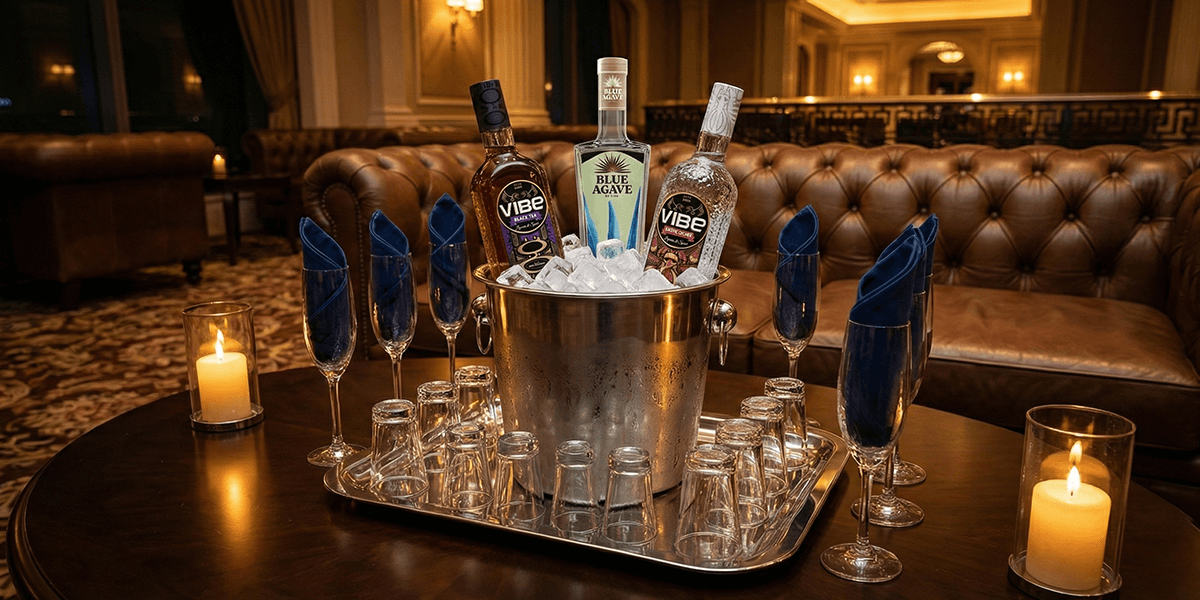
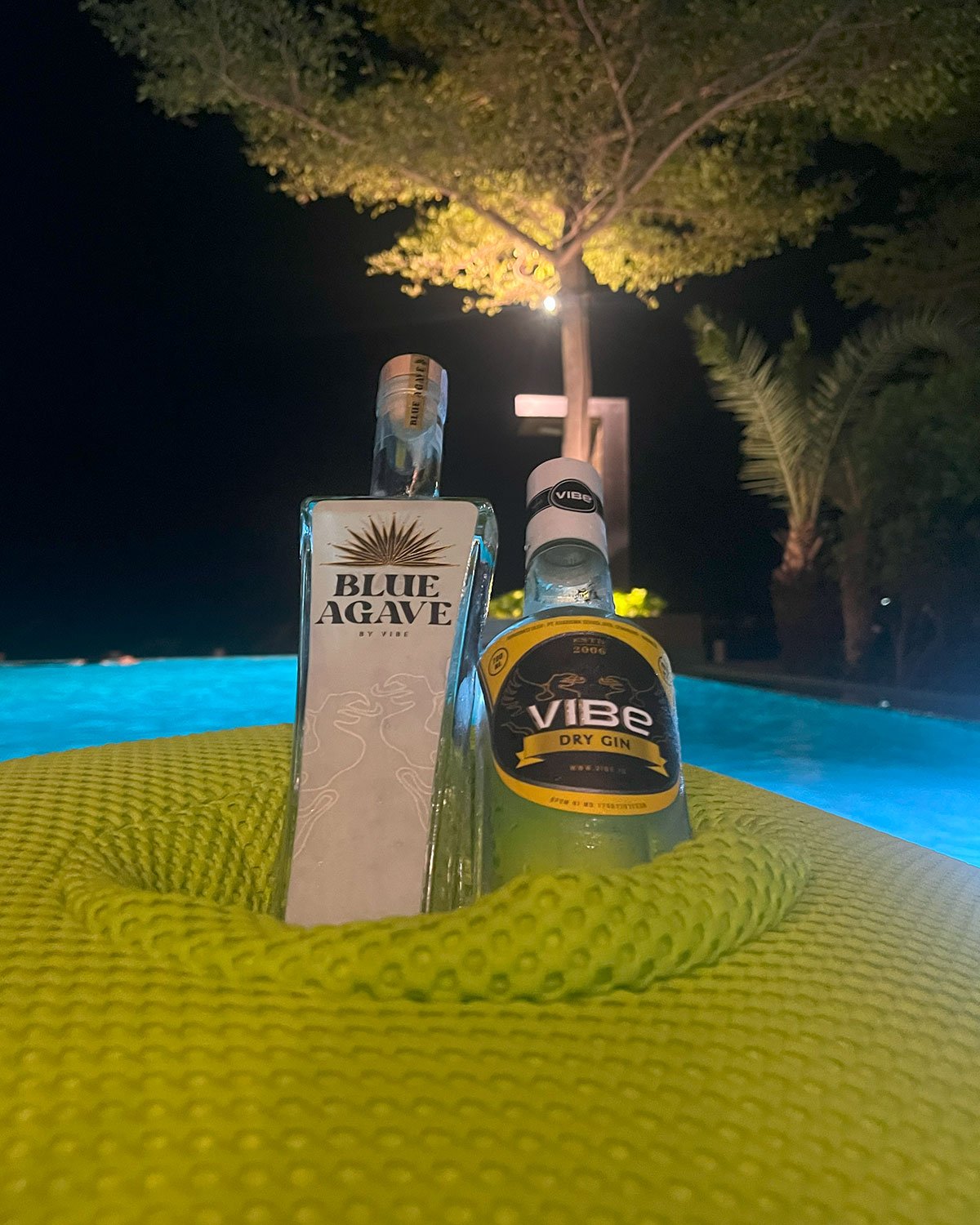
For those of you who choose to enjoy alcoholic beverages with full awareness and responsibility, choosing products with guaranteed quality is a must. You can explore Vibe Liqueur & Spirits, an Indonesian pride local alcohol brand that has been recognized and won various international awards. VIBE presents a rich collection of flavor variants with various alcohol contents (ABV), making it easy for you to measure consumption according to preferences. Its flexible flavor characteristics also make VIBE the perfect choice to be mixed into various special cocktail recipes.
To complete your exploration, visit Wekendvibe. There, you can get a complete curation of information regarding the best lifestyle venue recommendations, easy-to-make cocktail recipe inspirations, as well as various other unique and educational information surrounding beverage culture. Understanding personal limits and choosing quality is the main key to a responsible alcohol enjoyment experience.
FAQ
1. What is meant by the alcohol tolerance limit for women?
Alcohol tolerance refers to the biological adaptation of the brain and body due to repeated consumption, making someone feel less drunk. This is not an indicator that the body is safe from damage or health risks.
2. Do women have a different alcohol tolerance than men?
Generally, yes. On a biological average, women have a lower body water content, so blood alcohol concentration (BAC) can become higher faster even when consuming the same amount as a man of the same size.
3. What is a standard drink for women?
The definition of a standard drink applies equally as a unit of measurement. In the US, one standard drink contains 14 grams of pure alcohol (equivalent to 355ml of 5% beer, 148ml of 12% wine, or 44ml of 40% spirit).
4. What is binge drinking for women?
Based on the NIAAA, binge drinking is a risky drinking pattern that raises BAC to 0.08%, which typically occurs if a woman consumes about 4 or more standard drinks within a 2-hour timeframe.
5. What is the difference between a standard drink and a glass of a drink?
One physical glass is not necessarily one standard drink. A large cocktail glass or beer with a high ABV might contain a pure alcohol dosage equivalent to two to three standard drinks.
6. How do you calculate the alcohol content in a drink?
The content is calculated by looking at the ABV (Alcohol by Volume) on the label and adjusting it to the milliliter size of the liquid. A high ABV percentage in a large bottle indicates a very high amount of absolute alcohol.
7. Do fruit-flavored drinks have lower alcohol content?
Not necessarily. Sweet tastes, fruit flavorings, or sparkling sensations often merely mask the distinctive taste of alcohol, making it feel light to drink, even though its ABV level could be just as high as standard liquor.