 Log in
 Register



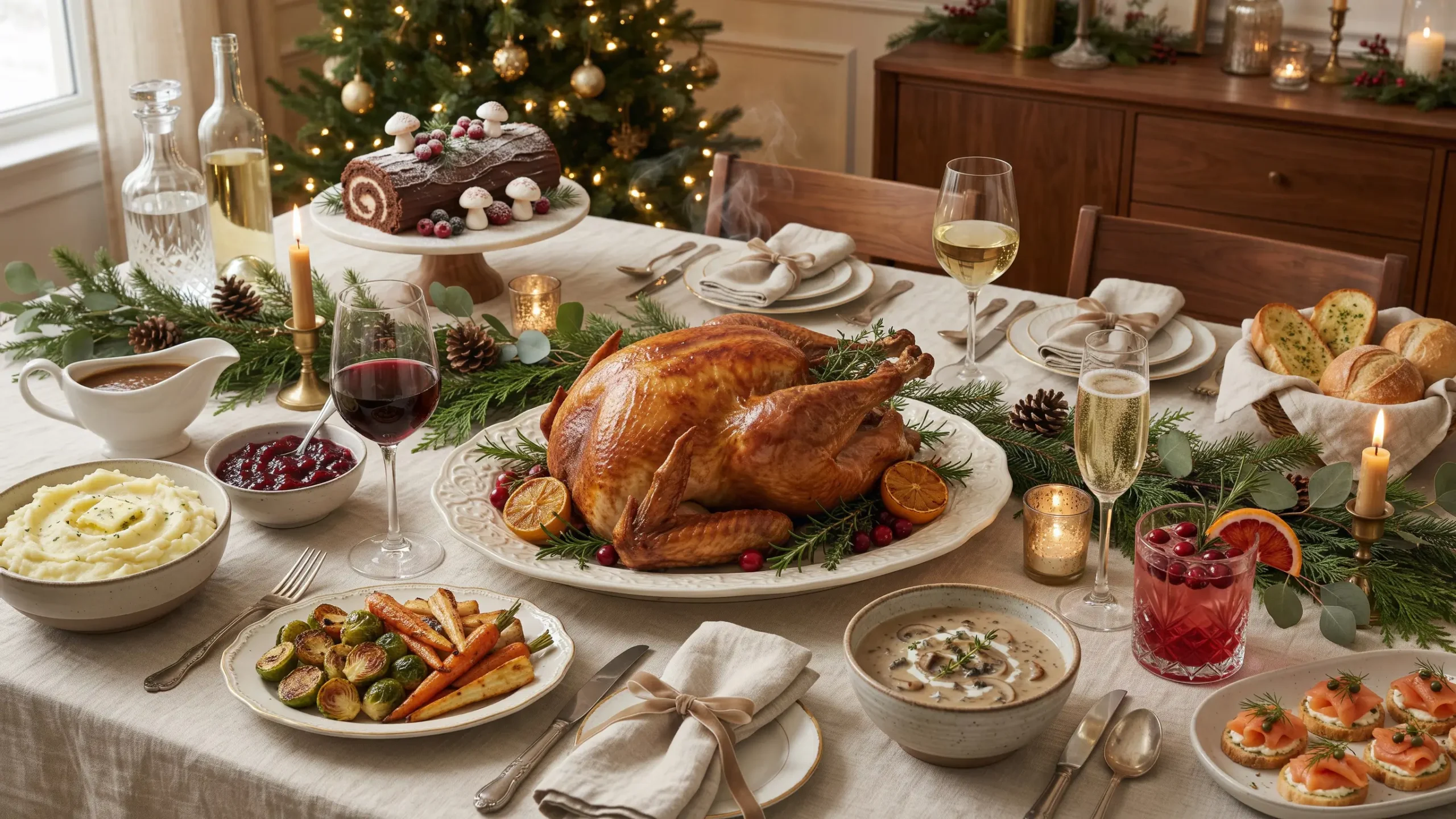
The Christmas season is always associated with warmth, togetherness, and moments spent sharing stories around the dining table with loved ones. Preparing special dishes is a thoughtful gesture that makes the celebration feel even more magical. A well-planned Christmas dinner menu does more than simply satisfy hunger; it creates a harmonious dining experience from beginning to end.
A memorable Christmas dinner is all about a complete journey of flavors. It is not just about how luxurious the main course is, but also about how the appetizer, main course, dessert, and drink selections complement one another. Choosing the right beverages, whether alcoholic or non-alcoholic, can elevate the flavors of every dish and make the celebration even more special.
Why Should You Plan Your Christmas Dinner Menu?
Planning a menu for a large gathering requires careful preparation to ensure that every dish has a balanced combination of flavors and textures. Without proper planning, there is a risk that the food may feel too heavy or that the different flavor profiles may clash with one another.
Menu planning involves several important aspects:
- Dish variety: Ensuring a smooth transition from light appetizers to sweet desserts.
- Balanced flavor profiles: Combining savory, sweet, sour, and creamy elements so that the palate does not become overwhelmed too quickly.
- Appropriate portions: Adjusting the variety and quantity of dishes based on the estimated number of guests.
- Drink selection: Preparing beverages that can cleanse the palate or bring out the flavors of the dishes.
- Dietary preferences and requirements: Accommodating the specific needs of family members, such as vegetarian options or gluten-free dishes.
A festive menu does not always have to follow Western dining traditions. Local and international dishes can easily be combined, as long as all the elements are carefully arranged and work harmoniously together.
Christmas Dinner Menu Inspiration: From Appetizers to Desserts
Finding meal ideas can sometimes be the most challenging part of the preparation. Here is a complete selection of dishes to help you put together a delicious Christmas dinner.
Appetizers to Start Your Christmas Dinner
An appetizer is meant to stimulate the appetite without making guests feel too full.
- Creamy mushroom soup: A warm soup with an earthy flavor profile and a smooth texture that feels comforting.
- Garlic bread: Crispy toasted bread with the aroma of garlic and butter, perfect for serving alongside warm soup.
- Shrimp cocktail: Fresh boiled shrimp served chilled with sweet-and-sour cocktail sauce. It offers a refreshing taste that awakens the appetite.
- Bruschetta: Toasted bread topped with fresh tomatoes, basil, and balsamic glaze, adding a refreshing touch of acidity.
- Smoked salmon canapé: Slices of smoked salmon served on crackers or small pieces of bread with a cream cheese spread, creating a savory and creamy combination.
- Roasted vegetable salad: A salad made with roasted vegetables and a light dressing, offering a crisp texture and clean flavor.
Main Course as the Star of Christmas Dinner
The main course is the centerpiece of the dining table. It often becomes the main attraction of the celebration.
- Roasted turkey: A whole roasted turkey is an iconic classic dish. Its firm texture and gently savory flavor are usually balanced with gravy or cranberry sauce.
- Roast chicken with rosemary: A more practical alternative to turkey that still delivers a distinctive herbal aroma and juicy meat.
- Beef tenderloin: A premium cut of beef that is exceptionally tender and rich, usually served with black pepper sauce or mushroom sauce.
- Beef Wellington: A beef fillet coated with pâté and duxelles (finely chopped mushrooms), then wrapped in crispy puff pastry. It creates a combination of tender meat and a flaky outer layer.
- Honey-glazed ham: Ham with an outer layer coated in caramelized honey, creating a balance of sweet and savory, salty flavors.
- Baked salmon: Salmon baked with lemon and dill. It has a tender, buttery texture and does not feel too heavy.
- Roasted lamb: Roasted lamb with a strong aroma, usually paired with mint or rosemary sauce to balance the intensity of the meat.
Keep in mind that festive traditions can vary greatly. These main course options can be adapted to suit family cultures and the availability of ingredients in each region.
Side Dishes to Complement the Main Course
The purpose of a side dish is to balance the flavors and add extra texture to the main course.
- Mashed potato: Creamy and smooth mashed potatoes that help balance heavily seasoned main dishes.
- Roasted vegetables: Roasted carrots, asparagus, or Brussels sprouts for additional fiber and the natural sweetness of caramelization.
- Creamed spinach: Spinach cooked with heavy cream, making it an excellent accompaniment to steak.
- Potato gratin: Sliced potatoes baked in a cream and cheese sauce, with a crispy top layer.
- Sautéed green beans: Green beans sautéed with garlic, adding a crisp texture to every bite.
- Cranberry sauce: A sweet-and-sour sauce that is an essential accompaniment to poultry dishes such as turkey.
- Herb rice: Butter rice topped with herbs, a popular choice among Asian palates.
Desserts to Finish Your Christmas Dinner
End the feast on a memorable sweet note with a selection of the following desserts.
- Christmas pudding: A traditional, dense pudding filled with dried fruit and spices.
- Yule log cake (Bûche de Noël): A chocolate Swiss roll shaped like a log, with a rich and intense chocolate flavor.
- Gingerbread cookies: Crispy ginger cookies with a strong cinnamon and clove aroma that perfectly captures the holiday atmosphere.
- Apple pie: A classic apple pie with warm spices and a sweet-and-sour flavor combination, ideal when served with vanilla ice cream.
- Panna cotta: A light Italian cream pudding, usually topped with fresh berry sauce.
- Chocolate mousse: An airy, delicate chocolate dessert that is wonderfully indulgent.
- Fruit tart: A crispy tart filled with custard cream and fresh fruit, making it a relatively light dessert.
A Guide to Pairing Christmas Drinks with Your Dinner Menu
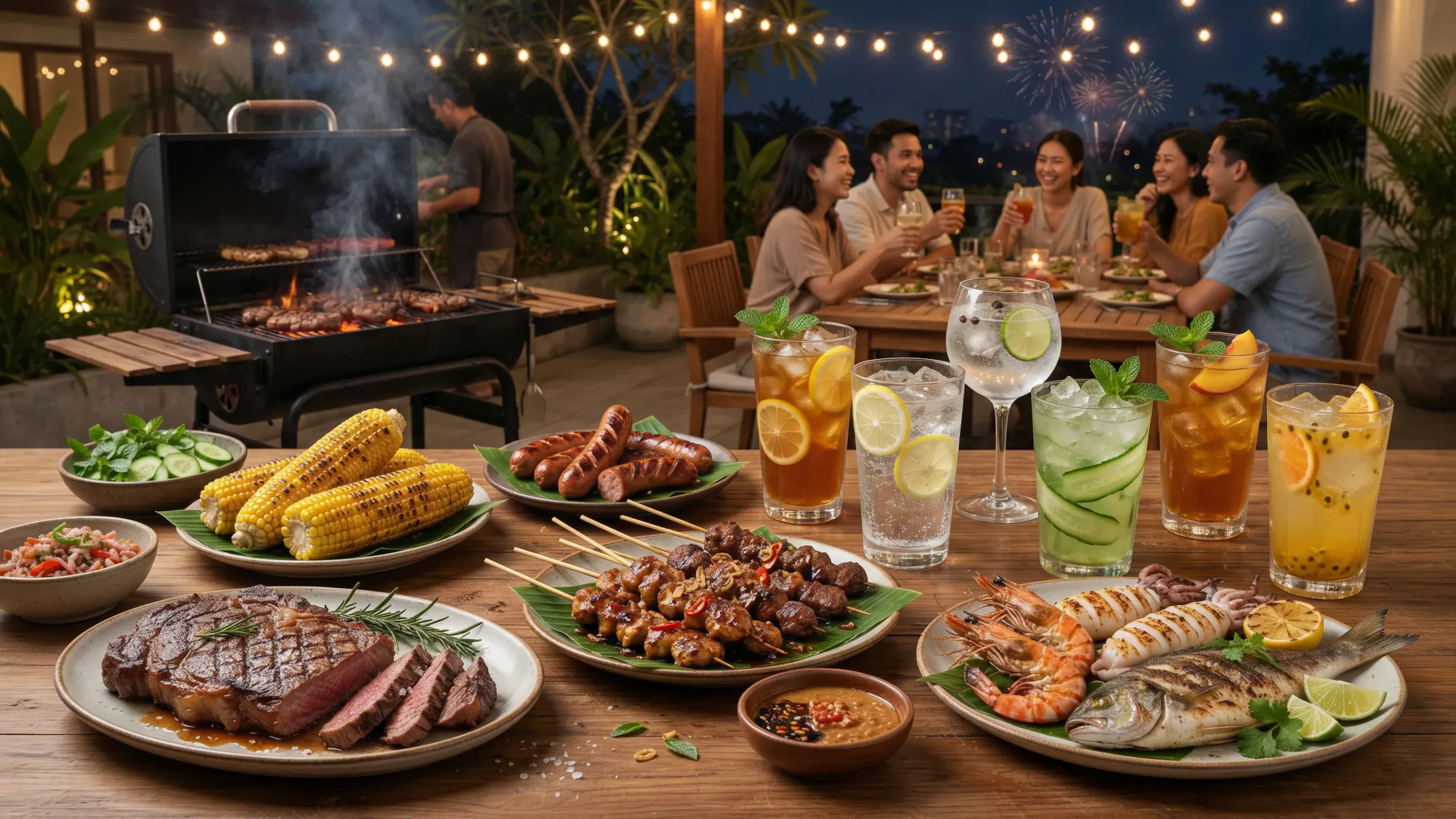
Once the food menu has been arranged, the next crucial step is choosing the right Christmas drink pairings. Food and beverage pairing is the art of matching food and drinks by considering their flavor characteristics, aromas, texture profiles, and acidity levels so that they enhance one another.
Some basic pairing principles include:
- Complementary pairing: Combining food and drinks with similar flavor profiles so they enhance one another. For example, creamy mushroom sauce can be paired with a drink that has a rich or buttery texture.
- Contrasting pairing: Using different flavor profiles to create balance. For example, the acidity of a drink can cut through the fatty richness of a heavy dish.
- Intensity matching: Matching intensity levels. Light dishes should be paired with light drinks, while heavily spiced dishes should be paired with more full-bodied beverages so their flavors are not overshadowed.
- Acidity and sweetness balance: Ideally, drinks should have enough acidity to balance salty flavors. For desserts, the drink should be sweeter than the food.
An Elegant Alternative: Creating Christmas Cocktails with Spirits and Liqueurs
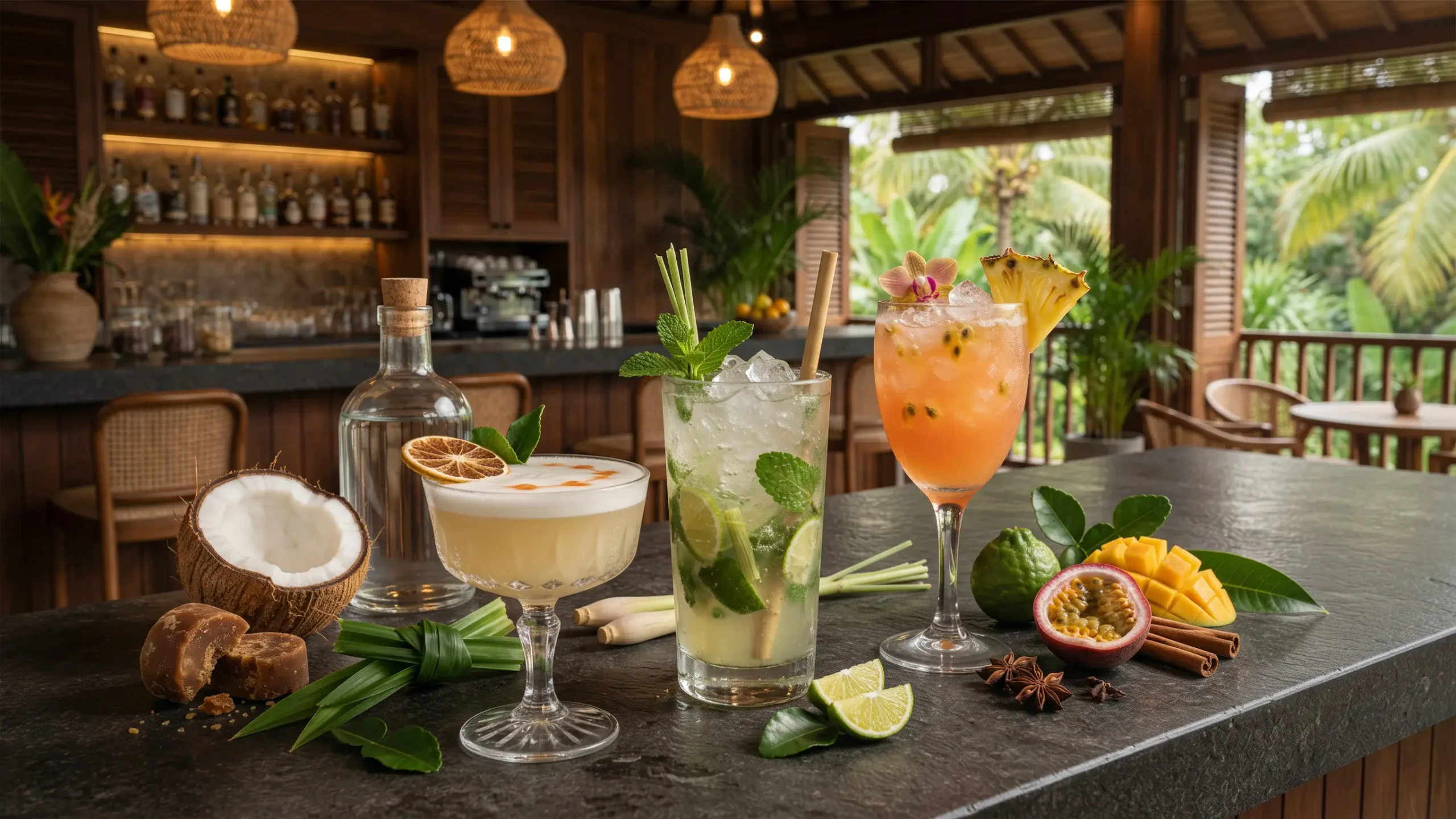
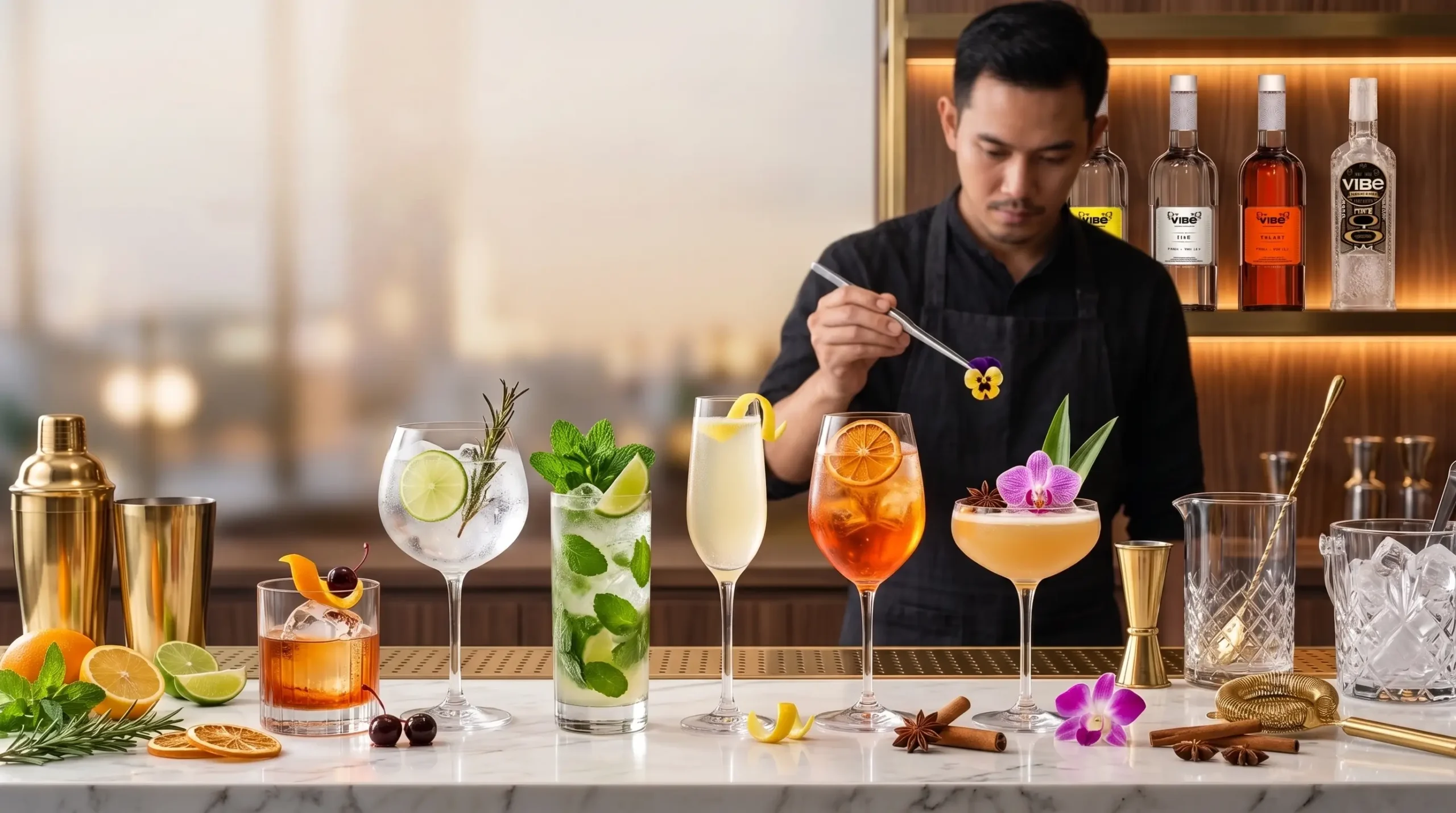
In addition to serving wine, preparing your own creative cocktails can add a personal and interactive touch for guests. Cocktails are ideal as a welcome drink when guests first arrive or as an after-dinner drink to close the feast.
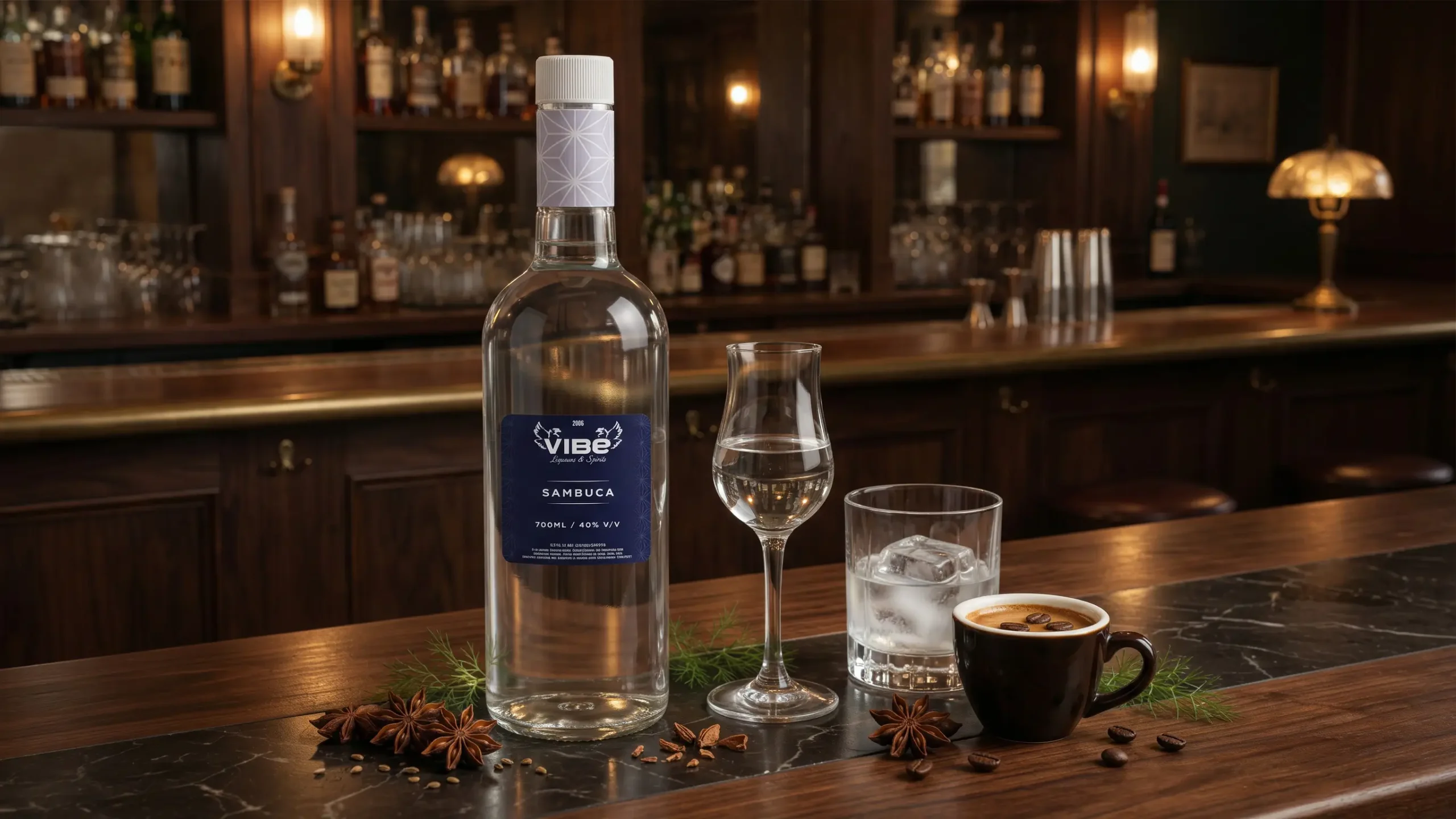
To create sophisticated festive drinks, using globally recognized, high-standard base ingredients can make a significant difference to the final taste. Choosing premium-quality local products that have received recognition through various international awards, such as Vibe Liqueur & Spirits, can make preparing drinks at home much easier.
For example, pair refreshing appetizers with a cocktail made using Vodka or Dry Gin from VIBE, mixed with cranberry juice and freshly squeezed lemon. Meanwhile, to complement a relaxing moment after the main course, a glass of lychee- or peach-flavored drink from the liqueur range can provide a sweet, aromatic sensation that refreshes the palate.
Wine Recommendations for Christmas Dinner
If you prefer a more traditional approach, choosing the right wine for Christmas requires a little attention to detail. Selecting wine is not simply about looking at its color; it should also take into account the sauces, seasonings, and types of protein being served.
Red Wine for Red Meat Dishes
Meat with strong flavors and high fat content requires wine with sufficient tannins to cleanse the palate.
- Cabernet Sauvignon: High in intensity, full-bodied, and rich in tannins. It is an excellent choice to serve with beef tenderloin or roast beef.
- Merlot: More fruity, with smoother tannins than Cabernet, making it suitable for pairing with Beef Wellington.
- Pinot Noir: A lighter, more acidic, and earthy red wine. It is an exceptionally versatile choice for roasted turkey or mushroom-based dishes.
- Syrah or Shiraz: Rich in aromas of pepper and dark spices, making it an excellent match for strongly flavored meats such as roasted lamb.
Avoid assuming that all red wines go well with every type of meat. Roasted dishes with predominantly sweet flavors, such as honey-glazed ham, may taste bitter when paired with red wine that has excessively high tannins.
White Wine for Seafood and Chicken Dishes
White meat and seafood dishes call for drinks with good acidity to provide a refreshing effect.
- Chardonnay: When aged in oak, Chardonnay develops creamy, vanilla, and buttery characteristics that pair perfectly with baked salmon or chicken in cream sauce.
- Sauvignon Blanc: Very crisp and high in acidity. It is suitable for lightly seasoned seafood platters with lemon and fresh herbs.
- Pinot Grigio: Light, refreshing, and with a hint of citrus, making it a neutral choice for various fish and shellfish dishes.
- Riesling: A white wine available in different sweetness levels. A slightly sweet version is excellent for balancing mildly spicy dishes or Asian-inspired meals with aromatic spices.
Sparkling Wine for Christmas Appetizers and Celebrations
Sparkling wine, such as Champagne, Prosecco, or Cava, is a symbol of celebration. Its sharp acidity and carbonation from the bubbles work exceptionally well as a palate cleanser. This drink is an excellent match for savory and creamy appetizers such as:
- Shrimp cocktail
- Smoked salmon
- Cheese platter
- Various light canapés
Dessert Wine and Liqueurs for Sweet Dishes
Pairing drinks with sweet dishes follows one golden rule: the drink must have a sweetness level equal to or greater than that of the dessert itself. Otherwise, it will taste bland and overly acidic.
- Sauternes: This luxurious French sweet wine beautifully complements fruit-based desserts such as apple pie or fruit tart.
- Moscato: Light, floral, and slightly sparkling. It is a good match for light puddings or panna cotta.
- Port wine: A rich, sweet, high-alcohol fortified wine. It is the perfect pairing to balance the bitterness of dark chocolate mousse or Yule log cake.
As an alternative to wine, serving Coffee Liqueur over ice (on the rocks) is also a popular after-dinner tradition. The rich, intense coffee flavor of the liqueur balances the sweetness of Christmas pudding or chocolate cakes without making them feel overly sweet.
Food and Drink Pairing Table for Christmas Dinner
To make preparation easier, here is a quick summary of pairing recommendations that you can use as your main reference.
| Christmas Menu | Flavor Profile | Suggested Drink (Wine/Liqueur/Mocktail) | Pairing Rationale |
| Roasted Turkey | Savory, herbaceous | Pinot Noir or Chardonnay / Apple Cider | Balances the meat and seasoning without overpowering the palate. |
| Beef Tenderloin | Savory, rich, umami | Cabernet Sauvignon or Merlot / Sparkling Grape | Complements the flavor and cuts through the richness of red meat. |
| Baked Salmon | Rich, buttery | Chardonnay or Sauvignon Blanc / Citrus Water | Provides refreshing acidity to balance the fish’s buttery texture. |
| Shrimp Cocktail | Fresh, slightly sour | Sparkling Wine / Cranberry Vodka Cocktail | The bubbles and acidity create a refreshing contrast on the palate. |
| Creamy Mushroom Soup | Creamy, earthy | Chardonnay / Ginger Ale | Their similarly rich flavor profiles complement each other harmoniously. |
| Chocolate Dessert | Sweet, intense | Port Wine or Coffee Liqueur / Spiced Milk | Balances the intensity of the rich cocoa flavor so it does not overwhelm the palate. |
Note: These recommendations are not strict rules. Changes in sauce types or the sweetness of accompanying ingredients can affect the pairing profile.
Non-Alcoholic Drink Alternatives for Christmas Dinner
Making sure that every guest, including children, pregnant women, and those who do not consume alcohol, can enjoy a special drink experience is a thoughtful way to show hospitality. Here are several non-alcoholic drinks that are just as impressive:
- Sparkling cranberry mocktail: A combination of pure cranberry juice, club soda, and freshly squeezed lime. Its vibrant red color fits perfectly with the Christmas theme, while its acidity mimics the function of sparkling wine.
- Non-alcoholic apple cider: Warm or chilled spiced apple juice. Always check the packaging label, as the term cider in some countries refers to an alcoholic fermented drink.
- Ginger ale with rosemary: Refreshing ginger soda served with a fresh sprig of rosemary, an excellent pairing for heavily seasoned dishes.
- Mulled apple juice: Apple juice slowly simmered with cinnamon, cloves, and orange peel. It delivers a classic warming flavor similar to mulled wine.
- Citrus-infused water: Chilled mineral water with slices of lemon, orange, and mint leaves, serving as a natural palate cleanser between courses.
- Sparkling grape juice: A classic wine alternative that is enjoyed by people of all ages.
Tips for Creating a Memorable Christmas Dinner Menu
To ensure that the entire celebration runs smoothly without last-minute kitchen panic, apply the following practical strategies:
- Decide on the main course first: Make the main course the centerpiece, then build the appetizer and side dish selections around it.
- Choose complementary flavor profiles: Avoid serving thick cream soup if the main dish is already prepared with a rich cheese sauce.
- Match drinks to the character of the food: Use the pairing guide above as your main reference. Prepare red wine, white wine, creative cocktails, and non-alcoholic options for the table.
- Consider the number of guests and kitchen capacity: Avoid menus that require quick, last-minute cooking (à la minute) if you are hosting a large number of guests.
- Check dietary requirements and allergies: Ask in advance whether any guests have seafood allergies, lactose intolerance, or follow a vegan diet.
- Arrange a preparation schedule (Prep Timeline): Complete some tasks the day before, such as making sauces, baking cookies, or marinating meat.
- Add a thematic concept: Whether it is Classic Western Christmas, a Modern Festive style, or an Indonesian Christmas Dinner touch (such as replacing turkey with roasted stuffed chicken), make sure the concept is consistent throughout.
Conclusion: Create a More Memorable Christmas Dinner Menu
Hosting a festive dinner is about sharing love through food. Creating a special Christmas dinner menu means considering the entire journey of flavors, from the first bite of the appetizer and the satisfying main course to the perfectly matched side dishes and the sweetness of dessert.
A carefully curated selection of Christmas drink pairings, featuring selected wines, sophisticated liqueur and spirits creations, or refreshing thirst-quenching mocktails, will complete the overall dining experience. Plan your menu carefully, serve it with love, and let the warmth of Christmas blend with delicious food around the family dining table.
To continue discovering culinary guides, food and beverage pairing ideas, the art of mixology, and the latest lifestyle recommendations, be sure to visit Wekendvibe. Discover more interesting articles to help make every celebration and weekend even more memorable!
FAQ
1. What dishes are suitable for Christmas dinner? An ideal menu consists of fresh appetizers (such as shrimp cocktail), a satisfying main course (roasted turkey or Beef Wellington), savory side dishes (mashed potatoes), and sweet desserts such as Yule log cake or classic apple pie.
2. What is the most common main course served at Christmas dinner? Roasted turkey and honey-glazed ham are the most iconic dishes. However, dishes such as roast chicken, beef tenderloin, and baked salmon are also very popular main course alternatives.
3. What wine is suitable for Christmas dinner? The choice of wine depends on the dishes being served. Cabernet Sauvignon and Merlot are suitable for red meat. Chardonnay pairs well with salmon and chicken, while sparkling wine is ideal for celebrations and light appetizers.
4. What wine goes well with roasted turkey? Pinot Noir is a classic choice for roasted turkey because its acidity cuts through the dense texture of poultry without overpowering the seasoning. An alternative white wine is slightly creamy Chardonnay.
5. Does red wine pair well with beef? Yes. Red wines with medium to high tannin levels, such as Cabernet Sauvignon, Merlot, or Syrah, pair very well with beef. The tannins in the wine help balance and soften the fat in the meat.
6. What drinks go well with Christmas desserts? For sweet desserts, choose a dessert wine such as Port wine for rich chocolate dishes, Sauternes for fruit-based cakes, or a Coffee Liqueur-based drink to balance sweet dishes without making them taste too intense.
7. What are some non-alcoholic drink alternatives for Christmas? Popular options include sparkling cranberry mocktails, herbal ginger ale, warm spiced mulled apple juice, sparkling grape juice, and refreshing mineral water infused with citrus fruits.
8. How do you choose wine based on food? The main principle is to balance intensity. Light foods should be paired with light wines (such as white wine), high-fat foods need tannins (red wine), and spicy or sweet dishes call for wine with a little extra sweetness.
9. What is food pairing? Food pairing is the art of matching specific foods and drinks so that their flavors, aromas, and textures complement, balance, or contrast with one another to create a more enjoyable dining experience.